
1. Opšta izvodljivost
Prototip investicionog livenja je vrlo izvodljivo kada je cilj brzo validirati složeni metalni dio, prije nego što se posvete tvrdom alatu ili masovnoj proizvodnji.
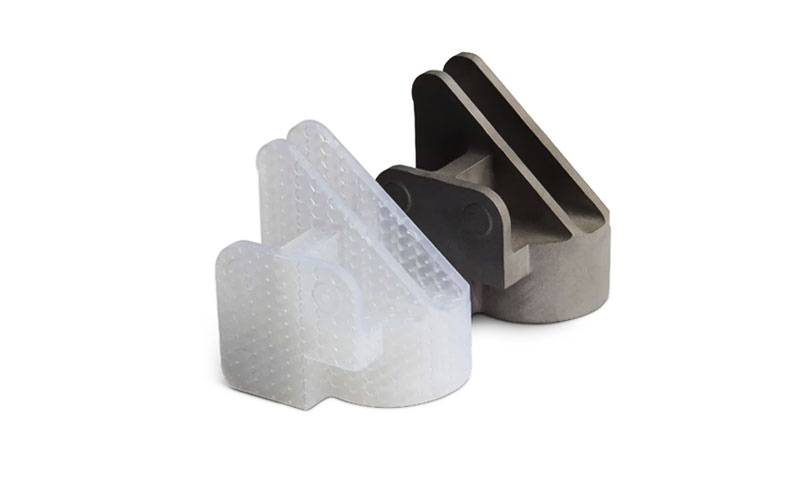
Industrija investicionog livenja široko je usvojila hibridne strategije koje koriste 3D-štampani voštani ili plastični uzorci,
posebno zato što mogu smanjiti vrijeme isporuke prvog članka, niža cijena za dijelove male zapremine, i omogućavaju veću geometrijsku složenost od konvencionalnih ruta vođenih alatima.
To je rekao, izvodljivost nije univerzalna.
Lijevanje prototipa ulaganja ima najviše smisla kada je geometrija dijela, ciljni volumen, i kvalifikacijsko opterećenje opravdavaju proces livenja, a ne CNC obradu, Aditivna proizvodnja, ili jednostavnija ruta prototipa.
Drugim riječima, često je odličan odgovor za složeni metalni prototipovi skoro mreže, ali ne uvijek najjeftiniji ili najbrži odgovor za svaki dio.
Ovo je zaključak iz objavljenog vremena isporuke, trošak, i kompromisi u vezi sa kontrolom procesa o kojima su izveštavali izvori iz industrije livenja.
2. Izvodljivost troškova

Iz perspektive troškova, lijevanje prototipa po ulaganju je atraktivno jer može eliminirati ili smanjiti potrebu za tvrdim alatima u ranoj fazi razvoja.
Materijal na industrijskoj konferenciji napominje da štampani uzorci voska/plastike mogu značajno smanjiti vrijeme isporuke prvog artikla i smanjiti troškove za dijelove male količine,
i da se za neke livnice godišnji trošak štampanih šablona može čak približiti ceni konvencionalnog tvrdog alata, što znači da ekonomski prelaz u velikoj meri zavisi od obima i strategije obrasca.
Slika troškova postaje povoljnija kada je prototip dovoljno složen da bi obrada zahtijevala mnogo podešavanja, ili kada dizajn uključuje unutrašnje prolaze ili konsolidovane karakteristike koje bi inače zahtevale montažu.
Literatura o investicionom livenju eksplicitno ističe vrednost složene unutrašnje geometrije i smanjene obrade u nastavku kao glavne prednosti procesa.
S druge strane, trošak može brzo porasti kada projekat zahtijeva vrlo stroge tolerancije, neobično strogi zahtjevi za završnu obradu površine, opsežan NDT, ili elaboriran certifikat.
Industrijski konsenzus napominje da izuzetno male tolerancije povećavaju troškove livenja, da polirana ili posebna završna obrada površine povećava troškove i treba je navesti samo kada je to potrebno, i da sertifikacije i testne šipke takođe dodaju i direktne i indirektne troškove.
3. Izvodljivost ciklusa
Lijevanje prototipa ulagano je posebno snažno u vremenu ciklusa kada bi tradicionalni put alata bio spor.
Bez fiksnog alata, dizajn jezgre i proizvodni ciklus mogu se eliminirati, a prototip keramičkih jezgara može se proizvesti u relativno kratkom roku.
Jedan citirani primjer dostigao je konačne dimenzije i standarde završne obrade i bio je spreman za livenje 39 dana od osmišljavanja dizajna; drugi je potreban a 5-mjesečni ukupan ciklus od dizajna do kvalifikacija za livenje.
Prednost ciklusa je najvažnija u ranoj fazi razvoja, gdje je glavni cilj da se fizički reprezentativni dio stavi na testiranje što je prije moguće.
Industrijski izvori također izvještavaju da je kratkoročno livenje po ulaganju koristeći štampane voštane/plastične uzorke široko prihvaćeno i da ovi pristupi mogu dovesti do značajnog smanjenja vremena odlivanja prvog artikla.
Međutim, pogodnost ciklusa nije automatska.
Isti izvori naglašavaju da uspješan razvoj zahtijeva čvrstu integraciju između jezgra, dizajn livenja, i proces proizvodnje.
Kada je ta integracija slaba, razvoj može prije usporiti nego ubrzati.
4. Tehnička ograničenja i praktična ograničenja
Najveća ograničenja su geometrijska, vezano za kvalitet, i u vezi sa specifikacijama.
Odlivanje s tiskanim uzorkom uvodi određenu hrapavost površine i stepenice, i prilagođavanja dimenzija su često potrebna kada se prelazi sa štampanih voskova na čvrste alate.
To nisu fatalne mane, ali to su stvarna inženjerska ograničenja koja utiču na spremnost prototipa.
Završna obrada površine je još jedno važno ograničenje. Investiciono livenje može proizvesti dobre površine, ali tačnim zahtjevima završne obrade mora se pažljivo upravljati,
jer specijalne završne operacije povećavaju troškove i zato što očekivanja završne obrade mogu postati restriktivna, posebno kada se radi o unutrašnjim karakteristikama.
Konsenzus industrije takođe primećuje da standardi za završnu obradu površine i vizuelni kriterijumi prihvatljivosti mogu biti posebno zahtevni, i da zahtjevi za završnom obradom površine mogu spriječiti pristupe bazirane na aditivnoj proizvodnji za neke unutrašnje karakteristike.
Tolerancija dimenzija je izvodljiva, ali nije neograničeno.
Vodič za livnicu kaže da se vrlo bliske tolerancije mogu postići samo kada je to zaista neophodno, i da povećavaju troškove.
Na nivou dizajna, smjernice za livenje također naglašavaju kontrolu debljine stijenke, izbjegavanje problematičnih podrezivanja i prevjesa, i poštujući ograničenja procesa punjenja i uklanjanja školjke.
Inspekcija i kvalifikacija također mogu postati usko grlo.
Industrijski konsenzus ističe da su testne šipke skupe, da se planovi certificiranja moraju unaprijed dogovoriti, te da sljedivost i detalji certifikata mogu značajno utjecati i na cijenu i na vrijeme isporuke.
U prototipskim programima, to znači da "prototip" može biti odložen, a ne samim livenjem, već kvalifikacionim paketom oko toga.
5. Ovisnost o dizajnu i volumenu
Lijevanje prototipa ulaganje je najizvodljivije kada dio ima dovoljno geometrijske složenosti da livenje stvara pravu vrijednost.
To uključuje podrezivanje, slijepe rupe, ugaoni prolazi, i tanki ili konsolidovani oblici koje je teško ili skupo obrađivati konvencionalno.
Smjernice za investiciono livenje eksplicitno napominju da proces može podnijeti mnoge oblike koje je nemoguće strojno obrađivati ili nisu dovoljno precizni u lijevanju u pijesak.
Manje je atraktivno kada je prototip jednostavan prizmatični dio, kada su tolerancije izuzetno čvrste za sve karakteristike, ili kada se dio može napraviti brže i jeftinije CNC obradom.
Literatura o štampanim plastičnim uzorcima također pokazuje da geometrijska ograničenja mogu smanjiti praktičan dobitak vremena isporuke u nekim slučajevima, i da CNC obrada konvencionalnih uzoraka i kutija za jezgro može ostati visoko konkurentna po cijeni.
6. Bottom-Line Izvodljivost
Lijevanje prototipa ulaganja je vrlo izvodljivo kao a razvojni alat, posebno za složene metalne dijelove kojima je potreban brzi prvi članak, realno ponašanje materijala, i geometrija skoro mreže.
Najzanimljiviji je kada pomaže sažimanju višestrukih koraka obrade i montaže u jednu livenu komponentu i kada vrijednost prototipa leži u funkciji validacije, fit, protok, ili strukturno ponašanje, a ne savršeni kozmetički završetak.
Praktično pravilo je jednostavno: što je složenija geometrija i veća je vrijednost rane validacije, to je jači slučaj za livenje prototipa.
Što više projektom dominiraju ekstremni zahtjevi završne obrade, veoma uske tolerancije, ili teško certifikacijsko opterećenje, što se više smanjuju prednosti troškova i rasporeda.
To je centralna podjela izvodljivosti.

