1. Uvođenje
Zavarivanje je bitan proces u proizvodnji metala, pruža trajne i pouzdane veze u širokom spektru industrija, uključujući automobilski, vazdušni prostor, elektronika, izgradnja, i teške mašine.
Među mnogim dostupnim tehnikama zavarivanja, tačkasto zavarivanje i zavarivanje ističu se zbog svoje posebne primjene i prednosti.
Međutim, ove dvije metode služe različitim svrhama, čineći ključnim razumevanje njihovih osnovnih principa, snage, ograničenja, i scenarije najbolje upotrebe.
Ovaj članak pruža in-depth, profesionalni, and data-driven comparison od spot welding vs. tack welding.
The discussion will cover their fundamental principles, radni mehanizmi, Aplikacije, effects on material properties, prednosti, i ograničenja, as well as explore future technological advancements.
2. Fundamentalni principi točkastog zavarivanja i zavarivanja zavarivanjem
Understanding the core principles behind spot welding vs. tack welding is crucial to appreciating their roles in metal fabrication.
These two welding techniques differ significantly in their mechanisms, heat generation methods, i aplikacije, making them suitable for distinct industrial purposes.
2.1 Šta je točkovno zavarivanje?
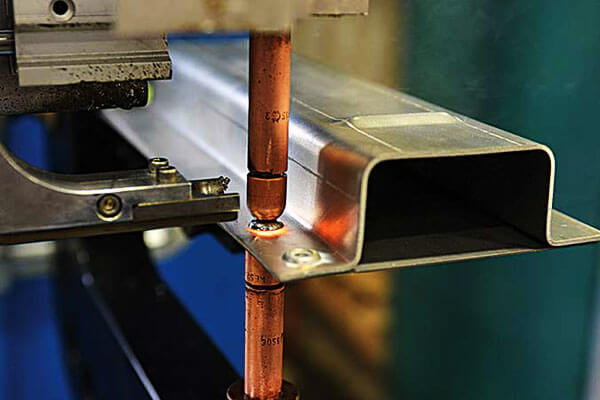
Spot welding is a resistance welding technique that utilizes localized heat and pressure to fuse two or more metal sheets.
The process is based on electrical resistance heating, where an electric current flows through the workpieces, generating heat due to Ohm’s Law (V = IR).
This heat melts the metal at the contact points, formiranje a solid weld nugget upon cooling.
Radni mehanizam
Proces točkastog zavarivanja sastoji se od nekoliko ključnih koraka:
- Pozicioniranje elektrode:
-
- Elektrode od legure bakra spajaju metalne limove, osiguravanje dobrog električnog kontakta.
- Trenutna aplikacija:
-
- A električna struja visokog intenziteta prolazi kroz elektrode, stvaranje toplote na interfejsu zbog električni otpor.
- The toplota je koncentrisana na spoju jer metalni limovi imaju veći otpor od elektroda.
- Metal Fusion:
-
- Lokalizirano područje brzo se topi, formiranje a mali rastopljeni zrna vara.
- Primijenjena sila elektrode sprječava prekomjerno širenje metala i održava pravilan kontakt.
- Hlađenje & Stvrdnjavanje:
-
- Električna struja prestaje, a pritisak se održava dok se rastopljeni metal učvršćuje, formirajući izdržljiv zavareni spoj.
- Electrode Release:
-
- Elektrode se povlače, a zavareni dio je sada trajno spojen.
Ključne karakteristike točkastog zavarivanja
- Localized Heating: Stvara se toplota samo na spoju zavarivanja, smanjenje ukupne termičke distorzije.
- Bez materijala za punjenje: Proces zavarivanja ne zahtijeva dodatni metal za punjenje, praveći to isplativ.
- Automatski i brzi: Cijeli ciklus zavarivanja može trajati između 0.1 do 0.5 sekundi, čineći tačkasto zavarivanje idealnim za industrije masovne proizvodnje.
- Najbolje za tanke listove: Najefikasniji za debljine metala između 0.5 mm i 3 mm, poput niskougljični čelik, nehrđajući čelik, aluminijum, i pocinkovanih metala.
Faktori koji utječu na kvalitetu točkastog zavarivanja
Nekoliko faktora određuje kvalitetu i čvrstoću točkastog zavara:
- Current Intensity: Veća struja povećava proizvodnju topline, ali također može dovesti do prekomjernog sagorijevanja materijala.
- Electrode Force: Odgovarajući pritisak sprječava prekomjerno prskanje, a istovremeno osigurava snažan zavar.
- Weld Time: Kraće vrijeme smanjuje zone zahvaćene toplinom, dok duža vremena poboljšavaju fuziju, ali povećavaju rizik od izobličenja.
- Provodljivost materijala: Metali visoke provodljivosti (E.g., aluminijum, bakar) zahtijevaju veću struju da bi se postigli efikasni zavari.
2.2 Šta je lepljenje zavarivanja?
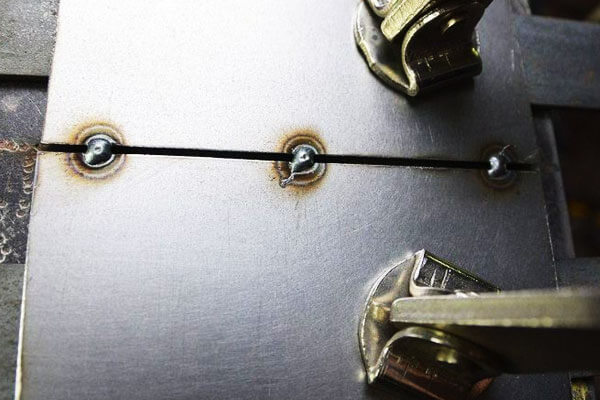
Pričvrsno zavarivanje je a tehnika privremenog zavarivanja navikao držite metalne radne komade na mjestu prije završnog procesa zavarivanja.
Služi kao a preliminarni korak kako bi se osiguralo pravilno poravnanje, spriječiti izobličenje, i održava stabilnost tokom potpunih operacija zavarivanja.
Za razliku od tačkastog zavarivanja, zavareni spojevi nisu dizajnirani da izdrže dugotrajna strukturalna opterećenja ali umjesto toga služe kao a vodeći okvir za završne varove.
Radni mehanizam
Proces zavarivanja prianjanjem uključuje sljedeće korake:
- Priprema metala:
-
- Površine se čiste radi uklanjanja hrđe, ulja, ili zagađivači koji mogu uticati na kvalitet zavara.
- Primjena zavarivanja:
-
- Mali zavari (obično 5-15 mm dužine) postavljaju se duž spoja u unaprijed određenim intervalima.
- Varovi mogu biti razmaknuti 25– 50 mm jedan od drugog, ovisno o materijalu i potrebnoj preciznosti poravnanja.
- Provjera poravnanja:
-
- Zavareni spojevi osiguravaju da obradak ostane stabilan i pravilno postavljen prije završnog zavarivanja.
- Završni proces zavarivanja:
-
- Kompletan proces zavarivanja (Ja, Tig, ili zavarivanje štapom) slijedi, trajno spajanje radnih komada.
Ključne karakteristike zavarivanja zavarivanjem
- Poravnanje & Stabilnost: Sprječava kretanje materijala i osigurava precizno uklapanje prije potpunog zavarivanja.
- Radi s više metoda zavarivanja: Ovo se može izvesti pomoću Ja, Tig, štapno zavarivanje, ili čak tačkasto zavarivanje.
- Neophodan za proizvodnju velikih razmera: U velikoj meri se koristi u brodogradnja, vazdušni prostor, konstrukcijska čelična konstrukcija, i teške mašine.
- Može se ukloniti ako je potrebno: U slučajevima kada je potrebna privremena veza, šavovi se mogu brusiti prije završnog zavarivanja.
Vrste zavarenih spojeva
- Intermittent Tack Welds:
-
- Mali, razmaknuti zavari postavljaju se u pravilnim intervalima duž zgloba.
- Pogodno za tanke ploče i delikatne strukture.
- Kontinuirani zavarivanje:
-
- A serija zavarenih spojeva koji se preklapaju, pruža jači strukturni integritet.
- Često se koristi za deblji materijali i aplikacije sa visokim naprezanjem.
Faktori koji utječu na kvalitetu zavarivanja
- Dužina luka & Heat Input: Prekomjerna toplina može dovesti do opekotina, dok nedovoljna toplina može uzrokovati slabe zavarene spojeve.
- Pozicioniranje elektrode: Odgovarajući uglovi gorionika i brzine kretanja utiču na čvrstoću zavara.
- Tip materijala & Debljina: Deblji materijali zahtijevaju više intenzivne lepljive zavarivanja kako bi se spriječilo pomjeranje.
3. Poređenje procesa i tehnika
Efikasnost od tačkasto zavarivanje i zavarivanje u velikoj mjeri zavisi od njihove specifičnosti procesi, tehnike, i ključni parametri.
Dok se oba koriste u proizvodnji metala, njihov Metode, materijali, i aplikacije se značajno razlikuju.
Ovaj odjeljak pruža dubinsko poređenje njihovih tehnika zavarivanja, kritični faktori procesa, i prikladnost materijala.
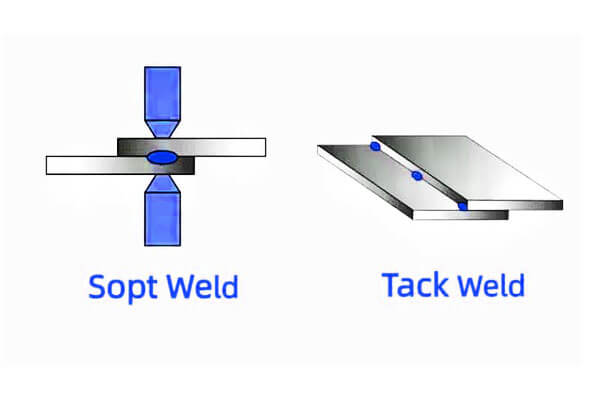
3.1 Proces točkovnog zavarivanja
Vrste elektroda i razmatranje materijala
Tačkasto zavarivanje se oslanja na elektrode od legure bakra, koji osiguravaju visoka električna i toplotna provodljivost uz minimalan gubitak toplote.
Izbor materijala elektrode značajno utiče kvaliteta i trajnost zavara.
- Uobičajeni materijali za elektrode:
-
- Klasa 1 (Bakar-kadmijum ili bakar-nikl) – Koristi se za aluminij i druge visoko vodljive metale.
- Klasa 2 (Bakar-hrom-cirkonijum) – Najprikladnije za niskougljični čelici i aplikacije opšte namene.
- Klasa 3 (Bakar-volfram ili bakar-molibden) – Koristi se u aplikacijama visoke čvrstoće gdje je potrebna otpornost na habanje.
Kontrola sile i struje elektrode
- Electrode Force: Osigurava da metalni limovi ostanu u pravilnom kontaktu kako bi se izbjegao prevelik gubitak topline ili izbacivanje materijala.
- Current Intensity: Obično se kreće između 5,000 i 15,000 ampera, zavisno od materijala.
- Weld Time: Izmjereno u milisekundi (obično 0,1–0,5 sekundi) za postizanje optimalne fuzije bez pregrijavanja.
Koraci procesa
- Stezanje – Primjenjuju se elektrode konzistentna sila na metalne limove.
- Current Flow – Velika struja stvara lokaliziranu toplinu na sučelju.
- Metal Fusion – Toplota topi materijal, formiranje a zrna za zavarivanje.
- Faza hlađenja – Zavar se učvršćuje pod pritiskom, osiguravanje a jaka metalurška veza.
- Electrode Release – Zavareni dio je sada trajno spojen.
Uobičajeni materijali za točkasto zavarivanje
- Niskougljični čelik – Najčešće zavareni zbog nizak električni otpor i dobra zavarljivost.
- Nehrđajući čelik – Zahtijeva veće struje zbog visoka otpornost.
- Aluminijske legure – Više izazova zbog visoke toplotne i električne provodljivosti; zahteva precizno kontrola struje i vremena zavarivanja.
- Pocinčani i obloženi metali – Dodatna razmatranja za cinkovi premazi što može stvoriti probleme s kontaminacijom.
Brzina i efikasnost procesa
Tačkasto zavarivanje je poznato po svom rad velike brzine, sa pojedinačnim zavarenim spojevima koji traju manje od pola sekunde.
Ova efikasnost ga čini idealnim za automatizovane proizvodne linije u automobilskoj industriji, elektronika, i proizvodne industrije.
3.2 Proces zavarivanja zavarivanjem
Vrste zavarenih spojeva
Pričvrsno zavarivanje je a svestrana tehnika koji se mogu prilagoditi različitim materijali, konfiguracije zglobova, i strukturne zahtjeve.
Izbor vrste zavarivanja zavarivanjem zavisi od predviđenu primjenu i način zavarivanja.
Intermittent Tack Welds
- Mali, razmaknuti zavari nanose se duž zgloba.
- Idealno za tanke ploče i lake strukture.
- Korišćen u izrada limova i aplikacije za precizno zavarivanje.
Kontinuirani zavarivanje
- A serije blisko raspoređenih ili preklapajućih zavarenih spojeva koje stvaraju polutrajnu vezu.
- Ponude bolju strukturnu stabilnost prije završnog zavarivanja.
- Korišćen u teška izmišljotina, brodogradnja, i sklop posude pod pritiskom.
Parametri koji utječu na kvalitetu lijepljenja
Nekoliko ključnih parametara utiče na efikasnost lepljivih zavara:
- Dužina luka:
-
- Predugo: Povećava oksidaciju i smanjuje penetraciju.
- Prekratko: Dovodi do prekomjernog prskanja i potencijalnih defekata zavara.
- Heat Input & Weld Size:
-
- Pretjerana toplina može uzrokovati izobličenje ili progorevanje, posebno u tankim materijalima.
- Nedovoljna toplota rezultira slabi prianjajući zavari koji se mogu slomiti prije završnog zavarivanja.
- Pozicioniranje elektrode & Ugao zavarivanja:
-
- Pravilno ugao baklje (tipično 10-15° od vertikale) osigurava duboko prodiranje i snažno prianjanje.
Uobičajeni materijali za zavarivanje
- Čelik (Ugljik & Nehrđajući): U velikoj meri se koristi u izgradnja, vazdušni prostor, i brodogradnja.
- Aluminijum & Nikel legure: Zahteva specijalizovane tehnike zavarivanja (TIG/ME) kako bi se spriječilo pucanje.
- Titanijum & Specijalne legure: Korišćen u industrije visokih performansi, zahtijevajući precizna kontrola topline.
Brzina i preciznost procesa
Pričvrsno zavarivanje je sporije od tačkastog zavarivanja, ali osigurava stabilnost i preciznost poravnanja, koji je ključno za proizvodnju velikih konstrukcija.
Često se koristi kao a preliminarni korak prije završnog zavarivanja.
4. Ključne razlike: Uočite vs. Tack Weld
| Aspekt | Spot Welding | Tack Welding |
|---|---|---|
| Primarna svrha | Trajno spajanje limova | Privremeno pozicioniranje prije završnog zavarivanja |
| Mehanizam pridruživanja | Toplota i pritisak preko električnog otpora | Stapanje pomoću elektrolučnog zavarivanja (Ja, Tig, Palica) |
| Shear Strength | Visoko | Umjeren |
| Peel Strength | Niska | Umjeren |
| Nosiva kapacitet | Snažan pod smičnim naprezanjem, ali slab u zatezanju i opterećenju ljuštenja | Pruža početnu čvrstoću držanja, konačna čvrstoća zavisi od potpunog zavara |
Generacija toplote |
Lokalizirano, brzo zagrevanje (baziran na otporu) | Šira toplotno zahvaćena zona (baziran na luku) |
| Utjecaj na materijal | Može uzrokovati lokalnu lomljivost | Pomaže u kontroli izobličenja prije potpunog zavarivanja |
| Toplotno pogođena zona (Haz) | Mali, koncentrisan | Veći, postepeno širenje toplote |
| Rizik od savijanja materijala | Više za tanke metale | Donji, pomaže u sprečavanju savijanja |
| Električna provodljivost | Nizak otpor na spojevima, idealan za baterije i elektroniku | Nije optimizirano za električne primjene |
Brzina procesa |
Izuzetno brzo (milisekundi po zavaru) | Sporije, zahtijeva više tačaka prianjanja |
| Pogodnost za automatizaciju | Visoko automatizovan, koristi se u robotskim montažnim linijama | Uglavnom ručno, neki poluautomatski procesi |
| Efikasnost proizvodnje | Najbolje za brza proizvodnja | Najbolje za velika konstrukcijska montaža |
| Trošak rada | Donji (zbog automatizacije) | Viši (zbog ručnog zavarivanja) |
| Troškovi opreme | Visoko (specijalizovane mašine za otporno zavarivanje) | Donji (konvencionalna oprema za elektrolučno zavarivanje) |
| Materijal za punjenje | Nije potrebno | Često potrebno (žica za zavarivanje, zaštitni gas) |
| Uobičajene aplikacije | Automobilski, vazdušni prostor, elektronika, proizvodnja baterija | Brodogradnja, izgradnja, proizvodnja teških mašina |
| Ukupna isplativost | Najbolje za masovna proizvodnja tankih metala | Najbolje za male zapremine ili strukturalne aplikacije |
5. Efekti tačkastog zavarivanja vs. Zavarivanje zavarivanjem na svojstva materijala
Tehnike zavarivanja igraju ključnu ulogu u promjeni fizičkih i mehaničkih svojstava materijala.
Uticaj značajno varira između tačkastog zavarivanja i zavarivanja prianjanjem,
pri čemu svaki proces utječe na karakteristike materijala na različite načine zbog razlika u unosu topline, stope hlađenja, i formiranje zglobova.
Strukturne i mehaničke promjene
Spot Welding:
- Tačkasto zavarivanje primjenjuje intenzivnu toplinu u lokaliziranom području, što uzrokuje da se metal topi i spaja.
- Brzo hlađenje rezultira formiranjem zone pod utjecajem topline (Haz) oko zavara, gde se menja struktura zrna.
- Posljedice:
-
- BITLELNOST: Ova toplota može dovesti do krtosti, čineći materijal sklonijim pucanju pod stresom, posebno u metalima sa nižom duktilnošću.
- Snaga: Dok tačkasto zavarivanje pruža jaku otpornost na smicanje, zglob je slab kada je izložen silama ljuštenja.
Potreban je pažljiv dizajn kako bi se spriječio kvar zglobova u takvim scenarijima.
Tack Welding:
- Pričvrsno zavarivanje uključuje manje, manje intenzivni unos toplote u poređenju sa tačkastim zavarivanjem, minimiziranje promjene strukture zrna materijala.
- Posljedice:
-
- Reduced Distortion: Pričvrsno zavarivanje smanjuje rizik od savijanja tokom završnog zavarivanja privremenim pričvršćivanjem komada.
- Weaker Joints: Privremena priroda zavarenih spojeva znači da oni ne pružaju punu čvrstoću, i mogu uzrokovati koncentraciju naprezanja ako ih ne prati odgovarajući puni zavar.
Utjecaj na otpornost na koroziju
Spot Welding:
- Lokalizirana toplina od točkastog zavarivanja često poremeti bilo koji zaštitni premaz, kao što su pocinčani slojevi ili anodizirani završni slojevi, što dovodi do izlaganja sirovom metalu.
- Rizici od korozije:
-
- Galvanska korozija: Tačkasti zavari mogu postati mjesta galvanske korozije, posebno kada se spajaju različiti materijali s različitim elektrohemijskim svojstvima.
- Ublažavanje: Za zaštitu spoja od korozije često su potrebni tretmani nakon zavarivanja kao što su pasivizacija ili dodatni premazi.
Tack Welding:
- Pričvrsno zavarivanje općenito uzrokuje manje ometanja zaštitnih premaza u odnosu na točkasto zavarivanje.
- Rizici od korozije:
-
- Površinska kontaminacija: Proces i dalje zahtijeva pravilno čišćenje kako bi se spriječilo uvođenje oksidacije ili ostatka fluksa,
što može dovesti do korozije ako se ne očisti prije završnog zavara. - Ublažavanje: Priprema površine i čišćenje nakon zavarivanja su kritični da bi se osigurala dugoročna otpornost na koroziju.
- Površinska kontaminacija: Proces i dalje zahtijeva pravilno čišćenje kako bi se spriječilo uvođenje oksidacije ili ostatka fluksa,
Električna vodljivost i prijenos topline
Spot Welding:
- Tačkasto zavarivanje je posebno efikasno u aplikacijama gdje su električna provodljivost i prijenos topline bitni.
- Električna provodljivost:
-
- Proces stvara spoj niskog otpora, što ga čini idealnim za električne komponente, kao što su jezičci za baterije i ploče.
- Termička efikasnost:
-
- Lokalizirana toplina u točkastom zavarivanju osigurava efikasnu toplinsku provodljivost, pogodne za aplikacije koje zahtevaju otpornost na toplotu ili brzo hlađenje.
Tack Welding:
- Zavarivanje se primarno ne koristi za poboljšanje električne provodljivosti, već više služi kao privremena metoda poravnanja.
- Electrical Impact:
-
- Dok pričvrsni zavari stabilizuju obradak, mogu uvesti tačke otpora ako se ne izvode ispravno, što može utjecati na električne performanse u osjetljivim aplikacijama.
- Prijenos topline:
-
- Unos topline je općenito prenizak u zavarivanju ljepljivom zavarivanjem da bi značajno utjecao na toplinska svojstva materijala.
6. Prednosti i nedostaci točkastog zavarivanja u odnosu na. Tack Welding
Oboje tačkasto zavarivanje i tack welding su bitni procesi u raznim industrijskim primjenama, posebno u automobilskoj industriji, vazdušni prostor, i proizvodnih sektora.
Svaka metoda nudi različite prednosti i ograničenja na osnovu specifičnih zahtjeva zadatka.
6.1 Prednosti tačkastog zavarivanja
Brzo i efikasno
- Tačkasto zavarivanje je neverovatno brz proces, često je potrebno samo nekoliko milisekundi za spajanje materijala.
To ga čini idealnim za Proizvodnja visokog volumena, kao što je u proizvodnji automobila. - Brzina smanjuje ukupne troškove proizvodnje i povećava propusnost.
Nije potreban materijal za punjenje
- Tačkasto zavarivanje ne zahtijeva nikakav materijal za punjenje, što smanjuje cijenu materijala i eliminira potrebu za dodatnim komponentama kao što su šipke ili žice.
- Ova karakteristika čini tačkasto zavarivanje visoko isplativ, posebno u postavkama masovne proizvodnje.
Automatizacija-Friendly
- Tačkasto zavarivanje se lako automatizuje, što poboljšava konzistentnost i smanjuje troškove rada.
Automatski sistemi za tačkasto zavarivanje se obično koriste u industrijama u kojima je potrebna visoka preciznost i ponovljivost, kao što je proizvodnja automobila.
Minimalna obrada nakon zavarivanja
- U većini slučajeva, točkasto zavarivanje zahtijeva minimalnu obradu nakon zavarivanja, jer su spojevi često čisti i ne zahtijevaju dodatni materijal, smanjenje ukupnog posla potrebnog nakon procesa zavarivanja.
6.2 Nedostaci tačkastog zavarivanja
Ograničeno na tanke materijale
- Tačkasto zavarivanje je najefikasnije tanki limovi metala, obično u rasponu od 0.5 do 4 mm debljine.
Za deblje materijale, toplina i pritisak možda neće biti dovoljni da se stvori jak zavar. - To ograničava njegovu primjenu u industrijama kojima se bavi debljih materijala.
Sklon slabostima pri ljuštenju
- Dok tačkasto zavarivanje pruža jaku otpornost na smicanje, jeste slaba pod silama ljuštenja.
U nekim konstrukcijskim primjenama gdje spoj može biti izložen silama savijanja ili ljuštenja, tačkasto zavareni spojevi mogu propasti. - Spoj nije idealan za nosivost primjene u kojima će spoj biti izložen velikom naprezanju zatezanja ili ljuštenja.
Rizik od oštećenja zavara
- Tačkasto zavarivanje je vrlo osjetljivo na poravnanje elektroda, Svojstva materijala, i procesne parametre.
Ako je bilo koji aspekt procesa isključen, može rezultirati defekti zavara, poput poroznosti, podrezivanje, ili nepotpuna fuzija. - Istrošenost elektroda takođe može uticati na kvalitet zavara tokom vremena.
6.3 Prednosti zavarivanja zavarivanjem
Pruža stabilnost i poravnanje
- Tack welding služi kao privremena mjera za pričvršćivanje radnih komada prije potpunog zavarivanja.
Sprečava savijanja i izobličenja, osiguravajući da materijali ostanu pravilno poravnati tokom narednih operacija zavarivanja. - Ovo je posebno važno u aplikacijama koje zahtijevaju precizno poravnanje, kao što je u teška mehanizacija ili konstrukcijska izrada.
Svestran za različite debljine materijala
- Pričvrsno zavarivanje može se izvesti na širokom spektru materijala, uključujući debljih metala da se tačkasto zavarivanje ne može efikasno nositi.
- Radi sa metalima kao što su čelik, aluminijum, i Nikel legure i može se koristiti u raznim industrijama, iz konstrukcije u vazduhoplovstvo.
Sprečava oštećenja od toplote
- Budući da zavarivanje koristi manji unos topline od potpunog zavarivanja, oni minimizirajte zone pogođene toplinom (Haz).
Ovo pomaže u sprečavanju propadanja materijala, posebno u legurama osjetljivim na toplinu i smanjuje šanse za izobličenje ili pucanje.
Lako se nanosi
- Proces je jednostavan i može se obaviti korištenjem Ja, Tig, ili štapno zavarivanje, čineći ga prilagodljivim različitim proizvodnim okruženjima.
6.4 Nedostaci zavarivanja zavarivanjem
Dugotrajno
- Pričvrsno zavarivanje zahtijeva više koraka: svaki zavareni spoj mora biti pozicioniran, zavaren, i ohlađen. To ga čini sporijim procesom u odnosu na tačkasto zavarivanje.
- Za velike projekte, ovo može povećati ukupno vrijeme proizvodnje i rezultirati veći troškovi rada u poređenju sa efikasnijim metodama zavarivanja.
Zahtijeva naknadno potpuno zavarivanje
- Dok zavareni spojevi privremeno drže dijelove zajedno, oni ne nudi snagu neophodna za trajni zglob. Stoga, finale, potpuni proces zavarivanja mora uslijediti nakon zavarivanja.
- To znači da je potreban dodatni rad, što može povećati troškove i vrijeme potrebno za završetak.
Rizik od kontaminacije
- Proces zavarivanja može dovesti do kontaminacije ako površine nisu pravilno očišćene prije zavarivanja.
Ulja, prljavština, ili oksidacija može dovesti do lošeg integriteta zgloba i može zahtijevati dodatno čišćenje nakon zavarivanja kako bi se osigurali čvrsti završni zavari. - Pričvrsni zavari takođe imaju veći rizik od kvarova poput poroznosti ili podrezivanja ako se ne izvede pravilno.
7. Industrijska primjena točkastog zavarivanja vs. Tack Welding
- Automobilski i Vazduhoplovstvo: Tačkasto zavarivanje se koristi za masovnu proizvodnju tankih dijelova, dok pričvrsno zavarivanje osigurava pravilno poravnanje prije konačnog zavarivanja.
- Structural Fabrication & Heavy Machinery: Tačkasto zavarivanje je idealno za tanke materijale, dok je pričvrsno zavarivanje neophodno za deblje, složeniji sklopovi.
- Elektronika i proizvodnja baterija: Tačkasto zavarivanje se koristi za električne spojeve u jezičcima baterija i pločama, dok pričvrsno zavarivanje drži komponente na mjestu.
- Građevinarstvo i brodogradnja: Pričvrsno zavarivanje igra veću ulogu, posebno za čelične okvire i velike metalne sklopove, dok je tačkasto zavarivanje ograničeno na lakše materijale.
8. Zaključak
Oboje spot welding vs. tack welding su od vitalnog značaja za proizvodnju metala, ali služe različitim svrhama.
Tačkasto zavarivanje je izvrsno velike brzine, automatizovana proizvodnja, dok je lepljenje zavarivanja neophodno za precizno poravnanje i strukturalni integritet.
Uz kontinuirano napredovanje u automatizacija, AI, i održive tehnologije zavarivanja, obje metode će nastaviti da se razvijaju kako bi zadovoljile zahtjeve moderne industrije.