
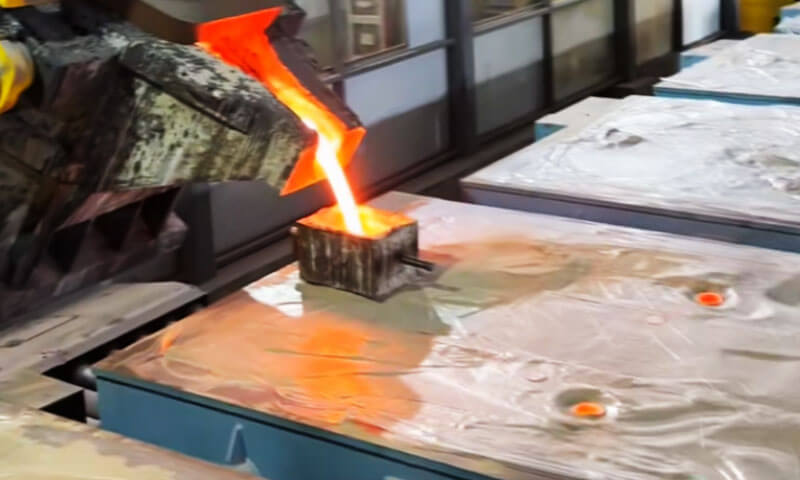
Каб вырашыць гэтыя абмежаванні, V-працэс ліцця, таксама вядомы як Вакуумнае ліццё або Вакуумнае фармаванне (V-працэс), з'явілася як перадавая тэхналогія фармавання, якая спалучае ў сабе гнуткасць пясчанага ліцця з палепшанай якасцю ліцця і экалагічнасцю.
У адрозненне ад звычайнай лепкі з пяску, V-працэс абапіраецца на ціск вакууму, а не хімічныя звязальныя рэчывы або вільгаць для падтрымання трываласці формы.
Сушыць, незвязаны кварцавы пясок утрымліваецца на месцы з дапамогай атмасфернага ціску, які дзейнічае на формы, пакрытыя пластыкавай плёнкай, стварэнне высокастабільнай фармовачнай сістэмы без патрэбы ў злучных смалах або гліне.
Першапачаткова распрацаваны ў Японіі ў пачатку 1970-х гадоў, Ліццё па V-Process атрымала шырокае прызнанне ў галінах, якія патрабуюць вялікіх памераў, складаны, і высакаякасныя адліўкі,
у тым ліку аўтамабілебудаванне, горназдабыўное абсталяванне, сельскагаспадарчая тэхніка, помпы, клапаны, кампаненты чыгункі, і цяжкае прамысловае абсталяванне.
Працэс асабліва цэніцца для вытворчасці адлівак з чыстай паверхняй, нізкі ўзровень дэфектаў, выдатная перапрацоўка пяску, і зніжэнне патрабаванняў да пост-апрацоўкі.
1. Што такое V-Process Casting?
V-працэс ліцця, або Вакуумнае ліццё, гэта а працэс ліцця ў пясок без злучнага у якіх вакуумны ціск выкарыстоўваецца для стварэння і падтрымання калянасці прэс-формы падчас залівання і зацвярдзення металу.
Замест таго, каб спадзявацца на гліну, хімічныя звязальныя рэчывы, або вільгаці, каб утрымліваць фармовачны пясок разам, працэс выкарыстоўвае поліэтыленавыя плёнкі і вакуумнае адсмоктванне для стабілізацыі сухога кварцавага пяску вакол малюнка.
Працэс пачынаецца з награвання тонкай тэрмапластычнай плёнкі і яе шчыльнага фармавання на металічным малюнку з дапамогай вакуумнага ціску.
Сушыць, Незвязаны пясок затым засыпаюць у фармовачную колбу і ўшчыльняюць з дапамогай вібрацыі.
На паверхню пяску накладваецца другая поліэтыленавая плёнка, і вакуум падтрымліваецца ўнутры формы.
Атмасферны ціск сціскае сухі пясок у цвёрдую форму, здольную вытрымаць расплаўлены метал падчас залівання.
Пасля таго, як адліўка застыгне, вызваляецца вакуум, у выніку чаго форма разбураецца натуральным чынам.
Затым сыпкі пясок можна аднавіць і выкарыстоўваць паўторна з мінімальнай апрацоўкай, значнае паляпшэнне выкарыстання матэрыялаў і скарачэнне адходаў.
У адрозненне ад ліцця па выплавляемым мадэлям, які прыносіць у ахвяру васковыя ўзоры, або ліццё з пяску, які спажывае хімічныя звязальныя рэчывы,
V-працэс ліцця вырабляе формы, якія чыстыя, шматразовы, і экалагічна ўстойлівы, што робіць яго асабліва прывабным для сучасных ініцыятыў зялёнай вытворчасці.

Асноўныя характарыстыкі
| Характарыстыка | Апісанне |
| Пясок без звязальных рэчываў | Выкарыстоўвае ў сухім выглядзе, кварцавы пясок без дабавак, вада, або хімічныя звязальныя рэчывы. |
| Вакуумнае ўтрыманне | Вакуумны ціск (звычайна 50-100 кПа) ўтрымлівае часціцы пяску разам. |
| Тонкая поліэтыленавая плёнка | Тэрмаразмякчаная поліэтыленавая плёнка (0.05-0.2 мм) накідваецца на ўзор для стварэння гладкай паверхні формы. |
| Шматразовы пясок | Пясок амаль 100% перапрацоўваецца, таму што не ўтрымлівае злучных рэчываў. |
Выдатная аздабленне паверхні |
Адліваная паверхня з Ra 6.3-12.5 µm дасягальныя. |
| Высокая дакладная дакладнасць | Дапушчальныя адхіленні ±0,2-0,5 мм на 25 мм магчымыя. |
| Экалагічна чысты | Няма звязальных матэрыялаў, дым, або таксічных выкідаў. |
| Патрабуецца спецыяльнае абсталяванне | Патрэбныя вакуумныя сістэмы, поліэтыленавая плёнка, і абсталяванне для апрацоўкі колбаў. |
2. Прынцып працы V-Process Casting
V-працэс абапіраецца на просты, але элегантны фізічны прынцып: сухі пясок паводзіць сябе як цвёрдае цела пры сціску вакуумам.
Фізіка, якая ляжыць у аснове вакуумнага фармавання
| Прынцып | Тлумачэнне |
| Трэнне паміж пясчынкамі | Пры атмасферным ціску сухі пясок ўшчыльняе, павялічваецца міжзерневае трэнне, стварэнне жорсткай масы. |
| Вакуумны дыферэнцыял | Вакуум (звычайна -50 да -100 кПа) наносіцца пад пясок, у выніку чаго атмасферны ціск сціскае часціцы пяску. |
| Запячатванне поліэтыленавай плёнкай | Тонкая поліэтыленавая плёнка, размякчаны ад цяпла, малюецца супраць шаблону вакуумам, стварэнне гладкай, дакладны твар формы. |
| Раўнамерная шчыльнасць | Вакуум забяспечвае раўнамернае ўшчыльненне пяску, ухіляючы варыяцыі шчыльнасці, звычайныя для ліцця з зялёнага пяску. |
Роля поліэтыленавай плёнкі
Пластыкавая плёнка (звычайна поліэтылен, ЕВА, або ПВХ) выконвае некалькі важных функцый:
- Стварае гладкую, дакладная паражніну формы— плёнка адпавядае паверхні малюнка.
- Прадухіляе рэакцыі метал-пясок— дзейнічае як бар'ер паміж расплаўленым металам і пяском.
- Захоўвае цэласнасць вакууму— плёнка герметызуе форму, дазваляючы ўтрымліваць вакуум.
- Паляпшае аздабленне паверхні— гладкая паверхня плёнкі пераносіцца на адліўку.
3. Поўны працэс вытворчасці ліцця V-Process
Поспех ліцця V-Process залежыць ад a дакладна кантраляваная паслядоўнасць вытворчасці, дзе кожная стадыя - ад фармавання пластыкавай плёнкі да вакуумнага выпуску - непасрэдна ўплывае на цэласнасць формы, dimensional accuracy, аздабленне паверхні, і ліццё абгрунтаванасці.
Стандартны цыкл ліцця V-Process складаецца з наступных сямі этапаў.
3.1 Падрыхтоўка выкрайкі і нагрэў тэрмапластычнай плёнкі
Працэс пачынаецца з падрыхтоўкі а дакладны шматразовы шаблон, звычайна вырабляюцца з алюмінія, чыгун, эпаксідная смала, або дрэва высокай шчыльнасці, у залежнасці ад аб'ёму вытворчасці і габарытных патрабаванняў.
Для палягчэння вакуумнага фармавання, карціна ўключае ў сябе шматлікія мікра вакуумныя вентыляцыйныя адтуліны, дазваляючы раўнамерна выдаляць паветра пад тэрмапластычнай плёнкай.

Тонкі ЕВА (Этылен-вінілацэтат) або поліэтыленавая термопластичная плёнка, наогул 0.08–0,15 мм тоўсты, награваецца да прыблізна 80-120°C пакуль яно не стане мяккім і вельмі эластычным.
Правільны нагрэў плёнкі - адзін з найважнейшых элементаў кіравання працэсам:
- Недагрэтая плёнка не мае гнуткасці і не можа цалкам адпавядаць складаным дэталям узору, што прыводзіць да дрэннага прайгравання паверхні.
- Перагрэтая плёнка становіцца празмерна тонкім і можа парвацца або зморшчыцца ў месцах глыбокай выцяжкі, парушэнне цэласнасці цвілі.
Сучасныя вытворчыя лініі звычайна выкарыстоўваюць аўтаматычныя інфрачырвоныя або электрычныя сістэмы нагрэву з замкнёным контурам кантролю тэмпературы для забеспячэння стабільнай якасці плёнкі.
3.2 Фарміраванне вакуумнай плёнкі і нанясенне вогнетрывалага пакрыцця
Як толькі плёнка дасягне патрэбнай тэмпературы фармавання, ён размешчаны па-над выкрайкі, і вакуум прыкладваецца праз вентыляцыйныя адтуліны шаблону.
Атмасферны ціск прымушае размякчаную плёнку шчыльна прылягаць да кожнага контуру, дакладнае прайграванне нават тонкай тэкстуры паверхні і складанай геаметрыі.
Гэты працэс вакуумнага фармавання дае некалькі важных пераваг:
- Дакладнае паўтарэнне геаметрыі ўзору
- Гладкая паверхня паражніны формы
- Паменшаны знос малюнка
- Лёгкае выдаленне малюнка пасля фармоўкі
Для адлівак, вырабленых з вугляродная сталь, легаваная сталь, з нержавеючай сталі, або іншыя тэрмаўстойлівыя сплавы, тонкі вогнетрывалае пакрыццё (звычайна 0.3–0,5 мм тоўсты) часта распыляецца або наносіцца пэндзлем на сфармаваную поліэтыленавую плёнку.
Вогнетрывалае пакрыццё выконвае некалькі функцый:
- Паляпшае ўстойлівасць да эрозіі расплаўленага металу
- Прадухіляе пранікненне металу ў пясок
- Памяншае прыгаральныя дэфекты
- Паляпшае аздабленне паверхні ліцця
- Паляпшае цеплаізаляцыю і ўстойлівасць да цвілі
Затым пакрыццё сушыцца, перш чым працэс фармавання пяройдзе да наступнага этапу.
3.3 Засыпка сухім пяском і вібрацыйнае ўшчыльненне
Пасля стварэння фільма, спецыяльна распрацаваная фармовачная колба размешчана над шаблонам.
Колбу запаўняюць чыстыя, сухія, кварцавы пясок без звязальных рэчываў, звычайна з ан Тоніна збожжа AFS 50–100, падбіраецца па памеры адліўкі, Тып сплаву, і неабходная аздабленне паверхні.
У адрозненне ад ліцця з зялёнага пяску або смалы, няма вільгаці, гліна, або дадаюцца хімічныя звязальныя рэчывы.
Замест, пясчынкі ўшчыльняюцца выключна наскрозь кіраваная механічная вібрацыя.
Тыповыя параметры вібрацыі ўключаюць:
| Параметр | Тыповае значэнне |
| Тып пяску | Сухі кварцавы пясок |
| Тонкасць збожжа | AFS 50–100 |
| Частата вібрацыі | 30–50 Гц |
| Адносная шчыльнасць ушчыльнення | 85–90% |
Правільная вібрацыя важная для атрымання аднастайнай формы:
- Недастатковая вібрацыя прыводзіць да нізкай шчыльнасці пяску, дрэнная трываласць формы, і дэфармацыя паражніны.
- Празмерная вібрацыя можа выклікаць аддзяленне часціц, зніжэнне пранікальнасці і стабільнасці памераў.
Раўнамернае ўшчыльненне пяску таксама паляпшае размеркаванне вакууму па форме, спрыяе пастаяннай цвёрдасці і лепшай дакладнасці ліцця.
3.4 Герметызацыя задняй плёнкі і вакуумная стабілізацыя
Пасля таго, як фармовачная колба будзе цалкам запоўненая, другая тэрмапластычная плёнка накладваецца на верхнюю паверхню пяску, каб стварыць герметычны корпус.
Затым вакуум наносіцца непасрэдна на пясчаную масу праз колбу, звычайна дасягаючы ад –0,04 да –0,08 Мпа (300–600 мм рт.сл).
Па меры выдалення паветра, атмасферны ціск сціскае сыпкія пясчынкі разам, імгненна ператвараючы несвязанный пясок у цвёрды, саманясучая форма.
У адрозненне ад звычайных метадаў фармоўкі, трываласць формы генеруецца цалкам за кошт перападу ціску, а не хімічнай сувязі.
Перавагі вакуумнай стабілізацыі ўключаюць:
- Раўнамерная цвёрдасць формы
- Выдатная стабільнасць памераў
- Паменшаная дэфармацыя формы падчас залівання
- Мінімальны рух пяску
- Высокая ўстойлівасць да ціску расплаўленага металу
Стабільны вакуумны ціск падтрымліваецца падчас зборкі формы і залівання металу, каб забяспечыць нязменную калянасць формы.
3.5 Зняцце выкрайкі і зборка формы
Пасля таго, як форма дасягнула дастатковай трываласці, вакуум пад узорам вызваляецца, а ўнутры пясчанай формы захоўваецца вакуум.
Затым узор выцягваецца вертыкальна з паражніны формы з мінімальным супрацівам.

Таму што пластыкавая плёнка стварае выключна гладкую мяжу паміж узорам і формай, вуглы цягі часта можна паменшыць амаль да нуля, у параўнанні з 1.5Асадка °–3° як правіла, патрабуецца для звычайных пясчаных формаў на злепленым пяску.
Гэтая магчымасць дазваляе:
- Большая свабода дызайну
- Палепшаная дакладнасць памераў
- Больш вострыя куты
- Лепшае прайграванне складанай геаметрыі
- Паменшаны прыпуск на апрацоўку
Паловы ліцейнай і цягавай формы вырабляюцца асобна па той жа працэдуры.
Калі патрабуецца, пясок або металічныя стрыжні дакладна размяшчаюцца перад зборкай паловак формы.
На працягу ўсёй зборкі, вакуум застаецца актыўным для захавання калянасці формы да завяршэння залівання.
3.6 Заліванне з дапамогай вакууму і кантраляванае зацвярдзенне
Расплаўлены метал заліваецца ў форму, а вакуумная сістэма працягвае падтрымліваць стабільнасць формы.

Кантраляваны адмоўны ціск прапануе некалькі металургічных пераваг:
- Палепшанае запаўненне формы
- Зніжэнне турбулентнасці
- Ўзмоцненая эвакуацыя газаў
- Адукацыя больш нізкай сітаватасці
- Лепшае запаўненне тонкасценных секцый
- Палепшаная якасць паверхні
Вакуумны ціск звычайна рэгулюецца на розных этапах цыклу ліцця для аптымізацыі трываласці формы і паводзін пры застыванні.
| Стадыя кастынгу | Тыповы ўзровень вакууму |
| Металічная наліўка | ад –0,07 да –0,08 Мпа |
| Ранняе застыванне | ад –0,05 да –0,06 Мпа |
| Канчатковае застыванне | ад –0,04 да –0,05 Мпа |
Паступовае памяншэнне вакууму падчас астуджэння дапамагае зняць цеплавыя нагрузкі, захоўваючы дастатковую падтрымку формы на працягу ўсяго часу зацвярдзення.
На дадзеным этапе, належная канструкцыя варот і стаяка застаецца важнай для кантролю патоку расплаўленага металу, спрыяюць накіраванаму зацвярдзенню, і прадухіліць дэфекты ўсаджвання.
3.7 Вакуумны выпуск, SHIKOUT, і меліярацыя пяскоў
Пасля поўнага зацвярдзення і астуджэння адліўкі да бяспечнай тэмпературы, з формы вызваляецца вакуум.
Без атмасфернага ціску пясчынкі сціскаюць, цвіль імгненна губляе сваю трываласць і руйнуецца ў сыпкі сухі пясок.
У параўнанні з традыцыйным пясчаным ліццём, гэта дае некалькі эксплуатацыйных пераваг:
- Не патрабуецца механічнае абсталяванне для ўстрэсвання
- Паменшаны ўрон ад кастынгу
- Больш просты дэмантаж варот і стаяка
- Больш нізкія выдаткі на ўборку
- Больш кароткі цыкл вытворчасці
Меліяраваны пясок пасля:
- Астудзілі
- Правяраюць для выдалення буйных часціц
- Абяспылены
- Перапрацоўваецца непасрэдна ў вытворчасць
Таму што пясок змяшчае без гліны або хімічных звязальных рэчываў, працэс рэкультывацыі выключна эфектыўны, з стаўкі паўторнага выкарыстання звычайна перавышаюць 98%, робіць ліццё V-Process адной з самых устойлівых даступных тэхналогій фармавання.
4. Матэрыялы, прыдатныя для V-Process Casting
Адна з самых моцных бакоў V-працэс ліцця гэта яго выдатная адаптыўнасць да матэрыялаў.
Паколькі працэс фармавання выкарыстоўвае сухія, кварцавы пясок без звязальных рэчываў стабілізуецца вакуумным ціскам, а не хімічнымі злучнымі рэчывамі, ён сумяшчальны з шырокім дыяпазонам чорных і каляровых сплаваў.
Чорныя металы
| Матэрыял | Тыповыя адзнакі | Лібельнасць | Прыкладанне |
| Шэры жалеза | Клас ASTM A48 20-60 | Выдатны | Блокі рухавіка, тармазныя барабаны, Машынныя базы, трубы. |
| Пластычнае жалеза | ASTM A536 60-40-18, 80-55-06 | Выдатны | Коленфоры, перадачы, шатуны, трубаправодная арматура. |
| Вугляродзістай сталі | ASTM A27, A216 WCB | Добры | Целы клапана, корпусы помпы, Структурныя дэталі. |
| Легаваная сталь | Асі 4140, 4340 | Добры | Перадачы, шахты, звышмоцныя кампаненты. |
| З нержавеючай сталі | 304, 316, 17-4Ph | Добры | Каразійнастойкія клапаны, помпы, харчовае абсталяванне. |
Каляровыя металы
| Матэрыял | Тыповыя адзнакі | Лібельнасць | Прыкладанне |
| Алюмініевыя сплавы | A356, A380, 356, 319 | Выдатны | Аўтамабільныя дэталі, карпусы электронікі, аэракасмічныя кампаненты. |
| Медныя сплавы | C80100, C81100 | Добры | Электрычныя кампаненты, цеплаабменнікі. |
| Мосенж | C85700, C86200, C87800 | Добры | Сантэхнічная арматура, Дэкаратыўнае абсталяванне, клапаны. |
| Бронза | C90500, C93200, C95400 | Добры | Марскія прапелеры, арыентыроўка, скульптуры. |
5. Агульныя дэфекты ліцця і інжынерныя рашэнні
Як і ўсе працэсы ліцця, V-Process можа мець пэўныя дэфекты. Аднак, многія дэфекты можна ліквідаваць шляхам належнага кантролю працэсу.
| Дэфект | Зрокавы / NDT подпіс | Першапрычына | Меры прафілактыкі |
| Газавая сітаватасць | Круглыя ўнутраныя пустэчы | Раствораныя газы; недастатковая дэгазацыя; збой вакууму. | Degas melt; падтрымліваць вакуум; выкарыстоўваць чысты зарад. |
| Ўсаджвальная сітаватасць | Зубчастыя, нерэгулярныя пустэчы | Недастатковае кармленне; няякасная канструкцыя стояка. | Аптымізаваць вароты/ўздым; выкарыстоўваць мадэляванне. |
| Пясочнае ўключэнне | Няправільныя неметалічныя часціцы | Разрыў фільма; пясчаная эрозія; бедныя вароты. | Забяспечыць цэласнасць плёнкі; палепшыць стробирование; паменшыць турбулентнасць. |
| Егіпет / халодны зачын | Няпоўнае запаўненне | Нізкая тэмпература залівання; дрэнная цякучасць; недастатковы вакуум. | Павялічце тэмпературу залівання; палепшыць стробирование; праверыць вакуум. |
Шурпатасць паверхні |
Шурпатая паверхня | Няправільная таўшчыня плёнкі; разрыў плёнкі; дробны пясок. | Выкарыстоўвайце плёнку належнай таўшчыні; забяспечыць раўнамерны вакуум; кантроль якасці пяску. |
| Адхіленне памераў | Па-за дапушчальнымі памерамі | Выкрайка зносу; варыяцыя таўшчыні плёнкі; рух цвілі. | Захоўвайце ўзор; кантроль таўшчыні плёнкі; бяспечная форма. |
| Пінхол / пухір | Невялікія адтуліны на паверхні | Вільгаць у пяску; дэгазацыя плёнкі; захоп газу. | Сухі пясок; выкарыстоўваць адпаведную плёнку; спаліць, каб расплавіцца. |
| Скажэнне адліўкі | Дэфармацыя або неаднастайная геаметрыя | Нераўнамернае астуджэнне; рух цвілі; недастатковы вакуум. | Кантроль астуджэння; бяспечная форма; забяспечыць раўнамерны вакуум. |
6. Перавагі V-Process Casting
Ліцейныя камбайны V-Process тэхналогія вакуумнага фармавання з сухі пясок без злучных рэчываў, прапаноўваючы значныя тэхнічныя, эканамічныя, і экалагічныя перавагі перад звычайнымі працэсамі ліцця ў пясок.
Ён асабліва падыходзіць для вытворчасці сярэдніх і вялікіх адлівак, якія патрабуюць высокай дакладнасці памераў, выдатнае якасць паверхні, і стабільная паслядоўнасць вытворчасці.
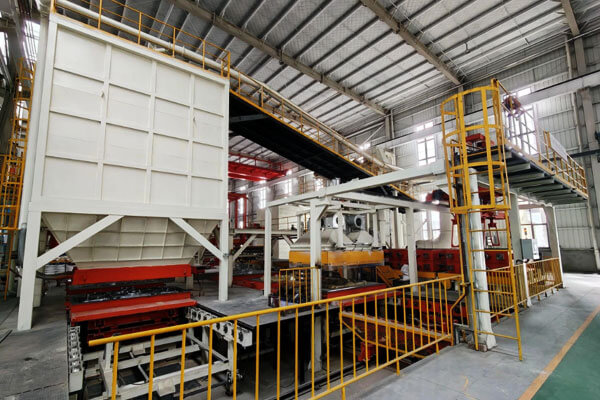
Высокая дакладная дакладнасць
Тыповы ліццё талерантнасці дасягае ISO 8062 CT7–CT9, адзін-два класа допуску лепш, чым звычайнае ліццё з зялёнага пяску (звычайна CT10–CT13).
Цвёрдая форма з вакуумнай падтрымкай мінімізуе дэфармацыю паражніны, што прыводзіць да выдатнай кансістэнцыі памераў і памяншэння прыпуску на апрацоўку.
Выдатная аздабленне паверхні
Тыповая шурпатасць паверхні вагаецца ад Ra 3,2-12,5 мкм, прыблізна 2–3 якасці больш гладкія чым ліццё з зялёнага пяску (Ra 25-100 мкм).
Гладкая тэрмапластычная плёнка прадухіляе прамы кантакт паміж расплаўленым металам і пяском, значна памяншаючы прыгаранне, пранікненне металу, і дэфекты паверхні.
Выдатная эфектыўнасць меліярацыі пяску
Так як гліна або хімічныя звязальныя рэчывы не выкарыстоўваюцца, больш за 95–98% фармовачнага пяску можна аднавіць і непасрэдна выкарыстоўваць паўторна пасля простага астуджэння, скрынінг, і выдаленне пылу.
Гэта рэзка зніжае расход сыравіны і выдаткі на ўтылізацыю адходаў.
Нізкае газаўтварэнне і больш чыстыя адліўкі
Сістэма фармавання без злучнага вылучае вельмі мала газу падчас залівання, значна зніжаючы ўзнікненне Сітаватасць газу, дзіркі, дзіркі, і звязаныя з вугляродам дэфекты.
Гэта асабліва выгадна для вугляродзістай сталі, легаваная сталь, і адліўкі з нержавеючай сталі.
Выдатная калянасць формы
Вакуумны ціск забяспечвае раўнамерную трываласць формы па ўсім пясочным целе, прадухіленне дэфармацыі формы падчас залівання і застывання.
Стабільная калянасць прэс-формы спрыяе павышэнню дакладнасці памераў і паляпшэнню паўтаральнасці.
Зніжэнне патрабаванняў да апрацоўкі
Спалучэнне дакладнай рэплікацыі формы, гладкія паверхні ліцця, і мінімальная варыяцыя памераў памяншае запас апрацоўкі, скарачае час апрацоўкі, зніжае знос інструмента, і павышае агульную эфектыўнасць вытворчасці.
Высокая прыдатнасць для складаных і вялікіх адлівак
Ліццё V-Process добра падыходзіць для вытворчасці вялікі, цяжкі, і геаметрычна складаных кампанентаў, уключаючы карпусы помпаў, Целы клапана, горназдабыўное абсталяванне, будаўнічая тэхніка, і кампаненты для вытворчасці электраэнергіі, захоўваючы выдатную структурную цэласнасць.
Экалагічна чыстая вытворчасць
Без хімічных звязальных рэчываў, працэс спараджае мінімальны дым, пахі, Выкіды VOC, і небяспечныя адходы, стварэнне больш чыстага працоўнага асяроддзя і падтрымка ўстойлівых ліцейных аперацый.
Выдатны ўзор жыцця
Таму што поліэтыленавая плёнка выконвае ролю ахоўнай мяжы паміж узорам і пяском, механічны знос пры зняцці выкрайкі вельмі нізкі.
У выніку, металічныя шаблоны могуць дасягнуць значна больш працяглага тэрміну службы, чым тыя, якія выкарыстоўваюцца ў звычайным ліцці з пяску.
Больш нізкі агульны кошт вытворчасці
Хаця пачатковыя інвестыцыі ў абсталяванне адносна высокія, спалучэнне высокага паўторнага выкарыстання пяску, паменшаная апрацоўка, больш нізкі ўзровень дэфектаў, спрошчаная ўборка, і павышэнне эфектыўнасці вытворчасці часта прыводзіць да зніжэння агульных выдаткаў на доўгія вытворчасці.
7. Абмежаванні і праблемы ліцця V-Process
Нягледзячы на шматлікія перавагі, Ліццё V-Process не ўніверсальна падыходзіць для любога прымянення ліцця.
Паспяховая рэалізацыя патрабуе ўважлівага разгляду інвестыцый у абсталяванне, стабільнасць працэсу, характарыстыкі прадукту, і аб'ём вытворчасці.
Больш высокія першапачатковыя інвестыцыі ў абсталяванне
Вытворчыя лініі V-Process патрабуюць спецыяльнага абсталявання, у тым ліку вакуумныя помпы, герметычныя фармовачныя колбы, плёнкавыя сістэмы ацяплення, блокі кіравання вакуумам, і аўтаматызаванае абсталяванне для перагрузкі.
Такім чынам, першапачатковыя капітальныя ўкладанні значна вышэй, чым для звычайнага ліцця з зялёнага пяску.
Залежнасць ад стабільнага кантролю вакууму
Увесь працэс фармавання залежыць ад падтрымання стабільнага вакууму.
Любая ўцечка, флуктуацыя вакууму, або няспраўнасць абсталявання можа паменшыць трываласць формы, выклікаючы дэфармацыю паражніны, недакладнасці памераў, або руйнаванне формы падчас залівання.
Спажыванне поліэтыленавай плёнкі
Кожная форма патрабуе новых тэрмапластычных плёнак як для паражніны, так і для падкладкі.
Хоць расход плёнкі адносна невялікі, гэта ўяўляе сабой дадатковыя эксплуатацыйныя выдаткі і патрабуе належнай перапрацоўкі або ўтылізацыі.
Больш працяглы цыкл падрыхтоўкі формы
У параўнанні з традыцыйным ліццём з зялёнага пяску, V-Process ўключае дадатковыя аперацыі, такія як нагрэў плёнкі, вакуумная фармоўка, герметызацыя, і вакуумная стабілізацыя, што можа павялічыць час падрыхтоўкі формы для невялікіх партый вытворчасці.
Абмежаваная прыдатнасць для надзвычай тонкасценных дакладных адлівак
Хаця дапамога вакууму паляпшае запаўненне формы, Інвестыцыйнае ліццё застаецца пераважным працэсам для звыштонкасценных кампанентаў з вельмі складанай геаметрыяй і выключна жорсткімі допускамі, напрыклад, лопасці аэракасмічных турбін або медыцынскія імплантаты.
Не заўсёды эканамічна для вельмі невялікіх серый
Для малосерийной або прататыпнай вытворчасці, час наладкі абсталявання і эксплуатацыйныя выдаткі могуць пераважыць тэхнічныя перавагі. Больш простыя метады ліцця могуць быць больш эканамічна эфектыўнымі ў такіх выпадках.
Вялікі след абсталявання
Поўныя вытворчыя лініі V-Process, уключаючы вакуумныя сістэмы, абсталяванне для апрацоўкі плёнкі, пясчана-меліярацыйныя агрэгаты, і аўтаматызаваныя фармовачныя станцыі - як правіла, патрабуюць больш завадской плошчы, чым традыцыйныя сістэмы фармавання з пяску.
8. Прамысловае прымяненне V-Process Casting
Спалучэнне выдатнай якасці паверхні, высокая дакладнасць памераў, чыстая вытворчасць, і эфектыўная рэгенерацыя пяску робіць ліццё V-Process прыдатным для шырокага спектру прамысловых сектараў.

Аўтамабільная прамысловасць
А аўтамабільны прамысловасць патрабуе лёгкіх, дакладны па памерах, і эканамічна эфектыўныя адліваныя кампаненты.
Ліццё V-Process шырока выкарыстоўваецца для вытворчасці дэталяў канструкцый і трансмісій, дзе якасць паверхні і кансістэнцыя маюць вырашальнае значэнне.
Тыповыя кампаненты ўключаюць:
- Блокі рухавіка
- Карпусы трансмісій
- Дыферэнцыяльныя выпадкі
- Тармазныя кампаненты
- Падвескі
- Картэры махавікоў
Прамысловасць помпаў і арматуры
Помпа і клапан вытворцы значна выйграюць ад выдатнай аздаблення паверхні і стабільнасці памераў адлівак V-Process.
Тыповыя прадукты ўключаюць:
- Корпуса шаравых кранаў
- Корпусы дросельных клапанаў
- Корпусы засаўкі
- Карпусы зваротных клапанаў
- Корпусы помпаў
- Крыльчаткі
- Карпусы кампрэсараў
Будаўніцтва і цяжкае машынабудаванне
Цяжкае абсталяванне патрабуе адлівак з высокай структурнай трываласцю і выдатнай паслядоўнасцю памераў.
Агульныя прыкладанні ўключаюць:
- Кампаненты экскаватара
- Карпусы пагрузчыка
- Рамы бульдозера
- Гідраўлічныя калектары
- Картэры каробкі перадач
- Апорныя апоры
Сельскагаспадарчыя машыны
Сельскагаспадарчая тэхніка працуе ў суровых экалагічных умовах, патрабавальныя трывалыя і зносаўстойлівыя літыя кампаненты.
Тыповыя адліўкі ўключаюць:
- Картэры трансмісіі трактара
- Рамы для сеялак
- Кампаненты плуга
- Корпусы арашальных помпаў
- Картэры рэдуктараў
Горнае абсталяванне
Горная тэхніка патрабуе вялікіх памераў, звышмоцныя адліўкі, здольныя вытрымліваць ўдары, ізаляцыі, і бесперапынная загрузка.
Тыповыя прадукты ўключаюць:
- Рамы драбнілку
- Млынавыя ўкладышы
- Корпусы помпы
- Зносаўстойлівыя кампаненты
- Дэталі канвеера
Чыгуначная прамысловасць
Чыгуначная інфраструктура і рухомы састаў патрабуюць дакладнага ліцця з выдатнай устойлівасцю да стомленасці.
Дадаткі ўключаюць:
- Элементы тармазной сістэмы
- Дэталі муфты
- Рамы каляскі
- Картэры восяў
- Падвескі
Marine Industry
Марскія ўмовы патрабуюць каразійна-ўстойлівага ліцця з надзейнымі механічнымі характарыстыкамі.
Агульныя прадукты ўключаюць:
- Прапелерныя ступіцах
- Корпусы помпаў
- Целы клапана
- Палубнае абсталяванне
- Афшорныя структурныя кампаненты
Вытворчасць энергіі і электраэнергіі
Электрагенератарнае абсталяванне часта працуе пры высокіх тэмпературах і цісках, якія патрабуюць адліваных кампанентаў высокай цэласнасці.
Тыповыя прыкладанні ўключаюць:
- Корпусы паравых клапанаў
- Корпусы турбін
- Кацельная арматура
- Кампаненты цеплаабменніка
- Атамна-энергетычнае абсталяванне
Агульнапрамысловыя машыны
Ліццё V-Process таксама шырока выкарыстоўваецца для машын і абсталявання агульнага прызначэння, уключаючы:
- Станкі станкоў
- Кампрэсары
- Прамысловыя каробкі перадач
- Сістэмы апрацоўкі матэрыялаў
- Базы робататэхнікі
- Абсталяванне прамысловай аўтаматызацыі
9. V-Process Casting супраць. Іншыя працэсы ліцця
Кожны працэс ліцця мае унікальныя моцныя бакі і абмежаванні з пункту гледжання дакладнасці памераў, аздабленне паверхні, сабекошт прадукцыі, памер адліўкі, Уплыў на навакольнае асяроддзе, і прыдатныя прыкладанні.
Выбар аптымальнага працэсу патрабуе збалансавання тэхнічных патрабаванняў, аб'ём вытворчасці, Тып матэрыялу, і эканамічныя меркаванні.
| Каэфіцыент параўнання | V-працэс ліцця | Зялёны Пясчанае ліццё | Ліццё з пясчанай смалы | Інвестыцыйнае ліццё | Ракавіна ліцця цвілі |
| Матэрыял цвілі | Сухі кварцавы пясок + термопластичная плёнка + пусты | Мокры пясок з гліняным злучным | Пясок, пакрыты смалой | Керамічная абалонка | Ракушачны пясок, пакрыты смалой |
| Патрабаванне да злучнага матэрыялу | Ніводзін | Гліна і вада | Хімічная смала | Керамічная кашыца | Термореактивная смала |
| Трываласць цвілі | Высокі (з вакуумнай падтрымкай) | Сярэдні | Высокі | Вельмі высокі | Высокі |
| Тыповы допуск на ліццё | CT7–CT9 | CT10 - CT13 | CT8–CT10 | CT4–CT6 | CT6–CT8 |
| Шурпатасць паверхні (Ра) | 3.2–12,5 мкм | 25–100 мкм | 6.3–25 мкм | 1.6–6,3 мкм | 3.2–12,5 мкм |
| Мінімальная таўшчыня сцяны | 4–6 мм | 5-8 мм | 4–6 мм | 0.5–3 мм | 3–5 мм |
| Максімальны памер адліўкі | Вельмі вялікі (некалькі тон і больш) | Надзвычай вялікі | Вельмі вялікі | Ад малога да сярэдняга | Ад малога да сярэдняга |
| Складанасць ліцця | Высокі | Сярэдні | Высокі | Вельмі высокі | Высокі |
| Памерная стабільнасць | Выдатны | Умераны | Добры | Выдатны | Выдатны |
| Норма меліярацыі пяску | 95–98% | 80–90% | 70–90% | Не ўжываецца | Абмежаваны |
| Газавая генерацыя | Вельмі нізкі | Сярэдні | Высокі | Вельмі нізкі | Сярэдні |
| Рызыка газавай сітаватасці | Нізкі | Сярэдні | Сярэдні | Вельмі нізкі | Нізкі |
| Тыповыя дэфекты ліцця | Вакуумная ўцечка, плёнка маршчын, няпоўнае запаўненне | Пясочнае ўключэнне, дзіркі, эрозія цвілі | Газавая сітаватасць, прыгаранне смалы | Парэпанне керамічнай абалонкі, Егіпет | Парэпанне абалонкі, газавыя дэфекты |
| Экалагічная эфектыўнасць | Выдатны | Добры | Кірмаш | Добры | Кірмаш |
| Кошт інструментаў | Сярэдняя да высокай | Нізкі | Сярэдні | Высокі | Сярэдні |
| Кошт вытворчасці | Сярэдні | Нізкі | Сярэдні | Высокі | Сярэдні |
| Эфектыўнасць вытворчасці | Высокі | Вельмі высокі | Высокі | Сярэдні | Высокі |
| Адпаведны аб'ём вытворчасці | Сярэдняя да высокай | Усе тамы | Сярэдняя да высокай | Ад нізкага да высокага | Высокасерыйная вытворчасць |
| Тыповыя матэрыялы | Жалеза, сталь, з нержавеючай сталі, алюміній, медныя сплавы | У першую чаргу жалеза і сталь | Жалеза, сталь, легаваная сталь | Амаль усе ліцейныя сплавы | Жалеза і каляровыя сплавы |
Тыповыя прыкладанні |
Помпы, клапаны, горназдабыўное абсталяванне, цяжкая тэхніка, Аўтамабільныя дэталі | Блокі рухавіка, Машынныя базы, сельгастэхніка | Буйныя сталёвыя адліўкі, машынныя кампаненты | Аэракасмічная, Медыцынскія прылады, прэцызійныя клапаны, кампаненты турбіны | Аўтамабільныя дэталі, картэры рэдуктараў, гідраўлічныя кампаненты |
| Асноўныя перавагі | Высокая дакладнасць, Выдатная аздабленне паверхні, без злучнага рэчыва, высокая магчымасць перапрацоўкі пяску, экалагічна чысты | Самы нізкі кошт, просты працэс, падыходзіць для вельмі вялікіх адлівак | Высокая трываласць формы, падыходзіць для складаных сталёвых адлівак | Найвышэйшая дакладнасць і якасць паверхні для складаных дэталяў | Высокая прадукцыйнасць і стабільная якасць |
| Асноўныя абмежаванні | Патрабуецца вакуумнае абсталяванне і поліэтыленавая плёнка | Больш нізкая дакладнасць і больш шурпатая паверхня | Выкіды смалы і больш высокія выдаткі на рэкультывацыю | Высокі кошт інструментаў, абмежаваны памер адліўкі | Больш высокі кошт інструментаў, абмежаванні па памеры |
10. Будучыя тэндэнцыі развіцця V-Process Casting
Паколькі сусветная ліцейная прамысловасць працягвае развівацца ў напрамку Высокая дакладнасць, інтэлектуальнае вытворчасць, энергаэфектыўнасць, і ўстойлівае вытворчасць, Чакаецца, што ліццё V-Process будзе адыгрываць усё большую ролю ў сучасным ліцці металаў.
Інтэлектуальная аўтаматызацыя і разумныя ліцейныя вытворчасці
Аўтаматызацыя становіцца адной з самых значных тэндэнцый у ліцці V-Process.
Сучасныя ліцейныя вытворчасці ўсё часцей замяняюць ручныя аперацыі аўтаматызаваным абсталяваннем для павышэння прадукцыйнасці, паслядоўнасць, і бяспекі на працоўным месцы.
Будучыя аўтаматызаваныя вытворчыя лініі V-Process будуць уключаць:
- Рабатызаваная апрацоўка шаблонаў
- Аўтаматычная падача і нагрэў пластыкавай плёнкі
- Інтэлектуальныя сістэмы кіравання вакуумам
- Аўтаматызаванае запаўненне пяском і вібрацыя
- Сістэмы залівання з ЧПУ
- Рабатызаваная здабыча адліўкі
- Аўтаматызаванае шліфаванне і аздабленне
Інтэграваная аўтаматызацыя мінімізуе чалавечыя памылкі, скарачае вытворчыя цыклы, і забяспечвае стабільныя параметры працэсу для вялікіх партый вытворчасці.
Лічбавае мадэляванне працэсаў
Кампутарная тэхніка (CAE) праграмнае забеспячэнне стала незаменным інструментам для праектавання ліцця і аптымізацыі працэсаў.
Перад пачаткам вытворчасці, інжынеры могуць мадэляваць увесь працэс ліцця, каб вызначыць патэнцыйныя дэфекты і аптымізаваць параметры працэсу.
Агульныя аналізы мадэлявання ўключаюць:
- Паводзіны запаўнення цвіллю
- Паслядоўнасць застывання
- Размеркаванне тэмпературы
- Прагноз ўсаджвання
- Аналіз рэшткавага напружання
- Прагназаванне дэфармацыі
- Аптымізацыя варот і стаяка
За кошт скарачэння колькасці спроб і памылак падчас вытворчасці, тэхналогія мадэлявання зніжае выдаткі на распрацоўку, адначасова паляпшаючы выхад ліцця і надзейнасць прадукту.
Аптымізацыя працэсаў на аснове AI
Штучны інтэлект (AI) імкліва трансфармуе ліцейную вытворчасць, забяспечваючы маніторынг працэсаў у рэжыме рэальнага часу і прагназуючы кантроль якасці.
Будучыя прыкладанні штучнага інтэлекту ў кастынгу V-Process могуць уключаць:
- Аўтаматычнае прагназаванне дэфектаў
- Інтэлектуальная рэгуляванне параметраў залівання
- Аптымізацыя вакуумнага ціску
- Прагнастычнае абслугоўванне абсталявання
- Патэрн прагназавання жыцця
- Аптымізацыя энергаспажывання
- Дыягностыка працэсаў у рэжыме рэальнага часу
Алгарытмы машыннага навучання могуць аналізаваць вялікія аб'ёмы вытворчых даных, каб пастаянна паляпшаць якасць ліцця і зніжаць узровень лому.
Устойлівая і нізкавугляродная вытворчасць
Экалагічная ўстойлівасць стала стратэгічным прыярытэтам для ліцейных прадпрыемстваў ва ўсім свеце.
Ліццё V-Process ужо дае значныя экалагічныя перавагі дзякуючы працэсу фармавання без злучнага, і будучыя распрацоўкі яшчэ больш павысяць яго ўстойлівасць.
Асноўныя ініцыятывы ўключаюць:
- Больш высокая эфектыўнасць перапрацоўкі пяску
- Зніжэнне спажывання энергіі
- Пластыкавыя плёнкі, якія можна перапрацаваць
- Рэкуперацыя адпрацаванага цяпла
- Нізкавугляродныя тэхналогіі плаўлення
- Інтэграцыя аднаўляльных крыніц энергіі
- Маніторынг вугляроднага следу
Паколькі ўрады ўводзяць больш жорсткія экалагічныя правілы, Ліццё V-Process добра пазіцыянуецца як адна з найбольш экалагічна адказных тэхналогій ліцця ў пясок.
Перадавыя матэрыялы і высокапрадукцыйныя сплавы
Расце попыт на лёгкія канструкцыі, больш высокія працоўныя тэмпературы, і большая ўстойлівасць да карозіі стымулюе распрацоўку новых ліцейных сплаваў.
Будучыя прыкладанні будуць уключаць усё больш:
- Супердуплексная нержавеючая сталь
- Высокаэнтрапійныя сплавы
- Гарачатрывалыя легаваныя сталі
- Зносаўстойлівыя сплавы
- Удасканаленыя алюмініевыя сплавы
- Суперсплавы на аснове нікеля
- Медна-нікелевыя марскія сплавы
Аптымізацыя працэсу дазволіць V-Process casting вырабляць гэтыя перадавыя матэрыялы з палепшаным кантролем мікраструктуры і паменшаным адукацыяй дэфектаў.
Палепшаная тэхналогія пластыкавай плёнкі
Пластыкавая плёнка з'яўляецца ключавым кампанентам V-працэсу. Бягучыя даследаванні сканцэнтраваны на паляпшэнні характарыстык плёнкі для павышэння якасці формы і эфектыўнасці вытворчасці.
Будучыя распрацоўкі фільмаў могуць уключаць:
- Больш высокая цеплаўстойлівасць
- Большая гнуткасць
- Палепшаная стабільнасць памераў
- Біяраскладальныя матэрыялы
- Другасныя палімеры
- Паменшаная таўшчыня плёнкі
- Палепшаная гладкасць паверхні
Гэтыя інавацыі дазволяць знізіць матэрыялаёмістасць і павысіць якасць ліцця.
11. Conclusion
Ліццё V-Process зарэкамендавала сябе як адна з самых інавацыйных і экалагічна чыстых тэхналогій фармавання ў сучаснай ліцейнай вытворчасці.
Шляхам замены звычайных звязальных на ліццё з сухога пяску з дапамогай вакууму, гэты працэс забяспечвае унікальнае спалучэнне высокай дакладнасці памераў, Выдатная аздабленне паверхні, найвышэйшая магчымасць перапрацоўкі пяску, і зніжэнне ўздзеяння на навакольнае асяроддзе.
Зазіраючы наперад, інтэграцыя аўтаматызацыі, лічбавае мадэляванне, штучны інтэлект, Прамысловасць 4.0 Тэхналогіі, і ўстойлівыя вытворчыя практыкі яшчэ больш пашыраць магчымасці ліцця V-Process.
Паколькі вытворцы працягваюць патрабаваць больш чыстай вытворчасці, больш высокая дакладнасць, і павышэнне эфектыўнасці выкарыстання рэсурсаў,
Чакаецца, што гэтая тэхналогія будзе гуляць усё больш важную ролю ў такіх сектарах, як аўтамабільны, энэргія, горная прамысловасць, марская інжынерыя, Прамысловая тэхніка, помпы, клапаны, і цяжкая тэхніка.
Для вытворцаў, якія шукаюць аптымальны баланс паміж якасць ліцця, экалагічная адказнасць, і доўгатэрміновай эканам, V-працэс ліцця ўяўляе саспелы, надзейны, і арыентаванае на будучыню рашэнне, здольнае задаволіць растучыя патрабаванні сучаснай прамысловай вытворчасці.
FAQ
Ці з'яўляецца ліццё V-Process экалагічна чыстым?
Так. V-працэс ліцця лічыцца адной з найбольш экалагічна адказных тэхналогій ліцця ў пясок, таму што ён выкарыстоўвае сухія, кварцавы пясок без звязальных рэчываў, значнае зніжэнне дыму, лятучае арганічнае злучэнне (ЛОС) выкіды, і небяспечныя адходы.
Пясок таксама можа быць адноўлены і паўторна выкарыстаны з вельмі высокай хуткасцю.
Якога ўзроўню дакладнасці памераў можа дасягнуць ліццё V-Process?
Тыповая дакладнасць памераў вагаецца ад ISO 8062 CT7 да CT9, у залежнасці ад памеру адліўкі, Тып сплаву, і кантроль працэсу.
Гэта значна лепш, чым звычайнае ліццё з зялёнага пяску, і падыходзіць для многіх прамысловых ужыванняў, якія патрабуюць кампанентаў амаль чыстай формы.
Ці падыходзіць ліццё V-Process для вялікіх адлівак?
Так. Адной з галоўных пераваг ліцця V-Process з'яўляецца яго здольнасць вырабляць сярэднія і вельмі буйныя адліўкі з выдатнай стабільнасцю памераў і якасцю паверхні.
Ён шырока выкарыстоўваецца для асноў машын, корпусы помпы, Целы клапана, горназдабыўное абсталяванне, і кампаненты цяжкай тэхнікі.
У чым розніца паміж V-Process і вакуумным ліццём?
V-Process выкарыстоўвае вакуум для ўтрымання сухога пяску ў форме.
Вакуумнае ліццё звычайна адносіцца да залівання з дапамогай вакууму (e.g., вакуумнае ліццё па выплавляемым мадэлям), дзе расплаў заліваюць пад вакуумам для памяншэння сітаватасці газу. Гэта розныя працэсы.
Якая максімальная вага ліцця для V-Process?
Звычайна да 500-1000 кг. Аднак, вялікія адліўкі магчымыя з вялікім абсталяваннем; абмежаванне па вазе больш залежыць ад памеру абсталявання і магчымасці апрацоўкі, чым ад самога працэсу.

