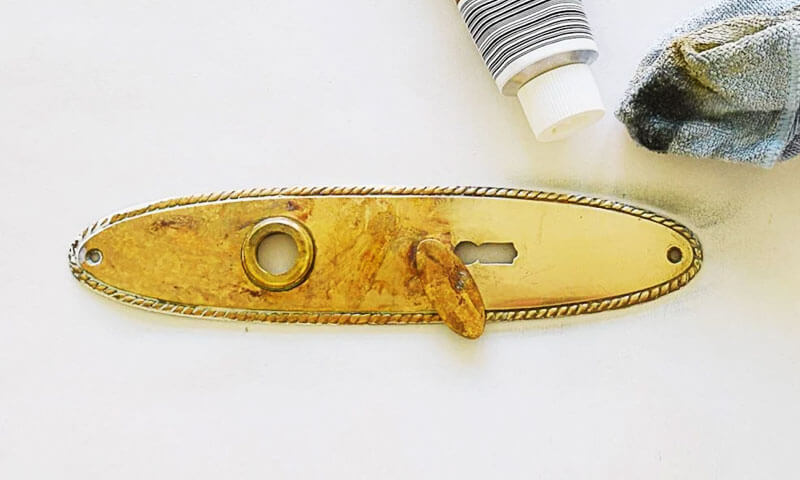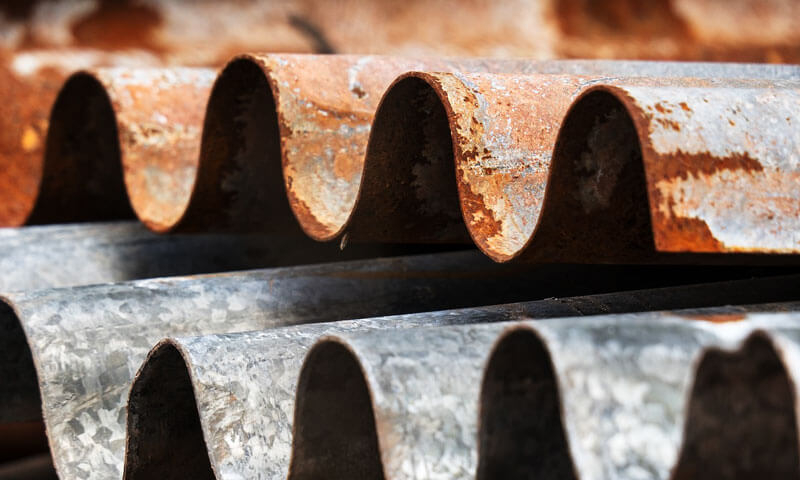
Сталь з'яўляецца адным з найбольш шырока выкарыстоўваюцца інжынерных матэрыялаў у будаўніцтве, выраб, перавозка, і інфраструктура. Яго папулярнасць зыходзіць ад спалучэння сілы, універсальнасць, і эканамічная эфектыўнасць, з якой нешматлікія матэрыялы могуць параўнацца.
Ад структурных каркасаў і мастоў да машын і трубаправодаў, сталь працягвае служыць асновай сучаснай прамысловасці.
Але сталь не абароненая ад карозіі. У рэчаіснасці, карозія - адзін з найбольш важных фактараў, які вызначае, як доўга сталёвы кампанент можа заставацца ў бяспецы, функцыянальны, і эканамічны ў абслугоўванні.
Дакладнае разуменне карозіі вельмі важна для інжынераў, фабрыкантаў, падрадчыкі, і кіраўнікоў актывамі.
Чым лепш вы разумееце, як сталь паддаецца карозіі, тым лепш вы зможаце выбраць правільны гатунак, правільная сістэма абароны, і правільная стратэгія абслугоўвання.
Вось сем ключавых момантаў, якія павінен ведаць кожны карыстальнік сталі.
1. Сталь натуральна не ўстойлівая да карозіі
Просты вугляродная сталь не з'яўляецца ўстойлівым да карозіі матэрыялам. Асноўным яго кампанентам з'яўляецца жалеза, і жалеза лёгка рэагуе з кіслародам і вільгаццю.
Пры трапленні ў атмасферу, сталь пачынае акісляцца і ўтвараць іржу, які ў асноўным складаецца з гідратаваных аксідаў і гідраксідаў жалеза, уключаючы гідратаваны аксід жалеза (Fe2O3⋅nH2O), оксигидроксид жалеза (FeO(ой)) і гідраксід жалеза (F(ой)3).
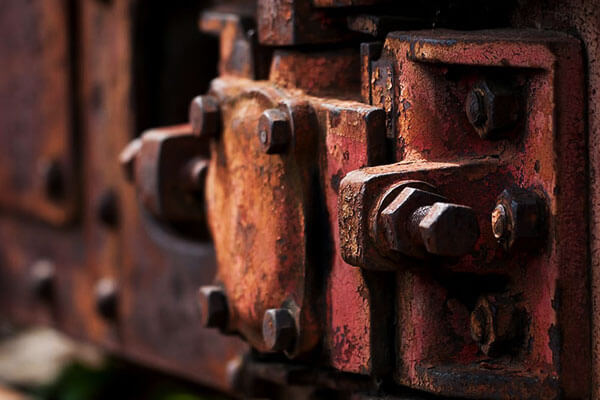
У адрозненне ад стабільных аксідных плёнак, якія ўтвараюцца на некаторых металах, іржа сітаватая, слабы, і неахоўныя.
Ён не ўшчыльняе паверхню. Замест, гэта дазваляе кіслароду і вадзе працягваць дасягаць асноўнага металу.
У выніку, карозія працягвае распаўсюджвацца, агаляючы больш свежай сталі і паскараючы страты матэрыялу з цягам часу.
Вось чаму нельга меркаваць, што неабароненая сталь застаецца трывалай у вонкавым ці вільготным асяроддзі.
Без належнага пакрыцця або стратэгіі барацьбы з карозіяй, карозія не магчымая; гэта натуральны вынік.
2. Легіраванне можа значна павысіць устойлівасць да карозіі
Чаму простая сталь уразлівая
Базавая сталь у асноўным жалеза, а жалеза хімічна актыўнае ў прысутнасці кіслароду і вільгаці. Гэта азначае, што нелегіраваная або лёгкалегіраваная сталь не мае ўбудаванай абароны ад карозіі.
Як толькі павярхоўная плёнка руйнуецца, карозія можа працягваць прагрэсаваць, таму што пласт іржы, які ўтварыўся на звычайнай сталі, друзлы, кіпры, і не можа ізаляваць падкладку ад навакольнага асяроддзя.
Гэта асноўная прычына, па якой канструкцыя сплаву так важная ў сталеліцейным машынабудаванні. Устойлівасць да карозіі - гэта не толькі праблема паверхні; яна пачынаецца з унутранай хіміі металу.
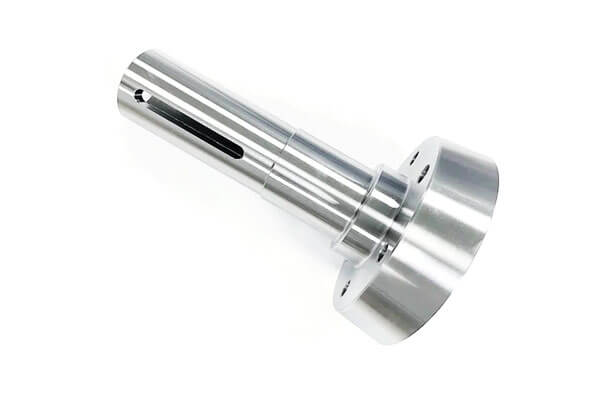
Як легіраванне змяняе паводзіны сталі
Даданнем выбраных легіруючых элементаў, сталь можна ператварыць з схільнага да карозіі матэрыялу ў ўстойлівы да карозіі.
Ключавая ідэя заключаецца ў тым, што некаторыя элементы спрыяюць адукацыі больш устойлівай павярхоўнай плёнкі, павышае ўстойлівасць сталі да ўздзеяння агрэсіўных асяроддзяў, або запаволіць электрахімічныя рэакцыі, якія выклікаюць страту металу.
Легіраванне не ліквідуе карозію ў кожным асяроддзі, але ён можа змяніць сталь з матэрыялу, які павінен быць моцна абаронены, да матэрыялу, які можа вытрымаць працяглы тэрмін службы з значна меншым абслугоўваннем.
Хром: падмурак з нержавеючай сталі
Хром з'яўляецца найбольш важным легіруючым элементам, калі мэтай з'яўляецца ўстойлівасць да карозіі.
Калі ў сталі дастаткова хрому, ён рэагуе з кіслародам, утвараючы вельмі тонкі, густы, і стабільная аксідная плёнка на паверхні.
Гэтая пасіўная плёнка - асноўная прычына з нержавеючай сталі так эфектыўна супрацьстаіць іржы.
Плёнка - гэта не проста бар'ер. Ён таксама самовосстанавливается. Калі паверхня падрапана або пашкоджана, хром можа зноў хутка ўступіць у рэакцыю з кіслародам і аднавіць ахоўны пласт.
Гэта паводзіны самааднаўлення - гэта тое, што прынцыпова адрознівае нержавеючую сталь ад вугляродзістай сталі ў эксплуатацыі.
Нік: павышэнне стабільнасці і трываласці
Нікель часта дадаюць у нержавеючую сталь для стабілізацыі аўстэнітнай структуры і павышэння агульнай трываласці, пластычнасць, і каразійныя паводзіны.
У многіх марках нержавеючай сталі, нікель дапамагае матэрыялу заставацца стабільным у шырокім дыяпазоне асяроддзяў і паляпшае характарыстыкі падчас фармавання, вінжаванне, і нізкатэмпературнае абслугоўванне.
Нікель не замяняе ролю хрому. Замест, ён умацоўвае агульную каразійна-ўстойлівую сістэму, дапамагаючы сталі падтрымліваць больш спрыяльную мікраструктуру.
Molybdenum: ўзмацненне ўстойлівасці ў хларыдах
Малібдэн асабліва каштоўны ў хларыдных асяроддзях, такіх як марская атмасфера, ўздзеянне марской вады, хімічная апрацоўка, і багатыя соллю прамысловыя ўмовы.
Гэта дапамагае нержавеючай сталі супрацьстаяць кропкавай і шчыліннай карозіі, якія з'яўляюцца аднымі з самых небяспечных формаў карозіі, таму што яны могуць развівацца лакальна і пранікаць глыбока з невялікім бачным папярэджаннем.
Таму часта выбіраюць маркі з малібдэнам, калі звычайнай нержавеючай сталі недастаткова. На практыцы, гэты элемент часта робіць розніцу паміж прымальным і ненадзейным абслугоўваннем у агрэсіўных асяроддзях.
Іншыя карысныя легіруючыя элементы
Іншыя легіруючыя элементы таксама спрыяюць устойлівасці да карозіі і эксплуатацыйным характарыстыкам:
Марганец можа падтрымаць баланс сплаву і дапамагчы замяніць нікель у некаторых класах.
Азот можа павысіць трываласць і ўстойлівасць да лакалізаванай карозіі некаторых нержавеючых сталей.
Крэмнім можа палепшыць устойлівасць да акіслення пры прымяненні пры падвышаных тэмпературах.
Copper можа павысіць супраціўляльнасць у некаторых слаба агрэсіўных асяроддзях і выкарыстоўваецца ў некаторых спецыяльных класах.
Кожны элемент выконвае розную ролю, але больш шырокая ідэя тая ж: устойлівасць да карозіі распрацавана, не выпадкова.
Легіраванне паляпшаецца, але не робіць сталь непераможнай
Нават высокалегіраваная нержавеючая сталь мае абмежаванні. Моцныя кіслоты, высокая канцэнтрацыя хларыдаў, шчылінныя ўмовы, дрэнная аздабленне паверхні, і зоны зваркі пад уздзеяннем цяпла могуць пагоршыць прадукцыйнасць.
Легіраванне паляпшае ўстойлівасць, часам драматычна, але асяроддзе па-ранейшаму кантралюе канчатковы вынік.
Таму выбар матэрыялу заўсёды павінен адпавядаць умовам эксплуатацыі.
Гатунак, які добра працуе ў памяшканні, можа быць недастатковым у марской вадзе, і гатунак, які працуе ў марской вадзе, усё яшчэ можа выйсці з ладу ў сістэме з моцнай кіслатой або ў дрэнна абслугоўванай сістэме.
3. Асяроддзі, багатыя хларыдамі, асабліва агрэсіўныя
Адным з самых шкодных асяроддзяў для сталі з'яўляецца ўздзеянне хларыдаў.
Солевы спрэй, марская вада, антигололедные солі, а некаторыя прамысловыя тэхналагічныя вадкасці могуць паражаць ахоўныя аксідныя плёнкі і выклікаць лакалізаваную карозію.
Іёны хларыду асабліва небяспечныя, таму што яны перашкаджаюць пасівацыі і могуць спрыяць кропкавай і шчыліннай карозіі.
Замест таго, каб выклікаць гладкую, раўнамерная страта металу, хларыды часта ствараюць мал, месцы глыбокай карозіі, якія значна цяжэй выявіць і больш небяспечныя для структурнай цэласнасці.
Вось чаму звычайная нержавеючая сталь можа мець праблемы ў марскіх або прыбярэжных службах, у той час як малібдэн змяшчаюць маркі, такія як 316 часта выбіраюцца для лепшай устойлівасці да хларыду.
У вельмі цяжкіх умовах, нават нержавеючая сталь павінна спалучацца з правільным пакрыццём, дэталь дызайну, і план тэхнічнага абслугоўвання.
4. Зварныя ўчасткі часта найбольш уразлівыя
Зварное злучэнне рэдка бывае такім жа, як асноўны метал вакол яго. Зварка стварае зону тэрмічнага ўздзеяння з змененай мікраструктурай, Рэшткавы стрэс, а часам і зніжаная ўстойлівасць да карозіі.
З нержавеючай сталі, адна класічная праблема - гэта сенсібілізацыя, дзе карбіды хрому могуць утварацца паблізу межаў зерняў і памяншаць хром, даступны для пасівацыі.
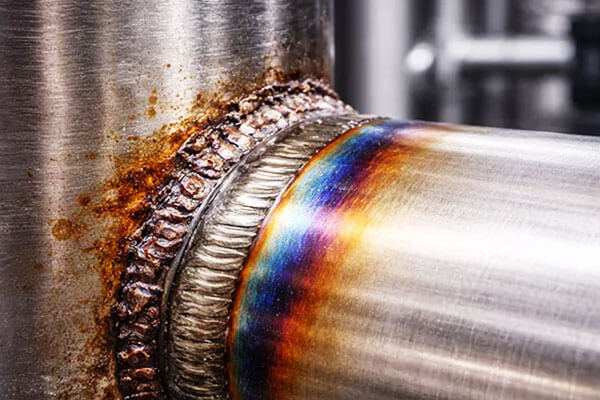
Гэта можа зрабіць зварную вобласць больш успрымальнай да міжкрысталічнай карозіі або каразійнага расколіны пад напругай, асабліва калі цеплавая нагрузка занадта высокая або выкарыстоўваецца няправільны напаўняльнік.
Нават калі сам зварны шво моцны, лакальная карозія можа быць слабейшай, чым чакалася.
Таму зварка нержавейкі - гэта не проста злучэнне. Гэта кантраляваны металургічны працэс, які павінен ўлічваць выбар напаўняльніка, цеплаўвод, ачыстка пасля зваркі, і, дзе трэба, послесварочная апрацоўка.
5. Забруджванне ад звычайнага жалеза можа пашкодзіць нержавеючую сталь
Нержавеючая сталь павінна заставацца чыстай, каб працаваць належным чынам. Кантакт са звычайнымі інструментамі з вугляродзістай сталі, часціцы жалеза, або забруджаныя працоўныя паверхні могуць прывесці да траплення вольнага жалеза на нержавеючую паверхню.
Гэта забруджванне можа парушыць пасіўную плёнку і стварыць лакалізаваныя плямы іржы або ўчасткі, схільныя карозіі.
Гэта не тое самае, што гальванічная карозія паміж двума рознымі металамі; гэта праблема забруджвання.
Нават кароткі кантакт з бруднымі інструментамі або пылам ад шліфавання сталі можа пакінуць часціцы, укаранёныя ў паверхню.
Калі гэтыя часціцы акісляцца, яны прымушаюць нержавеючую сталь выглядаць так, быццам яна падвяргаецца карозіі, нават калі праблема пачалася з заражэння.
Па гэтай прычыне, нержавеючая выраб патрабуе строгай дысцыпліны ў цэху. Выдзеленыя інструменты, чыстыя працоўныя месцы, і належная ачыстка паверхні не абавязковыя; яны з'яўляюцца часткай барацьбы з карозіяй.
6. Раўнамерная карозія звычайна менш небяспечная, чым лакалізаваная атака
Не ўсе карозіі паводзяць сябе аднолькава. Раўнамерная карозія выдаляе матэрыял больш-менш раўнамерна па ўсёй паверхні, што часта візуальна непрыемна, але параўнальна прадказальна.
Таму што шкода распаўсюджваецца, прасцей аглядаць, мера, і кіраваць.
Наадварот, лакалізаваная карозія, такая як кропкавая або шчылінная карозія, можа быць значна больш сур'ёзнай.
Гэта можа выглядаць нязначна на паверхні, ствараючы глыбокае пранікненне пад паверхню.
У канструкцыях або прымяненнях, якія ўтрымліваюць ціск, такія схаваныя пашкоджанні могуць прывесці да раптоўнага збою.
Гэта азначае, што адной толькі знешнасці недастаткова, каб ацаніць рызыку.
На іржавай паверхні яшчэ можа застацца час, калі карозія раўнамерная і кантралюецца, у той час як чысты на выгляд нержавеючы кампанент усё яшчэ можа мець схаваную лакалізаваную атаку, калі навакольнае асяроддзе сур'ёзнае і клас выбраны няправільна.
7. Сталь можа быць абаронена некалькімі сістэмамі барацьбы з карозіяй
Кантроль карозіі - гэта сістэма, ні аднаго прадукту
З карозіяй сталі нельга змагацца адным універсальным рашэннем.
На практыцы, каразійная стойкасць дасягаецца камбінаваннем Выбар матэрыялу, абарона паверхні, дэталізацыя дызайну, экалагічная ізаляцыя, і стратэгія абслугоўвання.
Вось чаму сталь застаецца такім шырока выкарыстоўваным інжынерным матэрыялам: нават калі ён можа лёгка падвяргацца карозіі, яго таксама можна эфектыўна абараніць рознымі спосабамі.
Самая важная ідэя заключаецца ў тым, што абарона ад карозіі павінна адпавядаць умовам эксплуатацыі.
Закапаны трубаправод, марская платформа, рама ўнутранай машыны, і рэзервуар для перапрацоўкі ежы патрэбныя розныя стратэгіі. Тое, што працуе для аднаго прыкладання, можа быць неэфектыўным ці нават непрыдатным для іншага.
Сістэмы пакрыццяў: першая і самая распаўсюджаная абарона
Сістэмы пакрыццяў - найбольш распаўсюджаны спосаб абароны вугляродзістай сталі. Іх мэта - аддзяліць паверхню сталі ад кіслароду, вільгаць, соль, і хімікатаў.
Тыповыя маршруты пакрыцця ўключаюць:
| Спосаб абароны | Галоўны прынцып | Тыповая перавага | Тыповае абмежаванне |
| Сістэмы фарбавання | Стварыце бар'ер паміж сталлю і навакольным асяроддзем | Гнуткі, эканамічны, шырока выкарыстоўваецца | Можа быць пашкоджаны ўдарам, ізаляцыі, або дрэнная падрыхтоўка паверхні |
| Парашковае пакрыццё | Палімерны бар'ер тэрмічнага отвержденія | Трывалы і візуальна чысты | Патрабуецца кантраляванае нанясенне і менш падыходзіць для вельмі вялікіх збудаванняў |
| Ацынкаванне | Цынк забяспечвае бар'ерную і ахвярную абарону | Моцныя характарыстыкі вонкавай карозіі | Выгляд паверхні прамысловы; рамонт і дапрацоўка патрабуюць догляду |
| Напыленне металу / тэрмічны спрэй | Наносіць ахоўны металічны пласт | Добра падыходзіць для цяжкіх нагрузак | Больш спецыялізаваныя і патрабавальныя да абсталявання |
| Фасфатныя / канверсійныя пакрыцця | Палепшыць стан паверхні і адгезію фарбы | Карысна ў якасці папярэдняй апрацоўкі | Звычайна гэта не асобнае рашэнне супраць карозіі |
Ахвярная абарона: выкарыстанне больш актыўнага металу для абароны сталі
Адзін з самых магутных метадаў барацьбы з карозіяй сталі ахвярная абарона.
Пры такім падыходзе, больш рэакцыйны метал змяшчаецца ў кантакт са сталлю так, што ахоўны метал падвяргаецца карозіі першым.
Самы вядомы прыклад цынк. Цынк больш актыўны, чым жалеза, таму, калі абодва знаходзяцца пад уздзеяннем агрэсіўнага асяроддзя, цынк пераважна падвяргаецца карозіі і абараняе сталёвую падкладку.
Гэта прынцып ацынкавання і многіх сістэм абароны на аснове цынку.
Ахвярная абарона асабліва каштоўная ў адкрытым асяроддзі, таму што яна працягвае працаваць, нават калі пакрыццё падрапана або пашкоджана. Гэта робіць яго больш трывалым, чым чыста дэкаратыўнае бар'ернае пакрыццё ў многіх палявых умовах.
Катодная абарона: істотны для заглыбленых і пагружаных у ваду сталь
Для падземных трубаправодаў, танкі, марскія збудаванні, і пагружаныя кампаненты, катодная абарона часта выкарыстоўваецца.
Гэты метад змяняе электрахімічныя паводзіны сталі так, што сама сталь становіцца абароненым катодам у ланцугу карозіі.
Ёсць дзве асноўныя формы:
Катодная абарона ахвярнага анода
Больш актыўны метал, напрыклад, цынк, магній, або алюміній мацуецца да сталёвай канструкцыі. Анод падвяргаецца карозіі замест сталі.
Уражаны ток катоднай абароны
Знешняя крыніца харчавання запускае ў канструкцыю ахоўны ток, робячы яго катодным і падаўляючы карозію.
Катодная абарона асабліва эфектыўная для вялікіх канструкцый, дзе аднаго пакрыцця недастаткова.
У многіх сістэмах, выкарыстоўваецца разам з пакрыццямі, таму што пакрыццё зніжае патрэбу ў току, а катодная сістэма абараняе любыя адкрытыя ўчасткі.
Легіраванне: стварэнне супраціву ў сам метал
Яшчэ адзін спосаб барацьбы з карозіяй - выкарыстанне сплаву, які па сваёй сутнасці больш устойлівы, чым звычайная вугляродзістая сталь.
Нержавеючая сталь - класічны прыклад, але атмасферныя сталі і іншыя нізкалегаваныя маркі таксама паказваюць, як склад можа змяніць паводзіны карозіі.
Легіраванне з'яўляецца магутным, таму што яно не толькі абараняе паверхню; гэта змяняе сам матэрыял. З нержавеючай сталі, хром стварае пасіўную плёнку, якая супрацьстаіць іржы.
У іншых сем'ях сталі, выбраныя дадаткі могуць палепшыць устойлівасць да акіслення, захаванне трываласці, ці паводзіны ў пэўных умовах.
Гэта робіць легіраванне асабліва карысным, калі паўторнае тэхнічнае абслугоўванне складанае або калі дэталь павінна служыць у цяжкіх умовах на працягу доўгага часу.
8. Conclusion
Сталь з'яўляецца адным з самых адаптаваных матэрыялаў, калі-небудзь створаных, але карозія застаецца яго галоўным абмежаваннем у многіх асяроддзях. Простая вугляродзістая сталь лёгка іржавее, калі яе не абараніць.
Нержавеючая сталь супрацьстаіць карозіі, утвараючы пасіўную плёнку, якая самааднаўляецца, але ён усё яшчэ можа выйсці з ладу ва ўмовах, багатых хларыдамі, на зварных злучэннях, або пры забруджванні звычайным жалезам.
Самы важны ўрок заключаецца ў тым, што карозія - гэта не адна праблема з адным рашэннем. Гэта ўзаемадзеянне матэрыялаў і навакольнага асяроддзя.
Добрыя каразійныя характарыстыкі забяспечваюцца правільным выбарам сплаву, гукавая практыка вырабу, правільная апрацоўка паверхні, і правільная сістэма абароны для асяроддзя абслугоўвання.
Для інжынераў і вытворцаў, разуменне гэтых сямі пунктаў заключаецца ў розніцы паміж выбарам сталі, якая працуе проста сёння, і выбарам сталі, якая надзейна працуе на працягу многіх гадоў.
FAQ
Уся сталь іржавее?
Так, уся сталь можа падвергнуцца карозіі пры правільных умовах. Хуткасць і тып карозіі залежаць ад сплаву і навакольнага асяроддзя.
Нержавеючая сталь устойлівая да іржы?
Ніякі. Нержавеючая сталь устойлівая да карозіі, не ўстойлівы да карозіі.
Чаму нержавеючая сталь іржавее пасля зваркі?
Бо зварка можа змяніць мікраструктуру, зніжаюць даступнасць хрому ў зоне тэрмічнага ўздзеяння, і ўвесці рэшткавае напружанне.
Чаму хларыднае асяроддзе шкодзіць нержавеючай сталі?
Іёны хларыду могуць разбураць ахоўную аксідную плёнку і спрыяць лакалізаванай карозіі, такой як кропкавая і шчылінная атака.
Як прасцей за ўсё абараніць вугляродзістай сталі?
Выкарыстоўвайце пакрыцця, цынкаванне, або іншую сістэму абароны ад карозіі, якая адпавядае навакольнага асяроддзі.