Ліццё па выплавляемым мадэлям займае унікальнае месца ў прамысловай вытворчасці.
Гэта не проста састарэлы працэс, захаваны для складаных формаў або дэталяў прэміум-класа; гэта вельмі эфектыўны вытворчы маршрут, які вырашае канкрэтную і ўсё больш важную праблему:
як вырабляць складаныя металічныя кампаненты з высокай дакладнасцю памераў, выдатнае якасць паверхні, і шырокая сумяшчальнасць сплаваў, пры захаванні паўтаральнай прадукцыйнасці ў маштабе.
У многіх галінах прамысловасці, пытанне больш не ў тым, ці можна вырабіць частку, але ці можна яго вырабіць з належным балансам дакладнасці, цэласнасць матэрыялу, кошт адзінкі, і эфектыўнасць уніз па плыні.
Ліццё па выплавляемых мадэлях часта адказвае на гэтае пытанне лепш, чым канкуруючыя працэсы.
1. Што такое прамысловыя адліўкі?
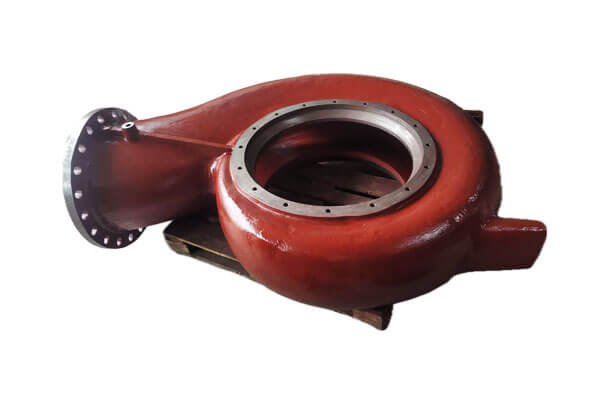
Прамысловыя адліўкі - гэта металічныя дэталі, якія вырабляюцца шляхам залівання расплаўленага металу ў спраектаваную паражніну прэс-формы і давання яму магчымасці зацвярдзець да неабходнай формы.
Пасля астуджэння, цвіль выдаляецца, і адліўка можа быць абрэзана, апрацоўванне, тэрмічная апрацоўка, аздабленне паверхні, і агляд перад пачаткам службы.
Па сутнасці, ліццё - гэта метад вытворчасці, які ператварае вадкі метал у функцыянальныя інжынерныя кампаненты з адносна невялікай залежнасцю ад шырокіх аперацый рэзкі або злучэння.
Тое, што робіць адліўку "прамысловай", - гэта не сам працэс, але прымяненне і патрабаванні да прадукцыйнасці.
Прамысловыя адліўкі выкарыстоўваюцца ў машынах, абсталяванне, інфраструктура, энергетычныя сістэмы, транспартныя платформы, і апрацоўчай прамысловасці, дзе дэталі павінны вытрымліваць механічную нагрузку, вібрацыя, ціск, насіць, карозія, гарачыня, або доўгатэрміновае цыклічнае абслугоўванне.
Яны не з'яўляюцца дэкаратыўнымі прадметамі або маламоцнымі формамі; гэта рабочыя кампаненты, якія непасрэдна ўплываюць на надзейнасць і эфектыўнасць вялікіх сістэм.
2. Асноўныя тэхнічныя перавагі ліцця па выплавляемым мадэлям для прамысловых кампанентаў
Інвестыцыйнае ліццё цэніцца ў прамысловай вытворчасці не таму, што гэта традыцыйны працэс, але таму, што ён вырашае некалькі складаных інжынерных задач адначасова.
Калі кампанент павінен быць геаметрычна складаным, стабільны па памерах, матэрыяльна-канкрэтны, і эканамічна эфектыўным на працягу ўсяго жыццёвага цыклу, ліццё па выплавляемым мадэлям часта становіцца адным з наймацнейшых варыянтаў вытворчасці.
Выключная геаметрычная свабода
Найбольш фундаментальнай тэхнічнай перавагай ліцця па выплавляемым мадэлям з'яўляецца яго здольнасць прайграваць складаную геаметрыю з высокай дакладнасцю.
Паколькі працэс пачынаецца з васковага ўзору і керамічнай абалонкі, а не з расколатай формы, якая павінна адкрывацца і зачыняцца вакол дэталі, ён можа вырабляць формы, якія складаныя або немагчымыя для многіх іншых метадаў ліцця.
Гэта асабліва важна для прамысловых кампанентаў, якія патрабуюць:
- Тонкія сцены,
- мудрагелістыя контуры,
- ўнутраныя або вонкавыя рэбры,
- падрэзаць,
- выгнутыя шляхі нагрузкі,
- начальнікі, фланцы, і функцыі мантажу, інтэграваныя ў адзін корпус,
- праходы, аптымізаваныя для патоку,
- і геаметрыі, якія ў адваротным выпадку патрабавалі б некалькіх вырабленых частак.
З пункту гледжання дызайну, гэтая свабода дазваляе інжынерам аптымізаваць кампанент для функцыянавання, а не для зручнасці вытворчасці.
Гэта адрозненне вельмі важна для высокапрадукцыйных прамысловых сістэм, дзе геаметрыя ўплывае на трываласць, паводзіны патоку, цеплавая рэакцыя, і стомленасць жыцця.
Магчымасць амаль чыстай формы і паменшаны прыпуск на апрацоўку
Ліццё па выплавляемым мадэлям вырабляе дэталі, вельмі блізкія да канчатковых памераў, што значна скарачае колькасць апрацоўкі, неабходнай пасля.
У прамысловай вытворчасці, гэта галоўная перавага, таму што механічная апрацоўка - гэта не проста фінішны этап; часта гэта адна з самых дарагіх аперацый ва ўсёй ланцужку працэсу.
Паменшаны прыпуск на апрацоўку дае некалькі канкрэтных пераваг:
- меншыя матэрыяльныя адходы,
- меншы час апрацоўкі,
- зніжаны знос інструмента,
- меншая складанасць мацавання і наладкі,
- меншы рызыка скажэнняў, выкліканых выдаленнем цяжкіх запасаў,
- і лепшая эканоміка для сплаваў, якія цяжка апрацоўваць.
Для дарагіх сплаваў, такіх як нержавеючая сталь, суперсплавов на аснове нікеля, сплавы на аснове кобальту, і звязаныя з тытанам матэрыялы, вытворчасць амаль чыстай формы можа стварыць значную каштоўнасць.
Менш матэрыялу трэба выдаліць, тым больш эфектыўна выкарыстоўваецца сплаў.
Найвышэйшая якасць паверхні
У параўнанні з многімі іншымі маршрутамі кастынгу, ліццё па выплавляемым мадэлям звычайна забяспечвае значна больш гладкую адлітую паверхню.
Гэта важна для прамысловых кампанентаў, таму што якасць паверхні - гэта не толькі касметычны клопат. Гэта ўплывае:
- Ушчыльненне прадукцыйнасці,
- супраціў патоку вадкасці,
- паводзіны насіць,
- Каразія супраціву,
- fatigue performance,
- і ступень неабходнай пост-апрацоўкі.
Лепшая аздабленне паверхні зніжае патрэбу ў агрэсіўнай механічнай апрацоўцы або шліфоўцы і можа палепшыць прадукцыйнасць абслугоўвання ў такіх сферах, як клапаны, помпы, працоўныя, дапрацоўкі, і дакладныя механічныя дэталі.
У некаторых выпадках, адліваная паверхня можа быць дастаткова добрай, каб дазволіць непасрэднае выкарыстанне пасля мінімальнай аздаблення, што паляпшае як кошт, так і час выканання.
Высокая дакладнасць памераў і паўтаральнасць
Ліццё па выплавляемым мадэлям добра падыходзіць для дэталяў, якія патрабуюць пастаяннага кантролю памераў.
Дакладнасць абумоўлена здольнасцю дакладна прайграваць васковы ўзор і перадаваць гэтую дакладнасць праз працэс вырабу абалонкі ў канчатковую металічную частку.
Для прамысловых кампанентаў, паўтаральнасць часта такая ж важная, як і намінальная дакладнасць.
Працэс, які вырабляе адну дакладную дэталь і пяцьдзесят непаслядоўных, непрыдатны для вытворчасці.
Інвестыцыйнае ліццё, пры правільным кантролі, можа забяспечыць стабільную кансістэнцыю ад партыі да партыі, што мае вырашальнае значэнне для:
- сумяшчальнасць зборкі,
- ўзаемазаменнасць,
- зніжэнне нагрузкі на праверкі,
- і прадказальны выхад вытворчасці.
Такая паўтаральнасць падтрымлівае прамысловыя ланцужкі паставак, дзе стабільная прадукцыйнасць мае большае значэнне, чым выпадковая дасканаласць.
Шырокая сумяшчальнасць сплаваў
Яшчэ адным важным перавагай ліцця па выплавляемым мадэлям з'яўляецца яго здольнасць працаваць з шырокім спектрам сплаваў.
Гэта робіць яго асабліва карысным у прамысловых прымяненнях, дзе ўласцівасці матэрыялаў павінны быць адаптаваны да асяроддзя абслугоўвання.
Агульныя сем'і сплаваў ўключаюць:
- вугляродзістыя сталі,
- Сталь з нізкім сплавам,
- з нержавеючай сталі,
- інструментальныя сталі,
- дуплексная і спецыяльная нержавеючая сталь,
- суперсплавов на аснове нікеля,
- сплавы на аснове кобальту,
- Алюмініевыя сплавы,
- медныя сплавы,
- і ў спецыяльных выпадках, тытанавыя сплавы.
Гэтая гнуткасць стратэгічна важная, таму што многія прамысловыя дэталі вызначаюцца не толькі формай.
Яны вызначаюцца асяроддзем працы: тэмпература, ціск, карозія, насіць, эрозія, і механічная нагрузка.
Ліццё па выплавляемым мадэлям дазваляе дызайнеру выбраць сплаў, які лепш за ўсё адпавядае прымяненню, а не абмяжоўваць канструкцыю матэрыяламі, якія лёгка апрацоўваць або каваць.
Моцная падтрымка для кансалідацыі частак
Адной з самых магутных, але часам недаацэненых пераваг ліцця па выплавляемым мадэлям з'яўляецца кансалідацыя дэталяў.
Кампаненты, якія ў адваротным выпадку трэба было б зрабіць з некалькіх апрацаваных або зварных дэталяў, часта можна перарабіць у выглядзе адной адліўкі.
Гэта прыносіць шмат тэхнічных і камерцыйных выгод:
- меншая колькасць зварных швоў,
- менш этапаў зборкі,
- менш крапяжоў,
- менш праблем з допускам,
- менш шляхоў уцечкі,
- меншы рызыка паразы суставаў,
- і спрошчаная лагістыка.
У прамысловых машынах, інтэрфейсы часта з'яўляюцца самымі слабымі месцамі ў сістэме.
За кошт скарачэння колькасці інтэрфейсаў, ліццё па выплавляемым мадэлям павышае як надзейнасць, так і тэхналагічнасць.
Гэта асабліва важна для корпусаў помпаў, кампаненты клапана, аэракасмічныя кранштэйны, абсталяванне турбіны, і складаных канструктыўных частак.
Добра падыходзіць для комплексу, каштоўныя прамысловыя кампаненты
Ліццё па выплавляемым мадэлям асабліва прывабна, калі дэталь мае высокі кошт, высокая складанасць, або прадукцыйнасць крытычна важная.
У такіх выпадках, эканоміка аддае перавагу працэсу, які скарачае другасныя аперацыі і паляпшае цэласнасць канчатковай часткі.
Вось чаму ліццё па выплавляемым мадэлям шырока выкарыстоўваецца для:
- кампаненты турбіны,
- дэталі помпы і клапана,
- прэцызійныя карпусы,
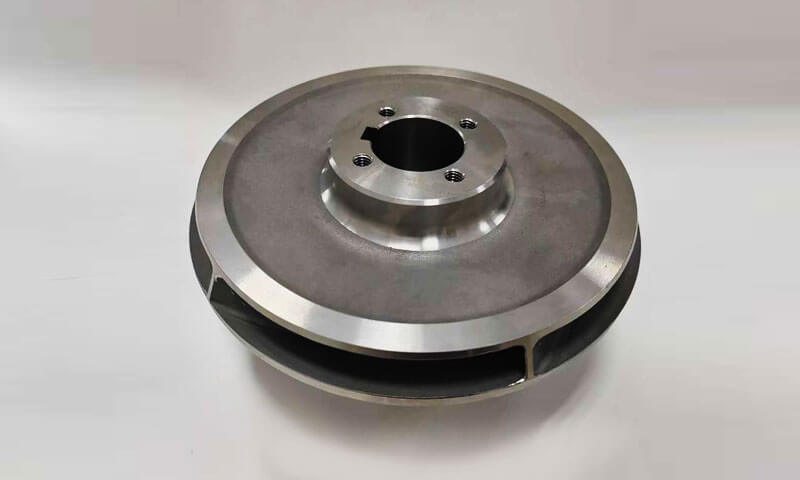
- прамысловыя крыльчаткі,
- аэракасмічнае абсталяванне,
- часткі энергасістэмы,
- медыцынскі прыбор,
- і іншыя геаметрычна патрабавальныя кампаненты.
Больш высокая дысцыпліна працэсу, неабходная для ліцця па выплавляемым мадэлям, апраўдана, калі канчатковая частка павінна адпавядаць строгім функцыянальным патрабаванням.
Маштабаванасць дызайну для вытворчых праграм
Ліццё па выплавляемых мадэлях адаптуецца да шырокага дыяпазону вытворчасці. Пасля праверкі працэсу, ён можа падтрымліваць стабільную паўторную вытворчасць з кантраляванай якасцю.
Гэта робіць яго прыдатным не толькі для прататыпаў і невялікіх накладаў, але і для прамысловых праграм сярэдняга аб'ёму, дзе важныя паслядоўнасць і кантроль выдаткаў.
Працэс можна маштабаваць:
- аптымізацыя шаблоннага інструмента,
- аўтаматызаваны ўпырск воску,
- кантроль будынка корпуса,
- наліўная дысцыпліна,
- і стандартызаваная пост-апрацоўка.
Такая маштабаванасць дае вытворцам карысны мост паміж інжынернай гібкасцю і паўтаральнай прамысловай прадукцыяй.
3. Сектары прамысловага прымянення
Ліццё па выплавляемым мадэлям - гэта не проста спосаб вырабу металічных дэталяў складанай формы.
На прамысловых рынках, гэта мэтанакіраванае інжынернае рашэнне для кампанентаў, якія павінны спалучаць геаметрычную складанасць, матэрыяльная прадукцыйнасць, дакладнасць памераў, і доўгае жыццё.
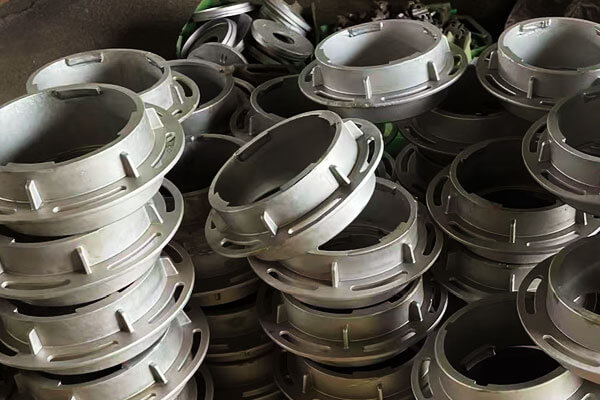
Помпы і сістэмы апрацоўкі вадкасці
Помпы з'яўляюцца аднымі з найбольш важных абласцей прымянення ліцця па выплавляемым мадэлям.
Такія кампаненты, як крыльчаткі, скрыні, дыфузары, насіць кольцы, і корпусы ўшчыльненняў залежаць ад гладкіх шляхоў патоку, дакладная геаметрыя ляза, і жорсткі кантроль памераў.
У гэтым асяроддзі, невялікія геаметрычныя адхіленні могуць мець вымерны ўплыў на гідраўлічную эфектыўнасць, паводзіны вібрацыі, шум, і агульны тэрмін службы.
Ліццё па выплавляемым мадэлям асабліва добра падыходзіць для гэтых частак, таму што яно можа прайграваць складаныя крывалінейныя паверхні і элементы тонкага сячэння з высокім узроўнем дакладнасці.
Гэта памяншае патрэбу ў шырокай механічнай апрацоўцы і дапамагае захаваць распрацаваны гідраўлічны профіль кампанента.
Асабліва для крыльчатак, гэты працэс падтрымлівае вытворчасць праходаў лопасцяў амаль чыстай формы, якія было б цяжка і дорага апрацаваць звычайнай машынай.
Выбар матэрыялу залежыць ад працоўнай асяроддзя:
- Аўстэнітныя нержавеючыя сталі такія як 316L і 347 шырока выкарыстоўваюцца для каразійных тэхналагічных вадкасцей і змешаных хімічных службаў.
Яны забяспечваюць шырокую ўстойлівасць да карозіі і надзейныя характарыстыкі вытворчасці. - Сплавы на аснове кобальту такія як маркі Stellite з'яўляюцца пераважнымі ў сур'ёзнай абразіўнай або эразійнай эксплуатацыі, дзе зносаўстойлівасць важней кошту.
Гэтыя сплавы часта выбіраюць для шламавых помпаў, насіць кольцы, і шляхі патоку з высокай эрозіяй. - Нержавеючая сталь, якая ўмацоўваецца апаражам напрыклад, як 17-4 PH і 15-5 PH выкарыстоўваюцца там, дзе неабходна спалучаць больш высокую механічную трываласць з устойлівасцю да карозіі, асабліва ў кампанентах і валах помпаў пад ціскам.
Карацей кажучы, ліццё па выплавляемым мадэлям дазваляе распрацоўнікам помпаў аптымізаваць як гідраўлічную прадукцыйнасць, так і даўгавечнасць матэрыялу ў адным маршруце вытворчасці.
Клапаны і кампаненты кантролю патоку
А клапан прамысловасць з'яўляецца адным з найбуйнейшых і тэхнічна патрабавальных карыстальнікаў ліцця па выплавляемым мадэлям.
Целы клапана, чэпчыкі, сядзенні, сцеблы, і часткі аздаблення павінны адпавядаць строгім патрабаванням да цэласнасці ціску, Ушчыльненне прадукцыйнасці, Каразія супраціву, і доўгатэрміновая паўтаральнасць.
Гэта менавіта той тып прымянення, дзе ліццё па выплавляемых мадэлях пераўзыходзіць.
Геаметрыя клапанаў часта змяшчае складаныя ўнутраныя паточныя каналы, пераходы ад тоўстага да тонкага, ўшчыльненне сядзенняў, і лакалізаваныя вобласці стрэсу.
Выраб гэтых функцый у выглядзе адной адліўкі зніжае складанасць зборкі і пазбаўляе ад многіх слабых месцаў, якія ў адваротным выпадку з'явіліся б у зварных або вырабленых канструкцыях.
Тыповы выбар сплаву ўключае:
- Аўстэнітныя нержавеючыя сталі напрыклад, як 304 і 316L для агульнага ўстойлівага да карозіі абслугоўвання.
- Мартэнсітныя нержавеючыя сталі напрыклад, як 410 і 420C для ствалоў і структурных частак, якія патрабуюць большай цвёрдасці і трываласці.
- Сплавы на аснове кобальту для сядзенняў і аздаблення ў цяжкіх умовах службы, дзе хуткасная эрозія, цеплавы веласіпед, і шматразовае прывядзенне ў дзеянне стварае экстрэмальныя ўмовы зносу.
Для прымянення клапанаў, сплавы на аснове кобальту часта з'яўляюцца пераважным рашэннем у самых суровых умовах, таму што яны спалучаюць у сабе зносаўстойлівасць, Каразія супраціву, і ўстойлівасць да высокіх тэмператур лепш, чым стандартная нержавеючая сталь.
Гэта асабліва важна пры дросселировании, схільныя эрозіі, і абслугоўванне высокага перападу ціску.
Абсталяванне для харчовай і малочнай перапрацоўкі
Перапрацоўка прадуктаў харчавання і малочных прадуктаў прад'яўляе зусім іншы набор патрабаванняў.
Галоўны прыярытэт - гігіена, ачышчальнасць, Каразія супраціву, і ўстойлівасць да агрэсіўных якія чысцяць сродкаў.
Кампаненты не павінны забруджваць прадукт, рэшткі пасткі, або стварыць шчыліны, якія цяжка ачысціць.
Ліццё па выплавляемым мадэлям добра падыходзіць для гэтага сектара, таму што яно можа вырабляць гладкую, геаметрыі з мінімізаванымі шчылінамі, якія падтрымліваюць гігіенічны дызайн.
Гэта таксама дазваляе дызайнерам інтэграваць дрэнажныя функцыі, круглявыя пераходы, і суцэльныя паверхні непасрэдна ў дэталі, зніжэнне залежнасці ад зварных швоў і злучэнняў, якія могуць стаць рызыкай забруджвання.
На практыцы, 316L з нержавеючай сталі з'яўляецца дамінуючым выбарам для ліцця па выплавляемым мадэлям, якое кантактуе з ежай.
Яго нізкае ўтрыманне вугляроду дапамагае знізіць рызыку сенсібілізацыі, у той час як яго ўстойлівасць да карозіі добра працуе ў асяроддзях, якія падвяргаюцца ўздзеянню дэзінфікуючых хімікатаў, вільгаць, і сістэмы ачысткі, якія змяшчаюць хларыды.
Працэс таксама забяспечвае аздабленне паверхні, якое часта дастаткова добра для многіх стандартаў харчовай прамысловасці з толькі абмежаванай дадатковай паліроўкай.
Тыповыя прыкладанні ўключаюць:
- целы помпы,
- корпусы клапана,
- кампаненты міксера,
- напаўняльнік дэталяў,
- канвеерная апаратура,
- і апрацоўка арматуры судоў.
Тут, сапраўдная каштоўнасць ліцця па выплавляемым мадэлям заключаецца не толькі ў дакладнасці формы, але і ў гігіенічным выкананні.
Гэта дапамагае ліквідаваць канструктыўныя асаблівасці, якія ўскладняюць уборку, і забяспечвае больш бяспечную працу, больш прыдатныя ў абслугоўванні сістэмы апрацоўкі ежы.
Хімічная і нафтахімічная перапрацоўка
Хімічныя і нафтахімічныя прадпрыемствы працуюць у самых цяжкіх умовах у прамысловасці.
Кампаненты падвяргаюцца ўздзеянню агрэсіўных хімічных рэчываў, павышаныя тэмпературы, Ваганні ціску, і бесперапынныя працоўныя цыклы. У гэтых асяроддзях, няўдача рэдка прымальная і часта каштуе вельмі дорага.
Ліццё па выплавляемым мадэлям шырока выкарыстоўваецца ў рэактарах, цеплаабменнікі, абсталяванне тэхналагічных трубаправодаў, сістэмы помпаў і клапанаў, і зборкі кіравання патокам.
Працэс прывабны тым, што дазваляе выкарыстоўваць высокапрадукцыйныя сплавы, якія можна фармаваць у комплекс, трывалыя геаметрыі з добрай паслядоўнасцю памераў.
Агульныя сем'і матэрыялаў ўключаюць:
- Аўстэнітныя нержавеючыя сталі напрыклад, 316L, 310, і 347 для агульнай карозіі і эксплуатацыі пры падвышаных тэмпературах.
- Сплавы на аснове нікелю напрыклад, сем'і Hastelloy і Monel для вельмі агрэсіўных асяроддзяў, уключаючы моцныя кіслоты і хімічна цяжкія асяроддзя.
- Сплавы на аснове кобальту у выбраным адзенні- і важныя для тэмпературы кампаненты.
Выбар сплаву залежыць ад дакладнага хімічнага складу працэсу.
Напрыклад, некаторыя маркі выбіраюцца па ўстойлівасці да акіслення пры падвышанай тэмпературы, а іншыя выбіраюцца на ўстойлівасць да пэўных кіслот, хларыды, або галагенавых асяроддзях.
На хімічнай службе, універсальнага рашэння сплаву не існуе. Ліццё па выплавляемым мадэлям з'яўляецца каштоўным, таму што яно можа падтрымліваць правільны сплаў для правільнай працы, не прымушаючы дызайнера ісці на кампраміс з геаметрыяй.
Сельскагаспадарчая і цяжкая тэхніка
Сельскагаспадарчая тэхніка і цяжкае абсталяванне падвяргаюць кампаненты высокай механічнай нагрузцы, ўздзеянне, ізаляцыі, трапленне бруду, і вонкавая карозія.
Такія дэталі, як кранштэйны, спасылкі, завесы, знос кампанентаў, і канструкцыйная арматура павінна быць трывалай, жорсткі, і эканамічны ў вытворчасці.
Ліццё па выплавляемым мадэлям асабліва карысна ў гэтым сектары, калі геаметрыя дэталі занадта складаная для простай апрацоўкі, але аб'ём вытворчасці недастаткова высокі, каб апраўдаць ліццё пад высокім ціскам або іншыя спецыялізаваныя метады.
Гэта дазваляе вытворцам вырабляць сталёвыя кампаненты амаль чыстай формы з нязменнымі памерамі і прымальным коштам.
Тыповыя матэрыяльныя сістэмы ўключаюць:
- среднеуглеродистых сталей напрыклад, як 1040 і 1045,
- сплаў сталі напрыклад, як 4130 і 4140.
Гэтыя сталі часта выбіраюцца па балансе трываласці, вынослівасць, і апрацоўваемасць.
Для сельскагаспадарчай і будаўнічай тэхнікі, здольнасць вырабляць трывалыя запасныя часткі з добрай ўзаемазаменнасцю асабліва каштоўная.
Ліццё па выплавляемых мадэлях добра адпавядае гэтаму патрабаванню, асабліва там, дзе важная эксплуатацыйная эксплуатацыя і паўторная вытворчасць.
Пакаленне электраэнергіі
Энергетычнае абсталяванне прад'яўляе адны з самых жорсткіх патрабаванняў да літых кампанентаў.
Паравыя турбіны, газавыя турбіны, генератары, і сістэмы балансу раслін часта патрабуюць частак, якія павінны падтрымліваць стабільнасць памераў, цэласнасць ціску, і характарыстыкі матэрыялу на працягу працяглых перыядаў службы.
Ліццё па выплавляемым мадэлям выкарыстоўваецца ў соплах турбін, дыяфрагмы, Целы клапана, абсталяванне для гарэння, пераходныя часткі, і іншыя важныя кампаненты энергетычнага сектара.
Гэтыя часткі могуць падвяргацца ўздзеянню высокай тэмпературы, цыклічная цеплавая нагрузка, акіленне, і высакахуткасны паток.
Для паравой і агульнай цеплаэнергетычнай службы, адліўкі з нержавеючай сталі часта выкарыстоўваюцца там, дзе патрабуецца ўстойлівасць да карозіі і дакладнасць памераў.
У прымяненні газавых турбін, патрабаванні яшчэ больш жорсткія.
Такія кампаненты, як лопасці соплаў, абсталяванне для гарэння, і пераходныя раздзелы часта абапіраюцца на нікелевая аснова або суперсплавы на аснове кобальту здольныя вытрымліваць экстрэмальныя тэмпературы, захоўваючы структурную цэласнасць.
Прычына, па якой ліццё па выплавляемых мадэлях так эфектыўна тут, заключаецца ў тым, што яно можа ствараць аэрадынамічныя функцыі і функцыі кіравання цяплом, якія было б вельмі цяжка вырабіць іншымі спосабамі.
У высокапрадукцыйным абсталяванні турбіны, ўнутраныя каналы астуджэння, тонкасценных секцый, і складаныя паверхні патоку не з'яўляюцца дадатковымі дэталямі; яны неабходныя для функцыянавання. Ліццё па выплавляемым мадэлям робіць гэтыя канструкцыі практычнымі.
4. Кіраўніцтва па выбары сплаваў для прамысловых выплавляемых мадэляў
Выбар правільнага сплаву - адно з найважнейшых рашэнняў пры прамысловым ліцці.
Лепшы выбар залежыць ад уздзеяння карозіі, цяжар зносу, тэмпература, механічная нагрузка, каштаваць, і вытворчасць. У табліцы ніжэй прыведзена кароткая даведка.
| Сям'я сплаў | Рэпрэзентатыўныя гатункі | Ключавыя ўласцівасці | Першаснае прамысловае прымяненне |
| Вуглярод & Нізкалегаваныя сталі | 1040, 4130, 4140 | Высокая сіла, добрая трываласць, эканамічна эфектыўны | Сельскагаспадарчая тэхніка, цяжкая тэхніка, Структурныя дэталі |
| Аўстэнітныя нержавеючыя сталі | 304, 316L, 310, 347 | Выдатная каразійная ўстойлівасць, добрая свариваемость | Клапаны, помпы, харчовае абсталяванне, хімічная служба |
| Мартэнсітная нержавеючая сталь | 410, 420C, 440C | Высокая цвёрдасць, моцная зносаўстойлівасць | Штокі клапанаў, аздабленне кампанентаў, зносаўстойлівае абсталяванне |
| Нержавеючая сталь, якая ўмацоўваецца ападкамі | 17-4 Ph, 15-5 Ph | Высокая сіла, Добрая ўстойлівасць да карозіі | Часткі помпы высокага ціску, шахты, Структурныя кампаненты |
Сплавы на аснове кобальту |
Зорныя 6, Зорныя 21, FSX-414 | Выдатная зносаўстойлівасць і ўстойлівасць да высокіх тэмператур | Сядла клапанаў, зносныя кольцы помпы, абсталяванне турбіны |
| Сплавы на аснове нікелю | Hastelloy C276, Манель М35-1, Умова 625 | Найвышэйшая ўстойлівасць да карозіі і высокай тэмпературы | Абсталяванне хімічнай апрацоўкі, кампаненты газавых турбін |
| Сплавы на аснове медзі | Алюмініевая бронза, алавяная бронза | Добрая ўстойлівасць да карозіі, Добрая апрацоўка | Марскія часткі, арыентыроўка, перадачы |
5. Схаваная складанасць: Чаму прамысловыя адліўкі не простыя
Адліўкі могуць выглядаць проста, але прамысловае ліццё - гэта высокакантраляваная інжынерная дысцыпліна.
Дэфекты могуць узнікаць у выніку ўзаемадзеяння цеплавых паводзін, ўласцівасці цвілі, alloy chemistry, і час працэсу.
Агульныя праблемы ўключаюць:
- Усаджванне сітаватасці,
- Сітаватасць газу,
- уключэнні,
- гарачае слёзацёк,
- халоднае парэпанне,
- misruns,
- cold shuts,
- фармацыя,
- памерны дрэйф,
- і дэфекты паверхні.
Кожны дэфект распавядае сваю гісторыю. Сітаватасць можа сведчыць аб праблемах з кармленнем або захопам газу. Расколіны могуць паказваць на стрыманае скарачэнне або рэшткавае напружанне.
Няправільны ход можа паказваць на недастатковае напаўненне або дрэнны кантроль тэмпературы залівання. Праблемы з памерамі могуць адлюстроўваць нестабільнасць цвілі або нераўнамернае астуджэнне.
Таму якасць ліцця залежыць ад кантролю сістэмы. Недастаткова заліць метал у форму.
Дызайн формы, варотна-пад'ёмная сістэма, ўзор застывання, тая чысціня, тэмпература налівання, і апрацоўка посткастинга ўсё мае значэнне.
6. Кантроль якасці і надзейнасці прамысловага ліцця
Прамысловыя адліўкі часта служаць у найважнейшых выпадках, таму гарантыя якасці вельмі важная.
Мэта складаецца не толькі ў вырабе дэталі, якая выглядае правільна, але вырабіць дэталь, якая вытрымае ўмовы эксплуатацыі.
Асноўныя метады кантролю якасці ўключаюць:
- візуальны агляд,
- вымярэнне памераў,
- Рэнтгеналагічнае выпрабаванне,
- ультрагукавое тэставанне,
- магнітапарыскавы кантроль,
- пранікальная праверка фарбавальніка,
- хімічны аналіз,
- механічныя выпрабаванні,
- і металаграфічная экспертыза.
Для кампанентаў, якія нясуць ціск, або крытычна важных для бяспекі, неразбуральны кантроль асабліва важны.
Дапушчальны ўзровень дэфекту залежыць ад умоў эксплуатацыі, стандарты, і талерантнасць да рызыкі. Кастынг, які прымальны ў адным дадатку, можа апынуцца непрыдатным у іншым.
Тэрмаапрацоўка і механічная апрацоўка таксама з'яўляюцца часткай кантролю якасці. Яны могуць палепшыць мікраструктуру, паменшыць рэшткавае напружанне, і прывесці адліўку ў канчатковую спецыфікацыю.
У прамысловым ліцці, якасць - гэта не адзін этап праверкі. Гэта ланцужок кіравання.
7. Conclusion
Ліццё па выплавляемым мадэлям зарэкамендавала сябе як незаменны вытворчы працэс для прамысловага прымянення, забяспечваючы унікальнае спалучэнне свабоды дызайну, дакладнасць, ўніверсальнасць матэрыялу, і эканамічная эфектыўнасць.
У адрозненне ад альтэрнатыўных метадаў вытворчасці, якія патрабуюць кампрамісаў паміж прадукцыйнасцю і тэхналагічнасцю, ліццё па выплавляемых мадэлях дазваляе інжынерам распрацоўваць кампаненты, аптымізаваныя для іх меркаванай функцыі, потым вырабляць іх надзейна і эфектыўна.
Ад помпаў і клапанаў, якія падтрымліваюць прамысловыя працэсы, да кампанентаў для вытворчасці электраэнергіі, якія пастаўляюць электрычнасць мільёнам людзей, адліўкі па выплавляемых мадэлях гуляюць важную ролю ў глабальнай прамысловай інфраструктуры.
Паколькі лічбавыя тэхналогіі працягваюць трансфармаваць галіну, ліццё па выплавляемых мадэлях стане яшчэ больш гнуткім, здольны, і ўстойлівы, далейшае пашырэнне прымянення і ўмацаванне сваёй пазіцыі ў якасці пераважнага вытворчага працэсу для высокапрадукцыйных прамысловых кампанентаў.
Для вытворцаў прамысловага абсталявання, якія жадаюць палепшыць прадукцыйнасць прадукцыі, Паменшыце выдаткі, і паскорыць час выхаду на рынак, ліццё па выплавляемым мадэлям прапануе правераны, надзейнае рашэнне, якое забяспечвае выключную каштоўнасць на працягу ўсяго жыццёвага цыкла прадукту.