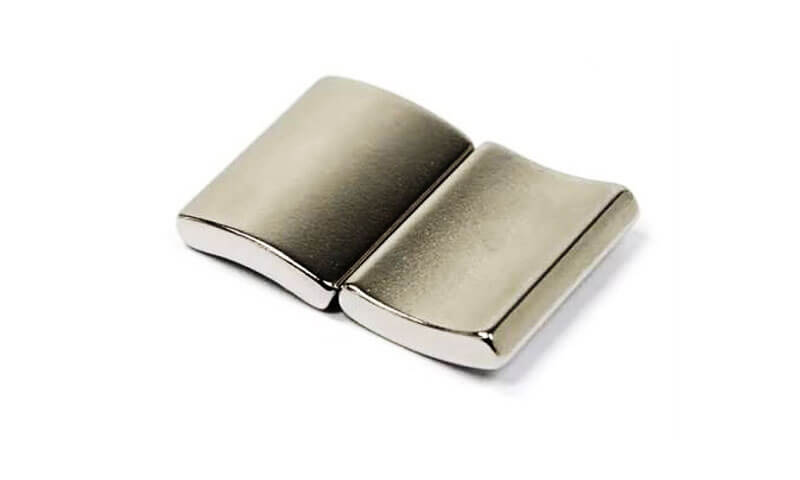
Нікель з'яўляецца адным з найважнейшых інжынерных металаў у свеце, цэніцца за выключную ўстойлівасць да карозіі, высокатэмпературная прадукцыйнасць, выдатныя легіруючыя характарыстыкі, і унікальныя магнітныя ўласцівасці.
Ён адыгрывае важную ролю ў розных галінах прамысловасці - ад аэракасмічнай і электронікі да хімічнай апрацоўкі, аднаўляльная энергія, Медыцынскія прылады, і дакладнасць вытворчасці.
Ці выкарыстоўваецца ў нержавеючай сталі, Суперліі, акумулятарныя батарэі, або электрамагнітныя кампаненты, нікель спрыяе ўласцівасцям, якія некалькі іншых металаў могуць адначасова забяспечыць.
Сярод гэтых уласцівасцей, магнетызм часта выклікае пытанні. Многія ведаюць, што жалеза магнітнае, а медзь і алюміній - не.
Нікель займае цікавае месца, таму што ён адзін з нямногіх тры элементарныя металы, якія з'яўляюцца натуральнымі ферамагнітнымі пры пакаёвай тэмпературы, разам з жалезам (F) і кобальт (Штат).
Аднак, магнітнае паводзіны нікеля больш складанае, чым простае так ці не.
Такія фактары, як склад сплаву, тэмпература, крышталічная структура, халодная праца, і тэрмічная апрацоўка можа значна змяніць яго магнітныя характарыстыкі.
1. З'яўляецца нікелевым магнітам?
Што такое нікель?
Нік (хімічны сімвал У, Атамны нумар 28) гэта серабрыста-белы пераходны метал, які належыць групе 10 перыядычнай табліцы.
Ён валодае выдатным спалучэннем каразійнай стойкасці, вынослівасць, пластычнасць, электраправоднасць, і тэрмічнай стабільнасцю, што робіць яго адным з найбольш шырока выкарыстоўваных легіруючых элементаў у сучаснай прамысловасці.
| Маёмасць | Каштоўнасць |
| Хімічны сімвал | У |
| Атамны нумар | 28 |
| Крышталічная структура | Гранецэнтрычны кубік (FCC) |
| Атамная вага | 58.69 г/моль |
| Шчыльнасць | 8.90 G/CM³ |
| Тэмпература раставання | 1455° С (2651° F) |
| Тэмпература кіпення | 2913° С (5275° F) |
| Цеплаправоднасць | 90.9 W/m · k |
| Электраправоднасць | Approximately 22% IACS |
| Электрычны супраціў | 6.99 × 10⁻⁸ Ω·м |
| Каэфіцыент цеплавога пашырэння | 13.4 × 10⁻⁶ /K |
| Канкрэтная цеплаправодная магутнасць | 444 J/kg · k |
Кароткі адказ: Так, нікель натуральны ферамагнітны
Адказ просты так.
Чысты нікель натуральна ферамагнітныя Пры пакаёвай тэмпературы. Гэта азначае, што можа:
- Моцна прыцягваюцца пастаяннымі магнітамі.
- Намагнічвацца пад дзеяннем знешняга магнітнага поля.
- Захоўвае частку сваёй намагнічанасці пасля зняцця вонкавага поля.
- Утвараюць магнітныя дамены, якія выраўноўваюцца, ствараючы пастаяннае магнітнае поле.
Нікель належыць да выключнай групы элементарных металаў, якія дэманструюць спантанны ферамагнетызм у звычайных умовах.
| Элемент | Натуральна ферамагнітны пры пакаёвай тэмпературы | Тэмпература Кюры |
| Жалеза (F) | Так | 770° С |
| Кобальт (Штат) | Так | 1,115° С |
| Нік (У) | Так | 358° С |
Вышэй тэмпературы Кюры, нікель больш не паводзіць сябе як ферамагнітны матэрыял і замест гэтага становіцца парамагнітныя, слаба рэагуюць на знешнія магнітныя палі.
Чаму нікель з'яўляецца магнітным
Магнетызм нікеля ўзнікае з яго электронная структура— канкрэтна, размяшчэнне электронаў на яго 3d арбіталях. Нікель мае электронную канфігурацыю [ар] 3d⁸ 4s².
Гэта азначае, што ёсць два няспараных электрона у 3d подоболочке. Гэтыя няпарныя электроны ствараюць чысты магнітны момант.
Калі магнітныя моманты суседніх атамаў выраўноўваюцца ў адным кірунку, матэрыял становіцца ферамагнітным.
Гэта выраўноўванне абумоўлена квантава-механічнай з'явай, званай абменнае ўзаемадзеянне, што спрыяе паралельнаму выраўноўванню спінаў электронаў у некаторых металах.
У нікелі, абменнае ўзаемадзеянне дастаткова моцнае, каб падтрымліваць паралельнае выраўноўванне спіна да 358°C (тэмпература Кюры).
2. Разуменне магнетызму ў металах
Што такое магнетызм?
Магнетызм - гэта фізічная з'ява, якая ўзнікае ў выніку руху і спіна электронаў у атамах.
Кожны электрон стварае малюсенькае магнітнае поле, але ці праяўляе матэрыял прыкметны магнетызм, залежыць ад таго, як гэтыя атамныя магнітныя моманты ўзаемадзейнічаюць разам.
У большасці металаў, асобныя магнітныя моманты альбо спалучаюцца з супрацьлеглымі спінамі, альбо застаюцца выпадкова арыентаванымі, у выніку назіранага магнетызму практычна няма.
У ферамагнітных матэрыялах, такіх як нікель, аднак, суседнія атамныя моманты ўзаемадзейнічаюць дастаткова моцна, каб спантанна выраўноўвацца на вялікіх абласцях, ствараючы вымернае магнітнае поле.
Асноўныя віды магнітных матэрыялаў
| Тып | Вызначэнне | Магнітныя паводзіны | Прыклады |
| Ферамагнітны | Моцнае прыцягненне; захоўвае намагнічанасць; магнітныя моманты выраўноўваюцца паралельна. | Высокая ўспрымальнасць; гістэрэзіс; магнітныя дамены. | Жалеза, нік, кобальт, і іх сплаваў. |
| Ферымагнітныя | Моцнае прыцягненне; магнітныя моманты выраўноўваюцца антыпаралельна, але неаднолькава. | Падобны да ферамагнітнага, але слабейшы. | Магнетыт (Fe₃O₄), ферыты. |
| Антыферамагнітныя | Вельмі слабая прывабнасць; магнітныя моманты выраўноўваюць антыпаралельна. | Ўспрымальнасць павялічваецца з тэмпературай. | Хром, аксіды марганца. |
Парамагнітны |
Вельмі слабая прывабнасць; няма ўтрымання; моманты супадаюць з вонкавым полем. | Ўспрымальнасць зніжаецца з тэмпературай (Закон Кюры). | Алюміній, плаціна, тытан. |
| Дыямагнітныя | Вельмі слабое адштурхванне; няма пастаянных момантаў; індукаваныя моманты супрацьпастаўляюць поле. | Ўспрымальнасць адмоўная. | Copper, кіраваць, вісмута, вада. |
3. Чаму нікель ферамагнітны
Ферамагнетызм Нікеля сыходзіць каранямі ў прынцыпы квантавай механікі, а не ў класічны электрамагнетызм.
У адрозненне ад звычайных металаў, нікель валодае электроннай структурай, якая дазваляе мільёнам атамных магнітных момантаў супрацоўнічаць і выраўноўвацца ў вялікіх рэгіёнах, ствараючы моцнае макраскапічнае магнітнае поле.
Гэта з'ява ўзнікае ў выніку сумеснага ўздзеяння спіна электрона, абменныя ўзаемадзеяння, крышталічная структура, і фарміраванне магнітнага дамена.

Атамная структура нікеля
Атамы нікеля ўтрымліваюць 28 электронаў размешчаны вакол ядра 28 пратоны.
У той час як унутраныя электроны моцна звязаны і ўносяць невялікі ўклад у магнітныя паводзіны, знешні 3г электронаў гуляюць рашаючую ролю.
Нікель крышталізуецца ў а гранецэнтрычны куб (FCC) рашоткі пры пакаёвай тэмпературы.
Гэта высокаўпарадкаванае размяшчэнне атамаў размяшчае суседнія атамы нікеля дастаткова блізка, каб іх хвалевыя функцыі электронаў перакрываліся, забяспечваючы моцнае магнітнае ўзаемадзеянне ва ўсім крышталі.
Канфігурацыя Electron
Электронная канфігурацыя нікеля ў асноўным стане:
[ар] 3d⁸ 4s²
Часткова запоўнены 3г арбітальны змяшчае няспараныя электроны, кожны з іх валодае ўласным магнітным момантам, абумоўленым спінам электрона.
Калі б гэтыя моманты заставаліся выпадкова арыентаванымі, матэрыял будзе дэманстраваць толькі слабы парамагнетызм. Замест, атамная структура нікеля дазваляе суседнім спінам ўзаемадзейнічаць сумесна.
Абменнае ўзаемадзеянне
Ключавым механізмам, адказным за ферамагнетызм нікеля, з'яўляецца абменнае ўзаемадзеянне, квантава-механічны эфект, які ўзнікае ў выніку перакрыцця хвалевых функцый суседніх электронаў.
Гэта ўзаемадзеянне спрыяе паралельнаму выраўноўванню сумежных электронных спінаў, таму што яно мінімізуе агульную энергію крышталя. У выніку:
- Суседнія атамныя магнітныя моманты выраўноўваюцца спантанна.
- Развіваюцца вялікія вобласці раўнамерна намагнічаных атамаў.
- Намагнічанасць існуе нават без вонкавага магнітнага поля.
Хоць магнітны момант асобнага атама нікеля меншы, чым у жалеза, калектыўнае выраўноўванне мільярдаў атамаў стварае значныя магнітныя паводзіны.
Магнітныя дамены
Каб паменшыць агульную магнітную энергію, нікель не паводзіць сябе як адзін гіганцкі магніт.
Замест, падзяляецца на шматлікія мікраскап магнітныя дамены, кожная змяшчае мільёны атамаў з іх магнітнымі момантамі, выраўнаванымі ў адным кірунку.
У ненамагнічаным кавалку нікелю:
- Дамены паказваюць у розныя бакі.
- Іх магнітныя палі ў значнай ступені кампенсуюць адно адно.
- Матэрыял праяўляе невялікі знешні магнетызм.
Пры ўздзеянні вонкавага магнітнага поля:
- Пашыраюцца выгадна арыентаваныя дамены.
- Даменныя сцены рухаюцца.
- Атамныя спіны круцяцца ў бок прыкладзенага поля.
- Агульная намагнічанасць хутка павялічваецца.
Калі магнітнае поле дастаткова моцнае, большасць даменаў становяцца выраўнаванымі, і нікель падыходзіць магнітнае насычэнне.
Тэмпература Кюры
Нікель застаецца ферамагнітным толькі ніжэй яго Тэмпература Кюры, прыблізна 358° С (631 К).
Ніжэй гэтай тэмпературы:
- Дамінуюць абменныя ўзаемадзеяння.
- Магнітныя дамены застаюцца стабільнымі.
- Захоўваецца моцныя ферамагнітныя паводзіны.
Вышэй тэмпературы Кюры:
- Цеплавая энергія парушае выраўноўванне спіна.
- Магнітныя дамены калапсуюць.
- Нікель пераходзіць у а парамагнітныя матэрыял, выяўляючы толькі слабы магнетызм у знешнім полі.
Гэты пераход, які залежыць ад тэмпературы, з'яўляецца найважнейшым момантам у праграмах, якія ўключаюць павышаныя працоўныя тэмпературы, напрыклад, электрарухавікі, генератары, датчыкі, і высокатэмпературнае прамысловае абсталяванне.
4. Фактары, якія ўплываюць на магнетызм нікеля
Хоць чысты нікель па сваёй сутнасці ферамагнітны, яго магнітныя паводзіны не з'яўляюцца сталымі пры любых умовах эксплуатацыі.
Сіла намагнічанасці, магнітная пранікальнасць, і магнітная стабільнасць можа істотна змяняцца ў залежнасці ад тэмпературы, склад сплаву, механічная апрацоўка, мікраструктура, і навакольнае асяроддзе працы.
Тэмпература
Тэмпература з'яўляецца найбольш уплывовым фактарам, які ўплывае на магнетызм нікеля.
Па меры павышэння тэмпературы, цеплавая энергія выклікае большую атамную вібрацыю, паступовае парушэнне выраўноўвання магнітных даменаў, адказных за ферамагнетызм.
Ніжэй яго Тэмпература Кюры (прыкладна 358°C / 676° F), нікель захоўвае спантанную намагнічанасць і праяўляе моцныя ферамагнітныя паводзіны.
Па меры набліжэння тэмпературы да кропкі Кюры, магнітная пранікальнасць і намагнічанасць насычэння хутка памяншаюцца.
Пасля перавышэння тэмпературы Кюры, магнітныя дамены руйнуюцца, і нікель перажывае фазавы пераход з ферамагнітнага матэрыялу ў парамагнітны.
У такім стане, ён слаба рэагуе на знешняе магнітнае поле і больш не захоўвае пастаяннай намагнічанасці.
важна, гэта пераўтварэнне зварачальна. Калі матэрыял астуджаецца ніжэй за тэмпературу Кюры без істотных мікраструктурных змен або акіслення, яго ферамагнітныя ўласцівасці аднаўляюцца.
| Дыяпазон тэмпературы | Магнітныя паводзіны | Інжынерныя наступствы |
| Ніжэй 300°C | Стабільны ферамагнетызм | Падыходзіць для большасці магнітных кампанентаў |
| 300-358°C | Магнетызм паступова слабее | Зніжэнне магнітнай эфектыўнасці |
| Вышэй за 358°C | Парамагнітны | Не падыходзіць для магнітных прыкладанняў |
| Пасля астуджэння ніжэй кропкі Кюры | Ферамагнетызм аднаўляецца | Магнітныя ўласцівасці ў цэлым аднаўляюцца |
Склад сплаву
Даданне легіруючых элементаў моцна ўплывае на магнітныя характарыстыкі нікеля, паколькі змяняе электронную структуру і крышталічную рашотку.
Такія элементы, як жалеза і кобальт у цэлым паляпшаюць ферамагнітныя паводзіны за кошт павелічэння ўзаемадзеяння магнітнага абмену, у той час як легіруючыя дадаткі ў тым ліку хром, molybdenum, марганец, медзь, і крэмній маюць тэндэнцыю да памяншэння магнітнай пранікальнасці шляхам стабілізацыі немагнітных фаз або парушэння выраўноўвання магнітнага дамена.
Такім чынам, нікелевыя сплавы дэманструюць шырокі спектр магнітных паводзін.
Нікелева-жалезныя сплавы, такія як Пермалой спецыяльна распрацаваны для дасягнення надзвычай высокай магнітнай пранікальнасці трансфарматараў, магнітнае экранаванне, і дакладныя датчыкі.
У адрозненне, высокапрадукцыйныя ўстойлівыя да карозіі сплавы, такія як Умова, Hastelloy, і шмат гатункаў Манель прызначаны ў асноўным для механічных і хімічных характарыстык, што прыводзіць да слабых або амаль немагнітных характарыстык.
Гэта тлумачыць, чаму нельга выкарыстоўваць толькі ўтрыманне нікеля для прадказання таго, ці будзе сплаў мець моцны магніт.
Крышталічная структура і мікраструктура
Магнітныя паводзіны нікеля цесна звязаны з яго гранецэнтрычнай кубічнай (FCC) крышталічная структура і размяшчэнне магнітных даменаў у матэрыяле.
Зярністасць, зярністасць арыентацыі, Размеркаванне фаз, выпадае ў асадак, і дэфекты крышталя ўплываюць на рух магнітных даменных сценак.
Матэрыялы з аднастайнымі зернямі і нізкім унутраным напружаннем звычайна дэманструюць больш стабільныя і прадказальныя магнітныя характарыстыкі, у той час як гетэрагенныя мікраструктуры могуць паменшыць магнітную пранікальнасць і павялічыць магнітны гістарэзіс.
Падчас вытворчых працэсаў, такіх як ліццё, сувы, скрутка, або тэрмічнай апрацоўкі, змены ў марфалогіі збожжа і рэшткавае напружанне змяняюць даменную структуру, што прыводзіць да вымерных змяненняў у магнітных уласцівасцях, нават калі хімічны склад застаецца нязменным.
Халодная праца і рэшткавы стрэс
Механічная дэфармацыя, якая ўзнікае пры халоднай пракатцы, малюнак, выгін, марнаванне, або механічная апрацоўка змяняе ўнутранае размеркаванне напружання нікеля і ўплывае на рухомасць магнітных даменаў.
Халодная праца павялічвае шчыльнасць вывіху і рэшткавае напружанне, стварэнне перашкод, якія перашкаджаюць руху даменнай сценкі.
У выніку, часта ўзрастае коэрцитивная сіла, а магнітная пранікальнасць памяншаецца. У дакладных электрамагнітных кампанентах, празмерная халодная дэфармацыя можа знізіць магнітную эфектыўнасць і павялічыць страты на гістарэзіс.
Па гэтай прычыне, многія высокапрадукцыйныя магнітныя нікелевыя сплавы падвяргаюцца адпалу для зняцця напружання пасля вырабу, каб аднавіць аптымальныя магнітныя характарыстыкі і палепшыць стабільнасць памераў.
Тэрмічная апрацоўка
Тэрмічная апрацоўка уплывае на магнетызм нікеля, здымаючы рэшткавае напружанне, рафінаванне збожжавай структуры, і змяненне размеркавання фаз.
Правільны адпал спрыяе росту збожжа і памяншае ўнутранае скажэнне рашоткі, дазваляючы магнітным даменам рухацца больш свабодна.
Гэта звычайна павялічвае магнітную пранікальнасць і памяншае прымусовую сілу.
І на карысці, неадпаведныя тэмпературы тэрмічнай апрацоўкі або хуткасці астуджэння могуць выклікаць непажаданыя фазы або рэшткавыя напружання, якія негатыўна ўплываюць на магнітныя характарыстыкі.
Для магнітна-нікелевых сплаваў, дакладна кантраляваныя цыклы адпалу з'яўляюцца найважнейшым этапам вытворчасці, часта вызначаючы канчатковыя магнітныя ўласцівасці больш істотна, чым сам склад сплаву.
Прыкладное магнітнае поле
Нікель не праяўляе фіксаванай інтэнсіўнасці магнітнага поля ва ўсіх умовах працы. Яго адказ залежыць як ад сілы, так і ад гісторыі прыкладзенага магнітнага поля.
Пры ўвядзенні вонкавага магнітнага поля, магнітныя дамены паступова круцяцца і выраўноўваюцца з напрамкам поля, у выніку чаго намагнічанасць павялічваецца да дасягнення насычэння.
За кропкай насычэння, далейшае павелічэнне напружанасці поля стварае невялікую дадатковую намагнічанасць.
Пасля выдаляюць вонкавае поле, частка намагнічанасці застаецца як рэштавая здольнасць, у той час як поле, неабходнае для ліквідацыі гэтай рэшткавай намагнічанасці, вядома як прымусовая сіла.
Гэтыя характарыстыкі прадстаўлены пятлёй гістэрэзісу матэрыялу і асабліва важныя ў распрацоўцы рухавікоў, выканаўчыя механізмы, магнітныя датчыкі, і электрамагн.
Працоўнае асяроддзе
Асяроддзе абслугоўвання можа ўскосна ўплываць на доўгатэрміновыя магнітныя характарыстыкі нікеля.
Хоць нікель валодае выдатнай устойлівасцю да карозіі, доўгі ўздзеянне падвышаных тэмператур, цыклічная цеплавая нагрузка, акісляльныя атмасферы, механічная вібрацыя, або агрэсіўныя хімічныя рэчывы могуць паступова змяняць стан і мікраструктуру паверхні.
Гэтыя змены могуць паўплываць на магнітную стабільнасць на працягу працяглых перыядаў службы, асабліва ў патрабавальных прамысловых умовах.
У такіх прыкладаннях, як аэракасмічныя сістэмы, марское абсталяванне, заводы хімічнай перапрацоўкі, і энергетычныя аб'екты, інжынеры адначасова ацэньваюць як магнітныя ўласцівасці, так і ўстойлівасць да навакольнага асяроддзя, каб забяспечыць надзейную доўгатэрміновую працу.
Вытворчы працэс
Розныя метады вытворчасці ствараюць розныя мікраструктуры і рэшткавыя стану напружання, што прыводзіць да варыяцый у магнітных паводзінах.
Літыя нікелевыя кампаненты звычайна ўтрымліваюць больш буйныя збожжа і больш павольныя структуры застывання, у той час як кованые вырабы дэманструюць рафінаваныя збожжа і палепшаныя механічныя ўласцівасці.
Халоднаапрацаваныя матэрыялы валодаюць больш высокімі рэшткавымі напружаннямі, у той час як отожженные прадукты звычайна дэманструюць большую магнітную пранікальнасць і меншую коэрцитивную сілу.
Працэсы аздаблення паверхні, такія як апрацоўванне, драба, шмарка, і гальванічнае пакрыццё звычайна практычна не ўплывае на аб'ёмны магнетызм, але яны могуць уплываць на магнітныя характарыстыкі ў высокадакладных прыборах, дзе патрабуюцца надзвычай жорсткія магнітныя допускі.
5. Ці з'яўляюцца нікелевыя сплавы магнітнымі?
Адно з самых распаўсюджаных памылак заключаецца ў тым, што кожны сплаў, які змяшчае нікель, павінен быць магнітным.
У рэальнасці, толькі ўтрыманне нікеля не вызначае магнітныя паводзіны.
Замест, магнетызм залежыць перш за ўсё ад:
- Крышталічная структура
- Склад сплаву
- Размеркаванне фаз
- Тэрмічная апрацоўка
- Халодная праца
- Тэмпература абслугоўвання
Як легіруючыя элементы змяняюць размяшчэнне атамаў нікеля, яны таксама змяняюць абменныя ўзаемадзеянні, адказныя за ферамагнетызм.
Магнітныя паводзіны звычайных нікелевых сплаваў
| Сплаў | Змест нікеля | Мікраструктура | Магнітны пры пакаёвай тэмпературы | Тыповыя прыкладанні |
| Нік 200 | ≥99,0% | FCC | Так | Электрычныя кампаненты, хімічнае абсталяванне |
| Нік 201 | ≥99,0% (нізкім утрыманнем вугляроду) | FCC | Так | Харчовая апрацоўка, электроніка |
| Манель 400 | ~63–70% у | Нікелева-медны | Ад слабамагнітнага да слабамагнітнага | Марская тэхніка, помпы, клапаны |
| Манель К-500 | ~63% уваход | Загартаваны ападкамі | Слабамагнітныя | Афшорныя валы, зашпількі |
| Умова 600 | ~72% уваход | Аўстэніт | Як правіла, немагнітны (адпачываў) | Цеплаабменнікі, печы |
Умова 625 |
~58% уваход | Аўстэніт | Па сутнасці, немагнітны | Аэракасмічная, марская, хімічная апрацоўка |
| Умова 718 | ~52% уваход | Загартаваны ападкамі | Злёгку магнетычны пасля старэння | Авіяцыйныя рухавікі, турбін |
| Hastelloy C-276 | ~57% уваход | Аўстэніт | Немагнітныя (адпачываў) | Абсталяванне хімічнай апрацоўкі |
| Сплаў 20 | ~35% у | Аўстэніт | Немагнітныя | Служба сернай кіслаты |
| Nimonic 80A | ~75% цалі | Суперсплаў нікелю | Злёгку магнетычны | Газавыя турбіны, аэракасмічная |
6. Як праверыць, ці з'яўляецца нікель магнітным
Вызначэнне таго, ці з'яўляецца нікель або нікель-змяшчальны сплаў магнітным, важна для ідэнтыфікацыі матэрыялу, Кантроль якасці, праверка сплаву, і абслугоўванне абсталявання.
У той час як просты магніт можа забяспечыць хуткую індыкацыю, інжынерныя прымянення часта патрабуюць колькасных вымярэнняў магнітнай пранікальнасці, шчыльнасць магнітнага патоку, або намагнічанасць насычэння.
| Метад тэставання | Акуратнасць | Колькасны | Неразбуральны | Тыповыя прыкладанні |
| Пастаянны магніт | Нізкі | Ніякі | Так | Хуткая ідэнтыфікацыя поля |
| Вымяральнік магнітнай пранікальнасці | Высокі | Так | Так | Прамысловы кантроль якасці |
| Гаўс-метр | Высокі | Так | Так | Вымярэнне магнітнага поля |
| Магнітометр з вібрацыйным узорам (ВСМ) | Вельмі высокі | Так | Так | Матэрыялы даследавання, распрацоўка сплаву |
| Магнітометр SQUID | Надзвычай высока | Так | Так | Навуковыя даследаванні |
| Магнітна-сілавая мікраскапія (МФМ) | Мікраскапічны | Так | Так | Аналіз даменнай структуры |
7. Прамысловае прымяненне магнітнага нікелю
Унікальная камбінацыя Nickel ферамагнетызм, Каразія супраціву, механічная трываласць, і тэрмічнай стабільнасцю робіць яго незаменным у шматлікіх галінах прамысловасці.
У адрозненне ад жалеза, нікель захоўвае выдатную ўстойлівасць да карозіі, пры гэтым дэманструючы карысныя магнітныя паводзіны, што робіць яго ідэальным для суровых умоў, дзе звычайныя магнітныя матэрыялы хутка руйнуюцца.
Электрарухавікі і генератары
Нікель звычайна выкарыстоўваецца ў электрамагнітных кампанентах, якія патрабуюць стабільных магнітных характарыстык пры паўторных цыклах намагнічвання.
Дадаткі ўключаюць:
- Кампаненты полюса рухавіка
- Ротарныя вузлы
- Магнітнае экранаванне
- Кампаненты генератара
- Электрамагнітныя прывады
Электрамагнітныя рэле і саленоіды
Адносна высокая магнітная пранікальнасць нікеля забяспечвае эфектыўную перадачу магнітнага патоку.
Тыповыя прыкладанні ўключаюць:
- Рэлейныя арматуры
- Саленоідныя стрыжні
- Электрамагнітныя выключальнікі
- Кантактныя сістэмы
- Прамысловая кантрольная апаратура
Магнітныя датчыкі
Многія тэхналогіі зандзіравання абапіраюцца на стабільныя магнітныя паводзіны нікеля.
Дадаткі ўключаюць:
- Датчыкі Хола
- Датчыкі набліжэння
- Датчыкі становішча
- Трансфарматары току
- Сістэмы вымярэння хуткасці
Акумулятарныя батарэі
Нікель з'яўляецца ключавым матэрыялам у шматлікіх тэхналогіях акумулятараў.
Прыклады ўключаюць:
- Нікель-металгідрыдныя (NiMH)
- Нікель-кадміевы (NiCd)
- Багатыя нікелем літый-іённыя катоды
- Акумулятарныя токапрыёмнікі
Электронныя кампаненты
Нікелевыя гальванічныя пакрыцця служаць як ахоўным, так і функцыянальным.
Агульныя прыкладанні ўключаюць:
- Друкаваныя платы (Друкава)
- Злучальнікі
- Пакеты паўправаднікоў
- Экраніруючыя агароджы
- Дакладныя кантакты
Аэракасмічная прамысловасць
Сплавы на аснове нікеля шырока выкарыстоўваюцца ў авіяцыі і касмічных караблях, таму што яны захоўваюць механічную трываласць пры павышаных тэмпературах.
Тыповыя кампаненты ўключаюць:
- Турбінныя рухавікі
- Выцяжныя сістэмы
- Зашпількі
- Датчыкі
- Высокотэмпературныя электрамагнітныя прылады
Абсталяванне для хімічнай апрацоўкі
Чысты нікель спалучае ў сабе магнітныя ўласцівасці з выдатнай каразійнай устойлівасцю да шчолачных хімічных рэчываў.
Тыповае абсталяванне ўключае:
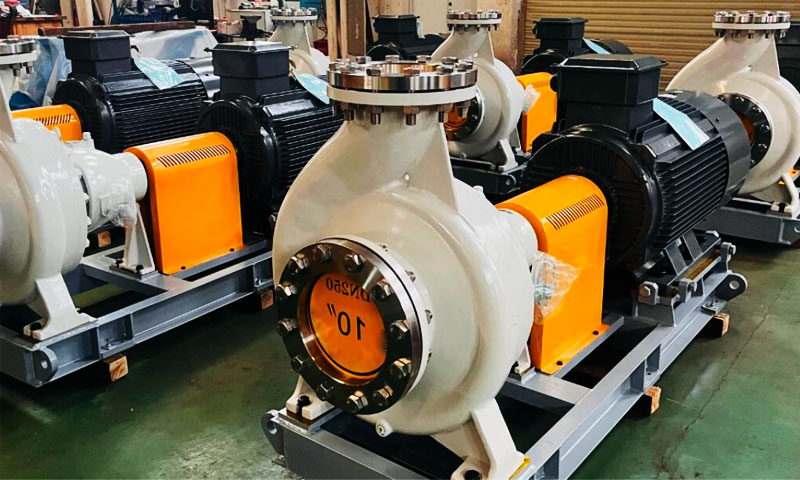
- Помпы
- Клапаны
- Цеплаабменнікі
- Сасуды пад ціскам
- Электрахімічныя рэактары
Медыцынскае абсталяванне
Магнітныя матэрыялы, якія змяшчаюць нікель, сустракаюцца ў шматлікіх медыцынскіх прыладах.
Прыклады ўключаюць:
- Дыягнастычныя прыборы
- МРТ-сумяшчальныя дапаможныя кампаненты
- Хірургічнае абсталяванне
- Прэцызійныя прывады
- Аўтаматызацыя лабараторыі
Магнітнае экранаванне
Для электрамагнітных перашкод шырока выкарыстоўваюцца никельсодержащие сплавы (EMI) абарона.
Дадаткі ўключаюць:
- Электронныя карпусы
- Абсталяванне сувязі
- Аэракасмічная электроніка
- Прамысловая аўтаматызацыя
- Дакладныя прыборы
8. Нікель супраць іншых магнітных металаў
Хоць жалеза (F), кобальт (Штат), і нік (У) гэта тры ферамагнітныя металы, якія сустракаюцца ў прыродзе пры пакаёвай тэмпературы, яны істотна адрозніваюцца па магнітных характарыстыках, Механічныя ўласцівасці, Каразія супраціву, тэмпературная стабільнасць, і прамысловыя прыкладанні.
| Маёмасць | Нік (У) | Жалеза (F) | Кобальт (Штат) | Ферытная нержавеючая сталь (430) | Мартэнсітная нержавеючая сталь (410) |
| Крышталічная структура (Пакаёвая тэмпература) | FCC | БКК | HCP | БКК | BCT |
| Магнітныя паводзіны | Ферамагнітны | Ферамагнітны | Ферамагнітны | Ферамагнітны | Ферамагнітны |
| Тэмпература Кюры | 358° С | 770° С | 1,115° С | ~700–750°C | ~700–760°C |
| Адносная магнітная пранікальнасць | Сярэдні - высокі | Вельмі высокі | Высокі | Сярэдні - высокі | Сярэдні |
| Намагнічанасць насычэння | Умераны | Вельмі высокі | Высокі | Сярэдні | Сярэдні |
| Каразія супраціву | Выдатны | Бедны | Добры | Добры | Умераны |
Насіць супраціў |
Добры | Умераны | Выдатны | Добры | Выдатны (Цеплыня апрацаваны) |
| Стабільнасць да высокіх тэмператур | Добры | Умераны | Выдатны | Добры | Умераны |
| Апрацоўка | Добры | Умераны | Цяжкі | Добры | Добры |
| Адносны кошт матэрыялу | Сярэдні | Нізкі | Вельмі высокі | Сярэдні | Сярэдні |
| Тыповыя прыкладанні | Хімічнае абсталяванне, электроніка, гальваніка | Трансформеры, маторы, канструкцыйная сталь | Аэракасмічная, пастаянныя магніты, кампаненты турбіны | Тэхніка, выхлапныя сістэмы, магнітныя карпусы | Клапаны, помпы, лопасці турбіны |
9. Распаўсюджаныя міфы пра магнетызм нікеля
| Міф | Факт |
| Усе сплавы на аснове нікеля з'яўляюцца магнітнымі. | Няпраўда. Многія нікелевыя сплавы (e.g., Умова, Манель, Hastelloy) немагнітныя або слабамагнітныя з-за развядзення ферамагнітнай структуры іншымі элементамі. |
| Пры награванні нікель назаўжды губляе магнетызм. | Хлусня. Магнетызм нікеля вяртаецца пры астуджэнні ніжэй за тэмпературу Кюры (358° С), пры ўмове, што матэрыял не зведаў фазавыя змены. |
Нікель - самы магнітны метал. |
Хлусня. Жалеза мае больш высокі магнітны момант на атам і больш высокую намагнічанасць насычэння. Нікель з'яўляецца трэцім найбольш магнітным элементарным металам (пасля жалеза і кобальту). |
| Нікель магнітны пры любых тэмпературах. | Хлусня. Вышэй за 358°C, нікель становіцца парамагнітным. Ніжэй 358°C, ён ферамагнітны. |
| Магнітны тэст можа адрозніць нікель ад іншых металаў. | Часткова ілжывы. Магнітны тэст можа паказваць на ферамагнетызм, але ён не можа адрозніць нікель, жалеза, і кобальт. Далейшыя выпрабаванні (e.g., хімічны аналіз, шчыльнасць) неабходныя. |
10. Conclusion
Нікель займае унікальнае месца сярод машынабудаўнічых металаў, таму што спалучае натуральны ферамагнетызм, выдатная ўстойлівасць да карозіі, выдатная пластычнасць, і надзейная праца пры высокіх тэмпературах.
Як адзін з трох элементарных металаў, якія праяўляюць ферамагнетызм пры пакаёвай тэмпературы, нікель гуляе важную ролю ў розных сферах прымянення: ад электрамагнітных прылад і датчыкаў да хімічнага абсталявання і перадавых аэракасмічных сістэм.
Аднак, магнітныя паводзіны ў нікеля з'яўляюцца больш тонкімі, чым простая магнітная або немагнітная класіфікацыя.
Чысты нікель выразна ферамагнітны, але яго магнітная сіла ніжэй, чым у жалеза. Moreover, склад сплаву, тэрмічная апрацоўка, халодная праца, працоўная тэмпература, і мікраструктура аказваюць значны ўплыў на магнітныя характарыстыкі.
Для інжынераў і дызайнераў, выбар адпаведнага нікелевага матэрыялу патрабуе збалансавання некалькіх фактараў, уключаючы магнітную пранікальнасць, Механічная сіла, Каразія супраціву, тэхналагічнасць, тэмпература абслугоўвання, і кошт жыццёвага цыкла.
У цяжкіх прамысловых умовах, дзе павінны суіснаваць устойлівасць да карозіі і надзейныя магнітныя ўласцівасці, нікель застаецца адным з самых універсальных і каштоўных інжынерных матэрыялаў.
FAQ
З'яўляецца чыстым нікелем магнітным пры пакаёвай тэмпературы?
Так. Чысты нікель ферамагнітны пры пакаёвай тэмпературы (20° С) і застаецца такім да тэмпературы Кюры 358°C.
Ці ўсе нікелевыя сплавы магнітныя?
Ніякі. Магнітныя паводзіны нікелевых сплаваў залежаць ад легіруючых элементаў і іх канцэнтрацыі.
Многія нікелевыя сплавы (e.g., Умова, Манель, Hastelloy) немагнітныя або слабамагнітныя.
Як магнетызм нікеля параўноўваецца з жалезам?
Нікель мае меншы магнітны момант на атам (0.6 μ_B супраць. 2.2 μ_B для жалеза) і меншая намагнічанасць насычэння (0.6 Т супраць. 2.15 T). Жалеза больш моцна магнітнае, чым нікель.
Ці можна зрабіць нікель немагнітным??
Так. Легіраванне нікеля з дастатковай колькасцю немагнітных элементаў (e.g., медзь, хром, тытан) можа разбаўляць ферамагнітную рашотку і вырабляць немагнітныя або слабамагнітныя сплавы.
Які самы магнітны сплаў нікеля?
Пермалой (80% У, 20% F) з'яўляецца адным з найбольш магнітных нікелевых сплаваў, з перавышэннем адноснай пранікальнасці 100,000.