1. Уводзіны
Сталь з'яўляецца адным з найбольш шырока выкарыстоўваюцца інжынерных матэрыялаў у свеце, і яго шчыльнасць - адна з найважнейшых фізічных уласцівасцей, якія вызначаюць спосаб яго выбару, распрацаваны, апрацаваны, і ўжываецца.
Шчыльнасць ўплывае на масу, інэртнасць, транспартны кошт, канструктыўная нагрузка, паводзіны пры звароце, і нават спажыванне энергіі на працягу жыццёвага цыкла прадукту.
Па гэтай прычыне, шчыльнасць сталі не з'яўляецца трывіяльным каталожным значэннем. Гэта асноватворны параметр канструкцыі.
2. Што азначае шчыльнасць у матэрыялабудаванні
У галіне матэрыялабудавання, шчыльнасць апісвае, колькі масы змяшчаецца ў дадзеным аб'ёме матэрыялу.
Гэта адна з самых фундаментальных фізічных уласцівасцей, таму што яна паказвае інжынерам, наколькі «кампактным» з'яўляецца матэрыял на атамным і макраскапічным узроўні..
Такі матэрыял, як сталь, здаецца цяжкім і цвёрдым, таму што адносна вялікая колькасць рэчыва змяшчаецца ў адносна невялікай прасторы, таму ён мае параўнальна высокую шчыльнасць.
Залежнасць выражаецца асноўным раўнаннем:
Шчыльнасць = Маса / Аб'ём
або, у сімвалічнай форме:
ρ = m / V
дзе:
- г = шчыльнасць
- м = маса
- V = аб'ём
Шчыльнасць звычайна вымяраецца ў такіх адзінках, як G/CM³ або кг/м³ у метрычнай сістэме, і фунт/дзюйм³ або фунт/фут³ у імперскіх адзінках.
З інжынернага пункту гледжання, шчыльнасць - гэта ан інтэнсіўная ўласнасць. Гэта азначае, што яго кошт не змяняецца проста таму, што змяняецца колькасць матэрыялу.
Маленькі кавалак сталі і вялікая сталёвая пласціна маюць аднолькавую шчыльнасць, хоць іх маса вельмі розная. Змяняецца агульная колькасць матэрыялу, не сама шчыльнасць.
Вось чаму шчыльнасць так важная пры дызайне і выбары матэрыялу.
Гэта ўплывае на вагу, інэртнасць, транспартны кошт, структурная нагрузка, і агульная эфектыўнасць, але ён застаецца стабільнай характарыстыкай матэрыялу незалежна ад памеру дэталі.
3. Тыповы дыяпазон шчыльнасці сталі
Большасць простых вугляродзістых і нізкалегаваных сталей маюць шчыльнасць у дыяпазоне 7.75 да 8.05 G/CM³, з 7.85 G/CM³ часта выкарыстоўваецца ў якасці ўмоўнага даведачнага значэння. У тэрмінах СІ, гэта прыкладна 7,850 кг/м³.
Гэтая каштоўнасць не з'яўляецца універсальнай. Розныя маркі сталі нязначна адрозніваюцца з-за легіруючых элементаў, фазавы склад, і гісторыя апрацоўкі ўплываюць на шчыльнасць.
Нержавеючая сталь, Напрыклад, можа апусціцца некалькі вышэй або ніжэй звычайнай эталоннай вугляродзістай сталі ў залежнасці ад складу.

4. Чаму змяняецца шчыльнасць сталі
Сталь - гэта не адзіны матэрыял. Гэта сямейства сплаваў на аснове жалеза, і шчыльнасць змяняецца ў залежнасці ад складу і структуры.
Змест вугляроду
Змест вугляроду ўплывае на шчыльнасць нязначна, таму што вуглярод прысутнічае ў невялікіх колькасцях. Аднак, гэта ўсё яшчэ спрыяе адрозненням паміж адзнакамі.
У большасці практычных выпадкаў, ўтрыманне вугляроду не з'яўляецца асноўным фактарам змены шчыльнасці, але гэта частка агульнага балансу кампазіцыі.
Легувыя элементы
Легіруючыя элементы могуць павышаць або паніжаць шчыльнасць у залежнасці ад іх атамнай масы і канцэнтрацыі.
Такія элементы, як хром, нік, марганец, molybdenum, ванадыя, і вальфрам змяняюць шчыльнасць канчатковага сплаву.
У нержавеючай сталі, Напрыклад, нікель і хром могуць зрушваць шчыльнасць трохі ўверх ці ўніз адносна звычайнай вугляродзістай сталі.
Мікраструктура
Шчыльнасць сталі таксама можа нязначна змяняцца ў залежнасці ад фазавай структуры. Ферытавы, аустениты, мартэнсіт, і бейніт не ўсе спакуюць атамы сапраўды такім жа чынам.
Адрозненні звычайна невялікія, але ў дакладным машынабудаванні яны могуць мець значэнне.
Тэмпература і фазавы стан
Шчыльнасць змяняецца з тэмпературай. Як сталь награваецца, ён пашыраецца, і яго шчыльнасць памяншаецца.
Гэта актуальна ў кастынгу, сувы, тэрмічная апрацоўка, і высокатэмпературнае абслугоўванне. Пры падвышанай тэмпературы, сталь займае крыху большы аб'ём пры той жа масе.
5. Шчыльнасць агульных сямействаў сталі
Для паслядоўнасці, а тыпавыя адзнакі выяўляюцца ў ЗША. стылявыя абазначэнні напрыклад, як AISI/SAE, Астм, і агульнаўжывальныя гандлёвыя эквіваленты.
Прыведзеныя ніжэй значэнні ўяўляюць сабой намінальную шчыльнасць пры пакаёвай тэмпературы, якая выкарыстоўваецца для інжынернага параўнання і выбару матэрыялу.
Шчыльнасць вугляродзістай сталі
Вугляродзістай сталі гэта сямейства жалеза-вугляродзістых сплаваў з адносна нізкім агульным утрыманнем сплаваў.
Яго шчыльнасць толькі нязначна адрозніваецца па нізкай, сярэдні-, і высокавугляродныя маркі, але гэтая тэндэнцыя ўсё яшчэ карысная ў дызайнерскай працы: па меры павышэння ўтрымання вугляроду, шчыльнасць памяншаецца вельмі нязначна.
| Сталёвая катэгорыя | Тыповыя адзнакі | Шчыльнасць (G/CM³) | Шчыльнасць (кг/м³) | Шчыльнасць (фунт/дзюйм³) |
| Нізкавугляродзістай сталі | Асі 1010, Асі 1018, Асі 1020 | 7.85 | 7850 | 0.2836 |
| Сярэдневугляродзістай сталі | Асі 1045, Асі 1050, Асі 1055 | 7.84 | 7840 | 0.2832 |
| Высокавугляродзістай сталі | Асі 1080, Асі 1090, Асі 1095 | 7.83 | 7830 | 0.2828 |
Высокатрывалая нізкалегіраваная канструкцыйная сталь (HSLA) Шчыльнасць
Сталі HSLA ўмацоўваюцца невялікімі дадаткамі марганца, хром, molybdenum, ніёбій, ванадыя, або звязаныя элементы.
Іх шчыльнасць застаецца вельмі блізкай да звычайнай вугляродзістай сталі, так што розніца ў канструкцыі заключаецца ў трываласці і трываласці, а не вазе.
| Сталёвая катэгорыя | Тыповыя адзнакі | Шчыльнасць (G/CM³) | Шчыльнасць (кг/м³) | Шчыльнасць (фунт/дзюйм³) |
| General HSLA Steel | ASTM A572 гр 50, ASTM A992, ASTM A588 | 7.85 | 7850 | 0.2836 |
| Зносаўстойлівая сталь HSLA | AR400, AR450, AR500 | 7.82 | 7820 | 0.2825 |
| Cr-Mo пад ціскам/Канструкцыйная сталь | Асі 4130, Асі 4140, Асі 8640 | 7.86 | 7860 | 0.2839 |
| Выветрыванне канструкцыйнай сталі | ASTM A588, ASTM A242 | 7.84 | 7840 | 0.2832 |
Шчыльнасць нержавеючай сталі
Нержавеючая сталь класіфікуюцца па металаграфічнай структуры. На іх шчыльнасць ўплывае хром, нік, molybdenum, і іншыя легіруючыя элементы.
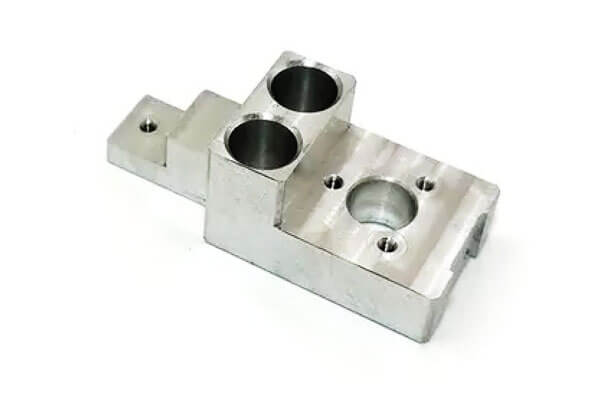
Сярод нержавеючых сем, Аўстэнітная нержавеючая сталь як правіла, мае найбольшую шчыльнасць.
| Сталёвая катэгорыя | Тыповыя адзнакі | Шчыльнасць (G/CM³) | Шчыльнасць (кг/м³) | Шчыльнасць (фунт/дзюйм³) |
| Аўстэнітная нержавеючая сталь | Асі 304, AISI 304L | 7.93 | 7930 | 0.2865 |
| Аўстэнітная нержавеючая сталь | Асі 316, AISI 316L | 7.98 | 7980 | 0.2883 |
| Высокотэмпературны аўстэніт SS | AISI 310S | 7.98 | 7980 | 0.2883 |
| Ферытная нержавеючая сталь | Асі 430, Асі 409 | 7.75 | 7750 | 0.2799 |
| Мартэнсітная нержавеючая сталь | Асі 410, Асі 420, Асі 431 | 7.80 | 7800 | 0.2817 |
| Дуплекс з нержавеючай сталі | ЗША S32205 (2205), ЗША S32750 (2507) | 7.81 | 7810 | 0.2820 |
Інструментальная сталь і хуткарэзная сталь шчыльнасці
Інструментальныя і хуткарэзныя сталі часта ўтрымліваюць вялікую колькасць вальфраму, хром, ванадыя, і кобальт.
Гэтыя легіруючыя элементы павялічваюць шчыльнасць адносна звычайных сталей, асабліва ў хуткарэзных і кобальтосодержащих гатунках.
| Сталёвая катэгорыя | Тыповыя адзнакі | Шчыльнасць (G/CM³) | Шчыльнасць (кг/м³) | Шчыльнасць (фунт/дзюйм³) |
| Вугляродзістая інструментальная сталь | AISI T7, AISI T8, AISI T12 | 7.83 | 7830 | 0.2828 |
| Нізкалегаваная штампаваная сталь | AISI P20, AISI H13, AISI D2 | 7.85 | 7850 | 0.2836 |
| Хуткарэзная сталь | AISI М2, AISI М35, AISI М42 | 8.15 | 8150 | 0.2942 |
| Кобальтсодержащий HSS | AISI T15, HS18-1-2-10 | 8.20 | 8200 | 0.2960 |
Спецыяльная функцыянальная шчыльнасць сталі
Спецыяльныя функцыянальныя сталі распрацаваны для пэўных умоў эксплуатацыі, такіх як свабодная апрацоўка, тэрмаўстойлівасць, высокая шчыльнасць, або нізкай шчыльнасці.
Іх шчыльнасць можа адрознівацца больш прыкметна ад стандартных сталей, таму што канструкцыя сплаву аптымізавана для пэўнай функцыі, а не для агульнага канструкцыйнага выкарыстання.
| Сталёвая катэгорыя | Тыповыя адзнакі | Шчыльнасць (G/CM³) | Шчыльнасць (кг/м³) | Шчыльнасць (фунт/дзюйм³) |
| Эціляваная вольнарэзаная сталь | AISI 12L14, Асі 1215 | 7.97 | 7970 | 0.2879 |
| Тэрмаўстойлівая сталь з высокім утрыманнем хрому | Асі 309, AISI 310S, Асі 446 | 7.90 | 7900 | 0.2854 |
| Тэрмаўстойлівая легаваная сталь на аснове нікелю | Інкалой 800, Incoloy 800H | 8.06 | 8060 | 0.2910 |
| Лёгкая канструкцыйная сталь нізкай шчыльнасці | Спецыяльныя маркі легіраванай сталі нізкай шчыльнасці | 7.70 | 7700 | 0.2781 |
| Сталь супрацьвагі высокай шчыльнасці | Маркі процівагавай сталі з вальфрамавага сплаву | 8.30 | 8300 | 0.2996 |
6. Як шчыльнасць уплывае на дызайн і вытворчасць
Шчыльнасць - гэта не толькі лабараторнае вымярэнне. Гэта непасрэдна фарміруе інжынерныя рашэнні.

Вага і канструктыўная нагрузка
Найбольш відавочным уплывам шчыльнасці з'яўляецца вага. Сталёвая бэлька, рамка, або корпус звычайна будзе важыць значна больш, чым эквівалентная алюмініевая канструкцыя.
Гэта можа быць недахопам пры транспарціроўцы, аэракасмічная, робататэтыка, або партатыўныя сістэмы. Аднак, больш высокая маса таксама можа быць перавагай, калі стабільнасць, амартыроўка, ці пажаданая інэрцыя.
Баланс калянасці і вагі
Сталь шчыльная, але ён таксама жорсткі. У многіх прыкладаннях, інжынеры прымаюць вялікую вагу, таму што сталь дазваляе меншыя папярочныя перасекі для аднолькавых характарыстык канструкцыі.
Іншымі словамі, сама па сабе шчыльнасць не вызначае, ці эфектыўная сталь. Сталь можа быць цяжэй па аб'ёме, але ён усё яшчэ можа быць эфектыўным па прадукцыйнасці на адзінку кошту.
Транспарт і энергаэфектыўнасць
У транспартных сродках, тэхніка, і рухомае абсталяванне, шчыльнасць ўплывае на эканомію паліва, паскарэнне, тармажэнне, і грузападымальнасць.
Матэрыялы з меншай шчыльнасцю часта аддаюць перавагу, калі памяншэнне масы дае прамыя эксплуатацыйныя перавагі. Тым не менш, сталь застаецца распаўсюджанай, таму што яна эканамічная і канструктыўна надзейная.
Апрацоўка і выраб меркаванняў
Шчыльнасць сталі таксама ўплывае на апрацоўку вырабу, канструкцыя свяцільні, нагрузка на інструмент, і частка маніпуляцыі.
Больш цяжкія часткі цяжэй перамяшчаць і размяшчаць, але іх калянасць часта дапамагае падчас механічнай апрацоўкі або зваркі. Маса можа таксама палепшыць гашэнне вібрацыі ў некаторых структурах машын.
Інертнасць і дынамічныя паводзіны
У паваротных сістэмах, шчыльнасць ўплывае на момант інэрцыі. Больш шчыльны сталёвы ротар, перадача, альбо дыск захоўвае больш кінэтычнай энергіі і мацней супраціўляецца зменам хуткасці, чым больш лёгкі матэрыял.
Гэта можа быць карысным або праблематычным у залежнасці ад прыкладання.
7. Універсальныя непаразуменні
Першы, лячэнне 7.85 г/см³ як фіксаваная шчыльнасць для ўсіх марак сталі прыводзіць да завышэння вагі высокавугляродзістай сталі, пры гэтым недаацэньваючы вагу нержавеючай сталі.
другі, блытаючы тэарэтычную шчыльнасць з аб'ёмнай шчыльнасцю, ігнараванне дэфекту сітаватасці літой сталі і прывядзенне да недакладнай канструкцыі нагрузкі;
трэці, грэбуючы змяненнем шчыльнасці высокатэмпературных стальных дэталяў катла, выкліканых тэмпературай.
8. Уласцівыя абмежаванні шчыльнасці як індыкатара ацэнкі
Хоць шчыльнасць з'яўляецца важным арыенцірам для ацэнкі прадукцыйнасці сталі, ён не можа выкарыстоўвацца ў якасці адзінага стандарту скрынінга: Высокая шчыльнасць не азначае высакаякасную сталь.
Празмерна высокая шчыльнасць, выкліканая занадта цяжкімі элементамі сплаву, можа знізіць трываласць і марозаўстойлівасць сталі; лёгкая легіраваная сталь нізкай шчыльнасці можа ахвяраваць частковай калянасцю, каб рэалізаваць мэты палегчанай вагі.
У інжынернай практыцы, шчыльнасць павінна адпавядаць цвёрдасці, вынослівасць, ўстойлівасць да карозіі і тэрмаўстойлівасць, каб завяршыць комплексны выбар матэрыялу.
9. Параўнанне шчыльнасці з іншымі інжынернымі матэрыяламі
Сталь становіцца лягчэй зразумець, калі параўноўваць яе з іншымі распаўсюджанымі інжынернымі матэрыяламі.
| Матэрыял | Тыповая шчыльнасць (G/CM³) | Тыповая шчыльнасць (кг/м³) | Тыповая шчыльнасць (фунт/дзюйм³) | Інжынерная інтэрпрэтацыя |
| Магніевы сплаў | 1.70–1,85 | 1700–1850 год | 0.061–0,067 | Надзвычай лёгкі, але ніжэй трываласць і калянасць |
| Алюмініевы сплаў | 2.65–2,80 | 2650–2800 | 0.096–0,101 | Вельмі лёгкі, шырока выкарыстоўваецца для адчувальных да вагі канструкцый |
| Тытанавы сплаў | 4.40–4,60 | 4400–4600 | 0.159–0,166 | Лягчэй за сталь, але значна мацней на адзінку вагі |
| Чыгун | 6.90–7.30 | 6900–7300 | 0.249–0,264 | Трохі менш шчыльная, чым сталь, але больш ломкі |
| Вугляродзістай сталі | 7.75–7,85 | 7750–7850 | 0.280–0,284 | Стандартны шчыльны канструкцыйны матэрыял |
З нержавеючай сталі |
7.70–8.00 | 7700–8000 | 0.278–0,289 | Падобны да вугляродзістай сталі або трохі шчыльнейшы за яго |
| Copper | 8.85–8,95 | 8850–8950 | 0.320–0,323 | Цяжэй сталі, Выдатная праводнасць |
| Мосенж | 8.40–8,75 | 8400–8750 | 0.304–0,316 | Цяжкі, але універсальны, добры знешні выгляд і обрабатываемость |
| Нікелевыя сплавы | 8.20–8,90 | 8200–8900 | 0.296–0,321 | Шчыльны, выкарыстоўваецца, калі важныя характарыстыкі пры высокіх тэмпературах або карозіі |
| Вальффральф | 19.0–19.3 | 19000–19300 | 0.686–0,697 | Надзвычай шчыльны, выкарыстоўваецца ў процівагах, экранаванне, і прыкладанняў з высокай шчыльнасцю |
10. Conclusion
Шчыльнасць сталі звычайна складае каля 7.85 G/CM³, але дакладнае значэнне вар'іруецца ў залежнасці ад сямейства сплаваў, мікраструктура, і тэмпература.
Больш важна, шчыльнасць не з'яўляецца ізаляванай уласцівасцю. Гэта ўзаемадзейнічае з сілай, калянасць, каштаваць, Каразія супраціву, тэхналагічнасць, і прадукцыйнасць абслугоўвання.
Сталь застаецца адным з найважнейшых інжынерных матэрыялаў менавіта таму, што яе шчыльнасць знаходзіцца ў прадукцыйнай сярэдзіне: досыць цяжкі, каб забяспечыць цвёрдасць, стабільнасць, і аб'ёмная трываласць, пры гэтым досыць эканамічны і ўніверсальны, каб дамінаваць у будаўніцтве і прамысловасці.
Для дызайнераў, разуменне шчыльнасці сталі азначае разуменне таго, як маса ўплывае на ўсю сістэму, ад вырабу і транспарціроўкі да эксплуатацыі і кошту жыццёвага цыкла.
FAQ
Чаму сталь такая шчыльная?
Паколькі гэта сплаў на аснове жалеза з шчыльнай атамнай структурай і адносна цяжкімі легіруючымі элементамі ў параўнанні з лёгкімі металамі.
Ці ўплывае шчыльнасць на трываласць сталі?
Не наўпрост. Шчыльнасць і трываласць - розныя ўласцівасці, хоць абодва яны ўплываюць на дызайнерскія рашэнні.
Сталь меншай шчыльнасці заўсёды лепш?
Ніякі. Больш нізкая шчыльнасць можа дапамагчы паменшыць вагу, але лепшы матэрыял залежыць ад трываласці, калянасць, каштаваць, Каразія супраціву, і патрэбы прыкладанняў.
Як сталь у параўнанні з алюмініем?
Сталь значна шчыльнейшая і звычайна мацнейшая пры масавым выкарыстанні, у той час як алюміній нашмат лягчэй і лепш для адчувальных да вагі канструкцый.
Ці змяняе тэмпература шчыльнасць сталі?
Так. Па меры павышэння тэмпературы, сталь пашыраецца, а шчыльнасць трохі памяншаецца.