
1. Уводзіны
Тытан цэніцца не таму, што гэта самы лёгкі метал, а таму, што спалучае ў сабе ўмераную шчыльнасць з незвычайна спрыяльным балансам трываласці, Каразія супраціву, цеплавая ўстойлівасць, і біясумяшчальнасць.
У касманаўтыцы, хімічная апрацоўка, марская інжынерыя, медыцынскія імпланты, і высокапрадукцыйная вытворчасць, тытан займае стратэгічнае становішча менавіта таму, што яго шчыльнасць падтрымлівае эфектыўны дызайн без шкоды для даўгавечнасці.
Каб зразумець, чаму тытан так шырока выкарыстоўваецца, пачынаць трэба з яго шчыльнасці. Шчыльнасць - зманліва простая ўласцівасць: гэта маса на адзінку аб'ёму.
Яшчэ ў матэрыялазнаўстве, гэта рэгулюе вагу, інэртнасць, эфектыўнасць транспарту, эфектыўнасць ўпакоўкі, і часта агульнае раўнанне кошт-прадукцыйнасць кампанента або сістэмы.
Для тытана, шчыльнасць - гэта не проста фізічная канстанта; гэта вызначальная частка яго інжынернай ідэнтычнасці.
2. Якая шчыльнасць тытана?
Шчыльнасць - гэта маса матэрыялу на адзінку аб'ёму, звычайна выяўляецца ў G/CM³ або кг/м³.
Як фундаментальная фізічная ўласцівасць, ён цесна звязаны з атамнай масай, крышталічная структура, і эфектыўнасць атамнай упакоўкі.
У выпадку з тытан, шчыльнасць не з'яўляецца ідэальна фіксаванай лічбай у любых абставінах; хутчэй, ён нязначна адрозніваецца ў залежнасці ад таго, з'яўляецца матэрыял камерцыйна чыстым або легіраваным, якую фазу ён займае, і як гэта было апрацавана.
Нават так, тытан паслядоўна трапляе ў вузкі дыяпазон, які выразна адрознівае яго ад іншых інжынерных металаў.
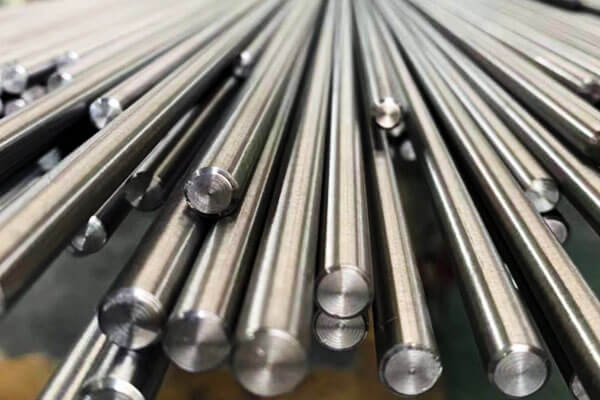
Каля пакаёвая тэмпература (20° С, 293 К), камерцыйна чысты тытан (CP-Ti)- найбольш распаўсюджаная нелегіраваная форма тытана - звычайна прымаецца, што яна мае шчыльнасць прыблізна 4.51 G/CM³, або 4,510 кг/м³.
Гэта значэнне шырока прызнана ў інжынернай практыцы і падтрымліваецца стандартамі і сістэмамі спецыфікацый, выдадзенымі такімі арганізацыямі, як Астм і ISO.
На практыцы, CP-Ti звычайна класіфікуецца на маркі, ад Сартаваць 1 да адзнакі 4, у асноўным на аснове зместу прымешак, што можа выклікаць невялікія, але вымерныя адрозненні ў шчыльнасці і прадукцыйнасці.
Важна адрозніваць тэарэтычная шчыльнасць і фактычная шчыльнасць:
- Тэарэтычная шчыльнасць адносіцца да ідэальнага значэння, разлічанага з атамнай масы тытана (47.867 г/моль) і параметры крышталічнай рашоткі, пры ўмове ідэальнага, крышталь без дэфектаў без пор, прымешкі, або структурныя парушэнні.
Для чыстага тытана, гэта значэнне 4.506 G/CM³. - Фактычная шчыльнасць адносіцца да шчыльнасці, вымеранай у рэальных матэрыялах. Таму што сапраўдны тытан ніколі не бывае ідэальным, яго вымераная шчыльнасць можа нязначна адхіляцца ад тэарэтычнага значэння, звычайна прыкладна ±1–2%.
Такія адхіленні могуць узнікаць з-за сітаватасці, дэфекты ўсаджвання, мікраэлементы міжтканкавага тыпу, такія як кісларод, азот, і вуглярод, або мікраструктурныя змены, унесеныя падчас апрацоўкі.
3. Фактары, якія ўплываюць на шчыльнасць
Шчыльнасць тытана часта цытуецца як адно значэнне, але ў рэальных матэрыялах на гэта ўплывае некалькі ўзаемазвязаных фактараў.

Хімічны склад
Самы прамы фактар, які ўплывае на шчыльнасць склад. Чысты тытан мае адну шчыльнасць, але тытанавыя сплавы - не.
Пры даданні легіруючых элементаў, шчыльнасць змяняецца ў залежнасці ад атамнай масы і канцэнтрацыі гэтых элементаў.
Лёгкія дапаўненні, такія як алюміній можа трохі знізіць шчыльнасць, у той час як больш цяжкія элементы, такія як ванадыя, molybdenum, жалеза, або нікель можа павялічыць яго.
На практыцы, эфект звычайна сціплы, але гэта не занядбана ў дакладным машынабудаванні. Па гэтай прычыне, нават блізкія маркі тытана могуць мець невялікія адрозненні ў шчыльнасці.
Камерцыйна чысты тытан таксама змяшчае мікраэлементы, такія як кісларод, азот, вуглярод, і вадарод, які можа нязначна змяняць шчыльнасць, мацней уплываючы на трываласць і пластычнасць.
Крышталічная структура і фазавы стан
Тытан дэманструе фазазалежныя паводзіны. Пры пакаёвай тэмпературы, гэта ў альфа-фаза (hcp), у той час як пры падвышаных тэмпературах ён ператвараецца ў бэта-фаза (bcc).
Таму што шчыльнасць залежыць ад упакоўкі атамаў і адлегласці рашоткі, фазавы пераход можа нязначна змяніць шчыльнасць.
Тэмпература таксама мае значэнне, таму што цеплавое пашырэнне павялічвае межатамную адлегласць. Як награваецца тытан, яго аб'ём павялічваецца, а маса застаецца пастаяннай, таму шчыльнасць памяншаецца.
Так, шчыльнасць не з'яўляецца строга фіксаванай для ўсіх тэмператур; ён стабільны толькі ў вызначаным цеплавым стане.
Сітаватасць і ўнутраныя дэфекты
Для рэальных вырабленых дэталяў, сітаватасць з'яўляецца адным з найважнейшых фактараў, якія ўплываюць на фактычную шчыльнасць.
Пустаты, мікротрэшчыны, Усаджванне паражніны, і зоны няпоўнага плаўлення памяншаюць эфектыўную шчыльнасць кампанента, таму што частка яго ўяўнага аб'ёму не ўтрымлівае цвёрдага матэрыялу.
Асабліва актуальна гэтае пытанне ў:
- парашковай металургіі,
- адытыўная вытворчасць,
- адліваныя вырабы,
- і спеченные тытанавыя дэталі.
Кампанент можа быць хімічна тытанам, але па-ранейшаму дэманструе меншую насыпную шчыльнасць, чым тэарэтычнае значэнне, з-за ўнутраных пустэч.
Такія працэсы, як гарачае ізастатычнае прэсаванне (Бядро) часта выкарыстоўваюцца для памяншэння сітаватасці і набліжэння вымеранай шчыльнасці да ідэальнай шчыльнасці цалкам кансалідаванага тытана.
Гісторыя апрацоўкі
Вытворчы маршрут аказвае значны ўплыў на вымераную шчыльнасць. Сувы, скрутка, экструзія, тэрмічная апрацоўка, і адытыўная вытворчасць уплываюць на мікраструктуру і размеркаванне дэфектаў.
Пакуль гэтыя працэсы прынцыпова не змяняюць ўласную атамную шчыльнасць тытана, яны могуць паўплываць на эфектыўная шчыльнасць гатовага прадукту, змяняючы яго сітаватасць, баланс фаз, і аднастайнасць.
Напрыклад:
- Кова тытана звычайна мае вельмі аднастайную шчыльнасць,
- літой тытан можа ўтрымліваць пустэчы, звязаныя з усаджваннем,
- і 3Тытан з D-друкам можа захоўваць рэшткавую мікрасітаватасць, калі не прайсці наступную апрацоўку.
Умовы вымярэння
На заканчэнне, заяўленая шчыльнасць залежыць ад умовы, пры якіх ён вымяраецца.
Тэмпература, ціск, геаметрыя ўзору, і метад вымярэння ўсё мае значэнне.
Значэнне шчыльнасці, вымеранае пры пакаёвай тэмпературы з выкарыстаннем цалкам шчыльнага ўзору, будзе нязначна адрознівацца ад значэння, атрыманага на порыстай частцы або пры падвышанай тэмпературы.
Па гэтай прычыне, шчыльнасць заўсёды павінна інтэрпрэтавацца разам з яе тэставым кантэкстам.
4. Шчыльнасць чыстага тытана супраць. Titanium Alloys
Чысты тытан і тытанавыя сплавы адрозніваюцца ў асноўным складам, што ў сваю чаргу ўплывае на шчыльнасць.
Камерцыйна чысты тытан мае базавую шчыльнасць, якая часцей за ўсё згадваецца ў інжынерных даведках, у той час як легіруючыя элементы зрушваюць гэта значэнне крыху ўверх ці ўніз у залежнасці ад іх атамнай масы і канцэнтрацыі.
| Матэрыял | Агульны гатунак / Абазначэнне | Шчыльнасць (G/CM³) | кг/м³ | фунт/дзюйм³ | Ноты |
| Камерцыйна чысты тытан | Сартаваць 1 | 4.51 | 4,510 | 0.163 | Тытан CP самай высокай чысціні, выдатная формуемость |
| Камерцыйна чысты тытан | Сартаваць 2 | 4.51 | 4,510 | 0.163 | Найбольш шырока выкарыстоўваецца марка тытана CP |
| Камерцыйна чысты тытан | Сартаваць 3 | 4.51 | 4,510 | 0.163 | Больш высокая трываласць, чым Grade 2 |
| Камерцыйна чысты тытан | Сартаваць 4 | 4.51 | 4,510 | 0.163 | Самая трывалая марка тытана CP |
| Тытанавы сплаў | Сартаваць 5 / Ti-6Al-4V | 4.43 | 4,430 | 0.160 | Найбольш распаўсюджаны тытанавы сплаў; аэракасмічны стандарт |
| Тытанавы сплаў | Сартаваць 6 / Ti-5Al-2,5Sn | 4.48 | 4,480 | 0.162 | Добрая прадукцыйнасць пры падвышанай тэмпературы |
| Тытанавы сплаў | Сартаваць 7 / Аб-0.15Pd | 4.51 | 4,510 | 0.163 | Падвышаная ўстойлівасць да карозіі |
Тытанавы сплаў |
Сартаваць 9 / Ti-3Al-2,5В | 4.48 | 4,480 | 0.162 | Распаўсюджаны ў трубах і лёгкіх канструкцыях |
| Тытанавы сплаў | Сартаваць 10 / Ti-5Al-5V-5Mo-3Cr | 4.70 | 4,700 | 0.170 | Высокатрывалы бэта-сплаў |
| Тытанавы сплаў | Сартаваць 11 / Аб-0.15Pd | 4.51 | 4,510 | 0.163 | Падобная шчыльнасць тытана CP, improved corrosion resistance |
| Тытанавы сплаў | Сартаваць 12 / Аб-0.3Мо-0.8У | 4.50 | 4,500 | 0.163 | Добрая ўстойлівасць да карозіі, шырока выкарыстоўваецца ў хімічнай службе |
| Тытанавы сплаў | Сартаваць 13 / Ti-3Al-0.2V-0.1У | 4.48 | 4,480 | 0.162 | Выкарыстоўваецца ў аэракасмічнай і ціскавай прамысловасці |
| Тытанавы сплаў | Сартаваць 14 / Ti-6Al-4V-0.5F-0.5Cu | 4.45 | 4,450 | 0.161 | Ўзмоцнены варыянт Ti-6Al-4V |
| Тытанавы сплаў | Сартаваць 15 / Аб-0.2Pd | 4.51 | 4,510 | 0.163 | Каразійнастойкі сплаў, які змяшчае паладый |
Тытанавы сплаў |
Сартаваць 16 / Аб-0.04Pd | 4.51 | 4,510 | 0.163 | Ніжняе ўтрыманне Pd, устойлівы да карозіі |
| Тытанавы сплаў | Сартаваць 17 / Аб-0.06Pd | 4.51 | 4,510 | 0.163 | Каразійна-ўстойлівы сплаў для агрэсіўных асяроддзяў |
| Тытанавы сплаў | Сартаваць 18 / Ti-3Al-2,5В-0.05Pd | 4.47 | 4,470 | 0.161 | Палепшаная ўстойлівасць да карозіі і выкарыстанне труб |
| Тытанавы сплаў | Сартаваць 19 / Ti-3Al-8V-6Cr-4Mo-4Zr | 4.78 | 4,780 | 0.173 | Звышвысокай трываласці бэта-сплаў |
| Тытанавы сплаў | Сартаваць 20 / Ti-6Al-2Sn-4Zr-2Mo-0.1І | 4.56 | 4,560 | 0.165 | Высокотэмпературны аэракасмічны сплаў |
| Тытанавы сплаў | Сартаваць 21 / Ti-7Al-2Sn-2Zr-2Mo-0.2І | 4.53 | 4,530 | 0.164 | Удасканалены высокатэмпературны сплаў |
| Тытанавы сплаў | Сартаваць 23 / Ti-6Al-4V ELI | 4.43 | 4,430 | 0.160 | Звышнізкая прамежкавая версія для медыцынскіх імплантатаў |
Тытанавы сплаў |
Бэта С / Ti-3Al-8V-6Cr-4Mo-4Zr | 4.78 | 4,780 | 0.173 | Сям'я той жа шчыльнасці, што і Grade 19 |
| Тытанавы сплаў | Ti-6Al-2Nb-1Ta-0.8Мо | 4.60 | 4,600 | 0.166 | Высокапрадукцыйны аэракасмічны сплаў |
| Тытанавы сплаў | Ti-10V-2Fe-3Al | 4.66 | 4,660 | 0.168 | Высокатрывалы амаль бэта-сплаў |
| Тытанавы сплаў | Ti-15V-3Cr-3Sn-3Al | 4.79 | 4,790 | 0.173 | Фармуемы бэта-сплаў з больш высокай шчыльнасцю |
| Тытанавы сплаў | Ti-5Al-5Mo-5V-3Cr | 4.73 | 4,730 | 0.171 | Высокатрывалы бэта-сплаў |
| Тытанавы сплаў | Ti-6Al-6V-2Sn | 4.60 | 4,600 | 0.166 | Аэракасмічны арыентаваны альфа-бэта-сплаў |
5. Практычнае значэнне шчыльнасці тытана ў прамысловасці
Шчыльнасць тытана - гэта не проста лічбавая ўласцівасць, пералічаная ў даведніках па матэрыялах; гэта адна з асноўных прычын таго, што метал стаў незаменным у высокакаштоўных галінах.

Аэракасмічная: Зніжэнне вагі з высокай структурнай цэласнасцю
Аэракасмічная машынабудаванне - гэта, магчыма, самая яскравая дэманстрацыя таго, чаму шчыльнасць тытана мае значэнне.
У самалётах і касмічных караблях, кожны кілаграм мае наступствы для спажывання паліва, грузападымальнасць, лётна-тэхнічныя характарыстыкі, і эксплуатацыйныя выдаткі.
Titanium прапануе пераканаўчы кампраміс: ён значна лягчэйшы за сталь, але дастаткова трывалы, каб вытрымаць сур'ёзныя механічныя нагрузкі і ваганні тэмпературы.
Па гэтай прычыне, тытан і яго сплавы шырока выкарыстоўваюцца ў:
- кампаненты планера,
- канструкцыі рухавіка,
- лопасці і кажухі кампрэсараў,
- зашпількі,
- Падарожныя часткі перадач,
- і канструктыўныя кранштэйны.
У аэракасмічным дызайне, каштоўнасць тытана заключаецца не проста ў тым, што ён «лёгкі».,», але ў прапанове высокага Каэфіцыент трываласці да вагі.
Яго шчыльнасць падтрымлівае агрэсіўную аптымізацыю вагі пры захаванні запасаў бяспекі, неабходных у крытычна важных для палёту сістэмах.
Марская і афшорная інжынерыя: Устойлівае да вагі, але крытычнае да карозіі асяроддзе
У марская і афшорныя асяроддзя, каразійная стойкасць часта важней, чым абсалютная лёгкасць.
Марская вада, хларыды, і вільготная атмасфера можа хутка пагаршаць звычайную сталь і многія іншыя металы.
Пасіўная аксідная плёнка тытана надае яму выключную ўстойлівасць да карозіі, што робіць яго пераважным матэрыялам для цеплаабменнікаў, трубаправод марской вады, сістэмы апраснення, падводнае абсталяванне, і афшорнае абсталяванне.
Тут, ўмераная шчыльнасць тытана ўносіць дадатковую каштоўнасць за кошт зніжэння структурнай нагрузкі.
Хоць памяншэнне вагі не заўсёды з'яўляецца галоўным фактарам канструкцыі марскіх сістэм, больш лёгкі матэрыял, устойлівы да карозіі, можа спрасціць мантаж, паменшыць патрабаванні да падтрымкі, і палепшыць доўгатэрміновую надзейнасць.
Хімічная апрацоўка: Трывалыя структуры ў агрэсіўных асяроддзях
Хімічныя прадпрыемствы часта працуюць у вельмі агрэсіўных асяроддзях з удзелам кіслот, хларыды, акісляльнікі, і павышаныя тэмпературы.
У такіх умовах, тытан выкарыстоўваецца таму, што ён супрацьстаіць карозіі значна лепш, чым многія альтэрнатыўныя металы.
Шчыльнасць становіцца важнай, таму што танкі, сасудаў, трубы, і цеплаабменнае абсталяванне можа быць спраектавана з меншай масай, чым супастаўныя сталёвыя сістэмы, асабліва калі ўлічваць допускі на карозію.
Біямедыцынскія прыкладання: Моц, Камфорт, і сумяшчальнасць
Тытан з'яўляецца дамінуючым матэрыялам у артапедычных імплантатах, зубныя імпланты, пратэзныя кампаненты, і хірургічнае абсталяванне.
У медыцынскім выкарыстанні, шчыльнасць ўплывае як на механічныя паводзіны, так і на вопыт пацыента. Занадта шчыльны матэрыял можа здавацца залішне цяжкім або грувасткім, у той час як таму, які занадта лёгкі, можа не хапаць трываласці, неабходнай для нясучых прымянення.
Тытан прапануе выгадную залатую сярэдзіну. Яго шчыльнасць дастатковая для таго, каб забяспечыць трывалую механічную падтрымку, але досыць нізкі, каб пазбегнуць празмернай масы імплантаваных або знешніх прылад.
У спалучэнні з биосовместимостью і ўстойлівасцю да карозіі, гэта робіць тытан асабліва каштоўным у нясучых медыцынскіх сістэмах, такіх як:
- сцеблы сцягна,
- касцяныя пласцінкі,
- прылады для фіксацыі пазваночніка,
- зубныя карані і абатменты,
- і пратэзныя злучальнікі.
Высокаэфектыўны транспарт і мабільнасць
Па-за аэракасмічнай, тытан усё часцей выкарыстоўваецца ў высокапрадукцыйных транспартных сістэмах, уключаючы гоначныя аўтамабілі, ровары, і аўтамабільныя дэталі прэміум-класа.
У гэтых палях, шчыльнасць непасрэдна ўплывае на паскарэнне, звязванне, адказ на вібрацыю, і даўгавечнасць кампанентаў.
Тытан выбіраецца для такіх прадметаў, як:
- выхлапныя сістэмы,
- Кампаненты падвескі,
- злучальнае абсталяванне,
- клапаны і спружыны,
- і лёгкія канструкцыйныя фітынгі.
Хоць тытан даражэй алюмінія або сталі, яго шчыльнасць робіць яго асабліва прывабным, калі памяншэнне масы павінна спалучацца з высокай механічнай надзейнасцю і тэрмічнай устойлівасцю.
Прамысловы дызайн і прэміяльныя спажывецкія тавары
Шчыльнасць тытана таксама мае камерцыйную і вопытную каштоўнасць у спажывецкіх таварах.
Гадзіннік, кадры для ачкоў, спартыўнае абсталяванне, і абсталяванне высокага класа часта выкарыстоўвае тытан, таму што яно здаецца цвёрдым, але не цяжкім.
Гэтая тактыльная якасць мае значэнне: занадта лёгкі кампанент можа здацца танным або далікатным, у той час як занадта цяжкі кампанент можа адчуваць сябе абцяжарваючым.
У дадзеным кантэксце, ўмераная шчыльнасць тытана спрыяе адчуванню дакладнасці, моцнасць, і якасць.
Гэта адна з прычын, па якой тытан стаў асацыявацца не толькі з прадукцыйнасцю, але і з прэміум-дызайнам.
Больш шырокае інжынернае значэнне шчыльнасці тытана
Практычнае значэнне шчыльнасці тытана лепш за ўсё зразумець праз паняцце канкрэтная прадукцыйнасць. Інжынеры рэдка ацэньваюць шчыльнасць асобна.
Замест, пытаюцца, колькі сілы, калянасць, Каразія супраціву, і трываласць можа быць атрымана на адзінку масы. Titanium працуе выключна добра ў гэтай структуры.
Яго шчыльнасць дастаткова высокая, каб забяспечыць структурнае рэчыва, але дастаткова нізкі, каб прапанаваць значную эканомію вагі ў параўнанні са сталлю і нікелевымі сплавамі.
Гэты баланс стварае спрыяльнае дызайнерскае акно, у якім тытан можа забяспечваць высокую надзейнасць без накладання празмерных штрафаў па масе.
6. Параўнальны аналіз: Тытан супраць. Іншыя звычайныя металы
У табліцы ніжэй тытан параўноўваецца з некалькімі шырока распаўсюджанымі металамі тыповыя значэнні шчыльнасці пры пакаёвай тэмпературы.
Пераўтварэнні адпавядаюць стандартным адносінам 1 г/см³ = 1000 кг/м³ = 0.03613 фунт/дзюйм³.
| Матэрыял | Шчыльнасць (G/CM³) | Шчыльнасць (кг/м³) | Шчыльнасць (фунт/дзюйм³) |
| Тытан | 4.51 | 4,510 | 0.163 |
| Алюміній | 2.70 | 2,700 | 0.098 |
| Магній | 1.74 | 1,740 | 0.063 |
| Вугляродная сталь | 7.85 | 7,850 | 0.284 |
| З нержавеючай сталі | 7.48–8.00 | 7,480–8 тысяч | 0.270–0,289 |
| Copper | 8.79 | 8,790 | 0.317 |
| Нік | 8.90 | 8,900 | 0.322 |
| Цынк | 7.12 | 7,120 | 0.257 |
| Кіраваць | 11.35 | 11,350 | 0.410 |
7. Conclusion
Шчыльнасць тытана, звычайна цытуецца як 4.51 G/CM³, з'яўляецца адным з найбольш значных уласцівасцяў за яго шырокае прамысловае значэнне.
Сама па сабе, лік умерана нізкі ў параўнанні са звычайнымі канструкцыйнымі металамі; аднак, яго сапраўднае значэнне выяўляецца, калі разглядаць яго ў кантэксце.
Тытан спалучае гэтую спрыяльную шчыльнасць з высокай трываласцю, моцная ўстойлівасць да карозіі, выдатныя паказчыкі стомленасці, і надзейнае абслугоўванне ў складаных умовах.
Гэта спалучэнне робіць яго выключна эфектыўным у тых выпадках, калі зніжэнне вагі не павінна ставіць пад пагрозу даўгавечнасць або бяспеку.
Таму тытан лепш разумець не як «лёгкі метал» у абсалютным сэнсе, але як а высокапрадукцыйны метал з выключна карысным балансам масы і магутнасці. Яго шчыльнасць ўмераная; яго каштоўнасць выключная.
FAQ
Якая шчыльнасць тытана?
Шчыльнасць чыстага тытана пры пакаёвай тэмпературы прыкладна роўная 4.51 G/CM³, або 4,510 кг/м³, што эквівалентна 0.163 фунт/дзюйм³
Тытан лягчэйшы за сталь?
Так. Тытан значна лягчэй сталі. Звычайная сталь мае шчыльнасць каля 7.85 G/CM³, у той час як тытан а 4.51 G/CM³
Тытан лягчэй алюмінія?
Ніякі. Алюміній лягчэй тытана. Шчыльнасць алюмінія складае каля 2.70 G/CM³, у параўнанні з тытанам 4.51 G/CM³
Чаму тытан лічыцца лёгкім металам, калі ён шчыльней алюмінія?
Тытан лічыцца лёгкім у параўнанні з больш трывалымі канструкцыйнымі металамі, такімі як сталь, нік, і медзь. Яго каштоўнасць заключаецца ў яго Каэфіцыент трываласці да вагі
Ці змяняецца шчыльнасць тытана з тэмпературай?
Так. Па меры павышэння тэмпературы, тытан пашыраецца і яго шчыльнасць нязначна памяншаецца.
Тытан таксама перажывае фазавае ператварэнне пры падвышанай тэмпературы, што яшчэ больш уплывае на яго структуру і шчыльнасць.
Тытан больш шчыльны, чым магній?
Так. Тытан нашмат шчыльней магнію. Магній мае шчыльнасць каля 1.74 G/CM³, у той час як тытан а 4.51 G/CM³

