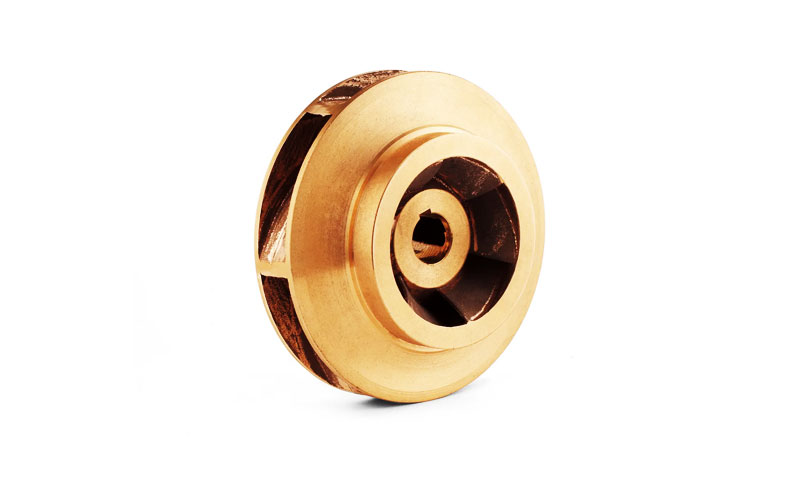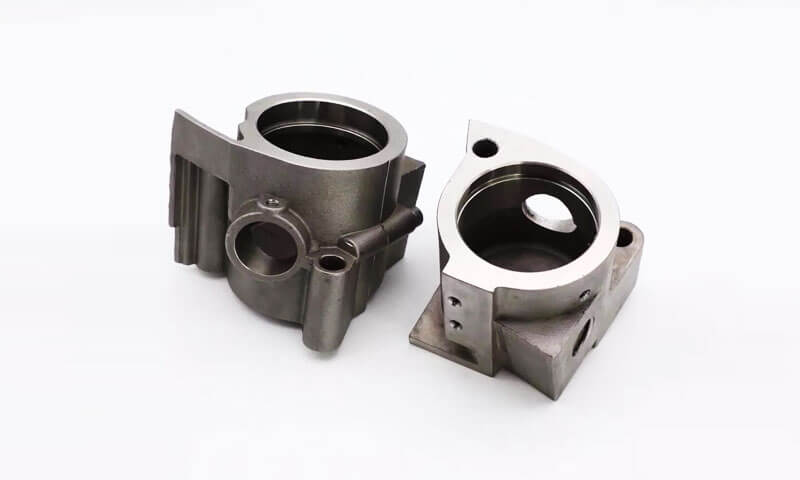
Тэкстыльнае абсталяванне працуе ў складаных умовах. Кампаненты могуць падвяргацца бесперапыннаму зваротна-паступальнаму руху, высокія хуткасці кручэння, вібрацыя, трэнне, паўторная загрузка, пыл, валакна, змазкі, і частыя вытворчыя цыклы.
Такім чынам, нават адносна невялікі механічны кампанент можа аказаць істотны ўплыў на дакладнасць машыны, стабільнасць працы, і эфектыўнасць вытворчасці.
Калі арыгінальны кампанент становіцца недаступным, дасягае канца тэрміну службы, або патрабуе мадыфікацыі для новай канструкцыі машыны, стандартнай замены дэталі не заўсёды дастаткова.
Вытворцы тэкстыльнага абсталявання, абслугоўваючыя кампаніі, і машынныя інтэгратары часта патрабуюць заказныя тэкстыльныя машыны запасныя часткі вырабляюцца па канкрэтных чарцяжах, ўзоры, матэрыялы, tolerances, і патрабаванні да прадукцыйнасці.
Для складаных металічных кампанентаў, камбінуючы дакладнае ліццё і апрацоўка з ЧПУ забяспечвае эфектыўны спосаб збалансаваць геаметрычную складанасць, dimensional accuracy, матэрыяльная прадукцыйнасць, і кошт вытворчасці.
Гэты комплексны падыход асабліва падыходзіць для такіх кампанентаў, як кранштэйны, дапрацоўкі, трымальнікі, апорныя апоры, Машынныя базы, кулачкі, рычагі, рамы, і іншыя кампаненты тэкстыльнага абсталявання на заказ.
1. Што такое тэкстыльныя машыны Запасныя часткі?
Запчасткі для тэкстыльнага абсталявання - гэта высокадакладныя кампаненты, якія выкарыстоўваюцца для замяніць зношаныя, пашкоджаны, састарэлы, або перапрацаваныя дэталі ў абсталяванні тэкстыльнай вытворчасці.
Яны важныя для падтрымання прадукцыйнасці машыны, бесперапыннасць вытворчасці, dimensional accuracy, і доўгатэрміновая эксплуатацыйная надзейнасць.
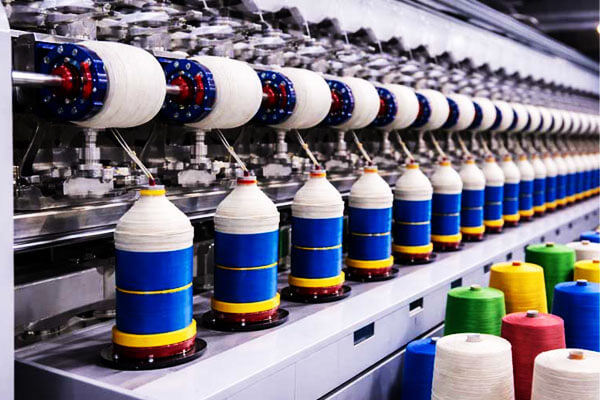
У адрозненне ад агульных прамысловых кампанентаў, Запчасткі для тэкстыльнага абсталявання распрацаваны з улікам канкрэтных механічных сістэм і ўмоў працы тэкстыльнага абсталявання.
У залежнасці ад прыкладання, яны могуць падвяргацца бесперапыннаму зваротна-паступальнаму руху, высакахуткаснае кручэнне, вібрацыя, трэнне, ўздзеянне, паўторная загрузка, тэкстыльныя валокны, пыл, змазкі, і ваганні тэмпературы.
Такім чынам, нават адносна невялікі кампанент можа мець непасрэдны ўплыў на сінхранізацыю машыны, якасць тканіны, эфектыўнасць вытворчасці, і тэрмін службы абсталявання.
Па гэтай прычыне, Запасная частка тэкстыльнага абсталявання - гэта не проста замена металічнага кампанента.
Ён павінен прайграваць крытычныя памеры, механічныя інтэрфейсы, характарыстыкі матэрыялу, і функцыянальнай геаметрыі патрабуецца для арыгінальнай машыны.
Якія функцыі выконваюць запасныя часткі тэкстыльнага абсталявання?
Тэкстыльнае абсталяванне складаецца з шматлікіх узаемазвязаных механічных сістэм, і кожная запчастка выконвае пэўную функцыю ў рамках машыны ў цэлым.
Некаторыя кампаненты забяспечваюць структурную падтрымку, а іншыя перадаюць рух, падтрымліваць выраўноўванне, накіроўвалая пража або тканіна, або кіраваць паўтаральнымі механічнымі рухамі.
Агульныя функцыі ўключаюць:
- Канструктыўная апора: Машынныя базы, кранштэды, рамы, мантажныя пласціны, апорныя кампаненты забяспечваюць цвёрдасць і падтрымліваюць становішча механічных вузлоў.
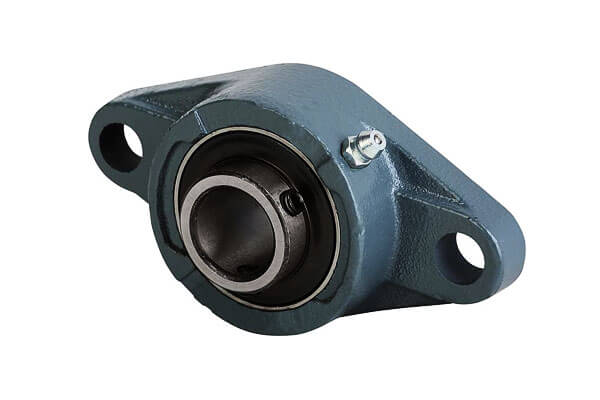
- Ротацыйная падтрымка: Падшыпнікі корпуса, сядзенні падшыпнікаў, і звязаныя з імі кампаненты падтрымліваюць валы і падтрымліваюць дакладнае выраўноўванне кручэння.
- Перадача магутнасці: Картэры рэдуктараў, кулачкі, рычагі, шахты, шківы, і злучальныя кампаненты перадаюць або трансфармуюць механічны рух.
- Матэрыяльнае кіраўніцтва: Ролікі, гіды, лапкі, трымальнікі, і падобныя кампаненты кантралююць рух пражы, нітка, або тканіна.
- Кіраванне рухам: Камеры, каромысла, сувязі, і іншыя механічныя кампаненты каардынуюць паўтаральныя руху.
- Абарона і агароджа: Карпусы, вокладкі, кантавыя пласціны, а ахоўныя канструкцыі абараняюць ўнутраныя механізмы ад забруджванняў і механічных пашкоджанняў.
- Размяшчэнне і зборка: Мантажныя кранштэйны, размяшчэнне кампанентаў, падтрымлівае, і базы забяспечваюць дакладную ўстаноўку і выраўноўванне.
Таму што гэтыя функцыі істотна адрозніваюцца, запасныя часткі для тэкстыльнага абсталявання могуць вар'іравацца ад адносна невялікіх дакладных кампанентаў да буйных структурных адлівак.
Распаўсюджаныя тыпы запасных частак тэкстыльнага абсталявання
Канкрэтныя неабходныя кампаненты залежаць ад тыпу, мадэль, і механічная канфігурацыя тэкстыльнага абсталявання.
| Тэкстыльныя машыны | Тыповыя запасныя часткі |
| Прамысловыя швейныя машыны | Лапкі, трымальнікі лапак, кранштэды, рычагі, гіды, падтрымлівае, дапрацоўкі |
| Прадзільныя машыны | Апоры шпіндзеля, карпусы падшыпнікаў, кранштэды, кампаненты прывада, Машынныя базы |
| Ткацкія станкі | Камеры, каромысла, карпусы падшыпнікаў, кранштэды, накіроўвалыя кампаненты, падтрымлівае |
| Вязальныя машыны | Карпусы, кранштэды, гіды, мантажныя кампаненты, механічныя сувязі |
Намотвальныя машыны |
Ролікі, апорныя апоры, кранштэды, шахты, дапрацоўкі |
| Дэфармацыйныя машыны | Кампаненты кіраўніцтва, ролікі, падтрымлівае, мантажныя кранштэйны, кампаненты прывада |
| Машыны для фарбавання | Шахты, дапрацоўкі, кранштэды, вокладкі, падтрымлівае, мантажныя кампаненты |
| Машыны для аздаблення тэкстылю | Нацяжныя ролікі, ролікавыя апоры, карпусы падшыпнікаў, рамы, кранштэды |
Сярод гэтых кампанентаў, карпусы падшыпнікаў, кранштэды, Машынныя базы, дапрацоўкі, падтрымлівае, кулачкі, трымальнікі, і структурныя кампаненты асабліва падыходзяць для спецыяльнага ліцця з наступнай апрацоўкай з ЧПУ, таму што яны часта спалучаюць складаную геаметрыю з дакладна апрацаванымі функцыянальнымі паверхнямі.
2. Матэрыялы для заказных тэкстыльных машын і запасных частак
Выбар матэрыялу з'яўляецца фундаментальнай часткай распрацоўкі і вытворчасці надзейных запасных частак тэкстыльнага абсталявання.
Тэкстыльнае абсталяванне часта працуе бесперапынна на высокай хуткасці, з кампанентамі, якія падвяргаюцца трэнню, вібрацыя, цыклічная нагрузка, ўздзеянне, вільгаць, хімікаты, і забруджванне валакна.
Вось чаму, матэрыял неабходна падбіраць у адпаведнасці з рэальныя ўмовы эксплуатацыі і функцыянальныя патрабаванні кампанента, а не грунтавацца выключна на кошце або намінальнай трываласці.

Для заказных тэкстыльных машын запасных частак, Гэтае можа ацэньваць розныя інжынерныя матэрыялы ў адпаведнасці з геаметрыяй кампанентаў, патрабаванні да кастынгу, патрабаванні да апрацоўкі, ўмовы нагрузкі, знос механізмаў, ўздзеянне карозіі, і чаканы тэрмін службы.
| Матэрыял | Ключавыя ўласцівасці | Тыповыя прыкладанні |
| З нержавеючай сталі (304, 316, 316L) | Выдатная каразійная ўстойлівасць; добрая трываласць. | Ролікі, гіды, помпы, клапаны, машыны для фарбавання. |
| З нержавеючай сталі (17-4Ph) | Высокая сіла; паддаецца тэрмічнай апрацоўцы; Добрая ўстойлівасць да карозіі. | Кампаненты з высокай нагрузкай, перадачы, шахты. |
| Вугляродная сталь (Асі 1045, 4140) | Добрая трываласць; загартоўваецца. | Перадачы, шахты, верацёны, Структурныя дэталі. |
| Сплава сталі (4140, 4340) | Высокая сіла; выдатная трываласць; загартоўваецца. | Звышмоцныя перадачы, шахты, кулачковыя паслядоўнікі. |
| Tool Steel (D2, O1, S7) | Высокая цвёрдасць; Устойлівы да зносу. | Рэжучыя інструменты, памірае, інструменты для фармавання. |
Бронза (C90500, C93200) |
Добры ўстойлівасць да зносу; нізкае трэнне; устойлівы да карозіі. | Ўтулкі, арыентыроўка, гіды. |
| Мосенж (C36000, C26000) | Добрая обрабатываемость; устойлівы да карозіі. | Арматура, клапаны, дробнае абсталяванне. |
| Чыгун (Шэры, Герцагі) | Добрая здольнасць амартызацыі; Устойлівы да зносу. | Машынныя базы, дапрацоўкі, вялікія перадачы. |
| Алюміній (6061-T6) | Лёгкі; Добрая апрацоўка. | Лёгкія кампаненты, дапрацоўкі. |
| Інжынерныя пластмасы (Глядзець, Нейлон, Ptfe) | Нізкае трэнне; хімічны супраціў; лёгкі. | Арыентыроўка, пячаткі, гіды, неметалічныя кампаненты. |
3. Дакладнае ліццё для тэкстыльных машын і запасных частак
Дакладнае ліццё з'яўляецца важным спосабам вытворчасці запасных частак тэкстыльнага абсталявання, якія спалучаюць складаную геаметрыю, патрабавальныя матэрыяльныя патрабаванні, і адносна жорсткія характарыстыкі памераў.
Сярод тэхналогій дакладнага ліцця, Інвестыцыйнае ліццё асабліва каштоўны, таму што ён можа прайграваць складаныя геаметрыі з адносна невялікімі прыпускамі на апрацоўку, адначасова змяшчаючы шырокі спектр інжынерных сплаваў.
Чаму дакладнае ліццё ідэальна падыходзіць для кампанентаў тэкстыльнага абсталявання
Ліццё па выплавляемых мадэлях прапануе эфектыўны баланс паміж геаметрычная свабода, Гнуткасць матэрыялу, кантроль памераў, і эфектыўнасць вытворчасці.
| Перавага | Інжынернае значэнне для тэкстыльнага машынабудавання |
| Складаныя геаметрыі | Дае магчымасць атрымаць складаныя контуры, рэбра, начальнікі, паглыбленні, тонкія зрэзы, і выбраныя ўнутраныя праходы, якія будуць вырабляцца ў выглядзе амаль чыстай формы. |
| Прадукцыя амаль чыстай формы | Памяншае колькасць выдаленага матэрыялу падчас наступнай апрацоўкі з ЧПУ, асабліва для складаных або нерэгулярных кампанентаў. |
| Добрая якасць паверхні | Ліццё па выплавляемым мадэлям можа даць адносна гладкія паверхні ў адліваным стане, зніжэнне патрабаванняў да аздаблення і забеспячэнне добрай асновы для дакладнай апрацоўкі. |
Дакладнасць памераў |
Правільна распрацаваныя працэсы ліцця па выплавляемым мадэлям могуць дасягнуць больш жорсткага кантролю памераў, чым многія звычайныя працэсы ліцця ў пясок, хаця фактычныя допускі залежаць ад сплаву, геаметрыя, інструмента, і кантроль працэсу. |
| Шырокая сумяшчальнасць сплаваў | Падыходзіць для многіх нержавеючых сталей, вугляродзістыя і легаваныя сталі, інструментальныя сталі, і сплаваў на аснове медзі, у залежнасці ад абранага працэсу і магчымасці ліцейнага вытворчасці. |
| Зніжэнне матэрыяльных адходаў | Вытворчасць амаль чыстай формы можа істотна знізіць расход апрацоўкі і сыравіны ў параўнанні з апрацоўкай складаных дэталяў з нарыхтоўкі або прутка. |
Інтэграваныя функцыянальныя магчымасці |
Такія функцыі, як босы, мантажныя вушкі, арматурныя рэбры, і складаныя знешнія профілі часта можна ўключыць непасрэдна ў адліўку. |
| Гнуткасць вытворчасці | Асабліва прывабны для прататыпаў, замена кампанентаў, і малыя і сярэднія серыі вытворчасці, дзе спецыяльнае абсталяванне вялікіх аб'ёмаў неапраўдана. |
| Добрая аснова для апрацоўкі з ЧПУ | Прыпускі на апрацоўку можна стратэгічна размясціць на сядзеннях падшыпнікаў, свідравіны, мантажныя грані, ніткі, і іншыя важныя функцыянальныя паверхні. |
Важна адрозніваць магчымасць дакладнага ліцця з гарантаваным допускам канчатковай дэталі. Ліццё па выплавляемым мадэлям можа забяспечыць выдатную кансістэнцыю памераў,
але фактычны вынік залежыць ад дакладнасці васковага малюнка, паводзіны керамічнай абалонкі, ўсаджванне сплаву, цеплавыя градыенты, геаметрыя ліцця, тэрмічная апрацоўка, і наступная механічная апрацоўка.
Такім чынам, крытычныя памеры звычайна павінны быць дасягнуты шляхам спалучэння кантраляваных прыпускоў на ліццё і аздаблення з ЧПУ.
Чаму амаль сеткаватае ліццё важна для тэкстыльнага абсталявання
Кампанент тэкстыльнага абсталявання можа мець адносна вялікі агульны аб'ём, але толькі невялікую колькасць паверхняў, якія сапраўды патрабуюць дакладнай апрацоўкі.
Таму апрацоўка ўсяго кампанента з суцэльнай нарыхтоўкі можа быць неэфектыўнай.
Напрыклад, разгледзім індывідуальны корпус з некалькімі ўзмацняльнымі рэбрамі, мантажныя бобы, выгнутыя вонкавыя паверхні, і некалькі прэцызійных свідравін.
Выраб поўнай геаметрыі з суцэльнага блока запатрабуе значнага выдалення матэрыялу і працяглых цыклаў апрацоўкі.
Ліццё па выплавляемым мадэлям змяняе стратэгію вытворчасці:
Неапрацаваны сплаў → Адліўка амаль чыстай формы → Тэрмаапрацоўка → Апрацоўка крытычных участкаў з ЧПУ → Гатовы кампанент
Гэта можа скараціць час апрацоўкі, знос аснасткі, матэрыялаёмістасць, і складанасць вырабу.
Перавага становіцца больш значнай, калі кампанент мае складаны трохмерны профіль або калі вытворчасць паўтараецца ў некалькіх партыях.
Працэс ліцця па выплавляемым мадэлям для вырабу запасных частак тэкстыльнага абсталявання
Працэс ліцця па выплавляемым мадэлям пачынаецца са стварэння высокадакладнай выкрайкі і заканчваецца аглядам гатовай адліўкі.
Кожны этап уплывае на памеры і металургічныя якасці канчатковага кампанента.
| Этап | Працэс | Ключавыя інжынерныя меркаванні |
| 1 | Выраб выкрайкі | Васковы або палімерны малюнак вырабляецца з дапамогай прэцызійных інструментаў у адпаведнасці з геаметрыяй кампанентаў. |
| 2 | Падрыхтоўка і зборка стрыжня | Керамічныя або растваральныя стрыжні могуць быць уведзены там, дзе патрабуюцца ўнутраныя паражніны або праходы. |
| 3 | Зборка дрэва | Індывідуальныя шаблоны прымацоўваюцца да дарожнай і ліцейнай сістэмы, каб сфармаваць ліцейнае дрэва. |
| 4 | Керамічны абалонкавы будынак | Шматразовае нанясенне суспензіі і ляпніны ствараюць вогнетрывалую абалонку вакол малюнка. |
5 |
Падаекванне | Воск выдаляецца, пакідаючы адмоўную паражніну кампанента ўнутры керамічнай абалонкі. |
| 6 | Стральба снарадам | Абалонка награваецца для павышэння трываласці і выдалення рэшткавага матэрыялу малюнка. |
| 7 | Плаўленне сплаву | Абраны сплаў плавіцца ў кантраляваных металургічных умовах. |
| 8 | Наліць | Расплаўлены метал уводзіцца ў папярэдне нагрэтую керамічную абалонку ў кантраляваных умовах залівання. |
9 |
Зацвярдзенне і астуджэнне | Кантраляванае зацвярдзенне дапамагае мінімізаваць дэфекты і падтрымліваць стабільнасць памераў. |
| 10 | Накаўт | Керамічная абалонка здымаецца пасля астывання. |
| 11 | Адразанне і аздабленне | Вароты і дарожкі выдаляюцца; паверхні могуць быць адшліфаваныя або пескоструйные. |
| 12 | Тэрмічная апрацоўка | Адліўка праходзіць зададзеную тэрмічную апрацоўку для атрымання неабходных механічных і металургічных уласцівасцяў. |
| 13 | Inspection | Памер, візуальны, металургічны, і пры неабходнасці праводзяцца неразбуральныя даследаванні. |
Дакладныя тэмпературы, структура абалонкі, ўмовы залівання, і цыклы тэрмічнай апрацоўкі сплаў- і залежыць ад геаметрыі.
Такім чынам, яны павінны быць створаны ў адпаведнасці са спецыфікацыяй канкрэтнага матэрыялу, а не прымяненне аднаго універсальнага дыяпазону тэмператур для кожнага праекта.
4. Апрацоўка з ЧПУ кампанентаў тэкстыльнага абсталявання
У той час як дакладнае ліццё забяспечвае базавую геаметрыю, Апрацоўка з ЧПУ забяспечвае дакладнасць, неабходную для функцыянальных паверхняў і інтэрфейсаў.
Тэкстыльнае абсталяванне часта змяшчае валы, якія верцяцца, арыентыроўка, ролікі, перадачы, гіды, дапрацоўкі, муфты, і іншыя кампаненты, якія павінны працаваць з кантраляванымі зазорамі і выраўноўваннем.
Нават адносна невялікія адхіленні памераў могуць паўплываць на вібрацыю, трэнне, жыццё падшыпніка, апрацоўка пражы, або стабільнасць машыны.
Такім чынам, апрацоўка з ЧПУ з'яўляецца найважнейшым этапам дакладнага аздаблення вытворчага працэсу.

Чаму апрацоўка з ЧПУ важная
Сучасная апрацоўка з ЧПУ забяспечвае высокую паўтаранасць і кантраляваную дакладнасць памераў для складанай геаметрыі кампанентаў.
| Перавага апрацоўкі з ЧПУ | Значэнне для тэкстыльнага машынабудавання |
| Высокая дакладная дакладнасць | Уключае крытычныя свідравіны, шахты, сядзенні падшыпнікаў, і мантажныя інтэрфейсы ў адпаведнасці з зададзенымі допускамі. |
| Выдатная паўтаральнасць | Дапамагае падтрымліваць аднолькавыя памеры ў вытворчых партыях і праграмах замены дэталяў. |
| Кантраляваная аздабленне паверхні | Адпаведная апрацоўка можа паменшыць трэнне, палепшыць герметычнасць, і абараніць адчувальныя кантактныя паверхні. |
| Магчымасць складанай геаметрыі | Шматвосевая апрацоўка можа вырабляць трохмерныя контуры, вуглавыя паверхні, слоты, кішэні, і састаўныя асаблівасці. |
Гнуткасць матэрыялу |
Абсталяванне з ЧПУ можа апрацоўваць шырокі спектр сталей, з нержавеючай сталі, чыгуны, Алюмініевыя сплавы, медныя сплавы, і інжынерная пластыка. |
| Эфектыўная налада | Праграмы ЧПУ могуць быць зменены для розных памераў і канфігурацый без поўнай перабудовы вытворчага працэсу. |
| Прыдатнасць прататыпа | Апрацоўка з ЧПУ можа падтрымліваць хуткую распрацоўку і праверку памераў перад вялікімі серыямі вытворчасці. |
| Інтэграцыя з кастынгам | Ліццё амаль чыстай формы можа быць апрацавана толькі ў тых выпадках, калі функцыянальна неабходная дакладнасць. |
Дакладны дасягальны допуск вызначаецца станком, рэжучы інструмент, працоўнае ўтрыманне, матэрыяльны стан, геаметрыя кампанентаў, цеплавая ўстойлівасць, сістэма вымярэння, і патрабаванні да малюнка.
Вось чаму, такія значэнні, як ±0,005 мм, павінны разглядацца як магчымасці канкрэтнага праекта, а не універсальныя гарантыі.
Агульныя аперацыі апрацоўкі з ЧПУ для кампанентаў тэкстыльнага абсталявання
Розныя кампаненты тэкстыльнага абсталявання патрабуюць розных працэсаў з ЧПУ ў залежнасці ад іх геаметрыі, допускі на памеры, патрабаванні да аздаблення паверхні, і функцыянальныя інтэрфейсы.
| Працэс апрацоўкі з ЧПУ | Асноўныя апрацаваныя функцыі | Асноўныя патрабаванні да якасці | Тыповая здольнасць / Разгляд |
| ЧПУ павароту | Вонкавыя дыяметры, ўнутраныя адтуліны, плечы, пазы, звужваецца, ніткі, тарцы | Допуск на дыяметр, канцэнтрычнасць, цыліндрычнасць, выцяканне, шурпатасць паверхні | Звычайна падыходзіць для высокадакладных цыліндрычных элементаў; канчатковы допуск залежыць ад машыны, матэрыял, геаметрыя, інструмента, і інспекцыя |
| ЧПУ фрэзеравання | Плоскія паверхні, кішэні, слоты, рэбра, контуры, мантажныя грані, шпонкавыя пазы | Пляскатасць, перпендыкулярнасць, пазіцыйная дакладнасць, дакладнасць профілю, аздабленне паверхні | Падыходзіць для прызматычных і складанапрофільных кампанентаў; шматвосевая апрацоўка можа паменшыць памылкі наладкі |
| Дакладнае свідраванне / Барацьба | Расточкі падшыпнікаў, адтуліны для выраўноўвання, размяшчэнне адтулін, дакладныя ўнутраныя дыяметры | Дыяметр адтуліны, акругласць, цыліндрычнасць, сувосевасць, пазіцыйная дакладнасць | Асабліва важна, дзе падшыпнікі, шахты, або спалучаныя кампаненты павінны падтрымліваць дакладнае выраўноўванне |
Свідраванне з ЧПУ |
Адтуліны для крапяжу, размяшчэнне адтулін, змазачныя каналы, праходы вадкасці | Дыяметр адтуліны, пазіцыйная талерантнасць, глыбіня, перпендыкулярнасць, якасць адтуліны | Пасля свідравання можа ісці свідраванне, рассверливание, пастукванне, або зняцце фаскі, дзе патрабуецца больш высокая дакладнасць |
| Апрацоўка разьбы | Унутраная і вонкавая разьба, інтэрфейсы падлучэння, адтуліны з разьбой | Дакладнасць кроку, вялікі/малы дыяметр, профіль разьбы, канцэнтрычнасць, якасць ўзаемадзеяння | Нарэзка з ЧПУ, разьба фрэзераванне, або паварот можа быць абраны ў адпаведнасці з матэрыялам, памер ніткі, дакладнасць, і аб'ём вытворчасці |
| Шліфаванне з ЧПУ | Апорныя сядзенні, часопісы, прэцызійныя дыяметры, ўшчыльненне паверхняў | Жорсткі допуск па памерах, акругласць, цыліндрычнасць, шурпатасць паверхні, выцяканне | Выкарыстоўваецца пасля такарнай або тэрмічнай апрацоўкі, калі больш высокія патрабаванні да памераў і паверхні не могуць быць эканамічна дасягнуты з дапамогай звычайнай механічнай апрацоўкі |
Шматвосевая апрацоўка з ЧПУ |
Састаўныя контуры, вуглавыя адтуліны, складаныя паверхні, глыбокія паражніны, некалькі прасторавых аб'ектаў | Дакладнасць профілю, пазіцыйныя адносіны паміж прыкметамі, аздабленне паверхні, кансістэнцыя ўстаноўкі | Памяншае колькасць налад і можа палепшыць геаметрычную кансістэнцыю для складаных кампанентаў |
| Шпоночная канаўка / Апрацоўка паз | Шпонкавыя пазы, восевыя прарэзы, дыскавыя пазы | Шырыня, глыбіня, становішча, паралелізм, падыходзіць з адпаведным ключом | Важны для надзейнай перадачы крутоўнага моманту і дакладнай зборкі кампанентаў |
| Аздабленне паверхні / Тонкая апрацоўка | Функцыянальныя кантактныя паверхні і асобныя знешнія паверхні | Шурпатасць паверхні, выдаленне задзірын, край стан, Памерная стабільнасць | Аздабленне павінна быць указана ў адпаведнасці з фактычным трэннем, насіць, герметызацыя, або патрабаванні да кантакту з ніткай, а не аднастайная максімальная гладкасць |
5. Ад адліўкі да гатовай дэталі: Наш вытворчы працэс
Вытворчасць надзейнай запчасткі для тэкстыльнай тэхнікі патрабуе большага, чым выраб кампанента, які адпавядае памерам арыгінальнага ўзору.
Поўны працэс павінен усталяваць кантраляваныя адносіны паміж задума, матэрыял, ліццё, тэрмічная апрацоўка, апрацоўванне, Умова паверхні, і канчатковая праверка.
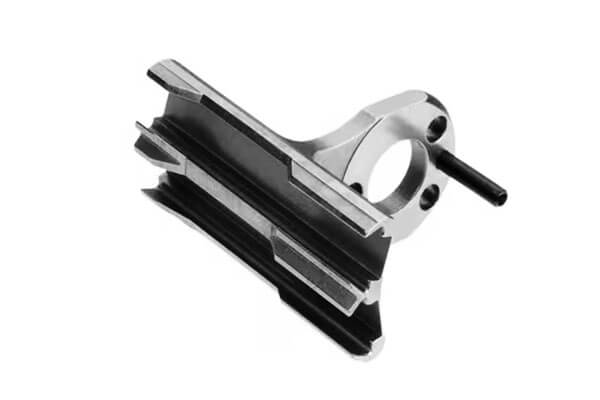
Для нестандартных кампанентаў тэкстыльнага абсталявання, DEZE можа інтэграваць дакладнае ліццё і апрацоўку з ЧПУ ў адзіны вытворчы працэс.
Такі падыход дазваляе аптымізаваць працэс ліцця з улікам геаметрыі і характарыстык матэрыялу, захоўваючы пры гэтым апрацоўку з ЧПУ для паверхняў, дзе важная дакладнасць памераў і функцыянальныя допускі.
Тыповы працоўны працэс можна абагульніць як:
Тэхнічны агляд → Аналіз DFM → Выбар матэрыялу → Шаблон & Інструмент → Дакладнае ліццё → Тэрмаапрацоўка → Апрацоўка з ЧПУ → Аздабленне паверхні → Кантроль → Упакоўка
Агляд плыні працэсу
| Этап | Крок | Намер | Крытычныя элементы кіравання |
| Задума & Тэхніка | 1. Спецыфікацыя заказчыка | Вызначце геаметрыю дэталі, матэрыял, tolerances, і колькасць. | Дакладны захоп патрабаванняў. |
| 2. Аналіз DFM | Аптымізацыя канструкцыі для вытворчасці. | Паменшыць дэфекты; мінімізаваць кошт. | |
| 3. CAD мадэляванне | 3D мадэль дэталі. | Дызайн для ліцейнасці і апрацоўваемасці. | |
| Ліццё | 4. Выраб выкрайкі | Ін'екцыя воску ў прэцызійную плашку. | Дакладнасць памераў. |
| 5. Будаўніцтва абалонак | 6–10 слаёў керамічнага раствора. | Трываласць абалонкі; пранікальнасць. | |
| 6. Наліць | Расплаўлены метал у абалонку. | Тэмпература; хуткасць; астуджэнне. | |
| 7. Тэрмічная апрацоўка | Раствор адпалу, нармалізаваць, Стрэс дапамогі. | Механічныя ўласцівасці. | |
Апрацоўванне |
8. Апрацоўка з ЧПУ | Паварот, фрэзы, свідраванне, драба. | Даноснасць; аздабленне паверхні. |
| 9. Адказваць | Выдаліце вострыя краю і задзірыны. | Бяспека; функцыянальнасць. | |
| Фініш | 10. Апрацоўка паверхні | Пасіўнасць, шмарка, слой, пакрыццё. | Ўстойлівасць да карозіі; эстэтыка. |
| Inspection | 11. Праверка якасці | Смм, Ndt, цяжкасць, мерная інспекцыя. | Забяспечце адпаведнасць. |
| 12. Упакоўка | Абараніце гатовыя дэталі. | Прадухіленне пашкоджанняў. |
6. Інжынерныя меркаванні для запасных частак тэкстыльнага абсталявання
| Разгляд | Значнасць | Дызайн/Вытворчасць |
| Зносаўстойлівасць | Крытычны для частак, якія кантактуюць з рухомымі ніткамі, тканіны, або СМІ. | Выберыце цвёрдыя сплавы (інструментальная сталь, 17-4Ph); павярхоўнае ўмацаванне; карбідныя пакрыцця. |
| Ўстойлівасць да карозіі | У працэсах афарбоўвання і аздаблення выкарыстоўваюцца агрэсіўныя хімікаты. | Выкарыстоўвайце нержавеючую сталь (316L) або спецыяльныя сплавы; пасівацыя; электрополирование. |
| Цеплавая ўстойлівасць | Тэрмафіксацыя, сушка, і працэсы каландравання. | Выбірайце сплавы з добрай трываласцю пры высокіх тэмпературах (дуплекс, Умова). |
Стабільнасць памераў |
Дэталі павінны захоўваць памеры пры тэмпературных і механічных нагрузках. | Тэрмічная апрацоўка; Стрэс дапамогі; ўстойлівыя сплавы. |
| Аздабленне паверхні | Гладкія паверхні памяншаюць трэнне і прадухіляюць абрыў пражы. | Аздабленне з ЧПУ; шмарка; электрополирование. |
| Устойлівасць да стомленасці | Цыклічная нагрузка ў хуткасных машынах. | Дызайн ад стомленасці; выбірайце цвёрдыя сплавы; Стрэл Пінінг. |
| Узаемазаменнасць | Дэталі павінны адпавядаць існуючым машынам. | Допускі на дакладнасць; Кантроль якасці. |
7. Кантроль якасці і інспекцыя
Стандарты якасці
| Стандарт | Аб'ём | Патрабаванні |
| ISO 9001 | Сістэма менеджменту якасці. | Кантроль працэсаў; прасочвальнасць. |
| ISO 9001:2015 | Агульная якасць. | Пастаяннае ўдасканаленне; арыентаванасць на кліента. |
| Стандарты ASTM | Спецыфікацыі матэрыялаў. | Хімічны склад; Механічныя ўласцівасці. |
| Стандарты EN | Еўрапейская якасць. | Памер; механічны. |
Метады інспекцыі
| Метад | Намер | Тыповыя крытэрыі прыёмкі |
| Смм (Каардынатна-вымяральная машына) | Праверка памераў. | ±0,01–0,05 мм (як паказана). |
| Візуальны агляд | Дэфекты паверхні. | Без бачных драпін, ямкі, або расколіны. |
| Фарбавальнік пенетрант (Pt) | Паверхневыя расколіны. | Няма расколін або сітаватасці. |
| Рэнтгенаграфія (Рэнтгенаў прамень) | Унутраныя дэфекты. | Без пустэч, уключэнні, альбо сітаватасць. |
| Выпрабаванне цвёрдасці | Праверка механічных уласцівасцяў. | У адпаведнасці са спецыфікацыяй матэрыялу. |
| Выпрабаванне на расцяжэнне | Праверка механічных уласцівасцяў. | У адпаведнасці са спецыфікацыяй матэрыялу. |
| Шурпатасць паверхні | Вымярэнне аздаблення паверхні. | Ra ≤1,6 мкм (або як паказана). |
8. Навошта спалучаць дакладнае ліццё з апрацоўкай з ЧПУ?
Для заказных тэкстыльных машын запасных частак, сапраўдная вытворчая праблема рэдка бывае простай «Ці можна гэтую ролю адліць?" або «Ці можна апрацаваць гэтую дэталь?"
Важней пытанне:
Які вытворчы працэс павінен стварыць кожную асаблівасць кампанента для дасягнення найлепшага спалучэння прадукцыйнасці, дакладнасць, Эфектыўнасць матэрыялу, і агульны кошт?
Вось дзе спалучэнне дакладнае ліццё і апрацоўка з ЧПУ становіцца асабліва магутным.
Дакладнае ліццё вельмі эфектыўна для стварэння складанай трохмернай геаметрыі і структур, блізкіх да сеткаватай формы.
Апрацоўка з ЧПУ, наадварот, выдатна спраўляецца з усталяваннем крытычных памераў, геаметрычныя допускі, ніткі, пасадкі падшыпнікаў, свідравіны, і функцыянальная аздабленне паверхні.
Замест таго, каб выкарыстоўваць любую тэхналогію самастойна, комплексны падыход прызначае кожнаму працэсу працу, якую ён робіць лепш за ўсё:
Дакладнае ліццё стварае структурную геаметрыю → тэрмічная апрацоўка паляпшае ўласцівасці матэрыялу → апрацоўка з ЧПУ забяспечвае функцыянальную дакладнасць → агляд правярае гатовы кампанент.
Гэта не проста двухэтапны метад вытворчасці. Гэта а стратэгія ад праектавання да вытворчасці што можа значна павысіць эфектыўнасць і надзейнасць індывідуальных кампанентаў тэкстыльнага абсталявання.
Асноўны прынцып: «Cast the Shape, Машына функцыі»
Фундаментальная перавага спалучэння дзвюх тэхналогій можна абагульніць у адным прынцыпе:
Адліць тое, што геаметрычна складана; машына, што функцыянальна важна.
Корпус тэкстыльнай машыны, Напрыклад, можа ўтрымліваць рэбры, начальнікі, крывыя сцены, арматурныя канструкцыі, і няправільныя знешнія контуры.
Выраб усіх гэтых функцый з суцэльнай нарыхтоўкі з дапамогай апрацоўкі з ЧПУ запатрабуе значнага выдалення матэрыялу і некалькіх аперацый апрацоўкі.
Ліццё па выплавляемых мадэлях можа вырабляць большую частку гэтай геаметрыі непасрэдна.
Затым працэс ЧПУ можа сканцэнтравацца на паверхнях, якія фактычна вызначаюць прадукцыйнасць машыны:
- Расточкі падшыпнікаў
- Сядзенні вала
- Мантажныя грані
- Дакладныя адтуліны
- Ніткі
- Герметызацыя паверхняў
- Дата выраўноўвання
- Інтэрфейсы перадач і муфт
Такі падзел адказнасці за вытворчасць дазваляе пазбегнуць прымусу адной тэхналогіі выконваць задачу, для якой іншая тэхналогія больш падыходзіць.
Параўнанне трох вытворчых стратэгій
Розніца становіцца больш зразумелай пры параўнанні трох падыходаў.
| Крытэрый | Толькі дакладнае ліццё | Толькі апрацоўка з ЧПУ | Дакладнае ліццё + Апрацоўка з ЧПУ |
| Складаная геаметрыя | Выдатны | Добра–выдатна | Выдатны |
| Тыповы кантроль памераў | Прыбл. ±0,1–0,3 мм* | Прыбл. ±0,005–0,01 мм* | Прыбл. ±0,005–0,01 мм па апрацаваных асаблівасцях* |
| Тыповая дасягальная аздабленне паверхні | Прыбл. Ra 1,6–6,3 мкм* | Прыбл. Ra 0,4–1,6 мкм* | Прыбл. RA 0,4-1,6 мкм на гатовых паверхнях* |
| Карыстанне матэрыялам | Высокі | Нізкі–Умераны | Высокі |
| Матэрыяльныя адходы | Нізкі | Высокі | Нізкі |
| Складаныя асаблівасці ліцця | Выдатны | Вырабляць дорага | Выдатны |
| Дакладныя функцыянальныя інтэрфейсы | Абмежаваны | Выдатны | Выдатны |
| Прыдатнасць для малога аб'ёму | Залежыць ад аснасткі | Добры | Добры |
| Прыдатнасць сярэдняга аб'ёму | Добры | Часта менш эканамічны для складаных дэталяў | Выдатны |
| Прыдатнасць для вялікіх аб'ёмаў | Выдатны | Часта дорага для складанай геаметрыі | Выдатны |
| Гнуткасць сплаву | Шырокі | Шырокі | Шырокі |
| Агульная гнуткасць вытворчасці | Высокі | Высокі | Вельмі высокі |
*Фактычныя допускі і аздабленне паверхні залежаць ад сплаву, геаметрыя, метад ліцця, здольнасць машыны, інструмента, тэрмічная апрацоўка, патрабаванні да праверкі, і ўмовы вытворчасці.
Такім чынам, гэтыя лічбы варта разглядаць як арыентыровачныя, а не як універсальныя характарыстыкі.
Галоўнае назіранне заключаецца ў тым, што камбінаваны працэс не проста дадае перавагі ліцця і механічнай апрацоўкі.
Гэта дазваляе кампенсаваць абмежаванні кожнага працэсу іншым.
Дакладнае ліццё вырашае праблему геаметрыі
Адной з самых моцных бакоў ліцця па выплавляемым мадэлям з'яўляецца яго здольнасць прайграваць складаныя геаметрычныя формы, не патрабуючы такой жа колькасці субтрактивной апрацоўкі, якая была б неабходная, пачынаючы з нарыхтоўкі.
Гэта асабліва важна для кампанентаў тэкстыльнага абсталявання:
- Інтэграваныя рэбры
- Выгнутыя паверхні
- Мантажныя босы
- Няправільныя контуры
- Паглыбленні
- Складаныя пераходы
- Унутраныя паражніны
- Множныя структурныя асаблівасці
Замест таго, каб пачынаць з вялікага металічнага блока і паступова выдаляць матэрыял, адліўка пачынаецца значна бліжэй да неабходнай канчатковай геаметрыі.
Гэта стварае а перавага амаль чыстай формы вытворчасці.
Вынікам гэтага з'яўляецца не толькі скарачэнне цыкла апрацоўкі.
Гэта таксама можа паменшыць спажыванне сыравіны, знос рэжучага інструмента, занятасць машыны, і колькасць неабходных аперацый апрацоўкі.
Апрацоўка з ЧПУ вырашае праблему дакладнасці
Кастынг сам па сабе не можа эканамічна забяспечыць жорсткі кантроль памераў, неабходны для кожнага функцыянальнага інтэрфейсу.
Тэкстыльнае абсталяванне часта змяшчае дакладныя адносіны, якія непасрэдна ўплываюць на працу машыны.
Прыклады ўключаюць:
Пасадка падшыпніка → дыяметр вала → канцэнтрычнасць → біццё → выраўноўванне
Невялікае адхіленне аднаго з гэтых параметраў можа паўплываць на вібрацыю, нагрузка на падшыпнік, трэнне, і тэрмін службы.
Апрацоўка з ЧПУ дае магчымасць выбарачна ўдасканальваць гэтыя важныя функцыі.
Замест таго, каб уводзіць надзвычай жорсткія допускі на ўсю адліўку, што ўскладніла б вытворчасць, працэс канцэнтруе дакладнасць там, дзе гэта стварае рэальную функцыянальную каштоўнасць.
Гэта вядзе да важнага інжынернага прынцыпу:
Дакладнасць павінна быць сканцэнтравана там, дзе гэтага патрабуе функцыя, не размяркоўваецца без неабходнасці па ўсім кампаненце.
Асноўны вынік
Дакладнае ліццё і апрацоўка з ЧПУ не з'яўляюцца канкуруючымі тэхналогіямі - гэта ўзаемадапаўняльныя этапы дакладнай вытворчасці.
Дакладнае ліццё забяспечвае форму, канструктыўная складанасць, Эфектыўнасць матэрыялу, і вытворчасць амаль чыстай формы.
Апрацоўка з ЧПУ забяспечвае дакладнасць памераў, геаметрычны кантроль, тонкая аздабленне паверхні, і функцыянальныя інтэрфейсы.
Калі абодва створаны разам, вынікам з'яўляецца вытворчае рашэнне, якое можа дасягнуць:
Складаная геаметрыя + дакладныя інтэрфейсы + эфектыўнае выкарыстанне матэрыялаў + кантраляванае якасць + канкурэнтаздольны агульны кошт.
Для заказных тэкстыльных машын запасных частак, гэта спалучэнне часта з'яўляецца найбольш практычным шляхам ад чарцяжа - ці нават састарэлага фізічнага ўзору - да гатовага да вытворчасці, памерна ўзгоднены, функцыянальна надзейны гатовы кампанент.
9. Спецыяльныя рашэнні па запчастках для тэкстыльнага абсталявання ад DEZE
Ліцейны завод DEZE спецыялізуецца на вырабе на заказ запасных частак для тэкстыльнага абсталявання, прапаноўваючы комплексныя рашэнні ад дакладнага ліцця да апрацоўкі з ЧПУ і аздаблення.
| Магчымасць | Падрабязная інфармацыя |
| Materials | З нержавеючай сталі (304, 316, 316L, 17-4Ph), вугляродная сталь, легаваная сталь, бронза, мосенж, алюміній, інструментальная сталь. |
| Ліццё | Інвестыцыйнае ліццё (Страчаны воск); пясчанае ліццё. |
| Апрацоўка з ЧПУ | 3-, 4-, і 5-восевае фрэзераванне з ЧПУ; ЧПУ павароту; драба; свідраванне; вылучэнне. |
| Даноснасць | ± 0,005 мм (апрацоўванне); ±0,1 мм (ліццё). |
| Аздабленне паверхні | У выкананні, апрацаваны, паліраваны, электрапаліраваны, пасівіраваны, з парашковым пакрыццём, плакаваны. |
| Частковая вага | 0.01 кг да 1000 кг. |
| Памеры дэталі | Да 6000 мм. |
| Якасць | ISO 9001:2015 сертыфікаваны; 100% агляд. |
| Час выканання | 4–8 тыдняў на кастынг; 1–3 тыдні на апрацоўку (у залежнасці ад складанасці). |
10. Conclusion
Нестандартныя запасныя часткі для тэкстыльнай тэхнікі патрабуюць збалансаванай вытворчай стратэгіі дакладнасць памераў, матэрыяльная прадукцыйнасць, геаметрычная складанасць, надзейнасць абслугоўвання, і эканамічная эфектыўнасць.
Дакладнае ліццё дае магчымасць ствараць складаныя геаметрыі, блізкія да чыстай формы, адначасова зніжаючы адходы матэрыялу і патрабаванні да апрацоўкі.
Апрацоўка з ЧПУ усталёўвае дакладнасць памераў, геаметрычныя допускі, ніткі, свідравіны, пасадкі падшыпнікаў, ўшчыльненне паверхняў, і іншыя функцыянальныя асаблівасці, неабходныя для надзейнай працы машыны.
Спалучэнне стварае філасофію вытворчасці, якую можна абагульніць як:
Аддаць складанасць. Машына з дакладнасцю. Праверце функцыю.
Для вытворцаў тэкстыльнага абсталявання і каманд тэхнічнага абслугоўвання, гэты падыход прапануе больш, чым запасную частку.
Гэта забяспечвае шлях да паўтаральны, спецыфічныя кампаненты, распрацаваныя з улікам рэальных патрабаванняў машыны.
Ці з'яўляецца патрабаванне адным састарэлым кампанентам, індывідуальная частка OEM, або доўгатэрміновая вытворчая праграма, спалучэнне дакладнага ліцця,
Апрацоўка з ЧПУ, інжынерны аналіз, і кантроль якасці забяспечвае трывалую аснову для надзейнай вытворчасці запасных частак тэкстыльнага абсталявання.
FAQ
Ці можаце вы вырабляць састарэлыя запасныя часткі для тэкстыльнага абсталявання?
Так. Састарэлыя кампаненты патэнцыйна могуць быць прайграныя з існуючага ўзору, малюнак, або памерныя дадзеныя.
Тыповы працэс:
Праверка ўзораў → Зваротнае праектаванне → Рэканструкцыя САПР → Выбар матэрыялу → Распрацоўка працэсу ліцця/ЧПУ → Вытворчасць → Праверка
Гэта можа быць асабліва карысна, калі арыгінальны кампанент OEM больш не даступны.
Вы можаце вырабляць невялікія колькасці?
Так. Выраб на заказ можа падтрымліваць прататып, замена, і дробнасерыйных патрабаванняў.
Аптымальны працэс залежыць ад геаметрыі кампанентаў, матэрыял, цярплівасць, колькасць, патрабаванні да аснасткі, і чаканы будучы попыт.
Для некаторых дэталяў малога аб'ёму, Апрацоўка з ЧПУ можа быць пераважней; для складаных кампанентаў з паўторным попытам, дакладнае ліццё з наступнай апрацоўкай з ЧПУ можа забяспечыць лепшую доўгатэрміновую эканоміку.
Ці можна палепшыць зыходны кампанент падчас прайгравання?
Патэнцыйна, так.
Калі кампанент адчуваў неаднаразовыя збоі, заказны праект вытворчасці можа ацаніць зыходны матэрыял, геаметрыя, tolerances, Умова паверхні, і аперацыйнае асяроддзе.
Дзе гэта тэхнічна мэтазгодна, паляпшэнні могуць уключаць:
- Выбар альтэрнатыўнага матэрыялу
- Мадыфікаваная тэрмічная апрацоўка
- Палепшаная аздабленне паверхні
- Перагледжаны допускі на апрацоўку
- Лепшая геаметрыя філе
- Падвышаная зносаўстойлівасць
- Палепшаная ўстойлівасць да карозіі
Любая мадыфікацыя павінна, аднак, быць ацэнены ў адпаведнасці з функцыянальнымі патрабаваннямі машыны і сумяшчальнасцю з існуючай зборкай.
Як мне пачаць праект запасных частак тэкстыльнага абсталявання на заказ з DEZE?
Працэс можа пачацца з a малюнак, 3D мадэль, фізічны ўзор, або асноўныя звесткі аб кампаненце
Затым каманда інжынераў можа ацаніць геаметрыю кампанента, матэрыял, вытворчы маршрут, tolerances, і патрабаванні да праверкі, перш чым рэкамендаваць адпаведнае вытворчае рашэнне.
Для складаных кампанентаў, пераважны маршрут можа быць:
Тэхнічны агляд → DFM → Дакладнае ліццё → Тэрмаапрацоўка → Апрацоўка з ЧПУ → Праверка → Дастаўка
Гэта забяспечвае структураваны шлях ад існуючага кампанента тэкстыльнага абсталявання да індывідуальнага, гатовая да вытворчасці запчастка.