
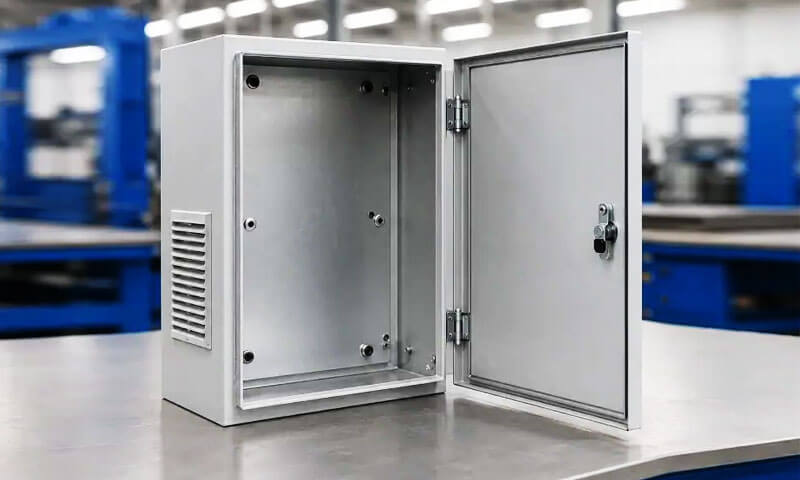
Ліставы метал - адзін з самых універсальных матэрыялаў у сучасным вытворчасці. Ад аўтамабільных кузаўных панэляў і фюзеляжаў самалётаў да электронных карпусоў і ашалёўкі будынкаў, кампаненты з ліставога металу паўсюль.
Аднак, аднаго ліставога металу рэдка бывае дастаткова - яго трэба злучыць для стварэння вузлоў, збудаванні, і гатовай прадукцыі.
Метад, які выкарыстоўваецца для злучэння кампанентаў з ліставога металу, мае вырашальнае значэнне для трываласці, моцнасць, знешнасць, і кошт канчатковага прадукту.
Выбар правільнага злучэння з ліставога металу - справа няпростая. Выбар залежыць ад шэрагу фактараў: тып і таўшчыня матэрыялу, неабходную трываласць, эстэтычныя патрабаванні, аб'ём вытворчасці, і ўмовы абслугоўвання.
Няўдала падабраны сустаў можа прывесці да заўчаснага выхаду з ладу, дарагая пераробка, ці нават пагрозы бяспецы.
Гэты артыкул змяшчае поўнае кіраўніцтва па распаўсюджаных тыпах злучэнняў ліставога металу, іх класіфікацыя, і практычная аснова адбору.
1. Што такое злучэнне ліставога металу?
А злучэнне ліставога металу is a connection between two or more sheet-metal components designed to maintain their relative position and transfer mechanical or functional loads.
The sheets can be connected along their surfaces, краю, куты, or formed features.
The connection may be permanent, removable, or mechanically interlocked, depending on the manufacturing method.
У інжынерным плане, a joint should be considered a load-transfer region rather than simply a connection point. Forces entering one sheet must be transferred through the joint and into the adjoining sheet.
The geometry of that load path strongly influences stress concentration, дэфармацыя, Стомленасць жыцця, and failure behavior.
Напрыклад, two flat sheets can be joined edge-to-edge with a butt joint, overlapped with a lap joint, or arranged perpendicular to each other to create a T-joint.
These different geometries can then be joined through welding, клёпкі, шрубы, клінч, клеі, або ўтварыліся швы.
2. Як класіфікуюцца злучэнні ліставога металу?
Злучэнні ліставога металу можна класіфікаваць з некалькіх інжынерных пунктаў гледжання. Самы практычны падыход - разгледзець, як сабраны злучэнне, як гэта выраблена, і як ён перадае нагрузкі.
Па тыпу падключэння
На падставе таго, ці можна раздзяліць сабраныя кампаненты, злучэнні ліставога металу прынята падпадзяляць на пастаянны, часовы, і полунеразъемные суставы.
| Катэгорыя | Апісанне | Тыповыя прыклады |
| Нязменныя суставы | Распрацаваны, каб заставацца ў сабраным выглядзе на працягу ўсяго тэрміну службы і, як правіла, патрабуе пашкоджання або разбуральных аперацый для выдалення. | Зварныя злучэнні, паяныя злучэнні, паяныя злучэнні, канструкцыйныя клеевыя злучэнні, клепаных злучэнняў |
| Часовыя суставы | Прызначаны для шматразовай зборкі і разборкі без звычайнага пашкоджання кампанентаў з ліставога металу. | Балтавыя злучэнні, шрубавыя злучэнні, здымныя механічныя зашпількі |
| Полунеразъемные суставы | Можна аддзяліць, але выдаленне звычайна патрабуе інструментаў, дэфармацыя, або замена часткі сустава. | Сціснутыя суставы, некалькі самопрокалывающихся зашпілек, замкавыя швы |
Класіфікацыя не з'яўляецца абсалютнай. Напрыклад, клепаныя злучэнне звычайна лічыцца нязменным у вытворчасці, але тэхнічна заклёпкі можна выдаліць шляхам свідравання або разразання.
Вось чаму, практычнае адрозненне заснавана на прызначаны спосаб абслугоўвання і разборкі, не толькі тое, ці магчыма фізічнае выдаленне.
Па спосабе вырабу
Другая і больш арыентаваная на вытворчасць класіфікацыя заснавана на працэсе, які выкарыстоўваецца для стварэння злучэння.
| Катэгорыя | Апісанне | Тыповыя прыклады |
| Зварныя злучэнні | Лісты злучаюцца ў асноўным праз лакальнае цяпло, з або без ціску і прысадка, у залежнасці ад працэсу зваркі. | MIG зваркі, Зварка TIG, супраціў кропкавай зваркі, лазерная зварка, зварныя швы |
| Механічныя злучэнні | Злучэнне вырабляецца праз крапеж, механічная блакіроўка, або лакалізаваная пластычная дэфармацыя ліста. | Клёпаныя, балтавым, закручаны, заціснутыя суставы |
Клеевые злучэнні |
Паверхні злучаюцца з дапамогай адпаведнай клеевой сістэмы, а не з дапамогай звычайнага механічнага крапяжу або працэсу зліцця. | Эпаксід, акрыл, поліўрэтанавыя клеевые злучэнні |
| Суцэльныя ўтвораныя суставы | Сам ліст сагнуты, складзеныя, прабітыя, або сфарміраваны для стварэння сувязі, мінімізацыя або ліквідацыя асобных кампанентаў злучэння. | Падшыць суставы, замкавыя швы, падвярнуць суставы, утвораныя ўзаемазвязкі |
Па геаметрыі сустава і перадачы нагрузкі
Злучэнні ліставога металу таксама можна класіфікаваць у залежнасці ад фізічнага размяшчэння лістоў і выніковай траекторыі нагрузкі.
Гэта асабліва важна для канструктыўнага праектавання, таму што геаметрыя вызначае, як сілы перадаюцца праз злучэнне.
| Катэгорыя | Апісанне | Тыповыя прыклады |
| Нахлесточные суставы | Адзін ліст накладваецца на іншы, стварэнне вобласці злучэння, якая перакрываецца. | Злучэнне кропкавай зваркі, клепаных нахлест, клеевое злучэнне внахлест |
| Стыкавыя злучэнні | Два ліста сутыкаюцца прыкладна ад краю да краю, увогуле ў адной плоскасці. | Зварка ўпрытык, стыкавое злучэнне лазернай зваркай |
| Краёвыя злучэнні | Сумежныя краю лістоў злучаюцца па іх межах, часта праз складання, вінжаванне, або фарміраванне. | Падшыць злучэнне, загнуты край, кромка зварнога шва |
Т-вобразныя злучэнні |
Адзін ліст сутыкаецца з іншым прыкладна перпендыкулярна яму, вырабляючы Т-вобразную канфігурацыю. | Зварное Т-вобразнае злучэнне, механічна замацаваны Т-стык |
| Кутнія злучэнні | Два ліста сустракаюцца пад вуглом, звычайна каля 90°, для фарміравання вонкавага або ўнутранага кута. | Зварное кутняе злучэнне, ўтварыўся кутні стык |
3. Зварныя злучэння ліставога металу
Зварка з'яўляецца адным з найбольш шырока выкарыстоўваюцца метадаў для стварэння непарыўных злучэнняў металічнага ліста. Ён выкарыстоўвае цяпло, ціск, або спалучэнне абодвух для ўстанаўлення металургічнай сувязі паміж кампанентамі.
Найбольш прыдатны працэс зваркі залежыць ад матэрыялу ліста, таўшчыня, геаметрыя сустава, неабходнае якасць зварнога шва, аб'ём вытворчасці, цеплаўвод, і допуск на памеры.
Зварка MIG (Металічны інертны газ)
MIG зварка, афіцыйна класіфікаваны ў межах Газавая дугавая зварка металаў (GMAW), выкарыстоўвае расходны драцяны электрод з бесперапыннай падачай для стварэння электрычнай дугі і плаўлення асноўнага матэрыялу.
Ахоўны газ абараняе расплаўленую зварачную ванну ад атмасфернага забруджвання.
У залежнасці ад прыкладання, ахоўныя газы могуць ўключаць сумесі на аснове аргону, вуглякіслы газ, або іншыя газавыя сумесі; таму, Апісанне ўсіх ахоўных газаў MIG як чыста інэртных з'яўляецца тэхнічна недакладным.

| Аспект | Падрабязная інфармацыя |
| Працэс | Драцяны электрод з бесперапыннай падачай плавіцца пад электрычнай дугой, утвараючы зварачную ванну. Ахоўны газ абараняе расплаўлены метал ад забруджвання атмасферы. |
| Лепш для | Мяккая сталь, з нержавеючай сталі, і алюмініевы ліст і пліта. |
| Перавагі | Высокая хуткасць зваркі; бесперапынная падача дроту; высокая хуткасць аблогі; адносна лёгка аўтаматызаваць; падыходзіць для шырокага спектру канфігурацый суставаў. |
| Абмежаванні | Можа выклікаць пырскі і цеплавое скажэнне; звычайна патрабуецца ахоўны газ; кантроль працэсу становіцца больш патрабавальным да вельмі тонкага ліста. |
Тыповыя прыкладанні |
Аўтамабільныя кампаненты, рамы машын, карпусы, агульная фабрыкацыя, кранштэды, канструкцыйныя зборкі з ліставога металу. |
| Віды суставаў | Стыкавыя злучэнні, нахлесточные суставы, філе суставаў, Т-вобразныя злучэнні, і вуглавыя злучэнні. |
| Таўшчыня матэрыялу | Звычайна выкарыстоўваецца для лістоў таўшчынёй прыблізна 0,8–6 мм, хоць практычны дыяпазон залежыць ад матэрыялу, абсталяванне, сумеснае афармленне, і параметры зваркі. |
| Хуткасць зваркі | Прыблізна 20–60 см/мін для многіх прымянення ліставога металу, моцна залежыць ад таўшчыні матэрыялу і параметраў працэсу. |
| Каштаваць | Умераны. |
Зварка MIG асабліва прывабная, калі прадукцыйнасць і гнуткасць з'яўляюцца больш важнымі, чым дасягненне мінімальна магчымага ўводу цяпла.
Ён шырока выкарыстоўваецца як у ручным, так і ў рабатызаваных вырабах, таму што дрот з бесперапыннай падачай забяспечвае адносна высокую прадукцыйнасць.
Зварка TIG (Інертны газ вальфраму)
Зварка TIG, або Газавая дугавая зварка вальфрамам (GTAW), для ўсталявання дугі выкарыстоўваецца нерасходны вальфрамавы электрод. Прысадкавы метал, калі патрабуецца, дадаецца асобна.
Інэртны ахоўны газ, звычайна аргон або адпаведная сумесь на аснове аргону, абараняе зону зваркі ад атмасферных забруджванняў.
TIG цэніцца за яго дакладны кантроль цяпла, выдатны знешні выгляд зварнога шва, і здольнасць вырабляць высакаякасныя зварныя швы на тонкіх матэрыялах.
| Аспект | Падрабязная інфармацыя |
| Працэс | Электрычная дуга генеруецца паміж нерасходным вальфрамавым электродам і нарыхтоўкай. Прысадкавы метал можна дадаваць асобна, а ахоўны газ абараняе зону зваркі. |
| Лепш для | З нержавеючай сталі, алюміній, нікелевыя сплавы, медныя сплавы, і тонкі ліст, які патрабуе дакладнага кантролю цяпла. |
| Перавагі | Выдатная якасць зваркі; дакладны кантроль падачы цяпла; нізкі ўзровень пырскаў; чысты выгляд зварнога шва; падыходзіць для крытычных і бачных суставаў. |
| Абмежаванні | Павольней, чым зварка MIG; меншая хуткасць аблогі; патрабуе большага майстэрства аператара; як правіла, менш прадуктыўныя для вытворчасці вялікіх аб'ёмаў. |
Тыповыя прыкладанні |
Корпуса з нержавеючай сталі, харчовае абсталяванне, дакладнасць вырабу, аэракасмічныя кампаненты, дэкаратыўныя зборкі, і танкасценныя трубкі. |
| Віды суставаў | прыкладам, каленях, куток, філе, і Т-вобразныя суставы. |
| Таўшчыня матэрыялу | Асабліва эфектыўны для тонкіх лістоў, звычайна прыкладна ад 0,5-6 мм у залежнасці ад матэрыялу і канфігурацыі сустава. |
| Хуткасць зваркі | Прыкладна 5–30 см/хв для многіх ручных работ з ліставога металу. |
| Каштаваць | Умераны да высокага. |
TIG часта выбіраюць, калі знешні выгляд зварнога шва, кантроль памераў, і металург з'яўляюцца крытычнымі.
Больш нізкая хуткасць вытворчасці робіць яго менш прывабным для вялікіх аб'ёмаў прымянення, дзе супраціўляльная зварка або аўтаматызаваная лазерная зварка можа забяспечыць значна большую прадукцыйнасць.
Кропкавая зварка супрацівам
Супрацівная кропкавая зварка злучае лісты, якія накладваюцца внахлест, шляхам прапускання кантраляванага электрычнага току праз вобласць кантакту пры націсканні электродаў.
Электрычнае супраціўленне стварае лакалізаванае цяпло, вырабляць а зварнога самародка паміж лістамі, не патрабуючы прысадка.
Гэта асабліва важна ў буйных аб'ёмах вытворчасці, таму што працэс можа быць хутка аўтаматызаваны.
| Аспект | Падрабязная інфармацыя |
| Працэс | Паміж электродамі заціскаюцца два або больш лістоў, якія перакрываюцца. Электрычны ток праходзіць праз інтэрфейс, генеруючы лакалізаванае супраціўляльнае цяпло, якое ўтварае зварачны цэмент пад ціскам. |
| Лепш для | Низкоуглеродистая сталь, з нержавеючай сталі, ацынкаваная сталь, і некаторыя вузлы алюмініевага ліста. |
| Перавагі | Надзвычай хутка; вельмі прыдатны для аўтаматызацыі; без прысадка; адносна нізкая агульная цеплааддача; паўтаральны працэс вытворчасці. |
| Абмежаванні | Патрабуецца адпаведны доступ да электродаў; у першую чаргу прызначаны для перакрыцця лістоў; неабходна старанна кантраляваць геаметрыю шва і кладку матэрыялу. |
Тыповыя прыкладанні |
Канструкцыі кузава аўтамабіля, тэхніка, электрычныя шафы, металічная мэбля, і масавых зборак лістоў. |
| Віды суставаў | У першую чаргу стыкі внахлест і внахлест. |
| Таўшчыня матэрыялу | Звычайна выкарыстоўваецца для адносна тонкага ліста, з магчымасцю ў залежнасці ад матэрыялу і абсталявання. |
| Хуткасць зваркі | Кожную зварку звычайна можна выканаць за долі секунды, робячы працэс высокапрадукцыйным. |
| Каштаваць | Нізкі на сустаў пры вялікіх аб'ёмах вытворчасці, але выдаткі на абсталяванне і інструменты могуць быць значнымі. |
Лазерная зварка
Лазерная зварка выкарыстоўвае канцэнтраваны лазерны прамень для атрымання высока лакалізаванага плаўлення ў суставе.
Яе выключна мэтанакіраваная крыніца энергіі забяспечвае высокую хуткасць зваркі і адносна невялікую вобласць ўздзеяння цяпла ў параўнанні з многімі звычайнымі працэсамі дугавой зваркі.
| Аспект | Падрабязная інфармацыя |
| Працэс | Сфакусаваны лазерны прамень дастаўляе канцэнтраваную энергію ў сустаў, лакальнае плаўленне матэрыялу і фарміраванне металургічнай сувязі па меры зацвярдзення расплаўленай вобласці. |
| Лепш для | З нержавеючай сталі, вугляродная сталь, алюміній, і іншыя сумяшчальныя ліставыя металы, якія патрабуюць дакладнасці, хуткасная зварка. |
| Перавагі | Высокая хуткасць зваркі; вузкія зварныя швы; адносна нізкія скажэнні; выдатная паўтаранасць; добра падыходзіць для аўтаматызацыі і рабатызаваных вытворчасці. |
| Абмежаванні | Высокі кошт абсталявання; патрабуе дакладнай падганяння шва і кантролю працэсу; святлоадбівальныя матэрыялы і складаная геаметрыя могуць запатрабаваць спецыяльных сістэм. |
Тыповыя прыкладанні |
Кампаненты кузава аўтамабіля, Акумулятарныя корпусы, электроніка, прэцызійныя карпусы, цеплаабменнікі, і высокааб'ёмнае выраб дакладнасці. |
| Віды суставаў | прыкладам, каленях, краю, і выбраныя канфігурацыі філе. |
| Таўшчыня матэрыялу | Асабліва эфектыўны для тонкага і сярэдняга ліста, практычная далёкасць вызначаецца магутнасцю лазера і матэрыялам. |
| Хуткасць зваркі | Можа вагацца ад сотняў да тысяч мм/мін у залежнасці ад матэрыялу, таўшчыня, магутнасць лазера, і сумеснае афармленне. |
| Каштаваць | Высокія першапачатковыя інвестыцыі; патэнцыйна эканамічны для вытворчасці вялікіх аб'ёмаў. |
Зварка швоў
Шоўная зварка стварае шэраг супрацівных зварных швоў, якія перакрываюцца, звычайна выкарыстоўваюць электроды, якія верцяцца, для стварэння суцэльнага або герметычнага злучэння.
Гэта асабліва карысна, калі зборка ліставога металу патрабуе не толькі механічнага злучэння, але і герметызацыя ад вадкасці або газаў.
| Аспект | Падрабязная інфармацыя |
| Працэс | Лісты, якія перакрываюцца, праходзяць паміж верцячыміся электродамі, у той час як электрычны ток і ціск ствараюць бесперапынны шэраг перакрываючыхся самародкаў зваркі. |
| Лепш для | Тонкая сталь і ліст з нержавеючай сталі, якія патрабуюць суцэльных або герметычных злучэнняў. |
| Перавагі | Бесперапыннае далучэнне; добрая здольнасць герметызацыі; высокая прадукцыйнасць; без прысадка; падыходзіць для аўтаматызаванага вытворчасці. |
| Абмежаванні | У першую чаргу падыходзіць для канфігурацый лістоў, якія перакрываюцца; доступ да інструментаў і электродаў можа абмежаваць геаметрыю сустава. |
Тыповыя прыкладанні |
Паліўныя бакі, кантэйнеры, пратокі, барабаны, радыятары, і герметычныя вузлы з ліставога металу. |
| Віды суставаў | У першую чаргу стыкі внахлест і внахлест. |
| Таўшчыня матэрыялу | Звычайна падыходзіць для тонкага ліста, з дакладным дыяпазонам у залежнасці ад матэрыялу і абсталявання. |
| Хуткасць зваркі | Звычайна ад некалькіх сотняў мм/мін і вышэй, у залежнасці ад матэрыялу, таўшчыня, і неабходная якасць зваркі. |
| Каштаваць | Умераны да высокага, з добрай прадукцыйнасцю ў шматразовай вытворчасці. |
4. Клёпаныя злучэнні з ліставога металу
Клёпанае злучэнне ліставога металу выкарыстоўвае механічную зашпільку, званую заклёпкай, для злучэння двух або больш лістоў.
Падчас мантажу, а заклёпкі змяшчаецца праз выраўнаваныя адтуліны і механічна дэфармуецца або пашыраецца, каб утварыць галоўку, якая заціскае лісты разам.
У адрозненне ад зваркі, клёпкі не патрабуе расплаўлення асноўнага металу. Гэта робіць яго асабліва карысным, калі важна звесці да мінімуму цеплавыя скажэнні або калі злучаюцца матэрыялы, якія цяжка зварваць.

Распаўсюджаныя тыпы заклёпак
| Тып заклёпак | Характарыстыкі | Тыповыя прыкладанні |
| Суцэльная заклёпка | Моцны і надзейны; патрабуецца доступ для фарміравання процілеглай галоўкі. | Аэракасмічная, канструктыўныя вузлы |
| Глухая заклёпка | Усталёўваецца з аднаго боку; карысна, калі доступ ззаду абмежаваны. | Агароджы, падтрыманне, агульная фабрыкацыя |
| Самопрокалывающаяся заклёпка | Праколвае і механічна злучае ліст без папярэдне прасвідраваных адтулін у прыдатных матэрыялах. | Аўтамабільныя лёгкія канструкцыі |
| Трубчастая заклёпка | Полы або часткова полы хваставік; патрабуецца меншая сіла фармавання, чым суцэльныя заклёпкі. | Тэхніка, электроніка, лёгкія зборкі |
| Паўтрубчастая заклёпка | Часткова полы канец спрашчае мантаж. | Спажывецкія тавары, механічныя вузлы |
Характарыстыка клепаных злучэнняў
| Аспект | Падрабязная інфармацыя |
| Працэс | Лісты выраўноўваюць і механічна змацоўваюць шляхам ўстаноўкі і дэфармацыі заклёпкі, або з дапамогай спецыялізаванага самапраколвання або механізму глухой заклёпкі. |
| Лепш для | Алюміній, сталь, з нержавеючай сталі, і зборкі змешаных матэрыялаў, дзе пераважна механічнае злучэнне. |
| Перавагі | Няма цяпла; нізкія скажэнні; падыходзіць для разнастайных матэрыялаў; добрая паўтаранасць; некаторыя тыпы патрабуюць доступу толькі з аднаго боку. |
| Абмежаванні | Для многіх тыпаў заклёпак патрэбныя адтуліны або спецыяльная магчымасць праколвання; дадае вагу крапяжу; стварае лакальныя канцэнтрацыі напружання; выдаленне пастаянных заклёпак можа быць складаным. |
Тыповыя прыкладанні |
Аэракасмічныя збудаванні, аўтамабільныя вузлы, HVAC абсталяванне, карпусы, трэйлеры, металічная мэбля, і рамонтныя работы. |
| Віды суставаў | У асноўным злучэнні внахлест і ўпрытык з выкарыстаннем накладак. |
| Таўшчыня матэрыялу | Залежыць ад тыпу заклёпкі, дыяметр, матэрыял, і сумесная канфігурацыя; падыходзіць для зборак тонкіх і сярэдніх лістоў. |
| Хуткасць вытворчасці | Высокі, калі выкарыстоўваюцца аўтаматызаваныя сістэмы заклёпвання. |
| Каштаваць | Ад нізкага да сярэдняга на сустаў, хоць інструменты і аўтаматызаванае абсталяванне могуць павялічыць першапачатковыя інвестыцыі. |
5. Рэзьбавыя і нітавыя злучэнні ліставога металу
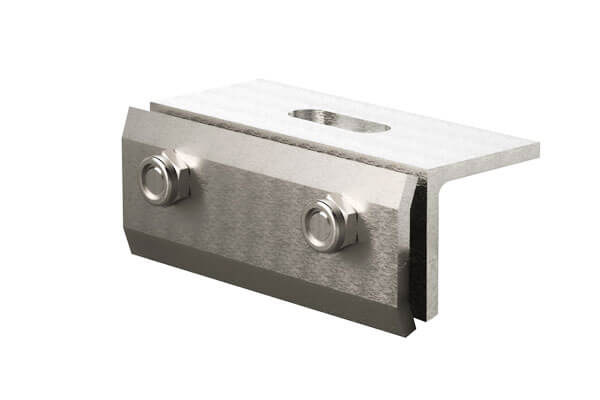
Рэзьбавыя і балтавыя злучэнні бываюць здымныя механічныя злучэнні якія выкарыстоўваюць разьбовыя крапежныя элементы для заціску двух або больш кампанентаў з ліставога металу.
У адрозненне ад зварных або клеевых злучэнняў, іх звычайна можна разабраць для агляду, падтрыманне, замена, або рамонт.
Шрубы асабліва часта сустракаюцца ў вузлах з тонкіх лістоў, таму што саманарэзныя і разьбообразующие канструкцыі могуць ствараць разьбу непасрэдна ў лісце або ў папярэдне сфармаваным адтуліне, у той час як балты і гайкі больш падыходзяць, калі патрабуюцца больш высокія сілы заціску або паўторная разборка.
Характарыстыкі шрубавых і балтавых злучэнняў
| Аспект | Падрабязная інфармацыя |
| Працэс | Выраўнаваныя лісты злучаюцца з дапамогай шруб, балты, арэхі, шайбы, рэзьбавыя ўстаўкі, або іншыя механічныя крапежныя элементы. Зашпілька стварае заціскную сілу, якая ўтрымлівае кампаненты разам. |
| Віды | Балты + арэхі, саморезы, машынныя шрубы, заклёпкі гайкі, прыварваюць гайкі. |
| Лепш для | Сталь, з нержавеючай сталі, алюміній, ацынкаваны ліст, і зборкі, якія патрабуюць здымных злучэнняў. |
| Перавагі | Здымная; лёгка аглядаць і рамантаваць; няма ўводу цяпла; падыходзіць для многіх камбінацый матэрыялаў; просты інструмент; добра падыходзіць да нізкага- і сярэдняй вытворчасці. |
| Абмежаванні | Адтуліны для крапяжу памяншаюць чысты перасек ліста; вібрацыя можа выклікаць паслабленне; тонкі ліст можа мець абмежаванае зачапленне ніткі або супраціўленне выцягванню; крапежныя элементы павялічваюць вагу і лакальную канцэнтрацыю напружання. |
Тыповыя прыкладанні |
Электрычныя карпусы, машынныя ахоўнікі, HVAC абсталяванне, шафы, Аўтамабільныя кампаненты, тэхніка, і абсталяванне, якое патрабуе рэгулярнага абслугоўвання. |
| Віды суставаў | Круг, прыклад з вечкам, фланец, куток, і кранштэйны злучэнняў. |
| Таўшчыня матэрыялу | Асабліва часта для вузлоў тонкага і сярэдняга ліставога металу; практычная таўшчыня залежыць ад тыпу крапяжу і канструкцыі злучэння. |
| Хуткасць вытворчасці | Высокі для аўтаматызаваных сістэм закручвання і мацавання; умераны для ручной зборкі. |
| Каштаваць | Нізкі да ўмеранага, у залежнасці ад тыпу крапяжу і ўзроўню аўтаматызацыі. |
6. Заціскныя і механічныя злучэнні з ліставога металу
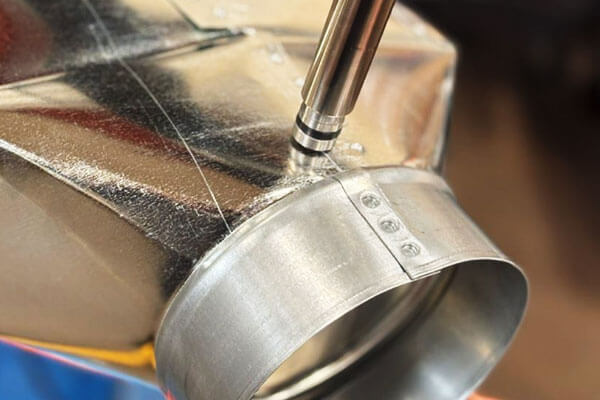
Клінч - гэта а працэс халоднага механічнага злучэння у якім лісты, якія перакрываюцца, лакальна фарміруюцца пуансонам і штампам для стварэння пастаяннай механічнай блакіроўкі.
У адрозненне ад звычайнай клёпкі, асобная зашпілька не патрабуецца, і ў адрозненне ад зваркі, працэс па сутнасці не ўводзіць цяпло плаўлення ў сустаў.
Клінч асабліва прывабны для зборак тонкіх лістоў, таму што ён можа быць хуткім, чыстыя, паўтаральны, і вельмі сумяшчальны з аўтаматызаваным вытворчасцю.
Клінч Сумесныя характарыстыкі
| Аспект | Падрабязная інфармацыя |
| Працэс | Пуансон і плашка пластычна дэфармуюць лісты, якія перакрываюцца, каб стварыць механічную блакіроўку. Матэрыял сцякае ў спраектаваны падрэз або вобласць злучэння, не плавячы лісты. |
| Лепш для | Плаўкія сталі, з нержавеючай сталі, алюміній, ліст з пакрыццём, і выбраныя зборкі змешаных матэрыялаў. |
| Перавагі | Няма прысадка або асобнага крапяжу; вельмі нізкія цеплавыя скажэнні; хуткі час цыклу; падыходзіць для аўтаматызацыі; можа злучаць пакрытыя матэрыялы; адносна чысты працэс. |
| Абмежаванні | Патрабуецца дастатковая пластычнасць ліста; трываласць злучэння моцна залежыць ад матэрыялу і аснасткі; застаецца бачнае паглыбленне; не падыходзіць для кожнай геаметрыі або камбінацыі матэрыялаў. |
Тыповыя прыкладанні |
Кампаненты кузава аўтамабіля, Агрэгаты HVAC, тэхніка, электрычныя карпусы, мэбля, і масавых вырабаў з ліставога металу. |
| Віды суставаў | У першую чаргу злучэнняў внахлест, уключаючы выбраную канфігурацыю фланца і кута. |
| Таўшчыня матэрыялу | Асабліва падыходзіць для тонкіх лістоў, з практычнай таўшчынёй, якая вызначаецца складаннем матэрыялу і інструментамі. |
| Хуткасць вытворчасці | Вельмі высокі; асобныя суставы звычайна могуць быць выраблены хутка ў аўтаматызаваных сістэмах. |
| Каштаваць | Нізкі на злучэнне пры вялікіх аб'ёмах вытворчасці пасля ўстаноўкі інструментаў. |
7. Злучэнні з ліставога металу, злепленыя клеем
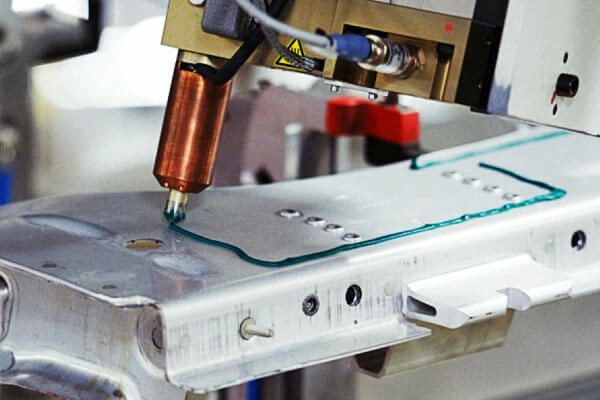
Клеевае злучэнне злучае кампаненты ліставога металу праз пласт палімернага клею, а не праз звычайны механічны крапеж або зварку плаўленнем.
Структурныя клеі могуць бесперапынна пераносіць нагрузку на адносна вялікую злепленую плошчу, што робіць іх асабліва карыснымі, калі інжынеры хочуць паменшыць лакалізаваныя канцэнтрацыі напружання.
Склейванне клеем шырока выкарыстоўваецца ў аўтамабілебудаванні, перавозка, электроніка, тэхніка, і лёгкія канструкцыі, асабліва там, дзе нізкія скажэнні, гладкія вонкавыя паверхні, вібрацыя амартызацыя, або злучэнне разнародных матэрыялаў важна.
Характарыстыкі клеевых злучэнняў
| Аспект | Падрабязная інфармацыя |
| Працэс | Клей наносіцца паміж падрыхтаванымі паверхнямі і отверждается на працягу вызначанага часу, тэмпература, ціск, або ўмовы навакольнага асяроддзя для фарміравання сустава. |
| Віды | Эпаксід, акрыл, поліурэтан, цианакрилат. |
| Лепш для | Сталь, з нержавеючай сталі, алюміній, металы з пакрыццём, і сумяшчальныя розныя матэрыялы. |
| Перавагі | Размяркоўвае нагрузку на вялікую плошчу; няма цяпла плаўлення; нізкія скажэнні; выдатны знешні выгляд паверхні; можа герметызаваць стык; карысна для розных матэрыялаў; забяспечвае некаторае гашэнне вібрацыі. |
| Абмежаванні | Патрабуецца адпаведная падрыхтоўка паверхні; час зацвярдзення можа паўплываць на прадукцыйнасць; прадукцыйнасць можа залежаць ад тэмпературы, вільгаць, хімікаты, і старэнне; праверка можа быць складаней, чым з бачнымі механічнымі зашпількамі. |
Тыповыя прыкладанні |
Аўтамабільныя кузаўныя панэлі, Акумулятарныя корпусы, Агрэгаты HVAC, электроніка, тэхніка, металакампазіцыйныя канструкцыі, і лёгкія транспартныя кампаненты. |
| Віды суставаў | Нахлесточные суставы, хусткавыя суставы, фланцавых злучэнняў, і выбраныя канфігурацыі ўпрытык або вуглы. |
| Таўшчыня матэрыялу | Падыходзіць для шырокага дыяпазону таўшчынь лістоў, пры ўмове правільнай распрацоўкі клею і геаметрыі злучэння. |
| Хуткасць вытворчасці | Ад сярэдняга да высокага ў залежнасці ад хімічнага складу клею і спосабу зацвярдзення. |
| Каштаваць | Умераны; можа стаць вельмі эканамічным, калі ён ліквідуе крапежныя элементы або другасныя аперацыі герметызацыі. |
8. Інтэгральныя фармаваныя швы з ліставога металу
Суцэльнаствораныя швы ліставога металу ствараюцца шляхам рэзкі, выгін, складаны, або механічна злучаючы сам ліст, пазбаўляючы ад неабходнасці асобнага крапяжу або зваркі плаўленнем.
Яны асабліва эфектыўныя пры вытворчасці ліставога металу ў вялікіх аб'ёмах, таму што злучэнне можа быць уключана непасрэдна ў плоскі ўзор і атрымана шляхам штампоўкі, ударыць, лазерная рэзка, прэс тармажэнне, або фармаванне рулонаў.
Гэтыя злучэнні звычайна выкарыстоўваюцца ў паветраводах, электрычныя карпусы, аўтамабільныя панэлі, тэхніка, дахавыя, ашалёўка, і лёгкія зборныя канструкцыі.
Падол суставаў / Складаныя швы
Падшыўка вырабляецца шляхам загінанне краю аднаго ліста назад на сябе або вакол краю іншага ліста, стварэнне ўзмоцненага і закрытага краю.
Акрамя таго, забяспечваючы механічнае злучэнне, падшыванне можа ліквідаваць вострыя адкрытыя краю, павышэнне мясцовай калянасці, і палепшыць знешні выгляд гатовага кампанента.
| Аспект | Падрабязная інфармацыя |
| Працэс | Край аднаго аркуша загінаецца на сябе або вакол краю іншага ліста, каб утварыць механічна ўтрыманы край. |
| Віды | Адкрыты падол, закрыты падол, плоскі падол, адзіночны падол, двайны падол, кропляпадобны падол. |
| Лепш для | Сталь, алюміній, з нержавеючай сталі, і іншыя пластычныя ліставыя матэрыялы, асабліва тонкі ліст. |
| Перавагі | Няма асобных крапяжоў; чысты знешні выгляд; ліквідуе вострыя краю; паляпшае мясцовую калянасць; сумяшчальны з аўтаматызаваным фармаваннем і зборкай. |
Абмежаванні |
У першую чаргу падыходзіць для лёгкіх або ўмераных нагрузак; патрабуе адпаведнай згінання і дакладнай фармоўкі; у закрытых шчылінах могуць спатрэбіцца меры па барацьбе з карозіяй. |
| Тыповыя прыкладанні | Аўтамабільныя дзверы і капоты, панэлі прыбораў, электрычныя шафы, паветраводы, дахавыя, і накрыўкі з ліставога металу. |
| Віды суставаў | У першую чаргу краёвыя і внахлест. |
| Таўшчыня матэрыялу | Звычайна выкарыстоўваецца для лістоў таўшчынёй прыблізна 0,3–2,0 мм, у залежнасці ад матэрыялу, інструмента, і геаметрыя падола. |
Замкавыя швы
Замкавыя швы - гэта бесперапынныя аформленыя злучэнні, у якіх знаходзяцца краю двух і больш лістоў складзеныя і механічна злучаныя.
Таму што злучэнне праходзіць уздоўж сустава, а не ў асобных кропках, замкавыя швы асабліва карысныя для доўгіх вузлоў ліставога металу і прымянення, дзе важная прадукцыйнасць герметызацыі.
| Аспект | Падрабязная інфармацыя |
| Працэс | Краю двух лістоў спецыяльна сфарміраваны і загнуты так, каб яны механічна счапіліся ўздоўж стыку. |
| Віды | Пітсбургскі замкавы шво, защелкивающийся шво, стаячы шво, рифленый шво, і іншыя канфігурацыі фальцавых швоў. |
| Лепш для | Ацынкаваная сталь, вугляродная сталь, алюміній, і ліст з нержавеючай сталі. |
| Перавагі | Няма асобных крапяжоў; бесперапыннае злучэнне; высокая эфектыўнасць вытворчасці; чысты знешні выгляд; можа забяспечыць эфектыўную герметызацыю ад паветра і надвор'я пры правільным фарміраванні і герметызацыі. |
| Абмежаванні | Трываласць, як правіла, ніжэй, чым у правільна спраектаванага канструкцыйнага зварнога шва; патрабуе дакладнай фармоўкі і спецыяльных інструментаў; складчатыя шчыліны могуць запатрабаваць увагі да карозіі і дрэнажу. |
| Тыповыя прыкладанні | Канал HVAC, дахавыя, архітэктурная ашалёўка, коміны, танкі, кантэйнеры, і сістэмы вентыляцыі. |
| Віды суставаў | У першую чаргу краёвыя і внахлест. |
| Таўшчыня матэрыялу | Звычайна выкарыстоўваецца для лістоў таўшчынёй прыблізна 0,3–2,0 мм, у залежнасці ад канструкцыі шва і фармовачнага абсталявання. |
Tuck суставаў
Выцяжное злучэнне - гэта механічна аформленае злучэнне, у якім закладка, фланец, або падоўжаная частка ліста ўстаўляецца ў прарэз або прыёмную функцыю, а затым згортваецца або запраўляецца ў патрэбнае месца.
Злучэнне ствараецца з дапамогай геаметрычнай блакавання, а не зваркі або асобных крапежных элементаў.
Запраўленыя злучэнні асабліва карысныя для вырабаў, распрацаваных вакол раскройная вытворчасць, дзе язычкі і пазы могуць быць уключаны непасрэдна ў плоскі ўзор з ліставога металу.
| Аспект | Падрабязная інфармацыя |
| Працэс | Сфармаваны язычок або фланец на адным аркушы ўстаўляецца ў прарэз або адтуліну ў іншым аркушы і згінаецца, запраўлены, або зафіксаваны на месцы. |
| Лепш для | Мяккая сталь, з нержавеючай сталі, алюміній, і іншыя фармуемыя ліставыя матэрыялы. |
| Перавагі | Няма асобных крапяжоў; чысты знешні выгляд; хуткая зборка; магчымасць самастойнага размяшчэння; падыходзіць для аўтаматызаванага або інструментальнага вытворчасці. |
| Абмежаванні | Трываласць злучэння моцна залежыць ад геаметрыі язычка і пазы; патрабуе дакладнай рэзкі і фармоўкі; звычайна больш падыходзіць для лёгкіх і ўмераных структурных нагрузак. |
| Тыповыя прыкладанні | Электрычныя карпусы, Кампаненты HVAC, шафы, мэбля, скрынкі, і лёгкія вырабленыя вузлы. |
| Віды суставаў | Звычайна выкарыстоўваецца на каленях, куток, і канфігурацыі Т-тыпу. |
| Таўшчыня матэрыялу | Звычайна прыкладна 0,3-1,5 мм, у залежнасці ад пластычнасці матэрыялу і канструкцыі злучэння. |
Злучэння ліставога металу тыпу «ластаўчын хвост».
Выкарыстоўваецца злучэнне ліставога металу «ластаўчын хвост». дадатковыя канічныя выступы і прарэзы для стварэння механічнай блакіроўкі.
Падчас зборкі, канічны язычок слізгае або зашчоўкваецца ў адпаведную шчыліну, абмежаванне руху ў кірунку першаснага аддзялення.
У адрозненне ад звычайных спосабаў мацавання, злучэнне «ластаўчын хвост» можа быць створана непасрэдна падчас рэзкі і фармоўкі, што робіць яго асабліва прывабным для канструкцыі для вытворчасці і зборкі ліставога металу без крапяжу.
| Аспект | Падрабязная інфармацыя |
| Працэс | Дадатковыя язычкі і прарэзы ў форме ластаўчынага хваста выразаюцца або фармуюцца ў лісце і збіраюцца для атрымання канічнай механічнай блакіроўкі. |
| Лепш для | Сталь, алюміній, з нержавеючай сталі, і іншыя прыдатныя ліставыя матэрыялы, якія выкарыстоўваюцца ў лёгкіх зборках. |
| Перавагі | Няма асобных крапяжоў; самаразмяшчэнне; чысты знешні выгляд; хуткая зборка; можа палепшыць паўтаральнасць; добра падыходзіць для рэзкі з ЧПУ і аўтаматызаванага вырабу. |
| Абмежаванні | Патрабуюцца дакладныя памеры і допускі; грузападымальнасць моцна залежыць ад геаметрыі ўкладкі і таўшчыні ліста; можа спатрэбіцца другасная блакіроўка для высоканагружаных або адчувальных да вібрацыі прыкладанняў. |
| Тыповыя прыкладанні | Электрычныя карпусы, карпусы машын, кранштэды, мэбля, дэкаратыўныя металаканструкцыі, прататыпы, і модульныя вузлы з ліставога металу. |
| Віды суставаў | Круг, T, куток, і канфігурацыі фланца. |
| Таўшчыня матэрыялу | Звычайна выкарыстоўваецца для лістоў таўшчынёй прыкладна 0,3–1,5 мм, у залежнасці ад геаметрыі і вытворчых магчымасцяў. |
9. Conclusion
Злучэнні ліставога металу - гэта не проста механічнае злучэнне паміж двума кавалкамі металу.
Гэта старанна распрацаваныя інтэрфейсы, якія вызначаюць загрузку, дэфармацыя, гарачыня, вібрацыя, карозія, і допускі на памеры перадаюцца праз зборку.
Найбольш распаўсюджаныя геаметрыі злучэнняў ўключаюць стыкавыя злучэнні, нахлесточные суставы, кутнія злучэнні, краёвыя стыкі, і Т-вобразныя суставы.
Гэтыя геаметрыі можна злучыць праз шырокі спектр працэсаў, уключаючы зварку MIG, Зварка TIG, кантактная кропкавая зварка, лазерная зварка, шовная зварка, клёпкі, шрубы і балты, клінч, клеевое злучэнне, падшываючы, замкавыя швы, падвярнуць суставы, і блакавання ластаўчын хвост.
Галоўны інжынерны ўрок заключаецца ў тым, што не існуе ўніверсальна самага трывалага або лепшага злучэння ліставога металу.
Паспяховы стык - гэта той, які задавальняе ўсім патрабаванням да яго прымянення:
Адпаведная трываласць + Устойлівасць да стомленасці + тэхналагічнасць + Каразія супраціву + Памерная стабільнасць + спраўнасць + эканамічная эфектыўнасць
У прафесійным дызайне ліставога металу, Таму сумесны выбар павінен пачынацца з шляху нагрузкі і асяроддзя абслугоўвання, не проста з самым простым працэсам вытворчасці.
FAQ
Які самы трывалы тып злучэння ліставога металу?
Зварныя злучэнні з поўным праваром (Мне, Зрадак, або лазер) забяспечыць найбольшую трываласць на адзінку даўжыні, з трываласцю, якая набліжаецца да самага асноўнага ліставога металу.
Для дыскрэтных крапяжоў, суцэльныя заклёпкі маюць найбольшую трываласць на зрух, у той час як вузлы нітаў і гаек маюць самую высокую трываласць на расцяжэнне.
Які тып злучэння лепш за ўсё падыходзіць для тонкага металічнага ліста?
Звычайныя варыянты ўключаюць кропкавую зварку супраціўленнем, лазерная зварка, клінч, клёпкі, крапеж саморезы, клеевое злучэнне, і ўтварыліся суставы.
Лепшы варыянт залежыць ад матэрыялу, таўшчыня, аб'ём вытворчасці, неабходная трываласць, і даступнасць.
Якое злучэнне лепш за ўсё падыходзіць для злучэння разнародных металаў?
Склейванне клеем, нітавае мацаванне, і клёпкі прыдатныя для злучэння разнародных металаў. Пазбягайце зваркі, бо яна можа выклікаць гальванічную карозію.
Які самы трывалы тып злучэння ліставога металу?
Універсальна самага трывалага сустава не існуе. Трываласць злучэння залежыць ад матэрыялу, таўшчыня, геаметрыя, стан загрузкі, працэс далучэння, і майстэрства вырабу.
Правільна распрацаваны зварной, кляпаныя, або механічна злучанае злучэнне можа быць вельмі эфектыўным для розных прыкладанняў.
У чым розніца паміж внахлестку і стыкоўкай?
А внахлест выкарыстоўвае лісты внахлест, у той час стыкавае злучэнне злучае лісты прыкладна ад краю да краю.
Злучэння внахлест, як правіла, лягчэй сабраць, у той час як стыкавыя злучэнні могуць забяспечыць больш чыстую і кампактную геаметрыю.

