
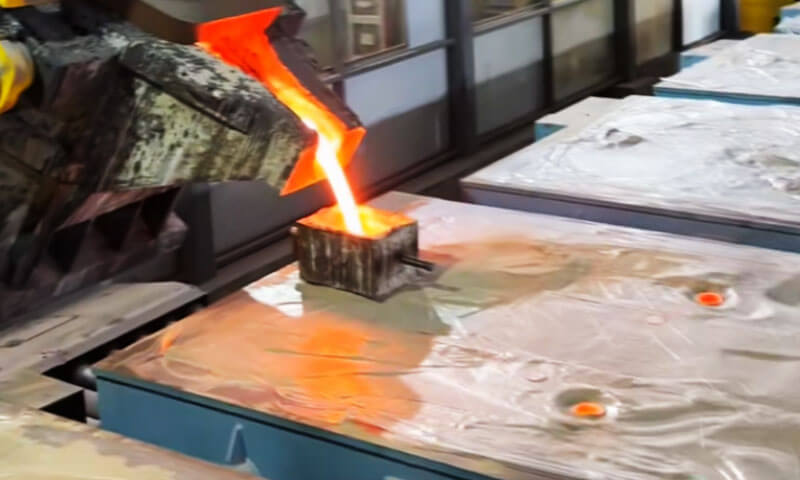
Om hierdie beperkings aan te spreek, V-proses giet, Ook bekend as Vakuum giet giet of Vakuum-verseëlde gietwerk (V-proses), het na vore gekom as 'n gevorderde giettegnologie wat die buigsaamheid van sandgietwerk kombineer met verbeterde gietkwaliteit en omgewingsprestasie.
Anders as konvensionele sandgietwerk, die V-Proses staatmaak op vakuumdruk eerder as chemiese bindmiddels of vog om vormsterkte te behou.
Droog, ongebonde silikasand word in plek gehou deur atmosferiese druk wat op plastiekfilm-gevoerde vorms inwerk, skep 'n hoogs stabiele gietstelsel sonder die behoefte aan harsbinders of klei.
Oorspronklik ontwikkel in Japan in die vroeë 1970's, V-Process gietwerk het wydverspreide aanvaarding gekry in nywerhede wat groot benodig, kompleks, en hoë kwaliteit gietstukke,
insluitend motorvervaardiging, mynbou toerusting, landboumasjinerie, pompe, kleedke, spoorwegkomponente, en swaar industriële masjinerie.
Die proses word veral waardeer vir die vervaardiging van gietstukke met skoon oppervlaktes, lae defeksyfers, uitstekende sandherwinbaarheid, en verminderde na-verwerking vereistes.
1. Wat is V-Process Casting?
V-proses giet, of Vakuum giet giet, is 'n bindmiddelvrye sandgietproses waarin vakuumdruk gebruik word om vormstyfheid te skep en te handhaaf deur metaalgiet en stolling.
In plaas daarvan om op klei staat te maak, chemiese bindmiddels, of vog om vormsand bymekaar te hou, die proses gebruik plastiekfilms en vakuumsuiging om droë silikasand rondom die patroon te stabiliseer.
Die proses begin deur 'n dun termoplastiese film te verhit en dit styf oor 'n metaalpatroon te vorm deur vakuumdruk te gebruik.
Droog, ongebonde sand word dan in die gietfles gegooi en deur vibrasie gekompakteer.
’n Tweede plastiekfilm word op die sandoppervlak aangebring, en vakuum word in die vorm gehandhaaf.
Atmosferiese druk druk die droë sand saam in 'n stewige vorm wat gesmelte metaal kan weerstaan tydens giet.
Sodra die gietstuk gestol het, die vakuum word vrygestel, veroorsaak dat die vorm natuurlik ineenstort.
Die los sand kan dan met minimale verwerking herwin en hergebruik word, materiaalbenutting aansienlik te verbeter en afval te verminder.
Anders as beleggingsgietwerk, wat waspatrone opoffer, of hars sand giet, wat chemiese bindmiddels verbruik,
V-Process giet produseer vorms wat is skoon, herbruikbaar, en omgewingsvolhoubaar, maak dit besonder aantreklik vir moderne groen vervaardigingsinisiatiewe.

Sleutelkenmerke
| Kenmerkend | Beskrywing |
| Bindmiddelvrye sand | Gebruik droog, silikasand sonder bymiddels, water, of chemiese bindmiddels. |
| Vakuum hou | Vakuum druk (tipies 50-100 kPa) hou die sanddeeltjies bymekaar. |
| Dun plastiekfilm | ’n Hitte-versagte plastiekfilm (0.05-0.2 mm) word oor die patroon gedrapeer om 'n gladde vormoppervlak te skep. |
| Herbruikbare sand | Sand is amper 100% herwinbaar omdat dit geen bindmiddels bevat nie. |
Uitstekende oppervlakafwerking |
Soos gegote oppervlakafwerkings van Ra 6.3-12.5 µm haalbaar is. |
| Hoë dimensionele akkuraatheid | Toleransies van ±0,2-0,5 mm per 25 mm moontlik is. |
| Omgewingsvriendelik | Geen binders nie, rook, of giftige emissies. |
| Vereis gespesialiseerde toerusting | Benodig vakuumstelsels, plastiek film, en fleshanteringstoerusting. |
2. Werksbeginsel van V-Proses Giet
Die V-Proses maak staat op 'n eenvoudige dog elegante fisiese beginsel: droë sand gedra soos 'n vaste stof wanneer dit deur vakuum saamgepers word.
Die fisika agter vakuumvorming
| Beginsel | Verduideliking |
| Wrywing tussen sandkorrels | Wanneer atmosferiese druk droë sand verdig, die intergranulêre wrywing neem toe, die skep van 'n rigiede massa. |
| Vakuum differensiaal | 'n Vakuum (tipies -50 na -100 kPa) word onder die sand toegedien, veroorsaak dat atmosferiese druk die sanddeeltjies saamdruk. |
| Plastiek film verseëling | 'n Dun plastiekfilm, versag deur hitte, word deur die vakuum teen die patroon getrek, die skep van 'n gladde, akkurate vorm gesig. |
| Eenvormige digtheid | Die vakuum verseker eenvormige sandverdigting, elimineer die digtheidsvariasies wat algemeen voorkom in groen sand giet. |
Die rol van plastiekfilm
Die plastiek film (gewoonlik poliëtileen, EVA, of PVC) dien verskeie kritieke funksies:
- Skep 'n gladde, akkurate vormholte-die film pas by die patroonoppervlak.
- Voorkom metaal-sand reaksies- tree op as 'n versperring tussen gesmelte metaal en die sand.
- Handhaaf vakuumintegriteit—die film verseël die vorm, toelaat dat vakuum gehou word.
- Verbeter oppervlakafwerking-die gladde filmoppervlak word na die gietstuk oorgedra.
3. Voltooi V-Process Casting Vervaardigingsproses
Die sukses van V-Process rolverdeling berus op 'n presies beheerde vervaardigingsvolgorde, waar elke stadium - van plastiekfilmvorming tot vakuumvrystelling - die vormintegriteit direk beïnvloed, Dimensionele akkuraatheid, oppervlakafwerking, en gietende gesondheid.
'n Standaard V-Proses gietsiklus bestaan uit die volgende sewe stadiums.
3.1 Patroonvoorbereiding en termoplastiese filmverhitting
Die proses begin met die voorbereiding van 'n presisie herbruikbare patroon, tipies vervaardig van aluminium, gietyster, epoksiehars, of hoëdigtheid hout, afhangende van produksievolume en dimensionele vereistes.
Om vakuumvorming te vergemaklik, die patroon bevat talle mikro vakuum ventilasie gate, sodat lug eenvormig onder die termoplastiese film onttrek kan word.

'n Dun EVA (Etileen-viniel asetaat) of poliëtileen termoplastiese film, oor die algemeen 0.08–0,15 mm dik, word verhit tot ongeveer 80–120°C totdat dit sag en hoogs elasties word.
Behoorlike filmverhitting is een van die mees kritieke proseskontroles:
- Onderverhitte film het nie buigsaamheid nie en kan nie ten volle ooreenstem met ingewikkelde patroonbesonderhede nie, wat lei tot swak oppervlakreproduksie.
- Oorverhitte film word buitensporig dun en kan skeur of plooie by dieptrekgedeeltes, vormintegriteit in gevaar stel.
Moderne produksielyne gebruik tipies outomatiese infrarooi of elektriese verwarmingstelsels met geslote lus temperatuurbeheer om konsekwente filmkwaliteit te verseker.
3.2 Vakuumfilmvorming en vuurvaste deklaagtoepassing
Sodra die film die verlangde vormtemperatuur bereik, dit is oor die patroon geplaas, en vakuum word deur die patroon se ventilasiegate toegepas.
Atmosferiese druk dwing die versagde film styf teen elke kontoer, wat selfs fyn oppervlakteksture en komplekse geometrieë akkuraat weergee.
Hierdie vakuumvormingsproses bied verskeie belangrike voordele:
- Presiese replikasie van patroonmeetkunde
- Gladde vormholte-oppervlak
- Verminderde patroonslytasie
- Maklike patroonverwydering na gietvorm
Vir gietstukke vervaardig uit koolstofstaal, legeringsstaal, vlekvrye staal, of ander hoë-temperatuur legerings, 'n dun vuurvaste laag (tipies 0.3–0,5 mm dik) word dikwels op die gevormde plastiekfilm gespuit of geborsel.
Die vuurvaste deklaag verrig verskeie funksies:
- Verbeter weerstand teen gesmelte metaalerosie
- Voorkom metaalpenetrasie in die sand
- Verminder aanbranddefekte
- Verbeter die afwerking van die gietoppervlak
- Verbeter termiese isolasie en vormstabiliteit
Die deklaag word dan gedroog voordat die gietproses na die volgende stadium voortgaan.
3.3 Droë sandvulling en vibrasieverdigting
Nadat die film gevorm is, 'n spesiaal ontwerpte gietfles word oor die patroon geplaas.
Die fles is gevul met skoon, droog, bindmiddelvrye silikasand, tipies met 'n AFS korrel fynheid van 50–100, gekies volgens die gietgrootte, tipe legering, en vereiste oppervlakafwerking.
Anders as groen sand of hars sand gietvorm, geen vog nie, klei, of chemiese bindmiddels bygevoeg word.
In stede van, sanddeeltjies word slegs deur gekompakteer beheerde meganiese vibrasie.
Tipiese vibrasie parameters sluit in:
| Parameter | Tipiese waarde |
| Sandtipe | Droë silika sand |
| Graan fynheid | AFS 50–100 |
| Vibrasie frekwensie | 30-50 Hz |
| Relatiewe verdigtingsdigtheid | 85–90% |
Behoorlike vibrasie is noodsaaklik vir die vervaardiging van 'n eenvormige vorm:
- Onvoldoende vibrasie lei tot lae sanddigtheid, swak vormsterkte, en holte vervorming.
- Oormatige vibrasie kan deeltjies segregasie veroorsaak, verminder deurlaatbaarheid en dimensionele stabiliteit.
Eenvormige sandverdigting verbeter ook vakuumverspreiding regdeur die vorm, dra by tot konsekwente hardheid en beter gietakkuraatheid.
3.4 Terug film verseëling en vakuum stabilisasie
Sodra die vormfles heeltemal gevul is, 'n tweede termoplastiese film word oor die boonste oppervlak van die sand geplaas om 'n lugdigte omhulsel te skep.
Vakuum word dan direk deur die fles op die sandmassa toegedien, tipies bereik –0,04 tot –0,08 MPa (300-600 mmHg).
Soos lug ontruim word, atmosferiese druk druk die los sanddeeltjies saam, die ongebonde sand onmiddellik in 'n rigiede omskep, selfonderhoudende vorm.
Anders as konvensionele gietmetodes, vormsterkte word geheel en al gegenereer deur drukdifferensiaal eerder as chemiese binding.
Die voordele van vakuumstabilisering sluit in:
- Eenvormige vormhardheid
- Uitstekende dimensionele stabiliteit
- Verminderde vormvervorming tydens giet
- Minimale sandbeweging
- Hoë weerstand teen gesmelte metaaldruk
Stabiele vakuumdruk word regdeur die vormsamestelling en metaalgiet gehandhaaf om konsekwente vormstyfheid te verseker.
3.5 Patroononttrekking en vormsamestelling
Nadat die vorm voldoende sterkte bereik het, vakuum onder die patroon word vrygestel terwyl vakuum binne die sandvorm gehandhaaf word.
Die patroon word dan vertikaal uit die vormholte onttrek met minimale weerstand.

Omdat die plastiekfilm 'n buitengewoon gladde koppelvlak tussen die patroon en die vorm skep, trekhoeke kan dikwels tot byna nul verminder word, in vergelyking met die 1.5°–3° konsep tipies benodig vir konvensionele gebonde sandvorms.
Hierdie vermoë maak dit moontlik:
- Groter ontwerpvryheid
- Verbeterde dimensionele akkuraatheid
- Skerper hoeke
- Beter reproduksie van komplekse geometrieë
- Verminderde bewerkingstoelae
Die kop- en sleepvormhelftes word afsonderlik volgens dieselfde prosedure vervaardig.
Indien nodig, sand- of metaalkerne word akkuraat geposisioneer voordat die vormhelftes saamgestel word.
Deur die hele vergadering, vakuum bly aktief om vorm styfheid te bewaar totdat giet voltooi is.
3.6 Vakuum-ondersteunde giet en beheerde stolling
Gesmelte metaal word in die vorm gegooi terwyl die vakuumstelsel steeds vormstabiliteit handhaaf.

Die beheerde negatiewe druk bied verskeie metallurgiese voordele:
- Verbeterde vormvulling
- Verminderde turbulensie
- Verbeterde gasontruiming
- Laer porositeit vorming
- Beter vulling van dunwandige dele
- Verbeterde oppervlakkwaliteit
Vakuumdruk word tipies aangepas tydens verskillende stadiums van die gietsiklus om vormsterkte en stollingsgedrag te optimaliseer.
| Casting Stage | Tipiese vakuumvlak |
| Metaal giet | –0,07 tot –0,08 MPa |
| Vroeë stolling | –0,05 tot –0,06 MPa |
| Finale stolling | –0,04 tot –0,05 MPa |
Die geleidelike vermindering van vakuum tydens afkoeling help om termiese spanning te verlig terwyl voldoende vormondersteuning deurgaans gestol word.
Op hierdie stadium, behoorlike hek- en stygontwerp bly noodsaaklik om gesmelte metaalvloei te beheer, rigtinggewende stolling te bevorder, en voorkom krimpdefekte.
3.7 Vakuum vrystelling, Skudding, en Sandherwinning
Nadat die gietstuk heeltemal gestol en afgekoel het tot 'n veilige hanteringstemperatuur, vakuum word uit die vorm vrygestel.
Sonder atmosferiese druk om die sanddeeltjies saam te druk, die vorm verloor onmiddellik sy sterkte en val in vryvloeiende droë sand.
In vergelyking met tradisionele sandgietwerk, dit bied verskeie operasionele voordele:
- Geen meganiese uitskudtoerusting word benodig nie
- Verminderde gietskade
- Makliker verwydering van hek en styging
- Laer skoonmaakkoste
- Korter produksiesiklus
Die herwonne sand word daarna:
- Afgekoel
- Geskerm om te groot deeltjies te verwyder
- Ontstof
- Herwin direk terug na produksie
Want die sand bevat geen klei of chemiese bindmiddels nie, die herwinningsproses is buitengewoon doeltreffend, met hergebruikkoerse wat tipies oorskry 98%, maak V-Process gietwerk een van die mees volhoubare giettegnologieë beskikbaar.
4. Materiaal Geskik vir V-Proses Giet
Een van die grootste sterkpunte van V-Proses giet is sy uitstekende materiaal aanpasbaarheid.
Omdat die gietproses gebruik droog, bindmiddelvrye silikasand gestabiliseer deur vakuumdruk eerder as chemiese bindmiddels, dit is versoenbaar met 'n wye reeks ysterhoudende en nie-ysterhoudende legerings.
Ysterhoudende metale
| Materiaal | Tipiese grade | Gietbaarheid | Aansoeke |
| Grys yster | ASTM A48 Klas 20-60 | Uitmuntend | Enjinblokke, rem dromme, masjienbasisse, pype. |
| Smeebare yster | ASTM A536 60-40-18, 80-55-06 | Uitmuntend | Krukas, ratte, verbindingsstawe, Pyp toebehore. |
| Koolstofstaal | ASTM A27, A216 WCB | Goed | Klepliggame, pomphuise, Strukturele dele. |
| Allooi staal | Aisi 4140, 4340 | Goed | Ratte, asse, swaardiens komponente. |
| Vlekvrye staal | 304, 316, 17-4Ph | Goed | Korrosiebestande kleppe, pompe, voedseltoerusting. |
Nie-ysterhoudende metale
| Materiaal | Tipiese grade | Gietbaarheid | Aansoeke |
| Aluminiumlegerings | A356, A380, 356, 319 | Uitmuntend | Motoronderdele, elektroniese omhulsels, lugvaartkomponente. |
| Koperlegerings | C80100, C81100 | Goed | Elektriese komponente, hitteruilers. |
| Brons | C85700, C86200, C87800 | Goed | Loodgieterswerk toebehore, dekoratiewe hardeware, kleedke. |
| Brons | C90500, C93200, C95400 | Goed | Mariene skroewe, rigting, beeldhouwerke. |
5. Algemene gietdefekte en ingenieursoplossings
Soos alle gietprosesse, V-Process is vatbaar vir sekere defekte. Nietemin, baie defekte kan uitgeskakel word deur behoorlike prosesbeheer.
| Defek | Visueel / NDT handtekening | Oorsaak | Voorkomende maatreëls |
| Gas porositeit | Ronde interne leemtes | Opgeloste gasse; onvoldoende ontgassing; vakuum mislukking. | Brand om te smelt; vakuum handhaaf; gebruik skoon lading. |
| Krimp porositeit | Skerp, onreëlmatige leemtes | Onvoldoende voeding; swak riser ontwerp. | Optimaliseer hekke/risering; gebruik simulasie. |
| Sand insluiting | Onreëlmatige nie-metaaldeeltjies | Film wat skeur; sand erosie; swak hek. | Verseker filmintegriteit; hekwerk verbeter; turbulensie verminder. |
| Egipte / koud toegemaak | Onvolledige vulling | Lae giettemperatuur; swak vloeibaarheid; onvoldoende vakuum. | Verhoog giettemperatuur; hekwerk verbeter; kontroleer vakuum. |
Oppervlak ruwheid |
Ruwe oppervlak | Onbehoorlike filmdikte; film skeur; fyn fyn sand. | Gebruik die regte filmdikte; verseker eenvormige vakuum; beheer sandkwaliteit. |
| Dimensionele afwyking | Buite-toleransie afmetings | Patroon dra; film dikte variasie; vorm beweging. | Handhaaf patroon; beheer filmdikte; veilige vorm. |
| Pinhole / blaas | Klein speldegaatjies op die oppervlak | Vog in sand; film uitgassing; gas insluiting. | Droë sand; gebruik die regte film; brand om te smelt. |
| Gietvervorming | Vervorming of nie-eenvormige meetkunde | Ongelyke verkoeling; vorm beweging; onvoldoende vakuum. | Beheer verkoeling; veilige vorm; verseker eenvormige vakuum. |
6. Voordele van V-Process Casting
V-Proses giet kombineer vakuum-gesteunde giet tegnologie met bindmiddelvrye droë sand, bied aansienlike tegniese, ekonomiese, en omgewingsvoordele bo konvensionele sandgietprosesse.
Dit is veral geskik vir die vervaardiging van medium tot groot gietstukke wat hoë dimensionele akkuraatheid vereis, uitstekende oppervlak kwaliteit, en stabiele produksiekonsekwentheid.
Hoë dimensionele akkuraatheid
Tipies gietverdraagsaamheid bereik ISO 8062 CT7–CT9, een tot twee toleransie grade beter as konvensionele groen sand giet (tipies CT10–CT13).
Die stewige vakuum-gesteunde vorm verminder holtevervorming, wat lei tot uitstekende dimensionele konsekwentheid en verminderde bewerkingstoelae.
Uitstekende oppervlakafwerking
Tipiese oppervlakruwheid wissel van Ra 3,2–12,5 μm, na beraming 2-3 kwaliteit grade gladder as groen sand giet (Ra 25-100 μm).
Die gladde termoplastiese film verhoed direkte kontak tussen gesmelte metaal en sand, aanbrand aansienlik verminder, metaal penetrasie, en oppervlakdefekte.
Uitstekende sandherwinningsdoeltreffendheid
Aangesien geen klei of chemiese bindmiddels gebruik word nie, meer as 95–98% van die vormsand kan herwin en direk hergebruik word na eenvoudige afkoeling, vertoning, en stofverwydering.
Dit verlaag grondstofverbruik en afvalverwyderingskoste dramaties.
Lae gasopwekking en skoner gietstukke
Die bindmiddelvrye gietstelsel produseer baie min gas tydens giet, aansienlik verminder die voorkoms van gas porositeit, blaasgate, speldegate, en koolstofverwante defekte.
Dit is veral voordelig vir koolstofstaal, legeringsstaal, en vlekvrye staal gietstukke.
Uitstekende vormstyfheid
Vakuumdruk verskaf eenvormige vormsterkte regdeur die sandliggaam, voorkoming van vormvervorming tydens giet en stolling.
Stabiele vormstyfheid dra by tot hoër dimensionele akkuraatheid en verbeterde herhaalbaarheid.
Verminderde bewerkingsvereistes
Die kombinasie van akkurate vormreplikasie, gladde gietoppervlaktes, en minimale dimensionele variasie verminder bewerkingsvoorraad, verkort verwerkingstyd, verminder gereedskapslytasie, en verbeter algehele vervaardigingsdoeltreffendheid.
Hoë geskiktheid vir komplekse en groot gietstukke
V-Process gietwerk is goed geskik vir vervaardiging groot, swaar, en meetkundig komplekse komponente, insluitend pomphuise, Klepliggame, mynbou toerusting, konstruksie masjinerie, en kragopwekkingskomponente, terwyl uitstekende strukturele integriteit gehandhaaf word.
Omgewingsvriendelike produksie
Sonder chemiese bindmiddels, die proses genereer minimale rook, reuke, VOC-emissies, en gevaarlike afval, om 'n skoner werksomgewing te skep en volhoubare gieterybedrywighede te ondersteun.
Uitstekende patroonlewe
Omdat die plastiekfilm dien as 'n beskermende koppelvlak tussen die patroon en die sand, meganiese slytasie tydens patroononttrekking is uiters laag.
As gevolg hiervan, metaalpatrone kan 'n aansienlik langer dienslewe bereik as dié wat in konvensionele sandgietwerk gebruik word.
Laer totale produksiekoste
Alhoewel die aanvanklike toerustingbelegging relatief hoog is, die kombinasie van hoë sand hergebruik, verminderde bewerking, laer defeksyfers, vereenvoudigde skoonmaak, en verbeterde produksiedoeltreffendheid lei dikwels tot 'n laer totale vervaardigingskoste oor lang produksielopies.
7. Beperkings en uitdagings van V-Process Casting
Ten spyte van sy talle voordele, V-Process gietwerk is nie universeel geskik vir elke giettoepassing nie.
Suksesvolle implementering vereis noukeurige oorweging van toerustingbelegging, prosesstabiliteit, produk eienskappe, en produksievolume.
Hoër aanvanklike toerustingbelegging
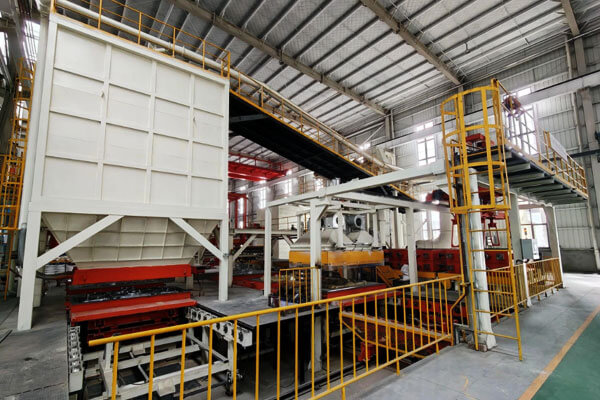
V-Process produksielyne benodig gespesialiseerde toerusting, insluitend vakuumpompe, lugdigte vormflesse, plastiek film verwarming stelsels, vakuum beheer eenhede, en outomatiese hanteringstoerusting.
Aanvanklike kapitaalinvestering is dus aansienlik hoër as vir konvensionele groensandgieting.
Afhanklikheid van stabiele vakuumbeheer
Die hele gietproses maak staat op die handhawing van 'n stabiele vakuum.
Enige lekkasie, vakuum fluktuasie, of toerusting wanfunksie kan vormsterkte verminder, holte vervorming veroorsaak, dimensionele onakkuraathede, of vorm ineenstort tydens giet.
Plastiekfilmverbruik
Elke vorm benodig nuwe termoplastiese films vir beide die holte en rugoppervlaktes.
Alhoewel filmverbruik relatief laag is, dit verteenwoordig 'n bykomende bedryfskoste en vereis behoorlike herwinning of wegdoeningsbestuur.
Langer vormvoorbereidingsiklus
In vergelyking met tradisionele groen sand gietwerk, V-Process sluit bykomende bewerkings in soos filmverhitting, vakuum vorming, verseëlend, en vakuumstabilisering, wat vormvoorbereidingstyd vir klein produksiegroepe kan verhoog.
Beperkte geskiktheid vir uiters dunwandige presisiegietstukke
Alhoewel vakuumbystand die vormvulling verbeter, Beleggingsgooi bly die voorkeurproses vir ultra-dunwandige komponente met hoogs ingewikkelde geometrieë en buitengewone stywe toleransies, soos lugvaart turbinelemme of mediese inplantings.
Nie altyd ekonomies vir baie klein produksielopies nie
Vir lae-volume of prototipe produksie, die opsteltyd van toerusting en bedryfskoste kan die tegniese voordele swaarder weeg. Eenvoudiger gietmetodes kan in sulke gevalle meer koste-effektief wees.
Groot toerusting voetspoor
Voltooi V-Process-produksielyne—insluitend vakuumstelsels, film hantering toerusting, sandherwinningseenhede, en outomatiese gietstasies— vereis tipies meer fabriekspasie as tradisionele sandgietstelsels.
8. Industriële toepassings van V-Proses giet
Die kombinasie van uitstekende oppervlakkwaliteit, hoë dimensionele akkuraatheid, skoon produksie, en doeltreffende sandherwinning maak V-Process gietwerk geskik vir 'n wye reeks industriële sektore.

Motorbedryf
Die motorvoertuig industrie vereis liggewig, dimensioneel akkuraat, en koste-effektiewe gietkomponente.
V-Process gietwerk word wyd gebruik vir die vervaardiging van strukturele en dryfkragonderdele waar oppervlakkwaliteit en konsekwentheid van kritieke belang is.
Tipiese komponente sluit in:
- Enjinblokke
- Transmissiebehuisings
- Differensiële gevalle
- Remkomponente
- Ophanghakies
- Vliegwielhuise
Pomp- en klepbedryf
Pomp en klep vervaardigers baat aansienlik by die uitstekende oppervlakafwerking en dimensionele stabiliteit van V-Process gietstukke.
Tipiese produkte sluit in:
- Kogelklepliggame
- Skoenlapper klep liggame
- Hekklepliggame
- Kontroleer klephuise
- Pompomhulsels
- Impellers
- Kompressor omhulsels
Konstruksie en Swaar Masjinerie
Swaar toerusting vereis gietstukke met hoë strukturele sterkte en uitstekende dimensionele konsekwentheid.
Algemene toepassings sluit in:
- Graafmasjien komponente
- Laaier omhulsels
- Bulldozer rame
- Hidrouliese spruitstukke
- Ratkas omhulsels
- Draerstutte
Landboumasjinerie
Landboutoerusting werk onder moeilike omgewingstoestande, veeleisende duursame en slytvaste gietkomponente.
Tipiese gietstukke sluit in:
- Trekker transmissie omhulsels
- Saaier rame
- Ploeg komponente
- Besproeiingspomp liggame
- Rathuise
Mynboutoerusting
Mynboumasjinerie benodig groot, swaardiens gietstukke wat impak kan weerstaan, skuur, en voortdurende laai.
Tipiese produkte sluit in:
- Breker rame
- Mill voerings
- Pomphuise
- Drabestande komponente
- Vervoerband onderdele
Spoorwegbedryf
Spoorweginfrastruktuur en rollende materiaal vereis presisie gietwerk met uitstekende vermoeiingsweerstand.
Aansoeke sluit in:
- Remstelsel komponente
- Koppelstuk dele
- Bogie rame
- As omhulsels
- Ophanghakies
Mariene industrie
Mariene omgewings vereis korrosiebestande gietstukke met betroubare meganiese werkverrigting.
Algemene produkte sluit in:
- Skroefnawe
- Pompomhulsels
- Klepliggame
- Dek toerusting
- Buitelandse strukturele komponente
Energie en kragopwekking
Kragopwekkingstoerusting werk dikwels onder hoë temperature en druk, vereis hoë-integriteit gegote komponente.
Tipiese toepassings sluit in:
- Stoom klep liggame
- Turbine omhulsels
- Ketel toebehore
- Hitteruiler komponente
- Kernkragtoerusting
Algemene industriële masjinerie
V-Process gietwerk word ook wyd gebruik vir algemene doeleindes masjinerie en toerusting, insluitende:
- Masjiengereedskapbeddens
- Kompressors
- Industriële ratkaste
- Materiaalhanteringstelsels
- Robotika basisse
- Industriële outomatisering toerusting
9. V-Proses Casting vs. Ander gietprosesse
Elke gietproses het unieke sterkpunte en beperkings in terme van dimensionele akkuraatheid, oppervlakafwerking, produksiekoste, gietgrootte, omgewingsimpak, en geskikte toepassings.
Die keuse van die optimale proses vereis balansering van tegniese vereistes, produksievolume, tipe materiaal, en ekonomiese oorwegings.
| Vergelykingsfaktor | V-proses giet | Groen Sand gietstuk | Hars sand giet | Beleggingsgooi | Shell Mold Casting |
| Vorm materiaal | Droë silika sand + termoplastiese film + vakuum | Nat sand met kleibindmiddel | Hars-bedekte sand | Keramiek dop | Harsbedekte dopsand |
| Bindmiddelvereiste | Geen | Klei en water | Chemiese hars | Keramiek suspensie | Termohardende hars |
| Vorm sterkte | Hoog (vakuum ondersteun) | Medium | Hoog | Baie hoog | Hoog |
| Tipiese gietverdraagsaamheid | CT7–CT9 | CT10–CT13 | CT8–CT10 | CT4–CT6 | CT6–CT8 |
| Oppervlak ruwheid (Ra) | 3.2–12,5 μm | 25–100 μm | 6.3–25 μm | 1.6–6,3 μm | 3.2–12,5 μm |
| Minimum muurdikte | 4–6 mm | 5–8 mm | 4–6 mm | 0.5–3 mm | 3–5 mm |
| Maksimum gietgrootte | Baie groot (etlike ton of meer) | Uiters groot | Baie groot | Klein tot medium | Klein tot medium |
| Giet kompleksiteit | Hoog | Medium | Hoog | Baie hoog | Hoog |
| Dimensionele stabiliteit | Uitmuntend | Gematig | Goed | Uitmuntend | Uitmuntend |
| Sandherwinningskoers | 95–98% | 80–90% | 70–90% | Nie van toepassing nie | Beperk |
| Gas Generasie | Baie laag | Medium | Hoog | Baie laag | Medium |
| Risiko van gasporeusheid | Laag | Medium | Medium | Baie laag | Laag |
| Tipiese gietdefekte | Vakuum lekkasie, film plooie, onvolledige vulling | Sand insluiting, blaasgate, vorm erosie | Gas porositeit, hars aanbrand | Keramiekdop wat kraak, Egipte | Skulp wat kraak, gasdefekte |
| Omgewingsprestasie | Uitmuntend | Goed | Jaarbeurs | Goed | Jaarbeurs |
| Gereedskapskoste | Medium tot hoog | Laag | Medium | Hoog | Medium |
| Produksiekoste | Medium | Laag | Medium | Hoog | Medium |
| Produksiedoeltreffendheid | Hoog | Baie hoog | Hoog | Medium | Hoog |
| Geskikte produksievolume | Medium tot hoog | Alle volumes | Medium tot hoog | Laag tot hoog | Hoëvolume produksie |
| Tipiese materiale | Strykyster, staal, vlekvrye staal, aluminium, koperlegerings | Hoofsaaklik yster en staal | Strykyster, staal, legeringsstaal | Byna alle gietbare legerings | Yster en nie-ysterhoudende legerings |
Tipiese toepassings |
Pompe, kleedke, mynbou toerusting, swaar masjinerie, motoronderdele | Enjinblokke, masjienbasisse, landboutoerusting | Groot staal gietstukke, masjien komponente | Lugvaart, mediese toestelle, presisie kleppe, Turbine -komponente | Motoronderdele, rathuise, hidrouliese komponente |
| Groot voordele | Hoë akkuraatheid, uitstekende oppervlakafwerking, bindmiddel-vry, hoë sandherwinbaarheid, omgewingsvriendelik | Laagste koste, eenvoudige proses, geskik vir baie groot gietstukke | Hoë vormsterkte, geskik vir komplekse staal gietstukke | Hoogste presisie en oppervlakkwaliteit vir ingewikkelde dele | Hoë produktiwiteit en konsekwente kwaliteit |
| Hoofbeperkings | Vereis vakuum toerusting en plastiek film | Laer akkuraatheid en growwer oppervlak | Hars-emissies en hoër herwinningskoste | Hoë gereedskapskoste, beperkte gietgrootte | Hoër gereedskapkoste, grootte beperkings |
10. Toekomstige ontwikkelingstendense van V-Process Casting
Soos die wêreldwye gieterybedryf voortgaan om te ontwikkel hoë akkuraatheid, intelligente vervaardiging, energiedoeltreffendheid, en volhoubare produksie, Daar word verwag dat V-Process-gietwerk 'n toenemend belangrike rol in moderne metaalgietwerk sal speel.
Intelligente outomatisering en slim gieterye
Outomatisering is besig om een van die belangrikste neigings in V-Process-gietwerk te word.
Moderne gieterye vervang toenemend handbewerkings met outomatiese toerusting om produktiwiteit te verbeter, konsekwentheid, en veiligheid op die werkplek.
Toekomstige outomatiese V-Process-produksielyne sal insluit:
- Robotiese patroonhantering
- Outomatiese voeding en verhitting van plastiekfilms
- Intelligente vakuumbeheerstelsels
- Outomatiese sandvulling en vibrasie
- CNC-beheerde gietstelsels
- Robotiese giet-onttrekking
- Outomatiese slyp en afwerking
Geïntegreerde outomatisering verminder menslike foute, verkort produksiesiklusse, en verseker stabiele prosesparameters oor groot produksiegroepe.
Digitale prosessimulasie
Rekenaargesteunde Ingenieurswese (CAE) sagteware het 'n onontbeerlike hulpmiddel geword vir gietontwerp en prosesoptimalisering.
Voordat produksie begin, ingenieurs kan die hele gietproses simuleer om potensiële defekte te identifiseer en prosesparameters te optimaliseer.
Algemene simulasie-ontledings sluit in:
- Vormvulgedrag
- Stollingsvolgorde
- Temperatuur verspreiding
- Krimpvoorspelling
- Residuele stres analise
- Deformasie voorspelling
- Optimalisering van hekke en stygings
Deur proef-en-fout tydens produksie te verminder, simulasietegnologie verlaag ontwikkelingskoste terwyl gietopbrengs en produkbetroubaarheid verbeter word.
KI-gedrewe prosesoptimalisering
Kunsmatige Intelligensie (KI) transformeer gietery-vervaardiging vinnig deur intydse prosesmonitering en voorspellende gehaltebeheer moontlik te maak.
Toekomstige KI-toepassings in V-Process casting kan insluit:
- Outomatiese defek voorspelling
- Intelligente giet parameter aanpassing
- Vakuum druk optimalisering
- Voorspellende instandhouding van toerusting
- Patroonlewensvoorspelling
- Energieverbruik optimalisering
- Intydse prosesdiagnostiek
Masjienleeralgoritmes kan groot volumes produksiedata ontleed om die gietkwaliteit voortdurend te verbeter en skrootkoerse te verminder.
Volhoubare en lae-koolstofvervaardiging
Omgewingsvolhoubaarheid het 'n strategiese prioriteit vir gieterye wêreldwyd geword.
V-Process gietwerk bied reeds aansienlike omgewingsvoordele as gevolg van sy bindmiddelvrye gietproses, en toekomstige ontwikkelings sal die volhoubaarheid daarvan verder verbeter.
Sleutelinisiatiewe sluit in:
- Hoër sandherwinningsdoeltreffendheid
- Verminderde energieverbruik
- Herwinbare plastiekfilms
- Herwinning van afvalhitte
- Lae-koolstof smelt tegnologie
- Integrasie van hernubare energie
- Koolstofvoetspoor monitering
Soos regerings strenger omgewingsregulasies implementeer, V-Process-gietwerk is goed geposisioneer as een van die mees omgewingsverantwoordelike sandgiettegnologieë.
Gevorderde materiale en hoëprestasie-legerings
Die groeiende vraag na liggewigstrukture, hoër bedryfstemperature, en groter korrosiebestandheid dryf die ontwikkeling van nuwe gietlegerings aan.
Toekomstige aansoeke sal toenemend behels:
- Super dupleks vlekvrye staal
- Hoë-entropie legerings
- Hittebestande legeringstaal
- Slytvaste legerings
- Gevorderde aluminiumlegerings
- Nikkel-gebaseerde superlegerings
- Koper-nikkel mariene legerings
Prosesoptimalisering sal V-Process-gietwerk in staat stel om hierdie gevorderde materiale te produseer met verbeterde mikrostrukturele beheer en verminderde defekvorming.
Verbeterde plastiekfilmtegnologie
Die plastiekfilm is 'n sleutelkomponent van die V-proses. Deurlopende navorsing is gefokus op die verbetering van filmprestasie om vormkwaliteit en produksiedoeltreffendheid te verbeter.
Toekomstige rolprentontwikkelings kan insluit:
- Hoër hitte weerstand
- Groter buigsaamheid
- Verbeterde dimensionele stabiliteit
- Bioafbreekbare materiale
- Herwinbare polimere
- Verminderde filmdikte
- Verbeterde oppervlak gladheid
Hierdie innovasies sal materiaalverbruik verlaag terwyl die gietkwaliteit verbeter word.
11. Konklusie
V-Process-gietwerk het homself gevestig as een van die mees innoverende en omgewingsvriendelike giettegnologieë in moderne gietery-vervaardiging.
Deur konvensionele bindmiddels te vervang met vakuum-gesteunde droë sand giet, die proses lewer 'n unieke kombinasie van hoë dimensionele akkuraatheid, uitstekende oppervlakafwerking, uitstekende sandherwinbaarheid, en verminderde omgewingsimpak.
Vooruitkyk, die integrasie van outomatisering, digitale simulasie, kunsmatige intelligensie, Industrie 4.0 tegnologieë, en volhoubare vervaardigingspraktyke sal die vermoëns van V-Process-gietwerk verder verbeter.
Soos vervaardigers voortgaan om skoner produksie te eis, hoër akkuraatheid, en verbeterde hulpbrondoeltreffendheid,
die tegnologie sal na verwagting 'n toenemend belangrike rol speel in sektore soos die motor, energie, mynbou, Marine Engineering, industriële masjinerie, pompe, kleedke, en swaar toerusting.
Vir vervaardigers wat 'n optimale balans tussen gietkwaliteit, omgewingsverantwoordelikheid, en langtermyn produksie-ekonomie, V-Proses giet verteenwoordig 'n volwasse, betroubaar, en toekomsgerigte oplossing wat in staat is om aan die ontwikkelende eise van moderne industriële vervaardiging te voldoen.
Vrae
Is V-Process gietwerk omgewingsvriendelik?
Ja. V-Process-gietwerk word beskou as een van die mees omgewingsverantwoordelike sandgiettegnologieë omdat dit gebruik word droog, bindmiddelvrye silikasand, rook aansienlik verminder, vlugtige organiese verbinding (VOC) emissies, en gevaarlike afval.
Die sand kan ook teen 'n baie hoë tempo herwin en hergebruik word.
Watter vlak van dimensionele akkuraatheid kan V-Process gietwerk bereik?
Tipiese dimensionele akkuraatheid wissel van ISO 8062 CT7 tot CT9, afhangende van die gietgrootte, tipe legering, en prosesbeheer.
Dit is aansienlik beter as konvensionele groen sandgietwerk en geskik vir baie industriële toepassings wat byna-netvormige komponente vereis.
Is V-Process gietwerk geskik vir groot gietstukke?
Ja. Een van die belangrikste sterkpunte van V-Process gietwerk is sy vermoë om te produseer medium tot baie groot gietstukke met uitstekende dimensionele stabiliteit en oppervlakkwaliteit.
Dit word wyd gebruik vir masjienbasisse, pomphuise, Klepliggame, mynbou toerusting, en swaar masjinerie komponente.
Wat is die verskil tussen V-Process en vakuum giet?
V-Process gebruik vakuum om droë sand in 'n vorm bymekaar te hou.
Vakuumgieting verwys tipies na vakuum-gesteunde giet (Bv., vakuum belegging giet), waar die smelt onder vakuum gegiet word om gasporositeit te verminder. Dit is verskillende prosesse.
Wat is die maksimum gietgewig vir V-Process?
Tipies tot 500-1 000 kg. Nietemin, groter gietstukke is moontlik met groter toerusting; die gewigsbeperking is meer 'n funksie van toerustinggrootte en hanteringsvermoëns as die proses self.

