1. Bekendstelling
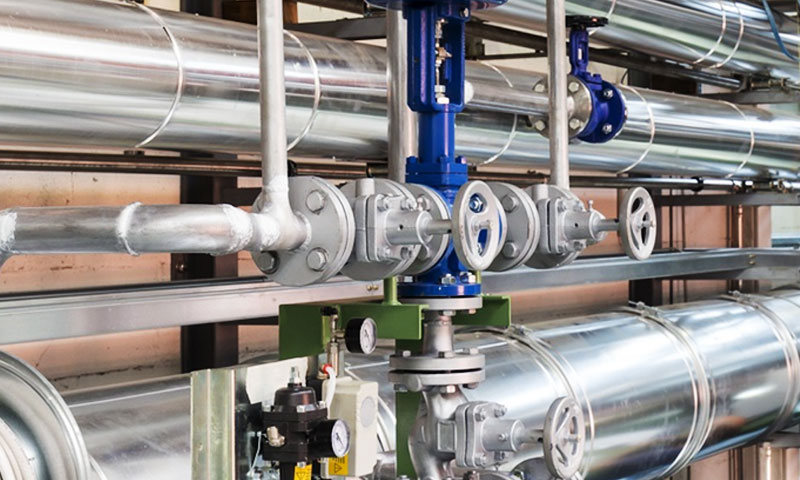
'n Stoomval is 'n outomatiese klep wat in stoomstelsels gebruik word om kondensaat afvoer, lug, en nie-kondenseerbare gasse without allowing the loss of live steam.
Acting as critical components in both industrial and commercial steam systems, they ensure thermal efficiency, system reliability, en operasionele veiligheid.
Histories, steam traps were rudimentary mechanical devices, but with advancements in materiaal wetenskap, control technologies, en energy monitoring,
Modern traps now integrate digital diagnostics and predictive maintenance tools, making them more essential than ever in energy-conscious industrial operations.
2. How Steam Traps Work?
Steam traps are automatic kleedke that serve a critical role in steam systems: hulle continuously differentiate and expel condensate, lug, and non-condensable gases (NCGs) wyle retaining valuable live steam.
This selective removal is essential for preserving thermal efficiency, toerusting lang lewe, en system reliability.
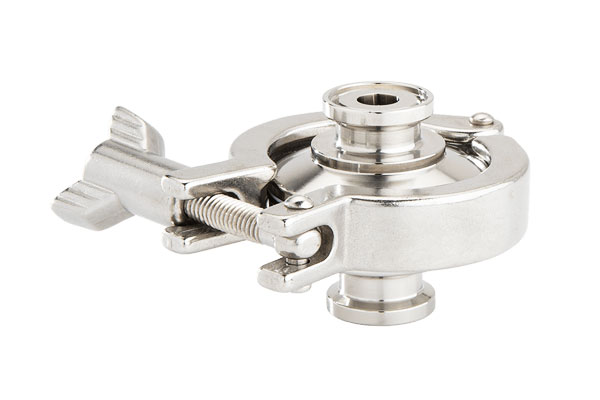
The operation of a steam trap is governed by three fundamental physical property differences between steam, kondensaat, en gasse:
- Density difference
- Temperature difference
- Pressure/velocity difference
These physical distinctions form the basis for the trap’s actuation mechanism—whether mechanical, thermostatic, or thermodynamic.
Core Thermodynamics: Steam vs. Condensate Behavior
Understanding the differences between steam, kondensaat, and non-condensable gases (NCGs) is essential to comprehending how steam traps function.
Stoom
Stoom is a high-energy vapor with low density—ranging from approximately 0.5 na 6 kg/m³ at operating pressures between 1 na 100 verbod.
Its temperature corresponds to the saturation temperature at a given pressure (Bv., 100°C at 1 verbod, 184°C at 10 verbod).
Steam carries a large amount of latent heat, which makes it highly efficient for thermal processes.
Kondensaat
Kondensaat forms when steam releases this latent heat during heat exchange.
It is a dense liquid—typically 900–950 kg/m³—and often cooler than the saturation temperature, bekend as subcooled condensate.
Onder sekere voorwaardes, particularly when pressure drops rapidly, condensate can flash into secondary steam, presenting challenges for effective drainage.
Non-condensable gases (NCGs)
Air and non-condensable gases (NCGs), such as oxygen and carbon dioxide, enter the system during startup or form due to corrosion.
These gases are denser than steam but lighter than condensate, and they act as thermal insulators.
If not properly vented, hulle kan reduce heat transfer efficiency by up to 50%, especially in heat exchangers and process vessels.
Essential Functions of a Steam Trap
To maintain steam system performance, a steam trap must reliably perform three key functions:
Efficient Condensate Removal
Accumulated condensate reduces heat transfer surface area and impairs thermal performance.
Byvoorbeeld, 25% waterlogging in a heat exchanger can cause up to a 30% drop in thermal efficiency.
Steam traps must discharge condensate immediately upon formation to avoid such losses.
Ventilation of Air and Non-Condensable Gases
During startup, steam systems are filled with air. If not vented, this air causes air locks, blocking steam flow and slowing heat-up.
Because air has very low thermal conductivity (0.026 W/m·K compared to 0.6 W/m·K for steam), it severely impacts efficiency.
An effective steam trap should vent NCGs rapidly—ideally within 10 minutes of startup.
Retention of Live Steam
Live steam contains valuable latent heat (~2,200 kJ/kg at 10 verbod). Any steam loss directly translates to wasted energy.
Selfs a 1% steam leak in a high-pressure system can waste over 1,000 kWh/day.
Dus, a high-quality steam trap must seal tightly in the presence of steam, allowing only condensate and gases to exit.
3. Major Types of Steam Trap
Steam traps are categorized primarily based on their operating principles—how they detect and differentiate between live steam, kondensaat, and non-condensable gases.
The three main categories are:
- Mechanical traps — operate on density differences
- Thermodynamic traps — rely on pressure and velocity effects
- Thermostatic traps — respond to temperature changes
Mechanical Traps
Mechanical traps use the significant density difference between steam and condensate to actuate valve mechanisms.
They generally contain a float or inverted bucket that moves in response to condensate level changes.
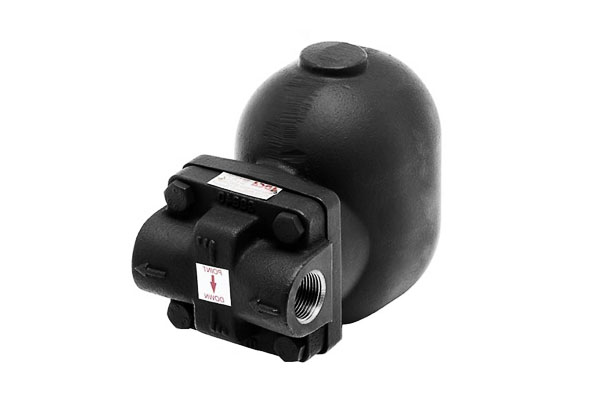
Float & Thermostatic (F&T) Traps
- Werkbeginsel:
The core of an F&T trap is a float mechanism inside a chamber. As condensate enters, it fills the trap body, causing the float to rise.
This upward movement is mechanically linked to a valve that opens to discharge the condensate.
When the condensate level falls, the float drops, closing the valve tightly to prevent live steam loss.
Gelyktydig, a thermostatic air vent on the trap’s top removes air and other non-condensable gases by sensing temperature differences: cooler air causes the vent valve to open, while hot steam closes it.
Float & Thermostatic Steam Traps - Voordele van Werksbeginsel:
Die vlottermeganisme laat byna deurlopende kondensaatafvoer by stoomtemperatuur toe, bied uitstekende termiese doeltreffendheid.
Die termostatiese vent verseker vinnige lugverwydering, veral krities tydens die opstart van die stelsel. - Aansoeke:
Word wyd gebruik in hitteruilers, groot proseshouers, en ander toerusting met wisselende stoomladings wat doeltreffende lugventilasie en betroubare kondensaatdreinering vereis.
Inverted Bucket Traps
- Werkbeginsel:
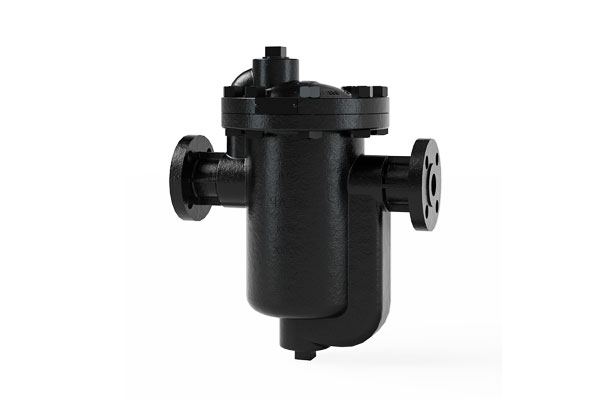
Die omgekeerde emmerval bevat 'n holte, onderstebo emmer wat binne die lokvalliggaam opgehang is.
Wanneer kondensaat die lokval vul, die emmer sink, maak die klep oop om die kondensaat af te voer.
Soos stoom inkom, dit maak die emmer vol, dryfkrag verhoog en die emmer laat styg. Hierdie opwaartse beweging maak die klep toe, verhoed dat stoom ontsnap.
The trap cycles between these two states based on the presence of steam or condensate, producing intermittent discharge.Inverted Bucket Traps - Sleutelkenmerke:
The cyclic operation effectively handles large condensate loads and provides a robust mechanism less prone to wear due to fewer moving parts.
Nietemin, the bucket must be primed with condensate during startup for proper operation. - Aansoeke:
Ideal for steam mains, drip legs, and other locations with steady steam pressure where intermittent discharge is acceptable.
Thermodynamic Traps
Thermodynamic traps operate based on the dynamics of pressure and velocity differences between steam and condensate, utilizing Bernoulli’s principle and momentum changes.
Skyf (Snap) Traps
- Werkbeginsel:
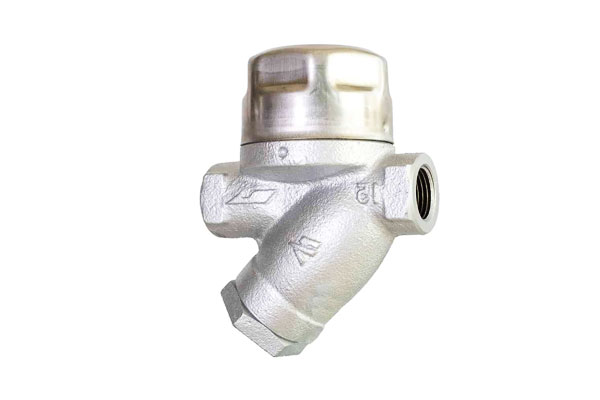
The disc trap features a flat metal disc sitting on a valve seat. When condensate enters the trap, it lifts the disc slightly, allowing discharge.
Nietemin, aangesien flitsstoom onder die skyf vorm as gevolg van drukval en hoë snelheid, dit skep 'n hoësnelheidstraal en verminderde druk onder die skyf.
Hierdie dinamiese effek dwing die skyf teen die sitplek af, maak die lokval styf toe.
Wanneer kondensaat afkoel of druktoestande verander, die skyf lig weer, herhaal die siklus vinnig. Die vinnige oop- en toemaak (snap aksie) maak die skyfval baie responsief.Skyfvalle - Voordele:
Hierdie ontwerp is kompak, robuust, en vereis minimale instandhouding. Dit kan vuilheid en skaal beter verdra as baie meganiese lokvalle en werk goed onder oorverhitte stoomtoestande. - Beperkings:
Die snap-aksie kan geraas veroorsaak (gesels), en skyfvalle kan swak presteer by baie lae vragte of druk. - Aansoeke:
Word algemeen op stoomleidings gebruik, lang stoomspoorlyne, en buite-installasies waar robuustheid en vriesweerstand belangrik is.
Thermostatic Traps
Thermostatic traps rely on the difference in temperature between live steam and condensate (of lug) to open or close the valve.
They use temperature-sensitive elements that physically deform with heat.
Bimetallic Element Traps
- Werkbeginsel:
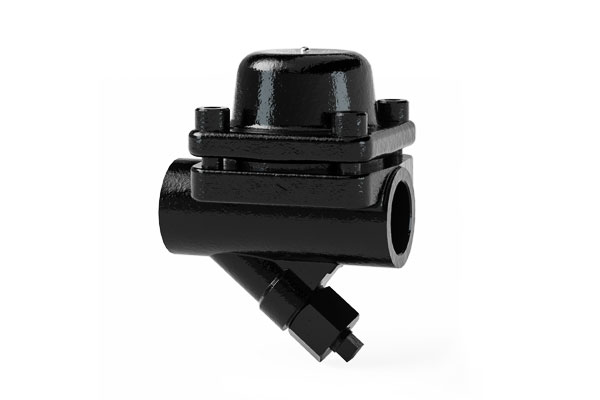
These traps incorporate a bimetallic strip made from two metals with different thermal expansion coefficients.
When cooler condensate or air contacts the bimetallic element, it contracts or bends, opening the valve to discharge fluids.
As steam at saturation temperature reaches the trap, the element heats up, causing it to expand or straighten, which closes the valve to retain live steam.
This action is gradual and temperature-dependent, allowing precise control based on thermal conditions.Bimetallic Element Steam Traps - Aansoeke:
Particularly suited for high-pressure steam systems and superheated steam where accurate temperature control is required, such as sterilizers and autoclaves. - Voordele & Beperkings:
Durable and capable of handling wide pressure ranges, but they may have slower response times compared to mechanical traps and can have difficulty with very low condensate loads.
Balanced Pressure (Expansion Element) Traps
- Werkbeginsel:
A fluid-filled capsule or bellows expands when heated by steam, closing the discharge valve.
When condensate or air cools the capsule, it contracts, opening the valve to discharge fluids.
Because the capsule is filled with an incompressible liquid, it maintains the valve closed even if system pressure fluctuates, hence the name “balanced pressure.”Balanced Pressure Traps - Aansoeke:
Used for steam tracing, sterilisasie, and smaller heat exchangers where smooth, quiet operation is desirable. - Voordele & Beperkings:
Excellent at venting air and non-condensable gases, but can be sensitive to water hammer and may require replacement of the capsule element after prolonged use.
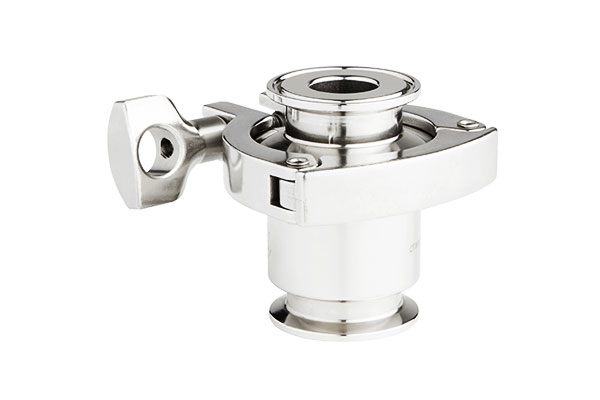
Vergelykende Oorsig
| Aspek | Meganies (F&T, Bucket) | Thermodynamic (Skyf) | Thermostatic (Bimetallic, Expansion) |
| Control Principle | Digtheid (vloeistof vlak) | Pressure/velocity (dynamic forces) | Temperatuur (termiese uitbreiding) |
| Condensate Discharge | Aanhoudend (F&T) or intermittent (bucket) | Rapid cycling intermittent | Temperature-dependent, gradual |
| Air Venting Capability | Uitmuntend (F&T with thermostatic vent) | Poor without special venting | Uitmuntend |
| Dirt and Scale Tolerance | Goed (especially bucket type) | Hoog (robust disc) | Gematig |
| Toepassingsgeskiktheid | Process equipment, hitteruilers | Steam mains, tracers, buitelug | Tracing, sterilisasie, sensitive equipment |
| Response to Load Changes | Fast and stable | Can be noisy, less stable at low load | Gematig, temperature lag may delay response |
| Freeze Resistance | Gematig | Hoog | Laag tot matig |
4. Selection Criteria of Steam Trap
Selecting the appropriate steam trap for a given application is critical to ensure optimal system performance, energiedoeltreffendheid, and equipment longevity.
The selection process must consider multiple factors that influence trap operation, duursaamheid, en onderhoud.
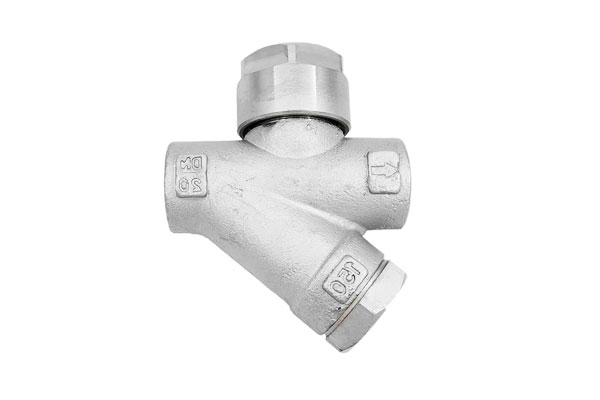
Operating Pressure and Temperature Ranges
- System Pressure:
Steam traps must be rated to handle the maximum and minimum operating pressures of the steam system.
Mechanical traps, such as float traps, perform reliably across a broad pressure range (from low to very high pressures), while thermodynamic traps are generally better suited for moderate to high pressures but may underperform at very low pressures. - Temperature Conditions:
The trap material and type must tolerate the steam saturation temperature and potential superheated steam conditions.
Thermostatic traps excel in handling superheated steam, whereas some mechanical traps may be affected by temperature extremes.
Required Condensate Capacity
- Condensate Load:
The trap must accommodate the maximum condensate flow rate, typically expressed in kg/h or lb/h.
Undersized traps risk flooding and waterlogging; oversized traps may cycle inefficiently or cause steam loss. - Load Variability:
Systems with fluctuating condensate loads benefit from traps with responsive mechanisms (Bv., float traps) to avoid continuous steam loss or condensate buildup.
Vloeistof eienskappe
- Corrosion and Contaminants:
Steam systems may contain corrosive substances or particulate matter from boiler blowdown or process fluids.
Traps constructed from corrosion-resistant materials (vlekvrye staal, brons) are preferred in such environments.
Verder, dirt-tolerant designs (Bv., thermodynamic traps) reduce failure risks. - Flashing and Subcooling:
Condensate flashing occurs when high-temperature condensate experiences a pressure drop, producing secondary steam.
Traps must handle the increased volume of flashing steam without misfiring or leaking.
Cycle Rate and Response Time
- Cycle Frequency:
High cycle rates demand traps capable of rapid opening and closing without excessive wear (disc traps are well-suited here).
Omgekeerd, deurlopende afvoerlokvalle soos vlottertipes sorg vir gladde vloei vir bestendige vragte. - Reaksie op lug en nie-kondenseerbare gasse:
Effektiewe ventilasie van lug en NCG's, veral tydens opstart, verminder energieverliese en beskerm hitte-oordragoppervlaktes.
Valle met geïntegreerde termostatiese lugopenings of gekombineerde funksies is ideaal in hierdie gevalle.
Material Compatibility and Corrosion Resistance
- Materiële seleksie:
Stoom lokvalle word tipies gemaak van koolstofstaal, vlekvrye staal, brons, of gietyster. Die keuse hang af van stoomkwaliteit, Bedryfsomstandighede, en chemiese blootstelling.
Vlekvrye staal lokvalle bied uitstekende korrosiebestandheid en langer lewensduur, maar teen 'n hoër aanvanklike koste. - Omgewingsfaktore:
Buitelug- of vriesgevoelige installasies vereis lokvalle wat ontwerp is met vriesweerstand of geskikte isolasie.
Lewensiklus koste-analise (CAPEX vs. OPEX)
- Aanvanklike belegging (KAPEX):
Sommige lokvaltipes het hoër voorafkoste (Bv., vlotvalle van vlekvrye staal) maar kan beter duursaamheid en betroubaarheid bied. - Bedryfsuitgawes (OPEX):
Energieverliese as gevolg van stoomblaas, gereelde onderhoud, or premature trap failure increase operating costs.
A high-efficiency trap with low failure rates can reduce OPEX significantly. - Maintenance and Accessibility:
Selection should factor in ease of inspection, skoonmaak, and part replacement to minimize downtime and labor costs.
5. Installation Best Practices of Steam Traps
Proper installation of steam trap is critical to achieving optimal performance, lang lewe, en energiedoeltreffendheid.
Even the best-designed steam trap can underperform or fail prematurely if installed incorrectly.
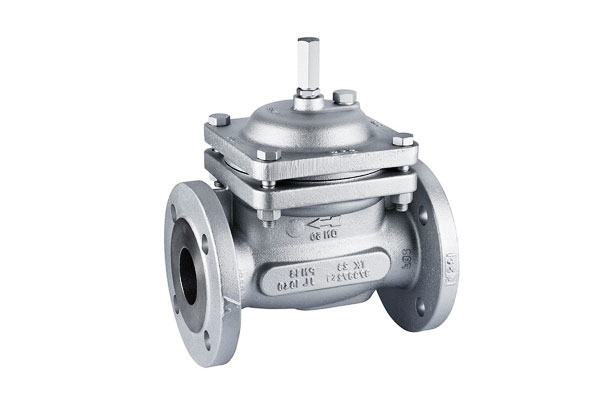
Piping Arrangements: Horisontale vs. Vertical Runs
- Orientation Matters:
Most mechanical steam traps, such as float and inverted bucket types, vereis horizontal installation to ensure correct operation of floats or buckets, which depend on gravity and liquid level changes.
Installing these traps vertically or at steep angles can cause malfunction or steam loss. - Thermodynamic and thermostatic traps are less sensitive to orientation and can often be installed vertically or horizontally, offering more flexibility in tight or complex piping layouts.
- Inlet and Outlet Piping:
The inlet pipe should be adequately sized to prevent pressure drops and ensure smooth condensate flow to the trap. Avoid undersizing, which can cause condensate backup.
The outlet piping should be sized to handle the maximum expected discharge and should maintain a downward slope to facilitate condensate drainage and avoid water hammer.
Use of Inlet and Outlet Accessories
- Strainers:
Install strainers or dirt legs upstream of the steam trap to protect the internal valve from dirt, skaal, and debris.
Clean or replace strainers regularly to prevent clogging and ensure trap longevity. - Isolation Valves:
Inkorporeer isolation valves on both the inlet and outlet sides of the trap. This allows easy removal and maintenance without shutting down the entire steam system. - Drip Legs:
Place drip legs or separators ahead of traps to collect large volumes of condensate or slugs of water, preventing trap damage from water hammer.
Proper Pitch and Positioning
- Trap Position Relative to Equipment:
Install traps as close as possible to the equipment outlet or drip point to prevent condensate accumulation, which can cause waterlogging and reduce heat transfer efficiency. - Piping Slope:
Maintain a minimum pipe pitch of 1:100 (1% slope) toward the trap to ensure condensate flows freely by gravity.
Insufficient pitch leads to condensate pooling in steam lines and may result in water hammer. - Trap Discharge Position:
The trap outlet pipe should also be sloped downward and routed to the condensate return system or drain.
Avoid long horizontal runs after the trap outlet to prevent backpressure buildup.
Ensuring Accessibility for Inspection and Maintenance
- Accessible Location:
Steam traps should be installed where they are easily accessible for inspection, toets, and maintenance without requiring extensive system shutdowns or personnel risk. - Space for Tools:
Provide sufficient clearance around the trap to allow removal, vervanging, or cleaning of components. - Labeling and Documentation:
Clearly label all steam traps with identification numbers, service dates, and trap type.
Maintain updated schematics and maintenance logs to streamline troubleshooting and record keeping.
Additional Considerations
- Termiese isolasie:
Insulate steam traps and associated piping to minimize heat loss and prevent freezing in cold environments. Use insulation materials suitable for the operating temperature and conditions. - Condensate Return System Compatibility:
Ensure the trap outlet discharges into a condensate return system or suitable drainage with adequate capacity and pressure rating. - Water Hammer Prevention:
Proper sizing, toonhoogte, and trap selection are vital to mitigate water hammer risks. Water hammer can severely damage traps and piping, causing premature failure.
6. Toets, Ingebruikneming & Onderhoud
Ensuring steam traps operate efficiently and reliably throughout their service life requires systematic testing, careful commissioning, and regular maintenance.
Proper procedures minimize steam loss, prevent equipment damage, and optimize energy consumption.
Pre-Startup Testing
- Bench Testing:
Before installation, steam traps should undergo bench testing according to manufacturer specifications.
This confirms the trap’s operational integrity, including valve seating and float or disc movement.
Banktoetse simuleer bedryfstoestande en help om vervaardigingsdefekte of skade wat tydens versending opgedoen word op te spoor. - Lek- en druktoetse:
Na installasie, presteer druktoetse om te verifieer dat daar geen lekkasies in die lokvalliggaam is nie, verbindings, of gepaardgaande pype. Om stywe seëls te verseker, voorkom stoomverlies en stelselondoeltreffendheid. - Funksionele verifikasie:
Verifieer die korrekte lokvaloriëntasie en maak seker dat inlaat-/uitlaatkleppe en siwwe behoorlik geïnstalleer en oop is.
Aanlyn diagnostiese tegnieke
- Ultrasoniese toetsing:
Ultrasoniese toestelle bespeur die hoëfrekwensie klank wat gegenereer word deur stoom of kondensaat wat deur die lokval vloei.
Deur vloeipatrone te analiseer, tegnici kan bepaal of die lokval kondensaat behoorlik afvoer of as dit stoom lek. - Termiese beelding (Infrarooi termografie):
Termiese kameras identifiseer temperatuurverskille oor die lokval.
A functioning trap typically shows a temperature gradient between the inlet (hot condensate/steam) and outlet (discharged condensate).
Abnormal thermal profiles may indicate blockages, lekkasies, or failed components. - Differential Pressure Measurement:
Measuring pressure drop across the trap helps assess flow characteristics and trap condition. Excessive pressure drops may signal clogging or valve damage.
Algemene instandhoudingstake
- Cleaning Strainers and Dirt Legs:
Regularly inspect and clean strainers to remove debris that can block the trap or cause wear. Neglecting strainers is a leading cause of trap failure. - Seat and Valve Inspection/Replacement:
Trap seats and valves wear over time due to thermal cycling and mechanical stress.
Scheduled inspections and timely replacement maintain tight sealing and prevent steam blow-through. - Siklustoetsing:
For mechanical traps, monitor the opening and closing cycles to detect issues like chattering or delayed response. Adjust or replace traps that do not cycle properly.
Voorspellende instandhouding en toestandmonitering
- Automated Monitoring Systems:
Advanced steam systems incorporate sensors and smart monitoring devices to provide real-time data on trap performance.
These systems alert operators to anomalies such as continuous steam loss or blockage, enabling timely intervention. - Trend Analysis:
Recording trap performance over time helps predict failures before catastrophic breakdowns. Data-driven maintenance reduces unplanned downtime and optimizes resource allocation.
Beste praktyke vir ingebruikneming
- System Warm-Up:
During initial startup, ensure traps vent air and non-condensable gases effectively to prevent air binding and achieve design operating temperatures quickly. - Leak Checks Post-Commissioning:
After warm-up, re-inspect traps for steam leaks or condensate backup. Fine-tune trap operation settings as necessary. - Dokumentasie:
Maintain detailed records of commissioning tests, trap types, locations, and maintenance schedules. This supports systematic troubleshooting and lifecycle management.
7. Algemene stoomval-mislukkingsmodusse en probleemoplossing
| Mislukkingsmodus | Primary Causes | Gevolge | Probleemoplossing / Middels |
| Waterlogging / Flooding | – Blockage (skaal, puin)- Undersized trap- Mechanical failure (stuck float/bucket) | – Reduced heat transfer efficiency- Risk of water hammer- Increased energy consumption | – Clean strainers- Check sizing- Repair/replace failed components |
| Continuous Blow-Through (Steam Loss) | – Worn valve seat- Dirt on valve- Oversized trap | – High energy loss- Pressure drop- Increased utility costs | – Use ultrasonic or IR diagnostics- Replace seat/valve- Use properly sized trap |
| Blockage from Debris | – Poor water treatment- No or clogged strainer- Particulate-laden condensate | – Trap failure- Equipment flooding- Frequent shutdowns | – Improve water treatment- Clean or install strainers- Gebruik korrosiebestande materiale |
| Geselsend / Cycling Instability | – High ΔP (druk differensiaal)- Improper sizing- Mechanical wear | – Accelerated wear- Noise- Steam/condensate imbalance | – Resize or change trap type- Add pressure regulation- Inspect for mechanical defects |
| Air Binding / Startup Delay | – Trap not venting air/NCGs- Lack of thermostatic element | – Slow warm-up- Cold spots in process- System inefficiency | – Use air-venting trap types (Bv., F&T)- Check and test startup venting |
8. Toepassings van Steam Trap
Steam traps play a crucial role in a wide range of industries where steam is used for heating, verwerking, kragopwekking, or sterilization.
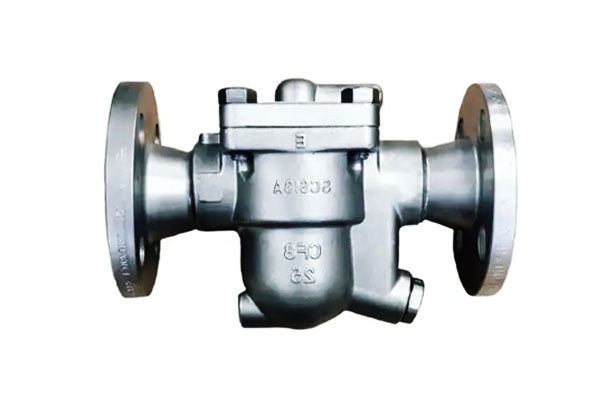
Algemene Prosesbedryf
- Hitteruilers
- Steam jackets and reactors
- Process vessels
Voedsel & Drankbedryf
- Sterilizers, cookers, autoclaves
- CIP (Skoon-in-Plek) sis sismer
- Steam tracing of product pipelines
Farmaseutiese & Biotegnologie
- Pure steam sterilization systems
- Clean steam distribution
- Bioreactor heating
Olie & Gas / Petrochemies
- Reboilers
- Condensate recovery systems
- Line tracing in hazardous zones
Kragopwekking (Termies & Kern)
- Turbine drain systems
- Feedwater heaters
- Deaerators
Tekstiel & Papierbedryf
- Dryers and calenders
- Steam cylinders and pressing machines
- Steam-heated rolls
HVAC en geboudienste
- Radiators and convectors
- Humidifiers
- Air handling units
9. Voordele en nadele van Steam Trap
Voordele
Energiedoeltreffendheid
By discharging only condensate and retaining live steam, steam traps minimize energy waste, reduce fuel consumption, and improve thermal efficiency in heating processes.
Prosesstabiliteit
Steam traps maintain optimal heat transfer by preventing condensate accumulation, ensuring consistent temperatures in heat exchangers, reaktore, and other steam-driven equipment.
Stelselbeskerming
Effective condensate removal reduces the risk of water hammer, korrosie, en termiese spanning, extending the life of piping, kleedke, and process equipment.
Outomatiese werking
Steam trap respond passively to temperature, druk, of digtheidsveranderinge—wat geen eksterne krag of handmatige ingryping vereis nie—wat ten volle outomatiese kondensaatbeheer moontlik maak.
Verbeterde aanvangsdoeltreffendheid
Lokvalle met luguitlaatvermoë versnel stelselopwarming deur lug en nie-kondenseerbare gasse te verwyder wat stoomvloei belemmer en temperatuurstyging vertraag.
Veelsydigheid oor toepassings
Beskikbaar in meganies, termodinamiese, en termostatiese tipes, stoom lokvalle is geskik vir 'n wye verskeidenheid van druk (vakuum aan 600+ verbod), vragte, en stelseluitlegte.
Fasiliteer kondensaatherwinning
Deur skoon kondensaat van stoom te skei, lokvalle maak herwinning deur kondensaatherwinningstelsels moontlik, water te bespaar, chemikalieë, en behandelingsenergie.
Nadele
Gevoeligheid vir mislukking
Stoomval kan nie oopmaak nie (lewendige stoomverlies veroorsaak) of misluk gesluit (lei tot oorstromings) weens erosie, skaal, korrosie, of meganiese moegheid oor tyd.
Onderhoudsvereistes
Roetine inspeksie, toets, en skoonmaak is nodig om prestasie te verseker. Verwaarloosde lokvalle kan ongemerk lek, energiedoeltreffendheid en veiligheid te verminder.
Toepassing sensitiwiteit
Improper sizing or incorrect trap selection can cause operational issues, such as underdrainage, steam locking, or excessive cycling under variable loads.
Installasie kompleksiteit
Steam traps require specific piping configurations (Bv., correct pitch, elevation, dirt legs, isolation valves) to function reliably and minimize wear.
Beperkte kruisversoenbaarheid
Not all trap types are suitable for all applications. Byvoorbeeld, disc traps may chatter at low pressure, while float traps may struggle in vertical installations.
Lugventilasiebeperkings (Sekere tipes)
Sommige tipes (Bv., inverted bucket, skyf) are less effective at venting air and non-condensable gases, leading to longer startup times or heat transfer inefficiency.
10. Vergelyking met ander kleppe
Steam trap is often misunderstood or miscompared with conventional valves.
While all control fluid flow, steam traps are unique in funksie, aandryf, and response behavior, tailored specifically for steam-condensate separation and energy conservation.
Funksionele Vergelyking Tabel
| Kenmerk / Werkverrigting | Steam Trap | Globe klep | Kontroleer klep | Drukverminderingsklep (PRV) |
| Primêre doel | Automatically discharge condensate without losing steam | Manually or automatically throttle flow | Voorkom terugvloei | Maintain constant downstream pressure |
| Media Separation | Ja (differentiates steam, kondensaat, air/NCGs) | Nee | Nee | Nee |
| Tipe operasie | Outomatiese, self-actuating based on temperature/pressure | Manual or actuator-based | Passief (flow-actuated) | Outomatiese (pilot or spring-controlled) |
| Condensate Discharge | Continuous or intermittent based on type | Nie van toepassing nie | Nie van toepassing nie | Nie van toepassing nie |
| Steam Retention | Yes – key function | Nee | Nee | Nee |
| Air Venting Capability | Ja (in thermostatic/mechanical types) | Nee | Nee | Nee |
| Failure Impact | May cause energy loss or flooding | May cause throttling issues | Allows reverse flow | Pressure instability |
| Onderhoudsbehoeftes | Periodic testing, inspeksie, strainer cleaning | Sitplekslytasie, actuator service | Occasional cleaning | Spring/diaphragm replacement |
| Sleuteltoepassings | Stoomstelsels, hitteruilers, tracing, drip legs | Isolation and throttling | Flow protection in pipelines | Prosesbeheer, stoom verspreiding |
11. Konklusie
N Steam trap is indispensable in any steam-based thermal system. Proper selection, installasie, and maintenance dramatically enhance doeltreffendheid, veiligheid, en return on investment.
With modern traps offering digital diagnostics en remote monitoring, they have evolved from passive mechanical devices to strategic energy assets.
Hierdie: Hoë-presisie-klepgietoplossings vir veeleisende toepassings
Hierdie is 'n gespesialiseerde verskaffer van presisie -klepgietdienste, Die lewering van hoëprestasie-komponente vir nywerhede wat betroubaarheid verg, Drukintegriteit, en dimensionele akkuraatheid.
Van rou gietstukke tot volledig gemasjineerde klepliggame en samestellings, Hierdie Bied eind-tot-einde-oplossings wat ontwerp is om aan streng globale standaarde te voldoen.
Ons kundigheid in die giet van die klep sluit in:
Beleggingsgooi vir klepliggame & Afwerking
Gebruik verlore wasgiet-tegnologie om komplekse interne meetkunde en klepkomponente met 'n stywerheid te produseer met uitsonderlike oppervlakafwerkings.
Sand gietstuk & Shell Mold Casting
Ideaal vir medium tot groot klepliggame, flense, en enjinkap-wat 'n koste-effektiewe oplossing vir robuuste industriële toepassings bied, insluitend olie & gas- en kragopwekking.
Presisiebewerking vir kleppassing & Seëlintegriteit
CNC -bewerking van sitplekke, drade, en verseëling gesigte verseker dat elke rolverdeling aan dimensionele en verseëling vereistes voldoen.
Materiële reeks vir kritieke toepassings
Van vlekvrye staal (CF8/CF8M/CF3/CF3M), brons, smeebare yster, aan dupleks en hoë legeringsmateriaal, Hierdie voorrade klepgietstukke wat gebou is om in korrosief te presteer, hoë druk, of hoë temperatuuromgewings.
Of jy pasgemaakte stoomlokvalle benodig, Plugkleppe, Globe kleppe, hekkleppe, of hoë volume produksie van industriële klepgietstukke, Hierdie is jou vertroude vennoot vir akkuraatheid, duursaamheid, en kwaliteitsversekering.
Vrae
Wat is die verskil tussen 'n vlotterval en 'n termostatiese lokval?
Float traps (meganies) use buoyancy to drain condensate and work best for high loads.
Thermostatic traps use temperature sensitivity to vent air and condensate, ideal for low-pressure or temperature-critical systems.
Hoe gereeld moet stoomlokvalle nagegaan word?
Monthly visual checks, quarterly ultrasonic/thermal testing, and annual disassembly. High-criticality systems (Bv., voedselverwerking) should be inspect monthly.
Kan stoomlokvalle flitsstoom hanteer?
Ja, termodinamiese (skyf) traps are designed for flash steam, using its velocity to actuate valves. Mechanical traps also handle it but may require larger sizing.
Wat is die tipiese lewensduur van 'n stoomval?
5–10 years for mechanical traps (F&T, inverted bucket); 3–7 years for thermostatic/disc traps. Behoorlike instandhouding verleng lewensduur met 30–50%.
Hoe kan ek 'n stoomval vir my stelsel bepaal?
Calculate condensate load (kg/h) using heat transfer equations (Bv., 1 kg steam = 2,200 kJ heat; n 100 kW heater produces ~160 kg/h condensate).
Select a trap with 1.5× this capacity to account for surges.
Wat is 'n stoomval?
A steam trap is a specialized automatic valve used in steam systems to efficiently remove condensate (water formed when steam cools) and non-condensable gases like air, while preventing the loss of valuable live steam.
By distinguishing between steam and condensate based on differences in temperature, digtheid, or velocity, steam traps ensure optimal heat transfer, improve energy efficiency, and protect equipment from water damage and corrosion.