
Bekendstelling
Hoëtemperatuurbestande vlekvrye staal ketelonderdele sit in een van die mees veeleisende sones van industriële termiese ingenieurswese.
Ketelhardeware word aan volgehoue hoë temperatuur blootgestel, sikliese termiese laai, verbranding neweprodukte, oksidasie, en in sommige gevalle kruipgedrewe vervorming.
Hoë-temperatuur vlekvrye staal is uitdruklik ontwerp vir diens bo ongeveer 550° C / 1020° F, wat die regime is waar kruipsterkte 'n belangrike ontwerpfaktor word en hoëtemperatuurkorrosie materiaalkeuse begin oorheers.
Silika sol belegging giet is veral hier relevant omdat ketelonderdele dikwels komplekse meetkunde kombineer, streng dimensionele vereistes, en die behoefte aan gladde, defekbeheerde oppervlaktes.
Lost-wax beleggingsgietwerk word wyd erken vir uitstekende dimensionele akkuraatheid, Gladde oppervlaktes, en die vermoë om ingewikkelde vorms te reproduseer, terwyl silika-gel-gebaseerde dopstelsels gewoonlik fyn sirkoon- en korrelvormige mullietlae gebruik om 'n presisie keramiekvorm te bou.
1. Wat is hoë-temperatuurbestande vlekvrye staal ketelonderdele
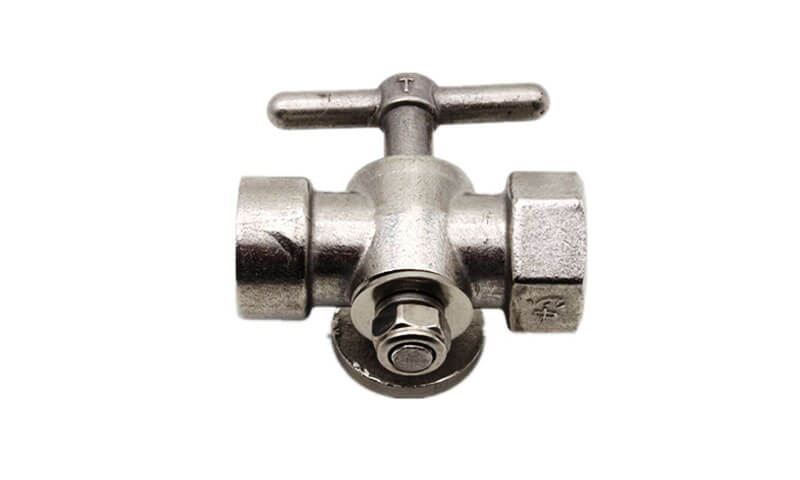
Hoëtemperatuurbestande vlekvrye staal ketelonderdele is strukturele en funksionele metaalkomponente wat ontwerp is om binne die termiese kern van ketelstelsels te werk,
waar hulle volgehoue hitteblootstelling moet weerstaan, termiese fietsry, oksiderende rookgas, korrosiewe as spesies, en meganiese laai terselfdertyd.
Dit is nie gewone vlekvrye onderdele wat in kamertemperatuurtoerusting gebruik word nie; hulle is ontwerp vir diens in 'n sone waar materiaal mislukking gedryf word kruip, oksidasie, termiese moegheid, en korrosie-sinergie.
Tipiese komponentkategorieë
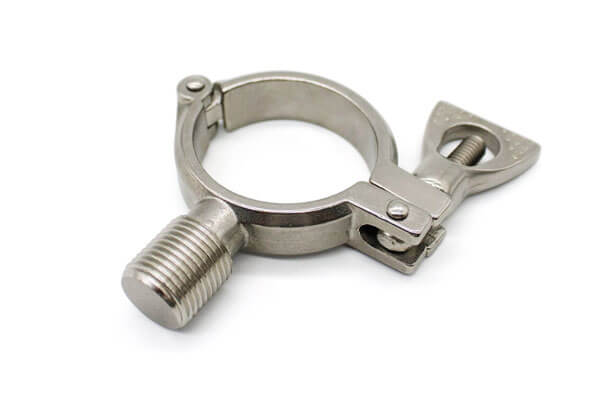
In ketelstelsels, hierdie dele val gewoonlik in drie breë groepe:
Kern draende dele
Dit sluit in superheater ondersteun, buishangers, oond rame, hakies, en vering hardeware.
Hul hoofrol is meganies: hulle moet statiese las oor lang tydperke dra terwyl hulle dimensionele stabiliteit onder hoë temperatuur behou.
In hierdie posisies, die deel kan aan voortdurende termiese spanning en stadige vervormingskragte blootgestel word.
Vloeistof- en dele wat aan verbranding blootgestel is
Dit sluit in brander spuitpunte, lugkappe, rooster tralies, vlamgeleidende dele, en hitte-blootgestelde toebehore.
Hul werksomgewing is gewoonlik erger omdat die komponente direk daaraan onderwerp word hoë temperatuur vlam, vinnig bewegende rookgas, erosiewe deeltjies, en korrosiewe verbranding neweprodukte.
Rookgas-wegdele
Dit sluit in rookafleiers, Hoëtemperatuurbestande voerings, verstommendes, en kanaalgeleidende elemente.
Hul grootste uitdaging is nie net hitte nie, maar ook herhaalde temperatuurskommelings, kondensasierisiko in koeler sones, en langtermyn blootstelling aan korrosiewe gasse en asneerslae.
Ketelomgewings is nie eenvormig nie
Ketelonderdele moet gekies word volgens die tipe ketel en die sone binne die ketel:
- Steenkool-aangedrewe ketels gesigsulfiedkorrosie, as erosie, en partikel skuur.
- Gas-aangedrewe ketels word oorheers deur hoë-temperatuur oksidasie en termiese siklusse.
- Biomassa- en afvalverbrandingsketels is dikwels baie harder as gevolg van alkalimetaal- en chloriedaanval.
- Afval-hitte ketels kan herhaalde termiese skokke en wisselende gassamestelling behels.
Dit is hoekom 'n ketelonderdeel nie bloot "hoëtemperatuur-vlekvrye staal" is nie.
Dit is 'n plek-spesifieke hoë-temperatuur komponent met 'n materiaalkeuse gedryf deur die presiese chemiese en termiese profiel van die dienssone.
2. Waarom hoë-temperatuurbestande vlekvrye staal in keteldiens gebruik word
Hoëtemperatuurbestande vlekvrye staal word in keteldiens gebruik omdat dit oksidasieweerstand kombineer, korrosieweerstand, kruip weerstand, termiese moegheid toleransie, en sweisbaarheid in een legeringstelsel.
Gewone struktuurstaal kan las by kamertemperatuur dra, maar hulle kan gewoonlik nie dieselfde stabiliteit handhaaf wanneer hulle aan langdurige hoëtemperatuur-ketelwerking blootgestel word nie.

Hoë temperatuur oksidasie weerstand
By verhoogde temperatuur, baie staal vorm vinnig skaal en verloor snitdikte.
Hoë-temperatuur vlekvrye staale weerstaan dit deur 'n digte en stabiele chroomryke oksiedfilm wat oksidasie vertraag en die matriks daaronder beskerm.
Dit is veral belangrik in ketel sones waar:
- die oppervlak word voortdurend verhit,
- gassnelheid is hoog,
- en oksiedverlies kan progressief eerder as oppervlakkig word.
In die praktyk, oksidasieweerstand is die eerste hekwagter-eienskap vir ketelhardeware.
As 'n onderdeel nie sy oppervlak-integriteit kan bewaar nie, dit kan nie sy meganiese integriteit vir lank bewaar nie.
Korrosiebestandheid oor verskeie ketelchemieë
Ketelomgewings verskil chemies na gelang van brandstoftipe.
- In steenkool-aangedrewe stelsels, swaeldraende spesies en as-erosie is groot bedreigings.
- In gasaangedrewe stelsels, oksidasie is meer dominant.
- In biomassa en afvalverbrandingstelsels, alkalimetale en chloriede kan uiters aggressief wees.
Hoëtemperatuurbestande vlekvrye staalsoorte word gebruik omdat dit beter by hierdie verskillende korrosiemeganismes as koolstofstaal aangepas kan word.
Die materiaalfamilie is nie immuun teen korrosie nie, maar dit bied 'n baie sterker weerstandsomhulsel vir hoëtemperatuur-keteltoestande.
Kruipweerstand onder langtermynlading
Baie ketelonderdele misluk nie deur skielike breuk nie. Hulle misluk deur kruip, wat beteken stadige vervorming onder volgehoue las by hoë temperatuur.
Dit is veral relevant vir ondersteunings, hangers, en strukturele rame wat beide hul eie massa en dienslas oor lang tydperke moet dra.
Hoëtemperatuurbestande vlekvrye staal word gebruik omdat dit vorm en dravermoë baie langer behou as gewone staal in dieselfde temperatuurreeks.
Dit is 'n kernvereiste vir ketelhardeware, nie 'n opsionele voordeel nie.
Weerstand teen termiese moegheid
Ketels werk deur herhaalde verhitting en verkoeling siklusse.
Hierdie termiese siklusse genereer uitbreiding, sametrekking, en interne stres. As die materiaal daardie herhaalde beweging nie kan verdra nie, krake vorm mettertyd.
Hoë-temperatuur vlekvrye staal word gekies omdat hulle beter weerstand bied teen:
- termiese skok,
- sikliese spanning akkumulasie,
- kraakvoortplanting,
- en langtermyn vervorming.
Dit is hoekom die materiaal gereeld gekies word vir komponente wat gereeld begin-stop-werking of onreëlmatige vragfietsry ondergaan.
Dimensionele stabiliteit in diens
Vir 'n ketel deel, dimensionele stabiliteit is nie net 'n vervaardigingskwessie nie. Dit is 'n diensvereiste.
As die deel kromtrek, draaie, of dryf uit posisie onder termiese fietsry, samestelling akkuraatheid en operasionele betroubaarheid word verminder.
Hoë-temperatuurbestande vlekvrye staal help om die geometrie te handhaaf wat benodig word vir:
- seëls,
- ondersteun,
- oppas,
- en gasvloei leiding.
Digte struktuur en diensduursaamheid
'N Kompakte interne struktuur en 'n gladde, stabiele oppervlak is hoogs waardevol in keteldiens omdat hulle verminder:
- gebrek aan groei,
- as ophoping,
- verlies aan erosie,
- en plaaslike warmkol vorming.
Daarom word hoë-temperatuur vlekvrye staal dikwels gekies, nie net vir sy chemie nie, maar ook vir die tipe gietkwaliteit en naverwerking wat dit kan ondersteun.
3. Verteenwoordigende grade en tipiese ketel-deel rolle
| Gelykmaak | Mikrostrukturele familie | Hoë temperatuur posisionering | Tipiese ketel-onderdeel rolle |
| 304H | Austenities | Hoër koolstof weergawe van 304; aanbeveel vir drukvatdiens hierbo ongeveer 525° C, en geskik waar verhoogde temperatuur sterkte nodig is. | Drukhoudende ketelgedeeltes, warm stoompype, ketel-hardeware in vaartuigstyl, verhoogde temperatuur flense en toebehore. |
| 321H | Titaan-gestabiliseerde austenitiese | Graad 321/321H word gebruik in die hoë-temperatuur reeks tot ongeveer 900° C; 321H het hoër warmsterkte en is bedoel vir hoë-temperatuur strukturele toepassings. | Superheater ondersteun, gelaste warmsone-hakies, stoom-kant strukturele dele, flense, en hoë-temperatuur aanhegsels. |
| 347H | Niobium-gestabiliseerde austenitiese | 'n Hoë temperatuur graad met uitstekende weerstand teen sensitisering en sterk verhoogde temperatuur vermoë; algemeen gebruik in warmdienstoerusting en drukkomponente. | Stralende superverhitters, ketel buise, hoëdruk stoompyp, oorverhitters kopstukke, oond dele, stoompype, en verwante warmketelsamestellings. |
309S / 309H |
Austenities | 309S/309H is ontwerp vir diens hierbo 550° C en word gebruik waar hoë-temperatuur korrosie en kruip groot bekommernisse is. | Oond toerusting, keerborde, sout potte, kleedke, flense, en warm hardeware aan die ketel. |
| 310S | Austenities | Baie goeie oksidasie weerstand, goeie prestasie in ligte sikliese toestande, en die beste aangewend tot ongeveer 1050° C. | Stoomketels, termoputte, kleedke, flense, oond hardeware, en ander hoë-hitte ketel-sone dele. |
253MA |
Mikro-gelegeerde austenitiese | Uitstekende oksidasie- en kruipweerstand in sikliese toestande, die beste aangewend tot ongeveer 1150° C. | Stralende buise, buisskerms, kleedke, flense, uitbreiding-balg sones, en ander ernstige warmsone-ketel- of oondkomponente. |
| Therma 4724 / verwante ferritiese hoë-temperatuur grade | Ferrities | Ferritiese hoë-temperatuur staal word hoofsaaklik gebruik in swaelbevattende warm gasse en laer trekbelasting diens. | Termiese ketel komponente, brander spuitpunte, termoputte, roosters, en oond-aangrensende hardeware in swawelagtige atmosfeer. |
4. Silika sol -beleggingskas: Fundamentele meganisme en volle proses gespesialiseerde beheer
Silikasol is 'n water-gebaseerde bindmiddel wat bestaan uit nanoskaal silikondioksied kolloïdale deeltjies.
Anders as waterglas- en etielsilikaatbinders, dit genees natuurlik by kamertemperatuur sonder om skadelike chemiese onsuiwerhede in te voer.
Na hoë-temperatuur rooster, die keramiekdop handhaaf uitstekende brandweerstand, weerstand teen termiese skok en chemiese traagheid,
wat perfek pas by die hoë giettemperatuur en streng suiwerheidsvereistes van hoëtemperatuurbestande vlekvrye staal.
Die hele produksieproses word in sewe kernprosedures verdeel, met doelgerigte beheer vir ketelkomponenteienskappe.
4.1 Waspatroonvervaardiging en modulêre samestelling
Medium-temperatuur was word gekies vir waspatrone as gevolg van sy uitstekende dimensionele stabiliteit.
Met inagneming van die groot lineêre krimping van hoë-temperatuurbestande vlekvrye staal, geteikende krimptoelaag word in vormontwerp gereserveer.
Vir komplekse strukture soos meergat-lugkappe en vaartbelynde spuitpunte, geïntegreerde waspatrone word aangeneem om samestellinggapings uit te skakel.
Alle waspatrone ondergaan volledige inspeksie om interne borrels te verwyder, wat die eerste linie van verdediging teen gietporositeit is.
Na waspatroongroepering, die hekstelsel is professioneel ontwerp:
Gegewe die swak vloeibaarheid van gesmelte hoë-temperatuurbestande vlekvrye staal, onderste giet en getrapte lopers word aangeneem, gepas met geïsoleerde stygers en slakvalle om opeenvolgende stolling te realiseer, verseker gladde vormvulsel, en slak en gas effektief te skei.
Hierdie ontwerp vermy krimpholtes, poreusheid en slakinsluitings wat dodelik is vir ketelveiligheidsonderdele.
4.2 Keramiek dop maak (Kernproses)
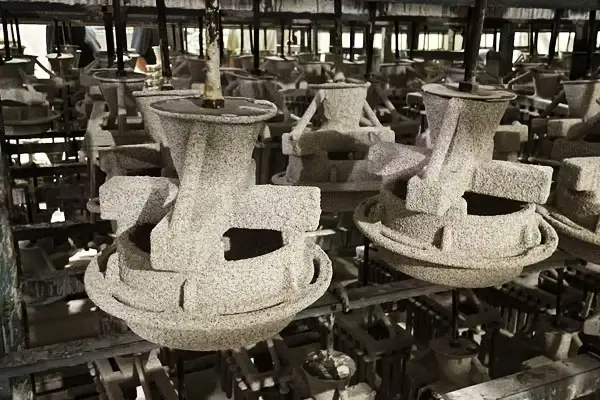
Dop maak is die sleutel tot die bepaling van gietoppervlak kwaliteit en dimensionele akkuraatheid. Die dop is gebou in gelaagde struktuur met gedifferensieerde vuurvaste materiale:
- Gesigjas: Hoë-suiwer sirkoon poeier + silika sol suspensie, gepaard met 80–100 maas sirkoonsand.
Sirkoonmateriaal met ultrahoë vuurvastheid voorkom dat metaalpenetrasie en oppervlaksand vassit tydens hoë-temperatuur giet. - Oorgangslaag: Verhoog bindingssterkte tussen lae om dopdelaminering te vermy.
- Rugsteunlaag: Gebruik laekoste kwartssand om algehele materiaalkoste te verminder terwyl strukturele sterkte verseker word.
Die totale aantal doplae is 8–12; groot dikwandige ketelkomponente vereis meer as 12 lae.
Die droogomgewing word streng beheer by 18–25 °C met relatiewe humiditeit van 40%–60%.
Eenvormige stadige droging voorkom interne streskonsentrasie, dop krake en bult defekte.
Die hele proses maak staat op natuurlike lugdroging van silikasol, sonder oorblywende alkaliese stowwe, om nie intergranulêre korrosie van hoë-temperatuurbestande vlekvrye staal by hoë temperatuur te veroorsaak nie.
4.3 Ontwater, Skulpbraai en Voorverhitting
- Ontwater: Hoëdruk stoom ontwaking (150–170 °C stoomketel) word aangeneem, en oopvlam ontwaking is streng verbode.
Oorblywende was sal koolstofoptel op die gietoppervlak veroorsaak, wat die hoë-temperatuur-taaiheid en korrosiebestandheid van hoë-temperatuurbestande staal skerp verminder.
Na ontwatering, oorblywende was binne-in die dop word deeglik skoongemaak. - Hoë temperatuur rooster: Die dop word vir 'n lang tyd by 850–950 °C gerooster om organiese materiaal en vog heeltemal te verwyder, sinter die keramiekstruktuur, en verbeter dop lug deurlaatbaarheid en hoë-temperatuur sterkte.
- Voorverhit voor gooi: Die dop word voorverhit tot 300–600 °C om die temperatuurverskil tussen gesmelte staal en die dop te verminder.
Hierdie maatreël voorkom koue sluiting en wanloop van dunwandige dele, en verminder termiese skok om dopbreuk te voorkom.
4.4 Smelt en Giet
Gesmelte staal word deur 'n mediumfrekwensie-induksie-oond gesmelt.
Saamgestelde deoksidasie- en ontgassingsprosesse word geïmplementeer om waterstofinhoud hieronder te beheer 2 dpm, uitskakeling van waterstof-geïnduseerde porositeit.
Die giettemperatuur van austenitiese hoë-temperatuurbestande vlekvrye staal word beheer teen 1580–1640 °C, baie hoër as dié van gewone vlekvrye staal.
Swaartekrag giet is die hoofstroom metode; ultra-dunwandige komplekse dele neem vakuumgiet aan om gasvasvanging verder te verminder.
Die gietspoed word stabiel gehou om rollende slak en lug meevoer te vermy.
4.5 Verkoeling, Skulpverwydering en naverwerking
Gietstukke word natuurlik teen 'n stadige tempo afgekoel; vinnige afkoeling is verbode, aangesien dit groot oorblywende spanning sal genereer en termiese krake sal veroorsaak.
Na afkoeling tot kamertemperatuur, meganiese dopverwydering en sandskoonmaak word uitgevoer.
Opvolgprosedures sluit in die sny van 'n riser, oppervlak slyp, integrale hittebehandeling, nie -vernietigende toetsing, presisie bewerking van bypassende oppervlaktes, skietskietwerk en chemiese passivering.
Onder hulle, hittebehandeling is die beslissende proses om die finale hoë-temperatuur prestasie van gietstukke te optimaliseer.
5. Waarom Silica Sol Investment Casting pas by ketelhardeware
Silika sol Beleggingsgooi is 'n sterk pasmaat vir ketelhardeware omdat dit kan produseer kompleks, hoë akkuraatheid, gladde oppervlak dele wat goed geskik is vir hoë-temperatuur vlekvrye staal.
Ketelkomponente het dikwels geometriese kenmerke wat moeilik is om doeltreffend te maak deur konvensionele bewerking, en die silika-sol-roete help om daardie probleem op te los.

Byna-net-vorm presisie vir komplekse ketel meetkunde
Silika-sol-beleggingsgietwerk is veral waardevol wanneer die onderdeel komplekse geometrie het, Dun mure, ribbes, flense, ondersteuningsones, of koppelvlakkenmerke wat duur sou wees om uit vaste voorraad te masjien.
Die proses kan gedetailleerde vorm direk weergee, wat bewerkingsvoorraad verminder, materiaal afval, en die aantal sekondêre bewerkings.
Beter oppervlakafwerking vir hoë-temperatuur diens
Ketelonderdele baat by 'n gladder oppervlak omdat ruheid asretensie kan versnel, erosiewe slytasie, en streskonsentrasie.
Die silika-sol-roete bied 'n fyner beginoppervlak as growwer vormprosesse, wat die gietstuk 'n meer duursame diensbasis gee en 'n beter bewerkingsbasis waar afwerking nog nodig is.
Sterk pasmaat met hoë-temperatuurbestande vlekvrye metallurgie
Hoë-temperatuur vlekvrye grade is nie almal identies nie, maar hulle deel 'n behoefte aan stabiele meetkunde en beheerde verwerking.
Silika-solgietwerk is goed hiervoor gepas omdat dit die allooi se gedetailleerde vorm kan bewaar terwyl dit die akkurate stolling ondersteun wat nodig is vir kritieke ketelkomponente.
Die proses is dus nie bloot 'n gietmetode nie; dit is 'n manier om die ingenieursdoel van die legering te bewaar.
Verminderde bewerkingslas
Vir ketel hardeware, bewerking kan duur wees omdat die onderdele dikwels groot is, kompleks, en gemaak van hoë-temperatuurbestande vlekvrye staal wat nie altyd die maklikste materiaal is om te sny nie.
Byna-netto beleggingsgietwerk verminder die hoeveelheid voorraadverwydering wat benodig word en verkort die pad van leeggiet tot voltooide komponent.
Dit is veral waardevol vir dele met veelvuldige seëlvlakke of ondersteuningskoppelvlakke.
Goeie pas vir pasgemaakte en mediumvolume produksie
Keteltoerusting word gereeld aangepas. Verskillende plantuitlegte, verskillende termiese sones, en verskillende brandstowwe vereis dikwels verskillende deelgeometrieë.
Silika-sol-beleggingsgietwerk pas sterk by hierdie soort produksie omdat dit pasgemaakte onderdele ondersteun sonder om grootskaalse gereedskap of oormatige handvervaardiging te dwing.
Beter konsekwentheid vir kritieke koppelvlakke
Baie ketelgietstukke is nie selfstandige onderdele nie; hulle moet met buise paar, rame, flense, voerings, of ondersteuningstrukture.
Die akkuraatheid van silika-solgietwerk help om die koppelvlakkonsekwentheid te handhaaf wat nodig is vir betroubare samestelling.
Dit is veral belangrik wanneer die onderdeel in 'n warm sone sit waar enige pasfout ernstiger kan word namate die temperatuur styg.
Laer risiko van meetkunde-gedrewe herbewerking
Omdat die proses die ontwerp meer getrou kan weergee, daar is minder behoefte aan korrektiewe maal, sweiswerk, of hervorm na gietwerk.
Dit verminder herwerkrisiko, behou materiële integriteit, en help om dimensionele variasie onder beheer te hou.
6. Sleutel Tegniese Vereistes
Hoë temperatuur oksidasie weerstand
Vir ketel hardeware, die eerste tegniese drempel is nie krag alleen nie, maar die vermoë om 'n stabiele oppervlak onder langdurige hitteblootstelling te hou.
Die legering moet 'n digtheid vorm en behou, aaneenlopende oksiedskaal wat verdere oksidasie vertraag, skaal, en seksie verlies.
In keteldiens, 'n materiaal wat te vinnig oksideer, sal dikte verloor, verloor fiksheid, en uiteindelik funksie verloor selfs al lyk sy kamertemperatuursterkte aanvaarbaar.
Kruipweerstand onder volgehoue las
Baie ketelonderdele word nie aan kort hittesarsies blootgestel nie; hulle werk vir lang tye onder warm, statiese las. Dit maak kruip weerstand 'n beslissende vereiste.
Ondersteun, hangers, hakies, rame, en lasdraende toebehore moet stadige plastiese vervorming weerstaan sodat belyning, ondersteun meetkunde, en seëlposisies bly stabiel oor tyd.
As kruip nie beheer word nie, die deel mag nie dadelik breek nie, maar dit sal geleidelik uit verdraagsaamheid dryf en die stelsel in gedrang bring.
Weerstand teen termiese moegheid
Ketels werk deur herhaalde verhitting en verkoeling siklusse, en daardie siklusse genereer afwisselende spanning in die deelliggaam en by geometriese oorgange.
Die gietstuk moet dus termiese uitsetting en sametrekking verdra sonder om by ribbes te kraak, base, filette, of afdeling verander.
Hierdie vereiste is veral belangrik vir onderdele in sikliese diens, waar die mislukkingsmodus dikwels nie een groot termiese gebeurtenis is nie, maar die ophoping van baie kleineres.
Multi-media korrosie weerstand
Ketelomgewings verskil chemies na gelang van brandstof en bedryfstelsel.
Steenkoolaangedrewe diens bring swaeldraende spesies en aserosie mee, gas-aangedrewe diens word oorheers deur hoë-temperatuur oksidasie, en biomassa- of afvalverbrandingstelsels kan alkali- en chloriedaanval insluit.
Die materiaal moet gekies word vir die werklike chemiese regime, nie vir 'n generiese "warm diens"-etiket nie.
'n Ketellegering wat oksidasie oorleef, kan steeds kwesbaar wees vir chloriede of alkaliryke as as die verkeerde graad gebruik word.
Dimensionele stabiliteit by bedryfstemperatuur
Die gietstuk moet sy geometrie onder termiese fietsry behou. Dimensionele stabiliteit is nie net 'n vervaardigingsteiken nie; dit is 'n diensvereiste.
'n Verwronge flens, verdraaide ondersteuning, of verskuifde lokaliseringsfunksie kan samestelling akkuraatheid verminder, vloeigedrag vererger, of skep plaaslike streskonsentrasie.
Die legerings- en gietproses moet dus 'n stabiele mikrostruktuur en lae vervormingneiging ondersteun.
Digte interne gesondheid en lae oppervlakruwheid
'n Keteldeel moet so vry as moontlik van interne poreusheid wees, krimp konsentrasie, en oppervlakruwheid wat as kan vasvang of erosie kan versnel.
Digte interne struktuur verbeter vragvermoë en kraakweerstand, terwyl 'n gladder oppervlak as-adhesie verminder en die neiging vir plaaslike vloeiskuur verlaag.
In hoë-temperatuur diens, oppervlakkwaliteit is nie kosmeties nie; dit beïnvloed duursaamheid direk.
Sweisbaarheid en herstelbaarheid
Baie ketelkomponente word in gelaste samestellings geïntegreer of benodig veldherstel.
Dit beteken dat die legering nie net in diens moet presteer nie, maar bly ook prakties vir vervaardiging, aansluit, en onderhoud.
'n Hoëtemperatuurbestande vlekvrye graad wat sterk maar onhanteerbaar is in vervaardiging is gewoonlik 'n swak stelselkeuse, selfs al is sy termiese eienskappe aantreklik.
7. Tipiese gietdefekte: Oorsake en doelgerigte voorkomende maatreëls
Beperk deur die fisiese eienskappe van hoë-temperatuurbestande vlekvrye staal (hoë krimping, swak vloeibaarheid) en die eienskappe van silika sol dop, verskeie tipiese defekte kan in produksie voorkom.
Gekombineer met veiligheidsvereistes vir ketelbedryf, die oorsake en oplossings word soos volg gesorteer:
Poreusheid en blaasgate
Verskynsel: Maak ronde gate op die oppervlak of binne gietstukke glad.
Oorsake: Onvoldoende dopbraai, onvolledige ontgassing van gesmelte staal, lug meevoer tydens giet.
Oplossings: Verleng doproosterhoutyd, voeg uitlaatgate by sleutelposisies by, en neem vakuumverfyning vir gesmelte staal aan.
Krimpholte en mikroporeusheid
Verskynsel: Los holtes binne dikwandige dele.
Oorsake: Onredelike stollingsvolgorde, onvoldoende stygkapasiteit, oormatige giettemperatuur.
Oplossings: Optimaliseer hek- en stygstelsel om opeenvolgende stolling te realiseer, gebruik geïsoleerde stygers, en beheer die giettemperatuur streng.
Cold Shut en Misrun
Verskynsel: Onvolledige vulling en swak samesmelting by dunwandige posisies.
Oorsake: Swak vloeibaarheid van gesmelte staal, onvoldoende dopvoorverhittingstemperatuur.
Oplossings: Verhoog dopvoorverhittingstemperatuur gepas en optimaliseer die struktuur van die loper om die vul van vorm te versnel.
Metaal penetrasie (Sand vassteek)
Verskynsel: Harde sandlaag aan die gietoppervlak geheg.
Oorsake: Lae vuurvastheid van oppervlak vuurvaste materiale en onvoldoende gesiglaag lae.
Oplossings: Gebruik volle sirkoonpoeier vir gesigjas en verhoog die aantal gesigjaslae.
Warm krake en interkorrel krake
Verskynsel: Lineêre krake langs graangrense.
Oorsake: Groot krimpspanning van hoë-temperatuurbestande staal, oormatige swael en fosfor onsuiwerhede, vinnige afkoeling van gietstukke.
Oplossings: Beheer onsuiwerheidsinhoud streng, reserwe krimptoelaag in vormontwerp, en implementeer stadige afkoeling na giet.
Koolstofbakkie
Verskynsel: Oormaat koolstofinhoud in die matriks, verminderde taaiheid.
Oorsake: Onvolledige ontwaking en oorblywende organiese materiaal in die dop.
Oplossings: Versterk die stoom-ontwakingsproses en verbeter hoë-temperatuur doprooster.
Dop krake en delaminering
Verskynsel: Skulpskade tydens rooster of giet.
Oorsake: Ongelyke droging en ongebalanseerde interne stres.
Oplossings: Gebruik outomatiese drooglyne vir konstante temperatuur en humiditeit om dopkwaliteit te stabiliseer.
8. Vergelykende voordele bo tradisionele ketelkomponentvervaardigingsprosesse
Silika-sol-beleggingsgietwerk staan uit in die vervaardiging van ketelkomponente omdat dit hoë dimensionele presisie kombineer, uitstekende oppervlak kwaliteit, uitstekende metallurgiese netheid, en sterk vormvormende vermoë.
| Evalueringsdimensie | Silika sol -beleggingskas | Waterglas -belegging | Hars sand giet |
| Dimensionele akkuraatheid | CT4–CT6, hoë akkuraatheid | CT7–CT8, groter verdraagsaamheid | Lae presisie, wanddikte dikwels ongelyk |
| Oppervlak ruwheid | Ra 3,2–6,3 μm, gladde oppervlak | Ra 12.5 μm of hoër, relatief rof | Erge sand vassteek en growwe oppervlak |
| Skulp / vorm chemiese gedrag | Chemies stabiel en lae kontaminasierisiko | Residuele natriumsoute kan weerstand teen korrosie beïnvloed | Harsontbinding kan skadelike gas genereer |
| Komplekse struktuurvorming | Uitstekend vir dunwandige, multi-gat, en vaartbelynde dele | Beperk vir ultra-dun of hoogs ingewikkelde strukture | Moeilik vir komplekse interne holtes |
Inwendige defekte neiging |
Lae defekkoers, digte struktuur | Hoër krimp en porositeit neiging | Sterk neiging tot krimp en porositeit |
| Na-verwerking werklading | Naby-net vorm, minimale slyp en bewerking | Swaar maal word dikwels vereis | Groot bewerkingstoelae benodig |
| Pas met hoë-temperatuurbestande vlekvrye staal | Beste wedstryd; behou legeringsprestasie goed | Kan hoë-temperatuur korrosie weerstand verminder as die dop chemie nie goed beheer word nie | Swaker verenigbaarheid met presisie Hoëtemperatuurbestande dele |
9. Konklusie
Hittebestande vlekvrye staal ketelonderdele wat deur silikasol-beleggingsgietwerk gemaak word, beslaan 'n tegnies belangrike nis: hulle is die presisie hardeware wat die ketel se mees straf termiese sones moet oorleef.
Die materiaal familie is gekies omdat hoë-temperatuur diens bo ongeveer 550° C skuif die regerende mislukkingsmodusse na kruip, oksidasie, en termiese moegheid,
terwyl die silika-sol gietroete gekies word omdat dit kompleks kan produseer, glad, byna-net-vorm dele met goeie dimensionele beheer.
Die sleutel tot sukses is integrasie. Die regte Hoëtemperatuurbestande vlekvrye graad, die regte dopstelsel, die regte gietontwerp, en die regte inspeksieplan moet almal in dieselfde rigting wys.
Met die voortdurende ontwikkeling van die ketelbedryf na groot kapasiteit, hoë parameters en lae energieverbruik,
tesame met die vordering van giet-intelligensie en legeringsmateriaalmodifikasietegnologie, die toepassingsomvang van silika-sol-belegging gegote hoë-temperatuurbestande vlekvrye staalkomponente sal verder uitgebrei word.
Die bedryf moet voortdurend deur die knelpunte van produksiekoste breek, groot-komponent vervaardiging en produksie siklus,
om die algehele opgradering van ketelondersteunende vervaardigingstegnologie aan te dryf en by te dra tot die veilige en doeltreffende werking van energietoerusting.
DEZE is 'n gietery wat hoë-temperatuurbestande vlekvrye staal ketelonderdele vervaardig
Hierdie lewer presisie-gemanipuleerde ketelkomponente vir veeleisende hoë-temperatuur diens, kombineer gevorderde silika-sol-beleggingsgietwerk met streng metallurgiese beheer en produksiekundigheid.
Met sterk vermoëns in materiaalkeuse, patroonontwikkeling, dop gebou, presisie giet, hittebehandeling, bewerking, en oppervlakafwerking,
Hierdie produseer vlekvrye staal ketelonderdele met uitstekende dimensionele akkuraatheid, digte interne struktuur, gladde oppervlak kwaliteit, en stabiele werkverrigting onder verhoogde temperatuur en korrosiewe bedryfstoestande.
Van prototipe-ontwikkeling tot klein-batch-aanpassing en grootskaalse produksie, Hierdie ondersteun komplekse geometrieë, betroubare herhaalbaarheid, vinnige ommeswaai, en konsekwente kwaliteit vir kritieke keteltoepassings.
Vrae
Waarom silika-sol-beleggingsgietwerk vir ketelonderdele gebruik??
Omdat dit hoë dimensionele akkuraatheid bied, Gladde oppervlaktes, en die vermoë om ingewikkelde vorms te reproduseer wat ketelhardeware dikwels vereis.
Watter vlekvrye grade is die mees relevant vir hoë-temperatuur-bestande ketelonderdele?
Algemene hoë-temperatuur keuses sluit 304H in, 321H, 347H, 310S, en 253MA, afhangende van die dienstemperatuur en sikliese erns.
Watter ketelonderdele word gewoonlik op hierdie manier gegiet?
Algemene voorbeelde sluit in ketelomhulsels, kleedke, flense, toebehore, termoputte, keerborde, en ondersteun hardeware in hoë-temperatuur sones.
Is 310S altyd beter as 347H?
Nee. 310S is beter vir meer ernstige oksidasie en blootstelling aan hoër temperatuur, terwyl 347H dikwels 'n beter pas is vir langtermyn kruipweerstand in die 550–600°C reeks.

