1. Bekendstelling
N veer terugslagklep (ook bekend as veerbelaaide terugslagklep) is 'n eenrigting, selfaktuerende klep wat omgekeerde vloei in pypstelsels voorkom.
Ontwerp vir akkuraatheid en betroubaarheid, dit gebruik 'n veermeganisme om sluiting te handhaaf totdat die druk vanaf die stroomopkant 'n voorafbepaalde drempel oorkom—bekend as die kraakdruk.
In vloeistofbeheerstelsels waar terugvloei toerusting kan beskadig, produkte besoedel, of bedrywighede ontwrig, veer terugslagkleppe is noodsaaklik.
Nywerhede wat wissel van olie & gas na farmaseutiese produkte staatmaak op hulle om stelselintegriteit en doeltreffendheid te handhaaf.
2. Wat is 'n veerkontroleklep?
N lente terugslagklep is 'n kompakte, selfwerkend Nie-opbrengsklep (NRV) that uses a spring-loaded mechanism to permit fluid flow in one direction and prevent backflow.
Anders as swing check valves, which depend on gravity and orientation, of hef terugslagkleppe op, which rely on flow-induced lift, the operation of a spring loaded check valve is dictated by the balance between upstream pressure en die mechanical resistance of a preloaded spring.
Because of this intrinsic design, spring check valves function reliably regardless of position (horisontaal, vertikaal, or angled), making them ideal for space-constrained, multidirectional flow systems and applications requiring fast shut-off and vibration resistance.

Basiese struktuur en komponente
| Komponent | Werkverrigting |
| Klep liggaam | Encases internal elements and connects to piping; may be threaded, geflens, or socketed. |
| Closing Element | N skyf, poppet, suier, of bal, depending on valve type, that blocks reverse flow. |
| Lente | Usually made from stainless steel or Inconel, it biases the closure element against the seat. |
| Sitplek | Precision-machined surface (metal or elastomer) that ensures a leak-tight seal. |
| Bonnet/Cap | Optional closure for servicing internal components, more common in industrial or repairable designs. |
Hoe Spring Terugslagklep Werk
- Opening: When upstream pressure exceeds the spring force (plus downstream pressure), the closing element is pushed away from the seat, creating a flow path. The spring compresses proportionally to flow rate.
- Sluiting: When upstream pressure drops or reverse flow begins, the spring expands, forcing the closing element back against the seat.
This seal prevents backflow, with closure speed determined by spring stiffness.
This fast-acting mechanism enables spring check valves to respond in milliseconds, minimizing the risk of pressure surge or water hamer—especially in systems with high-frequency cycling or reciprocating equipment.
Vloeirigting en terugvloeivoorkoming
Spring check valves are strictly unidirectional. Pyle op die klepliggaam merk vloeirigting om korrekte installasie te verseker.
Die veerbelaaide seël verseker dat selfs minimale terugdruk (so min as 0.1 staaf in laekraakmodelle) aktiveer sluiting, maak dit ideaal vir:
- Pulserende stelsels (Bv., wederkerende kompressors, diafragma pompe)
- Swaartekrag-neutrale installasies (Bv., vertikale pype)
- Stelsels waar nie op swaartekrag of traagheid staatgemaak kan word nie
Hulle presiese, nie-klap sluiting verseker operasionele integriteit, vloeistof netheid, en pompbeskerming oor 'n reeks vloeistoftipes—van gasse en stoom tot bytende vloeistowwe en water.
3. Materiale van konstruksie
Die uitvoering, duursaamheid, en verenigbaarheid van 'n veer terugslagklep sterk afhanklik van die materiaal van konstruksie.
Materiaalkeuse moet faktore in ag neem soos vloeistof tipe, bedryfsdruk en temperatuur, chemiese verenigbaarheid, en omgewingsblootstelling (Bv., korrosie, erosie, of termiese fietsry).

Algemene materiale en hul toepassings
| Materiaal | Tipiese komponente | Sleuteleienskappe | Toepassingsomgewing |
| Vlekvrye staal (CF8, CF8M) | Klep liggaam, skyf, lente, sitplek | Uitstekende korrosieweerstand, hoë krag, geskik vir skoon en korrosiewe vloeistowwe | Voedsel verwerking, farmaseutiese produkte, waterbehandeling, chemiese aanlegte |
| Brons | Klep liggaam, skyf | Koste-effektief, Goeie bewerkbaarheid, matige weerstand teen korrosie | Drinkbare water, HVAC, lug, en nie-korrosiewe gasse |
| PVC / CPVC | Klep liggaam | Liggewig, korrosiebestand, nie-metaal; temperatuur beperk (~60–90°C) | Water en afvalwater, chemiese dosering, laedruk vloeistof stelsels |
| Koolstofstaal | Klep liggaam | Hoë krag, ekonomies, minder korrosiebestand sonder deklaag | Industriële gasse, olies, en stoom onder beheerde korrosie-omgewings |
| Brons | Klep liggaam, skyf | Goeie korrosiebestandheid in mariene/pekelomgewings | Seewater, verkoelingskringe, en mariene toepassings |
| Inklok / Hastelloy | Lente, sitplek, skyf | Uitstekende weerstand teen korrosie en hitte; ideaal vir aggressiewe chemikalieë of hoë temperature | Lugvaart, kern, en uiterste chemiese omgewings |
| Ptfe / Teflon® | Sitplekvoering, seël oppervlaktes | Chemies inert, kleefvrye, wye pH-reeks | Chemiese verwerking, aggressiewe sure, en oplosmiddels |
4. Tipes veer terugslagklep
Veer terugslagkleppe word in verskeie konfigurasies ontwerp om aan die uiteenlopende vereistes van vloeistofbeheerstelsels te voldoen.
Terwyl hulle almal die fundamentele funksie dien om omgekeerde vloei te voorkom, hul interne meganismes en strukturele ontwerpe verskil aansienlik, prestasie-eienskappe soos reaksietyd te beïnvloed, vloeitempo, monteer-oriëntasie, en instandhouding toeganklikheid.
Aksiaal (In-lyn) Veer terugslagklep
Aksiale veerbelaaide terugslagkleppe het 'n sentraal-belynde veer en skyf (of poppie) that moves directly along the flow axis.
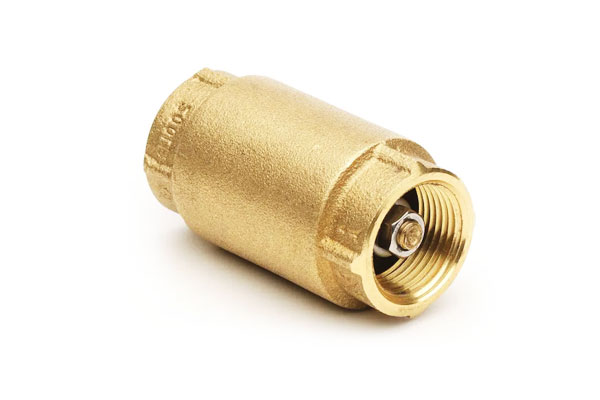
When forward pressure exceeds the spring force, the disc lifts to allow flow. Upon pressure drop or flow reversal, the spring rapidly reseats the disc, ensuring quick shutoff with minimal pressure loss and virtually no water hammer.
Gebruik gevalle: High-frequency flow systems, Chemiese verwerkingsaanlegte, aerospace fuel systems, and clean gas lines where space and performance consistency are critical.
Kogeltipe veerkontroleklep
In hierdie ontwerp, a spherical ball is pressed against a conical or spherical seat by a spring. When the upstream pressure rises above the spring force, the ball is lifted from the seat, allowing flow.
This type is simple, Koste-effektief, and particularly well-suited for systems that require vertical mounting or handle fluids with minor contaminants.
Gebruik gevalle: Drinkwaterstelsels, besproeiingslyne, light slurry applications, en basiese vloeistofbeheerstelsels waar lae drukval en gemak van installasie waardeer word.
Suier-tipe veer terugslagklep
Hierdie klep gebruik 'n geleide suier as die sluitingselement, bied groter belyning en verseëling akkuraatheid.
Die suier beweeg lineêr teen die veer, bied uitstekende stywe afsluitprestasie en verminder die risiko van lekkasie.
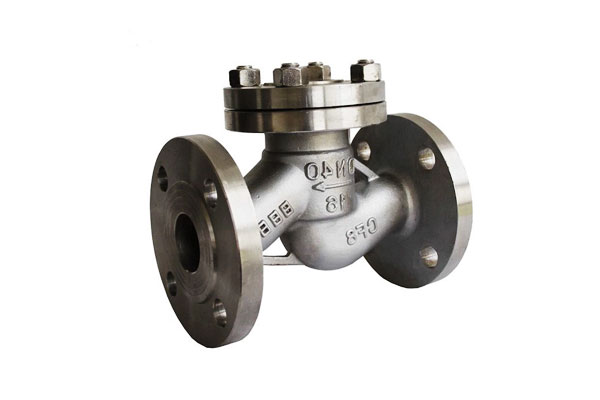
Sy beheerde beweging maak dit ideaal vir stelsels wat betroubare terugvloeivoorkoming onder veranderlike vloeitoestande vereis.
Gebruik gevalle: Hidrouliese stelsels, brandstofinspuitingslyne, gasstelsels onder druk, en industriële outomatiseringsbane.
Hystipe veer terugslagklep
Hyser-tipe kleppe werk met behulp van 'n vertikaal bewegende skyf wat van 'n sitplek af lig wanneer voldoende stroomop druk toegepas word.
Die veer help om die skyf terug te keer na sy sitposisie wanneer voorwaartse vloei ophou. These valves require a vertical or upward flow orientation and are better suited to applications with steady flow rates.
Gebruik gevalle: Keteltoevoerwaterstelsels, steam condensate return lines, and high-pressure vertical piping arrangements.
Draaded draad / Patroon-tipe veer terugslagklep
Designed for modularity and compact integration, cartridge-style or threaded spring check valves are often used in OEM applications where space is at a premium.
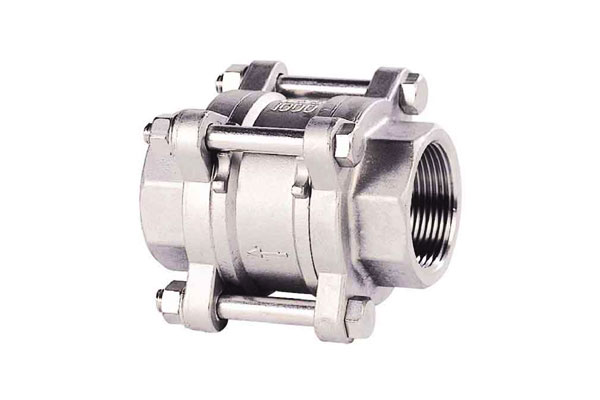
These valves are easy to install, vervang, and service, making them ideal for embedded systems and manifold-based assemblies.
Gebruik gevalle: Instrumentation panels, machine tool coolant systems, mediese toerusting, and pneumatic circuits in confined spaces.
Wafer-tipe veer terugslagklep
Wafer-style valves feature a slim, disc-style body that fits between two flanges, offering significant space savings.
They often incorporate dual spring-loaded plates that pivot open with forward flow and snap shut under backflow.
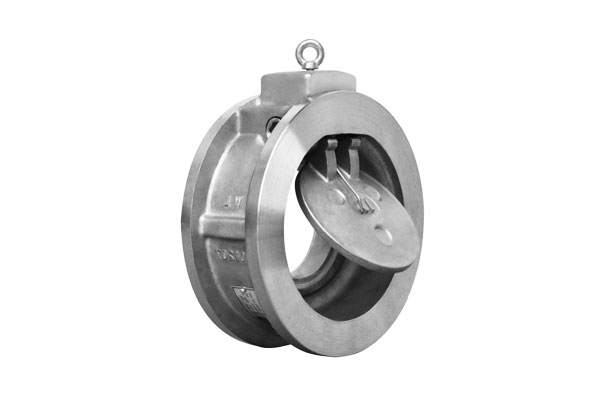
Hulle vinnige optrede, nie-klap-sluiting verminder drukspykers en meganiese skok aan pypestelsels.
Gebruik gevalle: HVAC -stelsels, waterpompstasies, brand onderdrukking lusse, en ruimtebeperkte industriële omgewings.
Sanitêre (Higiënies) Veer terugslagklep
Hierdie kleppe is spesifiek ontwerp vir toepassings wat hoë suiwerheid en skoonmaakbaarheid vereis.
Gemaak van gepoleerde vlekvrye staal en voldoen aan sanitêre standaarde (soos 3-A of EHEDG), hulle het glad, spleetvrye binnekante om mikrobiese groei te voorkom.
Die veermeganisme is volledig toegemaak om vloeistofbesoedeling te vermy.
Gebruik gevalle: Farmaseutiese vervaardiging, voedsel- en drankverwerking, biotegnologie laboratoriums, en CIP/SIP-versoenbare stelsels.
5. Prestasie-eienskappe van veer-kontroleklep
Veer terugslagkleppe word nie net gewaardeer vir hul kompakte ontwerp en nie-terugkeerfunksie nie, maar ook vir hul presiese en voorspelbare werkverrigting.
| Prestasie parameter | Definisie en beskrywing | Tipiese reeks / Note |
| Kraakdruk | The minimum upstream pressure required to compress the spring and begin opening the valve. | 1–7 psi (0.07–0.48 bar), customizable |
| Closing Response Time | Time taken for the valve to fully close after flow stops or reverses. | 0.1–0.5 seconds, depends on spring stiffness and fluid viscosity |
| Vloei koëffisiënt (CV) | The flow capacity of the valve at a 1 psi drukval. | Klein kleppe: 1–5; Medium: 6–20; Groot: 25–100+ |
| Drukval | Pressure loss caused by internal valve friction, affecting system efficiency. | Tipies <5–10% of system pressure |
| Verseëlingsprestasie | Ability to prevent backflow; sealing materials impact tightness and durability. | Elastomer seats provide bubble-tight seal; metal seats more durable but may leak slightly at low pressure |
| Temperatuurreeks | The operating temperature range the valve can withstand. | –20°C to 400°C, afhangende van materiaal |
| Maksimum drukgradering | Maximum pressure the valve can safely handle, based on body material and design. | Op na 6000 psi (414 verbod) for industrial-grade stainless steel valves |
| Vloeistofversoenbaarheid | Suitability for different fluid viscosities, particulates, and corrosiveness, affecting valve life. | High viscosity increases pressure drop; particulates may cause blockage; corrosive media require special materials |
6. Toepassings van veerbelaaide terugslagklep
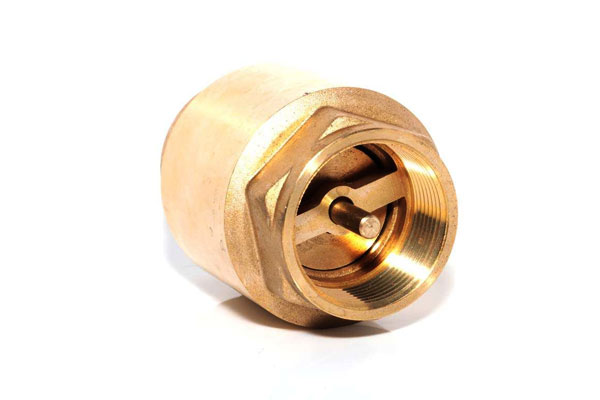
Spring loaded check valves play a critical role in many industries due to their reliable one-way flow control, kompakte grootte, and quick response.
Olie & Gas industrie
- Gebruik gevalle: Boorgatgereedskap, pypleidings, kompressors, en pompafvoerlyne.
- Why Spring Check Valves?
Their robust design handles high pressures (op na 6000 psi) and harsh environments including corrosive fluids and temperature extremes.
Fast closing minimizes fluid hammer, protecting expensive equipment. - Materiaal: Often constructed from stainless steel or corrosion-resistant alloys to withstand sour gas and other aggressive chemicals.
Chemiese verwerking
- Gebruik gevalle: Chemiese reaktors, transfer lines, and safety shutdown systems.
- Why Spring Check Valves?
They prevent reverse flow of hazardous or reactive chemicals, personeel en toerusting te beskerm.
Hul vinnige reaksie en stewige verseëling verminder besoedelingsrisiko en proses ondoeltreffendheid. - Materiaal: Gewoonlik vervaardig van korrosiebestande legerings (Hastelloy, Monel) of gevoer met PTFE om aggressiewe chemikalieë te weerstaan.
Waterbehandeling en -verspreiding
- Gebruik gevalle: Pompstasies, filtrasie stelsels, en besproeiingsnetwerke.
- Why Spring Check Valves?
Hul betroubare terugvloeivoorkoming verseker watergehalte deur besoedeling te vermy. Lae kraakdruk opsies laat werking in laedruk sones toe. - Materiaal: Brons, vlekvrye staal, en verskeie plastiek (PVC, CPVC) word gebruik afhangende van waterkwaliteit en druk.
HVAC -stelsels
- Gebruik gevalle: Verkoelde water stelsels, Stoomlyne, en kondensaat terugkeer.
- Why Spring Check Valves?
Hulle help om stelseldrukbalans te handhaaf, terugvloei voorkom, en verminder waterhamer, verbeter stelsellanglewendheid en energiedoeltreffendheid. - Materiaal: Gewoonlik vlekvrye staal of koper om korrosie van kondensaat en behandelingschemikalieë te weerstaan.
Farmaseutiese en Voedselverwerking
- Gebruik gevalle: Steriele vloeistoflyne, bestanddeel doseerstelsels, en CIP (Skoon-op-plek) toerusting.
- Why Spring loaded Check Valves?
Their compact, sanitary design and ability to maintain hygienic conditions prevent cross-contamination and ensure process integrity. - Materiaal: High-grade stainless steel (304, 316L) with smooth finishes and FDA-approved seals.
Kragopwekking
- Gebruik gevalle: Keteltoevoerwaterstelsels, koelwaterkringe, and turbine auxiliary lines.
- Why Spring loaded Check Valves?
Their quick closing action protects turbines and boilers from reverse flow and water hammer, enhancing operational safety. - Materiaal: Stainless steel and special alloys suited for high temperature and pressure environments.
7. Voordele en beperkings
Spring check valves are widely used in various industries due to their unique operational characteristics and design benefits.
Nietemin, like any mechanical device, they also come with certain limitations.

Voordele van Spring Check Valve
Betroubare eenrigting-vloeibeheer
- The spring mechanism ensures the valve closes automatically to prevent backflow, protecting equipment and maintaining system integrity.
- Effective even at low or fluctuating pressures due to adjustable cracking pressures.
Kompakte en veelsydige ontwerp
- Smaller footprint compared to swing or lift check valves.
- Suitable for installation in any orientation (horisontaal, vertikaal, of geneig is) because operation does not depend on gravity.
Vinnige reaksie tyd
- Rapid closure minimizes reverse flow and prevents water hammer, reducing stress on piping and system components.
Wye verskeidenheid van materiale
- Available in stainless steel, brons, plastiek, and specialized alloys to suit diverse media, temperatuur, and pressure conditions.
Lae instandhoudingsvereistes
- Few moving parts and simple mechanism reduce wear and the need for frequent service.
Goeie seëlprestasie
- Elastomer or metal seats provide tight shutoff, lekkasie te minimaliseer.
Beperkings van veerkontroleklep
Sensitiwiteit vir puin
- Small internal clearances and spring components are prone to jamming or wear if solids or particulates are present in the fluid.
-
- Requires effective filtration upstream in dirty or particulate-laden systems.
Drukval
- Spring force and valve design contribute to a higher pressure drop compared to swing check valves, which may reduce system efficiency in some applications.
Groottebeperkings
- Generally more effective and economical in small to medium pipe sizes (op na 6 duim).
- For larger diameters, swing or wafer check valves might be preferred.
Lentemoegheid en korrosie
- Springs may degrade over time due to cyclic loading and corrosive environments, necessitating periodic inspection or replacement.
Koste bereken
- Typically more expensive than a simple non-spring-loaded check valve, especially when made from high-grade alloys or for high-pressure ratings.
8. Installasie en instandhouding van veer-kontroleklep

Installasie Beste Praktyke
- Oriëntering: Arrow on the body must align with flow direction; vertikale installasie (opwaarts vloei) is allowed.
- Upstream/Downstream Space: Maintain 5× pipe diameter upstream and 3× downstream of the valve to minimize turbulence.
- Flange Torque: Follow ASME B16.34 guidelines (Bv., 100 ft-lbs vir 2-duim-klas 150 flense) om vervorming te vermy.
Onderhoudsiklusse
- Industriële stelsels: Inspekteer kwartaalliks; sitplekke/vere jaarliks vervang (of daarna 10,000 siklusse).
- Kritiese toepassings (Farmaseutiese middels): Steriliseer maandeliks; vervang seëls elke 6 maande.
Probleemoplossing
- Geselsend: Veroorsaak deur vloeitempo's onder die klep se minimum (Bv., 'n 2-duim klep met <20 gpm). Oplossing: Verminder tot 'n 1-duim klep met laer kraakdruk.
- Lekkasie: Kyk vir sitplekskade of puin; vervang PTFE-sitplekke indien gedra (tipiese lewensduur: 1–2 jaar in skuurvloeistowwe).
- Vasbyt: Veer korrosie (algemeen in seewater). Gebruik 316L vere met passiveringsbehandeling.
9. Standaarde en sertifikate
- ASME B16.34: Beheer druk-temperatuur graderings (Bv., Indeel 150: 285 psi by 400°F; Indeel 2500: 4,520 psi by 100°F).
- API 6D: Vir olie & gaspypleiding kleppe, wat brandveilige ontwerp vereis (Api 607) en vlugtige emissiebeheer (ISO 15848).
- ISO 13709: Europese standaard vir pypleidingkleppe, in lyn met ASME vir globale verenigbaarheid.
- 3-A Sanitêre Standaarde: Vir voedsel/pharma kleppe, vereis oppervlakafwerkings en materiaalsuiwerheid.
10. Vergelyking van veerterugklep met ander kleppe
Veer terugslagkleppe is net een van verskeie tipes terugslagklep wat in vloeistofstelsels gebruik word.
Om die optimale klep te kies, dit is belangrik om te verstaan hoe veerterugslagklep met ander algemeen gebruikte terugslagkleptipes vergelyk in terme van werking, verrigting, onderhoud, en geskiktheid van toepassings.
| Kriteria | Veer terugslagklep | Swaai -terugslagklep | Lift Check Valve | Bal Terugslagklep |
| Meganisme | Veergelaaide skyf/dop wat teen die sitplek verseël onder veerkrag | Skarnierskyf swaai oop/toe op grond van vloei en swaartekrag | Skyf lig vertikaal van sitplek af deur vloei; swaartekrag en/of veer gee dit terug | Vryswewende bal seëls teen sitplek wanneer vloei omkeer |
| Installasie-oriëntasie | Enige (horisontaal, vertikaal, geneig) | Slegs horisontaal of opwaarts vertikaal | Slegs horisontaal (Slegs vertikale hysbak) | Tipies vertikaal; sommige ontwerpe laat ander oriëntasies toe |
| Reaksie Tyd | Vas (0.1–0,5 s) as gevolg van lente-aksie | Stadig; skyf moet terug in sitplek swaai | Gematig; hang af van vloeistaking en swaartekrag | Gematig; bal moet terugbeweeg na sitplek |
| Drukval | Gematig (veerspanning dra by) | Laag; minimale vloeibeperking | Hoër; tortuous flow path around disc | Laag tot matig; depends on ball and seat design |
Terugvloeivoorkoming |
Uitmuntend; tight seal even at low differential pressures | Adequate; small reverse flow may occur before disc closes | Goed; relies on gravity (and spring if present) | Veranderlik; may leak under low pressure if ball not tightly seated |
| Debris Sensitivity | Sensitief; small clearances can clog | Minder sensitief; larger clearances | Gematig; particles can impact disc seating | Goed; ball can roll debris aside to some extent |
| Tipiese toepassings | High-cycle, multi-orientation systems; pulsating flows; compact installations | Large diameter lines; low-pressure water or clean fluid systems | Hoë druk stoom, pomp afvoer, en kondensaat terugvoerlyne | Afvalwater, missel, viscous media, and systems tolerant of slower response |
| Onderhoud | Low moving mass; spring fatigue over time requires inspection | Eenvoudige ontwerp; hinge wear and seat erosion over time | More wear at seat/disc interface; lente (if present) requires checking | Low complexity; ball and seat wear over time |
11. Konklusie
Spring check valve offers an effective, kompak, and responsive solution for unidirectional fluid control across demanding environments.
Met hoë herhaalbaarheid, lae onderhoud, en customizable performance, they continue to be a cornerstone in industries prioritizing safety and system integrity.
Their proven design and adaptability make them an excellent choice in any system where backflow prevention and pressure responsiveness are mission-critical.
Hierdie: Hoë-presisie-klepgietoplossings vir veeleisende toepassings
Hierdie is 'n gespesialiseerde verskaffer van presisie -klepgietdienste, Die lewering van hoëprestasie-komponente vir nywerhede wat betroubaarheid verg, Drukintegriteit, en dimensionele akkuraatheid.
Van rou gietstukke tot volledig gemasjineerde klepliggame en samestellings, Hierdie Bied eind-tot-einde-oplossings wat ontwerp is om aan streng globale standaarde te voldoen.
Ons kundigheid in die giet van die klep sluit in:
Beleggingsgooi vir klepliggame & Afwerking
Gebruik verlore wasgiet-tegnologie om komplekse interne meetkunde en klepkomponente met 'n stywerheid te produseer met uitsonderlike oppervlakafwerkings.
Sand gietstuk & Shell Mold Casting
Ideaal vir medium tot groot klepliggame, flense, en enjinkap-wat 'n koste-effektiewe oplossing vir robuuste industriële toepassings bied, insluitend olie & gas- en kragopwekking.
Presisiebewerking vir kleppassing & Seëlintegriteit
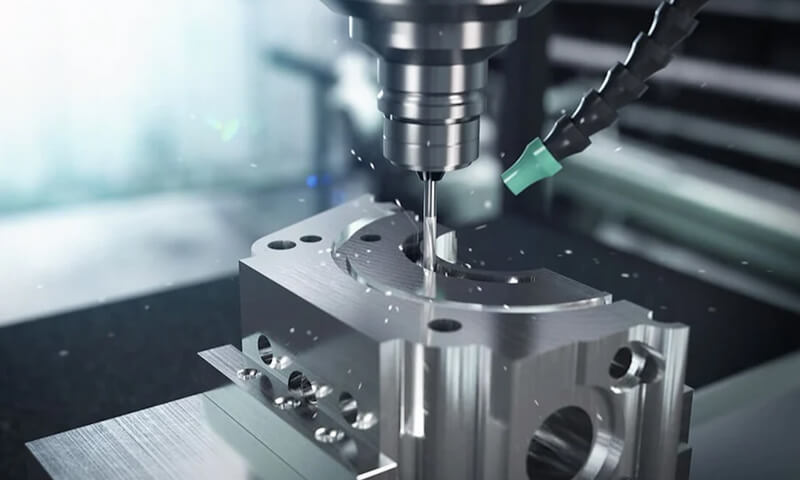
CNC -bewerking van sitplekke, drade, en verseëling gesigte verseker dat elke rolverdeling aan dimensionele en verseëling vereistes voldoen.
Materiële reeks vir kritieke toepassings
Van vlekvrye staal (CF8/CF8M/CF3/CF3M), brons, smeebare yster, aan dupleks en hoë legeringsmateriaal, Hierdie voorrade klepgietstukke wat gebou is om in korrosief te presteer, hoë druk, of hoë temperatuuromgewings.
Of jy pasgemaakte vlinderkleppe benodig, spring check valves, Globe kleppe, hekkleppe, of hoë volume produksie van industriële klepgietstukke, Dit is u betroubare maat vir akkuraatheid, duursaamheid, en kwaliteitsversekering.
Vrae
Wat is kraakdruk, en hoe word dit bepaal?
Cracking pressure is the minimum upstream pressure needed to open the valve, set by spring stiffness.
It is specified during manufacturing (0.5-15 psi) and tailored to system requirements (Bv., 1 psi for delicate RO membranes, 10 psi for hydraulic systems).
Kan 'n veerbelaaide terugslagklep vertikaal geïnstalleer word?
Ja. Anders as swaai terugslagkleppe, spring check valves operate reliably in vertical lines (flow upward or downward) because spring force, not gravity, drives closure.
Hoe om drukval in 'n veerterugklep te verminder?
Choose a ball-type design (higher Cv than disc types) or upsizing (Bv., a 3-inch valve for 150 gpm flow reduces ΔP from 5 psi tot 2 psi vs. 'n 2-duim klep).
Wat veroorsaak gesels, en hoe om dit reg te maak?
Gesels vind plaas wanneer vloei onder die klep se minimum bedryfstempo fluktueer, veroorsaak vinnige oopmaak/toemaak.
Regstellings sluit in die verkleining van die klep, vermindering van veerstyfheid, of die installering van 'n vloeistabilisator stroomop.
Is veerterugkleppe geskik vir voedselgraadtoepassings?
Ja. 316L vlekvrye staal kleppe met elektrogepoleerde oppervlaktes (Ra <0.8 μm) en EPDM/Viton seëls voldoen aan FDA en 3-A standaarde, voorkoming van bakteriële opbou in voedsel / farmaseutiese lyne.