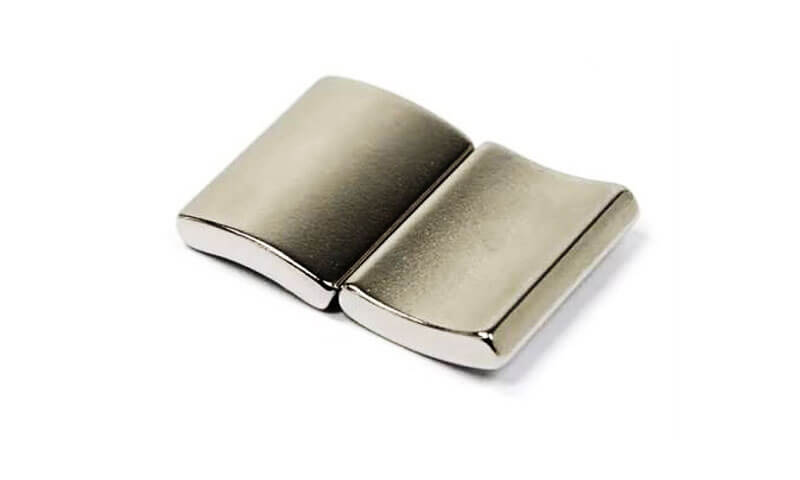
Nikkel is een van die wêreld se belangrikste ingenieursmetale, gewaardeer vir sy uitsonderlike korrosiebestandheid, Hoë-temperatuurprestasie, uitstekende legeringseienskappe, en unieke magnetiese eienskappe.
Dit speel 'n kritieke rol in nywerhede wat wissel van lugvaart en elektronika tot chemiese verwerking, hernubare energie, mediese toestelle, en presisievervaardiging.
Of dit nou in vlekvrye staal gebruik word, superlegerings, herlaaibare batterye, of elektromagnetiese komponente, nikkel dra eienskappe by wat min ander metale gelyktydig kan verskaf.
Onder hierdie eiendomme, magnetisme laat dikwels vrae ontstaan. Baie mense weet dat yster magneties is, terwyl koper en aluminium nie is nie.
Nikkel beklee 'n interessante posisie omdat dit een van die enigste is drie elementêre metale wat natuurlik ferromagneties is by kamertemperatuur, saam met yster (Fe) en kobalt (Mede).
Nietemin, die magnetiese gedrag van nikkel is meer kompleks as 'n eenvoudige ja of nee.
Faktore soos legeringssamestelling, temperatuur, kristalstruktuur, Koue werk, en hittebehandeling kan sy magnetiese werkverrigting aansienlik verander.
1. Is Nikkel Magneties?
Wat is nikkel?
Nikkel (chemiese simbool In, atoomgetal 28) is 'n silwerwit oorgangsmetaal wat aan Group behoort 10 van die periodieke tabel.
Dit beskik oor 'n uitstekende kombinasie van korrosiebestandheid, taaiheid, selfpiriteit, elektriese geleidingsvermoë, en termiese stabiliteit, maak dit een van die mees gebruikte legeringselemente in die moderne industrie.
| Eiendom | Waarde |
| Chemiese simbool | In |
| Atoomgetal | 28 |
| Kristalstruktuur | Gesiggesentreerde kubiek (FCC) |
| Atoomgewig | 58.69 g/mol |
| Digtheid | 8.90 g/cm³ |
| Smeltpunt | 1455° C (2651° F) |
| Kookpunt | 2913° C (5275° F) |
| Termiese geleidingsvermoë | 90.9 W/m · k |
| Elektriese geleidingsvermoë | Na beraming 22% IACS |
| Elektriese weerstand | 6.99 × 10⁻⁸ Ω·m |
| Koëffisiënt van termiese uitbreiding | 13.4 × 10⁻⁶ /K |
| Spesifieke hittekapasiteit | 444 J/kg · k |
Kort Antwoord: Ja—nikkel is natuurlik ferromagneties
Die eenvoudige antwoord is ja.
Suiwer nikkel is natuurlik ferromagneties by kamertemperatuur. Dit beteken dit kan:
- Word sterk aangetrek deur permanente magnete.
- Word gemagnetiseer onder 'n eksterne magnetiese veld.
- Behou 'n gedeelte van sy magnetisering nadat die eksterne veld verwyder is.
- Vorm magnetiese domeine wat in lyn is om 'n permanente magnetiese veld te produseer.
Nikkel behoort tot 'n eksklusiewe groep elementêre metale wat spontane ferromagnetisme onder normale toestande vertoon.
| Element | Natuurlik ferromagneties by kamertemperatuur | Curie temperatuur |
| Strykyster (Fe) | Ja | 770° C |
| Kobalt (Mede) | Ja | 1,115° C |
| Nikkel (In) | Ja | 358° C |
Bo sy Curie-temperatuur, nikkel gedra nie meer as 'n ferromagnetiese materiaal nie en word eerder paramagnetiese, reageer slegs swak op eksterne magnetiese velde.
Waarom nikkel magneties is
Die magnetisme van nikkel spruit uit sy elektroniese struktuur- spesifiek, die rangskikking van elektrone in sy 3d-orbitaal. Nikkel het die elektronkonfigurasie [Ar ar] 3d⁸ 4s².
Dit beteken daar is twee ongepaarde elektrone in die 3d subdop. Hierdie ongepaarde elektrone skep 'n netto magnetiese moment.
Wanneer die magnetiese momente van aangrensende atome in dieselfde rigting in lyn is, die materiaal word ferromagneties.
Hierdie belyning word aangedryf deur 'n kwantummeganiese verskynsel genaamd die ruil interaksie, wat parallelle belyning van elektronspin in sekere metale bevoordeel.
In nikkel, die uitruilinteraksie is sterk genoeg om parallelle spinbelyning tot 358°C te handhaaf (die Curie temperatuur).
2. Verstaan magnetisme in metale
Wat is magnetisme?
Magnetisme is 'n fisiese verskynsel wat ontstaan uit die beweging en spin van elektrone binne atome.
Elke elektron genereer 'n klein magnetiese veld, maar of 'n materiaal merkbare magnetisme vertoon, hang af van hoe hierdie atoommagnetiese momente gesamentlik in wisselwerking tree.
In die meeste metale, individuele magnetiese momente kombineer óf met teenoorgestelde draaie óf bly lukraak georiënteerd, wat min of geen waarneembare magnetisme tot gevolg het nie.
In ferromagnetiese materiale soos nikkel, nietemin, naburige atoommomente werk sterk genoeg in wisselwerking om spontaan oor groot streke in lyn te kom, 'n meetbare magnetiese veld te produseer.
Groot tipes magnetiese materiale
| Tipe | Definisie | Magnetiese gedrag | Voorbeelde |
| Ferromagneties | Sterk aantrekkingskrag; behou magnetisering; magnetiese momente belyn parallel. | Hoë vatbaarheid; histerese; magnetiese domeine. | Strykyster, nikkel, kobalt, en hul legerings. |
| Ferrimagneties | Sterk aantrekkingskrag; magnetiese momente belyn antiparallel maar ongelyk. | Soortgelyk aan ferromagneties maar swakker. | Magnetiet (Fe₃O₄), ferriete. |
| Antiferromagnetiese | Baie swak aantrekkingskrag; magnetiese momente belyn antiparallel. | Vatbaarheid neem toe met temperatuur. | Chroom, mangaanoksiede. |
Paramagneties |
Baie swak aantrekkingskrag; geen retensie nie; momente strook met eksterne veld. | Vatbaarheid neem af met temperatuur (Curie wet). | Aluminium, platinum, titaan. |
| Diamagneties | Baie swak afstoting; geen permanente oomblikke nie; geïnduseerde oomblikke teen veld. | Vatbaarheid is negatief. | Koper, lei, bismut, water. |
3. Waarom nikkel ferromagneties is
Nikkel se ferromagnetisme is gewortel in die beginsels van kwantummeganika eerder as klassieke elektromagnetisme.
Anders as gewone metale, nikkel beskik oor 'n elektroniese struktuur wat miljoene atoommagnetiese momente toelaat om saam te werk en oor groot streke in lyn te bring, skep 'n sterk makroskopiese magnetiese veld.
Hierdie verskynsel is die gevolg van die gekombineerde effekte van elektronspin, ruil interaksies, kristalstruktuur, en magnetiese domein vorming.

Atoomstruktuur van nikkel
Nikkelatome bevat 28 elektrone gerangskik rondom 'n kern van 28 protone.
Terwyl die innerlike elektrone styf gebind is en min bydra tot magnetiese gedrag, die buitenste 3d elektrone 'n deurslaggewende rol speel.
Nikkel kristalliseer in 'n gesiggesentreerde kubiek (FCC) rooster by kamertemperatuur.
Hierdie hoogs geordende atoomrangskikking plaas naburige nikkelatome naby genoeg sodat hul elektrongolffunksies oorvleuel, wat sterk magnetiese interaksies regdeur die kristal moontlik maak.
Elektronkonfigurasie
Die grondtoestand elektronkonfigurasie van nikkel is:
[Ar ar] 3d⁸ 4s²
Die gedeeltelik gevul 3d orbitaal bevat ongepaarde elektrone, elkeen het 'n intrinsieke magnetiese moment as gevolg van elektronspin.
As hierdie oomblikke lukraak georiënteerd gebly het, die materiaal sal slegs swak paramagnetisme vertoon. In stede van, nikkel se atoomstruktuur laat naburige spins toe om saam te werk.
Ruil Interaksie
Die sleutelmeganisme wat verantwoordelik is vir nikkel se ferromagnetisme is die ruil interaksie, 'n kwantummeganiese effek wat voortspruit uit die oorvleueling van naburige elektrongolffunksies.
Hierdie interaksie bevoordeel parallelle belyning van aangrensende elektronspin omdat dit die totale energie van die kristal tot die minimum beperk.. As gevolg hiervan:
- Naburige atoommagnetiese momente belyn spontaan.
- Groot streke van eenvormig gemagnetiseerde atome ontwikkel.
- Magnetisering bestaan selfs sonder 'n eksterne magnetiese veld.
Alhoewel die magnetiese moment van 'n individuele nikkelatoom kleiner is as dié van yster, die kollektiewe belyning van miljarde atome genereer beduidende magnetiese gedrag.
Magnetiese domeine
Om algehele magnetiese energie te verminder, nikkel gedra nie as een reuse magneet nie.
In stede van, dit is verdeel in talle mikroskopiese magnetiese domeine, elk wat miljoene atome bevat met hul magnetiese momente in dieselfde rigting in lyn.
In 'n ongemagnetiseerde stuk nikkel:
- Domeine wys in verskillende rigtings.
- Hul magnetiese velde kanselleer mekaar grootliks.
- Die materiaal vertoon min eksterne magnetisme.
Wanneer dit aan 'n eksterne magnetiese veld blootgestel word:
- Gunstig georiënteerde domeine brei uit.
- Domeinmure beweeg.
- Atoomdraaie draai na die toegepaste veld.
- Algehele magnetisering neem vinnig toe.
As die magneetveld sterk genoeg is, meeste domeine word in lyn gebring, en die nikkel nader magnetiese versadiging.
Curie temperatuur
Nikkel bly ferromagneties net onder sy Curie temperatuur, na beraming 358° C (631 K).
Onder hierdie temperatuur:
- Uitruilinteraksies oorheers.
- Magnetiese domeine bly stabiel.
- Sterk ferromagnetiese gedrag word gehandhaaf.
Bo die Curie-temperatuur:
- Termiese energie ontwrig spinbelyning.
- Magnetiese domeine stort ineen.
- Nikkel gaan oor na 'n paramagnetiese materiaal, wat slegs swak magnetisme in 'n eksterne veld vertoon.
Hierdie temperatuurafhanklike oorgang is 'n kritieke oorweging in toepassings wat verhoogde bedryfstemperature behels, soos elektriese motors, kragopwekkers, sensors, en hoë-temperatuur industriële toerusting.
4. Faktore wat Nikkel se magnetisme beïnvloed
Alhoewel suiwer nikkel inherent ferromagneties is, sy magnetiese gedrag is nie konstant onder alle dienstoestande nie.
Die sterkte van magnetisering, magnetiese deurlaatbaarheid, en magnetiese stabiliteit kan aansienlik verander na gelang van temperatuur, legering samestelling, meganiese verwerking, mikrostruktuur, en die omliggende bedryfsomgewing.
Temperatuur
Temperatuur is die mees invloedryke faktor wat die magnetisme van nikkel beïnvloed.
Soos die temperatuur toeneem, termiese energie veroorsaak groter atoomvibrasie, geleidelik ontwrig die belyning van magnetiese domeine verantwoordelik vir ferromagnetisme.
Onder sy Curie temperatuur (ongeveer 358°C / 676° F), nikkel handhaaf spontane magnetisering en vertoon sterk ferromagnetiese gedrag.
Soos die temperatuur die Curie-punt nader, magnetiese deurlaatbaarheid en versadigingsmagnetisering neem vinnig af.
Sodra die Curie-temperatuur oorskry word, die magnetiese domeine stort ineen, en nikkel ondergaan 'n fase-oorgang van 'n ferromagnetiese materiaal na 'n paramagnetiese een.
In hierdie toestand, dit reageer slegs swak op 'n eksterne magnetiese veld en behou nie meer permanente magnetisering nie.
Belangriker nog, hierdie transformasie is omkeerbaar. As die materiaal onder die Curie-temperatuur afgekoel word sonder om beduidende mikrostrukturele veranderinge of oksidasie te ondergaan, sy ferromagnetiese eienskappe word herstel.
| Temperatuurreeks | Magnetiese gedrag | Ingenieursimplikasies |
| Onder 300°C | Stabiele ferromagnetisme | Geskik vir die meeste magnetiese komponente |
| 300–358°C | Magnetisme verswak geleidelik | Verminderde magnetiese doeltreffendheid |
| Bo 358°C | Paramagneties | Nie geskik vir magnetiese toepassings nie |
| Na afkoeling onder Curie punt | Ferromagnetisme herstel | Magnetiese eienskappe word oor die algemeen herstel |
Allooi samestelling
Die byvoeging van legeringselemente het 'n groot effek op nikkel se magnetiese eienskappe omdat dit die elektroniese struktuur en kristalrooster verander..
Elemente soos strykyster en kobalt verbeter gewoonlik ferromagnetiese gedrag deur magnetiese uitruilinteraksies te verhoog, terwyl legering toevoegings insluitend chroom, molibdeen, mangaan, koper, en silikon is geneig om magnetiese deurlaatbaarheid te verminder deur nie-magnetiese fases te stabiliseer of magnetiese domeinbelyning te ontwrig.
Gevolglik, nikkellegerings vertoon 'n wye spektrum van magnetiese gedrag.
Nikkel-yster legerings soos Permalloy is spesifiek ontwerp om uiters hoë magnetiese deurlaatbaarheid vir transformators te bereik, magnetiese afskerming, en presisiesensors.
Daarenteen, hoëprestasie korrosiebestande legerings soos Inklok, Hastelloy, en baie grade van Monel is hoofsaaklik ontwerp vir meganiese en chemiese werkverrigting, wat swak of byna nie-magnetiese eienskappe tot gevolg het.
Dit verklaar waarom nikkelinhoud alleen nie gebruik kan word om te voorspel of 'n legering sterk magneties sal wees nie.
Kristalstruktuur en mikrostruktuur
Die magnetiese gedrag van nikkel is nou verwant aan sy gesiggesentreerde kubieke (FCC) kristalstruktuur en die rangskikking van magnetiese domeine binne die materiaal.
Korrelgrootte, graan oriëntasie, fase verspreiding, neerslag, en kristaldefekte beïnvloed almal die beweging van magnetiese domeinmure.
Materiale met eenvormige korrels en lae interne spanning vertoon oor die algemeen meer stabiele en voorspelbare magnetiese werkverrigting, terwyl heterogene mikrostrukture magnetiese deurlaatbaarheid kan verminder en magnetiese histerese kan verhoog.
Tydens vervaardigingsprosesse soos giet, smee, rolling, of hittebehandeling, veranderinge in graanmorfologie en oorblywende spanning wysig die domeinstruktuur, lei tot meetbare variasies in magnetiese eienskappe selfs wanneer die chemiese samestelling onveranderd bly.
Koue werk en oorblywende stres
Meganiese vervorming ingestel tydens koue rol, tekening, buig, seëling, of bewerking verander die interne spanningsverspreiding van nikkel en beïnvloed die mobiliteit van magnetiese domeine.
Koue werk verhoog ontwrigting digtheid en oorblywende stres, die skep van struikelblokke wat die beweging van die domein-muur belemmer.
As gevolg hiervan, dwang neem dikwels toe terwyl magnetiese deurlaatbaarheid afneem. In presisie elektromagnetiese komponente, oormatige koue vervorming kan magnetiese doeltreffendheid verminder en histereseverliese verhoog.
Om hierdie rede, baie hoëprestasie magnetiese nikkellegerings ondergaan spanningsverligting na vervaardiging om optimale magnetiese eienskappe te herstel en dimensionele stabiliteit te verbeter.
Hittebehandeling
Hittebehandeling beïnvloed nikkel se magnetisme deur oorblywende spanning te verlig, verfyning van graanstruktuur, en die wysiging van faseverspreiding.
Behoorlike uitgloeiing bevorder graangroei en verminder interne tralievervorming, laat magnetiese domeine vryer beweeg.
Dit verhoog gewoonlik magnetiese deurlaatbaarheid en verminder dwangkrag.
Omgekeerd, onvanpaste hittebehandelingstemperature of verkoelingstempo's kan ongewenste fases of oorblywende spanninge inbring wat magnetiese werkverrigting nadelig beïnvloed.
Vir nikkel-yster sagte magnetiese legerings, presies beheerde uitgloeiingsiklusse is 'n kritieke vervaardigingsstap, dikwels bepaal die finale magnetiese eienskappe meer betekenisvol as die legering samestelling self.
Toegepaste magnetiese veld
Nikkel vertoon nie 'n vaste magnetiese intensiteit onder alle bedryfstoestande nie. Die reaksie daarvan hang af van beide die sterkte en geskiedenis van die toegepaste magnetiese veld.
Wanneer 'n eksterne magneetveld ingebring word, magnetiese domeine draai progressief en belyn met die veldrigting, veroorsaak dat magnetisasie toeneem totdat versadiging bereik word.
Anderkant die versadigingspunt, verdere toenames in veldsterkte produseer min bykomende magnetisering.
Nadat die eksterne veld verwyder is, 'n gedeelte van die magnetisering bly as remanensie, terwyl die veld wat nodig is om hierdie oorblywende magnetisering uit te skakel bekend staan as die dwingende krag.
Hierdie eienskappe word verteenwoordig deur die materiaal se histerese lus en is veral belangrik in die ontwerp van motors, aktueerders, magnetiese sensors, en elektromagnetiese toestelle.
Bedryfsomgewing
Die diensomgewing kan indirek nikkel se langtermyn magnetiese werkverrigting beïnvloed.
Alhoewel nikkel uitstekende weerstand teen korrosie het, langdurige blootstelling aan hoë temperature, sikliese termiese laai, oksiderende atmosfeer, meganiese vibrasie, of aggressiewe chemikalieë kan die oppervlaktoestand en mikrostruktuur geleidelik verander.
Hierdie veranderinge kan magnetiese stabiliteit oor lang diensperiodes beïnvloed, veral in veeleisende industriële omgewings.
In toepassings soos lugvaartstelsels, mariene toerusting, Chemiese verwerkingsaanlegte, en kragopwekkingsfasiliteite, ingenieurs evalueer beide magnetiese eienskappe en omgewingsduursaamheid gelyktydig om betroubare langtermyn prestasie te verseker.
Vervaardigingsproses
Verskillende vervaardigingsmetodes produseer duidelike mikrostrukture en oorblywende spanningstoestande, wat lei tot variasies in magnetiese gedrag.
Gegote nikkelkomponente bevat oor die algemeen groter korrels en stadiger stollingsstrukture, terwyl vervalste produkte verfynde korrels en verbeterde meganiese eienskappe vertoon.
Koue-afgewerkte materiale besit hoër oorblywende spanning, terwyl uitgegloeide produkte tipies groter magnetiese deurlaatbaarheid en laer koërsiwiteit toon.
Oppervlakafwerking prosesse soos bewerking, maal, poleer, en elektroplatering het gewoonlik min direkte effek op grootmaatmagnetisme, maar hulle kan magnetiese werkverrigting in hoë-presisie-instrumente beïnvloed waar uiters streng magnetiese toleransies vereis word.
5. Is Nikkel Allooie Magneties?
Een van die mees algemene wanopvattings is dat elke legering wat nikkel bevat magneties moet wees.
In werklikheid, nikkelinhoud alleen bepaal nie magnetiese gedrag nie.
In stede van, magnetisme is hoofsaaklik afhanklik van:
- Kristalstruktuur
- Allooi samestelling
- Fase verspreiding
- Hittebehandeling
- Koue werk
- Diens temperatuur
As legeringselemente verander nikkel se atoomrangskikking, hulle verander ook die uitruilinteraksies wat verantwoordelik is vir ferromagnetisme.
Magnetiese gedrag van gewone nikkellegerings
| Allooi | Nikkel inhoud | Mikrostruktuur | Magneties by kamertemperatuur | Tipiese toepassings |
| Nikkel 200 | ≥99,0% | FCC | Ja | Elektriese komponente, chemiese toerusting |
| Nikkel 201 | ≥99,0% (lae koolstof) | FCC | Ja | Voedsel verwerking, elektronika |
| Monel 400 | ~63–70% In | Nikkel-koper | Effens magneties tot swak magneties | Mariene ingenieurswese, pompe, kleedke |
| Monel K-500 | ~63% In | Neerslag-verhard | Swak magneties | Aflandige skagte, bevestigingsmiddels |
| Inklok 600 | ~72% in | Austenities | Oor die algemeen nie-magneties (gebonde) | Hitteruilers, oonde |
Inklok 625 |
~58% in | Austenities | In wese nie-magneties | Lugvaart, sag, chemiese verwerking |
| Inklok 718 | ~52% in | Neerslag-verhard | Effens magneties na veroudering | Vliegtuig enjins, turbines |
| Hastelloy C-276 | ~57% in | Austenities | Nie-magneties (gebonde) | Chemiese verwerkingstoerusting |
| Allooi 20 | ~35% in | Austenities | Nie-magneties | Swaelsuur diens |
| Nimonic 80A | ~75% in | Nikkel superlegering | Effens magneties | Gasturbines, lugvaart |
6. Hoe om te toets of nikkel magneties is
Om te bepaal of nikkel of 'n nikkelbevattende legering magneties is, is belangrik in materiaalidentifikasie, kwaliteit beheer, legering verifikasie, en instandhouding van toerusting.
Terwyl 'n eenvoudige magneet 'n vinnige aanduiding kan gee, ingenieurstoepassings vereis dikwels kwantitatiewe metings van magnetiese deurlaatbaarheid, magnetiese vloeddigtheid, of versadigingsmagnetisering.
| Toetsmetode | Akkuraatheid | Kwantitatief | Nie-vernietigend | Tipiese toepassings |
| Permanente magneet | Laag | Nee | Ja | Vinnige veldidentifikasie |
| Magnetiese deurlaatbaarheidsmeter | Hoog | Ja | Ja | Industriële gehaltebeheer |
| Gauss meter | Hoog | Ja | Ja | Magnetiese veldmeting |
| Vibrerende monster magnetometer (VSM) | Baie hoog | Ja | Ja | Materiaal navorsing, legeringsontwikkeling |
| SQUID magnetometer | Uiters hoog | Ja | Ja | Wetenskaplike navorsing |
| Magnetiese kragmikroskopie (MFM) | Mikroskopies | Ja | Ja | Ontleding van domeinstruktuur |
7. Industriële toepassings van magnetiese nikkel
Nikkel se unieke kombinasie van ferromagnetisme, korrosieweerstand, meganiese duursaamheid, en termiese stabiliteit maak dit onontbeerlik in talle nywerheidsektore.
Anders as yster, nikkel handhaaf uitstekende korrosiebestandheid terwyl dit steeds bruikbare magnetiese gedrag toon, wat dit ideaal maak vir moeilike omgewings waar konvensionele magnetiese materiale vinnig sal agteruitgaan.
Elektriese motors en kragopwekkers
Nikkel word algemeen gebruik in elektromagnetiese komponente wat stabiele magnetiese werkverrigting vereis onder herhaalde magnetiseringsiklusse.
Aansoeke sluit in:
- Motor paal komponente
- Rotorsamestellings
- Magnetiese afskerming
- Generator komponente
- Elektromagnetiese aktueerders
Elektromagnetiese relais en solenoïede
Nikkel se relatief hoë magnetiese deurlaatbaarheid maak doeltreffende magnetiese vloed-oordrag moontlik.
Tipiese toepassings sluit in:
- Aflos-armature
- Solenoïde kerns
- Elektromagnetiese skakelaars
- Kontak stelsels
- Industriële beheer toerusting
Magnetiese sensors
Baie waarnemingstegnologieë maak staat op nikkel se stabiele magnetiese gedrag.
Aansoeke sluit in:
- Hall-effek sensors
- Nabyheid sensors
- Posisie sensors
- Stroom transformators
- Spoedmetingstelsels
Herlaaibare batterye
Nikkel is 'n sleutelmateriaal in talle batterytegnologieë.
Voorbeelde hiervan:
- Nikkel-metaalhidried (NiMH)
- Nikkel-kadmium (NiCd)
- Nikkelryke litium-ioon katodes
- Battery stroom versamelaars
Elektroniese komponente
Gegalvaniseerde nikkelbedekkings dien beide beskermende en funksionele doeleindes.
Algemene toepassings sluit in:
- Gedrukte stroombaanborde (PCB)
- Koppelaars
- Halfgeleier pakkette
- Beskermende omhulsels
- Presisie kontakte
Lugvaartbedryf
Nikkel-gebaseerde legerings word wyd gebruik in vliegtuie en ruimtetuie omdat hulle meganiese sterkte by verhoogde temperature behou.
Tipiese komponente sluit in:
- Turbine enjins
- Uitlaatstelsels
- Bevestigingsmiddels
- Sensors
- Hoë-temperatuur elektromagnetiese toestelle
Chemiese verwerkingstoerusting
Suiwer nikkel kombineer magnetiese eienskappe met uitstekende korrosiebestandheid teen alkaliese chemikalieë.
Tipiese toerusting sluit in:
- Pompe
- Kleedke
- Hitteruilers
- Drukvate
- Elektrochemiese reaktors
Mediese Toerusting
Nikkelbevattende magnetiese materiale word in talle mediese toestelle aangetref.
Voorbeelde hiervan:
- Diagnostiese instrumente
- MRI-versoenbare hulpkomponente
- Chirurgiese toerusting
- Presisie aktuators
- Laboratorium-outomatisering
Magnetiese afskerming
Nikkelbevattende legerings word wyd gebruik vir elektromagnetiese interferensie (Emi) beskerming.
Aansoeke sluit in:
- Elektroniese omhulsels
- Kommunikasie toerusting
- Lugvaart-elektronika
- Industriële outomatisering
- Presisie instrumentasie
8. Nikkel vs ander magnetiese metale
Alhoewel strykyster (Fe), kobalt (Mede), en nikkel (In) is die drie natuurlik voorkomende ferromagnetiese metale by kamertemperatuur, hulle verskil aansienlik in magnetiese werkverrigting, Meganiese eienskappe, korrosieweerstand, temperatuurstabiliteit, en industriële toepassings.
| Eiendom | Nikkel (In) | Strykyster (Fe) | Kobalt (Mede) | Ferritiese vlekvrye staal (430) | Martensitiese vlekvrye staal (410) |
| Kristalstruktuur (Kamertemperatuur) | FCC | BCC | HCP | BCC | BCT |
| Magnetiese gedrag | Ferromagneties | Ferromagneties | Ferromagneties | Ferromagneties | Ferromagneties |
| Curie temperatuur | 358° C | 770° C | 1,115° C | ~700–750°C | ~700–760°C |
| Relatiewe magnetiese deurlaatbaarheid | Medium - hoog | Baie hoog | Hoog | Medium - hoog | Medium |
| Versadigingsmagnetisering | Gematig | Baie hoog | Hoog | Medium | Medium |
| Korrosieweerstand | Uitmuntend | Arm | Goed | Goed | Gematig |
Dra weerstand |
Goed | Gematig | Uitmuntend | Goed | Uitmuntend (Hitte behandel) |
| Hoë-temperatuur stabiliteit | Goed | Gematig | Uitmuntend | Goed | Gematig |
| Bestuurbaarheid | Goed | Gematig | Moeilik | Goed | Goed |
| Relatiewe materiële koste | Medium | Laag | Baie hoog | Medium | Medium |
| Tipiese toepassings | Chemiese toerusting, elektronika, elektroplatering | Transformators, motors, strukturele staal | Lugvaart, Permanente magnete, Turbine -komponente | Toestelle, uitlaatstelsels, magnetiese omhulsels | Kleedke, pompe, Turbine lemme |
9. Algemene mites oor nikkelmagnetisme
| Mite | Feit |
| Alle nikkel-gebaseerde legerings is magneties. | Nie waar nie. Baie nikkellegerings (Bv., Inklok, Monel, Hastelloy) is nie-magneties of swak magneties as gevolg van verdunning van die ferromagnetiese struktuur deur ander elemente. |
| Nikkel verloor vir ewig magnetisme wanneer dit verhit word. | Vals. Nikkel se magnetisme keer terug wanneer dit onder sy Curie-temperatuur afgekoel word (358° C), mits die materiaal nie 'n faseverandering ondergaan het nie. |
Nikkel is die mees magnetiese metaal. |
Vals. Yster het 'n hoër magnetiese moment per atoom en hoër versadigingsmagnetisering. Nikkel is die derde mees magnetiese elementêre metaal (na yster en kobalt). |
| Nikkel is magneties by alle temperature. | Vals. Bo 358°C, nikkel word paramagneties. Onder 358°C, dit is ferromagneties. |
| Die magneettoets kan nikkel van ander metale onderskei. | Gedeeltelik vals. Die magneettoets kan ferromagnetisme aandui, maar dit kan nie tussen nikkel onderskei nie, strykyster, en kobalt. Verdere toetse (Bv., chemiese ontleding, digtheid) benodig word. |
10. Konklusie
Nikkel beklee 'n unieke posisie onder ingenieursmetale omdat dit kombineer natuurlike ferromagnetisme, uitstekende weerstand teen korrosie, Uitstekende smeebaarheid, en betroubare hoë-temperatuur werkverrigting.
As een van die drie elementêre metale wat ferromagnetisme by kamertemperatuur vertoon, nikkel speel 'n belangrike rol in toepassings wat wissel van elektromagnetiese toestelle en sensors tot chemiese verwerkingstoerusting en gevorderde lugvaartstelsels.
Nietemin, magnetiese gedrag in nikkel is meer genuanseerd as 'n eenvoudige magnetiese of nie-magnetiese klassifikasie.
Suiwer nikkel is duidelik ferromagneties, maar sy magnetiese sterkte is laer as dié van yster. Boonop, legering samestelling, hittebehandeling, Koue werk, Bedryfstemperatuur, en mikrostruktuur het almal 'n beduidende invloed op magnetiese werkverrigting.
Vir ingenieurs en ontwerpers, die keuse van die toepaslike nikkelmateriaal vereis balansering van verskeie faktore, insluitend magnetiese deurlaatbaarheid, meganiese krag, korrosieweerstand, vervaardigbaarheid, diens temperatuur, en lewensiklusskoste.
In veeleisende industriële omgewings waar korrosiebestandheid en betroubare magnetiese eienskappe saam moet bestaan, nikkel bly een van die mees veelsydige en waardevolste ingenieursmateriale wat beskikbaar is.
Vrae
Is suiwer nikkel magneties by kamertemperatuur?
Ja. Suiwer nikkel is ferromagneties by kamertemperatuur (20° C) en bly so tot by sy Curie-temperatuur van 358°C.
Is alle nikkellegerings magneties?
Nee. Die magnetiese gedrag van nikkellegerings hang af van die legeringselemente en hul konsentrasies.
Baie nikkellegerings (Bv., Inklok, Monel, Hastelloy) is nie-magneties of swak magneties.
Hoe vergelyk nikkel se magnetisme met yster?
Nikkel het 'n laer magnetiese moment per atoom (0.6 μ_B vs. 2.2 μ_B vir yster) en laer versadigingsmagnetisering (0.6 T vs. 2.15 T). Yster is sterker magneties as nikkel.
Kan nikkel nie-magneties gemaak word nie?
Ja. Legering van nikkel met voldoende nie-magnetiese elemente (Bv., koper, chroom, titaan) kan die ferromagnetiese rooster verdun en nie-magnetiese of swak magnetiese legerings produseer.
Wat is die mees magnetiese nikkellegering?
Permalloy (80% In, 20% Fe) is een van die mees magnetiese nikkellegerings, met relatiewe deurlaatbaarheid wat oorskry 100,000.