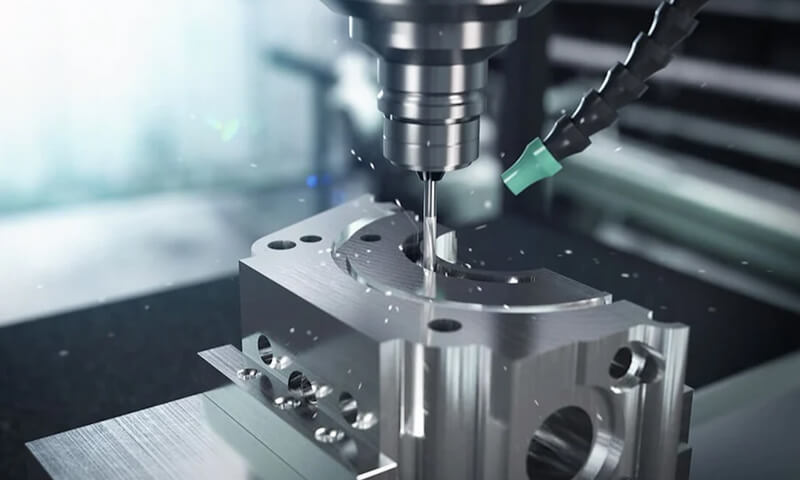
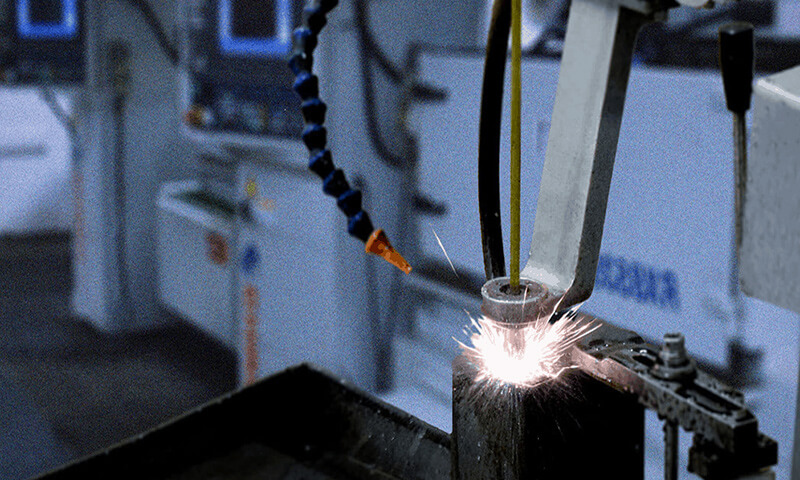
In toepassings waar visuele verfyning saam met vervaardigingspresisie moet bestaan—soos gegraveerde naamborde, argitektoniese versierings, dekoratiewe hardeware, en presisie-instrumentkomponente—materiaalkeuse is krities.
Die materiaal moet uitstekende gravuredefinisie lewer, stabiele verwerkbaarheid, betroubare weerstand teen korrosie, en langtermyn-estetiese integriteit.
CZ120 / CW608N gegraveer brons is spesifiek ontwerp om aan hierdie streng vereistes te voldoen.
As 'n loodhoudende duplekskoper met 'n versigtig gebalanseerde koper-sinkmatriks en fyn verspreide loodfase, dit bied 'n uitsonderlike kombinasie van graveerwerkverrigting, verwerkingsdoeltreffendheid, en diensduursaamheid.
Met bewerkbaarheid wat dié van vrysnyende koper nader en bewese weerstand teen omgewingsagteruitgang, CZ120 / CW608N het 'n maatstafmateriaal geword vir hoë-end gegraveerde en dekoratiewe komponente.
1. Kernprestasievoordele: Waar presisie aan duursaamheid voldoen
Die sukses van CZ120/CW608N lê in sy vermoë om twee dikwels mededingende eise te versoen: ingewikkelde oppervlakbesonderhede en langtermyn strukturele betroubaarheid.
Die prestasievoordele spreek direk die praktiese uitdagings aan wat in dekoratiewe en presisievervaardiging in die gesig gestaar word.

Uitstekende gravering & Bewerkingsprestasie vir ingewikkelde detailreplikasie
Die 1,5–2,5 gew.% lood in CZ120/CW608N bestaan so fyn, eenvormig verspreide deeltjies binne die koper-sink matriks, wat twee kritieke rolle in gravure en bewerking speel:
Eerste, dit dien as 'n interne smeermiddel, wat wrywing tussen die snygereedskap en die werkstuk aansienlik verminder, dus die slytasie van die gereedskap tot die minimum beperk en die lewensduur van die gereedskap verleng word 30% in vergelyking met loodvrye koper grade;
Tweedens, dit bevorder spaanderbrosheid, sodat skyfies maklik kan breek sonder om aan die gereedskaprand vas te hou.
Met 'n bewerkbaarheidsgradering van ongeveer 85% (verwys na vrysnyende koper C36000 by 100%), CZ120/CW608N gegraveerde koper ondersteun hoëspoedgravure, fynlyn bewerking, en mikronvlak detailreproduksie.
Dit maak dit besonder geskik vir gegraveerde naamborde, logo's, reeksmerke, en dekoratiewe reliëfs waar helderheid en skerpte noodsaaklik is.
Estetiese kwaliteit en afwerking
Behalwe sy meganiese werkverrigting, die estetiese eienskappe van CZ120/CW608N word hoog op prys gestel. Sy ryk, inherente goue glans bied 'n klassieke, luukse voorkoms.
Verder, die materiaal se vermoë om 'n hoë-politoer afwerking te aanvaar is ongeëwenaard.
Die gladde, skeurvrye oppervlak verkry deur vrysny maak voorsiening vir 'n spieëlpolitoer wat die visuele kontras tussen die gepoleerde oppervlak en die gegraveerde, dikwels verduister, uitsparings.
Hierdie kontras is noodsaaklik vir leesbaarheid en die dramatiese visuele impak van die finale stuk.
Betroubare korrosieweerstand en oppervlakstabiliteit
Die koperinhoud van ongeveer 58–60 gew.% verskaf 'n stabiele metallurgiese fondament wat korrosiebestandheid bevorder en die kenmerkende warm voorkoms van koper behou.
In atmosferiese omgewings, CZ120/CW608N gegraveerde koper vorm 'n digte en aanhegte oppervlakfilm wat teen oksidasie en ligte chemiese blootstelling beskerm.
Onder gestandaardiseerde neutrale soutsproeitoetsing (ASTM B117), die legering toon uitstekende weerstand teen oppervlakdegradasie, met geen noemenswaardige pitting of verkleuring na langdurige blootstelling en 'n baie lae korrosietempo.
Hierdie werkverrigting verseker dat gegraveerde besonderhede leesbaar bly en oppervlaktes hul visuele kwaliteit oor lang diensperiodes behou, selfs in vogtige of semi-buitelug toestande.
As gevolg hiervan, CZ120 / CW608N minimaliseer onderhoudsvereistes en vervangingskoste vir dekoratiewe en identifikasie komponente wat aan werklike omgewings blootgestel word.
Uitstekende warmvormbaarheid vir komplekse geometrieë
Behalwe gravure prestasie, CZ120 / CW608N bied baie goeie warm werkbaarheid.
Binne 'n aanbevole warmvormingsgebied van ongeveer 650–775°C, die legering vertoon hoë plastisiteit en lae weerstand teen vervorming.
Dit maak doeltreffende warm smee moontlik, seëling, en vorming van komplekse geometrieë, insluitend geboë profiele, reliëfstrukture, en driedimensionele dekoratiewe elemente.
Deurslaggewend, warmgevormde komponente kan naatloos gekombineer word met daaropvolgende graveerbewerkings.
Dit stel ontwerpers en vervaardigers in staat om komplekse vorms met fyn oppervlakbesonderhede te integreer - wat kreatiewe en funksionele ontwerpmoontlikhede verder uitbrei as plat of eenvoudige geometrieë.
2. Omvattende prestasieparameters van CZ120/CW608N
Die gebalanseerde werkverrigting van CZ120/CW608N gegraveerde koper is die resultaat van beheerde chemie en goed gekarakteriseerde fisiese eienskappe, gedefinieer onder erkende Europese standaarde.
Chemiese samestelling: Sinergistiese elemente wat kernvoordele bemagtig
Elke elementinhoud word streng beheer in ooreenstemming met Europese standaarde, en die wetenskaplike passing van lood en koper-sink matriks lê die grondslag vir maklike bewerking en hoë estetika.
Die gedetailleerde samestellingreeks word in die tabel hieronder getoon:
| Element | Inhoudreeks (gew.%) | Kernfunksie |
| Koper (CU) | 58.0–60,0 | Hoofmatrikselement; verseker strukturele stabiliteit, korrosieweerstand, en metaalglans |
| Sink (Zn) | Balans | Verbeter matrikssterkte en vormbaarheid; pas die materiaal se meganiese eienskappe aan |
| Lood (Pb) | 1.5–2.5 | Verbeter bewerkbaarheid en graveerprestasie; verminder gereedskapslytasie en bevorder spaanderbreek |
| Ander onsuiwerhede | ≤0,3 | Streng beperk om te verhoed dat korrosieweerstand en verwerkingsprestasie benadeel word |
Die vrysny-voordeel: Die rol van leier (Pb)
Die kenmerkende kenmerk van CZ120/CW608N is sy uitstekende vrysny-eienskap, wat direk toeskryfbaar is aan die fyn verspreide 2% lood byvoeging.
Lood is feitlik onoplosbaar in die kopermatriks en bestaan as mikroskopies, diskrete deeltjies versprei deur die mikrostruktuur.
Werkingsmeganisme: Tydens bewerking of gravering, die snywerktuig kom hierdie sagte looddeeltjies teë.
Die lood dien as 'n interne smeermiddel en, meer belangrik, as 'n spaanderbreker. In plaas daarvan om lank te vorm, deurlopend, en moeilik bestuurbare swerf (skyfies), die materiaal breek skoon by die loodinsluitings.
Hierdie vrysnyvermoë is die tegniese voorvereiste vir die "uitmuntende vakmanskap" wat die legering moontlik maak, aangesien dit voorsiening maak vir die skepping van ultra-fyn lyne en skerp, skoon rande noodsaaklik vir hoë-resolusie dekoratiewe werk.
Fisiese eienskappe: Pas aan by multi-scenario-toepassingsvereistes
Van termiese geleiding tot dimensionele stabiliteit, alle fisiese aanwysers weerspieël sterk praktiese uitvoerbaarheid, voldoen aan die dubbele vereistes van graveervakmanskap en diensscenario's:
| Fisiese aanwyser | Tipiese waarde | Toets Standaard | Toepassing Belangrikheid |
| Smeltpunt | 895° C | ASTM E983 | Bepaal warm werktemperatuur venster; vermy oorverhitting tydens verwerking |
| Digtheid | 8.4 g/cm³ | ASTM B328 | Verseker stabiele gewig en strukturele kompaktheid van presisiekomponente |
| Spesifieke hitte | 380 J/kg · k | ASTM E1269 | Fasiliteer temperatuurbeheer tydens verhitting- en verkoelingsprosesse |
| Termiese geleidingsvermoë (Kamertemperatuur) | 117 W/m · k | ASTM E1461 | Bevorder hitteafvoer tydens gravure en sny; voorkom plaaslike oorverhitting |
Koëffisiënt van termiese uitbreiding (20–200°C) |
20×10⁻⁶ /°C | ASTM E228 | Verseker dimensionele stabiliteit onder temperatuurveranderinge; vermy patroonvervorming |
| Elektriese geleidingsvermoë | 27% IACS | ASTM B193 | Voldoen aan basiese geleidende vereistes vir instrumentbehuisings en hardeware-bykomstighede |
| Elektriese weerstand | 0.064 Ω·mm²/m | ASTM B193 | Pas by geleidingsprestasie; geskik vir nie-hoë-presisie elektriese toepassings |
Vervaardiging & Aansluiteienskappe: Fokus op prosesversoenbaarheid
Prosesaanpasbaarheid is 'n sleutelfaktor vir CZ120/CW608N om wyd in presisievervaardiging gebruik te word, met duidelike tegniese spesifikasies vir hittebehandeling en aansluitingsprosesse:
Vorming & Hittebehandeling
- Uitgloei temperatuur reeks: 450–600°C; stresverligting temperatuurreeks: 250–350°C.
Uitgloeiingsbehandeling kan interne spanning wat tydens gravering gegenereer word, effektief uitskakel, sny, of vormingsprosesse, vervorming te vermy, krake, of patroonverskuiwing van werkstukke na verwerking,
en die versekering van langtermyn dimensionele stabiliteit (dimensionele toleransiebeheer binne ±0.02 mm vir presisiekomponente). - Koue vormbaarheid: Beperk (gradering C); nie geskik vir swaar koue vervormingsprosesse soos dieptrek nie.
Nietemin, sy uitstekende warm vormbaarheid dek ten volle die vraag na komplekse vormverwerking, vergoed vir die tekort aan koue vorming.
Aansluitingsmetodes
- Soldeer prestasie: Uitstekend vir sagte soldeerwerk, goed vir harde soldering.
Hierdie koppelingsmetode is die eerste keuse vir CZ120/CW608N-komponente, aangesien dit stewige verbinding van dekoratiewe deel splysie kan besef (Bv., gegraveerde trim samestelling) en instrument komponent samestelling (Bv., naambord en behuisingsverbinding) sonder om gegraveerde besonderhede of oppervlakglans te beskadig. - Sweisbeperkings: Oksi-asetileen sweiswerk, gasmetaalboogsweis, en weerstandspunt-/naatsweiswerk word nie aanbeveel nie.
Stompsweiswerkverrigting is net billik; sweisprosesse is geneig om graanvergroting te veroorsaak, oppervlak oksidasie, of graveerpatroon skade, wat produk-estetika en prestasie ernstig beïnvloed.
3. Tipiese toepassings: Omvattende versiering, Presisie instrumente & Hardeware
Met die omvattende voordele van maklike gravure, korrosieweerstand, en uitstekende vormbaarheid, CZ120/CW608N is wyd toegepas in dekoratiewe, instrument, en hardeware velde, word 'n voorkeurmateriaal wat estetika en funksionaliteit balanseer.
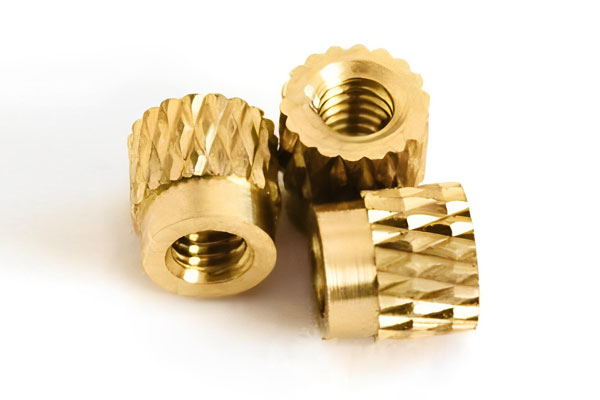
Versiering & Identifikasieveld
CZ120/CW608N is die beste keuse vir meganies gegraveerde naamborde, korporatiewe logo's, en argitektoniese versierings (Bv., deur/venster gesnyde patrone, muur metaal panele).
Die uitstekende graveerprestasie verseker duidelik, skerp lyne en driedimensionele patrone, terwyl betroubare korrosiebestandheid vervaag en verswarting voorkom, selfs in buitelug of hoë humiditeit omgewings.
Vir hoë-end kommersiële ruimtes en korporatiewe beeld vertoon, dit verbeter die hoë-end tekstuur van die ruimte en produkte, 'n gevoel van uitstekende vakmanskap oordra.
Presisie-instrumentveld
Dit word wyd gebruik in horlosiekaste, klein instrumenthuisies, ratte, en nokke.
Die presisie snywerkverrigting van CZ120/CW608N voldoen aan die streng dimensionele akkuraatheidsvereistes van instrumente (toleransie ≤0.01 mm vir sleutelkomponente), terwyl sy inherente metaalglans en korrosiebestandheid voorkoms en duursaamheid balanseer.
Vir presisie-instrumente wat beide betroubare werking en estetiese aanbieding vereis (Bv., laboratorium analitiese instrumente, presisie meetinstrumente), dit verseker langtermyn stabiele werking terwyl dit 'n hoë-end behou, getekstureerde voorkoms.
Hardeware & Klepveld
Dit word toegepas op deur/venster hardeware bykomstighede (Bv., gekerfde handvatsels, skarniere) en klepkomponente.
Die uitstekende warmvormbaarheid daarvan ondersteun die ontwerp van komplekse strukturele hardeware, die beperkinge van eenvoudige vorms te verbreek; betroubare korrosiebestandheid weerstaan vogtige omgewings en daaglikse dra, dienslewe verby te verseker 10 jare.
Vir hardeware produkte wat beide praktiese en estetika nastreef, CZ120/CW608N verhoog produkgraad terwyl dit bruikbaarheid waarborg.
4. Standaarde belyning & Globale Ekwivalensie: Gesaghebbende nakoming vir betroubare toepassing
CZ120/CW608N voldoen aan streng Europese materiaalstandaarde, verseker konsekwente kwaliteit en uitruilbaarheid in globale toepassings, wat die basis is vir sy gesaghebbende erkenning in die bedryf:
- Kernstandaarde: Voldoen aan EN 12164 (Koper en koperlegerings – Stawe, stawe en drade vir algemene doeleindes)
en 12163 (Koper en koperlegerings – Blaaie, stroke en borde vir algemene doeleindes), met duidelike vereistes vir samestelling, Meganiese eienskappe, en verwerkingsprestasie. - Globale ekwivalente grade: CZ120 is die Europese numeriese benaming, en CW608N is die ooreenstemmende materiële simbool;
sy ekwivalente grade in ander streke sluit in C37700 (ASTM, VSA) en C3771 (Hy, Japan), fasilitering van grensoverschrijdende toepassing en materiaalverkryging vir internasionale projekte.
5. Konklusie
CZ120/CW608N gegraveerde koper verteenwoordig 'n verfynde balans tussen artistieke vakmanskap en ingenieursprestasie.
Die uitstekende bewerkbaarheid en graveergetrouheid, betroubare weerstand teen korrosie, en uitstekende warmvormbaarheid is stewig gewortel in 'n wetenskaplik geoptimaliseerde samestelling en goed gevestigde verwerkingsgedrag.
Van fyn gedetailleerde naamborde en argitektoniese versierings tot presisie-instrumentbehuisings en hoë-end hardeware, CZ120/CW608N gegraveerde koper lewer konsekwent betroubare vervaardigingsuitkomste en langtermyn visuele aantrekkingskrag.
Die keuse van hierdie legering is nie bloot 'n materiaalkeuse nie - dit is 'n strategiese besluit om produkkwaliteit te verbeter, ontwerp buigsaamheid, en markmededingendheid.
Namate die vraag na premium dekoratiewe en presisiekomponente bly groei,
CZ120/CW608N gegraveerde koper sal 'n hoeksteenmateriaal bly op die gebied van gegraveerde koper, wat die naatlose integrasie van uitstekende vakmanskap en moderne vervaardigingsuitnemendheid moontlik maak.