Bekendstelling
In belegging giet, die keramiekdop is veel meer as 'n tydelike vorm.
Dit is die strukturele fondament wat wasverwydering ondersteun, afvuur, metaal giet, en uiteindelik die dimensionele integriteit van die finale gietwerk.
As die dop kraak tydens vuur, die hele gietvolgorde kan gekompromitteer word voordat gesmelte metaal selfs die vorm binnedring.
Om hierdie rede, dopvuurkrake is een van die ernstigste en duurste gebreke in die beleggingsgietproses.
Krake tydens brand van keramiekdop is nie 'n enkeloorsaaklike probleem nie.
Dit is gewoonlik die gevolg van veelvuldige spanning wat op dieselfde tyd optree: Termiese gradiënte, fase transformasie spanning, oorblywende spanning vrystelling, en swakheid in die dop se materiaalstelsel of prosesbeheer.
'n Dop kan klink klink by kamertemperatuur, tog misluk vinnig sodra dit verhit is as die verhittingskedule, materiaal samestelling, of drooggeskiedenis word swak beheer.
Om hierdie gebrek te verstaan, moet jy na die probleem vanuit drie hoeke kyk: hoe die krake lyk, hoekom hulle vorm, en hoe dit deur die hele prosesketting voorkom kan word.
1. Wat is 'n keramiekdop?
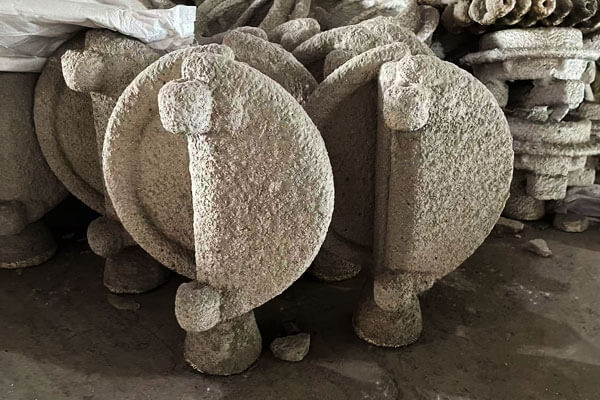
'N Keramiek dop is 'n veellaag vuurvaste struktuur gebou rondom 'n was patroon tydens Beleggingsgooi.
Dit word tipies gevorm deur die wassamestelling herhaaldelik in keramiekmis te doop, pleister dit met vuurvaste korrels, en droog elke laag totdat die verlangde dikte en sterkte bereik is.
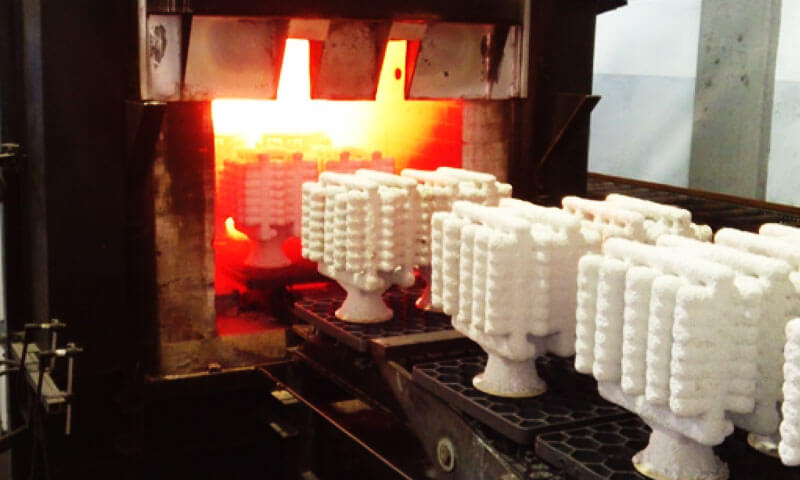
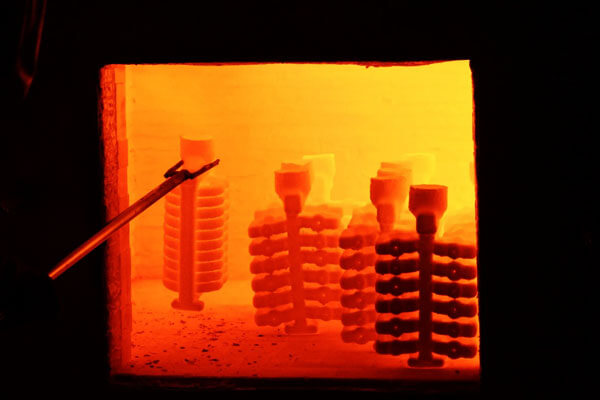
Na ontwatering, die dop word afgevuur om oorblywende vog en organiese stowwe te verwyder, versterk die gebonde keramieknetwerk, en berei die vorm voor vir giet.
Die dop moet aan 'n moeilike kombinasie van vereistes voldoen:
- genoeg kamertemperatuur-integriteit om hantering en ontwaking te oorleef,
- genoeg deurlaatbaarheid om gasse te laat ontsnap,
- genoeg termiese stabiliteit om vuur en gesmelte metaal te weerstaan,
- genoeg krag om vervorming en krake te weerstaan,
- en genoeg dimensionele getrouheid om 'n presiese gietvorm weer te gee.
Omdat hierdie vereistes stewig gekoppel is, 'n swakheid in een deel van die dopstelsel kan vinnig 'n kraakprobleem word tydens afvuur.
2. Makro en mikro morfologiese kenmerke van dopvuurkrake
Keramiekdopbrandkrake vertoon hoogs gereelde en onderskeibare morfologiese kenmerke,
wat op grond van verspreiding in drie tipiese makroskopiese kategorieë geklassifiseer kan word, diepte, en gevaarvlak, met unieke mikroskopiese uitbreidingsreëls wat onder mikrostrukturele waarneming aan die lig gebring is.
Drie tipiese makroskopiese kraaktipes
Deur-dikte krake
As die mees gevaarlike vuurdefek, deurdikte krake penetreer heeltemal vanaf die buitenste dopoppervlak na die binneholteoppervlak met 'n kraakwydte wat oorskry 0.5 mm.
Hierdie krake kom hoofsaaklik op groot voor, dunwandige plat areas van die keramiekdop en kom sigbaar na vore tydens die opwarmstadium van vuur.
Sodra gevorm, hulle vernietig die strukturele integriteit en drukweerstand van die dopvorm heeltemal, lei tot deeglike skrapping van die gietdop met geen moontlikheid van herstel nie.
Hierdie gebrek is die primêre oorsaak van massiewe dopafval in massabeleggingsgietproduksie.
Oppervlakte mikro-krake
Oppervlakte mikro-krake is vlak, haarlynfoute uitsluitlik beperk tot die dop se buitenste oppervlaklaag, met 'n penetrasiediepte minder as een derde van die totale dopdikte.
Hierdie subtiele krake is byna onsigbaar by kamertemperatuur en vermy gereeld roetine-inspeksie vooraf..
Onder die intense termiese skok van hoë-temperatuur gesmelte metaal tydens giet, die dormante mikrokrake brei vinnig uit en versprei na binne,
deurlopende verhoogde streepdefekte op die ooreenstemmende gietoppervlak te vorm, wat die oppervlakafwerking en dimensionele eenvormigheid van presisiegietstukke ernstig benadeel.
Grensvlakdelaminering krake
Grensvlakdelamineringskrake versprei langs die bindingsvlakke tussen aangrensende dopbedekkingslae, veroorsaak plaaslike skeiding en afskilfering tussen die oppervlaklaag en rugsteunlae van die keramiekdop.
Gekonsentreer op dophoeke, kante, en strukturele oorgangsones, hierdie krake ondermyn die algehele strukturele rigiditeit en tussenlaagbindingssterkte van die dop.
Tydens gesmelte metaal giet, grensvlakskeiding lei tot gelokaliseerde dopafskeiding, lei tot tipiese sandinsluitingsdefekte op gietoppervlaktes en kompromitteer die lugdigtheid en vormingstabiliteit van die vormholte.
Mikroskopiese uitbreidingsmeganisme van die afvuur van krake
Mikrostruktuuranalise bevestig dat brandkrake 'n selektiewe voortplantingspad volg.
In plaas daarvan om die vuurvaste aggregaatdeeltjies direk te breek, meeste krake strek langs die grensvlakgrens tussen vuurvaste deeltjies en die kolloïdale bindmiddelgelfase.
Hierdie kernkenmerk verifieer dat dopvuur krake in wese spruit uit termofisiese wanverhouding tussen die bindmiddelstelsel en vuurvaste materiale.
Tydens hoë-temperatuur vuur, die volume variasie van die kolloïdale silika bindmiddel nie sinchroniseer met die termiese uitsetting gedrag van vuurvaste aggregate,
genereer gekonsentreerde grensvlakspanning wat die inherente tussenlaagbindingssterkte oorskry, wat uiteindelik strukturele breuk en krakinisiasie veroorsaak.
Vir krake wat by temperature bo 1100°C gevorm word, abnormale presipitasie van mullietfases en gelokaliseerde verryking van lae-viskositeit glasfases word konsekwent waargeneem by kraakpunte.
Hierdie hoë-temperatuur fase veranderinge verswak verder koppelvlakbinding taaiheid en versnel kraakvoortplanting, bewys dat termiese fase-transformasie 'n kritieke dryfveer is vir hoë-temperatuur dop krake.
3. Kernvormingsmeganismes van keramiekdopbrandkrake
Keramiekdopvuur is 'n dinamiese termomeganiese proses wat voortdurende temperatuurstyging behels, water verdamping, organiese ontbinding, en fasetransformasie.
Vuurkrake vind plaas wanneer die gesuperponeerde interne spanning die oombliklike hoëtemperatuursterkte van die dop op 'n spesifieke temperatuurstadium oortref.
Die omvattende stresstelsel bestaan uit drie dominante meganismes: termiese spanning wanverhouding, fase transformasie stres mutasie, en gekonsentreerde oorblywende stresvrystelling, aangevul deur gasuitsettingstres van onreinheid ontbinding.
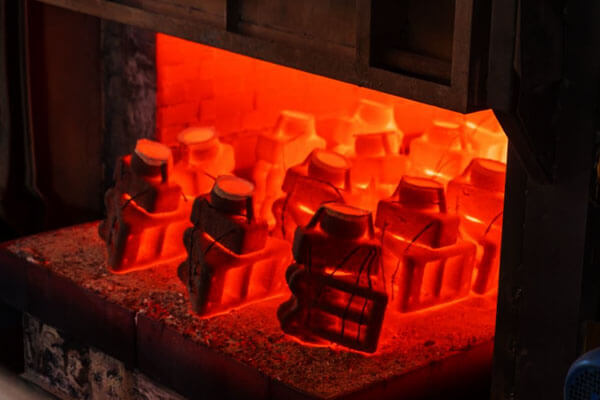
Termiese spanning wanaanpassing (Primêre aansporing)
Keramiekdoppe is poreuse nie-metaal saamgestelde materiale met 'n lae termiese geleidingsvermoë van 1,2~2,0 W/(m·K), lei tot beduidende termiese histerese tydens oondverhitting.
Buitensporige vinnige verhittingstempo skep 'n skerp temperatuurgradiënt tussen die dop se buitenste oppervlak en binnekern: die buitenste laag sit vinnig uit onder hoë temperature,
terwyl die binneste lae-temperatuurgebied sy vrye uitsetting beperk, genereer enorme beperkte termiese spanning.
Wanneer die verhittingstempo 5°C/min oorskry, die interne en eksterne temperatuur verskil van rugsteun dop lae dikker as 10 mm kan meer as 200°C bereik.
In die medium-temperatuur reeks van 600°C tot 800°C, die keramiekdop handhaaf relatief lae meganiese sterkte, maak dit uiters kwesbaar vir termiese spanning-geïnduseerde krakinisiasie.
Vir komplekse skulpe met ingewikkelde binneholtes, warm oond lugvloei kan nie glad binne die holte sirkuleer nie, die interne-eksterne temperatuurverskil verder vergroot.
Dit verklaar hoekom dunwandig, kompleks-gestruktureerde belegging giet doppe is die meeste vatbaar vir die afvuur van krake.
Fase Transformasie Stres Mutasie (Hoë-temperatuur dominante faktor)
Die industriële hoofstroom kolloïdale silika-kwarts poeierdopstelsel ondergaan ernstige kristallyne fase-oorgang by 573°C, waar α-kwarts vinnig transformeer in β-kwarts met 'n skielike volume-uitbreiding van 0.82%.
Onbeheerde vinnige verhitting naby hierdie kritieke temperatuur veroorsaak onmiddellike volumemutasie van kwartsdeeltjies, generering van massiewe interne spanning en intensiewe ontkieming van mikro-krake oor die dopstruktuur.
Selfs vir hoë-stabiliteit gesmelte alumina-gebaseerde skulpe, die amorfe SiO₂-gel omgeskakel vanaf kolloïdale silika begin kristallisasie bo 800°C, geleidelik vorm kristobaliet met aansienlike volume variasie.
Die fasetransformasiespanning wat tydens hierdie kristallisasieproses gegenereer word, brei inherente mikrokrake in die dop verder uit.
Verder, oorblywende karbonaat en sulfaat onsuiwerhede in grondstowwe ontbind en produseer gas by hoë temperature.
Vasgevang gas wat nie deur dopporieë kan ontsnap nie, skep ekstra uitsettingstres, vererger die neiging van kraakvoortplanting.
Residuele stres Gekonsentreerde vrystelling (Versteekte kraakoorsaak)
Aansienlike oorblywende spanning versamel tydens dopmaak- en ontwakingsprosesse, bly in 'n metstabiele toestand gebind deur die dop se jelnetwerk by kamertemperatuur.
Tydens multi-laag dop coating, asynchroniese droogkrimping van opeenvolgende bedekkingslae skep aanhoudende grensvlakresiduspanning.
In die ontwakingsproses, vinnige termiese uitsetting en smelting van waspatrone lei verder gelokaliseerde streskonsentrasie binne die dop in.
Wanneer die dop bo 600°C verhit word tydens vuur, die kolloïdale bindmiddelgelfase versag, en die dop se rigiede strukturele beperking neem skerp af.
Die lang opgehoopte oorblywende spanning los skielik, die oorspronklike interne spanningsbalans te breek en vinnige uitbreiding van latente mikrokrake tot sigbare makroskopiese brandkrake te veroorsaak.
Hierdie meganisme is verantwoordelik vir die meeste vertraagde en versteekte dopkrake-defekte in industriële produksie.
4. Volledige proses sistematiese beheer- en voorkomingstegnologie
Gegewe die multi-faktor koppeling meganisme van dop afvuur krake, enkelprosesaanpassing kan nie defekte fundamenteel uitskakel nie.
'n Omvattende voorkomingstelsel wat materiaalformule-optimering dek, presiese gesegmenteerde termiese regulering van vuur, en voor-proses samewerkende beheer word vereis om dopkwaliteit te stabiliseer en kraakdefekte te onderdruk.
Materiaalstelseloptimalisering: Fundamentele kraakonderdrukking
Die optimering van die hoë-temperatuur termostabiliteit en taaiheid van dopmateriaal elimineer die hoofoorsaak van spanningsversteuring:
Eerste, verander die tradisionele kwartspoeier vuurvaste stelsel deur gesmelte alumina of mulliet poeier in te voer.
Hierdie hoë-temperatuur stabiele materiale buffer die gewelddadige volume mutasie van kwarts fase transformasie, verminder die volume variasietempo by die 573°C faseoorgangspunt tot binne 0.3% en die fase-transformasiestres drasties te verlaag.
Tweedens, optimaliseer kolloïdale silika bindmiddel prestasie deur SiO₂ deeltjie grootte verspreiding binne 10~20 nm te beheer.
Dit vermy vinnige kristallisasie van ultrafyn silika-deeltjies by hoë temperature en verbeter die algehele termiese stabiliteit van die bindmiddelstelsel.
Verder, voeg 'n klein hoeveelheid kortgesnyde aluminiumsilikaatvesel by rugsteunlaagbedekkings om 'n interne veselverhardingsnetwerk te bou.
Die veseloorbruggingseffek anker kraakpunte effektief en blokkeer kraakvoortplanting,
verhoog die hoë-temperatuur buigsterkte van die keramiek dop met meer as 30% en die strukturele weerstand teen spanningskade aansienlik verbeter.
Gesegmenteerde presisie temperatuurbeheer: Stabiele stresvrystelling
'n Gefaseerde stapverhittingskurwe vervang tradisionele ru-snelvuur om gradiënt en gebalanseerde spanningvrystelling regdeur die vuurproses te verkry:
- Kamertemperatuur tot 300°C: Gebruik 'n lae verhittingstempo van 1°C/min om vrye oorblywende vog binne-in die dop heeltemal te verwyder, voorkoming van oombliklike stoomverdamping en plofbare spanningskade.
- 300°C tot 600°C: Beperk die verhittingstempo tot onder 1.5°C/min om volle oksidatiewe ontbinding van oorblywende was en organiese residue te verseker, vermy gelokaliseerde streskonsentrasie wat veroorsaak word deur gewelddadige verbranding van oorblywende onsuiwerhede.
- 573°C Fase-oorgangsplatform: Handhaaf 'n konstante temperatuur hou stadium vir 60 ~ 90 minute by die kwarts fase oorgang kritieke punt om stadige moontlik te maak, stabiele fase transformasie en elimineer strukturele skade van skielike volume uitbreiding.
- 600°C tot 1050°C: Verhoog die verhittingtempo matig tot 2°C/min, gevolg deur 2~4 uur van konstante-temperatuur vuur by die finale temperatuur.
Dit verseker voldoende sintering van die bindmiddelstelsel en vorm eenvormig, stabiele hoë-temperatuur strukturele sterkte vir die dop.
Intussen, optimaliseer die warmlugsirkulasiestelsel van die vuuroond om die algehele oondtemperatuurafwyking binne ±15°C te beheer, ongelyke termiese spanning wat deur plaaslike temperatuurverskille veroorsaak word, uit te skakel.
Voor-proses samewerkende optimalisering: Verminder Residuele Stres-akkumulasie
Gekoördineerde beheer van dopmaak- en ontwakingsprosesse verminder vooraf stresakkumulasie:
In die dopbedekkingsproses, standaardiseer die droogtyd en omgewingstemperatuur en humiditeit vir elke laaglaag streng, verseker sinchroniese droogkrimping van meerlaagstrukture en vermy buitensporige grensvlakkrimpverskille.
In die ontwakingsproses, neem 'n laedrukgradiëntdrukverhogingsmodus aan om onmiddellike gewelddadige uitbreiding van waspatrone te voorkom, vermindering van impakskade en oorblywende spanning inleiding aan die dop.
Vir groot en komplekse skulpe, voeg 'n lae-temperatuur voordroogproses by na ontwaking om laagkokende vlugtige stowwe uit te voer en vlak oorblywende spanning vooraf vry te stel, doeltreffend voorkoming van skielike krake wat veroorsaak word deur gekonsentreerde spanningsvrystelling tydens hoëtemperatuurvuur.
5. Konklusie
Keramiekdopbrandkrake is 'n tipiese saamgestelde strukturele defek wat deur termiese spanning aangedryf word, fase transformasie stres, en residuele spanningkoppeling.
Die inisiasie en voortplanting daarvan word bepaal deur die termofisiese passing van skulpmateriaalstelsels, die rasionaliteit van die afvuur van termiese stelsels, en die oorblywende spanningstoestand wat deur voorprosesbewerkings gevorm word.
Geklassifiseerde identifikasie van makroskopiese kraakmorfologieë en mikroskopiese uitbreidingsmeganismes maak doelgerigte defekdiagnose moontlik.
Deur materiaalverhardingsmodifikasie, gesegmenteerde presiese temperatuurbeheervuur, en volle-proses samewerkende voorafbeheer van dopmaak- en ontwakingsprosedures, gieterye kan dopvuur krake effektief onderdruk,
verbeter dop strukturele integriteit en hoë-temperatuur stabiliteit, verminder gietoppervlakdefekte en afvaltempo, en hoë akkuraatheid te bereik, hoë opbrengs, en laekoste gestandaardiseerde produksie van beleggingsgietsels.