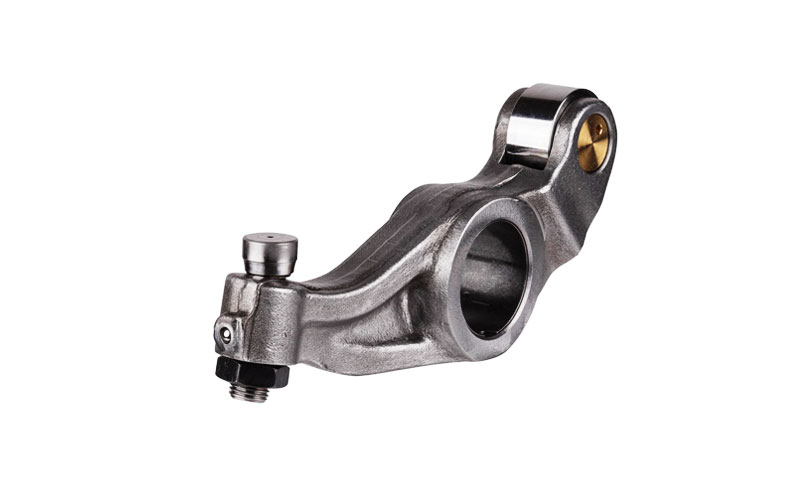
1. Bekendstelling
Belegging beslissende-dikwels genoem die verlore-was proses- stel vervaardigers in staat om komplekse te produseer, naby-net-vorm metaal komponente met uitsonderlike oppervlak afwerking en dimensionele akkuraatheid.
Wanneer dit met hoë werkverrigting gepaard gaan legeringsstaal, hierdie tegniek lewer onderdele wat uiterste vragte weerstaan, korrosiewe omgewings, en verhoogde temperature.
Hierdie artikel ondersoek legeringstaalbeleggingsgietstukke vanaf fundamentele beginsels deur materiaalkeuse, proses beheer, mikrostruktuur, aansoeke, ontwerpriglyne, en die afsluiting van beste praktyke.
2. Alloy Steel Investment Casting
Beleggingsgooi- ook bekend as die verlore-was proses-lewer presisiekomponente deur 'n weggooibare waspatroon met 'n duursame keramiekvorm te kombineer.
Wanneer toegepas word op legeringsstaal, dit ontsluit ingewikkelde geometrieë en voortreflike werkverrigting wat meeding met duur bewerking of vervaardiging van meer stukke.
Onder, ons breek die kernstappe af, meet die akkuraatheid daarvan teen sandgiet en CNC-bewerking, en beklemtoon die beslissende voordele.
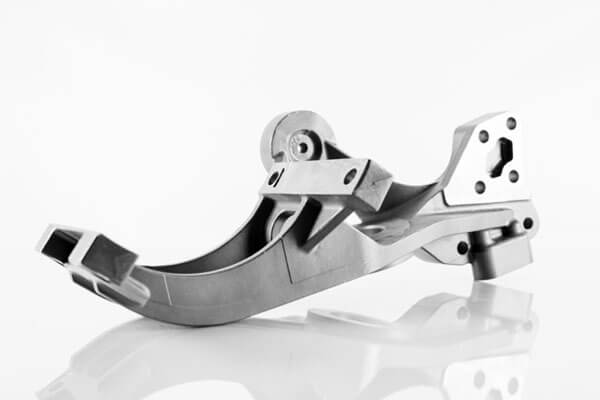
Prosesoorsig
- Waspatroonskepping
• Inspuitvorm 'n hoë-presisie was replika van die laaste deel—toleransies kan ±0.1 mm bereik.
• Patroonbome kan verskeie dele vir bondelverwerking groepeer, Versterking van deurset. - Keramiekskulpgebou
• Dip: Die wassamestelling gaan 'n fynkorrelige keramiekmis binne (viskositeit ~15 cP).
• Pleisterwerk: Na dreineer, die dop ontvang 'n laag vuurvaste sand (15–30 µm).
• Herhaal: Afwisselende dip en pleisterwerk 4–8 keer lewer 'n 4–8 mm dik dop met Ra 1–3 µm haalbaar. - Ontwaking en dopversterking
• Outoklaaf of stoomhitte smelt was uit, 'n leemte laat wat presies ooreenstem met die verlangde meetkunde.
• Doppe droog dan teen 200–300 °C om oorblywende vog af te dryf en die vorm te versterk. - Giet gesmelte legeringstaal
• Smelt allooistaal (Bv., 4140) in 'n EAF of induksie oond te 1 450–1 550 ° C.
• Gooi in voorverhit (>200 ° C) skulpe om termiese skok te verminder en volledige vulling te verseker. - Skulpverwydering & Finale afwerking
• Uitskud slaan die keramiek weg, gevolg deur ontploffing skoonmaak en maal.
• Kritiese gemasjineerde oppervlaktes ontvang toelaes van 1–2 mm om ±0.25 mm toleransies te tref.
Vergelyking met sandgiet en -bewerking
| Aspek | Alloy Steel Investment Casting | Sand gietstuk | CNC-bewerking van staafvoorraad |
|---|---|---|---|
| Dimensionele verdraagsaamheid | ±0,25 mm | ±1,0 mm | ±0,05 mm |
| Oppervlakafwerking (Ra) | 1–3 µm | 10–25 µm | 0.4–1,6 µm |
| Komplekse meetkunde | Hoogs kompleks, Dun mure | Gematig, konsep vereis | Beperk deur toegang tot gereedskap |
| Materiaal opbrengs | > 90 % | 60–70 % | 30–50 % |
| Sekondêre bewerking | 30–50 % vermindering | Dikwels omvangryk | Primêre proses |
3. Tipiese legeringstaalgrade vir beleggingsgietstukke
Die keuse van die regte legeringstaalgraad bepaal 'n beleggingsgietwerk se meganiese werkverrigting, korrosieweerstand, en hitteverdraagsaamheid.
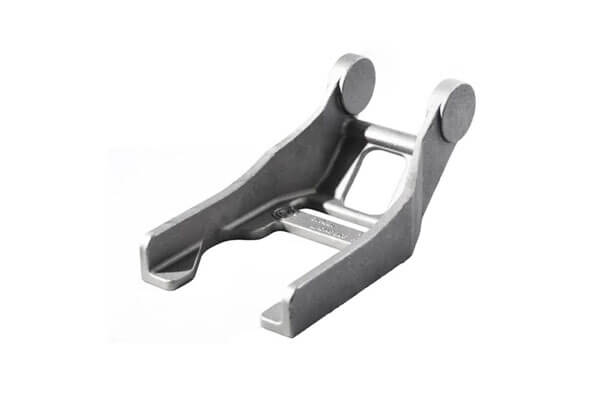
Hieronder is 'n uiteensetting van algemeen gegote grade - georganiseer volgens kategorie - met hul kenmerkende eienskappe en tipiese toepassings.
| Gelykmaak | Kategorie | Sleutellegeringselemente | Trekkrag (MPA) | Hardheid (HRC) | Tipiese toepassings |
|---|---|---|---|---|---|
| 8620 | Dop-hardbare lae-legering | C 0.18%, In 0.40%, CR 0.40%, Mo 0.15% | 550–650 | 20–30 | Geharde ratte, asse, bossies |
| 4140 | Chrome-moly lae-legering | C 0.40%, CR 1.00%, Mo 0.25%, Mn 0.75% | 800–950 | 28–40 | Hoë-sterkte skag, wip arms |
| 4340 | Nikkel-chroom-moly lae-legering | C 0.40%, In 1.80%, CR 0.80%, Mo 0.25% | 900–1 100 | 32–45 | Vliegtuig toebehore, swaardiens-asse |
| 17-4Ph | Neerslagverhardende SS | Fe–17Cr–4Ni–4Cu–0.3Nb | 850–1 100 | 28–40 | Korrosiebestande pomphuise, klep dele |
| 316L | Austenitiese vlekvrye | Fe–18Cr–12Ni–2Mo | 480–620 | ≤25 | Chemiese verwerkingstoerusting, mariene toebehore |
| 410 | Martensitiese vlekvrye | Fe–12 Kr | 450–600 | 30–45 | Slytvaste omhulsels, klep afwerking |
| A217 WC6 | Cr–Mo drukvatstaal | C 0.10%, CR 2.25%, Mo 1.00% | 550–700 | ≤30 | Hoë temperatuur kleppe, stoompype |
| A217 WC9 | Cr–Mo–V drukvatstaal | C 0.08%, CR 9.00%, Mo 1.00%, V 0.20% | 600–750 | ≤32 | Ultra-oorverhitte stoomkleppe, swaardiens-ketelonderdele |
4. Mikrostruktuur en hittebehandeling
Beleggingsgegote legeringstaal stol in dendritiese strukture met nie-eenvormige verspreiding van opgeloste stof en blokagtige karbiede gekonsentreer in interdendritiese streke.
Byvoorbeeld, as-cast AISI 4140 vertoon dikwels a primêre dendriet armspasiëring van 50–200 µm, met chroomryke M₇C₃-karbiede en molibdeenryke M₆C-karbiede wat by korrelgrense vorm.
Sulke inhomogeniteite lei tot veranderlike hardheid (in die omtrek 280–320 HBW) en gelokaliseerde streskonsentrators, wat die moegheidslewe en bewerkbaarheid in die gedrang bring.
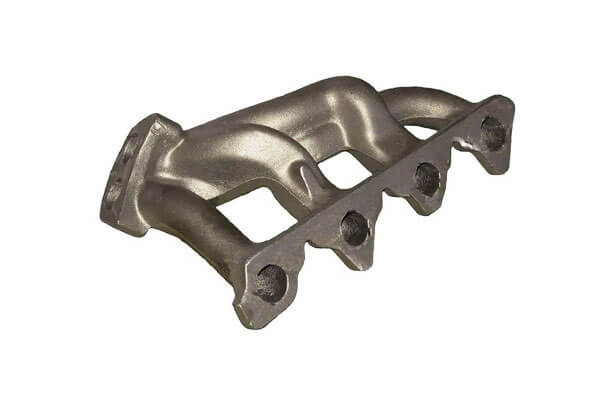
Uitgloping en Graanverfyning
Om die mikrostruktuur te homogeniseer, gieterye algemeen uitgloei gietstukke by 800–850 °C vir 2-4 uur, gevolg deur oond verkoeling by ≤20 °C/uur.
Hierdie siklus bevorder sferoidisering van karbiede en verminder hardheid tot 180–220 HBW, bewerking vergemaklik.
As gevolg hiervan, korrelgrootte verfyn van 'n ASTM 4–6-gradering tot 6–8, verbeterde rekbaarheid deur 15–25 % en die vermindering van interne spanning met tot 90 %.
Normaliserende en eenvormige eienskappe
Gevolglik, normalisasie teen 900–950 ° C met lugverkoeling verfyn korrels verder tot ASTM 5–7 en lewer 'n meer eenvormige perlities-ferrities matriks.
Genormaliseer 4340 gietstukke bereik treksterktes van 850–950 MPa en Charpy-impakwaardes naby 35 J, taaiheid te verbeter deur 20 % in vergelyking met die as-cast toestand.
Blus uit & Temperatuur vir Hoë Krag
Vir maksimum krag, legeringstaal ondergaan blus & humeur: austenitiserende by 840–860 °C, olie blus tot kamertemperatuur, dan temper by 550–600 ° C vir 2 × 2 ure. Hierdie volgorde transformeer die matriks na geharde martensiet, versprei fyn karbiede (10–50 nm), en verhoog hardheid tot MRK 45–50 met treksterktes tot 1 200 MPA. Tempering herstel ook taaiheid na 15–25 J, balanseer sterkte en impak weerstand.
Oplossing Behandel & Ouderdom vir vlekvrye legerings
Vlekvrye grade soos 17-4Ph voordeel trek uit oplossing behandeling teen 1 040 ° C, blus in water, en veroudering teen 480 ° C vir 4 ure.
Hierdie neerslag-verharding siklus produseer nanoskaal Ni₃(AL,CU) deeltjies, verhef hardheid tot MRK 38–42 en gee krag aan 850 MPA terwyl korrosiebestandheid gehandhaaf word.
5. Sleutelvoordele van Alloy Steel Investment Castings
Allooistaal beleggingsgietwerk lewer 'n unieke kombinasie van presisie, verrigting, en kostedoeltreffendheid wat min prosesse kan ewenaar:
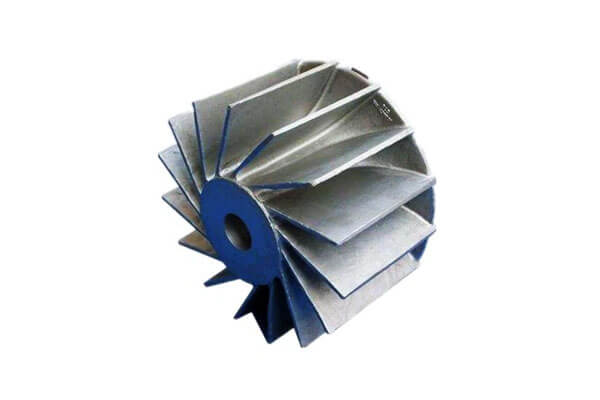
Komplekse meetkunde en ontwerpvryheid
Beleggingsgietwerk hanteer vorms onmoontlik of buitensporig duur met ander metodes—ondersny, interne gange, dun mure af na 1 mm, en ingewikkelde roosterstrukture.
As gevolg hiervan, ontwerpers verminder deeltellings met tot 50 % deur multi-stuk sweiswerk of samestellings te vervang met 'n enkele belegging-gegote komponent.
Streng toleransies en superieure oppervlakafwerking
Tipiese dimensionele akkuraatheid van ±0,25 mm en as gegote oppervlakafwerkings van Ra 1–3 µm skakel uitgebreide sekondêre bewerking uit.
Gevolglik, vervaardigers rapporteer 30–50 % vinniger CNC siklus tye en tot 40 % laer afwerkingskoste in vergelyking met sandgegote dele.
Uitstekende materiaalbenutting en opbrengs
Naby-net vorms verminder grondstofvermorsing, die bereiking van materiaalopbrengste wat oorskry 90 % versus 60–70 % vir sandgiet of 30–50 % vir blok bewerking.
Laer afval tariewe direk vertaal in 15–25 % besparings in materiaalkoste vir hoëwaarde-legerings.
Breë legeringsversoenbaarheid
Van lae-legeringsstaal (8620, 4140, 4340) tot vlekvrye en hittebestande grade (17-4Ph, 316L, H13), beleggingsgietwerk akkommodeer feitlik enige legeringsformulering.
Gieterye kan chemiese samestelling streng beheer en netheid smelt (insluitingsvlakke < 100 dpm),
verseker konsekwente meganiese eienskappe—treksterktes van 350 na 1 200 MPA, hardheid tot HRC 55, en Charpy-taaiheidswaardes van 10–60 J.
Herhaalbaarheid en skaalbaarheid
Keramiekvorms weerstaan vervorming vir 50–100 giet, konsekwente resultate oor produksielopies oplewer.
Herhaalbaarheid beter as 95 % op kritieke afmetings laat OEM's met selfvertroue oprit vanaf prototipe groepe van 10 dele tot volskaalse produksie van 1 000+ stukke met minimale herkwalifikasie.
6. Toepassings van Alloy Steel Investment Castings
Lugvaart
- Sleutelkomponente: Turbine lemme, strukturele hakies, enjin monterings, behuising dele.
Motorbedryf
- Sleutelkomponente: Turboaanjaer omhulsels, transmissie dele, remstelsel komponente, enjinonderdele.
Olie en gas
- Sleutelkomponente: Klepliggame, pomphuise, wierers, boor gereedskap, verbindings.
Industriële masjinerie
- Sleutelkomponente: Ratte, koppelings, nokke, meganiese arms, hidrouliese komponente.
Militêre en verdediging
- Sleutelkomponente: Wapenkomponente, gepantserde voertuigonderdele, missielstelsel elemente.
Mediese Toerusting
- Sleutelkomponente: Chirurgiese instrumente, ortopediese inplantings, tandheelkundige gereedskap.
Krag en Energie
- Sleutelkomponente: Stoomturbine onderdele, gasturbine lemme, kragopwekker komponente, ketel toebehore.
7. Kies DEZE vir jou Alloy Steel Investment Castings
Hierdie is daartoe verbind om beleggingsgietstukke van legeringstaal van hoë gehalte te lewer wat aan die streng eise van die moderne industrie voldoen.
Met gevorderde verlore-was giet tegnologie en presisie-beheerde prosesse, Hierdie verseker uitsonderlike dimensionele akkuraatheid, herhaalbaarheid, en oppervlakafwerking.
Elke gietstuk is aangepas om aan spesifieke meganiese te voldoen, termiese, en korrosie weerstand vereistes,
neem Hierdie 'n betroubare vennoot oor sektore soos lugvaart, petrochemies, energie, vervoer, en mediese toerusting.
Van aanvanklike ontwerpkonsultasie tot finale inspeksie, Hierdie integreer streng gehaltebeheer en metallurgie kundigheid om duursaam te verskaf, hoë-prestasie legeringstaal komponente wat betroubaar werk in die mees veeleisende omgewings.
8. Konklusie
Allooistaal beleggingsgietwerk smelt saam ontwerpkompleksiteit met hoëprestasie metallurgie.
Deur presiese beheer van waspatrone, keramiek skulpe, skink, en hittebehandelings,
vervaardigers lewer komponente met treksterktes tot 1 200 MPA, oppervlakafwerkings van Ra 1–3 µm, en dimensionele toleransies van ±0,25 mm.
As digitale simulasie, bykomende wasproduksie, en gevorderde legerings ontwikkel, beleggingsgietwerk sal voortgaan om die toekoms van missiekritieke dele in lugvaart te vorm, energie, medies, en verder.