1. Bekendstelling
Onder die vele grade vlekvrye staal wat vandag beskikbaar is, 440C vlekvrye staal beklee 'n unieke posisie as een van die hardste en mees slytvaste vlekvrye staal wat deur konvensionele hittebehandeling vervaardig kan word.
Die kombinasie van hoë koolstofinhoud met aansienlike chroombyvoeging, 440C lewer 'n uitsonderlike balans van hardheid, krag, Dimensionele stabiliteit, en matige weerstand teen korrosie, maak dit die voorkeurmateriaal vir talle hoëprestasie-ingenieurstoepassings.
Oorspronklik ontwikkel om aan die groeiende vraag na korrosiebestande laerstaal en presisiemeganiese komponente te voldoen, 440C het ontwikkel tot een van die mees erkende martensitiese vlekvrye staalsoorte.
Dit word wyd gebruik in nywerhede waar weerstand teen skuur is, rollende kontakmoegheid, en oppervlakslytasie is meer krities as maksimum korrosiebestandheid.
Vandag, komponente wat van 440C vervaardig word, kan in lugvaarttoerusting gevind word, Mediese instrumente, industriële kleppe, presisie laers, meslemme, vorms, meet toestelle, voedselverwerking masjinerie, en talle ander meganiese stelsels.
2. Wat is 440C vlekvrye staal?
440C vlekvrye staal is 'n hoë-koolstof martensietiese vlekvrye staal bekend vir sy besonderse hardheid, dra weerstand, en die vermoë om skerp snykante en presiese afmetings onder veeleisende dienstoestande te handhaaf.
Dit behoort aan die 440 reeks vlekvrye staal, wat ook 440A en 440B insluit, maar 440C bevat die hoogste koolstofinhoud, wat dit toelaat om die grootste hardheid te bereik na hittebehandeling.

Anders as ferritiese of austenitiese vlekvrye staal, martensitiese vlekvrye staal verkry hul hoë sterkte deur hittebehandeling.
Deur die materiaal in die austenitiese gebied te verhit en dit vinnig af te koel, die kristalstruktuur verander in martensiet—'n oorversadigde, liggaamsgesentreerde tetragonale fase gekenmerk deur baie hoë hardheid en sterkte.
Daaropvolgende tempering optimaliseer die balans tussen hardheid, taaiheid, en dimensionele stabiliteit.
Die unieke kombinasie van martensietiese matriks en fyn verspreide chroomkarbiede stel 440C in staat om te vertoon:
- Uitsonderlike hardheid na hittebehandeling
- Uitstekende skuur- en kleefweerstand
- Hoë druksterkte
- Uitstekende weerstand vir rolkontakmoegheid
- Goeie dimensionele stabiliteit
- Matige weerstand teen korrosie
- Uitstekende poleerbaarheid
- Hoë oppervlak afwerking kwaliteit
As gevolg van hierdie eienskappe, 440C word wyd erken as een van die industrie se voorste vlekvrye drastaal en word gereeld gekies vir presisie meganiese komponente wat onder ernstige slytasietoestande werk..
Internasionale benamings
| Standaard | Aanwysing |
| Aisi | 440C |
| Ons | S44004 |
| EEN/JOU | 1.4125 |
| Hy | SUS440C |
| ISO | X105CrMo17 |
Chemiese samestelling
Die uitstekende prestasie van 440C vlekvrye staal word grootliks toegeskryf aan die noukeurig beheerde chemiese samestelling daarvan.
Elke legeringselement dra spesifieke meganiese by, metallurgiese, of korrosiebestande eienskappe wat gesamentlik die legering se gedrag definieer.
| Element | Tevrede (%) | Primêre funksie |
| Koolstof (C) | 0.95–1.20 | Verhoog hardheid, karbiedvorming, dra weerstand |
| Chroom (CR) | 16.0–18.0 | Korrosieweerstand, karbiedvorming, Verhardbaarheid |
| Mangaan (Mn) | ≤1.00 | Ontoksideermiddel, verbeter warm werkbaarheid |
| Silikon (En) | ≤1.00 | Versterk ferriet, verbeter oksidasieweerstand |
Molibdeen (Mo) |
Spoor (wissel) | Verhoog putweerstand en temperstabiliteit |
| Fosfor (P) | ≤0,040 | Beheerde onreinheid; oormatige hoeveelhede verminder taaiheid |
| Swael (S) | ≤0,030 | Verbeter bewerkbaarheid, maar kan taaiheid verminder |
| Strykyster (Fe) | Balans | Matriks materiaal |
3. Meganiese eienskappe van 440C vlekvrye staal
Die meganiese eienskappe van 440C is hoogs afhanklik van hittebehandelingstoestand. Die tabel hieronder som tipiese waardes vir die uitgegloeide en verharde toestande op.
| Eiendom | Uitgegloei (Toestand) | Verhard (Geblus + Gehard) |
| Trekkrag (MPA) | 760 - 860 | 1,800 - 2,000 |
| Lewer krag (0.2%, MPA) | 415 - 450 | 1,600 - 1,800 |
| Hardheid (Rockwell) | HRC 20-25 (≈250 HB) | HRC 56-60 (≈600-700 HB) |
| Verlenging (%) | 15– 20 | 5– 8 |
| Vermindering in oppervlakte (%) | 30-40 | 10– 15 |
| Impak taaiheid (Charpy, J) | ~50 | 10– 20 (by MRK 58) |
| Modulus van elastisiteit (GPA) | 200 | 200 |
| Moegheid krag (10⁷ Siklusse, MPA) | ~300 | 500-600 |
| Hardheid (Rockwell C) - tipies | - | 58-60 HRC (maksimum) |
Waardes verskil met hittebehandelingstoestand en produkvorm.
4. Fisiese en termiese eienskappe
Terwyl 440C vlekvrye staal veral bekend is vir sy uitsonderlike hardheid en slytasieweerstand, sy fisiese en termiese eienskappe is ewe belangrik wanneer komponente vir veeleisende ingenieurstoepassings ontwerp word.
| Eiendom | Waarde (verhard) | Note |
| Digtheid (g/cm³) | 7.7 - 7.8 | Soortgelyk aan ander vlekvrye staal. |
| Smeltbereik (° C) | 1425 - 1510 | Geskik vir hoë-temperatuur vervaardigingsprosesse |
| Termiese geleidingsvermoë (W/m · k) | 24 - 25 (by 100°C) | Laer as koolstofstaal; tipies vir vlekvrye. |
| Elektriese weerstand (µΩ · cm) | 60 - 70 | Hoër as koolstofstaal. |
| Koëffisiënt van termiese uitsetting (µm/m·K) | 10.2 (0-100°C) | Soortgelyk aan koolstofstaal. |
| Magnetiese reaksie | Ferromagneties | Sterk aangetrokke tot magnete. |
| Spesifieke hitte (J/kg · k) | 460 | Bepaal termiese energieberging |
| Curie temperatuur (° C) | ~760 | Hierbo, verloor magnetiese eienskappe. |
5. Hittebehandeling van 440C vlekvrye staal
Hittebehandeling is die grondslag van 440C vlekvrye staal se uitsonderlike prestasie.
Anders as austenitiese vlekvrye staal, waarvan die meganiese eienskappe hoofsaaklik deur samestelling en koue bewerking bepaal word, 440C verkry sy uitstekende hardheid, dra weerstand, en dimensionele stabiliteit byna geheel en al van noukeurig beheerde hittebehandeling.
Uitgloping (Versagting)
| Parameter | Waarde |
| Temperatuur | 815-900°C (1500-1650°F) |
| Hou tyd | 2- 4 uur |
| Verkoelingstempo | Stadig afkoel (Oondverkoeling) tot 600°C, dan lug koel. |
| Gevolglike hardheid | HRC 20-25 (≈250 HB) |
Doel: Maak die materiaal vir bewerking sag, verlig interne spanning, en produseer 'n eenvormige mikrostruktuur.
Verharding (Blus)
| Parameter | Waarde |
| Oplossing uitgloei temperatuur | 1010-1065°C (1850-1950°F) |
| Hou tyd | 30- 60 minute (afhangende van seksie dikte) |
| Blus medium | Olie (verkies) of gedwonge lug (vir dun dele). |
| Gevolglike hardheid | HRC 58-62 (soos uitgeblus) |
| Behou austeniet | 5– 20% (afhangende van austenitiserende temperatuur en blustempo) |
Belangrike oorwegings:
- Verkoeling onder nul (‑75 tot ‑100 °C) na blus kan teruggehoue austeniet verminder tot <5%, verhoogde hardheid en dimensionele stabiliteit.
- Oorverhitting bo 1065°C veroorsaak graangroei, verminderde taaiheid, en verhoogde behoue austeniet.
Tempeling
Tempering verminder die brosheid van as-gebluste martensiet terwyl hardheid aangepas word tot die verlangde vlak.
| Temperatuur temperatuur | Hardheid (HRC) | Tipiese toepassings |
| 150-200°C (300-400°F) | 58-60 | Maksimum hardheid – snygereedskap, meslemme, rigting. |
| 200-300°C (400-600°F) | 56-58 | Hoë hardheid met matige taaiheid – chirurgiese instrumente, klep sitplekke. |
| 300-400°C (600-750°F) | 55-57 | Gebalanseerde hardheid en taaiheid – sterf, vorms, slytvaste dele. |
| 400-500°C (750-930°F) | 52-55 | Hoër taaiheid – strukturele dele, asse. |
Kritiese noot: Vermy tempering in die 400-550°C (750-1000°F) omvang, wat kan veroorsaak humeur brosheid (verminderde impaktaaiheid) as gevolg van karbiedneerslag by graangrense.
Hittebehandelingsriglyne
| Stap | Temperatuur | Medium | Doel |
| Voorverhit | 700-800°C | Lug | Verminder termiese skok. |
| Austenitiserend | 1010-1065°C | Lug / olie | Los karbiede op; vorm austeniet. |
| Blus | - | Olie (verkies) | Verander austeniet na martensiet. |
| Onder nul (opsioneel) | ‑75 tot ‑100 °C | Kriogenies | Verminder teruggehoude austeniet. |
| Tempeling | 150-500°C | Lug | Pas hardheid aan; stres te verlig; taaiheid verbeter. |
6. Korrosiebestandheid van 440C vlekvrye staal
440C het matige en rigting-korrosiebestandheid, met ooglopende prestasiegrense anders as austenitiese vlekvrye staal:

Korrosie voordele
Die 16–18% chroommatriks vorm 'n digte passiewe oksiedfilm, wat uitstekende weerstand teen atmosferiese oksidasie moontlik maak, varswatererosie, stedelike industriële atmosfeer, en swak alkaliese media.
Dit presteer heeltemal beter as koolstofgereedskapstaal en lae-legering slytvaste staal in anti-roes werkverrigting.
Korrosiebeperkings
Hoë koolstofinhoud verbruik 'n groot hoeveelheid chroom om karbiede te vorm, die skep van chroom-uitgeputte sones in die matriks.
Hierdie strukturele defek maak 440C geneig tot putkorrosie en interkorrelkorrosie in chloriedryke seewater, suur mis, en sterk suur omgewings.
Die weerstand teen korrosie is aansienlik minder as 304 en 316 vlekvrye staal.
Definisie van toepassingsbestek
440C is geskik vir droë binnenshuise, atmosferies, en varswater omgewings, maar verbied vir mariene, chemiese suur-basis, en hoë soutgehalte harde korrosiewe scenario's.
7. Oppervlakbehandelings van 440C vlekvrye staal
Alhoewel 440C vlekvrye staal inherente korrosiebestandheid besit as gevolg van sy hoë chroominhoud, oppervlakingenieurswese word dikwels aangewend om die duursaamheid daarvan verder te verbeter, dra prestasie, korrosieweerstand, moegheid lewe, en estetiese voorkoms.
Oppervlakbehandeling verhoog ook dimensionele stabiliteit, verminder wrywing, en verleng die dienslewe van komponente wat onder moeilike meganiese of chemiese toestande werk.
| Oppervlakbehandeling | Doel | Prosesseer | Uitwerking |
| Passivering | Herstel chroomoksiedfilm | Salpetersuur (20-25%) of sitroensuur; 40‑60°C vir 20‑30 min. | Verbeter die weerstand teen korrosie; verwyder vrye yster. |
| Elektropolisering | Gladde oppervlak; verbeter weerstand teen korrosie | Anodiese oplossing in fosfor/swaelsuur. | Verminder oppervlakruwheid (Ra <0.4 µm); verbeter die weerstand teen korrosie. |
| Nitriding | Verhoog oppervlak hardheid en slytasie weerstand | Gasnitrering (500-550°C). | Verhoog oppervlakhardheid tot HV 800-1 000; verbeter slytasieweerstand. |
PVD-bedekking |
Dra weerstand, estetika | Tin, TiAlN, CrN-bedekkings (2-5 µm). | Verhoog oppervlak hardheid; verbeter slytasie- en korrosiebestandheid. |
| Swart oksied | Esteties, ligte weerstand teen korrosie | Alkaliese oksidasiebad. | Produseer 'n swart, dekoratiewe afwerking met ligte korrosiebestandheid. |
| Lasergravering | Identifikasie, handelsmerk | Laser merk. | Blywend, hoë-kontras merke. |
8. Vervaardigingsprosesse van 440C Vlekvrye staal
Die vervaardiging van 440C vlekvrye staal komponente vereis 'n noukeurig beheerde volgorde van metallurgiese, vorming, bewerking, hittebehandeling, en afwerkingsprosesse om die legering se uitsonderlike hardheid ten volle te besef, dra weerstand, en korrosieweerstand.

Smee
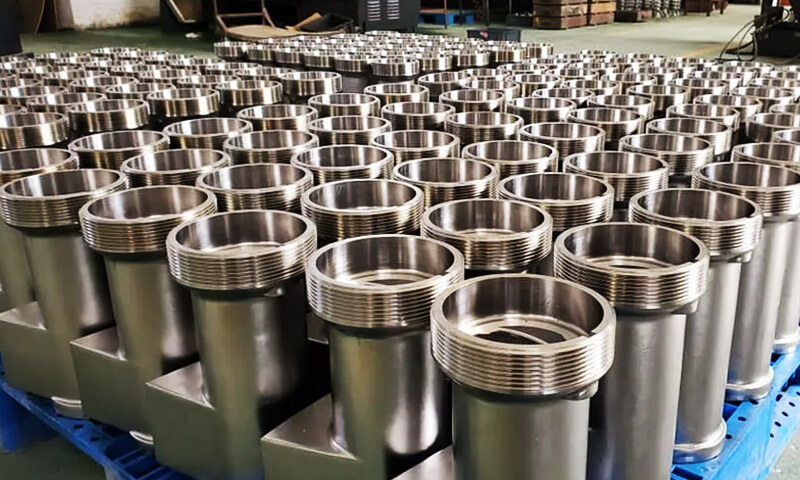
Smee is een van die mees gebruikte vervaardigingsmetodes vir hoëprestasie 440C-komponente.
Tydens smee, verhitte knuppels word plasties vervorm onder drukkragte met behulp van hamers of hidrouliese perse, produseer 'n verfynde korrelstruktuur en elimineer interne porositeit.
In vergelyking met gegote komponente, gesmede 440C vertoon uitstekende meganiese integriteit en vermoeidheidsprestasie as gevolg van sy deurlopende graanvloei.
Kenmerke
- Produseer dig, defekvrye mikrostrukture
- Verfyn korrelgrootte en verbeter taaiheid
- Verhoog trek- en moegheidssterkte
- Verbeter impakweerstand
- Verminder interne segregasie en krimpdefekte
- Geskik vir medium- en groot komponente
- Bied uitstekende strukturele betroubaarheid
Tipiese toepassings
- Laerringe
- Pomp skagte
- Klep stingels
- Ruimtevaart meganiese onderdele
- Swaardiens industriële komponente
Beleggingsgooi
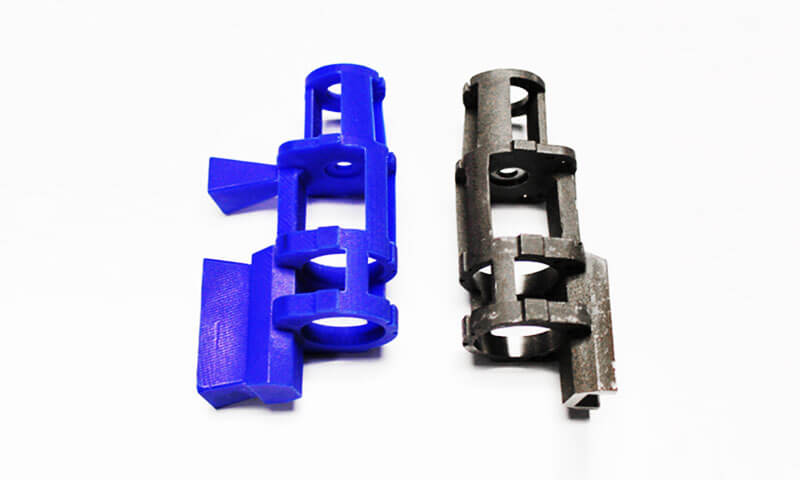
Beleggingsgooi, Ook bekend as verlore-was gieting, is 'n presisiegietproses wat in staat is om komplekse 440C-komponente met ingewikkelde geometrieë en uitstekende oppervlakkwaliteit te produseer.
Waspatrone word met keramiekmis bedek om vorms te skep, wat dan met gesmelte 440C vlekvrye staal gevul word nadat die was verwyder is.
Omdat 440C relatief moeilik is om te masjineer na hittebehandeling, beleggingsgietwerk verminder materiaalvermorsing en bewerkingsvereistes aansienlik.
Kenmerke
- Produseer hoogs komplekse geometrieë
- Uitstekende dimensionele akkuraatheid
- Fyn oppervlakafwerking
- Dunmuur vermoë
- Hoë materiaalbenutting
- Verminderde bewerkingstoelae
- Ideaal vir lae- tot mediumvolume produksie
- Geskik vir presisie komponente
Tipiese toepassings
- Klepliggame
- Chirurgiese instrumente
- Pomp waaiers
- Meganiese skakels
- Ruimtevaart hardeware
- Presisie omhulsels
Presisie CNC-bewerking
CNC -bewerking is onontbeerlik vir die vervaardiging van hoë-presisie 440C-onderdele.
Komponente word tipies grof gemasjineer in die uitgegloeide toestand en afgewerk of gemaal na hittebehandeling om finale afmetings te bereik.
Moderne CNC-toerusting bied uitsonderlike herhaalbaarheid, wat dit moontlik maak om komplekse komponente met mikronvlak akkuraatheid te vervaardig.
Kenmerke
- Uiters hoë dimensionele akkuraatheid
- Uitstekende herhaalbaarheid
- In staat om komplekse geometrieë te produseer
- Geskik vir prototipes en massaproduksie
- Versoenbaar met CAD/CAM-outomatisering
- Hoë produksie doeltreffendheid
- Streng geometriese toleransies
Tipiese toepassings
- Draende komponente
- Presisie vorms
- Mediese toestelle
- Lugvaartonderdele
- Meganiese seëls
- Klep komponente
Maalwerk
Slyp is een van die belangrikste afwerkingsbewerkings vir geharde 440C vlekvrye staal.
Aangesien die legering tipies hardheidvlakke van 58–62 HRC bereik na hittebehandeling, konvensionele bewerking word moeilik.
Slyp gebruik skuurwiele om klein hoeveelhede materiaal met buitengewone akkuraatheid te verwyder.
Kenmerke
- Uiters streng dimensionele toleransies
- Uitstekende rondheid en platheid
- Superieure oppervlakafwerking
- Geskik vir verharde materiale
- Minimale dimensionele afwyking
- Hoë herhaalbaarheid
- Uitstekende meetkundige akkuraatheid
Tipiese toepassings
- Draende rasse
- Presisie skagte
- Klep sitplekke
- Meetinstrumente
- Vorm insetsels
Superfinishing en Lapping
Superfinishing en lap is ultra-presisie afwerkingsprosesse wat gebruik word om oppervlakintegriteit na slyp verder te verbeter.
Hierdie prosesse verwyder mikroskopiese onegte sonder om afmetings aansienlik te verander.
Hulle is noodsaaklik vir komponente wat aan rolkontak onderwerp word of uiters lae wrywing vereis.
Kenmerke
- Oppervlakgrofheid onder Ra 0.02 μm
- Uitstekende dimensionele presisie
- Verminderde wrywingskoëffisiënt
- Verbeterde smeermiddelretensie
- Verhoogde rollende moegheid lewe
- Laer bedryfsgeraas
- Verbeterde slytasieweerstand
Tipiese toepassings
- Dra balletjies
- Draende rasse
- Presisiemeters
- Meganiese seëls
- Optiese toebehore
Poeiermetallurgie (Premier)
Poeiermetallurgie produseer komponente deur fyn metaalpoeiers te verdig, gevolg deur sintering onder die legering se smeltpunt.
Vir hoëlegeringsstaal soos 440C, PM-tegnologie bied uitstekende beheer oor samestelling, karbied verspreiding, en dimensionele konsekwentheid.
Gevorderde variante, insluitend metaal spuitgietwerk (MIM) en Warm Isostatiese Pers (Heup), word toenemend gebruik vir komplekse, hoë-prestasie komponente.
Kenmerke
- Eenvormige en fyn mikrostruktuur
- Verminderde segregasie
- Hoë materiaalbenutting
- Minimale bewerking vereistes
- Uitstekende dimensionele konsekwentheid
- Geskik vir komplekse en miniatuur komponente
- Verbeterde slytasieprestasie
Tipiese toepassings
- Mediese instrumente
- Klein ratte
- Presisie meganiese onderdele
- Snygereedskap
- Miniatuur laers
Metaal spuitgietwerk (MIM)
Metal Injection Moulding kombineer plastiese spuitgietwerk met poeiermetallurgie om ingewikkelde metaalkomponente met buitengewone presisie te vervaardig.
Fyn 440C-poeier word met 'n polimeerbindmiddel gemeng, in vorms ingespuit, ontbind, en dan tot byna volle digtheid gesinter.
MIM is veral ekonomies vir hoë-volume produksie van klein, komplekse dele.
Kenmerke
- Komplekse driedimensionele geometrieë
- Uitstekende dimensionele herhaalbaarheid
- Hoë produksie doeltreffendheid
- Minimale materiaalvermorsing
- Byna-net-vorm vervaardiging
- Verminder na-verwerking
- Koste-effektief vir massaproduksie
Tipiese toepassings
- Chirurgiese instrumente
- Kyk komponente
- Vuurwapenonderdele
- Presisie verbindings
- Mediese inplantings
- Verbruikerselektronika hardeware
Toevoegingsvervaardiging (Metaal 3D-drukwerk)
Bykomende vervaardiging het 'n opkomende oplossing geword vir die vervaardiging van pasgemaakte 440C-vlekvrye staalkomponente.
Tegnologieë soos Selektiewe lasersmelting (SLM) en Direkte metaallasersintering (DMLS) bou onderdele laag vir laag direk vanaf digitale modelle, om geometrieë moontlik te maak wat onmoontlik of onekonomies is met konvensionele metodes.
Alhoewel na-verwerking en hittebehandeling steeds nodig is om optimale meganiese eienskappe te bereik, bykomende vervaardiging bied ongeëwenaarde ontwerpvryheid en vinnige ontwikkelingsvermoëns.
Kenmerke
- Hoë ontwerp buigsaamheid
- Komplekse interne kanale en traliestrukture
- Vinnige prototipering
- Verminder materiaalafval
- Kort ontwikkelingsiklusse
- Pasgemaakte produksie
- Minimale gereedskapvereistes
Tipiese toepassings
- Lugvaart prototipes
- Mediese inplantings
- Liggewig meganiese komponente
- Pasgemaakte gereedskap
- Navorsing en ontwikkeling dele
9. Voor- en nadele van 440C-vlekvrye staal
Kernvoordele
- Hoogste hardheid en skuurweerstand onder alle kommersiële vlekvrye staal grade
- Uitstekende dimensionele stabiliteit na kriogene en temperbehandeling
- Uitstekende poleerbaarheid vir spieëloppervlakafwerking
- Matige atmosferiese korrosiebestandheid in vergelyking met gewone gereedskapstaal
- Uitstekende kontakmoegheidsweerstand vir langtermyn sikliese wrywingdiens
- Stabiele werkverrigting binne -40℃ tot 250℃ temperatuurreeks
Inherente nadele
- Lae impaktaaiheid en bros breukneiging onder skokladings
- Minder korrosiebestandheid teen austenities 304/316 vlekvrye staal
- Smal hittebehandelingsvenster met hoë prosessensitiwiteit en hoë skroottempo
- Swak sweisbaarheid en plastiekvormprestasie
- Hoë verwerkingskoste na verharding, beperk tot presisie funksionele onderdele
10. Toepassings van 440C vlekvrye staal
Danksy sy uitsonderlike hardheid, dra weerstand, Dimensionele stabiliteit, en goeie weerstand teen korrosie, 440C vlekvrye staal word gebruik in 'n wye verskeidenheid van nywerhede waar presisie, duursaamheid, en lang dienslewe is noodsaaklik.

Presisie laers
440C vlekvrye staal word wyd erken as die maatstaf materiaal vir vlekvrye staal kogellagers.
Aansoeke sluit in:
- Lugvaart laers
- Mediese toerusting laers
- Voedselverwerking masjinerie
- Hoë snelheidspindels
- Presisie instrumente
Klepkomponente
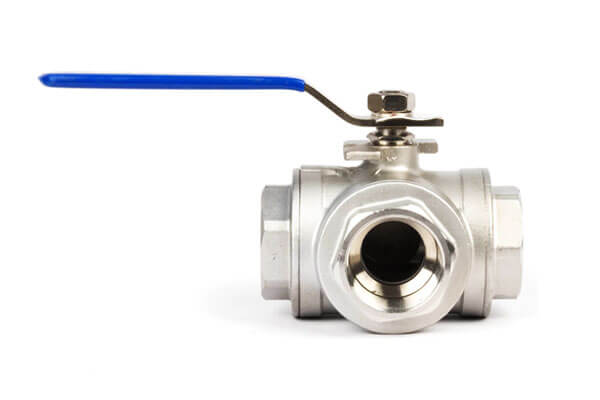
In industriële vloeistofbeheerstelsels, 440C vlekvrye staal word algemeen gebruik vir:
- Klep balle
- Klep sitplekke
- Klep stingels
- Kontroleer klepkomponente
Mediese en chirurgiese instrumente
Die legering se vermoë om 'n skerp rand te bereik, gekombineer met goeie korrosiebestandheid en uitstekende poleerbaarheid, maak dit geskik vir:
- Chirurgiese skêr
- Tang
- Been snyers
- Tandheelkundige gereedskap
- Ortopediese instrumente
Oppervlakbehandelings soos elektropolering en passivering verbeter netheid en korrosiebestandheid verder.
Meslemme en snygereedskap
Een van die bekendste toepassings van 440C vlekvrye staal is in hoë kwaliteit messe.
Die legering verskaf:
- Uitstekende randbehoud
- Hoë hardheid
- Goeie korrosieweerstand
- Fyn poleerbaarheid
Dit word algemeen gebruik vir jagmesse, duik messe, industriële lemme, en premium kombuis eetgerei.
Vorm vervaardiging
Spieëlgepoleerde 440C vlekvrye staal word wyd gebruik in plastiek spuitvorms en presisie gereedskap as gevolg van sy slytasie weerstand, korrosieweerstand, en die vermoë om 'n uitstekende oppervlakafwerking te handhaaf.
Pomp en meganiese seëlkomponente
Komponente soos skagte, moue, seëlringe, en dra plate baat by 440C vlekvrye staal se weerstand teen skuur en matige korrosie, maak dit geskik vir baie industriële pompstelsels.
Voedselverwerkingstoerusting
In voedselvervaardigingsomgewings, 440C vlekvrye staal word gebruik vir:
- Sny lemme
- Sny toerusting
- Presisie rollers
- Dra komponente
Presisie meetinstrumente
As gevolg van sy dimensionele stabiliteit en hardheid, 440C vlekvrye staal word gereeld gekies:
- Maatblokke
- Meetsondes
- Presisie-spille
- Kalibrasie toebehore
Industriële masjinerie
Baie algemene industriële toepassings maak staat op 440C vlekvrye staal vir komponente wat onderworpe is aan voortdurende wrywing en slytasie, soos:
- Cam volgelinge
- Rolgidse
- Lineêre bewegingstelsels
- Dra plate
- Bosings
- Presisie ratte
11. Vergelyking met ander vlekvrye staal
Die keuse van die toepaslike vlekvrye staal hang af van balanserende hardheid, korrosieweerstand, taaiheid, bestuurbaarheid, sweisbaarheid, en koste teenoor die spesifieke diensomgewing.
| Eiendom | 440C | 440N | 304 | 316 | 17-4 Ph |
| Vlekvrye staal familie | Martensities | Martensities | Austenities | Austenities | Neerslag Verharding |
| Koolstofinhoud (%) | 0.95–1.20 | 0.60–0.75 | ≤0.08 | ≤0.08 | ≤0,07 |
| Chroom-inhoud (%) | 16.0–18.0 | 16.0–18.0 | 18.0–20.0 | 16.0–18.0 | 15.0–17.5 |
| Nikkel inhoud (%) | ≤0,75 | ≤0,75 | 8.0–10.5 | 10.0–14.0 | 3.0–5.0 |
| Hitte behandelbaar | ✔ Ja | ✔ Ja | ✖ Nee | ✖ Nee | ✔ Ja |
| Tipiese hardheid (HRC) | 58–62 | 54–58 | 15–25 (HRB) | 15–25 (HRB) | 36–44 |
| Trekkrag (MPA) | 760–1 900* | 700–1 600* | 515–750 | 515–760 | 1,000–1 300 |
| Dra weerstand | ★★★★★ | ★★★★☆ | ★★☆☆☆ | ★★☆☆☆ | ★★★★☆ |
| Korrosieweerstand | ★★★☆☆ | ★★★★☆ | ★★★★★ | ★★★★★ | ★★★★☆ |
| Taaiheid | ★★★☆☆ | ★★★★☆ | ★★★★★ | ★★★★★ | ★★★★★ |
| Bestuurbaarheid | Gematig | Goed | Uitmuntend | Goed | Goed |
| Sweisbaarheid | Arm | Jaarbeurs | Uitmuntend | Uitmuntend | Goed |
| Magneties | Ja | Ja | Oor die algemeen No | Oor die algemeen No | Ja |
| Poleerbaarheid | Uitmuntend | Uitmuntend | Uitmuntend | Uitmuntend | Goed |
| Relatiewe koste | Medium-Hoog | Medium | Laag | Medium | Hoog |
| Tipiese toepassings | Rigting, meslemme, klep sitplekke, vorms, chirurgiese instrumente | Eetgerei, voedselverwerking gereedskap, duik messe | Kos toerusting, argitektuur, kombuisware | Mariene toerusting, chemiese verwerking, mediese toestelle | Lugvaart, olie & gas, Strukturele komponente |
12. Konklusie
440C vlekvrye staal is 'n gespesialiseerde hoë-prestasie martensitiese legering met duidelike prestasie-afruillogika: dit offer gedeeltelike taaiheid en volle-reeks korrosiebestandheid in ruil vir die hoogste hardheid en slytasieweerstand onder alle kommersiële vlekvrye staal.
Sy unieke hoë-koolstof hoë-chroom metallurgiese struktuur, hitte-instelbare meganiese eienskappe, uitstekende dimensionele stabiliteit, en matige anti-korrosie vermoë vorm 'n onvervangbare materiaal voordeel in hoë-presisie funksionele vervaardiging.
Met streng prosesbeheer van hittebehandeling, oppervlak modifikasie, en presisie bewerking, 440C kan sy ultra-slytvaste en dimensioneel stabiele eienskappe ten volle uitoefen, bedien hoë-end snygereedskap, presisie laers, vloeistofbeheerkomponente, en mediese presisie-onderdele.
Industriële toepassing moet impaklading en harde korrosiewe omgewings streng vermy om bros breuk en putversaking te voorkom.
Namate presisievervaardiging steeds opgradeer word, gemodifiseerde hoë-suiwer 440C en saamgestelde oppervlakversterkingstegnologieë sal sy toepassingsgrense verder uitbrei, konsolideer sy kernposisie in hoë-end presisie meganiese materiaal stelsels.
Vrae
Kan 440C vlekvrye staal roes?
440C bevat genoeg chroom om 'n beskermende passiewe oksiedlaag te vorm, gee dit goeie weerstand teen korrosie onder normale atmosferiese en varswater toestande.
Nietemin, dit is nie heeltemal roesbestand nie.
In chloried-ryk, sag, of hoogs suur omgewings, gelokaliseerde korrosie soos put- of spleetkorrosie kan voorkom as die passiewe film beskadig is of onderhoud onvoldoende is.
Is 440C beter as 316 vlekvrye staal?
Hierdie twee grade dien verskillende doeleindes. 440C vlekvrye staal is ontwerp vir hardheid en slytasieweerstand, maak dit ideaal vir laers, snygereedskap, en presisie meganiese onderdele.
316 bied aansienlik beter korrosiebestandheid - veral in mariene en chemiese omgewings - maar kan nie hittebehandel word om dieselfde hardheid te bereik nie.
Die beter keuse hang daarvan af of meganiese werkverrigting of korrosiebestandheid die primêre ontwerpvereiste is.
Kan 440C vlekvrye staal gesweis word?
Sweis 440C is moontlik, maar word gewoonlik nie aanbeveel nie omdat die hoë koolstofinhoud die risiko van krake en vervorming verhoog.
As sweis onvermydelik is, voorverhitting, geskikte vulmateriaal, beheerde verkoeling, en na-sweis hittebehandeling word tipies vereis om meganiese eienskappe te herstel en oorblywende spanning te verminder.
Kan 440C spieël gepoleer word?
Ja. Een van 440C se noemenswaardige voordele is sy uitstekende poleerbaarheid.
Deur presisie maal, meganiese polering, en elektropolisering, dit kan 'n ultra-gladde bereik, spieëlagtige oppervlakafwerking.
Dit maak dit veral geskik vir chirurgiese instrumente, presisie vorms, optiese toebehore, en premium meslemme.