
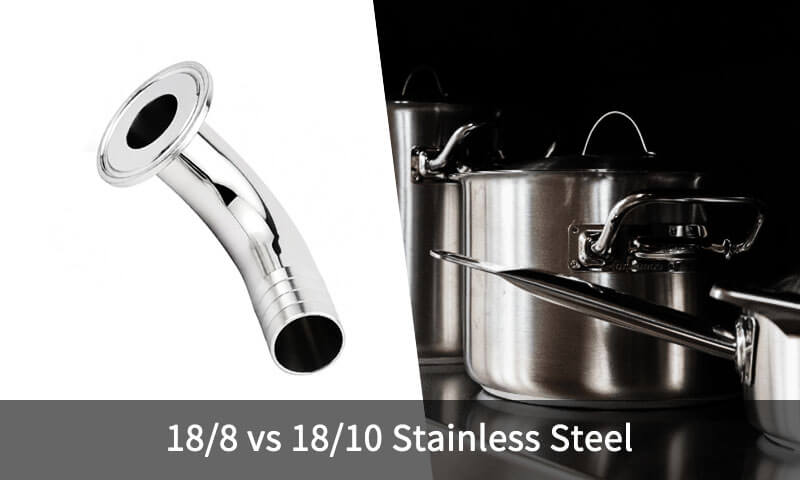
Loop by enige kombuiswarewinkel in, en jy sal etikette sien wat "18/8 Stainless Steel" of "18/10 Stainless Steel" op potte verkondig, panne, eetgerei, en kookware.
Hierdie getalle is meer as bemarkingsjargon - dit verteenwoordig die chemiese samestelling van die vlekvrye staal en beïnvloed die prestasie direk, duursaamheid, en korrosiebestandheid van die finale produk.
Hierdie artikel bied 'n omvattende, streng vergelyking van 18/8 en 18/10 vlekvrye staal.
Ons sal hul definisies ondersoek, chemiese samestellings, prestasie eienskappe, aansoeke, Kosteimplikasies, en hoe om tussen hulle te kies.
1. Wat is 18/8 Vlekvrye staal?
18-8 vlekvrye staal is 'n austenitiese vlekvrye staal legering wat ongeveer 18% chroom en 8% nikkel volgens gewig.
Die naam "18/8" verteenwoordig die benaderde allooisamestelling eerder as 'n amptelike internasionale materiaalbenaming.
In die meeste gevalle, 18/8 vlekvrye staal stem nou ooreen met 304 vlekvrye staal, een van die mees gebruikte vlekvrye staal grade wêreldwyd.
Die basiese struktuur van 18/8 vlekvrye staal bestaan hoofsaaklik uit yster, met chroom en nikkel as die belangrikste legeringselemente.
Chroom bied weerstand teen korrosie deur 'n dun te vorm, stabiele chroomoksied passiewe laag op die oppervlak, terwyl nikkel die austenitiese mikrostruktuur stabiliseer en taaiheid verbeter, selfpiriteit, en weerstand teen chemiese aanval.
Die kombinasie van ongeveer 18% chroom en 8% nikkel skep 'n gebalanseerde materiaal met uitstekende algehele prestasie, wat dit geskik maak vir algemene toepassings waar korrosiebestandheid is, krag, en bekostigbaarheid is ewe belangrik.
Sleutel identifiseerders:
- AISI Graad: 304
- Ons: S30400
- In: 1.4301
- Algemene naam: 18/8 vlekvrye staal
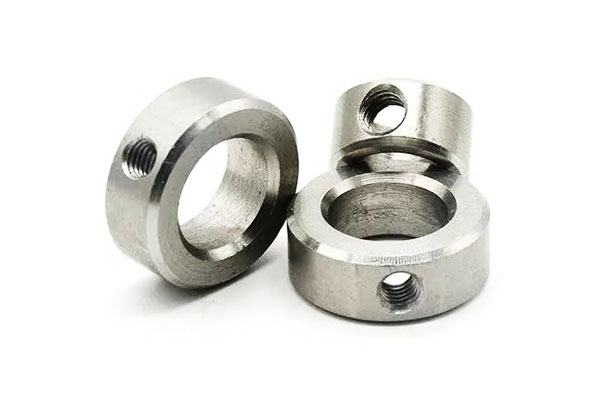
Kenmerke van 18/8 Vlekvrye staal
- Uitstekende weerstand teen korrosie onder algemene toestande
Die chroomryke passiewe laag bied betroubare beskerming teen atmosferiese korrosie, vog, voedsel sure, en baie huishoudelike chemikalieë. - Austenitiese mikrostruktuur met hoë taaiheid
Die stabiele gesiggesentreerde kubieke (FCC) struktuur toelaat 18/8 vlekvrye staal om goeie impakweerstand en rekbaarheid te handhaaf selfs by lae temperature. - Uitstekende vormbaarheid en sweisbaarheid
18/8 vlekvrye staal kan maklik deur stempel verwerk word, buig, diep tekening, sweiswerk, en bewerking, wat dit geskik maak vir komplekse komponentvervaardiging. - Nie-poreuse en higiëniese oppervlak
Die digte metaaloppervlak verhoed bakteriese ophoping en maak dit maklik om skoon te maak, maak dit ideaal vir voedselkontak en sanitêre toepassings. - Goeie balans tussen krag en koste
Dit bied hoëprestasie vlekvrye staal eienskappe, terwyl dit 'n relatief ekonomiese prys behou in vergelyking met hoër-legeringsgrade. - Goeie oksidasieweerstand by verhoogde temperature
Dit kan matige hoë temperature weerstaan terwyl dit strukturele stabiliteit behou, alhoewel gespesialiseerde hoëtemperatuur-legerings benodig word vir uiterste toestande.
Beperkings van 18/8 Vlekvrye staal
- Laer weerstand teen chloried omgewings in vergelyking met 316 vlekvrye staal
In seewater, mariene atmosfeer, en chloriedbevattende chemikalieë, 18/8 vlekvrye staal kan gelokaliseerde korrosie ervaar soos putkorrosie of spleetkorrosie. - Effens laer korrosiebestandheid as 18/10 vlekvrye staal
Die verminderde nikkelinhoud bied effens minder beskerming in aggressiewe chemiese omgewings. - Mag oppervlakonderhoud in moeilike toestande vereis
Alhoewel korrosiebestand, kontaminasie, soutneerslae, of chemiese blootstelling kan oppervlakvoorkoms mettertyd beïnvloed. - Nie geskik vir hoogs korrosiewe toepassings nie
Chemiese verwerking, buitelandse toerusting, en farmaseutiese omgewings wat uiterste weerstand teen korrosie vereis, kan vlekvrye staal van hoër legerings benodig, soos 316 of dupleks vlekvrye staal.
Aansoeke van 18/8 Vlekvrye staal
18/8 vlekvrye staal word wyd aangeneem omdat dit betroubare werkverrigting teen 'n redelike koste lewer.
Tipiese toepassings sluit in:
- Kombuis en huishoudelike produkte
Kookware, sink, eetgerei, Voedselhouers, toestelle, en bergingstoerusting. - Kos- en dranktoerusting
Verwerking masjiene, tenks, pypstelsels, en sanitêre komponente. - Industriële komponente
Masjien rame, bevestigingsmiddels, hakies, hitteruilers, kleedke, en algemene toerusting. - Argitektoniese toepassings
Handrelings, dekoratiewe strukture, Binne -komponente, en gebou hardeware. - Motor- en vervoerkomponente
Uitlaat komponente, snoei, hakies, en strukturele dele wat weerstand teen korrosie benodig. - Presisie vervaardiging en giet toepassings
Vlekvrye staal presisie gietstukke, belegging cast komponente, en komplekse industriële dele.
2. Wat is 18/10 Vlekvrye staal?
18-10 vlekvrye staal is 'n austenitiese vlekvrye staal legering wat ongeveer 18% chroom en 10% nikkel.
In vergelyking met 18/8 vlekvrye staal, die belangrikste verskil is die hoër nikkelinhoud.
Soos 18/8 vlekvrye staal, 18/10 vlekvrye staal is nou verwant aan die 304 vlekvrye staal familie.
Die bykomende nikkel verbeter die stabiliteit van die austenitiese struktuur en verbeter verskeie prestasie-eienskappe, insluitend korrosiebestandheid, taaiheid, oppervlak kwaliteit, en langtermyn duursaamheid.
As gevolg van sy premium voorkoms en verbeterde weerstandseienskappe, 18/10 vlekvrye staal word gereeld in kookware van hoë gehalte gebruik, luukse eetgerei, Voedselverwerkingstoerusting, en toepassings waar beide estetika en prestasie belangrik is.
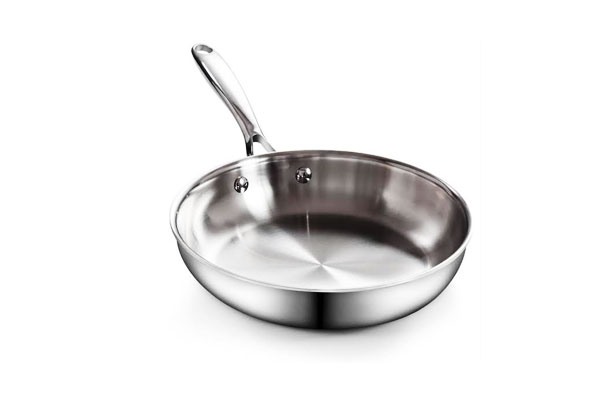
Kenmerke van 18/10 Vlekvrye staal
- Verbeterde weerstand teen korrosie
Die hoër nikkelinhoud verbeter weerstand teen oksidasie, kleuring, en chemiese blootstelling, veral in vogtige of effens aggressiewe omgewings. - Uitstekende oppervlakafwerking en voorkoms
18/10 vlekvrye staal produseer 'n helderder, gladder, en meer reflektiewe oppervlak na polering, maak dit verkieslik vir premium produkte. - Uitstekende taaiheid en strukturele stabiliteit
Die verhoogde nikkelinhoud versterk die austenitiese fase, verbeter weerstand teen impak en meganiese spanning. - Uitstekende weerstand teen herhaalde skoonmaaksiklusse
Dit behou oppervlakintegriteit onder gereelde was, sterilisasie, en blootstelling aan skoonmaakmiddels. - Uitstekende higiëne prestasie
Die digte, gladde oppervlak verminder kontaminasierisiko's en ondersteun streng sanitasievereistes. - Uitstekende vervaardigingseienskappe
Soos 18/8 vlekvrye staal, dit kan gesweis word, gevorm, gestempel, en doeltreffend gemasjineer.
Beperkings van 18/10 Vlekvrye staal
- Hoër materiaalkoste
Die verhoogde nikkelinhoud verhoog grondstofkoste aansienlik in vergelyking met 18/8 vlekvrye staal. - Prestasieverbetering kan beperk word in gewone omgewings
Vir algemene huishoudelike en industriële toepassings, die verskil tussen 18/8 en 18/10 mag nie die bykomende koste regverdig nie. - Nie geskik vir uiterste chloried-omgewings nie
Alhoewel meer korrosiebestand as 18/8, dit kan steeds nie gespesialiseerde grade vervang nie 316 vlekvrye staal in mariene of chemiese toepassings. - Hoër sensitiwiteit vir legeringskoste skommelinge
Aangesien nikkelpryse aansienlik verskil in globale markte, 18/10 vlekvrye staal koste kan meer wissel as laer-nikkel alternatiewe.
Aansoeke van 18/10 Vlekvrye staal
18/10 vlekvrye staal word algemeen gekies vir toepassings waar prestasie, verskyning, en higiënevereistes is hoër.
Tipiese toepassings sluit in:
- Premium kookware en eetgerei
Hoë-end potte, panne, eetgerei, bedieningstoerusting, en kombuisprodukte. - Voedselverwerkingstoerusting
Bergingshouers, sanitêre pypleidings, verwerkingsmasjinerie, en kommersiële kombuisstelsels. - Mediese en farmaseutiese toerusting
Komponente wat skoon oppervlaktes benodig, korrosieweerstand, en maklike sterilisasie. - Argitektoniese en dekoratiewe toepassings
Luukse binne-strukture, dekoratiewe panele, handrelings, en premium afwerkings. - Presisie vlekvrye staal gietstukke
Pompkomponente, Klepliggame, instrument onderdele, en komplekse industriële komponente wat uitstekende oppervlakgehalte vereis. - Laboratorium- en skoonkamertoerusting
Werkoppervlaktes, huise, en toerustingrame waar kontaminasiebeheer krities is.
3. Chemiese samestelling: 18/8 en 18/10 Vlekvrye staal
Die prestasie verskille tussen 18/8 en 18/10 vlekvrye staal kom hoofsaaklik uit hul legeringssamestelling, veral die verskil in nikkelinhoud.
Beide materiale behoort aan die austenitiese vlekvrye staal familie, gekenmerk deur 'n gesig-gesentreerde kubieke (FCC) kristalstruktuur wat uitstekende korrosiebestandheid bied, taaiheid, en vormbaarheid.
Alhoewel die name "18/8" en "18/10" wyd in kommersiële markte gebruik word, hulle verteenwoordig benaderde legering persentasies eerder as formele metallurgiese klassifikasies.
In die meeste gevalle, beide materiale is nou verwant aan Aisi 304 vlekvrye staal, met die hoofonderskeiding die hoeveelheid nikkel wat by die legering gevoeg word.
| Element | 18/8 Vlekvrye staal | 18/10 Vlekvrye staal | Funksionele rol |
| Chroom (CR) | Na beraming 18% | Na beraming 18% | Vorm 'n passiewe chroomoksiedfilm wat weerstand teen korrosie bied |
| Nikkel (In) | Na beraming 8% | Na beraming 10% | Stabiliseer die austenitiese struktuur en verbeter taaiheid, korrosieweerstand, en oppervlakgehalte |
| Koolstof (C) | Oor die algemeen ≤0,08% | Oor die algemeen ≤0,08% | Beheer krag, hardheid, en sweisbaarheid |
| Strykyster (Fe) | Balans | Balans | Primêre strukturele matriks |
| Ander elemente | Klein hoeveelhede Mn, En, P, S | Klein hoeveelhede Mn, En, P, S | Verbeter verwerkingsprestasie en legeringsstabiliteit |
Die rol van nikkel: Die sleutel verskil tussen 18/8 en 18/10
Nikkel is die primêre faktor wat onderskei 18/8 van 18/10 vlekvrye staal.
Alhoewel die verskil net oor 2 persentasiepunte, nikkel het 'n beduidende invloed op vlekvrye staal eienskappe.
Die hooffunksies van nikkel sluit in:
- Stabilisering van die austenitiese kristalstruktuur by kamer- en lae temperature.
- Verbeterde rekbaarheid en taaiheid.
- Verbeter weerstand teen chemiese korrosie.
- Verbeter oppervlak helderheid en poleerbaarheid.
- Toenemende weerstand teen spanningskorrosie krake onder sekere omstandighede.
In 18/10 vlekvrye staal, die bykomende nikkelinhoud bied 'n meer stabiele austenitiese struktuur en verbeter effens weerstand teen vlekke, suur omgewings, en herhaalde skoonmaaksiklusse.
Nietemin, die verskil moet reg verstaan word.
Die bykomende nikkel transformeer nie 18/10 vlekvrye staal in 'n heeltemal ander materiaal kategorie. In stede van, dit verskaf inkrementele verbeterings wat waardevol word in premium toepassings waar langtermynvoorkoms en duursaamheid belangrik is.
4. Prestasievergelyking: 18/8 vs 18/10 Vlekvrye staal
Alhoewel 18/8 en 18/10 vlekvrye staal deel baie ooreenkomste, die verskil in nikkelinhoud skep meetbare verskille in sekere prestasieareas.
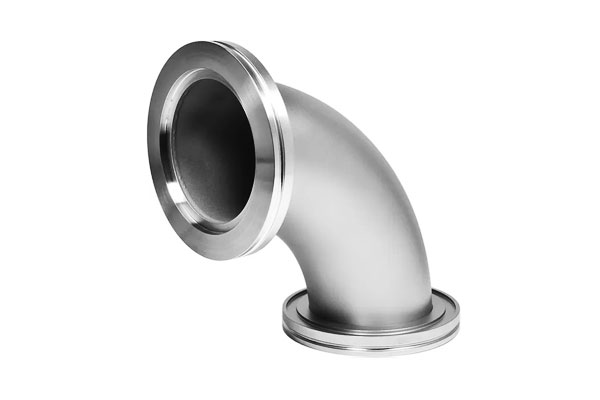
Korrosieweerstand
Korrosiebestandheid is een van die belangrikste faktore wanneer vlekvrye staal gekies word.
Beide 18/8 en 18/10 vlekvrye staal bied uitstekende beskerming teen atmosferiese korrosie omdat albei voldoende chroom bevat om 'n stabiele passiewe oksiedfilm te vorm.
In gewone omgewings, insluitend binnenshuise toepassings, varswater blootstelling, voedselkontak, en algemene industriële gebruik, die korrosieweerstandsverskil tussen die twee materiale is relatief klein.
Albei kan lang lewensduur handhaaf sonder beskermende bedekkings.
Nietemin, die hoër nikkelinhoud van 18/10 vlekvrye staal bied bykomende stabiliteit in meer veeleisende toestande.
Nikkel verbeter weerstand teen sekere suur stowwe, organiese verbindings, en herhaalde blootstelling aan skoonmaakmiddels.
Dit maak 18/10 vlekvrye staal veral voordelig in toepassings soos premium kookware, Voedselverwerkingstoerusting, en sanitêre stelsels.
| Omgewing | 18/8 Vlekvrye staal | 18/10 Vlekvrye staal |
| Binne-atmosfeer | Uitmuntend | Uitmuntend |
| Varswater omgewing | Uitmuntend | Uitmuntend |
| Voedsel kontak toepassings | Uitmuntend | Uitmuntend |
| Blootstelling aan suur voedsel | Baie goed | Bietjie beter |
| Gereelde skoonmaakmiddel | Baie goed | Beter |
| Soutsproei omgewing | Matig tot goed | Goed |
| Mariene of chloriedryke omgewings | Beperk | Beperk (316 aanbeveel) |
Duursaamheid en meganiese werkverrigting
Beide 18/8 en 18/10 vlekvrye staal behoort aan die austenitiese vlekvrye staalfamilie en stem gewoonlik ooreen met AISI 304-tipe vlekvrye staal samestellings.
Hul meganiese werkverrigting word hoofsaaklik deur hul austenitiese mikrostruktuur bepaal, koue werkende toestand, korrelgrootte, en vervaardigingsproses eerder as nikkelinhoud alleen.
Die volgende tabel verskaf tipiese meganiese eienskapreekse vir uitgegloei 18/8 en 18/10 vlekvrye staal.
| Meganiese eienskap | 18/8 Vlekvrye staal (Tipiese AISI 304) | 18/10 Vlekvrye staal (Premium 304-tipe) | Ingenieurswese |
| Trekkrag | 515–650 MPa | 520–680 MPa | Dui weerstand teen trekkrag en strukturele mislukking aan |
| Lewer krag (0.2% vergoed) | ≥205 MPa | 210–250 MPa | Verteenwoordig vragvermoë voor permanente vervorming |
| Verlenging by breek | 40–60% | 45–60% | Dui uitstekende rekbaarheid en vormingsvermoë aan |
| Vermindering van oppervlakte | 60–70% | 60–75% | Weerspieël weerstand teen breuk tydens vervorming |
| Brinell hardheid (Hb) | 123–201 HB | 130–210 HB | Dui weerstand teen inkeping en slytasie aan |
Rockwell hardheid |
HRB 70-95 | HRB 75-95 | Geskik vir algemene strukturele en vervaardigde komponente |
| Elastiese modulus | 193 GPA | 193 GPA | Definieer styfheid onder elastiese laai |
| Slagtaaiheid by kamertemperatuur | >100 J (Charpy V-Notch, tipies) | >120 J (Charpy V-Notch, tipies) | Demonstreer uitstekende weerstand teen skielike impak |
| Moegheid krag (10⁷ Siklusse, benader) | 240–260 MPa | 250–280 MPa | Bepaal langtermyn duursaamheid onder sikliese belading |
| Digtheid | 7.90–8,00 g/cm³ | 7.90–8,00 g/cm³ | Dui soortgelyke gewigskenmerke aan |
Hitteweerstand en termiese prestasie
Austenitiese vlekvrye staal word wyd gebruik in verhoogde-temperatuur toepassings omdat hulle meganiese stabiliteit beter handhaaf as baie koolstofstaal.
Beide 18/8 en 18/10 vlekvrye staal verskaf:
- Goeie oksidasie weerstand.
- Stabiele meganiese eienskappe by matige hoë temperature.
- Weerstand teen termiese fietsry.
- Lae risiko van bros mislukking tydens temperatuurveranderinge.
Die hoër nikkelinhoud van 18/10 vlekvrye staal verbeter fasestabiliteit by verhoogde temperature, wat dit toelaat om sy austenitiese struktuur meer betroubaar onder termiese spanning te handhaaf.
| Prestasie-aspek | 18/8 Vlekvrye staal | 18/10 Vlekvrye staal |
| Oksidasie weerstand | Uitmuntend | Bietjie beter |
| Termiese fietsweerstand | Baie goed | Uitmuntend |
| Hoë-temperatuur strukturele stabiliteit | Goed | Effens verbeter |
| Huishoudelike kook temperature | Uitmuntend | Uitmuntend |
| Uiterste hoë-temperatuur toepassings | Beperk | Beperk (spesiale legerings benodig) |
Vir gewone kookware, voedseltoerusting, en huishoudelike toepassings, die hitteweerstandsverskil tussen die twee grade is minimaal.
Nietemin, in industriële omgewings wat langdurige termiese blootstelling behels, 18/10 vlekvrye staal kan verbeterde betroubaarheid bied.
Oppervlakvoorkoms en afwerkingkwaliteit
Oppervlakte voorkoms is een area waar die verskil tussen 18/8 en 18/10 vlekvrye staal word meer opvallend.
Nikkel verbeter die vermoë van vlekvrye staal om 'n gladde te bereik, helder, en reflektiewe afwerking na polering.
As gevolg hiervan, 18/10 vlekvrye staal word dikwels gekies vir premium produkte waar voorkoms 'n belangrike verkoopspunt is.
18/10 vlekvrye staal verskaf tipies:
- Hoër oppervlak helderheid na polering.
- Beter weerstand teen verkleuring.
- Meer verfynde metaalagtige voorkoms.
- Verbeterde behoud van dekoratiewe afwerkings.
| Oppervlakkenmerk | 18/8 Vlekvrye staal | 18/10 Vlekvrye staal |
| Natuurlike metaal voorkoms | Goed | Uitmuntend |
| Poleer prestasie | Baie goed | Beter |
| Glansbehoud | Goed | Beter |
| Weerstand teen oppervlakkleuring | Baie goed | Uitmuntend |
| Premium dekoratiewe voorkoms | Goed | Verkies |
Dit is hoekom baie hoë-end kookware vervaardigers, luukse eetgerei vervaardigers, en argitektoniese ontwerpers verkies 18/10 vlekvrye staal wanneer visuele kwaliteit net so belangrik is as meganiese werkverrigting.
5. 18/8 vs 18/10 Vlekvrye staal in voedsel- en kombuistoepassings
Voedsel- en kombuistoepassings verteenwoordig een van die grootste verbruikersmarkte vir vlekvrye staal.
Die kombinasie van weerstand teen korrosie, higiëne, duursaamheid, en estetiese aantrekkingskrag maak austenitiese vlekvrye staal die voorkeurmateriaal vir kookware, eetgerei, sink, Voedselhouers, en kommersiële kombuistoerusting.
Voedselveiligheid en higiëne prestasie
Vanuit 'n voedselveiligheidsperspektief, albei 18/8 en 18/10 vlekvrye staal lewer uitstekende werkverrigting.
Hul oppervlaktes is dig, nie-poreus, en bestand teen bakteriese ophoping, maak hulle geskik vir direkte voedselkontak.
Die passiewe laag van chroomoksied verhoed dat metaalione maklik in voedsel migreer, terwyl die gladde vlekvrye staal oppervlak effektiewe skoonmaak en sterilisasie moontlik maak.
Dit is hoekom beide grade algemeen gebruik word in voedselverwerkingstoerusting en huishoudelike kookware.
Die verskil tussen die twee grade hou hoofsaaklik verband met duursaamheid onder herhaalde chemiese blootstelling eerder as basiese voedselveiligheid.
18/10 vlekvrye staal, met sy hoër nikkelinhoud, bied effens beter weerstand teen:
- Suur kosse soos tamaties, sitrusvrugte, en asyn-gebaseerde souse.
- Herhaalde blootstelling aan skoonmaakmiddels en skottelgoedwassersiklusse.
- Oppervlakkleuring veroorsaak deur minerale en voedselreste.
- Langtermyn poleer- en skoonmaakbedrywighede.
Vir normale huishoudelike kookkuns, die praktiese verskil is dikwels klein.
Nietemin, in professionele kombuise waar toerusting honderde of duisende kere per jaar skoongemaak word, die verbeterde stabiliteit van 18/10 vlekvrye staal word meer waardevol.
Kookgerei Prestasie: Hitte verspreiding, Duursaamheid, en Voorkoms
In kookware vervaardiging, vlekvrye staal word gewoonlik gekombineer met aluminium- of koperlae om termiese geleidingsvermoë te verbeter omdat vlekvrye staal self relatief lae termiese geleidingsvermoë het.
Die vlekvrye staal laag verskaf:
- Korrosieweerstand.
- Strukturele sterkte.
- Voedselkontakveiligheid.
- Oppervlakduursaamheid.
Die verskil tussen 18/8 en 18/10 kookware word hoofsaaklik weerspieël in oppervlakkwaliteit en langtermynvoorkoms.
| Prestasiefaktor | 18/8 Vlekvrye staal kookgerei | 18/10 Vlekvrye staal kookgerei |
| Voedselveiligheid | Uitmuntend | Uitmuntend |
| Weerstand teen vlekke | Baie goed | Uitmuntend |
| Weerstand teen suur voedsel | Baie goed | Uitmuntend |
| Duursaamheid vir skottelgoedwasser | Goed – uitstekend | Uitmuntend |
| Oppervlak helderheid | Goed | Beter |
| Krasweerstand | Goed | Bietjie beter |
| Behoud van premium voorkoms | Goed | Uitmuntend |
| Materiaal koste | Laat sak | Hoër |
Hoë-end kookware vervaardigers kies dikwels 18/10 vlekvrye staal omdat verbruikers dit met premium kwaliteit assosieer, gepoleerde voorkoms, en lang lewensduur.
Eetgerei en eetgerei Toepassings
Eetgerei is een van die mees herkenbare toepassings waar die verskil tussen 18/8 en 18/10 vlekvrye staal word opvallend.
Vir messe, vurke, lepels, en opdiengerei, voorkoms en weerstand teen korrosie is van kritieke belang omdat hierdie produkte gereeld gewas word, aan sout blootgestel, en daagliks hanteer word.
18/10 vlekvrye staal word dikwels verkies vir premium eetgerei omdat dit bied:
- 'n Helderder en meer reflektiewe gepoleerde oppervlak.
- Beter weerstand teen waterkolle en verkleuring.
- Verbeterde weerstand teen langtermyn blootstelling aan skottelgoedwassers.
- ’n Luukser voorkoms.
18/8 vlekvrye staal bly 'n praktiese keuse vir restaurante, institusionele kombuise, en huishoudelike produkte waar kostedoeltreffendheid belangrik is.
Kommersiële Voedselverwerkingstoerusting
In kommersiële voedselproduksie-omgewings, vlekvrye staal moet deurlopende blootstelling aan vog weerstaan, skoonmaak chemikalieë, temperatuur veranderinge, en meganiese spanning.
Beide 18/8 en 18/10 vlekvrye staal word wyd gebruik vir:
- Opgaartenks.
- Voedselvoorbereidingsoppervlaktes.
- Transportbande.
- Meng toerusting.
- Pypstelsels.
- Kommersiële kombuistoestelle.
Nietemin, 18/10 vlekvrye staal word dikwels gekies vir premium sanitêre toerusting waar voorkoms en korrosiebestandheid oor dekades stabiel moet bly.
Vir meer aggressiewe voedselverwerkingsomgewings wat soutoplossings behels, chloriede, of harde chemikalieë, ook nie 18/8 ook nie 18/10 voldoende kan wees. In sulke gevalle, 316 vlekvrye staal wat molibdeen bevat word tipies aanbeveel.
6. Kostevergelyking: Is 18/10 Die ekstra prys werd?
Die prys verskil tussen 18/8 en 18/10 vlekvrye staal kom hoofsaaklik van die bykomende nikkelinhoud.
Nikkel is 'n duur legeringselement, en verhoogde nikkelinhoud van ongeveer 8% na 10% grondstofkoste merkbaar kan verhoog.
Nietemin, of die hoër koste van 18/10 vlekvrye staal geregverdig is, hang sterk af van die toepassing.
Materiële koste verskil
Tipiese marktoestande wys dit 18/10 vlekvrye staal produkte kan ongeveer kos 5–20% meer as vergelykbaar 18/8 produkte, afhangende van die tipe produk, vervaardigingsproses, handelsmerkposisionering, en nikkelprysskommelings.
| Koste faktor | 18/8 Vlekvrye staal | 18/10 Vlekvrye staal |
| Nikkel inhoud | ~8% | ~10% |
| Grondstof koste | Laat sak | Hoër |
| Vervaardigingskoste | Soortgelyk | Effens hoër |
| Produkposisionering | Standaard tot premie | Premie |
| Aanvanklike koopprys | Meer ekonomies | Duurder |
Die verskil is gewoonlik meer opvallend in verbruikersprodukte soos kookware en eetgerei as in industriële komponente waar verwerkings- en masjineringskoste oorheers.
Lewensiklus koste-oorweging
Alhoewel 18/10 vlekvrye staal het 'n hoër aanvanklike prys, sy verbeterde oppervlakstabiliteit kan langtermynvervangings- en onderhoudskoste verminder.
Byvoorbeeld:
- Premium kookware kan vir dekades visueel aantreklik bly.
- Kommersiële kombuistoerusting kan minder vervangings benodig.
- Dekoratiewe vlekvrye komponente behou voorkoms langer.
- Hoë-skoon omgewings baat by makliker instandhouding.
Dus, die ware ekonomiese waarde moet geëvalueer word op grond van Totale lewensiklusskoste, nie net koopprys nie.
'n Goedkoper materiaal wat gereeld vervang moet word, kan uiteindelik meer kos as 'n hoër-gehalte vlekvrye staal produk met 'n langer lewensduur.
7. Hoe om te identifiseer 18/8 en 18/10 Vlekvrye staal?
| Metode | Hoe om te presteer | Wat dit openbaar |
| Magneet toets | Plaas 'n magneet op die staal. | 18/8 en 18/10 is in wese nie-magneties in die uitgegloeide toestand. Koudbewerkte dele kan swak magneties wees. |
| Kleur/voorkoms | Visuele inspeksie. | 18/10 (316) het dikwels 'n helderder, meer glansende afwerking as 18/8 (304). |
| Chemiese koltoets | Gebruik 'n kommersiële vlekvrye staal identifikasiestel. | Bespeur die teenwoordigheid van molibdeen (316) of hoër nikkelinhoud. |
| Vonk toets | Slyp die staal en let op vonke. | 304 en 316 soortgelyke vonke produseer; moeilik om te onderskei. |
XRF analise |
Gebruik 'n draagbare X-straal-fluoressensie-ontleder. | Verskaf kwantitatiewe elementêre analise (CR, In, Mo). |
Mees betroubare metode: XRF-analise verskaf definitiewe identifikasie van die legeringssamestelling. Vir verbruikersprodukte, gaan die vervaardiger se spesifikasies of etikettering na.
8. Omvattende vergelyking: Hoe om tussen te kies 18/8 en 18/10 Vlekvrye staal?
Kies tussen 18/8 en 18/10 vlekvrye staal vereis 'n omvattende evaluering van allooi samestelling, korrosie omgewing, meganiese vereistes, voorkoms verwagtinge, dienslewe, en totale eienaarskapskoste.
Die volgende tabel bied 'n professionele vergelyking om te help om die geskikste materiaal vir verskillende toepassings te bepaal.
| Keuringskriteria | 18/8 Vlekvrye staal | 18/10 Vlekvrye staal |
| Nikkel inhoud | Na beraming 8% In | Na beraming 10% In |
| Chroom inhoud | Na beraming 18% CR | Na beraming 18% CR |
| Basiese weerstand teen korrosie | Uitstekend vir algemene omgewings | Uitstekend met effens verbeterde weerstand |
| Weerstand teen suur voedsel en chemikalieë | Baie goed; geskik vir normale voedselkontak | Beter; beter weerstand teen herhaalde chemiese blootstelling |
| Sout- en chloriedweerstand | Goed in sagte omgewings; kan beperk word onder langdurige blootstelling | Effens verbeter maar nie gelykstaande aan nie 316 vlekvrye staal |
| Oppervlakhelderheid na polering | Goeie reflektiewe afwerking | Hoër glans en beter spieëlpoetsvermoë |
Weerstand teen vlekke en verkleuring |
Goed | Uitmuntend |
| Meganiese sterkte | Treksterkte tipies 515–650 MPa | Treksterkte tipies 520–680 MPa |
| Vervormbaarheid en rekbaarheid | Uitstekende verlenging (40–60%) | Uitmuntend, effens verbeterde vormstabiliteit |
| Impak taaiheid | Uitmuntend, insluitend lae-temperatuur werkverrigting | Uitmuntend, met effens verbeterde taaiheidsbehoud |
| Slytasie- en krapweerstand | Goed; verbeter deur koue werk | Effens beter oppervlak duursaamheid |
| Hitte weerstand | Uitstekend vir normale kook- en industriële temperature | Uitmuntend, met soortgelyke termiese stabiliteit |
Voedselveiligheid prestasie |
Uitmuntend; wyd goedgekeur vir kontak met voedsel | Uitmuntend; verkies vir premium voedseltoepassings |
| Duursaamheid vir skottelgoedwasser | Goed tot uitstekend | Uitmuntend |
| Vervaardigingskoste | Laer as gevolg van verminderde nikkelinhoud | Hoër as gevolg van bykomende nikkel |
| Lewensiklus koste | Uitstekende waarde in gematigde omgewings | Beter langtermynwaarde in veeleisende toepassings |
| Voorkomsvereistes | Geskik vir standaard produkte | Beter vir luukse en dekoratiewe produkte |
| Tipiese toepassings | Huishoudelike kookgerei, sink, Voedselhouers, algemene industriële komponente | Premium kookware, eetgerei, kommersiële kombuise, hoë-end toerusting |
9. Vrae
Is 18/10 vlekvrye staal beter as 18/8?
Ja, 18/10 bied uitstekende weerstand teen korrosie, beter estetika, en verbeterde duursaamheid in vergelyking met 18/8. Nietemin, 18/8 is meer koste-effektief en voldoende vir baie toepassings.
Die "beter" keuse hang af van die toepassing.
Is 18/10 vlekvrye staal magneties?
Nee. 18/10, soos 18/8, is austenities en in wese nie-magneties in die uitgegloeide toestand. Koue werk kan swak magnetisme veroorsaak.
Hoe kan ek weet of my kookware is 18/8 of 18/10?
Gaan die vervaardiger se etiket na, verpakking, of produkbeskrywing. ’n Magneettoets kan vlekvrye staal aandui (nie-magneties) maar kan nie onderskei tussen 18/8 en 18/10.
Is 18/10 dieselfde as 316 vlekvrye staal?
Nee, dit is 'n baie algemene wanopvatting. 316 vlekvrye staal bevat 2–3% molibdeen en hoër nikkelinhoud, gee dit dramaties beter weerstand teen chloriedpit.
18/10 is steeds 'n 304-graad materiaal met geen opsetlike molibdeen byvoeging nie.
Wanneer moet ek ekstra betaal 18/10 vlekvrye staal?
Spesifiseer 18/10 vir diepgetrekte komponente, premium kookware en eetgerei, voedselverwerkingstoerusting en onderdele wat ernstige koue vorming vereis.
Vir eenvoudige strukturele dele, argitektoniese afwerking en algemene vervaardiging, standaard 18/8 304 is die meer ekonomiese en ten volle toepaslike keuse.
10. Konklusie
Die vergelyking tussen 18/8 en 18/10 vlekvrye staal demonstreer dat beide materiale hoëprestasie vlekvrye legerings is met uitstekende korrosiebestandheid, meganiese betroubaarheid, en voedselkontakveiligheid.
Die fundamentele verskil lê in nikkelinhoud.
Die bykomende nikkel in 18/10 vlekvrye staal verbeter die stabiliteit van die passiewe oksiedlaag, verbeter oppervlakvoorkoms, en bied effens beter weerstand teen vlekke en langtermyn omgewingsblootstelling.
Hierdie voordele maak dit veral geskik vir premium kookware, kommersiële kombuise, dekoratiewe toepassings, en produkte waar voorkoms en duursaamheid van kritieke belang is.
Vir algemene toepassings, 18-8 vlekvrye staal bied uitstaande waarde en werkverrigting.
Vir premium produkte en veeleisende omgewings waar langtermyn voorkoms en verbeterde korrosiebestandheid addisionele koste regverdig, 18-10 vlekvrye staal is die voorkeurkeuse.
Uiteindelik, die keuse van die korrekte vlekvrye staal graad gaan nie oor die keuse van die duurste materiaal nie - dit gaan oor die keuse van die materiaal wat die beste kombinasie van werkverrigting lewer, betroubaarheid, en lewensikluswaarde vir die spesifieke toepassing.

