1. Bekendstelling
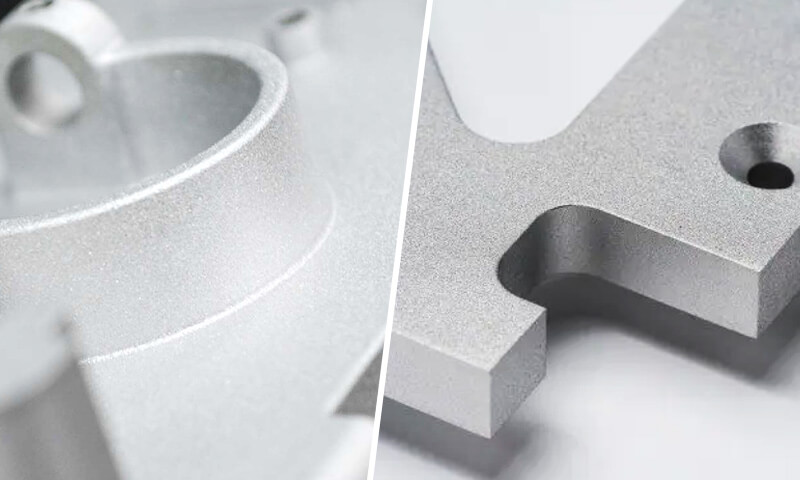
1.4006 is 'n martensitiese vlekvrye staal wat in die praktiese middelgrond lê tussen gewone koolstofstaal en meer korrosiebestande vlekvrye grade.
Dit word algemeen geïdentifiseer as X12Cr13, en baie verskafferverwysings kruisverbind dit met Aisi 410 en UNS S41000, hoewel sommige katalogusse waarsku dat verwante benamings soos 410S of 410S21 nie altyd presiese direkte ekwivalente is nie.
Met ander woorde, dit is 'n bekende graad met 'n duidelike industriële identiteit, maar een wat steeds gekontroleer moet word teen die spesifieke standaard en afleweringstoestand wat gebruik word.
Wat maak 1.4006 interessant is nie maksimum korrosiebestandheid nie, maar sy balans van hardheid, krag, bestuurbaarheid, poleerbaarheid, en matige korrosieprestasie.
Dit is ferromagneties, hitte behandelbaar, en in staat om goeie meganiese eienskappe na blus en tempering, daarom verskyn dit herhaaldelik in pompe, kleedke, asse, toebehore, en algemene meganiese ingenieurskomponente.
2. Wat is 1.4006 Vlekvrye staal?
1.4006 is 'n martensitiese vlekvrye staal graad, algemeen geassosieer met X12Cr13 in Europese benamingstelsels.
Dit is 'n chroom-draende vlekvrye staal ontwerp om 'n praktiese balans te bied van matige weerstand teen korrosie, Goeie meganiese krag, magnetiese reaksie, en hitte-behandelbare verhardbaarheid.
In industriële terme, dit is 'n funksionele ingenieurslegering eerder as 'n premium korrosielegering.
Anders as austenitiese vlekvrye staalsoorte soos 304 of 316, 1.4006 bereik nie sy bruikbaarheid hoofsaaklik deur weerstand teen korrosie nie.
In stede van, die waarde daarvan kom van die manier waarop dit kan wees verhard deur hittebehandeling en gebruik in komponente wat sterkte benodig, dra weerstand, en stabiele werkverrigting in matig korrosiewe diensomgewings.
Dit maak dit veral relevant in meganiese ingenieurswese, pompstelsels, klepkomponente, asse, bevestigingsmiddels, en ander dele waar lasdraende werkverrigting net so belangrik is as omgewingsweerstand.
Metallurgiese identiteit
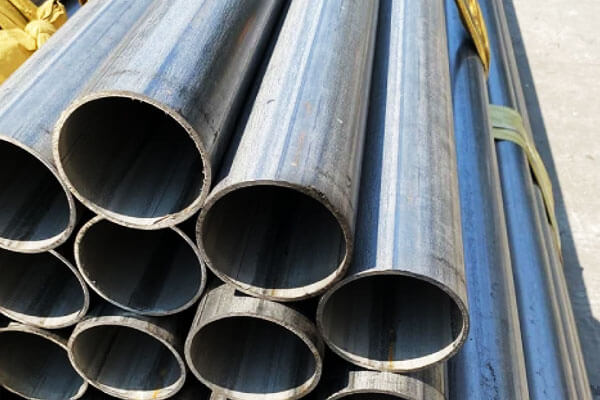
Die bepalende kenmerk van 1.4006 Is sy martensietiese struktuur. Dit beteken die legering kan deur termiese verwerking in 'n harde omskep word, sterk toestand.
In die gegloeide toestand, dit is makliker om te masjineer en te vorm; na blus en tempering, dit word aansienlik sterker en harder.
Hierdie metallurgiese gedrag is wat dit van baie ander vlekvrye staalsoorte onderskei:
- Austenitiese vlekvrye staal is oor die algemeen meer korrosiebestand en meer rekbaar, maar word nie maklik verhard deur hittebehandeling nie.
- Ferritiese vlekvrye staal bied goeie korrosiebestandheid in sommige omgewings, maar laer verhardbaarheid.
- Martensitiese vlekvrye staal, insluitende 1.4006, word gekies wanneer sterkte en hardheid is sentrale ontwerpvereistes.
Ekwivalente grade
1.4006 word wêreldwyd onder verskeie benamings erken, interoperabiliteit oor nywerhede heen te verseker:
| Standaard | Graad Aanwysing |
| EEN/JOU | 1.4006, X12Cr13 |
| ASTM/AISI | 410, UNS S41000 |
| Hy | SUS410 |
| GB | 12CR13 |
Sleutelkenmerke
Magnetiese gedrag
1.4006 is magnetiese, wat 'n direkte gevolg is van sy martensietiese struktuur.
Dit kan nuttig wees in toepassings waar magnetiese reaksie aanvaarbaar of selfs wenslik is, en dit onderskei ook die graad duidelik van austenitiese vlekvrye staal.
Hitte-behandelbaarheid
Een van die hoofredes waarom ingenieurs kies 1.4006 is dat dit kan wees verhard en getemper om 'n pasgemaakte balans van krag en taaiheid te bereik.
Dit laat toe dat die finale eienskappe by die onderdeel se funksie aangepas word.
Matige weerstand teen korrosie
Die graad bevat chroom, wat vlekvrye gedrag en 'n passiewe oksiedlaag bied.
Nietemin, sy weerstand teen korrosie is matig eerder as uitstaande, dus is dit die beste geskik vir effens aggressiewe omgewings eerder as ernstige chloriedblootstelling.
Goeie bewerkbaarheid in die sagte toestand
Voor verharding, 1.4006 doeltreffend gemasjineer kan word. Dit maak dit aantreklik vir presisiekomponente wat in 'n relatief sagte toestand vervaardig word en dan hittebehandel word tot finale eienskappe.
Dra-georiënteerde prestasie
Want dit kan verhard word, 1.4006 presteer goed in dele wat onderhewig is aan skuur, gly kontak, of herhaalde meganiese laai, veral waar volle korrosie-legeringswerkverrigting nie vereis word nie.
3. Chemiese samestelling van 1.4006 Vlekvrye staal
Die samestelling hieronder weerspieël die algemeen gepubliseerde EN/industrie-reeks vir 1.4006 / X12Cr13.
Geringe verskille kan tussen datablaaie voorkom, afhangende van produkvorm en beoogde gebruik, veral vir swaelinhoud.
| Element | Tipiese samestelling reeks (massa %) | Metallurgiese rol |
| Koolstof (C) | 0.08–0.15 | Ondersteun martensietvorming, hardheid, en sterkte na hittebehandeling. |
| Silikon (En) | ≤ 1.00 | Help staalvervaardiging en deoksidasie; beïnvloed ook krag en verwerkingsgedrag. |
| Mangaan (Mn) | ≤ 1.00 na 1.50 | Ondersteun verwerking en help om warm werkbaarheid te beheer. |
| Fosfor (P) | ≤ 0.020 na 0.040 | Laag gehou om taaiheid en algehele kwaliteit te behou. |
Swael (S) |
≤ 0.015 na 0.020, met spesiale toelaes in sommige produktipes | Beïnvloed bewerkbaarheid; laer swael word verkies vir poleerbaarheid en sommige dienstoestande. |
| Chroom (CR) | 11.5–13.5 | Primêre vlekvrye element; bied passivering en matige weerstand teen korrosie. |
| Nikkel (In) | ≤ 0.5 na 0.75 | Bied slegs in klein hoeveelhede aan; nie genoeg om die legering austenities te maak nie. |
| Strykyster (Fe) | Balans | Basismetaal. |
Komposisie wegneemetes
1.4006 is doelbewus a maer martensietiese vlekvrye staal: genoeg chroom vir vlekvrye gedrag, genoeg koolstof vir verhardbaarheid, maar nie soveel nikkel dat dit 'n austenitiese graad word nie.
Daardie chemie is wat die legering sy kenmerkende balans van matige korrosiebestandheid en hitte-behandelbare sterkte gee.
4. Fisiese en meganiese eienskappe van 1.4006 Vlekvrye staal
Die eiendomswaardes hieronder is verteenwoordigende gepubliseerde syfers. Hulle hang sterk af van die afleweringstoestand, veral of die materiaal uitgegloei of geblus en getemper is.
| Eiendom | Uitgegloei / sagte toestand | Geblus en getemper / QDT / QT 650 toestand | Note |
| Lewer krag (RP0.2) | ≥ 450 MPa in oplossing-gegloeide produkdata | 552–655 MPa, tipies 480 MPA; sommige produkdatalys ≥ 450 MPa minimum | Hittebehandeling verhoog krag wesenlik. |
| Trekkrag (Rm) | 650–850 MPa in oplossing-gegloeide produkdata | ≥ 690 MPA, tipies oor 720 MPA | Sterktereeks wissel met produkvorm en deursnee. |
| Verlenging | ≥ 15% | ≥ 20% in een QDT verwysing | Duktiliteit hang af van termiese toestand en produkgrootte. |
| Vermindering van oppervlakte | ≥ 55% | ≥ 45% | Dui betekenisvolle rekbaarheid aan ten spyte van martensietiese karakter. |
| Hardheid | tot ongeveer 220 HB in een uitgegloeide datablad | ≤ 22 HRC in QDT toestand | Hardheid styg met verharding; presiese waardes verskil volgens toestand. |
| Impak taaiheid | - | ≥ 27 J by -29°C | Nuttig vir komponente wat 'n mate van lae-temperatuur taaiheid vereis. |
Modulus van elastisiteit |
215 GPA | 215 GPA | In wese onveranderd deur hittebehandeling in standaarddatablaaie. |
| Digtheid | 7.70 kg/dm³ | 7.70 kg/dm³ | Tipiese digtheid vir martensitiese vlekvrye staal. |
| Spesifieke hitte | 460 J/kg · k | 460 J/kg · k | Standaard fisiese eienskapwaarde by 20°C. |
| Termiese geleidingsvermoë | 30 W/m · k | 30 W/m · k | Nuttig vir sekere bewerking en hitte-oordrag gedrag. |
| Elektriese weerstand | 0.60 Ω·mm²/m | 0.60 Ω·mm²/m | Tipiese martensitiese vlekvrye staal vlak. |
| Magnetiseerbaarheid | Geskik / ferromagnetiese | Geskik / ferromagnetiese | 'n Bepalende kenmerk van hierdie graad. |
| Aanbevole dienstemperatuur | tot ongeveer 400°C in een ingenieursdatablad | vermy ongeveer 425–525°C as gevolg van 475 brosheidsrisiko | Dienstemperatuur hang af van die presiese toepassing en standaard. |
5. Hittebehandeling, Vervaardiging, en Sweiswerk
1.4006 is 'n hitte-behandelbare martensitiese vlekvrye staal, en daardie enkele feit definieer die meeste van sy verwerkingsgedrag.
Die finale eiendomme word nie by aankoop vasgestel nie; hulle word ontwikkel deur die termiese roete wat deur die vervaardiger of vervaardiger gekies word.
Hittebehandeling
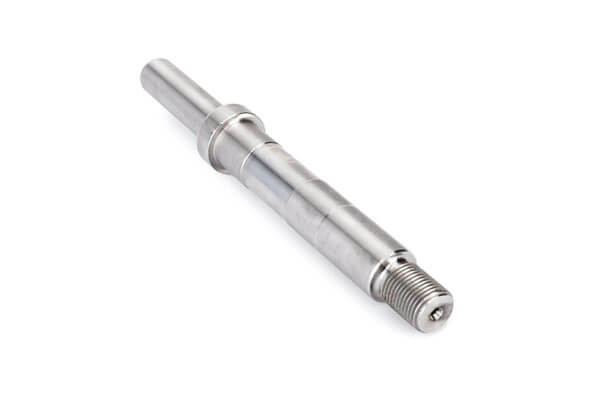
N tipiese proses ketting vir 1.4006 is in beginsel eenvoudig maar sensitief in uitvoering. Die staal word eers geaustenitiseer, toe geblus, en uiteindelik getemper.
Gegewensblaaie word algemeen geplaas uitgloeiing rondom 745–825°C, blus rondom 950-1000°C, en tempering in die 680–780°C reeks, alhoewel die presiese siklus afhang van produkvorm, afdeling grootte, en die vereiste eiendomsbalans.
Die belangrikste punt is dat die legering sterk reageer op hittebehandeling, so die geselekteerde siklus bepaal direk hardheid, selfpiriteit, en impak gedrag.
'n Nuttige ingenieursinterpretasie is dit 1.4006 is nie 'n "vaste eiendom" vlekvrye staal nie. Dit is 'n eiendom-verstelbare vlekvrye staal.
Dit maak dit geskik vir komponente wat in 'n sagter toestand gemasjineer moet word en dan in 'n harder omskep moet word, sterker laaste deel.
In die geblusde en getemperde toestand, gepubliseerde waardes toon aansienlik hoër opbrengs- en treksterkte as in die sagter toevoertoestande, wat bevestig dat die termiese siklus deel is van die ontwerpstrategie, nie net 'n afrondingstap nie.
Gietstuk
Gietstuk 1.4006 is moontlik, maar dit is nie die gewone hoofroete vir hierdie graad nie. Die legering word meer algemeen aangetref as staaf of gesmede produk vir bewerking in meganiese komponente.
Wanneer gietwerk gebruik word, dieselfde martensitiese vlekvrye staal logika geld steeds: chemiese homogeniteit, stollingsbeheer, en na-giet hittebehandeling is van kritieke belang.
Omdat 1.4006 is bedoel om nuttige krag te ontwikkel deur middel van martensietiese transformasie, gegote produkte moet versigtig bestuur word om growwe struktuur te vermy, segregasie, of eiendom verstrooiing.
Dit is hoekom, in die praktyk, gegote martensietiese vlekvrye staal word gewoonlik gereserveer vir komponentvorms waar gietdoeltreffendheid swaarder weeg as die voordele van bewerkte materiaal.
Warm werk
Warm werk is 'n praktiese roete vir vorming 1.4006 voor finale bewerking of hittebehandeling.
Datablaaie vir vergelykbare produkvorms dui warmvormvensters aan wat tipies ver bokant die uitgloeireeks gesentreer is en onder die punt waar skaalvorming en eienskapdegradasie problematies word.
In een martensietiese 1.4006 produk datablad, die warmvormingsreeks word gegee as 1100°C tot 800°C, wat ooreenstem met die behoefte om werkbare plastisiteit te handhaaf terwyl jy binne 'n beheerde termiese venster bly.
Vanuit 'n vervaardigingsperspektief, warmbewerking is nuttig omdat dit toelaat dat die korrelstruktuur verfyn word en die deelgeometrie vasgestel kan word voor verharding.
Nietemin, dit moet versigtiger hanteer word as austenitiese vlekvrye warmbewerking omdat martensitiese staal meer sensitief is vir termiese geskiedenis en daaropvolgende brosheid as die proses nie met behoorlike tempering ooreenstem nie.
Koue werk
1.4006 kan ook koud gewerk word, maar die allooi se reaksie is nie identies aan dié van austenitiese vlekvrye staal nie.
Omdat dit martensieties en hitte-behandelbaar is, koue bewerking word dikwels minder as die primêre versterkingsroete gebruik en meer as 'n vorm- of afrondingsbewerking voor finale hittebehandeling.
Waar koue vervorming ingebring word, dit kan krag en hardheid verhoog, maar dit verhoog ook vormingskragte en kan rekbaarheid verminder as die proses te ver gedruk word.
Om daardie rede, koue bewerking word die beste hanteer as 'n beheerde vormingsstap eerder as die hoofmetode van eiendomsontwikkeling.
Bewerking
Bewerking is een van die mees praktiese sterkpunte van 1.4006 vlekvrye staal.
Verskeie verskaffers beskryf dit as 'n graad wat geskik is vir meganiese ingenieursonderdele, juis omdat dit doeltreffend in die sagter toestand gemasjineer kan word en dan later verhard kan word.
Dit is waardevol in skagte, klep dele, toebehore, en ander gedraaide of gemaalde komponente waar streng toleransies saak maak.
'n Tweede voordeel is dat die legering dikwels beskikbaar is in afleweringstoestande wat bewerking ondersteun voor finale hittebehandeling.
In industriële terme, dit beteken die vervaardigingsroete kan vir kostedoeltreffendheid georganiseer word: rowwe masjien eers, eindig hittebehandeling tweede, en voer dan slegs minimale afwerking uit indien nodig.
Die werklike voordeel is nie net bewerkbaarheid nie, maar vervaardigingsvolgordebeheer.
Sweiswerk
Sweiswerk is moontlik, maar martensitiese vlekvrye staal vereis meer dissipline as austenitiese grade.
Verskaffersleiding vir vergelykbare 1.4006/X12Cr13-produkte wys daarop dat sweiswerk haalbaar is met standaardmetodes, maar voorverhitting in die reeks van ongeveer 150–300°C en na-sweisuitgloeiing of tempering kan nodig wees om kraakrisiko te verminder en 'n meer stabiele eiendomstel te herstel.
Met ander woorde, sweiswerk is nie verbode nie, maar dit is prosessensitief en moet as deel van die materiële toestand beplan word, nie as 'n nagedagte hanteer nie.
Die sweisuitdaging kom van die martensietiese transformasie.
As die hitte-geaffekteerde sone te vinnig afkoel of as waterstof en selfbeheersing nie beheer word nie, bros strukture kan vorm en kraakrisiko styg.
Dit is hoekom baie vervaardigers verkies om sweiswerk eenvoudig te hou, gebruik die regte vulselkeuse, en pas na-sweis hittebehandeling toe wanneer die diens dit vereis.
6. Korrosieweerstand en diensgrense
Korrosie weerstand profiel
Die weerstand teen korrosie van 1.4006 word die beste beskryf as matig.
Dit presteer goed in effens aggressief, nie-chloried omgewings soos seep, skoonmaakmiddels, organiese sure, en water- of stoomdiens, maar dit is nie bedoel vir sterk chloriedblootstelling nie.
Die staal het goeie korrosiebestandheid in water wanneer dit gepoleer en getemper is, maar nie wanneer chloriede teenwoordig is nie.
Dienslimiet-opsomming
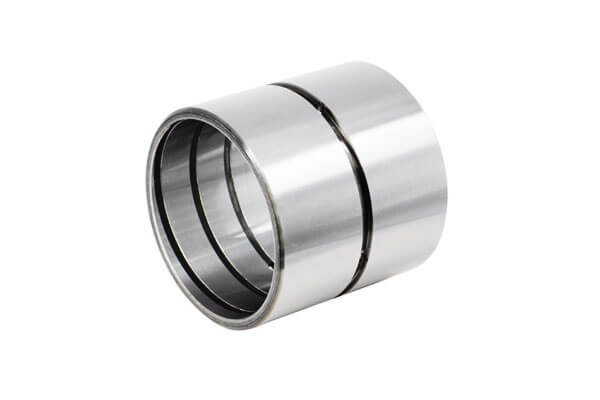
| Diensaspek | Praktiese limiet / leiding | Ingenieursbetekenis |
| Algemene korrosie-omgewing | Matig korrosief, nie-chloried media | Goed geskik vir water, stoom, seep, en soortgelyke dienste. |
| Oppervlakte toestand | Gepoleer / glad / residu-vry verkies | Oppervlakafwerking verbeter korrosiebestandheid direk. |
| Chloried blootstelling | Nie verkies nie | Chloriedomgewings kan die legering se korrosiemarge vinnig ontgroei. |
| Verhoogde temperatuur diens | Ongeveer 400–600°C, afhangend van datablad en atmosfeer | Geskik vir matige hitte, nie ernstige hoë-temperatuur diens nie. |
Oppervlaktoestand maak saak
Vir 1.4006, oppervlaktoestand is nie opsionele fynverstelling nie. ’n Gepoleerde of geslypte oppervlak verbeter korrosiegedrag, wat veral belangrik is in toerusting wat aan water blootgestel word, stoom, of effens aggressiewe media.
Dit is een rede waarom die graad dikwels in skagte verskyn, klepkomponente, en pomponderdele waar afwerkingskwaliteit deel van die funksionele spesifikasie is.
7. Tipiese toepassings van 1.4006 Vlekvrye staal
1.4006 word waar gebruik Meganiese werkverrigting, matige weerstand teen korrosie, magnetisme, en hitte-behandelbaarheid meer saak maak as maksimum korrosiebeskerming.
Dit is veral algemeen in dele wat eers gemasjineer word en later verhard word.
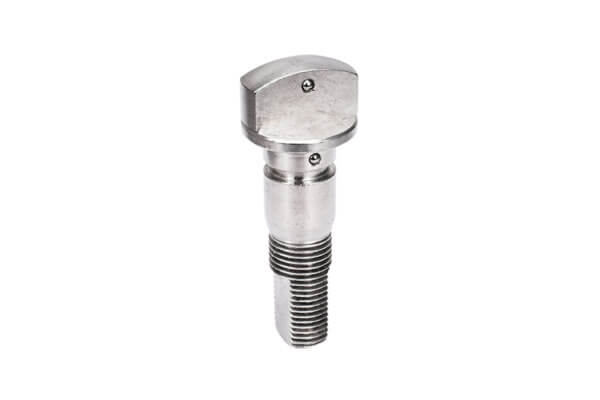
Meganiese ingenieurskomponente
Dit is die kerntoepassingsarea vir 1.4006. Dit word gereeld gebruik vir onderdele wat vrag moet dra, slytasie weerstaan, en behou dimensionele betroubaarheid na hittebehandeling.
Datablaaie beskryf dit as hoofsaaklik gebruik in meganiese ingenieurswese.
Tipiese voorbeelde sluit in:
- asse
- spindels
- asse
- bossies
- masjienonderdele
- presisie gedraaide komponente
Pomp en klep hardeware
1.4006 word wyd gebruik in pompbedryf en hidrouliese ingenieurswese want dit kombineer bewerkbaarheid, Verhardbaarheid, en voldoende weerstand teen korrosie vir matig aggressiewe diens.
Algemene komponente sluit in:
- pomp asse
- waaiers in nie-ernstige media
- klepstingels
- klep internes
- hidrouliese onderdele
- toebehore en koppelings
Water, stoom, en ligte proses diens
Die graad word ook gebruik in strukturele dele waaraan blootgestel word water of stoom en in toerusting vir papier, tekstiel, en voedsel-industrie omgewings waar korrosie matig is en skoonmaakbaarheid saak maak.
Voorbeelde hiervan:
- stoom-kontak dele
- waterdiens hardeware
- ligweg korrosiewe proseskomponente
- skerms en siwwe
- industriële toebehore
Bevestigingsmiddels en klein presisieonderdele
Omdat 1.4006 kan hittebehandel en doeltreffend bewerk word, dit is geskik vir boute, skroewe, neute, en klein toegeruste komponente.
8. Vergelyking met ander vlekvrye grade
| Aspek | 1.4006 | 1.4301 (304) | 1.4404 (316L) | 1.4021 (420) |
| Vlekvrye familie / struktuur | Martensities, ferromagnetiese staal met goeie meganiese eienskappe. | Austenitiese vlekvrye staal met uitstekende korrosiebestandheid in baie omgewings. | Austenitiese vlekvrye staal; lae koolstofinhoud gee goeie weerstand teen interkorrelkorrosie in die gelaste toestand. | Martensities, ferromagnetiese vlekvrye staal; gebruik in geharde toestand vir baie konstruksie- en bevestigingselemente. |
| Magnetiese gedrag | Magneties / ferromagnetiese. | In wese nie-magneties in die uitgegloeide toestand, met 'n mate van magnetiese reaksie moontlik na koue werk. | Austenitiese en lae magnetiseerbaarheid. | Magneties / ferromagnetiese. |
Hitte behandelbaarheid |
Hitte behandelbaar; gelewer soos uitgegloei, geblus en getemper, of geblus en dubbel gehard. | Kan nie verhard word deur hittebehandeling nie; oplossing uitgloeiing word eerder gebruik. | Nie gekies vir verharding nie; tipies gebruik in oplossing-gegloeide toestand met uitstekende sweiswerkverrigting. | Verhardbaar; QT700 en QT800 toestande word gespesifiseer. |
| Korrosieweerstand | Goed in nie-chloried, matig korrosiewe omgewings; PREN oor 14; gepoleerde oppervlak verbeter weerstand. | Uitstekend in baie omgewings, maar chloriedpit/skeurkorrosie kan voorkom en spanningskorrosie krake kan bo 60°C voorkom. | Baie goeie weerstand teen korrosie; lae koolstofinhoud help om weerstand in die gelaste toestand te behou. | Korrosiebestandheid is laer as die algemene austenitiese grade; nuttig in matig aggressiewe media, maar nie die beste keuse vir ernstige blootstelling aan chloried nie. |
Sweisbaarheid / vervaardiging |
Sweisbaar, maar proseduredissipline maak saak omdat martensitiese staal meer sensitief is vir hittebehandeling en na-sweistoestand. | Uitstekende smeltsweiswerkverrigting; verhard maklik tydens koue werk. | Uitstekende sweisgedrag; lae koolstof help om korrosiebestandheid na sweiswerk te behou. | Sweisbaarheid is goed, maar voorverhitting en na-sweis-tempering word algemeen aanbeveel vir die beste resultate. |
| Tipiese diens temperatuur | Tot ongeveer 400°C. | Goeie oksidasieweerstand in intermitterende diens tot 870°C en deurlopende diens tot 925°C; deurlopende gebruik by 425–860°C word nie aanbeveel as waterige korrosiebestandheid vereis word nie. | Geskik vir gebruik tot ongeveer 550°C. | Geskik vir gebruik tot ongeveer 550–600°C, afhangend van die datablad en toepassingskonteks. |
Tipiese toepassings |
Meganiese ingenieurswese, hidrouliese ingenieurswese, pompe, kleedke, toebehore, chemiese en petrochemiese industrie, dekoratiewe kenmerke, huishoudelike komponente. | Toerusting vir algemene doeleindes in baie omgewings waar vormbaarheid en weerstand teen korrosie belangrik is. | Pompe, kleedke, spesiale laers, voedsel, papier, chemies, medies, en soortgelyke korrosie-sensitiewe toerusting. | Motorvoertuig, petroleum, petrochemies, hidrouliese toerusting, masjienerie, eetgerei, lemme, dekoratiewe en kombuistoepassings. |
| Beste pas | Beste wanneer matige korrosiebestandheid en hoër meganiese sterkte beide nodig is. | Beste wanneer uitstekende algemene korrosiebestandheid en maklike vervaardiging die belangrikste is. | Beste wanneer beter weerstand teen korrosie as 304 is nodig, veral in gelaste diens. | Beste wanneer hardheid, magnetiese gedrag, en matige korrosiebestandheid is die prioriteite. |
9. Konklusie
1.4006 vlekvrye staal is 'n volwasse ingenieursmateriaal met 'n baie spesifieke rol. Dit is nie ontwerp om die mees korrosiebestande vlekvrye staal te wees nie, ook nie die maklikste vlekvrye staal om in 'n katalogus te miskyk nie.
Die sterkpunt daarvan is dat dit betroubaar werk in die toepassings waarvoor dit bedoel was: meganies veeleisende onderdele, gematigde omgewings, en produksieroetes wat voordeel trek uit hittebehandeling en bewerkingsbuigsaamheid.
Behoorlik gekyk, 1.4006 is nie 'n kompromiegraad in die pejoratiewe sin nie.
Dit is 'n doelgemaakte martensitiese vlekvrye staal wie se kombinasie van magnetisme, Verhardbaarheid, bestuurbaarheid, en matige korrosiebestandheid maak dit 'n praktiese oplossing vir 'n wye reeks industriële komponente.
Vrae
Is 1.4006 vlekvrye staal magneties?
Ja. Dit is 'n martensietiese vlekvrye staal en is magneties.
Is 1.4006 vlekvrye staal hitte behandelbaar?
Ja. Die eienskappe daarvan word sterk beïnvloed deur blus en tempering.
Is 1.4006 vlekvrye staal korrosiebestand?
Ja, maar net matig. Dit is geskik vir ligte tot matig aggressiewe omgewings, nie ernstige chlorieddiens nie.
Wat is die smeltpunt van 1.4006 vlekvrye staal?
Die smeltbereik van 1.4006 is 1480–1530°C, effens hoër as koolstofstaal, wat gebruik in matige hoë temperatuur toepassings moontlik maak (tot 600°C).
Is 1.4006 beter as 304 vlekvrye staal?
Nie universeel nie. 304 is beter vir korrosiebestandheid, wyle 1.4006 is beter wanneer dit verhard word, magnetiese reaksie, en meganiese slytasieprestasie is belangriker.