Нерђајући челик је један од најчешће коришћених материјала у савременом свету, цењен због своје издржљивости, отпорност на корозију, и свестраност.
Али како потрошачи постају све више свјесни здравља и забринути су о томе који материјали долазе у контакт са њиховом храном, водити воду, и тела, поставља се критичко питање: Нехрђајући челик није токсичан?
Кратак одговор је да - нерђајући челик се сматра нетоксичним и безбедним за контакт са храном, медицинска употреба, и апликације за воду за пиће.
Међутим, као и већина ствари у науци о материјалима, потпуни одговор је нијансиранији. Сигурност нерђајућег челика зависи од његове класе, услове под којима се користи, и квалитет производног процеса.
1. Шта је нерђајући челик?
Нехрђајући челик је а породица легура на бази гвожђа отпорних на корозију, а не једну врсту метала.
Под уобичајеном европском дефиницијом, нерђајући челик садржи најмање 10.5% хром по маси и не више од 1.2% угљеник.
Остали легирајући елементи—укључујући никл, молибден, манган, азот, титанијум, или ниобијум — додају се у различитим комбинацијама да би се добило специфично механичко, отпоран на корозију, термички, или својства обраде.
Најважнија карактеристика која одваја нерђајући челик од обичног угљеничног челика је његова способност да формира високу заштиту пасивни филм богат хромом на површини.
Када је присутно довољно хрома и површина је изложена окружењу које садржи кисеоник, овај изузетно танак оксидни слој се природно формира и делује као баријера између легуре која лежи испод и њеног окружења.
Када се оштети под погодним условима, пасивни филм се може реформисати кроз даљу реакцију са кисеоником.
Ово пасивно понашање објашњава важну тачку о безбедности нерђајућег челика: хемијски састав легуре није исто што и састав којем је корисник нормално изложен.
Површину контролише пасивни слој, док отпорност на корозију одређује колико ефикасно та површина остаје заштитна.
2. Нерђајући челик није токсичан?
Опћенито, да. Правилно одабран и произведен нерђајући челик сматра се сигурним материјалом за многе контакте са храном, вода за пиће, и потрошачке апликације.
Међутим, тачније је описати нерђајући челик као ниску реактивност и низак ризик под предвиђеним условима употребе, а не као апсолутно „нетоксичан“ или потпуно инертан.
Нерђајући челик је легура у којој су елементи као што је хром, никл, гвожђе, и молибден су уграђени у металну структуру.
У нормалним условима, ови елементи се не ослобађају лако у штетним количинама јер је легура заштићена стабилним пасивним површинским филмом.
Ипак, метали у траговима могу мигрирати из нерђајућег челика под одређеним условима, посебно са киселим или сланим медијима, продужени контакт, повишене температуре, или локализована корозија.
Стварна сигурност нерђајућег челика стога зависи од разреда легуре, стање површине, окружење изложености, време контакта, и намеравану примену.
3. Шта чини нерђајући челик безбедним?
Неколико међусобно повезаних фактора одређује зашто се нерђајући челик сматра безбедним материјалом за захтевне примене.
Пасивни слој богат хромом
Пасивни филм је један од најважнијих разлога зашто је нерђајући челик отпоран на корозију.
Када је нерђајући челик који садржи хром изложен кисеонику, на површини се спонтано развија веома танак филм оксида обогаћен хромом.
Филм је обично дебео само неколико нанометара, ипак може да обезбеди веома ефикасну заштиту од даље оксидације и корозије.
Његове главне карактеристике укључују:
- Високо заштитни: Значајно успорава електрохемијске реакције одговорне за корозију.
- Танак и лепљив: Филм остаје чврсто везан за основни метал уместо да формира лабав, љускави слој.
- Саморепасивирајући: Када је површина лагано изгребана или поремећена, пасивно стање се може реформисати у присуству кисеоника.
- Зависно од животне средине: Јаки хлориди, смањивање окружења, тешка контаминација, или други агресивни услови могу локално оштетити пасивност и изазвати корозију у облику удубљења или пукотина.
Стога, тачније је рећи да је нерђајући челик пасиван и високо отпоран на корозију у одговарајућим условима него описати његову површину као апсолутно инертну баријеру.
Легирајући елементи су уграђени у металну матрицу
Нерђајући челик обично садржи хром, а може да садржи и никл, молибден, манган, азот, и други алегални елементи.
Ови елементи су део структуре металне легуре, а не само као слободно растворљиви јони. Као резултат, они се обично не ослобађају брзо у уобичајеним условима рада.
Међутим, „закључан“ не треба тумачити буквално. Нерђајући челик још увек може да подлеже корозији и ослобађа мале количине металних састојака када су услови околине довољно агресивни.
На пример, Показало се да ослобађање никла и хрома из посуђа од нерђајућег челика варира у зависности од фактора као што је киселост хране, време кувања, састав легура, и стање или историју посуђа.
Због тога безбедност нерђајућег челика треба процењивати у смислу стварне изложености, а не само састава легуре.
Отпорност на корозију ограничава ослобађање метала
Отпорност на корозију је директно релевантна за сигурност материјала јер корозија укључује пропадање металне површине и потенцијални пренос металних врста у околину.
Високо отпорна на корозију површина од нерђајућег челика може остати стабилна током дугог периода у многим намирницама, напитак, водити воду, и биолошке средине.
Међутим, нерђајући челик је отпоран на корозију, а не апсолутно на корозију.
Локализована корозија као што је корозија удубљења или пукотина може настати када је материјал изложен довољно агресивним условима.
Сходно томе, избор одговарајуће класе нерђајућег челика је важан део обезбеђивања дугорочне безбедности.
Чистоћа површине и завршна обрада
Безбедност нерђајућег челика такође зависи од квалитета завршне површине. А глатко, чиста површина је лакша за дезинфекцију и мање је вероватно да ће задржати остатке хране, депозити, или загађивача.
Производне операције као што је заваривање, млевење, обрада, полирање, кисело, и пасивација може променити карактеристике површине.
У захтевним апликацијама, одговарајућа накнадна обрада је стога важна за обнављање или оптимизацију отпорности на корозију након производње.
Регулаторни и индустријски захтеви
Нерђајући челик се широко користи у регулисаним апликацијама, али важно је не рећи да је „нерђајући челик одобрен од стране ФДА“ као да се једно универзално одобрење односи на сваки разред и производ.
У пракси, сигурност зависи од специфичног материјала, формулација, производни процес, наменска употреба, и применљивих регулаторних захтева.
| Фрамеворк / Организација | Релевантна област | Шта то значи за нерђајући челик |
| У.С. ФДА | Материјали за контакт са храном | Артикли и супстанце у контакту са храном морају да испуњавају важеће безбедносне захтеве за предвиђене услове употребе. |
| Европска унија | Регулатива (ЕЦ) Не. 1935/2004 | Материјали који су у контакту са храном не смеју преносити састојке у храну на нивоима који би могли да угрозе људско здравље под нормалном или предвидивом употребом. |
НСФ Интернатионал |
Стандарди опреме за храну као што су НСФ/АНСИ 51 | Пружа захтеве за материјале и конструкцију који се користе у комерцијалној опреми за храну. |
| Медицински стандарди и прописи | Медицински уређаји и имплантати | Медицински нерђајући челик мора задовољити материјале специфичне за примену, производња, биокомпатибилност, и регулаторне захтеве. |
4. Да ли је нерђајући челик сигуран за посуђе?
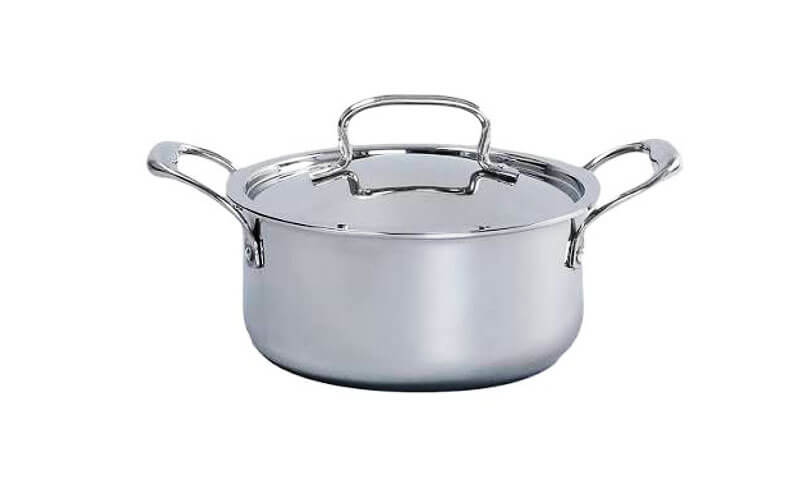
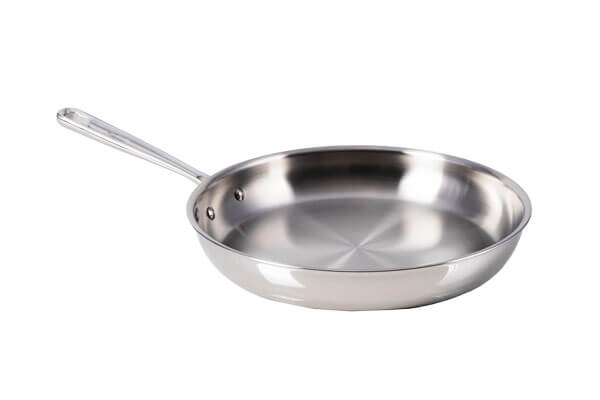
Да. Правилно произведен и правилно одабран нерђајући челик се генерално сматра безбедним за посуђе и припрему хране.
Оцене као нпр 304 се широко користе због своје отпорности на корозију, издржљивост, топлотна стабилност, и могућност чишћења.
Међутим, нерђајући челик није потпуно инертан: кисела или слана храна, продужено кување, високе температуре, а површинска оштећења могу повећати ослобађање метала у траговима као што су никл и хром.
За већину корисника, ова миграција остаје ниска, али људи са познатом осетљивошћу на никл ће можда морати да узму у обзир специфичну класу и конструкцију производа.
Правилно чишћење, избегавање дужег складиштења високо киселих намирница, а замена посуђа са великим удубљењем или кородијом може додатно смањити потенцијалну забринутост.
5. Да ли је нерђајући челик безбедан за посуде за храну и пиће?
Да. Нерђајући челик се широко користи за посуде за храну и пиће јер његова пасивна површина богата хромом пружа јаку отпорност на корозију док је глатка, издржљива структура подржава хигијенско чишћење.
Уобичајене оцене као нпр 304 су погодни за многе опште примене у контакту са храном, док 316 или 316Л може бити пожељан у окружењима са већом изложеношћу хлоридима због њихове повећане отпорности на корозију.
Иако количине легирајућих елемената у траговима могу мигрирати под одређеним условима, ниво зависи од оцене, стање површине, температура, време контакта, и карактеристике хране или пића.
За комерцијалне и индустријске примене, материјал треба да буде подржан одговарајућом документацијом о усклађености контакта са храном и следљивости.
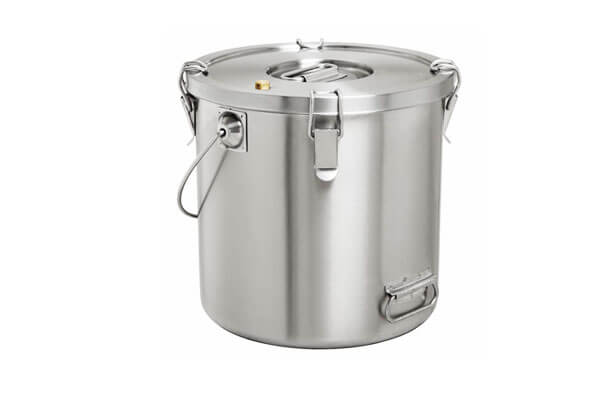
6. Да ли је нерђајући челик безбедан за медицинске примене?
Одређени типови нерђајућег челика се широко користе у медицинским уређајима јер комбинују отпорност на корозију, механичка чврстоћа, фабрицабилити, и одговарајуће биолошке перформансе.
316Л нехрђајући челик, на пример, користи се у хируршким инструментима и одабраним апликацијама имплантата јер његов састав са ниским садржајем угљеника помаже у побољшању отпорности на сензибилизацију након заваривања.
Међутим, „медицински квалитет“ не значи да је нерђајући челик потпуно биолошки инертан.
Корозија, стање површине, ослобађање металних јона, стерилизација, механичко оптерећење, и трајање излагања се мора узети у обзир.
Медицинске примене стога захтевају специфичне класе материјала, контролисаних производних процеса, површинска обрада, и усклађеност са примењивим захтевима за биокомпатибилност и медицинске уређаје.
7. Да ли је нерђајући челик сигуран за воду за пиће?
Да. Правилно одабрани нерђајући челик се широко користи за флаше воде за пиће, резервоари, цеви, фитинги, и опрему за прераду воде због своје отпорности на корозију, издржљивост, и хигијенске површине.
Међутим, Безбедност воде за пиће зависи од специфичног квалитета и хемијског састава воде.
Концентрација хлорида, пХ, температура, стагнирајући услови, а стање површине може утицати на корозију и ослобађање металних састојака као што су никл и хром.
За захтевне примене воде за пиће, материјал стога треба да буде одабран у складу са очекиваним воденим окружењем и подржан одговарајућом усклађеношћу или сертификацијом.
Производ од нерђајућег челика не треба сматрати безбедним само зато што је означен као „нерђајући челик“; његов састав, квалитет израде, стање површине, и све предвиђене услове рада треба узети у обзир.
8. Када нерђајући челик може постати здравствени проблем?
Нерђајући челик је генерално безбедан у одговарајућим применама, али ниједан нерђајући челик није потпуно имун на корозију или ослобађање метала у свим условима.
Бриге о здрављу постају релевантније када је материјал лоше одабран, јако кородирао, контаминиран, или се користи у окружењу ван предвиђених услова пројектовања.
Потенцијално важне ситуације укључују:
Агресивно излагање хемикалијама
Јаке киселине, високе концентрације хлорида, а одређене хемикалије за чишћење могу дестабилизовати пасивни филм и подстаћи корозију.
Локализована корозија, посебно корозија удубљења и пукотина, може довести до повећаног ослобађања метала.
Продужени контакт са киселом или сланом храном
Храна богата киселином и сољу може бити агресивнија према нерђајућем челику од неутралне хране.
Поновљено или продужено излагање може повећати миграцију елемената као што су никл и хром, посебно када је површина нова, оштећени, или изложена неповољним условима.
Нерђајући челик лошег квалитета или погрешно наведен
Коришћење неодговарајуће класе може значајно смањити отпорност на корозију. На пример, разред ниже легуре можда није погодан за окружење које садржи високе концентрације хлорида.
Површинска контаминација
Честице угљеничног челика, остаци обраде, контаминација гвожђем, а неприкладне производне праксе могу довести до појаве корозивних места на површини од нерђајућег челика.
Ови загађивачи могу изазвати промену боје или локализовану корозију налик рђи чак и када основни нерђајући челик има добру отпорност на корозију.
Тешка површинска оштећења
Дубоке огреботине, оштећења од млевења, депозити, или оштећена подручја завара могу ометати формирање или одржавање пасивне површине.
Површински третман као што је одговарајуће чишћење, кисело, или пасивизација може бити неопходна након израде за захтевне примене.
9. Да ли зарђали нерђајући челик постаје токсичан?
Не. Присуство рђе не чини аутоматски нерђајући челик токсичним.
Промена боје рђе или смеђе површине генерално указује на оксидацију или корозију и не значи да је цео производ од нерђајућег челика одједном постао отрован материјал.
Нерђајући челик може развити наслаге налик рђи из неколико разлога. Контаминација гвожђем од алата или честица од угљеничног челика, површинске наслаге, излагање хлоридима, неадекватно чишћење, или локализована корозија може довести до промене боје.
Међутим, видљиву корозију не треба једноставно занемарити, посебно када се нерђајући челик користи за храну, воде за пиће, медицински, или фармацеутске примене.
Корозија може указивати на то да је пасивна површина угрожена и може повећати ослобађање металних састојака.
| Стање | Безбедносне импликације |
| Мања промена боје површине | Обично не значи да је материјал постао токсичан; истражите и очистите на одговарајући начин. |
| Контаминација гвожђем | Може створити наслаге боје рђе, а да не указује на корозију нерђајућег челика. |
| Питтинг Цорросион | Значајније јер може доћи до локализованог растварања метала. |
| Дубока корозија или деградација површине | Указује на губитак интегритета материјала и захтева процену. |
| Корозија на опреми која је у контакту са храном/водом | То треба одмах решити јер захтеви за миграцијом и хигијеном постају све важнији. |
Исправан одговор на зарђали нерђајући челик је стога преглед и санација, а не претпоставка токсичности.
У зависности од узрока и тежине, чишћење, уклањање контаминације, рестаурација површине, пасивација, или замена може бити одговарајућа.
10. Како одабрати сигурне производе од нерђајућег челика
Одабир сигурног производа од нерђајућег челика почиње усклађивањем материјала са предвиђеном применом, а не ослањањем само на генеричку ознаку „нерђајући челик“.
Идентификујте класу нерђајућег челика
Кад год је то могуће, провери стварну оцену. За уобичајене апликације за потрошаче и храну, 304 се широко користи, док 316 може бити пожељније тамо где је потребна већа отпорност на хлориде или агресивна окружења.
Узмите у обзир предвиђено окружење
Процените шта ће производ контактирати и под којим условима. Важни фактори укључују:
- Киселост и алкалност
- Концентрација хлорида или соли
- Радна температура
- Трајање контакта
- Хемикалије за чишћење и стерилизацију
- Влажност и излагање води
Проверите квалитет површине
Потражите а гладак, чиста, уједначена површина без дубоких огреботина, упорна рђа, прикудан, пукотине, или очигледних недостатака у производњи.
За санитарне примене, Завршна обрада површине може бити посебно важна јер груба или оштећена подручја могу задржати загађиваче и постати теже за чишћење.
Проверите применљиву усклађеност
За храну, вода за пиће, и медицински производи, проверити да ли је готов производ испуњава релевантне стандарде или регулаторне захтеве за своју предвиђену употребу.
Сама ознака материјала не утврђује усаглашеност са сваким посебним прописом за примену.
Изаберите реномиране произвођаче
Произвођач је важан део безбедности производа од нерђајућег челика, посебно за компоненте које се користе у преради хране, системи пијаће воде, медицинска опрема, и друге апликације које су критичне за хигијену.
Реномирани произвођач треба да има ефективну контролу над избором материјала, машинска обрада или обликовање, заваривање, дорада површине, чишћење, инспекција, и следљивост.
ТХИС Тецх пружа прилагођену производњу нерђајућег челика и решења за прецизне компоненте са нагласком на квалитет материјала, Димензионална тачност, и контролисане производње.
Наше могућности могу подржати компоненте од нерђајућег челика произведене кроз процесе као што су прецизно ливење, ЦНЦ обрада, и повезане секундарне операције, омогућавајући да се избор материјала и геометрија делова разматрају заједно током производње.
11. Наука иза "нетоксичног": Бољи начин за процену материјала
Термин „нетоксичан“ није апсолутна научна класификација. Скоро сваки материјал може представљати ризик под довољно високом изложеношћу или неодговарајућим условима.
Ригорознија процена поставља четири питања: Које супстанце су присутне? Могу ли бити пуштени? Колико се може ослободити? И како им је човек изложен?
За нерђајући челик, овај приступ је посебно важан јер легура садржи елементе као што су хром и, у многим разредима, никл.
Њихово присуство у легури само по себи не значи да је готов производ опасан.
Практични оквир за безбедност материјала
| Фактор евалуације | Кључно питање | Зашто је важно |
| Састав | Који елементи и једињења су присутни? | Различите врсте нерђајућег челика имају различите хемије легуре. |
| Релеасе / Миграције | Могу ли састојци да мигрирају са површине? | Састав масе није једнак стварној изложености људи. |
| Ниво експозиције | Колико супстанце може доћи до корисника? | Токсиколошки ризик у великој мери зависи од дозе и трајања изложености. |
| Пут излагања | Излагање кроз храну, водити воду, коже, удисање, или имплантација? | Различити путеви излагања имају различите биолошке импликације. |
Услови услуге |
Које су температуре, пХ, ниво хлорида, и време контакта? | Агресивни услови могу повећати корозију и ослобађање састојака. |
| Стабилност материјала | Да ли површина остаје хемијски стабилна? | Стабилна пасивна површина генерално ограничава корозију и миграцију. |
| Захтеви за пријаву | Да ли је производ намењен за исхрану, водити воду, медицински, или опште употребе? | Захтеви за безбедност и усклађеност се разликују у зависности од примене. |
Овај оквир објашњава зашто једноставно питање да ли нерђајући челик садржи никл или хром није довољно.
Процена ризика мора да узме у обзир везу између опасности и изложености.
Елемент може имати опасна својства у одређеном хемијском облику или у довољно великој дози, док исти елемент уграђен у легуру отпорну на корозију може резултирати веома различитим карактеристикама изложености.
За нерђајући челик, површинска стабилност је стога централна за процену безбедности.
Хром омогућава пасивизацију, док отпорност легуре на корозију помаже у ограничавању растварања металних састојака.
Избор разреда, дорада површине, квалитет израде, и услужно окружење утичу на ово понашање.
У практичном смислу, боље питање од „Да ли је нерђајући челик нетоксичан?” је:
Да ли овај специфични производ од нерђајућег челика ослобађа опасне састојке на нивоима забринутости под предвиђеним условима употребе?
То је много значајније инжењерско и здравствено-безбедносно питање.
12. Коначна пресуда: Нерђајући челик није токсичан?
Најодбрањивији одговор на „Да ли је нерђајући челик није токсичан?" је дакле:
Нерђајући челик је генерално безбедан за своје предвиђене примене и сматра се материјалом ниског ризика у многим намирницама, водити воду, потрошач, и инжењерска окружења. Ипак, његова безбедност зависи више од примене него апсолутна.
Критични фактори су:
Тачна оцена + стабилна пасивна површина + правилна производња + одговарајућу примену + контролисано излагање
Када се овим факторима правилно управља, нерђајући челик нуди необично јаку комбинацију издржљивости, отпорност на корозију, хигијена, и ниско ослобађање конституената.
Циљ не би требало да буде проналажење материјала који никада не ступа у интеракцију са окружењем - мало материјала из стварног света испуњава ту дефиницију.
Циљ је одабрати материјал чије понашање, ниво експозиције, а биолошки ризик остаје у прихватљивим границама током целог предвиђеног радног века.
Често постављана питања
Нехрђајући челик није токсичан за свакодневну употребу?
Опћенито, да. Правилно произведен нерђајући челик се широко користи у потрошачким производима и обично се сматра материјалом ниског ризика када се користи за његову намену.
Његова сигурност зависи од специфичне класе, стање површине, и окружење изложености.
Да ли је нерђајући челик безбедан за људе са алергијама на никл?
Многи људи са осетљивошћу на никл могу да користе неке производе од нерђајућег челика без значајних проблема, али осетљивост варира.
Зато што многи уобичајени аустенитни нерђајући челици садрже никл, људи са потврђеном алергијом можда желе да размотре специфичну оцену, услови контакта, и производи дизајнирани да минимизирају изложеност никлу.
Да ли нерђајући челик постаје токсичан када се загреје?
Уобичајене температуре кувања не чине аутоматски нерђајући челик токсичним.
Екстремно високотемпературни индустријски процеси су различити јер активности као што је заваривање могу генерисати испарења која садрже метал и која захтевају одговарајућу контролу рада.
Да ли је нерђајући челик сигурнији од алуминијума?
Ниједан материјал није универзално безбеднији у свакој примени. И нерђајући челик и алуминијум могу бити погодни за производе који су у контакту са храном када се користе одговарајући материјали и контроле производње.
Отпорност на корозију, хемија хране, температура, тежина, трошак, и све предвиђене услове рада треба узети у обзир.
Да ли је „нерђајући челик за храну” довољан да гарантује сигурност?
Не само по себи. „Квалитет за храну“ је користан опис, али би идеално требало да буде подржано дефинисаном класом материјала, одговарајуће контроле производње, и доказ да готов производ испуњава захтеве предвиђене примене у контакту са храном.
Може ли нерђајући челик отпустити хром у храну?
Под одређеним условима може доћи до миграције хрома у траговима. Количина зависи од легуре, стање површине, хемија хране, температура, и време контакта.
Откривено ослобађање хрома не указује аутоматски на штетно излагање.