1. Zavedenie
V dnešnom konkurenčnom výrobnom prostredí, výber správnej techniky spájania môže výrazne ovplyvniť pevnosť produktu, náklady, a dlhovekosť.
Zváranie a nitovanie sú dve základné metódy používané na montáž materiálov, najmä kovy.
Každá technika sa vyvíjala desaťročia a teraz hrá kľúčovú úlohu v odvetviach, ako je automobilový priemysel, letectvo, výstavba, a ťažké stroje.
V tomto článku, skúmame zváranie vs. strhujúce do hĺbky skúmaním ich základov, kľúčové rozdiely, nákladové dôsledky, a vznikajúce trendy.
2. Základy zvárania
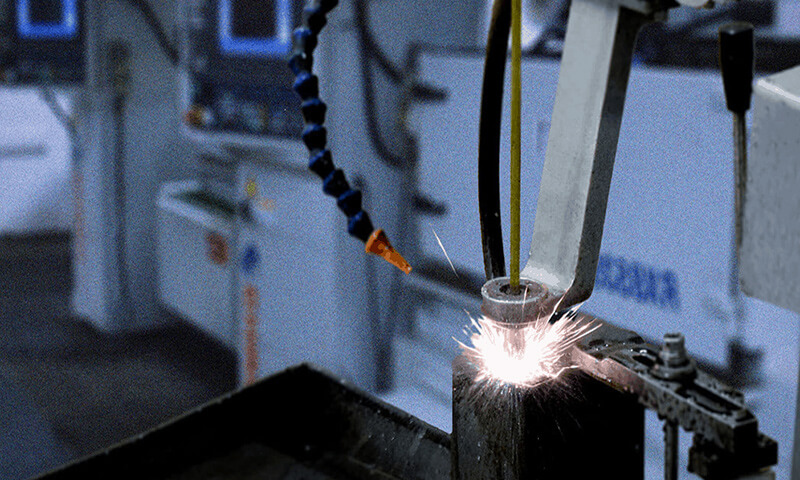
Zváranie spája materiály pôsobením tepla, tlak, alebo oboje, vytvorenie trvalého spojenia, ktoré tvorí chrbticu modernej výroby.
Tento proces zostáva nevyhnutný v odvetviach, ako je automobilový priemysel, letectvo, výstavba, a ťažké stroje, kde je prvoradá sila a spoľahlivosť.
Čo je zváranie?
Zváranie zahŕňa tavenie základných materiálov - zvyčajne kovov - a, v mnohých prípadoch, pridanie výplňového materiálu na vytvorenie spoja, ktorý stuhne do jednotnej štruktúry.
Inžinieri si často vyberajú zváranie, keď požadujú rovnako pevné spojenie, alebo ešte silnejší, než pôvodné materiály.
Napríklad, vysokokvalitné zvary môžu dosiahnuť pevnosť v ťahu presahujúcu 70,000 psi, zabezpečenie, aby kritické konštrukčné komponenty odolali extrémnemu namáhaniu.
Druhy zvárania
Výrobcovia si vyberajú z rôznych metód zvárania na základe požiadaviek projektu:
- Zváranie MIG (Kovový inertný plyn):
Táto metóda využíva kontinuálne podávanie drôtu a inertný plyn na ochranu zvaru pred kontaminantmi.
MIG zváranie vyniká svojou rýchlosťou a jednoduchosťou použitia, vďaka čomu je populárny v automobilovej montáži a všeobecnej výrobe.
Zváranie MIG - Zváranie TIG (Volfrámový inertný plyn):
Zváranie TIG využíva nekonzumovateľnú volfrámovú elektródu na vytvorenie mimoriadne čistých a presných zvarov.
Ukázalo sa, že je nevyhnutné pre letecké komponenty a projekty, kde záleží na estetike a presnosti. - Zváranie tyčou (Oblúkové zváranie v tienidle):
Známy pre svoju všestrannosť a robustnosť, tyčové zváranie funguje dobre vo vonkajších a náročných aplikáciách.
Znáša náročné podmienky, ako je vietor, ktoré môžu narušiť ostatné procesy zvárania. - Laserové zváranie:
Využitie koncentrovaného laserového lúča, táto technika vytvára hlboké, úzke zvary s minimálnym skreslením.
Široké využitie nachádza vo výrobe elektroniky a zdravotníckych pomôcok, kde je dôležitá vysoká presnosť.
Laserové zváranie - Bodové zváranie:
Bodové zváranie rýchlo spája prekrývajúce sa plechy, metóda široko používaná v automobilovej výrobe na efektívnu montáž karosérií automobilov.
Pracovný princíp
Zváranie vytvára spoj roztavením základného materiálu, niekedy s pridaným plnivom, a potom sa nechá roztavený kov vychladnúť a stuhnúť do súvislého spoja.
Počas tohto procesu, Reformuje sa kryštalická štruktúra materiálu, efektívne vytvárať nové, integrovaná sekcia, ktorá dokáže zvládnuť značné mechanické namáhanie.
Výrobcovia zvyčajne dosahujú vynikajúcu integritu spoja pri kontrole parametrov, ako je teplota, tlak, a rýchlosť zvárania.
Napríklad, riadené procesy zvárania môžu znížiť defekty až o 20%, zabezpečenie vyššej spoľahlivosti a dlhšej životnosti hotového výrobku.
Použité materiály
Zváranie prevažne spája kovy, a proces sa prispôsobuje rôznym materiálovým vlastnostiam. Oceľ zostáva najčastejšie zváraným materiálom, vzhľadom na široké použitie a vynikajúcu zvárateľnosť.
Hliník tiež výrazne figuruje, najmä v odvetviach ako letecký a automobilový priemysel, kde je dôležitá redukcia hmotnosti.
Navyše, zváranie účinne spája meď, titán, a špecializované zliatiny používané vo vysokovýkonných aplikáciách.
Každý materiál si vyžaduje špecifické techniky; napríklad, MIG zváranie efektívne zvláda oceľ aj hliník, zatiaľ čo zváranie TIG poskytuje vynikajúcu kontrolu pri práci s tenkými alebo jemnými materiálmi.
3. Základy nitovania
Nitovanie zostáva spoľahlivým a všestranným mechanickým upevňovacím procesom široko používaným vo výrobe, letectvo, a stavebníctvo.
Na rozdiel od zvárania, ktorý spája materiály, nitovanie drží komponenty na mieste pomocou deformovaných spojovacích prvkov nazývaných nity.
Táto metóda ponúka silné, ale nie trvalé spojenie, ktoré uľahčuje opravu a údržbu, vďaka čomu je obzvlášť cenný v aplikáciách, kde je potrebná demontáž.
Čo je nitovanie?
Nitovanie spája materiály vložením nitu cez predvŕtané otvory a následnou deformáciou jeho koncov, aby sa vytvorilo bezpečné spojenie.
Tento mechanický proces sa nespolieha na teplo ani tavenie, čo sa ukazuje ako výhodné pri práci s materiálmi citlivými na tepelné poškodenie.
Nitovanie často slúži ako základná metóda, keď je potrebný reverzibilný alebo ľahko vymeniteľný spoj.

Pracovný princíp
Nitovanie funguje na jednoduchom, ale účinnom princípe. Po prvé, nit sa umiestni cez zarovnané otvory v materiáloch, ktoré sa majú spojiť.
Najbližší, špeciálne nástroje pôsobia silou na nit, čo spôsobí, že sa jeho chvost roztiahne a vytvorí „hlavu“ na opačnej strane. Táto expanzia zovrie materiály dohromady.
Mechanická deformácia vytvára robustný spoj, ktorý, aj keď nie tak súvislé ako zvarový spoj, poskytuje spoľahlivú pevnosť a vynikajúcu odolnosť proti únave pri cyklickom zaťažení.
Druhy nitov
Výrobcovia si vyberajú z viacerých typy nitov na základe požiadaviek aplikácie:
- Pevné nity:
Široko používaný v ťažkých konštrukčných zostavách, pevné nity ponúkajú vysokú pevnosť a zvyčajne sa používajú v leteckom a lodiarskom priemysle.
Vyžadujú prístup na obe strany spoja a sú poháňané pomocou pneumatických alebo hydraulických kladív. - Slepé nity:
Tiež známe ako pop nity, Trhacie nity sú ideálne, ak je prístup možný len z jednej strany.
Poskytujú rýchle a efektívne upevňovacie riešenie pri montáži a konštrukcii automobilov, kde je prioritou jednoduchá inštalácia. - Rúrkové nity:
Často sa používa na tenšie materiály, rúrkové nity ponúkajú ľahké riešenie.
Vďaka svojmu dizajnu sú obľúbené v spotrebiteľských produktoch a aplikáciách, kde je rozhodujúca minimalizácia dodatočnej hmotnosti.
Použité materiály
Nitovanie efektívne spája širokú škálu materiálov, vrátane kovy, kompozity, a istý plasty.
Vďaka všestrannosti nitovania je nepostrádateľný v oblastiach, ako je letectvo, kde nity často spájajú kompozitné panely, a v automobilových aplikáciách, kde zaisťujú panely karosérie bez potreby tepla.
Moderné pokroky rozšírili nitovacie aplikácie tak, aby zahŕňali spájanie rôznych materiálov, rozšírenie jeho využitia v inovatívnych dizajnoch produktov.
4. Kľúčové rozdiely medzi zváraním vs. Nitovanie
Výrobcovia starostlivo hodnotia techniky spájania na základe niekoľkých kritických faktorov.
Sila a trvanlivosť
Zváranie:
Zváraním vzniká súvislý, tavený spoj roztavením základných materiálov a, v prípade potreby, pridanie plniva. Táto metóda zvyčajne vytvára mimoriadne silné väzby.
Vysokokvalitné zvary môžu dosiahnuť vyššiu pevnosť v ťahu 70,000 psi, preto je zváranie uprednostňované v aplikáciách vyžadujúcich maximálnu štrukturálnu integritu.
Zvarové spoje sú trvalé, vďaka čomu sú ideálne pre vysoko namáhané prostredia, ako sú mosty, automobilové rámy, a priemyselné stroje.
Nitovanie:
Nitovanie sa spolieha na mechanické upevňovacie prvky, ktoré sú vložené a deformované, aby držali materiály pohromade.
Aj keď nitované spoje ponúkajú robustný výkon, vo všeobecnosti poskytujú pevnosť v ťahu medzi 20,000 a 50,000 psi.
Táto metóda umožňuje určitú flexibilitu a ľahšiu demontáž, čo je prospešné v odvetviach, ako je letecký priemysel, kde je dôležitá údržba a opravy.
Nosnosť
Pri hodnotení nosnosti, zváranie zvyčajne prekonáva nitovanie vďaka svojej nepretržitej väzbe, ktorá rovnomerne rozdeľuje napätie.
Toto rovnomerné rozloženie napätia zvyšuje odolnosť voči ťahu, strih, a únavové sily.
Zváranie:
- Poskytuje bezšvový spoj, ktorý efektívne zvláda extrémne zaťaženie.
- Ideálne pre kritické konštrukcie, kde aj malé nedokonalosti môžu ohroziť výkon.
Nitovanie:
- Medzi spojovacími prvkami môžu vzniknúť mikro-medzery, čo vedie k miernemu zníženiu celkovej nosnosti.
- Efektívne pre mierne zaťaženie a dynamické podmienky, ako napríklad pri stavbe lodí alebo montáži lietadiel.
Estetika a vzhľad
Vizuálna kvalita spoja je často rovnako dôležitá ako jeho mechanické vlastnosti, najmä v spotrebiteľských a špičkových aplikáciách.
Zváranie:
- Vytvára hladké, bezšvíkové spoje, ktoré sú vizuálne príťažlivé.
- Uprednostňuje sa v odvetviach ako automobilový a letecký priemysel, kde estetika hrá kľúčovú úlohu v dizajne.
Nitovanie:
- Zanecháva viditeľné spojovacie prvky, ktoré môžu zhoršiť celkový vzhľad.
- Na dosiahnutie jednotného vzhľadu môže byť potrebná dodatočná úprava alebo náter.
Odpor
Expozícia životného prostredia a korózia sú kritickými problémami v mnohých aplikáciách. Metódy sa líšia v tom, ako zvládajú ochranné opatrenia proti korózii.
Zváranie:
- Zvarové spoje môžu byť náchylné na koróziu, ak nie sú správne ošetrené.
- Spracovanie po zváraní, ako je maľovanie alebo náter, sú nevyhnutné na zvýšenie odolnosti proti korózii.
Nitovanie:
- Nitované spoje môžu byť účinne utesnené alebo zapuzdrené, poskytuje prirodzenú odolnosť voči koróznemu prostrediu.
- Často sa vyberá pre aplikácie v námorných alebo chemických spracovateľských odvetviach.
Tabuľka porovnávacieho prehľadu
| Aspekt | Zváranie | Nitovanie |
|---|---|---|
| Pevnosť v ťahu | Presahuje 70,000 psi | Typicky 20 000 až 50 000 psi |
| Spoločná kontinuita | Nepretržitý, bezšvová väzba | Diskrétne spojovacie prvky s potenciálnymi mikro-medzerami |
| Estetická kvalita | Hladký, vizuálne príťažlivé prevedenie | Viditeľné spojovacie prvky, môže vyžadovať dodatočnú prácu |
| Odpor | Vyžaduje dodatočnú úpravu (náter, maľba) | Dá sa utesniť, aby sa zabránilo korózii |
| Nosnosť | Vynikajúca pod ťahom, strih, a únavové zaťaženie | Účinné pri miernom zaťažení; menej ideálne pre extrémne namáhanie |
| Oprava a demontáž | Trvalé, ťažko rozoberateľné | Umožňuje jednoduchú demontáž a opravu |
| Zručnosť a vybavenie | Vysoká úroveň zručností, drahé vybavenie | Ľahšie na učenie, nižšie náklady na počiatočné vybavenie |
5. Zváranie vs. Strhujúci kontrast nákladov
Výber správnej metódy spájania často zahŕňa podrobnú analýzu nákladov.
Aj zváranie vs. nitovanie prichádza s jedinečnými štruktúrami nákladov, ktoré ovplyvňujú počiatočnú investíciu, mzdové náklady, spotrebné náklady, a priebežná údržba.
V tejto časti, porovnávame tieto dve metódy v týchto finančných dimenziách, aby sme výrobcom pomohli urobiť informované rozhodnutie.
Náklady na počiatočné nastavenie
Zváracie systémy vo všeobecnosti vyžadujú značné kapitálové investície.
Napríklad, pokročilé laserové zváracie zariadenie môže prekročiť $25,000, zatiaľ čo štandardné MIG zváracie stroje zvyčajne siahajú od $3,000 do $10,000.
Na rozdiel od, nitovacie nástroje a prípravky si vyžadujú podstatne nižšie počiatočné investície. Ručné nitovacie nástroje a základné pneumatické nitovače často stoja medzi $200 a $500.
Tento výrazný rozdiel robí z nitovania atraktívnu možnosť pre menšie prevádzky alebo projekty s obmedzeným rozpočtom.
Mzdové náklady
Pracovný aspekt každého procesu sa tiež výrazne líši. Zváranie si vyžaduje vysoko kvalifikovanú obsluhu, a certifikovaní zvárači v priemyselnom prostredí môžu zarobiť medzi $20 a $40 za hodinu.
Zložitosť zvárania, najmä pre vysoko presné techniky ako TIG alebo laserové zváranie, znamená, že dodatočné školenia a odborné znalosti zvyšujú náklady na pracovnú silu.
Naopak, nitovanie je pomerne jednoduché na naučenie a vykonávanie, vyžadujúce menej špecializované školenie.
V dôsledku, náklady na prácu pri nitovaní sú vo všeobecnosti nižšie, a proces môže byť vykonaný rýchlejšie, najmä pri použití automatizovaných nitovacích systémov.
Materiálové náklady
Materiálové náklady na zváranie vs. nitovanie výrazne líšia:
- Spotrebný materiál na zváranie: Plniace tyče, zváracie drôty, a ochranné plyny sa časom pridávajú.
Priemerne, náklady na zvárací materiál medzi $5 a $10 za libru, v závislosti od materiálu a procesu zvárania. - Nity: Nity sú ekonomickejšie; zvyčajne stoja okolo $0.10 do $1 za roztrhané na základe veľkosti, materiál, a množstvo.
Keď projekty vyžadujú stovky alebo tisíce spojovacích prvkov, nižšie náklady na jednotku nitov prispievajú k celkovým úsporám nákladov.
Náklady na údržbu
Ďalším dôležitým faktorom je údržba:
- Zváracie zariadenia: Vzhľadom na zložitosť zváracích strojov, bežná údržba môže byť drahá.
Pravidelné kontroly, kalibrácia, a opravy sú potrebné na zabezpečenie vysokokvalitných zvarov, vedie k vyšším priebežným nákladom. - Nitovacie nástroje: Nitovacie zariadenie je vo všeobecnosti jednoduchšie a vyžaduje menej častú údržbu.
Automatizované nitovacie systémy môžu spôsobiť vyššie počiatočné náklady, ale často ponúkajú nižšie náklady na údržbu v porovnaní s pokročilými nastaveniami zvárania.
Tabuľka porovnávacieho prehľadu
| Nákladový aspekt | Zváranie | Nitovanie |
|---|---|---|
| Počiatočné nastavenie | $3,000– 10 000 dolárov pre MŇA; až $25,000+ pre laserové zváranie | $200– 500 dolárov za ručné alebo pneumatické nitovacie nástroje |
| Mzdové náklady | $20-40 dolárov za hodinu vďaka špecializovaným zručnostiam | Nižšie mzdy; vyžaduje sa jednoduchšie školenie |
| Materiálové náklady | $5– 10 dolárov za libru za spotrebný materiál | ~ $ 0,10 – $ 1 za rived |
| Náklady na údržbu | Vyššie vďaka zložitému strojovému vybaveniu a pravidelnej kalibrácii | Vo všeobecnosti nižšie; jednoduchšie vybavenie, ľahšia údržba |
6. Výhody a nevýhody zvárania vs. Nitovanie
Pri výbere spôsobu spájania, pochopenie kompromisov medzi zváraním vs. nitovanie je nevyhnutné.
Každá technika ponúka odlišné výhody a nevýhody, ktoré ovplyvňujú celkový výkon, opraviteľnosť, estetika, a nákladová efektívnosť.
Nižšie, poskytujeme hĺbkovú analýzu výhod a nevýhod zvárania a nitovania.
Výhody zvárania
- Vynikajúca pevnosť a stálosť:
Zvarové spoje ponúkajú vysokú pevnosť v ťahu a odolnosť proti únave, vďaka čomu sú nevyhnutné pre aplikácie, ako sú automobilové podvozky a letecké komponenty. - Estetická príťažlivosť:
Zváranie vytvára hladké, bezšvíkové spoje, ktoré sú vizuálne príťažlivé a vyžadujú si minimálne dokončovacie práce, čo je obzvlášť cenné v spotrebiteľských a špičkových aplikáciách. - Efektívnosť v hromadnej výrobe:
Pokročilé robotické zváracie systémy môžu rýchlo vyrábať konzistentné, vysokokvalitné zvary. Automatizované procesy skracujú čas výroby a znižujú riziko ľudskej chyby. - Prispôsobenie pre zložité geometrie:
Zváranie sa dobre prispôsobuje zložitým dizajnom a rôznym materiálom, umožňujúce vytváranie spojov, ktoré by bolo ťažké dosiahnuť mechanickými spojovacími prvkami.
Nevýhody zvárania
- Vysoké požiadavky na zručnosti a náklady na vybavenie:
Zváranie si vyžaduje vysoko vyškolenú obsluhu, a vybavenie môže byť drahé. Pokročilé systémy ako laserové zváranie môžu stáť viac $25,000, zvýšenie počiatočnej investície. - Teplom ovplyvnené zóny:
Intenzívne teplo potrebné na zváranie môže zmeniť mikroštruktúru priľahlých materiálov, potenciálne viesť k slabostiam alebo deformácii.
To si vyžaduje starostlivú kontrolu procesu a ďalšie úpravy. - Údržba a bezpečnosť:
Zváracie zariadenia vyžadujú pravidelnú údržbu, a proces môže predstavovať zdravotné riziká, ako je vystavenie sa výparom a ultrafialovému žiareniu.
Tieto faktory zvyšujú prevádzkové náklady a potrebu prísnych bezpečnostných protokolov.
Výhody nitovania
- Jednoduché použitie a nižšie požiadavky na zručnosti:
Nitovanie sa vo všeobecnosti učí ľahšie ako zváranie, čo znižuje čas školenia a náklady na prácu.
Manuálne a automatizované nitovacie systémy sú jednoduché na ovládanie, sprístupniť ich pre širokú škálu aplikácií. - Opraviteľnosť a demontáž:
Keďže nity vytvárajú mechanické spoje, v prípade potreby sa dajú odstrániť a vymeniť.
Táto jednoduchá demontáž je cenná v odvetviach, kde sa očakáva údržba alebo budúce úpravy. - Nákladová efektívnosť:
Počiatočná investícia do nitovacieho náradia je výrazne nižšia ako zváracie zariadenie.
Samotné nity stoja len $0.10 do $1 každý, čo môže byť výhodné pri veľkoobjemovej výrobe. - Prenosnosť:
Nitovacie zariadenie má tendenciu byť ľahké a prenosné, ideálne pre opravy a inštalácie na mieste, najmä v odľahlých alebo poľných podmienkach.
Nevýhody nitovania
- Spodná sila kĺbov:
Zatiaľ čo nitované spoje ponúkajú primeranú pevnosť pre mnohé aplikácie, vo všeobecnosti poskytujú nižšiu pevnosť v ťahu (typicky medzi 20,000 a 50,000 psi) v porovnaní so zvarovými spojmi.
To môže obmedziť ich použitie v prostredí s vysokým stresom. - Estetické a dokončovacie problémy:
Riveted joints leave visible fasteners that may require additional finishing to meet the aesthetic demands of high-end products.
The appearance of rivets can detract from a seamless design. - Potential for Corrosion:
If not properly sealed or coated, riveted joints may be more susceptible to corrosion, especially in moist or chemically aggressive environments. - Limited Load-Bearing Capacity:
The presence of small gaps between rivets can result in uneven load distribution, which may reduce the overall load-bearing capacity in critical applications.
7. Aplikácie zvárania vs. Nitovanie
Zváracie aplikácie
Welding remains the method of choice in industries where strength and permanence are critical:
- Automobilový: Fabrication of chassis, výfukové systémy, a panely karosérie.
- Letectvo: Assembly of fuselages, krídla, a súčasti motora.
- Výstavba: Joining of structural beams, mosty, a ťažké stroje.
- Priemyselné zariadenia: Creation of pressure vessels and pipelines.
Nitovacie aplikácie
Riveting shines in scenarios that require periodic maintenance or disassembly:

- Letectvo: Montáž trupových panelov a konštrukcií krídel, kde nity umožňujú jednoduchšie opravy.
- Stavba lodí: Zabezpečenie plátov trupu v prostredí s vysokými vibráciami.
- Automobilový: Spájanie dielov, ktoré môžu vyžadovať výmenu alebo opravu, ako napríklad v motorových priestoroch.
- Elektronika: Pripevňovanie komponentov v zariadeniach, kde je rozhodujúce minimálne vystavenie teplu.
8. Inovácie a budúce trendy
Techniky spájania zvárania a nitovania sa neustále vyvíjajú s pokrokom technológie, jazda zvýšená efektivita, presnosť, a udržateľnosť naprieč odvetviami.
Nedávne inovácie pretvárajú oba procesy, umožňuje výrobcom splniť požiadavky vysokovýkonných aplikácií a zároveň znížiť dopad na životné prostredie a výrobné náklady.
Tu sú niektoré kľúčové trendy a inovácie formujúce budúcnosť zvárania vs. strhujúci:
Automatizácia a robotika
- Robotické zváranie:
Pokroky v robotike zmenili zváracie operácie. Automatizované robotické zváracie systémy teraz vykonávajú komplexné zvary s konzistentnou kvalitou a vysokou rýchlosťou.
Napríklad, automatizované zváracie systémy MIG a TIG dokážu zvýšiť priepustnosť výroby až o 40% v porovnaní s ručným zváraním, výrazne znižuje časy cyklu a náklady na prácu. - Automatizované nitovacie systémy:
Podobne, automatizácia v nitovaní umožnila dosiahnuť konzistentnú a rýchlu montáž.
Moderné CNC riadené nitovacie stroje znižujú ľudskú chybu a zaisťujú presné umiestnenie nitov,
čo je rozhodujúce v leteckom a automobilovom priemysle, kde aj malé odchýlky môžu ovplyvniť štrukturálnu integritu.
Pokročilé materiály a techniky
- Zváranie trením s miešaním:
Táto inovatívna technika využíva rotačný nástroj na spájanie materiálov bez ich roztavenia, zachovanie mechanických vlastností materiálu.
Zváranie trením je obzvlášť výhodné na spájanie rôznych kovov a čoraz častejšie sa používa v leteckom a automobilovom priemysle na zníženie hmotnosti pri zachovaní pevnosti.. - Vysoká pevnosť, Recyklovateľné nity:
Výrobcovia vyvíjajú nové nitovacie materiály, ktoré ponúkajú zvýšenú pevnosť a odolnosť a zároveň sú plne recyklovateľné.
Tieto inovácie zlepšujú nosnosť nitovaných spojov a podporujú prechod na postupy obehového hospodárstva vo výrobe.. - Vylepšenia laserového zvárania:
Laserové zváranie stále napreduje, ponúka presnú kontrolu nad prívodom tepla a minimálne tepelné skreslenie.
Novšie laserové systémy integrujú technológie adaptívneho riadenia, ktoré monitorujú a upravujú parametre zvárania v reálnom čase, čo môže zvýšiť kvalitu kĺbov a znížiť defekty až o 25%.
Udržateľnosť a ekologické postupy
- Energeticky účinné zariadenia:
Zváracie aj nitovacie zariadenia sú čoraz energeticky efektívnejšie.
Spotreba energie v robotických zváracích systémoch sa odhadom znížila 15-20% za posledné desaťročie vďaka zlepšeniu správy napájania a optimalizácie procesov. - Ekologický spotrebný materiál:
Vývoj ekologických zváracích tyčí, výplňové materiály, a recyklovateľné nity odzrkadľujú širší priemyselný trend smerom k znižovaniu environmentálnej stopy výrobných procesov.
Spoločnosti čoraz viac volia spotrebný materiál, ktorý minimalizuje nebezpečné emisie a uľahčuje ľahšiu recykláciu. - Integrácia s priemyslom 4.0:
Prijatie inteligentných výrobných technológií, vrátane senzorov internetu vecí a monitorovania procesov poháňaných AI, transformuje zváranie aj nitovanie.
Tieto technológie umožňujú zber údajov v reálnom čase a prediktívnu údržbu, čo vedie k zlepšenej stabilite procesu a skráteniu prestojov.
Napríklad, Systémy s podporou internetu vecí môžu upozorniť operátorov na odchýlky teploty alebo tlaku, ktorý pomáha udržiavať optimálne podmienky zvárania a zabezpečuje dlhú životnosť zariadení.
9. Záver
Zváranie vs. nitovanie každého z nich ponúka výrazné výhody pre modernú výrobu.
Zváranie vytvára silné, trvalé spoje ideálne pre aplikácie s vysokým namáhaním, zatiaľ čo nitovanie poskytuje nákladovo efektívne, ľahko opraviteľné spoje, ktoré vynikajú v prostrediach, kde je demontáž nevyhnutná.
Zohľadnením faktorov, ako je nosnosť, estetické požiadavky, a nákladové dôsledky, výrobcovia môžu prijímať informované rozhodnutia prispôsobené ich špecifickým potrebám.
Keďže technologický pokrok naďalej poháňa inovácie v oboch metódach, integrácia automatizácie a udržateľných postupov ďalej zvýši ich účinnosť.
V konečnom dôsledku, výber medzi zváraním a nitovaním závisí od jedinečných požiadaviek každého projektu, zabezpečiť, aby moderná výroba zostala robustná, efektívny, a prispôsobivé.