

1. Кіріспе
UNS C95500 қазіргі заманғы инженериядағы ең маңызды никельді алюминий қолаларының бірі болып табылады, өйткені ол жоғары беріктікті біріктіреді., Тамаша коррозияға төзімділік, жақсы тозу өнімділігі, және ауыр ортада қызмет көрсетудің сенімділігі.
Ол теңіз техникасында кеңінен қолданылады, Клапан компоненттері, бағдарлау, бұталар, берікек, Ұшақ бөлшектері, және кәдімгі мыс қорытпалары енді жеткіліксіз болатын басқа қолданбалар.
Қорытпа жоғары температурада пайдалы беріктігін сақтаумен және теңіз суында және басқа агрессивті ортада жақсы жұмыс істеуімен ерекшеленеді..
C95500-ді ерекше қызықтыратын нәрсе - бұл «бір мақсатты» қорытпа емес.
Бұл жүйе қорытпасы: оның мәні инженердің коррозияны оңтайландыруына байланысты басқаша көрінеді, кию, қысым қаттылығы, құрылымдық жүктеме, немесе температураның тұрақтылығы.
2. UNS C95500 никель алюминий қола дегеніміз не?
UNS C95500 – а құйылған никель алюминийі қола мыс-алюминий-темір-никель отбасында.
Ол талап етілетін қызмет үшін арнайы жасалған күш, тозуға төзімділік, Коррозияға төзімділік, және қаттылық бөлек оңтайландырылғанның орнына бір қорытпада теңестірілуі керек.
Іс жүзінде, бұл C95500-ді теңіз жабдықтары үшін қолданылатын жоғары өнімді құрылымдық қолалар тобына орналастырады., Клапан компоненттері, бұталар, берікек, және басқа да күрделі қызмет көрсету бөліктері.
Еркін өңделетін жезден немесе жалпы мақсаттағы қолалардан айырмашылығы, C95500 ыңғайлы болу үшін таңдалмаған.
Ол таңдалған, себебі оның металлургиялық дизайны агрессивті ортада жүк көтергіш өнімділікті қолдайды, әсіресе теңіз суы бар жерде, сырғанау тозуы, және ұзақ қызмет ету мерзімі - дизайн қысқаша мазмұнының бір бөлігі.
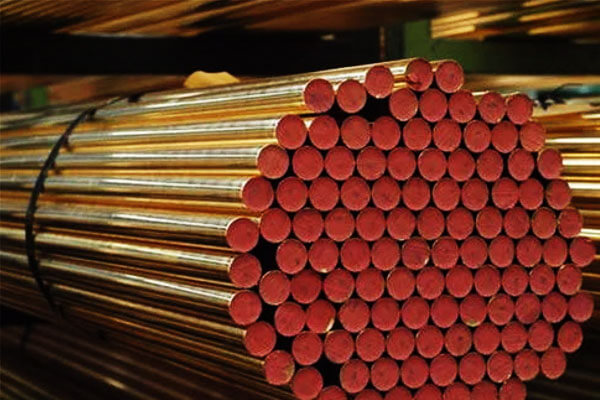
Қорытпа идентификациясы
C95500 тиесілі C95000–C95999 мыс-алюминий-темір және мыс-алюминий-темір-никель қорытпаларының отбасы.
Бұл отбасылық классификация маңызды, өйткені ол никельді алюминий қолаларын қарапайым жезден және қалайы қоладан ажыратады.:
қорытпа жүйесі негізгі нығайту элементі ретінде алюминийдің айналасына салынған, беріктігін арттыру үшін темір мен никель қосылған, құрылымды бақылау, және қызмет өнімділігі.
Техникалық сипаттамаларда, C95500 - а құйылған алюминий қола соғылған қорытпаға қарағанда.
Бұл оның типтік инженерлік рөлі күрделі пішінді және құйылған күйде немесе термиялық өңдеуден өткен жағдайда жоғары өнімділікті беру екенін білдіреді, қасиеттерге қол жеткізу үшін айналдыруға немесе сызуға сенудің орнына.
Химиялық құрамы
ASTM B505/B505M-23 сәйкес химиялық құрамы
| Элемент | C95500 Құрамы |
| Друг | 78.0% мин. |
| Ақысу | 3.0-5,0% |
| -Да | 3.0–5,5% |
| Әл | 10.0–11,5% |
| М.на | дейін 3.5% |
| Атаулы элементтер жиынтығы | 99.5% мин. |
3. UNS C95500 физикалық қасиеттері
| Физикалық / Функционалдық қасиет | Метрикалық бірлік | Императорлық бірлік |
| Тығыздық | 7.53 g / cm³ | 0.272 LB / on³ |
| Меншікті ауырлық | 7.53 | 7.53 |
| Электр өткізгіштік | 8% Жакандар | 8% Жакандар |
| Жылу өткізгіштік | 41.9 М / м / | 24.2 Бту/кв фут/сағ/°F |
| Жылулық кеңею коэффициенті | 15.5 × 10⁻⁶ /°C | 9 × 10⁻⁶ /°F |
| Меншікті жылу сыйымдылығы | 419 Дж / кг | 0.1 Btu/lb·°F |
| Серпімділік модулі | 110 Gpa | 16,000 кси |
| Пуассон қатынасы | 0.32 | 0.32 |
| Магниттік өткізгіштік, ас-шоу | 1.32 | 1.32 |
| Магниттік өткізгіштік, TQ50 мінез | 1.2 | 1.2 |
| Балқу нүктесі, сұйықтық | 1054° ° | 1930° F |
| Балқу нүктесі, ырық | 1038° ° | 1900° F |
4. UNS C95500 механикалық қасиеттері
UNS C95500 – а жоғары берік никельді алюминий қола механикалық өнімділігі әдетте жарияланған екі жағдайда бағаланады: стандарт үздіксіз шығарылатын C95500 жағдайы және термиялық өңдеуден өткен C95500HT жай-күй.
Төмендегі мәндер ASTM B505/B505M-23 өнім пішіндері үшін берілген бөлме температурасының репрезентативті қасиеттері болып табылады..
Үздіксіз құйылған C95500 механикалық қасиеттері
| Мүлік | Метрикалық бірлік | Императорлық бірлік |
| Созылу күші, мин. | 655 МПа | 95 кси |
| Шығымдылық күші 0.5% ұзарту, мин. | 290 МПа | 42 кси |
| Ұзарту 2 -да. (50 мм), мин. | 10% | 10% |
| Бринелл қаттылығы, ерекше | 208 Hbw | 208 Hbw |
Термиялық өңдеуден өткен C95500HT механикалық қасиеттері
| Мүлік | Метрикалық бірлік | Императорлық бірлік |
| Созылу күші, мин. | 758 МПа | 110 кси |
| Шығымдылық күші 0.5% ұзарту, мин. | 427 МПа | 62 кси |
| Ұзарту 2 -да. (50 мм), мин. | 8% | 8% |
| Бринелл қаттылығы, ерекше | 228 Hbw | 228 Hbw |
5. Коррозияға төзімділік
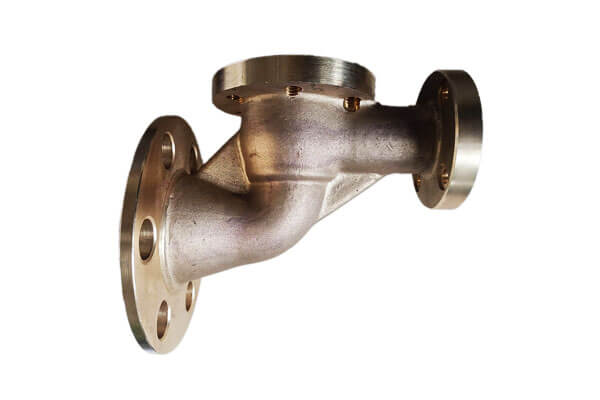
Коррозия оқиғасы C95500 соншалықты кеңінен қолданылуының негізгі себептерінің бірі болып табылады. Қорытпа бар деп бірнеше рет анықталады Тамаша коррозияға төзімділік, оның ішінде теңіз суы және теңіз ортасы.
Ол сондай-ақ теңіз суын өңдейтін жабдық үшін қолданылады, қышқыл шахта сулары, тотықтырмайтын қышқылдар, өнеркәсіптік технологиялық сұйықтықтар, ағынды суларды тазарту қолданбалары, және теңіз аппараттық құралдары.
Мұның маңызды себебі жай ғана «тот баспайды» емес. Керісінше, C95500 әдеттен тыс құнды комбинацияны ұсынады: коррозияға төзімділік плюс тозуға төзімділік және күш.
Теңіз суында, көптеген материалдар жалпы коррозияға ұшырайды, кавитация, эрозия, немесе ашулану. C95500 тартымды, себебі ол бірнеше сәтсіздік режимдерін бірден қарастырады,
сондықтан ол сорғы мен клапан компоненттерінде пайда болады, бұталар, біліктер, пропеллерге қатысты қызмет, және қатты жүктелген теңіз техникасы.
Бұл көп механизмді қарсылық қорытпаның беделінің негізі болып табылады.
Талапты қызметте, ең құнды материалдар бір оқшауланған қасиет бойынша жоғары болатын материалдар емес, бірақ бірнеше сәтсіздік механизмдерінде тұрақты болып қалатындары. C95500 - бұл принциптің оқулық үлгісі.
6. Өндірістік перспектива
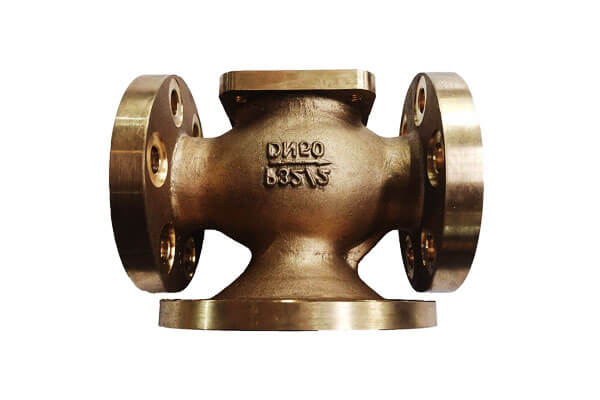
Кастинг: Күшті қорытпа, Бірақ кешірімді емес
UNS C95500 негізінен құйма қорытпасы болып табылады, және оның процесс әрекеті сол сәйкестікті көрсетеді.
Жарияланған құю деректері оны құю өнімділігі төмен деп сипаттайды, жоғары шөгу үрдісі, орташа өтімділік, орташа газдану үрдісі, және жоғары қатаюдың шөгуі.
Бұл комбинация өте айқын инженерлік оқиғаны айтады: C95500 өнімділігі жоғары құймалар шығара алады, бірақ ол тәртіпті балқыту тәжірибесін талап етеді, дыбыс қақпасы және көтерілу дизайны, және тотығу мен қоректендіруді мұқият бақылау.
C95500 құю тәжірибесінде өте әмбебап, бірақ кешірмейді.
Ол бойымен жақсы жұмыс істейді құм, қабыршақ, керамика, салым, тұрақты көгеру, үздіксіз, және орталықтан тепкіш құю, Дегенмен, бұл жолдардың әрқайсысы азықтандыруды мұқият бақылауды талап етеді, оксидті басқару, және қатаю тәртібі.
Оның қысқа қату диапазоны дыбысты құюды қолдайды, бірақ құю цехы шөгуді белсенді түрде алдын алған кезде ғана, жиырылу ақаулары, және газға қатысты мәселелер.
Сондықтан C95500 оңай емес, премиум құю қола болып саналады.
Өңдеу: Толығымен өңделетін, Бірақ еркін кесу емес
C95500 өңдеуге жарамды, бірақ бұл еркін өңделетін мыс қорытпасы емес.
Оның жарияланған өңдеуге қабілеттілік рейтингі 50, бұл оны оңай кесілетін класқа емес, орташа өңдеуге қабілетті санатқа орналастырады.
Қорытпа өндіруге бейім бұралған шарф, және жарияланған инженерлік нұсқаулық бұл құралды кептеліп, ішінара дәнекерлеу және жырту арқылы беттік кемшіліктерді тудыруы мүмкін екенін ескертеді., әсіресе ұңғыларды өңдеу кезінде.
Сол себепті, құрғақ кесу, чипті басқару, және құрал-саймандық стратегиясы еркін кесілетін жезден әлдеқайда маңызды.
Пайдалы өңдеу нюансы - бұл ауыр өңдеу бұрыннан орындалған кезде, а кем дегенде бір сағат бойы 350°C шамасында төмен температурадағы кернеуді жеңілдету соңғы өңдеуден бұрын ұсынылады.
Бұл негізінен қорытпаны кесуді жеңілдету туралы емес; бұл қалдық кернеуге негізделген бұрмалану қаупін азайту және соңғы өлшем тұрақтылығын жақсарту туралы.
Басқаша айтқанда, C95500 тиімді өңдеуге болады, бірақ оған технологиялық тәртіпті қажет ететін құрылымдық қола ретінде қарау керек, жұмсақ дүкен жез ретінде емес.
Дәнекерлеу: Арнайы әдістерде мүмкін, Бірақ әмбебап оңай емес
Никельді алюминий қоладағы дәнекерлеу әрекетіне бетінде табиғи түрде пайда болатын қорғаныш алюминийге бай оксид пленкасы қатты әсер етеді..
Сол оксид қабатының арқасында, дәнекерлеу, шашу, және оттегі-ацетиленмен дәнекерлеу әдетте ұсынылмайды осы қорытпалар үшін негізгі біріктіру жолдары ретінде.
Инженерлік нұсқаулықта көрсетілген дәнекерлеу процестері неғұрлым сәйкес келеді TIG/GTAW, MIG/GMAW, Мма, электронды сәулемен дәнекерлеу, және фрикционды дәнекерлеу.
C95500 үшін жарияланған өндіру деректері де жіктеледі оксиацетиленмен дәнекерлеу ұсынылмайды, сол екі арада газдан қорғалған доғалық дәнекерлеу жіне қапталған металды доғалық дәнекерлеу қолайлы деп санайды.
Бұл ерекшелік маңызды: C95500 «кез келген жерде дәнекерлеу» қорытпасы емес, бірақ ол дәнекерленбейтін де емес.
Процесс оксид әрекетімен таңдалған кезде оны сәтті қосуға болады, термиялық кіріс, және бірлескен дизайнды ескере отырып.
Маңызды бөліктерге арналған, дәнекерлеу процедурасының біліктілігі және жылу әсер ететін аймақтарды дұрыс бақылау өте маңызды, өйткені қорытпаның меншік балансы оның микроқұрылымымен тығыз байланысты..
Термиялық өңдеу: Өнімділікке арналған негізгі тұтқа
Термиялық өңдеу C95500 талап етілетін қызмет көрсетуде кеңінен пайдаланылуының маңызды себептерінің бірі болып табылады.
Қорытпаны өңдеуге болады сөндіргіш және төзімділік циклі бұл артады дәлелдеу күші, шекті созылу күші, Әсер ету күші, және қаттылық, икемділікті сәл ғана жақсарта отырып.
Құйылған CuAl10Fe5Ni5 типті никельді алюминий қола үшін, жарияланған нұсқаулықта қыздыру сипатталған 900-950 ° C, шамамен ұстау бір сағат, Суды сөндіру, содан кейін шыңдау 600–650°C шамасында екі сағат.
Бұл реттілік пайдалы қаттылықты сақтай отырып, күшті айтарлықтай арттырады.
Дәл осы нұсқаулық маңызды практикалық шектеуді де атап өтеді: күрделі пішіндер қыздыру және сөндіру циклі кезінде бұрмалануы мүмкін, сондықтан геометрияның бөлігі, пештің сыйымдылығы, және кесінді қалыңдығын термиялық өңдеуді таңдамас бұрын ескеру қажет.
Басқаша айтқанда, термиялық өңдеу қуатты өнімділік құралы болып табылады, бірақ тегін емес. Ол қоспаның механикалық қабығын тек құрамдас конструкция жылулық циклге төзе алатын жағдайда ғана жақсартады.
7. UNS C95500 артықшылықтары мен кемшіліктері
Негізгі артықшылықтар
Пайдалы икемділікпен жоғары беріктік.
Теңіз суына және агрессивті орталарға тамаша төзімділік.
Күшті тозу және қышуға қарсы өнімділік.
Жақсы жоғары температура мүмкіндігі.
Ұшқын шығармайтын және магниттік емес
Негізгі кемшіліктер
Жоғары бастапқы құны
Механикалық өңдеу мүмкін, бірақ оңай емес.
Кастинг техникалық талапты талап етеді.
Дәнекерлеу процесске сезімтал.
Электр өткізгіштігі төмен.
8. UNS C95500 қолданбалары
Теңіз және теңіз аппаратурасы
C95500 - теңіз суының коррозияға төзімділігін біріктіретіндіктен, теңіз қызметі үшін ең танымал материалдардың бірі, күш, және қарсылық киіңіз.
Ол қолданылады теңіз су құбырлары мен клапан жүйелері, теңіз аппараттық құралдары, пропеллерге қатысты компоненттер, люктер, муфталар, тығыздағыштар, және басқа кеме жабдықтары.
Қорытпалар тобының теңіз суын өңдеуге жарамдылығы оның теңіз және теңіз техникасындағы ұзақ мерзімді беделінің басты себебі болып табылады..
Клапан, Тартып шығару, және Ағынды басқару құрамдастары
үшін қорытпа кеңінен қолданылады Клапанның денелері, клапан орындар, клапан бағыттағыштары, Клапан компоненттері, сорғы сұйықтығы аяқталады, бездер, сальник жаңғақтары, және тығыздағыш фланецтер.
Бұл қолданбалар оның коррозияға төзімділігінің комбинациясынан пайда көреді, тозуға төзімділік, және механикалық беріктік, әсіресе су, Процесс сұйықтықтары, немесе жеңіл агрессивті химиялық заттар бар.
Бағдарлау, Бұталар, және Тозатын бөлшектер
үшін C95500 жиі таңдалады бағдарлау, бұталар, Пластиналар киіңіз, поршеньдік бағыттағыштар, және машина бөлшектері өйткені ол сырғанау жанасу және ауыр жүктеме кезінде жақсы жұмыс істейді.
Оның тозуға төзімділігі мен қаттылығы оны беті зақымдалған жерлерде қолдануға мүмкіндік береді, бірігіп тасымалдады, немесе абразивті тозу алаңдаушылық тудырады.
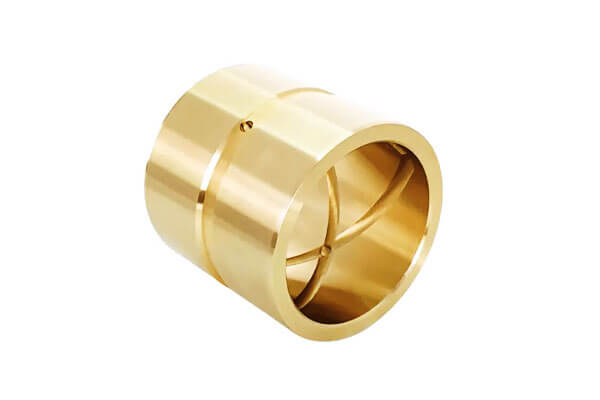
Тісті доңғалақтар мен қуат беріліс бөліктері
қорытпасы пайдаланылады берікек, құрттар, worm wheels, және байланысты тасымалдау құрамдастары.
Бұл бөліктерге жанасу кернеуіне төзе алатын материал қажет, өлшемдік тұрақтылықты сақтау, және ұзақ қызмет көрсету аралықтарында тозуға қарсы тұрыңыз. C95500 механикалық балансы оны осындай міндет үшін практикалық таңдау жасайды.
Өнеркәсіптік процесс және қатал қызмет көрсету жабдықтары
қорытпасы пайдаланылады маринадтау жабдықтары, ағынды суларды тазарту қолданбалары, ыстық диірмен бағыттағыштары, және өнеркәсіптік аппаратура.
Бұл қолданулар қорытпаның коррозиялық ортадан аман қалу қабілетін көрсетеді, механикалық жүктеме, және қайталанатын қызмет циклі.
Өндірістік параметрлерде, бұл комбинация техникалық қызмет көрсету аралықтарын азайтып, сенімділікті арттырады.
Электрлік және арнайы жабдық
C95500 электр өткізгіштік қорытпасы болмаса да, кейбіреулерінде әлі де кездеседі электр аппаратурасы және құрылымдық сенімділікті қамтамасыз ететін арнайы компоненттер, Коррозияға төзімділік, және тозу әрекеті өткізгіштікке қарағанда маңыздырақ.
Ол да қолданылады фортепиано пернелері мен музыкалық аспаптар, мұнда қорытпаның механикалық тұрақтылығы мен өндіргіштігі пайдалы.
9. Қорытынды
АҚШ C95500 никель алюминий қола жоғары құнды инженерлік қорытпа болып табылады, өйткені ол жиі бірге алу қиын қасиеттерді біріктіреді:
Жоғары беріктігі, Тамаша коррозияға төзімділік, күшті тозуға төзімділік, Жақсы қаттылық, және кең температура диапазонында қызмет көрсету мүмкіндігі.
Оның химиясы мұқият бапталған, оның кастинг тәртібі талапшыл, бірақ басқаруға болады, және оның термиялық өңдеу реакциясы қажет болған жағдайда дизайнерлерге қосымша өнімділік тетігін береді.
Тәжірибелік тұрғыдан, C95500 қатты қызмет көрсететін қорытпа ретінде жақсы түсініледі.
Бұл сәтсіздік режимдері аралас және кешірілмейтін жерде - теңіз суы ең тартымды, қозғалатын жүк, сырғымалы контакт, қысым міндеті, және ұзақ мерзімді механикалық қызмет көрсету.
Сондықтан ол инженерлік тәжірибедегі ең құрметті никель алюминий қолаларының бірі болып қала береді.
Жиі қойылатын сұрақтар
C95500 құю қорытпасы немесе соғылған қорытпа?
C95500 негізінен ретінде пайдаланылады Кастинг қорытпасы, үздіксіз құюды қамтитын жарияланған сілтемелермен, Құм құйылған, орталықтан тепкіш құйма, және дәлдікпен құйылған пішіндер.
C95500 теңіз суында жақсы?
Иә. Оның бар екендігі бірнеше рет анықталады Тамаша коррозияға төзімділік, ... қоса алғанда тұзды суға төзімділік, бұл теңіз аппараттық және клапан жүйелерінде қолданылатын негізгі себептердің бірі.
C95500 термиялық өңдеуге болады?
Иә. Жарияланған инженерлік нұсқаулық C95500 үшін құйылған және термиялық өңделген өнімділікті көрсетеді, термиялық өңдеу арқылы беріктігі одан әрі артады.
C95500 өңдеуге оңай?
Ол өңдеуге жарамды, бірақ еркін өңдеу емес. Оның өңдеуге жарамдылық рейтингі 50, сондықтан бұл оңай кесілетін қорытпаға қарағанда орташа өңдеуге қабілетті қорытпа.
C95500 қарапайым қоладан басты артықшылығы неде??
Оның басты артықшылығы - комбинациясы Жоғары беріктігі, Тамаша коррозияға төзімділік, және қарсылық киіңіз, әсіресе қатал теңіз немесе өнеркәсіптік ортада.

