Жуғыш зат контейнерінің берік қабырғасы және тегіс, жабысқақ пленка орамының икемді беті қаттылық үшін жасалған әртүрлі материалдардан жасалған сияқты көрінуі мүмкін., екіншісі икемділік үшін. Дегенмен таңқаларлық, екеуін бірдей әмбебап термопластикадан жасауға болады: Төмен тығыздықтағы полиэтилен (Ldpe).
Полиэтилен әлемдегі ең көп қолданылатын полимерлердің бірі болып табылады, ол әртүрлі формада болады, әрқайсысы нақты өнімділік критерийлерін қанағаттандыру үшін әзірленген.
Ldpe тармақталған молекулалық құрылымы арқылы ерекшеленеді, жұмсақтық береді,
тамаша өңдеу мүмкіндігі, және жоғары ылғалға төзімділік — оны қаптамада да, өнеркәсіптік қолдануда да таптырмас ететін қасиеттер.
Бұл мақалада, біз LDPE химиясына терең бойлаймыз, өндірістік процестер, Материалдық қасиеттері, және қолданбалы кеңістіктер.
Қосымша, we explore how LDPE compares with other polyethylene types and evaluate its environmental and economic relevance in today’s market.
1. LDPE дегеніміз не?
Low‑Density Polyethylene (Ldpe) stands out as a branched thermoplastic polymer within the expansive polyethylene family.
Synthesized by polymerizing ethylene monomers (C₂H₄) under high‑pressure radical conditions, LDPE’s hallmark is its extensive molecular branching.
, Сорт, it achieves a lower crystallinity and density (0.910–0.940 g/cm³) compared to its high‑density counterpart, thereby delivering remarkable flexibility, transparency, және қаттылық.

2. Химиялық құрылым & Полимерлену
Этилен мономер & Радикалды полимерлену
At the molecular level, LDPE derives from ethylene, a two‑carbon alkene.
Radical initiators (E.Г., organic peroxides) abstract hydrogen atoms under pressures of 1,000–3,000 bar and temperatures of 150-300 ° C, launching free‑radical chain growth.
Өте маңызды, тізбекті тасымалдау реакциялары LDPE-ге ғана тән кең тарамдауды тудырады.
Молекулалық тармақталу
Бұл тармақталу екеуі де қысқа болып көрінеді (метил, этил) және ұзын бүйірлік тізбектер.
Орта есеппен, LDPE көрмелері 2– 10 филиал 1,000 Көміртекті атомдар, бұл өз кезегінде тізбекті орау мен кристалдылықты төмендетеді.
Болғандықтан, LDPE тығыздығы айналасында отырады 0.925 g / cm³, ал HDPE диапазонында 0.941–0,965 г/см³.
Тізбек архитектурасы vs. Жылжымалы
Бастысы, тармақталу механикалық және жылулық қасиеттерді белгілейді.
Көбірек тармақталу балқу температурасын төмендетеді (қарай 105–115 °C) және ұзартуды күшейтеді (дейін 650 %), ал аз тармақталу созылу беріктігін арттырады (дейін 25 МПа).
Сәйкесінше, өндірушілер реактордың айнымалы мәндерін - қысымды дәл баптайды, температура, және инициатор дозасы — арнайы өнімділікке қол жеткізу үшін.
3. Өндірістік процестер
Жоғары қысымды автоклав реакторлары
Автоклав (топтама) реакторлар LDPE өндірісінде үстемдік етуді жалғастыруда, жоғары тармақталған полимерді дәйекті түрде жеткізу қабілетінің арқасында.
Әдеттегі циклде, этилен мен инициатор реакторды зарядтайды, дейін қысым көтеріледі 2,000 төр, and temperature climbs to 200 ° °. After polymerization, the melt is discharged for pelletizing.
Үздіксіз қарсы. Пакеттік полимерлеу
Басқа да бір, continuous tubular reactors operate at slightly lower pressures and deliver 20-30 % higher throughput, albeit with narrower molecular weight distributions.
Осыған қарамастан, continuous processes can cut energy consumption by 10-15 %, improving cost efficiency and reducing greenhouse‑gas footprints.
Түйіршіктеу & Емдеуден кейінгі
Once polymerized, the hot LDPE melt undergoes strand pelletizing, followed by drying at 80-100 ° C to remove volatiles.
Кейіннен, producers incorporate additives—UV stabilizers, antioxidants, slip agents—via masterbatch blending, ensuring homogeneous dispersion and optimal long‑term performance.
4. Физикалық, Механикалық & Жылу қасиеттері
Бұл бөлімде, we examine how LDPE’s unique molecular architecture translates into its macroscopic behavior.
By understanding these property ranges, инженерлер мен дизайнерлер икемділіктің дәл балансын талап ететін қолданбалар үшін LDPE сенімді таңдай алады., күш, және жылу өнімділігі.
Тығыздық & Кристаллдық
Бірінші және ең алдымен, LDPE тығыздығы – әдетте 0.910–0.940 g/cm³—оның салыстырмалы түрде төмен кристалдылығын көрсетеді (шамамен 35-55 %).
, Сорт, LDPE тамаша икемділік пен мөлдірлікті көрсетеді.
Кристаллдық төмендеген сайын, аморфты аймақтар басым, қабықшалар мен жұқа бөлшектердің жарылып кетпей иілуіне және төселуіне мүмкіндік береді, тіпті нөлден төмен температурада.
Созылу күші & Іуу
Үстіне, LDPE орташа беріктікті ерекше икемділікпен біріктіреді.
Оның соңғы созылу күші (&) арасына түседі 10 жіне 20 МПа, үзіліс кезінде ұзару диапазонында 200 % қарай 650 %.
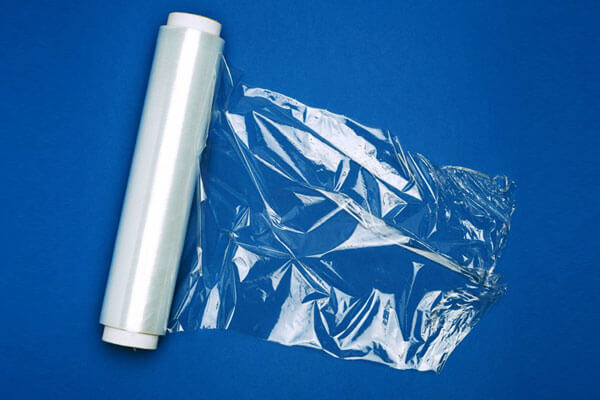
Тәжірибелік тұрғыдан, бұл LDPE пленкалары жарылғанға дейін бастапқы ұзындығынан бірнеше есе ұзай алатынын білдіреді — созылатын қаптамалар мен икемді қаптамалар үшін өте қолайлы.
Әсерге қарсы тұрақтылық & Қаттылық
Сонымен қатар, LDPE соққыларды тиімді сіңіреді. Izod әсерінің мәндері әдетте жетеді 50–100 Дж/м, және Shore D қаттылығын өлшейді 40-55.
Бұл сандар LDPE жұмсақтықты теңестіретінін көрсетеді (азық-түлік сөмкелерінде қол ыңғайлылығы үшін) өңдеу кезінде тесіп кетуге және жыртуға қарсы тұру үшін жеткілікті қаттылықпен.
Жылулық мінез-құлық
Жылулық қасиеттерге көшу, LDPE арасында балқиды 105 ° C және 115 ° °, бұл оны төмен және орташа температура қолданбаларына пайдалануды шектейді.
Оның жүктеме кезіндегі жылу ауытқу температурасы жақын орналасады 45–50 °C, және оның жылу өткізгіштігі төмен — шамамен 0.33 М / м /— оны орау және белгілі бір өнеркәсіптік төсемдер үшін тиімді изоляторға айналдыру.
Кедергі қасиеттері
Соңында, LDPE қалыпты кедергі өнімділігін ұсынады.
Оттегінің өту жылдамдығы орташа 600 см³·мм/м²·күн·атм, көмірқышқыл газының өткізгіштігі 200–600 см³·мм/м²·күн·атм, және су буының өтуі төмен болып қалады — шамамен 0.3–0,5 г·мм/м²·күн·кПа.
Осы тарифтердің арқасында, LDPE көптеген азық-түлік өнімдерін тиісті қорғауды қамтамасыз етеді, дегенмен жоғары кедергісі бар қолданбалар жиі көп қабатты конструкцияларды немесе балама полимерлерді қажет етеді.
Төмен тығыздықтағы полиэтиленнің тиісті материалдық қасиеттері:
| Мүлік | Типтік ауқым |
|---|---|
| Тығыздық (g / cm³) | 0.910– 0,940 |
| Кристаллдық (%) | 35-55 |
| Созылу күші (&, МПа) | 10-20 |
| Үзіліс кезінде созылу (%) | 200-650 |
| Izod Impact (Дж/м) | 50-100 |
| Shore D қаттылығы | 40-55 |
| Балқу нүктесі (° °) | 105–115 |
| Жылудың ауытқу температурасы. (° °) | 45-50 |
| Жылу өткізгіштік (М / м /) | ~0,33 |
| O₂ өткізгіштігі (см³·мм/м²·күн·атм) | ~ 600 |
| CO₂ өткізгіштігі (см³·мм/м²·күн·атм) | 200-600 |
| WVTR (г·мм/м²·күн·кПа) | 0.3-0.5 |
5. Өңдеу техникасы
Тұратын & Фильмді үрлеу
Үрленген пленкалы экструзияда, LDPE түтік тәрізді көпіршікті құрайды, дұрыс салқындатылған және құлаған кезде, жыртылу мен соққыға тамаша төзімді пленкаларды береді.
Керісінше, құйылған пленка экструзиясы қалыңдықты қатаң бақылауды қамтамасыз етеді (± 2 мкм), графика және ламинация үшін өте қолайлы етеді.
Инъекциялық қалыптау
LDPE инъекциялық қалыптау балқыма температурасын талап етеді 180-220 ° C және қалып температурасы 40–60 °C.
Дизайнерлер шөгуінің рұқсаттарын белгілейді 1.5-3 % көлемдік жиырылуына қарсы тұру үшін. Болғандықтан, parts like squeeze bottles achieve precise dimensions and consistent wall thickness.

Соққы беру & Айналмалы қалыптау
Extrusion blow molding creates hollow LDPE containers by inflating a molten parison inside a cooled mold,
while rotational molding uses slow rotation and heat to produce large, seamless parts—up to 2 м in diameter—with uniform wall thickness.
Термоформалау & Вакуумдық қалыптау
In thermoforming, LDPE sheets (1–5 mm thick) are heat to 110–120 °C and then drape over or suction into molds.
Draw ratios up to 4:1 allow for moderately deep profiles, useful for packaging trays and lids.
6. Қоспалар, Сополимерлер & Композиттер
УК тұрақтандырғыштары, Антиоксиданттар & Толтырғыштар
To combat UV‑induced degradation, formulators incorporate UV absorbers and HALS at 0.1–1 wt %.
Антиоксиданттар (E.Г., phenolic compounds) -та 0.05–0.5 wt % prevent thermal oxidation, while calcium carbonate fillers (5–20 wt %) raise stiffness by up to 30 %.
LDPE қоспалары & Қорытпалар
Blending LDPE with LLDPE (linear low‑density) -та 20–50 масс % арқылы созылу беріктігін арттырады 10-15 % және тесуге төзімділік арқылы 20 %.
Керісінше, LDPE/HDPE қорытпалары қаттылықты арттырады және балқу температурасын жоғарылатады 5–10 °C, кеңірек қолданба терезелерін ашу.
Нанокомпозиттер & Арматуралар
1–5 массаны қосады % нано-балшықтар немесе көміртекті нанотүтіктер газ өткізгіштігін төмендетеді 30-50 % және Янг модулін арттырыңыз 10-20 %, осылайша LDPE жоғары кедергісі бар қаптамалар мен арнайы пленка нарықтарына жылжытады.
7. Төмен тығыздықтағы полиэтиленнің жалпы қолданылуы (Ldpe)
Оның әмбебаптығы арқасында, LDPE ерекшеліктері ерекше:
- Икемді фильмдер: Қысқарту орамы, ауылшаруашылық пленкалары, және тағамдық лайнерлер.
- Сөмкелер & Орауыш: Азық-түлік сөмкелері, бөлшек сауда қаптары, және алты пакеттік сақиналар.
- Контейнерлер & Бөтелкелер: Бөтелкелерді сығыңыз, тарату түтіктері, және балмұздақ ванналары.
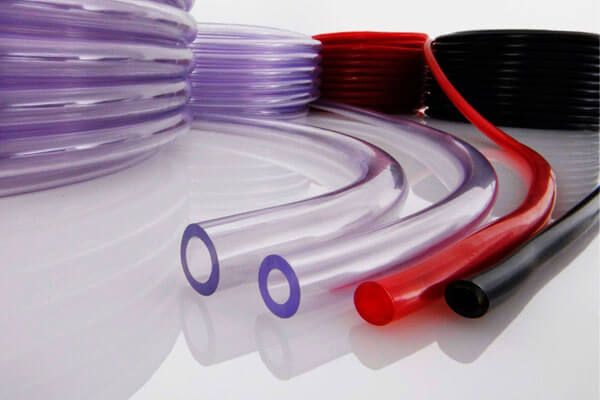
- Түтік & Лайнерлер: Медициналық түтік, қорғаныш кабель қаптамасы, және геомембраналар.
- Арнайы тауарлар: Вакуумдалған корпустар, протездік розеткалар, және төмен кернеулі құймалар.
Сонымен қатар, LDPE қышқылдарға төзімділігі, негіздер, және ылғал талап ететін ортадағы рөлін арттырады, химиялық өңдеуге арналған қаптамалардан сыртқы ауылшаруашылық қаптамаларына дейін.
8. Артықшылықтары & Төмен тығыздықтағы полиэтиленнің шектеулері (Ldpe)
Артықшылықтары
- Ерекше икемділік: дейін созылу 650 % айтарлықтай кернеу кезінде крекингтің алдын алады.
- Химиялық & Ылғалға төзімділік: Көптеген қышқылдарға төзімді, негіздер, және судың түсуі.
- Шығындық тиімділік: Ең арзан термопластикалардың арасында, жиі бағамен 25-35 % HDPE төмен.
- Қайта өңдеу: Механикалық қайта өңдеу жылдамдығымен «4» шайыр коды ретінде жол жиегіндегі бағдарламаларда кеңінен қабылданған. 20-30 % дамыған нарықтарда.
Шектеулер
- Жылулық шектеулер: Жоғарыда балқу 115 ° ° жоғары қызу қолданбаларын шектейді.
- Газ өткізгіштігі: Жоғары O₂/CO₂ беріліс оттегіге сезімтал өнімдердің сақтау мерзімін қысқартуы мүмкін..
- Ультракүлгін сәулелерге сезімталдық: Сыртта пайдалану үшін тұрақтандырғыштарды қажет етеді, қосу 0.5-1 % тұжырымдау құнына.
- Төменгі механикалық беріктік: Созылу күші (10–20 МПа) HDPE трассалары (20–37 МПа), ауыр жүкті пайдалануды шектеу.
9. Салыстырмалы талдау: LDPE қарсы. Басқа полиэтилендер
Орналасуын толық түсіну үшін Төмен тығыздықтағы полиэтилен (Ldpe) within the broader family of polyethylene materials,
it is essential to compare it against its structural relatives: Жоғары тығыздық полиэтилен (Hdpe), Medium-Density Polyethylene (MDPE), жіне Linear Low-Density Polyethylene (LLDPE).
While these polymers share the same ethylene monomer foundation, олардікі molecular architectures, densities, and performance attributes diverge significantly, thereby defining their suitability for various applications.
LDPE қарсы. Hdpe: Икемділікпен салыстырғанда. Қаттылық
Молекулалық құрылым & Тығыздық
LDPE is characterized by highly branched chains, leading to a Төмен тығыздығы (0.910–0.940 g/cm³) and reduced crystallinity (~40–50%).
Қайта, HDPE exhibits linear chains with minimal branching, нәтижесінде higher density (0.940–0.970 g/cm³) and crystallinity up to 80%.
Механикалық қасиеттері
HDPE offers Жоғары созылу күші (20–37 МПа) жіне improved impact resistance compared to LDPE, making it ideal for rigid products like Жанармай құятын цистерналар, құбырлар, crates, and detergent bottles.
Ldpe, басқа жақтан, maintains superior elongation at break (200–600%), favoring applications requiring stretchability and resilience, such as films and squeeze tubes.
Термиялық және химиялық төзімділік
Екі материал да химиялық заттардың кең спектріне төзімді, бірақ HDPE ұсынады жақсы кернеуге төзімділік және термиялық тұрақтылық, a көмегімен жылудың ауытқу температурасы жақынырақ 60–75 °C,
LDPE 40–50 °C салыстырғанда. Дегенмен, HDPE өзгертілмесе, төмен температурада сынғыш болады.
LDPE қарсы. MDPE: Баланс нүктесі
Аралық қасиеттер
Medium-Density Polyethylene (MDPE) LDPE және HDPE арасындағы алшақтықты өтейді. Оның ерекшеліктері орташа тармақталу, leading to a тығыздығы 0,926–0,940 г/см³.
Оның қаттылығы мен соққыға төзімділігі LDPE және HDPE арасында жатыр, оны қолайлы ету газ құбырлары, кішірейтетін пленкалар, және айналмалы қалыптау.
Стресске төзімділік
MDPE әдетте көрсетеді қоршаған ортаның күйзелістеріне төзімділігін арттырады (ЖАЗЫҢЫЗ) compared to LDPE, әсіресе майлар мен жуғыш заттардың әсеріне ұшыраған кезде.
Дегенмен, LDPE әлі де жиекті сақтайды икемділік пен оптикалық айқындық, мөлдір орауыш пленкалар сияқты қолданбалар үшін өте маңызды.
LDPE қарсы. LLDPE: Өңделгіштікке қарсы. Орындау
Құрылымдық айырмашылықтар
Ал LDPE ұзын тізбекті тармақталуына ие, LLDPE (Linear Low-Density Polyethylene) Ерекше өзгешеліктері қысқа тізбекті тармақталу, бутен сияқты альфа-олефиндермен сополимерлеу арқылы енгізілген, гексен, немесе октен.
Бұл LLDPE береді молекулалық массасы мен механикалық қасиеттерінің біркелкілігі.
Қаттылық және тесуге төзімділік
LLDPE көрсеткіштері бойынша LDPE-ден айтарлықтай асып түседі қаттылық, тесуге төзімділік, және жыртылу күші— әсіресе фильм қолданбаларында.
Мысалы, LLDPE пленкалары 2-3 есеге дейін жоғары соққы күшін көрсетеді LDPE баламаларына қарағанда.
Өңдеу және шығындарды қарастыру
Дегенмен, LLDPE талап етеді өңдеу терезелері тар жіне жоғары экструзия қысымдары, пленка үрлеудегі LDPE-ге қарағанда сәл кешірімді етеді.
LDPE сонымен қатар ұсынады жақсырақ оптикалық айқындық пен беттің жылтырлығы, азық-түлік қаптамасында және тұтынушыға арналған өнімдерде құнды болып қала береді.
Шығындар мен өнімділік
Полиэтилен маркасын таңдағанда, инженерлер мен сатып алу мамандары ескеруі керек жалпы құндылық ұсынысы, өнімділік көрсеткіштері ғана емес:
| Сипат/ерекшелік | Ldpe | Hdpe | MDPE | LLDPE |
|---|---|---|---|---|
| Тығыздық (g / cm³) | 0.910– 0,940 | 0.940– 0,970 | 0.926– 0,940 | 0.915– 0,940 |
| Созылу күші (МПа) | 10-20 | 20–37 | 15-30 | 15-30 |
| Үзіліс кезінде созылу (%) | 200-600 | 100-300 | 300-600 | 500-800 |
| Жылудың ауытқу температурасы (° °) | 40-50 | 60–75 | 55-65 | 50-70 |
| Мөлдірлік | Биік | Аласа | Амал | Орта – Төмен |
| Өңделу мүмкіндігі | Үздік | Жақсы | Жақсы | Байсалды |
| Салыстырмалы құны | Аласа | Аласа | Төмен орташа | Төмен орташа |
10. Қорытынды
Қысқаша, Төмен тығыздықтағы полиэтилен (Ldpe) оның теңдесі жоқ икемділігінің арқасында өнімдердің кең ауқымын бекітуді жалғастыруда., химиялық төзімділік, және қол жетімділік.
Полимерленуді дәл бақылау арқылы, бейімделген аддитивті жүйелер, және кеңейтілген өңдеу, LDPE азық-түлік қаптамасынан медициналық құрылғыларға дейін әртүрлі нарықтық талаптарға жауап береді.
Күтіп тұру, нанокомпозиттердегі инновациялар, тұрақты шикізат, және жетілдірілген қайта өңдеу технологиялары айналымдағы LDPE рөлін одан әрі күшейтеді, ресурстық тиімді болашақ.
Қысқаша мазмұндама
DEZE өндіріс мүмкіндіктерінің кең спектрін ұсынады, ... қоса алғанда CNC өңдеу, металл құю, 3D Басып шығару, Инъекциялық қалыптау, жіне Парақ металл өндірісі.
Лезде бағаны бүгін алыңыз.