1. Кіріспе
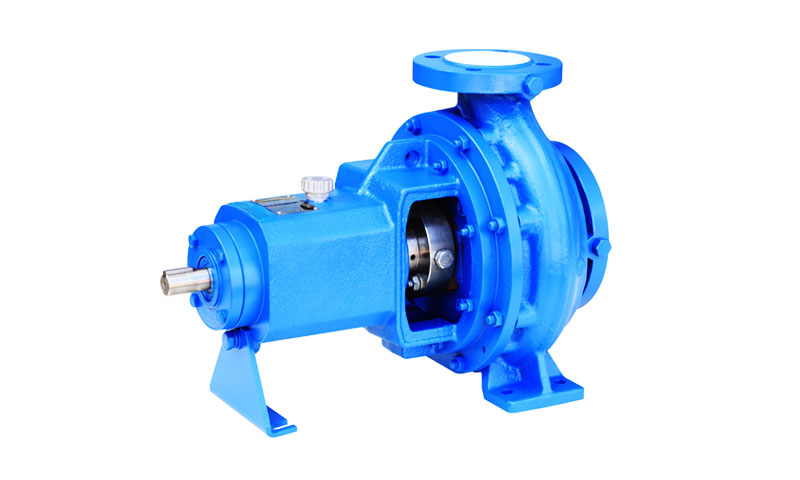
Ортадан тепкіш сорғылар өнеркәсіптік жүйелердегі сұйықтықты тасымалдау жабдықтарының басым санатын білдіреді, дүние жүзіндегі сорғы қондырғыларының көпшілігін құрайды.
Жұмыс параметрлері жоғары қысымға қарай арта береді, температура, және коррозияға төзімділік, сорғы корпустары барған сайын қатаң механикалық және металлургиялық стандарттарға сай болу үшін қажет.
Сорғы корпусы қысымды ұстауға жауапты негізгі құрылымдық құрамдас болып табылады, ағын арнасының қалыптасуы, және механикалық қолдау.
Үлкен үшін Тот баспайтын болат Сорғы қалталары, массивтік өлшемдердің комбинациясы, Күрделі ішкі қуыстар, және локализацияланған қалың бөліктер ақауларды бақылауды әсіресе қиындатады.
Дәстүрлі эмпирикалық процесті жобалау әдістері жиі шөгумен байланысты ақауларды сенімді түрде жою үшін күреседі және процесс шектен тыс шектерге немесе төмен кірістілікке әкелуі мүмкін..
Құю модельдеу технологияларының дамуымен, өндіруге дейін толтыру және қату әрекетінің эволюциясын болжау және бақылау мүмкін болды.
Бұл зерттеу негізгі дизайн құралы ретінде сандық модельдеуді қолданады және оны тот баспайтын болаттан жасалған үлкен орталықтан тепкіш сорғы корпусы үшін берік құю процесін әзірлеу үшін металлургиялық принциптермен және практикалық құю тәжірибесімен біріктіреді..
2. Құрылымдық сипаттамалар және материалдық мінез-құлық талдауы
Сорғы корпусының құрылымдық күрделілігі
Зерттелетін сорғы корпусы үлкен, қуыс, бірнеше қиылысатын беттері және күрделі ішкі ағынды өту жолдары бар айналмалы симметриялық құрамдас бөлік.
Корпус ұзартылған бүйірлік бөліктерді қамтиды, күшейтілген фланецтер, және симметриялы реттелген көтергіш құлақшалар.
Ағындық арна аймақтары мен құрылымдық күшейту аймақтары арасында қабырға қалыңдығының айтарлықтай ауытқулары бар..
Бүйірлік қабырғалар мен соңғы беттердің қиылысулары әдеттегі термиялық ыстық нүктелерді құрайды, олар соңғы рет қатып қалады және дұрыс тамақтандырылмаса, шөгу ақауларына өте сезімтал.
Тот баспайтын болаттың қату сипаттамалары
Таңдалған тот баспайтын болат маркасы жоғары қорытпа мөлшерімен және қатаю температурасының кең диапазонымен сипатталады.
Салқындату кезінде, қорытпа ұзақ уақыт бойы жартылай қатты күйде қалады, нәтижесінде қоректену өткізгіштігі шектеледі және қатаюдың соңғы кезеңдерінде сұйық металдың қозғалғыштығы төмендейді.
Сонымен қатар, тот баспайтын болат көміртекті болаттармен салыстырғанда салыстырмалы түрде жоғары көлемдік шөгуді көрсетеді.
Бұл металлургиялық сипаттамалар тұрақты толтыруды қамтамасыз ететін құю процесін талап етеді, бақыланатын температура градиенттері, және бүкіл қатаю тізбегі бойына тиімді азықтандыру.
3. Қалып жүйесін таңдау және құю схемасын оңтайландыру

Қалып материалы және салқындату сипаттамалары
Шайыр құмды қалыптау технологиясы ірі және күрделі құймаларға жарамдылығына байланысты таңдалды.
Металл қалыптармен салыстырғанда, шайырлы құмды қалыптар жақсы жылу оқшаулауды және баяу салқындату жылдамдығын қамтамасыз етеді, бұл тот баспайтын болаттан жасалған құймалардағы термиялық кернеуді және крекинг үрдістерін азайтуға көмектеседі.
Қалып жүйесі сонымен қатар өзек құрастыруда икемділікті ұсынады және қалып қаттылығы мен өткізгіштігін дәл бақылауға мүмкіндік береді., өлшемдік дәлдік пен газды эвакуациялауды қамтамасыз ету үшін өте маңызды.
Құю бағытын бағалау
Көптеген құю бағдарлары толтыру тұрақтылығы тұрғысынан бағаланды, азықтандыру тиімділігі, және ақаулардың алдын алу.
Бірнеше оқшауланған ыстық нүктелерді жасау үшін көлденең құю конфигурациялары анықталды, әсіресе тиімді тамақтандыру қиын жоғарғы бөлімдерде.
Ақырында тік құю бағыты таңдалды, өйткені ол бағытталған қатаю принципіне сәйкес келеді.
Бұл конфигурацияда, құйманың төменгі бөліктері алдымен қатаяды, ал жоғарғы ыстық нүкте аймақтары қоректену көздеріне байланысты болып қалады, азықтандыру сенімділігін және ақауларды бақылауды айтарлықтай жақсарту.
4. Гитинг жүйесін жобалау және толтыруды оңтайландыру
Дизайн принциптері
Шкафтар жүйесі жылдам, бірақ тұрақты толтыру мақсаттарымен жасалған, минималды турбуленттілік, және тиімді қосуды бақылау.
Қождың түсуін және қалып бетінің эрозиясын болдырмау үшін металдың шамадан тыс жылдамдығы мен ағын бағытының күрт өзгеруіне жол бермеді..
Төменгі құю конфигурациясы
Төменнен қоректенетін, ашық типті қақпа жүйесі қабылданды. Балқытылған металл төменгі аймақтан қалып қуысына түсіп, біркелкі көтеріледі, ауа мен газдарды жоғары қарай жылжытуға және тиімді шығаруға мүмкіндік береді.
Бұл толтыру режимі ағынның турбуленттігін айтарлықтай төмендетеді және толтыру кезінде температураның біркелкі таралуына ықпал етеді, бұл әсіресе ұзақ құю уақыты бар тот баспайтын болаттан жасалған үлкен құймалар үшін тиімді.
5. Азықтандыру жүйесін жобалау және жылуды бақылау стратегиясы
Критикалық ыстық нүктелерді анықтау
Сандық модельдеу нәтижелері бүйірлік қабырғалар мен шеткі беттердің қиылысында соңғы қатаю аймақтарын нақты анықтады..
Бұл аймақтар азықтандыру және термиялық бақылаудың негізгі нысандары ретінде расталды.
Көтергіш конфигурациясы және функционалдығы
Үстіңгі көтергіштер мен бүйірлік перделер тіркесімі жаһандық және жергілікті азықтандыру талаптарын қанағаттандыру үшін жасалған.
Үстіңгі көтергіш негізгі қоректендіру көзі ретінде қызмет етті, сонымен қатар газдың шығуын жеңілдетеді, ал бүйірлік көтергіштер бүйірлік ыстық нүктелерге азықтандыру қолжетімділігін жақсартты.
Көтергіштің геометриясы мен орналасуы жеткілікті қоректендіру уақытын сақтау үшін оңтайландырылған және түпкілікті қатаюдың құйма корпусында емес, көтергіштерде болуын қамтамасыз ету..
Шилдерді қолдану
Сыртқы тоңазытқыштар жергілікті түрде қатуды жеделдету және қолайлы температура градиенттерін орнату үшін қалың бөліктердің жанында стратегиялық түрде орналастырылды..
Тоңазытқыштар мен көтергіштерді үйлестірілген пайдалану бағытты қатаюға тиімді ықпал етті және оқшауланған ыстық нүктелердің алдын алды..
6. Сандық модельдеу және көп өлшемді талдау
Қалыпты толтыру әрекетін бағалау үшін кеңейтілген құю модельдеу бағдарламалық құралы пайдаланылды, температура эволюциясы, қатты фракцияның дамуы, және ақауға бейімділік.
Модельдеу нәтижелері тегіс металл алдыңғы жағы бар тұрақты толтыру процесін көрсетті және ағынның бөліну немесе тоқырау белгілері жоқ.
Қатаю кезінде, құйма айқын төменнен жоғары қату үлгісін көрсетті.
Шөгу кеуектілігін болжау барлық ықтимал шөгу ақаулары көтергіштер мен ысырмалар жүйесінде шектелгенін көрсетті., құйма корпусын ішкі ақауларсыз қалдыру.
Термиялық кернеу мен жарықшақтық тенденцияларды талдау кернеу деңгейлерінің қолайлы шектерде қалғанын көрсетті, процесс дизайнының беріктігін одан әрі растау.
7. Өңдеуге жарамдылық және құюдан кейінгі өнімділік
Құю сапасы кейінгі өңдеу тиімділігіне және құрамдас бөліктерінің өнімділігіне тікелей әсер етеді.
Ішкі шөгу ақауларының және бетінің үзілістерінің болмауы құралдың тозуын азайтады, Өте өңдеу діріл, және әрлеу операциялары кезінде сынықтар қаупі.
Үстіне, біркелкі қатаю және бақыланатын салқындату біртекті микроқұрылымдар мен қалдық кернеулердің таралуына ықпал етеді, өңдеу және қызмет көрсету кезінде өлшем тұрақтылығын жақсартады.
Бұл әсіресе гидравликалық тиімділікті сақтау үшін фланецтер мен ағындық өту жолдарын дәл туралауды қажет ететін сорғы корпустарына қатысты..
8. Қалдық кернеуді бақылау және қызмет көрсету сенімділігі
Қалдық кернеу тот баспайтын болаттан жасалған үлкен сорғы корпустарының ұзақ мерзімді сенімділігіне әсер ететін маңызды фактор болып табылады..
Қаттыдану кезінде шамадан тыс термиялық градиенттер жоғары ішкі кернеулерге әкелуі мүмкін, термиялық өңдеу және қызмет көрсету кезінде бұрмалану немесе крекинг ықтималдығын арттыру.
шайырлы құмды қалыптарды біріктіріп қолдану, түбінен құю, және бақыланатын салқындату бүкіл құймадағы температураның біртіндеп өзгеруіне ықпал етеді.
Бұл тәсіл қалдық стресстің жиналуын тиімді шектейді және құюдан кейінгі агрессивті стрессті жеңілдететін емдеудің қажеттілігін азайтады., осылайша құрамдастың қызмет ету мерзімі ішінде құрылымдық сенімділікті арттырады.
9. Сынақ өндірісі және валидациясы
Оңтайландырылған процесс параметрлеріне негізделген, толық ауқымды сынақ кастингі өткізілді.
Өндірілген сорғы корпусы жақсы анықталған контурларды көрсетті, Тегіс беттер, және көрінетін бет ақаулары жоқ.
Кейінгі бұзылмайтын сынау және өңдеуді тексеру тамаша ішкі беріктік пен өлшемдік тұрақтылықты растады..
Сынақ нәтижелері симуляциялық болжамдарға сәйкес келді, ұсынылған құю процесінің жоғары сенімділігі мен практикалық қолданылуын көрсету.
10. Тұжырымдар
Бұл зерттеу тот баспайтын болаттан жасалған үлкен орталықтан тепкіш сорғы корпусы үшін құю процесінің кешенді дизайнын және оңтайландыруын ұсынады..
Жұмыс құрылымдық талдауды біріктіреді, материалдың қатаю тәртібі, қалып пен құю сұлбасын таңдау, ысырма жүйесінің конфигурациясы, және азықтандыруды оңтайландыру.
Қалыптың толтырылуын талдау үшін озық сандық модельдеу технологиясы қолданылды, температура эволюциясы, және қатаңдық сипаттамалары, мақсатты процесті нақтылауға мүмкіндік береді.
Оңтайландырылған процеске негізделген сынақ өндірісі тамаша бет тұтастығы мен ішкі беріктігін көрсетті, ұсынылған тәсілдің тиімділігі мен сенімділігін растау.
Зерттеу ірі өндіріске жүйелі және практикалық анықтама береді, жоғары сапалы баспайтын болаттан жасалған сорғы корпустары.