1. Кіріспе
Сұр темір қарсы және Ішкі үтік are two of the most widely used types of cast iron, each offering unique properties and advantages that make them indispensable across a wide range of industries.
As members of the cast iron family—iron-carbon-silicon alloys formed by casting molten metal into molds—both materials are valued for their strength, Айналымдылық, басшылық, және экономикалық тиімділік.
2. Шойын бар?
Шойын is a group of iron-carbon alloys with a carbon content typically greater than 2%.
It is produced by melting pig iron—usually derived from iron ore—in a furnace and pouring the molten metal into molds to form desired shapes.
The result is a hard, морт, and strong material that offers excellent castability and a wide range of mechanical properties depending on its specific formulation and treatment.
General Composition
The basic composition of cast iron includes:
- Үтік (Ақысу) – the primary element
- Көміртегі (Б) – 2.0–4.0%, promoting castability and influencing hardness and brittleness
- Кремний (Жіне) – 1.0–3.0%, which promotes graphite formation during solidification
- Бақылау мөлшері марганец (М.на), күкірт (С), жіне фосфор (Б) may also be present
Key Characteristics of Cast Iron:
- Тамаша кереметтілік: Flows well into complex molds, making it ideal for intricate shapes
- Жақсы техникалар: Especially in certain grades like gray iron
- High Compressive Strength: Makes it suitable for bearing loads in structural applications
- Superior Vibration Damping: Reduces noise and movement in machines and equipment
- Үнемді: Inexpensive to produce in large quantities
Common Types of Cast Iron:
| Type of Cast Iron | Graphite Form | Негізгі қасиеттері | Типтік қосымшалар |
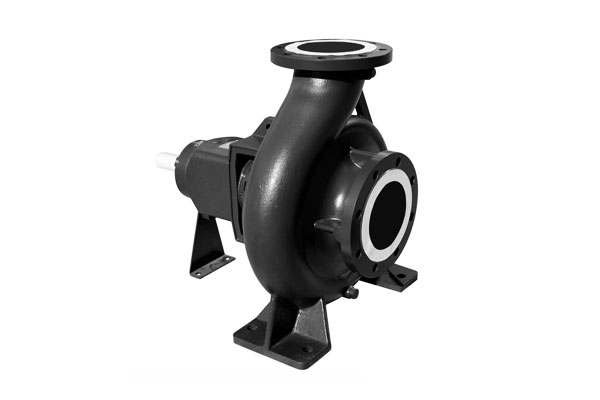
| Сұр темір | Графит қабыршақтары | Тамаша дірілдеу, Жақсы техникалар, Жоғары сығымдау күші, морт | Қозғалтқыш блоктары, тежегіш роторлары, Машиналар базалары, Сорғы корпустары |
| Ішкі үтік | Сфералық (түйіншекілік) графигі | Жоғары созылу күші, Жақсы икемділік, Шаршауға төзімділік | Құбырлар, ик-жағалаулар, Қолданбалы қарулар, Жел турбиналық хабтар |
| Ақ темір | Агенттік (no free graphite) | Өте қатты және тозуға төзімді, very brittle | Диірмені, Пластиналар киіңіз, slurry pump parts |
| Орталық үтік | Temper carbon nodules | Moderate strength and ductility, әсерге төзімді, жүктеп тұр | Құбыр арматуралары, жақшалар, small castings with complex geometry |
3. What Is Gray Iron?
Сұр темір, сонымен қатар белгілі Сұр шойын, is the most commonly used type of cast iron. It is named for the gray color of its fracture surface, which is due to the presence of графит қабыршақтары in its microstructure.
These graphite flakes create a discontinuity in the iron matrix, giving gray iron its characteristic appearance and mechanical properties.
Микроқұрылым
The defining feature of gray iron is its flake graphite structure embedded within a matrix of феррит, көкжуар, немесе екеуінің үйлесімі.
These flakes form during solidification and are responsible for the material’s:
- Үздік дірілдеуді демпфирлеу
- Жақсы Жылу өткізгіштік
- Биік compressive strength
Дегенмен, the sharp edges of the flakes act as Стресс байыту фабрикаттары, which significantly reduce tensile strength and make the material brittle under tension or impact.
Grades and Standards
Gray iron is classified by созылу күші, often designated using standards like ASTM A48. Мысалдарға жатады:
- Сыныптау 20 (CL20): Low strength, Тамаша жұмыс қабілеттілігі
- Сыныптау 30 (CL30): General-purpose use
- Сыныптау 40 (CL40): Жоғары күш, suitable for load-bearing parts
Higher class numbers indicate higher tensile strength, typically achieved by adjusting cooling rates or alloy content.
Негізгі қасиеттері:
- Жоғары сығымдау күші
- Excellent damping capacity
- Poor ductility and impact resistance
Typical Applications of Gray Iron
Gray iron’s cost-effectiveness and performance in compression-dominated applications make it a go-to material for:
- Қозғалтқыш блоктары және цилиндрдің бастары
- Brake discs and drums
- Machine tool beds and bases
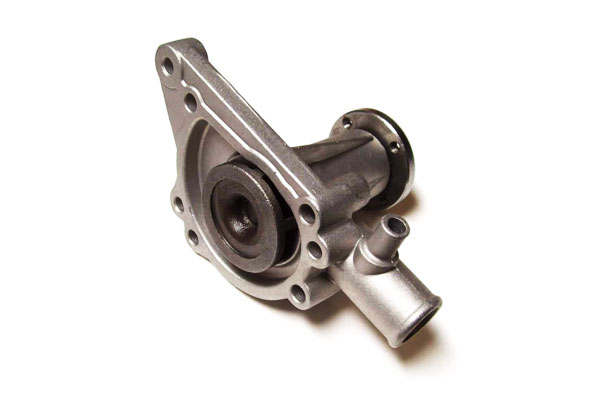
- Беріліс қораптары және корпус
- Pumps and valves
4. Ішкі үтік дегеніміз не?
Ішкі үтік, сонымен қатар белгілі түйінсіз үтік немесе Сфералық графит темір (SGI), is a type of cast iron that offers significantly improved mechanical properties over gray iron—especially in terms of икемділік, созылу күші, жіне әсерге қарсы тұрақтылық.
The key distinction lies in the shape of the graphite within the metal’s microstructure. Ішкі темірде, graphite forms as Сфералық түйіндер, rather than flakes as in gray iron.
This round morphology minimizes stress concentration, allowing ductile iron to stretch or deform without fracturing—hence the name “ductile.”
Микроқұрылым
- Nodular Graphite: Сфералық бөлшектер (5–20 μm diameter) that minimize stress concentration, allowing plastic deformation.
- Матрикс: Tailored via heat treatment—ferritic (Әмірлер), інжу (күшті), or bainitic (high strength and toughness).
Grades and Standards
ASTM A536 – Standard Specification for Ductile Iron Castings
- 60-40-18 → 60 ksi tensile, 40 ksi yield, 18% іуу
- 80-55-06 → Higher strength, Орташа икемділік
- 100-70-03 → Very high strength, Төмен икемділік
Исо 1083 – International designation for spheroidal graphite iron
- En-gjs-400-15 (similar to ASTM 60-40-18)
- EN-GJS-700-2 (similar to ASTM 100-70-03)
Негізгі қасиеттері:
- Much higher strength and ductility
- Greater impact resistance
- Better fatigue resistance, ideal for cyclic loading
- Retains some damping capacity, though less than gray iron
Common Applications of Ductile Iron
Thanks to its performance characteristics, ductile iron is widely used in:
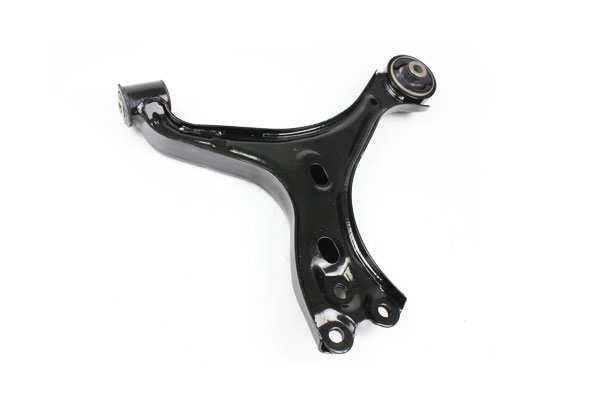
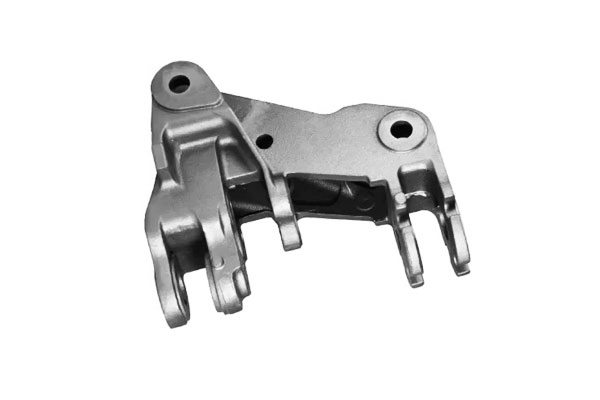
- Автомобиль компоненттері: ик-жағалаулар, Бақылау қарулары, Біліктер корпустары
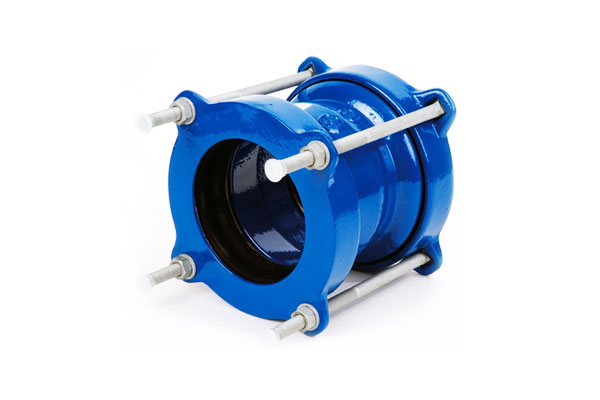
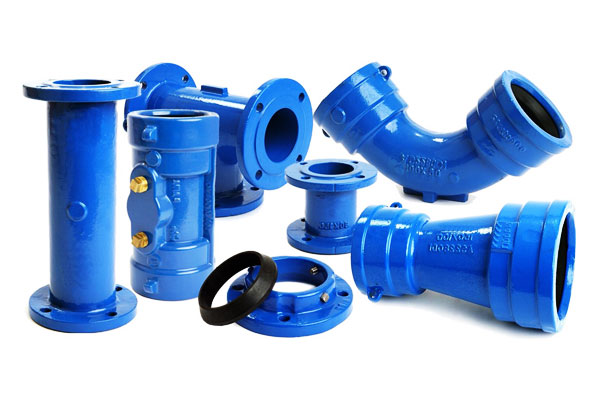
- Municipal water and wastewater systems: ductile iron pipes and fittings
- Heavy equipment: берікек, муфталар, жақшалар, Құрылымдық бөліктер
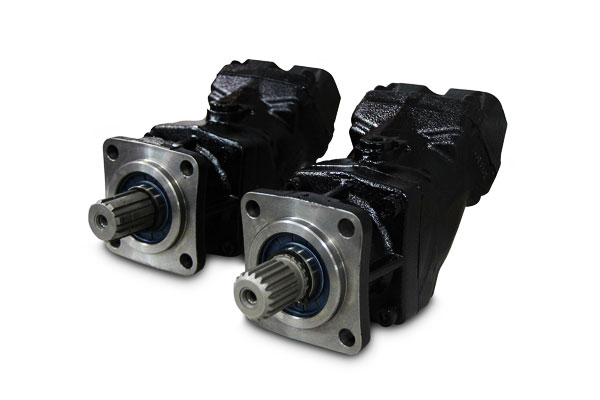
- Energy sector: Жел турбиналық хабтар, Гидравликалық жүйелер
- Railroad and mining equipment: track parts, бағдарлау
5. Химиялық композицияны салыстыру
Both alloys are primarily composed of iron (Ақысу), as well as carbon (Б) және кремний (Жіне), but subtle differences and additives distinguish them:
| Элемент | Сұр темір (%) | Ішкі үтік (%) | ЕСталдар |
| Көміртегі (Б) | 2.5 - 4.0 | 3.0 - 4.0 | Higher carbon promotes graphite formation |
| Кремний (Жіне) | 1.8 - 3.5 | 1.8 - 3.0 | Silicon improves fluidity and graphitization |
| Марганец (М.на) | 0.2 - 1.0 | 0.1 - 0.5 | Controls strength and counteracts sulfur |
| Күкірт (С) | 0.02 - 0.12 | 0.005 - 0.03 | Low sulfur needed in ductile iron for nodule formation |
| Фосфор (Б) | 0.1 - 0.2 | 0.02 - 0.05 | Usually kept low for ductility |
| Магний (Мг) | - | 0.03 - 0.06 | Added in ductile iron to create nodular graphite |
| Никель (-Да), Мыс (Друг), Хромий (Кр) | Trace amounts, may vary | May be added for corrosion resistance or strength |
6. Physical Property Comparison of Gray Iron vs Ductile Iron
| Мүлік | Сұр темір | Ішкі үтік | ЕСталдар |
| Тығыздық | ~6.9 – 7.3 g / cm³ | ~7.0 – 7.3 g / cm³ | Very similar densities, slightly higher for ductile iron due to alloying |
| Балқу нүктесі | 1140 - 1300 ° ° | 1140 - 1300 ° ° | Both have comparable melting ranges |
| Жылу өткізгіштік | 35 - 55 М / м / | 30 - 45 М / м / | Gray iron generally conducts heat better |
| Жылу кеңеюінің коэффициенті | 10 - 12 x10⁻⁶ /°C | 11 - 13 x10⁻⁶ /°C | Ductile iron has slightly higher expansion |
| Серпімділік модулі (Жас модуль) | 100 - 170 Gpa | 160 - 210 Gpa | Ductile iron is significantly stiffer |
| Пуассонның қатынасы | 0.25 - 0.28 | 0.27 - 0.30 | Close values, with ductile iron slightly higher |
| Нақты жылу сыйымдылығы | ~ 460 j / kg · | ~ 460 j / kg · | Nearly identical |
| Қаттылық (Бринелл) | 140 - 300 Б | 170 - 340 Б | Ductile iron tends to be harder |
| Магниттік өткізгіштігі | Ферромагниттік | Ферромагниттік | Both are ferromagnetic materials |
7. Mechanical Property Comparison of Gray Iron vs Ductile Iron
| Механикалық меншік | Сұр темір | Ішкі үтік | ЕСталдар |
| Созылу күші | 170 - 370 МПа | 350 - 700 МПа | Ductile iron has significantly higher tensile strength |
| Бергі күш | 90 - 250 МПа | 250 - 450 МПа | Ductile iron exhibits higher yield strength |
| Іуу (Икемділік) | 0.5 - 3% | 10 - 18% | Ductile iron is far more ductile, allowing better deformation before fracture |
| Әсер ету күші | Аласа (poor impact resistance) | Биік (good impact toughness) | Ductile iron resists shock loads much better |
| Серпімділік модулі | 100 - 170 Gpa | 160 - 210 Gpa | Ductile iron is stiffer and stronger under elastic deformation |
| Қаттылық (Бринелл) | 140 - 300 Б | 170 - 340 Б | Slightly higher hardness in ductile iron |
| Шаршау күші | Lower fatigue resistance | Higher fatigue resistance | Ductile iron’s nodular graphite structure improves fatigue life |
| Сығымдау күші | Биік (~700 MPa) | Биік (~600 – 900 МПа) | Both have good compressive strength; gray iron tends to excel |
8. Manufacturing and Casting
Both gray iron and ductile iron are produced using established casting methods, but their processing differs due to their distinct microstructures and mechanical requirements.
Gray Iron Manufacturing:
- Балқыту және легирлеу: Gray iron is typically melted in cupola furnaces or electric induction furnaces. The base composition includes iron, көміртегі (mostly as graphite), және кремний.
Alloying elements such as manganese, күкірт, and phosphorus are controlled to optimize castability and graphite formation. - Кастинг әдістері: The most common process is Құмның құюы, favored for its flexibility and cost-effectiveness, especially for complex or large components like engine blocks, Машиналар базалары, and brake drums.
- Күшейту: Graphite forms as flakes within the iron matrix during cooling, providing excellent vibration damping but leading to brittleness.
- Айналымдылық: Gray iron’s flake graphite structure acts as a lubricant during machining, making it easier to machine than ductile iron.
Ductile Iron Manufacturing:
- Melting and Treatment: Ductile iron starts from similar raw materials, melted in induction or electric arc furnaces.
The key difference lies in nodulizing treatment—adding magnesium or cerium to the molten iron to transform graphite flakes into spherical nodules. - Кастинг әдістері: Ductile iron is often cast using Құмның құюы немесе Инвестициялық құю for precision parts.
Controlled cooling rates and composition adjustments ensure nodular graphite formation and mechanical properties. - Микроқұрылымды басқару: The spherical graphite reduces stress concentrations and increases ductility and toughness.
- Термиялық өңдеу: Ductile iron can be heat-treated (Аяқталды, қалыпқа келтірілген, or austempered) to enhance mechanical properties, including tensile strength and fatigue resistance.
- Айналымдылық: Slightly more challenging to machine due to its higher strength and toughness compared to gray iron but still good machinability when using appropriate tooling.
9. Коррозияға төзімділік және беріктік
Corrosion resistance and long-term durability are critical factors when selecting between gray iron and ductile iron, especially for applications exposed to harsh environments.
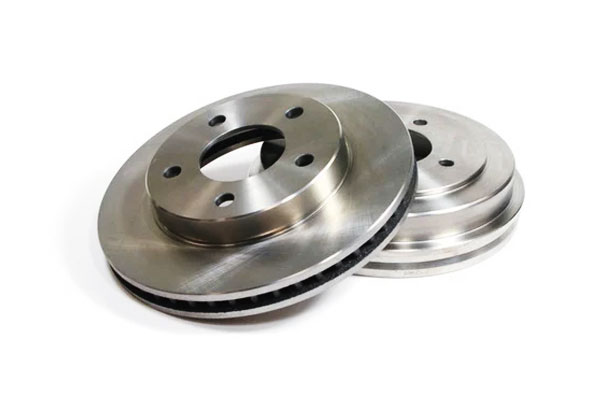
Сұр темір:
- Коррозияның мінез-құлқы: Gray iron is moderately resistant to corrosion in dry environments but is susceptible to rusting when exposed to moisture, especially in the presence of salts or acidic conditions.
The graphite flakes can create micro-galvanic cells with the iron matrix, Жергілікті коррозияны жеделдету. - Бетті қорғау: To enhance durability, gray iron components often receive protective coatings such as painting, Ұнтақты жабын, or galvanizing.
Кейбір жағдайларда, specialized corrosion-resistant alloys or linings are applied for aggressive environments. - Төзімділік: While gray iron has excellent wear resistance, corrosion can reduce the lifespan of components in outdoor or wet applications without adequate protection.
Ішкі үтік:
- Жақсартылған коррозияға төзімділік: The spheroidal graphite structure in ductile iron reduces stress concentrations and creates a more uniform matrix, which tends to improve corrosion resistance compared to gray iron.
- Жақсартылған беттік емдеу: Ductile iron components commonly utilize protective coatings such as epoxy lining, мырыш жабындары, or polyurethane paints, especially for use in water and wastewater piping systems.
- Катодтық қорғаныс: In underground or submerged applications, ductile iron pipes often incorporate cathodic protection systems to mitigate corrosion.
- Durability in Harsh Conditions: Thanks to its higher toughness and ductility, ductile iron withstands mechanical stresses during corrosion processes better than gray iron, contributing to longer service life under cyclic loading and corrosive environments.
10. Шығындарды салыстыру
- Шикізат: Gray iron costs $1–$3/kg; ductile iron costs $1.5–$4.5/kg (30–50% higher) due to Mg/Ce nodulizers.
- Ұқсату: Gray iron requires no post-treatment; ductile iron may need annealing ($0.2–$0.5/kg extra).
- Өмірлік цикл құны: Ductile iron often offers lower long-term costs in high-stress applications (E.Г., құбырлар: 50-year lifespan vs. 30 years for gray iron).
11. Key Differences Between Gray Iron vs Ductile Iron
Understanding the fundamental distinctions between gray iron and ductile iron is crucial for selecting the appropriate material based on application requirements.
| Белгі | Сұр темір | Ішкі үтік |
| Графитті морфология | Flaky graphite flakes | Сфералық (түйіншекілік) графигі |
| Созылу күші | ~150–400 MPa | ~400–700 MPa |
| Іуу | 1-3% | Дейін 18% |
| Сығымдау күші | Биік | Орташа және жоғары |
| Әсерге қарсы тұрақтылық | Аласа (морт) | Биік (Әмірлер) |
| Дірілдеуді демпфирлеу | Үздік | Good but less than gray iron |
| Айналымдылық | Жеңіл (graphite acts as lubricant) | More difficult (tough matrix) |
| Басшылық | Үздік, fewer defects | Жақсы, requires nodulizer control |
| Shrinkage Tendency | Аласа | Сәл жоғары |
| Құны | Түсіру | Higher due to alloying and control |
| Типтік қосымшалар | Қозғалтқыш блоктары, Машиналар базалары | Құбырлар, Автомобиль бөлшектері, Құрылымдық компоненттер |
12. Choosing Between Gray and Ductile Iron
- Prioritize Damping/Vibration Control: Сұр темір (E.Г., Қозғалтқыш блоктары, төсек төсектері).
- Need Strength/Ductility: Ішкі үтік (E.Г., ик-жағалаулар, құбырлар).
- Cost-Sensitive, Low-Stress Apps: Сұр темір (E.Г., Манхол қақпағы).
- Dynamic Loads/Impact Risk: Ішкі үтік (E.Г., Суспензия компоненттері).
13. Қорытынды
Gray iron vs ductile iron, both types of cast iron, serve distinct roles: gray iron excels in low-cost, vibration-damped, and compressive-load applications, while ductile iron dominates high-stress, динамикалық, and impact-prone scenarios.
Their differences, rooted in graphite morphology, make them irreplaceable in modern engineering, ensuring their continued relevance in automotive, Инфрақұрылым, және машиналар.
ЖҚС
Is ductile iron stronger than steel?
Yes—ductile iron can rival low to medium carbon steels (~400–600 MPa), though it’s less ductile.
Can gray iron be heat-treated?
No—it retains brittleness due to graphite flakes and does not improve via heat treatment.
Why use gray iron for engine blocks?
Its excellent vibration damping, Жылу тұрақтылығы, and low cost make it ideal for engine components.
How long do ductile iron pipes last?
With proper coating and installation, they often achieve 50–100+ years of service.
Are both types recyclable?
Иә, both are 95% қайта өңделеді, with recycled gray/ductile iron retaining 90% of original properties.