1. Кіріспе
Диафрагма клапандары санитарлық талаптарды талап ететін қосымшаларда өз орнын ойып алды, Ластанбайтын, және коррозияға төзімді қойылым.
Фармацевтика саласында жиі қолданылады, Суды тазарту, Химиялық өңдеу, және тамақ өнімдері, олар үшін қолайлы қарапайым құрылыс, герметикалық тығыздау, жіне агрессивті немесе абразивті сұйықтықтарды өңдеу мүмкіндігі.
Дәстүрлі клапан конструкцияларынан айырмашылығы, диафрагмалық клапан жұмыс механизмін технологиялық сұйықтықтан оқшаулайды, жақсартылған тазалық пен төзімділікті қамтамасыз етеді.
2. Диафрагмалық клапан дегеніміз не?
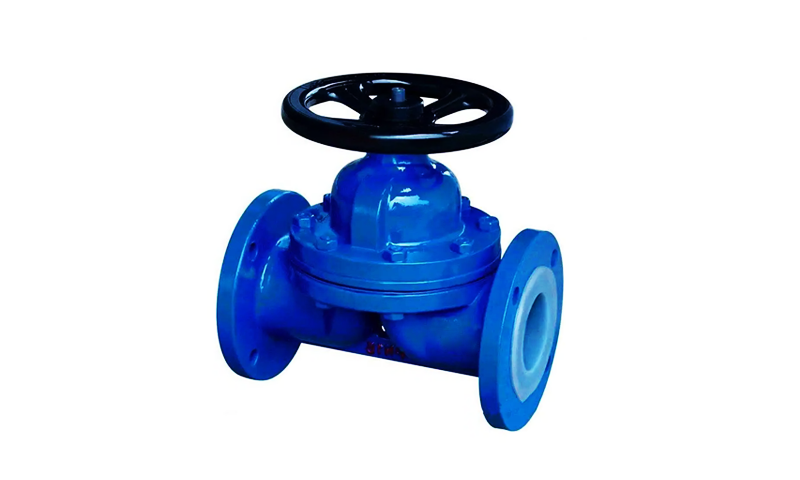
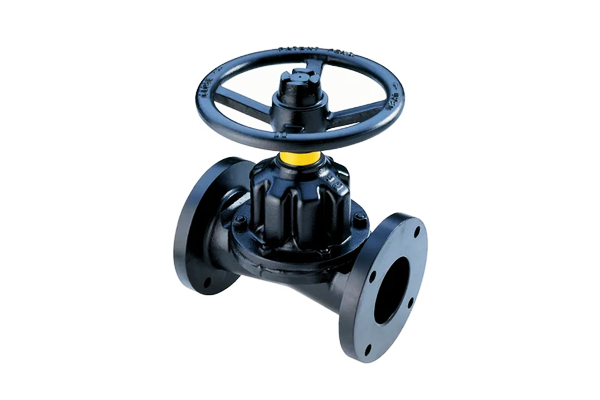
Диафрагмалық клапан - серпімді диафрагманы бөгетке қарсы иілу арқылы ағынды басқаратын сызықты қозғалыс клапаны. (көтерілген ерін) немесе клапанның корпусында отырыңыз.
Негізгі айырмашылық - диафрагма жабу элементі ретінде де, тосқауыл ретінде де әрекет етеді, ағынды орта мен клапанның жетекі немесе өзегі арасындағы жанасуды болдырмайды.
Бұл оқшаулау диафрагмалық клапандарды ластанған қолданбалар үшін өте қолайлы етеді, коррозия, немесе гигиена өте маңызды.
Жұмыс принципі: Диафрагмалық клапандар ағынды қалай басқарады
Диафрагмалық клапандар а бойынша жұмыс істейді сызықтық қозғалыс принципі бұл а икемді диафрагма сұйықтықтың өтуін реттеу үшін.
Бастау үшін диафрагма тігінен қозғалады — ағын жолына қарсы басылады немесе одан жоғары көтеріледі., аялдама, немесе сұйықтық ағынын модуляциялау.
Бұл дизайн a тығыз тығыздағыш, ластануын азайтады, және коррозиялық немесе бөлшектері бар баспа құралдарымен тамаша үйлесімділікті ұсынады.
Ағынды басқарудың негізгі механизмі
Жұмыс принципі үйлесімді жұмыс істейтін үш негізгі компонентті қамтиды:
- Дротатор (Нұсқау, Пневуль, немесе Электр):
Клапанның өзегіне төмен немесе жоғары күш береді. Бұл қозғалыс ағын жолын бітеп тастайтын немесе ашатын диафрагмаға беріледі. - Клапан бағанасы және компрессор:
Жетекті диафрагмаға қосады. Жетек қосылған кезде, ол компрессорды төмен қарай итереді, бұл өз кезегінде диафрагманы бүгеді. - Икемді диафрагма:
Диафрагма клапан корпусы мен капот арасында қысылған. Эластомерлік немесе термопластикалық материалдан жасалған, ол сабақтың қозғалысын қадағалау үшін иіледі.
Төменге қарай басқанда, ол ағынмен байланысады (тосқауыл тәрізді клапандарда) немесе қарама-қарсы орындық (тікелей өту түрлерінде), герметикалық тығыздағышты қалыптастыру.
Ағынды басқару позициялары
- Жабық позиция:
Диафрагма орындыққа немесе бөгетке толығымен басылған. Ешқандай сұйықтық өтпейді.
Бұл жасайды герметикалық тығыздағыш технологиялық сұйықтық пен жетек бөлігінің арасында, ішкі бөліктердің ластануын немесе коррозиясын болдырмау. - Ашық позиция:
Диафрагма толығымен көтеріледі, сұйықтықтың еркін өтуіне мүмкіндік береді. Тікелей дизайнда, бұл ең аз ағынға төзімділікті қамтамасыз етеді — суспензиялар немесе тұтқыр орталар үшін өте қолайлы. - Модуляциялаушы позиция (Ішінара ашық):
Диафрагма тек ішінара басылған. Диафрагмалық клапандар глобус клапандары сияқты дәл дроссельге арналмаған, ұсына алады негізгі ағынды басқару, әсіресе торлы үлгілерде.
3. Диафрагмалық клапанның дизайны және негізгі компоненттері
Диафрагмалық клапанның берік, бірақ қарапайым конструкциясы оның ең күшті жақтарының бірі болып табылады.
Оның дизайны ерекше мән береді таза ағын жолдары, сенімді тығыздау, жіне технологиялық орта мен механикалық құрамдас бөліктерді бөлу, стерильді және коррозиялық орталар үшін өте қолайлы етеді.
Диафрагмалық клапанның негізгі компоненттері
| Деталь | Функция және сипаттама |
| Клапанның денесі | Ағынды өту және отырғышты қамтитын негізгі корпус. Қол жетімді Вир-тип немесе түзу конфигурациялары және металдардан жасалған (E.Г., Тот баспайтын болат, шойын) немесе пластмассалар (E.Г., Pvdf, полипропилен) Коррозияға төзімділік үшін. |
| Диафрагма | А икемді мембрана (әдетте PTFE-ден жасалған, EPDM, ФКМ, т.б.) бұл екеуінің де рөлін атқарады өшіру элементі және бастапқы процесс тығыздағышы. Ол сұйықтықты ішкі механикалық компоненттерден оқшаулайды, ағып кетпейтін жұмысты қамтамасыз ету. |
| Капот (Клапан қақпағы) | Жетек механизмі орналасқан жоғарғы қоршау. Ол корпусқа қосылып, клапан діңін және басқа ішкі бөліктерді ластанудан қорғайды. |
| Компрессор (немесе Поршень) | Қозғалысты жетектен немесе қол дөңгелегінен диафрагмаға береді, ағынды реттеу үшін оны клапан орындығына қарсы итеріңіз. Күшті біркелкі таратуға және диафрагманы зақымдамауға арналған. |
| Клапан бағанасы | Жетекті немесе қол дөңгелегін компрессорға қосады. Айналмалы немесе сызықтық іске қосуды тік қозғалысқа түрлендіреді. |
| Жетек немесе руль дөңгелегі | Іске қосу күшін қамтамасыз етеді -қолмен (руль дөңгелегі арқылы) немесе автоматты түрде (пневматикалық арқылы, гидравликалық, немесе электр жетектері). Клапанның ашық екенін анықтайды, жабық, немесе дұрыстау. |
Ағын жолының дизайны
Диафрагмалық клапандар екі негізгі ағын конфигурациясында келеді:
Сынақ түрі (Седла түрі)
- Ағын жолының ортасында көтерілген «бау» немесе орындық ерекшеліктері.
- Диафрагма ағып кетуді тоқтату үшін осы бөгетпен жабылады.
- Өте ыңғайлы Таза сұйықтықтар, төмен қатты заттар, жіне асептикалық қолдану.
- Оңай қосады дренаждылық және өлі көлемді азайтады.
Тікелей (Толық ұңғыма)
- Ішкі шұңқыры жоқ; диафрагма тікелей қарама-қарсы орындыққа қарсы тығыздалады.
- Ең жақсы шиккірлер, Тұтқыр сұйықтықтар, немесе абразиялық бұқаралық ақпарат құралдары кедергісіз ағын қажет жерде.
- More prone to diaphragm stress during closing; used when cleanability is less critical than flow volume.
Герметизация механизмі
Та diaphragm serves as the primary seal between the valve’s wetted components and the external environment. Ол ұсынады:
- Көпіршікті тығыз өшіру, even with aggressive or abrasive media.
- Isolation of fluid from the valve stem and actuator, eliminating packing leaks.
- Superior performance in меңгерген жіне корросврлық environments where conventional valves risk contamination or degradation.
4. Диафрагмалық клапандардың түрлері
Diaphragm valves come in various configurations tailored to meet different industrial requirements, including hygiene, Коррозияға төзімділік, media type, және автоматика.
They are generally classified by flow path design, Асертау әдісі, and material of construction.
Диафрагмалық клапан
The weir-type diaphragm valve features a raised lip or saddle (the “weir”) molded into the valve body.
When the diaphragm is pressed down by the actuator or handwheel, ол осы бөгетпен жабылады, сұйықтық ағынын тоқтату.
Жұмыс кезінде диафрагманың сыртқы шеті мен ортасы ғана иіледі, тозуды азайту.
Бұл дизайндағы ағын жолы толығымен түзу емес, бұл дұрыс орнатылған жағдайда салыстырмалы түрде жақсы суды ағызу мүмкіндігін бере отырып, жинақы ізді сақтауға көмектеседі (шамалы еңіспен).
Бұл конфигурация әсіресе таза немесе стерильді орталарға жақсы сәйкес келеді, өйткені дизайн сұйықтықтың аз түсуіне мүмкіндік береді және орнында тазалауды қолдайды (Клип) немесе бу орнында (Жайлап жұту) Процесс.

Артықшылықтары:
- Тазалыққа жарамды, төмен қатты сұйықтықтар
- Тиісті бұрыштарда орнатылған кезде өздігінен ағу
- Гигиеналық және асептикалық жүйелер үшін өте қолайлы
Шектеулер:
- Тұтқырлығы жоғары сұйықтықтар немесе ауыр шламдар үшін жарамсыз
- Төбенің бітелуіне байланысты қысымның аздап төмендеуі
Қолданбалар:
- Биотехнологиялық және фармацевтикалық өңдеу
- Азық-түлік және сусындар өндірісі
- Стерильді су және өте таза орта желілері
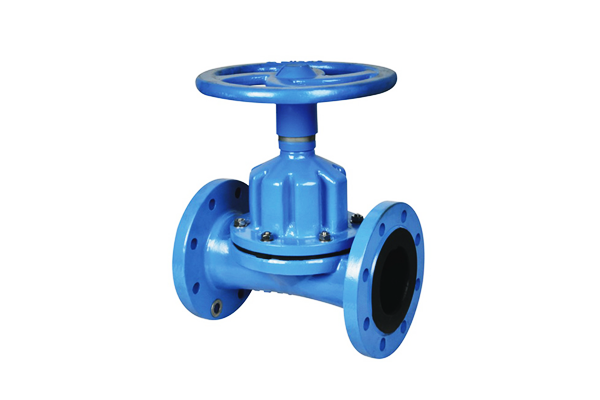
Тікелей (Толық ұңғыма) Диафрагма клапаны
Тікелей немесе толық тесікті клапан көтерілген бөгетті жояды, тікелей қамтамасыз ету, кірістен шығысқа дейін кедергісіз ағын жолы.
Бұл дизайн тұтқырлықпен жұмыс істейтін жүйелерде әсіресе тиімді, талшықты, немесе бөлшектері бар орта, өйткені ол бітелу мүмкіндігін азайтады және клапандағы қысымның төмендеуін азайтады.
Бұл конфигурациядағы диафрагма жұмыс кезінде едәуір иілу керек, бұл бөгет түрімен салыстырғанда диафрагманың қызмет ету мерзімін қысқартуы мүмкін.
Дегенмен, ол шектеусіз ағынды қажет ететін абразивті немесе суспензия негізіндегі процестер үшін жақсы шешімді қамтамасыз етеді.
Артықшылықтары:
- Қысымның төмендеуін азайтады
- Тұтқыр өтуге мүмкіндік береді, абразалау, немесе суспензия толтырылған сұйықтықтар
- Құбырды жуу және тазалау оңайырақ
Шектеулер:
- Диафрагма көбірек иілуді сезінеді, қызмет ету мерзімін қысқарту
- Ықтимал біріктіруге байланысты стерильді немесе гигиеналық жүйелерге азырақ сәйкес келеді
Қолданбалар:
- Кен өндіру және пайдалы қазбаларды өңдеу
- Химиялық суспензия құбырлары
- Өнеркәсіптік ағынды су жүйелері
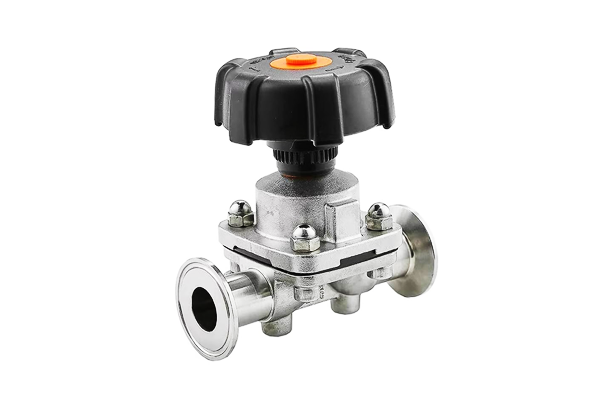
Қолмен диафрагмалық клапан
Қолмен жасалған диафрагмалық клапандар қол дөңгелегі немесе рычаг арқылы басқарылады, оларды автоматтандырудың күрделілігі мен құнынсыз тікелей операторды басқаруды қажет ететін жүйелер үшін өте қолайлы етеді.
Бұл клапандар механикалық тұрғыдан қарапайым, Қолдау оңай, және шағын ауқымды немесе төмен циклді қолданбаларда дәл реттеуге мүмкіндік береді.
Олар әдетте зертханалық қондырғыларда қолданылады, коммуналдық желілер, және автоматтандыру қажет емес төмен жиілікті процестер.
Пайдаланушы диафрагманы орындыққа көтеру немесе басу үшін қол дөңгелегін бұрады, ағынды қолмен реттеу.
Артықшылықтары:
- Тығыздау немесе өшіру үшін дәл басқару
- Сыртқы қуат қажет емес
- Төмен бастапқы құны және қарапайым жұмыс
Шектеулер:
- Үлкен жүйелерде еңбекті көп қажет етеді
- Автоматтандырылған процесті басқарумен үйлеспейді
Қолданбалар:
- Зертханалар мен тәжірибелік зауыттар
- Шағын масштабты технологиялық желілер
- Техникалық қызмет көрсетуді айналып өту және резервтік жүйе
Пневматикалық және электромагниттік жұмыс істейтін диафрагмалық клапандар
Бұл клапандар пневматикалық жетектердің көмегімен ағынды автоматтандырылған басқаруға арналған (ауамен басқарылады) немесе соленоидты жүйелер (электромагниттік іске қосу).
Пневматикалық үлгілерде, ауа қысымы сызықты қозғалыс арқылы диафрагманы ашу немесе жабу үшін қолданылады, соленоидты клапандар поршеньді жылжыту және диафрагманы қосу үшін электр катушкасын пайдаланады..
Бұл клапандар заманауи процестерді автоматтандырудың ажырамас бөлігі болып табылады, жоғары жылдамдықты іске қосуды және бағдарламаланатын логикалық контроллерлермен үйлесімділікті ұсынады (PLC), бөлінген басқару жүйелері (DCS), немесе қашықтан бақылау платформалары.
Олар көбінесе позиционерлермен жабдықталған, кері байланыс сенсорлары, және дәлдік үшін инсульт шектегіштері, Нақты уақыттағы бақылау.
Артықшылықтары:
- Жоғары жылдамдық, Автоматтандырылған жұмыс
- Өнеркәсіптік басқару жүйелерімен үйлесімді
- Шалғай немесе қауіпті орындар үшін өте қолайлы
Шектеулер:
- Жоғары бастапқы құны
- Сыртқы энергияны қажет етеді (сығылған ауа немесе электр)
- Күрделі техникалық қызмет көрсету және калибрлеу
Қолданбалар:
- Таза бөлме және стерильді толтыру операциялары
- Химиялық зауыттардағы технологиялық процесті бақылау
- Фармацевтика және тамақ өнеркәсібіндегі CIP/SIP жүйелері
Пластикалық vs. Металл корпусты диафрагмалық клапандар
| Материал | Түсіндірме |
| Пластмасса (E.Г., ПВХ, Pvdf, Науқату) | Коррозияға төзімді, Жайғақ, және үнемді. Көбінесе химиялық және су өңдеу өнеркәсібінде қолданылады. |
| Металл (E.Г., Тот баспайтын болат, шойын) | Жоғары қысым көрсеткіштерін қамтамасыз етеді, Механикалық беріктік, және температураның төзімділігі. Санитарлық үшін өте қолайлы, индустриялық, және жоғары қысымды қосымшалар. |
5. Диафрагмалық клапанның құрылысының материалдары
Өнімділік, төзімділік, және диафрагмалық клапандардың химиялық үйлесімділігіне олардың құрылысында қолданылатын материалдар қатты әсер етеді.
Дұрыс комбинациясы диафрагма материалы жіне клапанның корпусының материалы коррозиялық орта сияқты әртүрлі жағдайларда сенімді жұмысты қамтамасыз етеді, стерильді өңдеу, және абразивтік құралдар.

Диафрагма материалдары
Диафрагма технологиялық сұйықтықпен тікелей байланыста болатын маңызды тығыздағыш элемент болып табылады.
Ол икемділікті көрсетуі керек, Химиялық тұрақтылық, Механикалық беріктік, және төзімділік. Төменде типтік қасиеттері бар жиі қолданылатын диафрагмалық материалдар берілген:
| Материал | Жұмыс температурасының диапазоны | Негізгі қасиеттері | Типтік қосымшалар |
| EPDM (Этилен пропилен Диин Мономер) | -40°C - +120 °C | Суға тамаша төзімділік, бу, және сұйылтылған қышқылдар. Жақсы серпімділік. Көмірсутектер үшін жарамсыз. | Суды тазарту, Тағамдарды өңдеу, Hvac |
| Ptfe (Политетрафлуороэтилен) | -20°C - +200 °C | Ерекше химиялық төзімділік. Жабыспайтын, Реактивті емес. Көбінесе тірек эластомерге жабыстырылады. | Агрессивті химиялық заттар, стерильді қызметтер, жоғары тазалық |
| ФКМ (Фторэластомерлер, E.Г., Витон®) | -20°C - +180 °C | Майларға тамаша төзімділік, еріткіштер, және көмірсутектер. Буға азырақ қолайлы. | Химиялық өңдеу, майлау & газ |
| Бутил каучук (IIR) | -50°C - +120 °C | Газдарды жақсы өткізбейді және сұйылтылған қышқылдар мен сілтілерге төзімді. | Газ жүйелері, орташа химиялық орта |
| Табиғи каучук (NR) | -50°C-тан +80°C-қа дейін | Тамаша тозуға төзімділік пен серпімділік. Майларға төзімділігі төмен. | Шлам қызметтері, абразивті сұйықтықтар |
| Силикон | -60°C - +180 °C | Төмен және жоғары температурада тамаша икемділік. Биомаққа сәйкес келеді. | Фармацевтикалық және тағамдық қызметтер |
Ескерту: Диафрагмаларды матамен нығайтуға болады (E.Г., нейлон немесе полиэстер) қысым мен шаршауға төзімділікті арттыру үшін.
Жоғары тазалықта немесе агрессивті қызметте, көп қабатты диафрагмалар (E.Г., EPDM үстінен PTFE) ортақ.
Клапанның дене материалдары
Клапанның корпусы диафрагманы орналастырады және жүйедегі қысымды қолдайды.
Корпус материалын таңдау механикалық беріктікке байланысты, Коррозияға төзімділік, термиялық өнімділік, және реттеуші талаптар.
| Материал | Жылжымалы | Қолданбалар |
| Тот баспайтын болат (304, 316, 316Өшпін) | Тамаша коррозияға төзімділік, Жоғары беріктігі, және таза орынмен үйлесімділік (Клип) және бу орнында (Жайлап жұту) жүйелер. 316L төмен көміртекті және жоғары тазалық үшін қолайлы. | Фармацевтика, биотехнология, ас & сұсын |
| Шойын | Экономикалық, орнықты, қапталған немесе қапталған кезде орташа коррозияға төзімділік. Агрессивті емес сұйықтықтар үшін қолайлы. | Hvac, жалпы су қызметтері, коррозияға ұшырамайтын орта |
| Pvdf (Поливинилиден фториді) | Күшті қышқылдарға тамаша төзімділік, негіздер, және еріткіштер. Жоғары тазалық және жақсы механикалық қасиеттер. | Жартылай өткізгішті өңдеу, өте таза су жүйелері |
| Полипропилен (Науқату) | Үнемді, Жайғақ, және көптеген химиялық заттарға коррозияға төзімді. Шектеулі температура мен қысым диапазоны. | Химиялық мөлшерлеу, төмен қысымды құбырлар |
| PTFE төселген денелер | Механикалық беріктік үшін металды қолдануға рұқсат бере отырып, әмбебап химиялық төзімділікті қамтамасыз етіңіз. | Агрессивті химиялық заттар, Коррозиялық шламдар |
| Қола | Жақсы коррозияға төзімділік, әсіресе теңіз суында. Күшті қышқылдар үшін жарамсыз. | Теңіз жүйелері, тұздық, су желілері |
Материалдық үйлесімділік және таңдау бойынша нұсқаулар
Диафрагмалық клапан материалдарын таңдағанда, келесі факторларды бағалау қажет:
- Химиялық үйлесімділік: Барлық суланған материалдардың технологиялық сұйықтыққа қарсы тұруын қамтамасыз етіңіз.
PTFE - әмбебап қарсылықтың алтын стандарты, бірақ EPDM немесе FKM сияқты эластомерлер агрессивтілігі аз медиа үшін жеткілікті болуы мүмкін. - Температура мен қысым: Диафрагма да, корпус материалдары да жүйенің экстремалды жұмысына төтеп беруі керек.
Мысалы, бу желілері PTFE немесе силикон сияқты жоғары температуралы диафрагмаларды және тот баспайтын болат сияқты корпустарды қажет етеді. - Механикалық жүктеме және тозу: Абразивті қызметтерге арналған (E.Г., шиккірлер), табиғи резеңке диафрагмалар және қапталған немесе күшейтілген металл корпустар сияқты материалдар тозуға төзімділікті жақсартады.
- Санитарлық талаптар: Стерильді немесе тағамдық жүйелерге арналған, FDA-үйлесімді эластомерлер мен 316L баспайтын болат стандартты болып табылады. Тегіс беттер және тазалау (CIP / SIP) маңызды.
- Құны vs. Орындау: Пластикалық клапандар үнемді, бірақ қысым мен температура шектеулері бар. Металл клапандар төзімділікті ұсынады, бірақ қымбатырақ.
6. Диафрагмалық клапанның негізгі артықшылықтары
- Гигиеналық дизайн: Диафрагмалық клапанның дизайны өлі кеңістіктер мен жарықтарды жояды, оны Clean-in-Place бағдарламасымен толық үйлесімді етеді (Клип) және орнында зарарсыздандыру (Жайлап жұту) Процедуралар.
Бұл функция фармацевтика үшін өте маңызды, биотехнология, және стерильділік маңызды болып табылатын тамақ өңдеу өнеркәсібі. - Медиа оқшаулау: Диафрагма жетек пен технологиялық сұйықтық арасындағы физикалық кедергі ретінде әрекет етеді, клапанның ішкі бөліктерінің ластануын және коррозиясын болдырмау, беріктігі мен өнімнің тазалығын арттыру.
- Ағызбайтын өшіру: Диафрагмалық клапандар әдетте ANSI класс VI ағып кету стандарттарына жетеді (Жобалық ағынның ≤0,0005%), көптеген глобус және қақпа клапандарымен салыстырғанда жоғары тығыздау өнімділігін ұсынады.
- Техникалық қызмет көрсетудің қарапайымдылығы: Диафрагманы әдетте құбырдан клапанды алмай-ақ 15-30 минут ішінде ауыстыруға болады., тоқтау уақытын және техникалық қызмет көрсетудің күрделілігін айтарлықтай қысқартады.
- Химиялық және коррозияға төзімділік: Әр түрлі диафрагмалық материалдар (EPDM, Ptfe, ФКМ) және дене материалдары (Тот баспайтын болат, Pvdf) агрессивті химиялық заттарға және коррозиялық орталарға тамаша төзімділікті қамтамасыз етеді.
- Абразивті сұйықтықтарға жарамдылық: Икемді диафрагма және тегіс ағын жолы бұл клапандарды шламдар мен абразивті сұйықтықтар үшін өте қолайлы етеді., тозуды азайту және қызмет ету мерзімін ұзарту.
- Шығындар тиімділігі: Әсіресе шағын диаметрлер үшін (≤2 дюйм), Шарлы клапандармен салыстырғанда диафрагмалық клапандардың бастапқы құны жиі төмен болады, көптеген қолданбалар үшін үнемді таңдауды қамтамасыз етеді.
7. Диафрагмалық клапанның шектеулері мен қарастырулары
- Қысым және температуралық шектеулер: Көптеген диафрагмалық клапандар ≤150 psi қысыммен шектеледі (≈10 бар) және температура ≤250°F (≈120°C).
Бұл шектеулер оларды жоғары қысымды бу немесе көмірсутекті қызмет көрсету орталарында пайдалануды болдырмайды. - Диафрагманың тозуы және ауыстыру: Диафрагма - шаршауға ұшырайтын тозу бөлігі, әсіресе жиі велосипедпен жүру кезінде (>10,000 Операциялар).
Тасымалдаушы және қолданылуына байланысты, диафрагмалар әдетте әр рет ауыстыруды қажет етеді 6 қарай 24 айлар. - Ағын шектеулері: Диафрагмалық клапандар жабысқақтығы жоғары сұйықтықтармен бітелуге немесе бітелуге бейім. (E.Г., бал, шлам) егер түзу конструкция көрсетілмесе. Тафы, олардың дроссельдік дәлдігі глобус клапандарынан төмен.
- Өлшем және іске қосу шектеулері: Диафрагмалық клапандар құбыр өлшемдерінен тыс сирек қолданылады 8 дюйм (DN200) өйткені үлкен өлшемдер әлдеқайда жоғары іске қосу күштерін қажет етеді, бұл операцияны қиындатады және құнын арттырады.
8. Диафрагмалық клапанның өнеркәсіптік қолданылуы
Диафрагмалық клапандар сенімділікті қажет ететін салаларда кеңінен қолданылады, ластанусыз ағынды бақылау және коррозияға төзімділік:
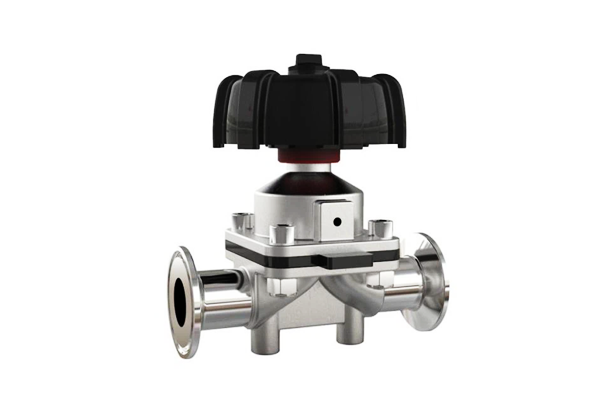
- Фармацевтика & Биотехнология: CIP/SIP үйлесімділігі мен химиялық төзімді диафрагмалардың арқасында стерильді процестер үшін өте қолайлы, сұйықтықты ластанусыз өңдеуді қамтамасыз ету.
- Ас & Сұсын: Сүт өнімдерінде гигиеналық сұйықтықты бақылау үшін кеңінен қолданылады, сусындар, және соустар, FDA және санитарлық стандарттарға сәйкес.
- Суару & Ағынды суларды тазарту: Ауыз суды бақылау үшін қолайлы, шлам, және тазартылған ағынды су, әсіресе коррозияға төзімді пластикалық корпустармен.
- Химиялық өңдеу: Агрессивті химиялық заттарды герметикалық тығыздағыштармен және химиялық төзімді материалдармен ұстаңыз, мөлшерлеу және пакеттік процестер үшін тамаша.
- Тау-кен ісі & Қиыршық: Үйкеліске төзімді, қатты толтырылған сұйықтықтарды тиімді басқару және клапанның тозуын азайту.
- Hvac & Жалпы сала: Салқындату суын реттеу үшін қолданылады, бу, сенімді өшіру және коррозияға төзімділігі бар сығылған ауа.
9. Басқа клапан түрлерімен салыстыру
Процесті басқару үшін клапандарды таңдау кезінде, диафрагмалық клапандардың глобус сияқты баламалармен қалай салыстырылатынын түсіну, доп, және көбелек клапандар өте маңызды.
| Белгі | Диафрагма клапаны | Глобус клапаны | Доп клапан | Көбелек клапан |
| Тығыздау өнімділігі | Тамаша ағып кетпейтін тығыздауыш (Ansi класы VI) | Жақсы, but seat wear can cause leaks | Good for on/off, less leak-tight than diaphragm | Байсалды, may leak under certain conditions |
| Ағынды бақылау | Smooth throttling, moderate pressure drop | Дәл датқа, handles high pressure/temperature | Quick on/off, шектеулі дроссбл | Төмен қысым төмен, less precise throttling |
| Қолдау | Оңай диафрагманы ауыстыру, fluid isolated from moving parts | Complex internals exposed to fluid, higher wear | Байсалды, seals may wear, but robust | Қарапайым дизайн, Төмен техникалық қызмет көрсету |
| Hygienic Suitability | Үздік; fluid contacts only diaphragm and body | Limited by crevices and sealing surfaces | Байсалды; potential dead zones | Байсалды; not ideal for sterile fluids |
| Қысым & Temp диапазоны | Typically ≤150 psi, ≤250°F | High pressure and temperature capability | Жоғары қысым, broad temperature range | Moderate pressure and temperature limits |
| Көлемі ауқымы | Usually ≤8 inches | Кең ауқым, including large sizes | including very large | Кең ауқым, common in large pipes |
| Құны | Cost-effective for small sizes and corrosive media | Higher cost due to complex design | Moderate to high depending on size/material | Жалпы құны төмен және жеңіл |
| Актикалық жылдамдық | Тау соғу, диафрагма қозғалысына байланысты | Байсалды | Жылдам ширек айналым операциясы | Жылдам ширек айналым операциясы |
Қысқаша мазмұндама
- Диафрагма клапандары олардың герметикалық тығыздағыштарымен ерекшеленеді, Гигиеналық дизайн, және техникалық қызмет көрсетудің қарапайымдылығы, оларды қалыпты қысым мен температурада санитарлық және коррозиялық қолдану үшін өте қолайлы етеді.
- Глобус клапандары жоғары дроссельдік дәлдік пен жоғары қысым көрсеткіштерін ұсынады, бірақ көп техникалық қызмет көрсетуді қажет етеді.
- Шар клапандары жылдам қосу/өшіруді басқару және жоғары қысымды жүйелерде жақсы, бірақ стерильді орталар үшін азырақ қолайлы.
- Көбелек клапандары төмен қысымды төмендетуді қажет ететін үлкен құбырлар үшін үнемді, бірақ орташа тығыздау мүмкіндіктері бар.
11. Қорытынды
Диафрагмалық клапандар талап етілетін технологиялық орталар үшін бірегей болып табылады тазалық, Химиялық тұрақтылық, жіне Сенімді сөндіру.
Олардың дизайны - қарапайым, бірақ өте тиімді - санитарлық жағынан уақыт сынынан өтті, корросврлық, және абразивті қолданбалар.
Жоғары қысымға немесе дәл дроссельге жарамайды, диафрагмалық клапандар таңдаулы таңдау болып қала береді биотехнология, ас, химиялық, және су өнеркәсібі.
Материалдар мен автоматтандыру технологиялары дамыған сайын, диафрагмалық клапандар технологиялық басқару жүйелерінің келесі буынында маңызды рөл атқаруды жалғастыруда.
Осы: Талап етілетін қосымшалар үшін жоғары дәлдікті клапанды шешу
Осы дәлдік клапаны құю қызметтерінің мамандандырылған провайдері болып табылады, Сенімділікке қажет салаларға арналған жоғары өнімді компоненттерді жеткізу, Қысымның тұтастығы, және өлшемді дәлдік.
Шикі құю өнімдерінен толық өңделген клапан және жиналыстар, Осы Жаһандық стандарттарға сәйкес келетін түпкі шешімдерді ұсынады.
Біздің клапанның құю сараптамасы кіреді:
Инвестициялық құю Клапандар үшін & Жиіту
Күрделі ішкі геометриялар мен тығыз төзімділікті өндіру үшін жоғалған балауыз құю технологиясын пайдалану Клапан компоненттері ерекше бетті әрлеумен.
Құмның құюы & Қабықшаны құю
Орташа және үлкен клапан денелеріне өте ыңғайлы, фланецтер, және Bonnets-in тұрмыстық өндірістік қосымшалар үшін үнемді шешім ұсынады, Соның ішінде май & Газ және электр қуатын өндіру.
Клапанға арналған дәл өңдеу & Мөрді мінсіздігі
CNC өңдеу орындықтар, Жіптер, және герметикалық беттер барлық құятын бөліктің өлшемді және тығыздау талаптарына сәйкес келеді.
Сыни қолдануға арналған материалдық ауқым
Тот баспайтын болаттардан (CF8 / CF8M / CF3 / CF3M), жез, Ішкі үтік, дуплексті және жоғары қорытпалар үшін, Осы Жабдықтар коррозияға негізделген клапан құймалары, Жоғары қысымды, немесе жоғары температуралы орта.
Өзгертпелі көбелек клапандарын қажет ете ме, диафрагмалық клапандар, Глобус клапандары, қақпа клапандары, немесе өнеркәсіптік клапан құймаларының жоғары көлемді өндірісі, Бұл сіздің сенімді серіктесіңіз дәлдік үшін, төзімділік, және сапа кепілдігі.
ЖҚС
Диафрагмалық клапандар шламдарды өңдей алады?
Иә, бірақ тек тікелей (толыққанды) Дизалар, қатты заттарды ұстайтын бөгендерді болдырмайды. Үйкеліске төзімді диафрагмаларды қолданыңыз (E.Г., күшейтілген резеңке) ұзақ қызмет ету мерзімі үшін.
Диафрагмаларды қаншалықты жиі ауыстыру керек?
Таза қызметтерде (суару, Фармацевтика), 1-2 жыл сайын. Қатты химиялық немесе абразивті қызметтерде, 6-12 ай сайын.
Диафрагмалық клапандар жоғары қысымды буға жарамды ма?
Жоқ. Көптеген диафрагмалық клапандар ≤150 psi және ≤250°F шектелген; Бу жүйелері (300+ пси) глобус немесе шар клапандары қажет.
ANSI класының VI және IV класс ағуының айырмашылығы неде?
Vi класы (диафрагмалық клапандар) жобалық ағынның ағуының ≤0,0005% мүмкіндік береді; IV класс (Глобус клапандары) ≤0,01% мүмкіндік береді, диафрагмалық клапандарды тығыз өшіру үшін жоғарырақ ету.
Диафрагмалық клапандарды вакуумда қолдануға бола ма??
Иә, бірақ диафрагма материалының вакууммен үйлесімді екеніне көз жеткізіңіз (газ шығару жоқ). PTFE диафрагмалары вакуумдық жүйелер үшін жақсы жұмыс істейді 29 inHg.