1. Кіріспе
In today’s fast-paced manufacturing industry, precision and efficiency are crucial for success.
Two processes that play a significant role in meeting these demands are CNC machining vs. Парақ металл өндірісі
This blog aims to provide a clear comparison between CNC machining vs. Парақ металл өндірісі.
By understanding their processes, Артықшылықтары, және қосымшалар, you’ll be better equipped to select the right manufacturing method for your project needs.
2. CNC өңдеу дегеніміз не?
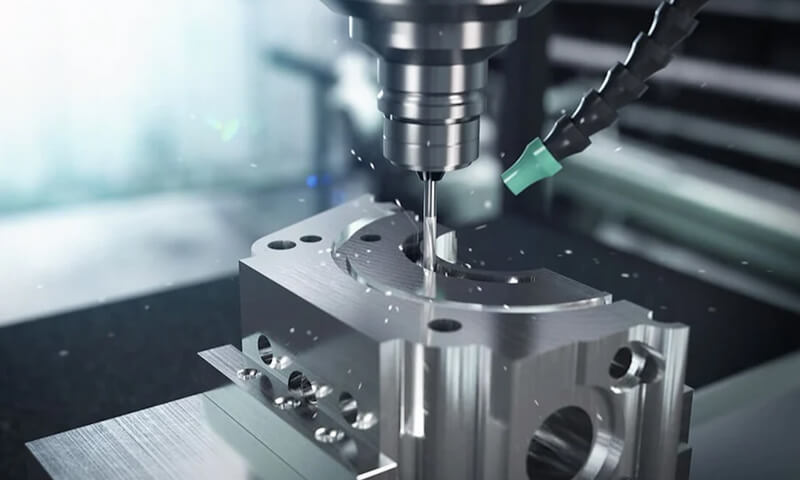
CNC өңдеу (Computer Numerical Control machining) is a high-precision manufacturing process that utilizes computer-controlled tools to remove material from a workpiece.
Бұл subtractive process, meaning the final part is achieved by cutting, бұрғылау, or grinding material away from a larger block or rod of raw material.
The design and movements are based on pre-programmed instructions derived from CAD (Компьютерлік дизайн) модельдер.
CNC machining has revolutionized the manufacturing industry, offering unmatched accuracy and consistency for producing complex components across various industries.
CNC өңдеудің негізгі ерекшеліктері
- Субтивтілік процесс
CNC machining starts with a solid workpiece and removes material to shape it into the desired form.
This contrasts with additive processes, such as 3D printing, which build up layers of material. - Жоғары дәлдік
CNC machines can achieve extremely tight tolerances, typically ±0.005 mm or even finer,
making them ideal for industries where accuracy is paramount, сияқты аэроғарыш, медициналық, және электроника. - Suitability for Complex Geometries
CNC machining is perfect for creating intricate and detailed 3D designs, including curved surfaces, асты сызбалар, and threaded holes,
that might be challenging for other manufacturing methods. - Материалдардың жан-жақтығы
CNC machines can work with a wide range of materials, ... қоса алғанда:
-
- Металдар: Алюминий, Тот баспайтын болат, титан, жез, және мыс.
- Пластмассалар: Абәрбу, поликарбонат, Іліппе-бет, налон, және акрил.
- Composites and Others: Шыны толшығы, Көміртекті талшық, және керамика.
CNC өңдеу түрлері
-
- In turning, the workpiece rotates while a cutting tool removes material to create cylindrical shapes.
- Common applications include shafts, бұталар, and threaded parts like screws.
- Машина: CNC lathes and turning centers.

-
- Milling uses a rotating cutting tool to remove material from a stationary workpiece.
- Ideal for producing flat surfaces, бұтақтар, тесіктер, and complex contours.
- Машина: 3-белдік, 4-белдік, and 5-axis CNC mills for enhanced flexibility and precision.

- Бұрғылау
-
- Drilling creates precise, clean holes in a workpiece. CNC machines can produce a variety of hole sizes and patterns with excellent accuracy.
- Often combined with tapping to create threaded holes for fasteners.
- Ұнтақтау
-
- Grinding uses an abrasive wheel to achieve ultra-smooth surfaces and tight tolerances.
- Commonly used for finishing and for creating parts that require extreme dimensional accuracy.
3. Металл металл өндірісі дегеніміз не?
Парақ металл өндірісі is a versatile manufacturing process that involves shaping and assembling flat sheets of metal into desired structures or components.
CNC өңдеуден айырмашылығы, which is subtractive, sheet metal fabrication primarily relies on forming and cutting techniques to create parts.
This process is widely used for producing parts with 2D and 3D geometries, such as enclosures, жақшалар, панельдер, and ducts.
Fabrication processes are typically scalable, making sheet metal fabrication an efficient solution for prototyping, small-batch production, жіне Жаппай өндіріс.
Парақты металл дайындаудың негізгі ерекшеліктері
- Процесс процесі
Sheet metal fabrication uses deformation techniques like bending, штамп, and pressing to achieve the desired shape without removing material. - Creating Flat or Bent Components
Parts such as flat panels, bent brackets, or structural frameworks are commonly produced,
offering a wide range of applications in industries like construction, автомобиль, және электроника. - High-Volume Production Capabilities
The process is well-suited for producing large quantities of components efficiently, with repeatable quality and minimal material waste.
Common Materials in Sheet Metal Fabrication
Sheet metal fabrication can utilize various metals based on specific project needs. The most commonly used materials include:
- Алюминий: Жайғақ, Коррозияға төзімді, and highly formable.
- Тот баспайтын болат: Орнықты, Коррозияға төзімді, and suitable for heavy-duty applications.
- Жұмсақ болат: Cost-effective and ideal for general-purpose applications.
- Мыс: Excellent for electrical conductivity and aesthetic purposes.
- Жез: Used for decorative applications and components requiring machinability.
Парақтағы металл өндірісіндегі жалпы процестер
1. Cutting Processes
Cutting is the primary method for shaping sheet metal. Бұл процестерге жатады:
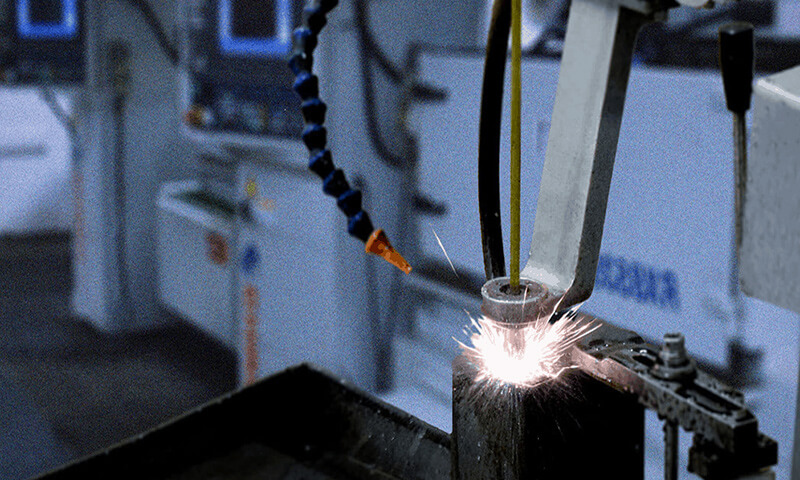
- Лазерлік кесу: Uses a focused laser beam to cut through metal. It offers high precision, жылдамдық, and minimal waste, ideal for intricate designs and small parts.
- Плазмалық кесу: Utilizes an ionized gas (пламеня) to cut metal. It is cost-effective for thicker materials but can leave rough edges, өңдеуден кейінгі.
- Ватветканы кесу: Employs high-pressure water mixed with abrasives to cut metal without generating heat.
This process is ideal for heat-sensitive materials and provides precise cuts with smooth edges. - Қыру: A process where a sheet of metal is cut using two blades that shear the material, producing straight edges.

2. Процестерді қалыптастыру
Forming changes the shape of the material without removing any material. Common forming techniques include:
- Иілу: Involves the deformation of the metal to create angles, often using press brakes. It is used to create “V” or “U” shapes from flat sheets.
- Илемдеу: Metal is passed through rollers to create curves or cylindrical shapes, commonly used for pipes or curved panels.
- Терең сурет: Used for forming deep, cup-shaped parts by pushing a sheet of metal into a die cavity. This is common in industries like automotive and appliance manufacturing.
- Stretching: A technique that stretches the metal sheet to form specific shapes or contours, often used for creating larger, жұқа бөліктер.

3. Joining Processes
These processes are used to join separate pieces of metal to create a finished part or assembly. Common joining methods include:
- Дәнекерлеу: The process of fusing two metal pieces using heat and/or pressure. Common types of welding used in sheet metal fabrication include:
-
- Тригафболка (Вольфрам инертті газы) Дәнекерлеу: Ideal for thin materials and provides clean, Дәл дәнекерлеу.
- Мені (Металл инертті газ) Дәнекерлеу: Faster and more versatile, used for thicker materials.
- Дақты дәнекерлеу: A resistance welding process used for joining metal sheets, commonly used in automotive manufacturing.
- Тойтаринг: A mechanical fastening method that involves inserting a metal rivet into pre-drilled holes and deforming the rivet to hold the pieces together.
- Bolting and Screwing: Used for temporary or adjustable fastening of sheet metal components, particularly in large assemblies.
4. Stamping and Punching
Stamping involves applying pressure to a metal sheet to form shapes while punching creates holes or cutouts in the metal.
These are commonly used for mass production of parts with consistent shapes and features.
- Штамп: Often used for creating parts like brackets, панельдер, және басқа компоненттер, stamping involves pressing a die into the material to form desired shapes.
- Тесу: Involves using a press to create holes or perforations in a sheet of metal, leaving the remaining part of the material intact.
This process is commonly used to create holes for bolts, бұрандалар, немесе басқа бекіткіштер.
6. Other Specialized Processes
There are also several specialized processes used in sheet metal fabrication for specific applications:
- Hydroforming: A high-pressure fluid is used to shape sheet metal into complex shapes, often used in automotive manufacturing.
- Лазерлік дәнекерлеу: A specialized welding process using a laser to join metal parts.
It offers high precision and is used in industries requiring high-quality welds, сияқты аэроғарыш.
4. What is the Difference Between CNC Machining vs. Парақ металл өндірісі?
When comparing CNC machining and sheet metal fabrication, it’s important to understand how each process operates, the types of materials they handle best, and their typical applications.
Астында, we delve into the key differences between these two manufacturing techniques:
Процесс түрі
- CNC өңдеу: This is a subtractive manufacturing process where material is removed from a solid block or piece using computer-controlled cutting tools.
The process starts with more material than needed and gradually removes excess until the final shape is achieved. - Парақ металл өндірісі: This is primarily an additive or forming process that involves manipulating thin sheets of metal into the desired shapes through bending, Кестеу, штамп, дәнекерлеу, and other techniques.
Material is not removed but rather shaped and joined.
Пайдаланылған материалдар
- CNC өңдеу: Typically uses solid blocks or pieces of materials such as metals (алюминий, болат, жез), пластмассалар (акрилді, поликарбонат), және композиттер.
The starting material can be in various forms like bars, шыбықтар, or plates. - Парақ металл өндірісі: Utilizes thin sheets of metal, Оның ішінде алюминий, Тот баспайтын болат, мыс, and other alloys.
The thickness of the sheet can vary depending on the application, typically ranging from very thin foil to thicker plates.
Қолданбалар
- CNC өңдеу: Ideal for producing intricate, high-precision parts with complex geometries.
Common applications include aerospace components, Автомобиль бөлшектері, Медициналық құрылғылар, and custom prototypes.
CNC machining excels when tight tolerances are required, often achieving tolerances as tight as ±0.005 inches. - Парақ металл өндірісі: Better suited for creating large, structural components or flat parts that require bending or forming.
It is widely used in industries like construction, HVAC жүйелері, Құрылғылар, және тасымалдау.
Sheet metal fabrication shines in high-volume production runs and for parts that need to be lightweight yet strong.
Tools and Techniques
- CNC өңдеу: Employs a variety of cutting tools such as drills, бөренелер, диірмендер, and grinders.
Advanced CNC machines can perform multiple operations in a single setup, тиімділік пен дәлдікті арттыру.
Programming plays a crucial role, requiring detailed instructions for the machine to follow. - Парақ металл өндірісі: Relies on processes like laser cutting, Плазмалық кесу, Ватветканы кесу, штамп, тесу, басу, қалыптастыру, иілу, және дәнекерлеу.
Each technique serves a specific purpose, from cutting precise shapes to joining components together.
Бөлшектердің күрделілігі
- CNC өңдеу: Capable of producing highly complex 3D parts with intricate internal features.
The ability to create multi-axis cuts allows for the realization of detailed designs that would be difficult or impossible to achieve with manual methods. - Парақ металл өндірісі: Generally handles simpler 2D/3D shapes, although advanced techniques like deep drawing and hydroforming can produce more complex forms.
Sheet metal fabrication focuses on creating functional, robust components rather than highly detailed parts.
Equipment and Machinery
- CNC өңдеу: Requires specialized machinery like CNC mills, бөренелер, маршрутизаторлар, and grinders.
These machines are often expensive but offer unparalleled precision and repeatability. The setup time can be longer due to programming requirements. - Парақ металл өндірісі: Uses versatile equipment such as laser cutters, Тежегіштерді басыңыз, Гидравликалық принтер, and welding stations.
While less specialized compared to CNC machines, this equipment can handle a wide range of tasks efficiently.
Finished Product
- CNC өңдеу: Yields precise, often small components that may serve as critical parts in larger assemblies.
The finish quality can be exceptionally high, especially after post-processing steps like polishing or coating. - Парақ металл өндірісі: Produces larger, structural elements or enclosures that benefit from the speed and economy of the fabrication process.
Surface finishes can range from basic to polished, Қолдануға байланысты.
Material Wastage
- CNC өңдеу: This can generate significant material waste, especially when working with solid blocks.
Waste percentages can reach up to 70%, depending on the part geometry and material type. - Парақ металл өндірісі: Generally produces less waste since the material is not removed but shaped and formed.
Дегенмен, some cutting processes may still result in scrap.
Шығындарды қарау
- CNC өңдеу: Often more expensive for large parts due to longer lead times and material usage. The cost-effectiveness improves for low-volume, high-precision projects.
- Парақ металл өндірісі: More cost-effective for mass production, benefiting from economies of scale. High-volume runs can reduce per-unit costs by up to 30%.
5. Comparing Advantages and Limitations
CNC өңдеу:
- Артықшылықтары: Achieves high precision, versatile for various materials, capable of complex geometries.
- Шектеулер: Higher material waste and potentially longer lead times for large parts.
Парақ металл өндірісі:
- Артықшылықтары: Cost-effective for mass production, жылжсатын, and suitable for lightweight component creation.
- Шектеулер: Less ideal for parts requiring extremely tight tolerances or very intricate details.
6. CNC өңдеуді қашан таңдау керек?
Consider CNC machining when:
- Prototyping or low-volume production is needed.
- Components require tight tolerances or have complex geometries.
- Parts are made from dense materials like aluminum, болат, немесе пластик.
Деректер нүктесі: CNC machining is widely used in aerospace, where tolerances can affect safety and performance.
7. Металл өндірісін қашан таңдау керек?
Opt for sheet metal fabrication when:
- High-volume production of parts is necessary.
- Structural or flat components like enclosures, панельдер, or brackets are required.
- Lightweight parts need bending or forming.
Деректер нүктесі: Автомобиль саласында, sheet metal fabrication accounts for over 80% of body components.
8. Өтінімдер және салалар
CNC өңдеу finds extensive use in industries such as:
- Аэроғарыш: Precision components for aircraft.
- Автомобиль: Engine parts and intricate mechanisms.
- Медициналық құрылғылар: Surgical instruments and diagnostic equipment.
- Электроника: Circuit boards and connectors.
Парақ металл өндірісі serves sectors like:
- Құрылыс: Steel beams and support structures.
- HVAC жүйелері: Ductwork and ventilation components.
- Құрылғылар: Refrigerators and washing machines.
- Тасымал: Truck bodies and trailers.
9. Қорытынды
Both CNC machining and sheet metal fabrication are vital in today’s manufacturing landscape.
By understanding the key differences and applications of each, manufacturers can make informed decisions that best suit their projects.
Whether it’s the fine detail and precision of CNC machining or the robustness and efficiency of sheet metal fabrication,
selecting the appropriate process can significantly impact the success of any manufacturing endeavor.
Need expert assistance? Бізбен хабарласыңы to explore our state-of-the-art CNC өңдеу қарсы және. Парақ металл өндірісі қызметтер, designed to meet your exact specifications.