
1. Кіріспе
440B stainless steel stands out as a hardenable alloy renowned for its precision, қаттылық, and high-performance characteristics.
With a chromium content of 17-19%, it offers exceptional corrosion resistance, excellent polishability, and outstanding edge retention, making it comparable in many ways to tool steels.
This article provides an in-depth analysis of 440B stainless steel,
Оның химиялық құрамын зерттеу, Физикалық және механикалық қасиеттері, Жылу өңдеу процестері, Беттік емдеу, Айналымдылық, Өнеркәсіптік қосымшалар, and future prospects.
2. Chemical Composition and Classification
Chemical Composition of 440B Stainless Steel
440B stainless steel is a high-carbon, martensitic stainless steel alloy designed for applications that require a balance of hardness, тозуға төзімділік, және коррозияға төзімділік.
Its chemical composition plays a critical role in determining its mechanical and physical properties.
The typical elemental composition of 440B is as follows:
| Элемент | Өнімді (%) | Қызмет ету |
|---|---|---|
| Көміртегі (Б) | 0.75 - 0.95 | Increases hardness, тозуға төзімділік, және күш; contributes to martensitic transformation during heat treatment. |
| Хромий (Кр) | 17.0 - 19.0 | Коррозияға төзімділікті арттырады, improves hardness, and forms chromium carbides for wear resistance. |
| Марганец (М.на) | ≤ 1.0 | Improves toughness and hardenability while assisting in deoxidation. |
| Кремний (Жіне) | ≤ 1.0 | Enhances strength and oxidation resistance; acts as a deoxidizer. |
| Молибден (Әзірлеу) | ≤ 0.75 | Күшті арттырады, Коррозияға төзімділікті арттырады, және тозу кедергісін жақсартады. |
| Никель (-Да) | ≤ 0.75 | Contributes to toughness and corrosion resistance. |
| Фосфор (Б) | ≤ 0.04 | Generally kept low to prevent brittleness. |
| Күкірт (С) | ≤ 0.03 | Improves machinability but can negatively impact toughness. |
Role of Key Alloying Elements
- Хромий (Кр) (17.0–19.0%)
Chromium is the defining element of stainless steel, as it forms a passive chromium oxide layer on the surface, Коррозияға төзімділікті арттыру.
Та 17-19% chromium content in 440B places it firmly in the stainless steel category, well above the 10.5% minimum requirement for corrosion-resistant steels.
This level of chromium also allows 440B to resist oxidation in mild atmospheres and freshwater environments. - Жоғары көміртекті мөлшер (0.75–0.95%)
Compared to other stainless steels, 440B has a significantly higher carbon content, making it harder and more wear-resistant.
This high carbon content enables 440B to reach hardness levels up to 58 HRC Дұрыс термиялық өңдеуден кейін, making it suitable for applications that demand superior edge retention and durability.
Дегенмен, increased carbon also reduces corrosion resistance compared to lower-carbon stainless steels. - Молибден (Әзірлеу) және никель (-Да)
Although present in small amounts, molybdenum and nickel further enhance 440B’s mechanical properties.
Molybdenum improves pitting and crevice corrosion resistance, while nickel increases toughness and prevents brittleness.
Classification of 440B Stainless Steel
440B belongs to the мартентис Тот баспайтын болат отбасы, a group of alloys known for their high strength, қаттылық, and wear resistance after heat treatment.
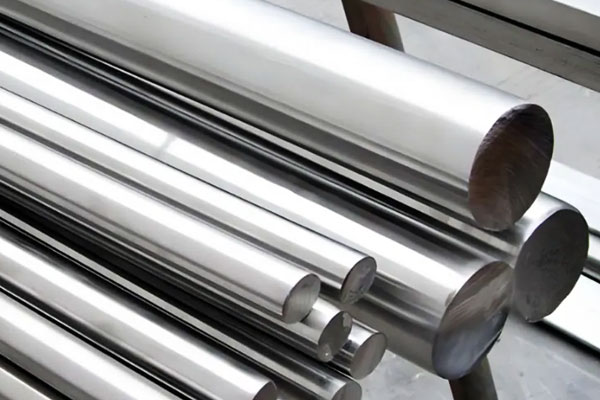
Аұздық тот баспайтын болаттардан айырмашылығы (сияқты 304 жіне 316), which rely on nickel for corrosion resistance and formability,
martensitic steels like 440B contain higher carbon levels to achieve superior hardness and edge retention.
Martensitic Stainless Steel Characteristics:
- High strength and hardness due to the formation of martensite during heat treatment.
- Moderate to good corrosion resistance, particularly in mild atmospheric and freshwater environments.
- Magnetic properties, making it suitable for applications requiring magnetic clamping.
- Тамаша тозуға төзімділік, Мұны кесу үшін өте ыңғайлы, пішка, and precision components.
3. Physical and Mechanical Properties of 440B Stainless Steel
Understanding the physical and mechanical properties of 440B stainless steel is crucial for determining its suitability in various industrial applications.
Physical Properties of 440B Stainless Steel
The physical properties of 440B contribute to its durability, thermal behavior, және қоршаған орта факторларына төзімділік. Below is a detailed overview of its key physical characteristics:
| Мүлік | Бағалау | Маңыз |
|---|---|---|
| Тығыздық | 7.7 g / cm³ (0.278 LB / on³) | Moderate density, providing a balance between strength and weight. |
| Жылу өткізгіштік | 15.9 W /(мом) | Тиімді жылуды тарату, important for cutting tools and wear-resistant components. |
| Нақты жылу сыйымдылығы | 0.43 J / ° C | Determines heat absorption and retention during machining and heat treatment. |
| Электрлік кедергісі | ~600 nΩ·m | Higher than that of carbon steels, influencing its use in electrical applications. |
| Жылу кеңеюінің коэффициенті | 10.2 × 10⁻⁶ /°C (at 20-100°C) | Expansion must be considered in applications involving temperature fluctuations. |
Analysis of Physical Properties
- Тығыздық: 440B is moderately dense, making it suitable for applications where weight is a concern, such as precision tools and medical instruments.
- Жылу өткізгіштік: Its relatively low thermal conductivity means heat tends to remain localized during machining or friction-intensive applications, which can affect cutting tool performance.
- Электрлік кедергісі: Higher resistivity than carbon steels limits its use in electrical applications but is beneficial for reducing galvanic corrosion when in contact with other metals.
- Жылу кеңеюі: The coefficient of thermal expansion is moderate, so dimensional changes must be considered when designing parts exposed to temperature variations.
Mechanical Properties of 440B Stainless Steel
The mechanical properties of 440B stainless steel make it a highly durable and wear-resistant material.
Its high hardness and strength allow it to perform well in cutting, Құралдар, and wear-intensive applications.
| Мүлік | Бағалау | Маңыз |
|---|---|---|
| Қаттылық (сөндірілгендей) | 53 - 58 Ткект | High hardness provides excellent wear resistance and edge retention. |
| Созылу күші | ~134.1 KSI (~925 MPa) | Strong tensile properties allow it to withstand high mechanical stress. |
| Бергі күш | ~80 KSI (~ 550 mPA) | Can handle significant loads before permanent deformation occurs. |
| Іуу | ~10 – 12% | Moderate elongation provides some ductility, though limited compared to austenitic stainless steels. |
| Серпімділік модулі (Жас модуль) | 200 Gpa (31.183 Кси) | Indicates stiffness and resistance to deformation under stress. |
| Әсер ету қаттылық | Байсалды | Provides sufficient toughness for structural applications but is lower than softer stainless steels due to its high carbon content. |
Analysis of Mechanical Properties
Қиындық пен тозу кедергісі
One of the defining characteristics of 440B stainless steel is its Жоғары қаттылық (53 - 58 Ткект) Дұрыс термиялық өңдеуден кейін. This property makes it particularly well-suited for:
- Кесетін құралдар
- Knife blades
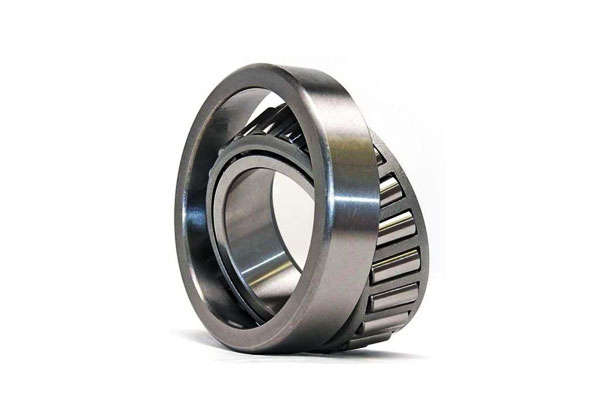
- Precision bearings
- Қалыптың құрамдас бөліктері
Тенсиле және беріктік күш
A көмегімен tensile strength of approximately 134.1 Кси (~925 MPa) және а yield strength of around 80 Кси (~ 550 mPA), 440B offers excellent resistance to mechanical stress.
This allows it to withstand high loads in applications such as:
- Aerospace and automotive components
- High-stress industrial machinery parts
- Surgical tools that require strength and durability
Ықтимал және қалаусыздық
While 440B is not as ductile as austenitic stainless steels, сондай-ақ elongation of 10-12% provides some degree of formability.
Дегенмен, excessive deformation can lead to cracking, particularly in cold-working operations. This makes it less suitable for applications requiring significant shaping or bending.
Серпімділік модулі (Stiffness and Rigidity)
Та серпімділік модулі (200 GPa or 31.183 Кси) reflects the material’s stiffness and resistance to deformation under stress.
This means 440B maintains its shape well under mechanical loads, which is essential for components that require dimensional stability over time.
Impact Toughness and Brittle Behavior
Although 440B exhibits moderate impact toughness, its high carbon content makes it Неғұрлым нәзік than lower-carbon stainless steels.
This limits its suitability for applications subject to extreme impact or shock loads.
It performs well in controlled environments but is less resistant to sudden force compared to steels like 420 or certain tool steels with added toughness-enhancing elements.
Comparing 440B with Other Martensitic Stainless Steels
To further understand 440B’s mechanical behavior, it is useful to compare it with other stainless steels:
| Мүлік | 440А | 440Б | 440Б | 420 |
|---|---|---|---|---|
| Көміртегі (%) | 0.60 - 0.75 | 0.75 - 0.95 | 0.95 - 1.20 | 0.15 - 0.40 |
| Қаттылық (Ткект) | 50 - 56 | 53 - 58 | 58 - 60 | 48 - 52 |
| Созылу күші (Кси) | ~108 | ~134 | ~148 | ~ 90 |
| Тозуға төзімділік | Байсалды | Биік | Өте жоғары | Аласа |
| Коррозияға төзімділік | Higher than 440B | Байсалды | Lower than 440B | Биік |
| Айналымдылық | Жақсы | Байсалды | Ауыр | Жақсы |
| Қаттылық | Байсалды | Байсалды | Lower than 440B | Биік |
4. Жылу өңдеу процестері
Ақша салу
Annealing 440B involves uniformly heating the material to between 1550°F and 1600°F (843-871° °) followed by controlled, slow cooling in a furnace.
This process relieves internal stresses and improves machinability without sacrificing corrosion resistance.
Стрессті жеңілдету
To further reduce internal stresses, 440B is often heated uniformly to around 1202°F (650° °) -ге 1-2 hours before being slowly cooled.
This step is critical for ensuring dimensional stability in precision applications.
Тұндыру және температура
Given its high carbon content, 440B requires careful quenching to avoid thermal shock; water quenching is typically avoided to prevent cracking or warping.
Орнына, alternative quenching media are used. Tempering is then carried out at 300-350°F (149-177° °)
for at least one hour to balance hardness with toughness, thereby optimizing the steel’s performance in its final application.
Impact on Microstructure
These heat treatment processes modify the steel’s microstructure, enhancing its wear resistance, Жиектерді сақтау, and overall mechanical performance.
The result is a material that meets the stringent requirements of high-precision applications while maintaining excellent durability.
5. Surface Treatments and Finishing Techniques
Surface treatments further enhance the performance and longevity of 440B stainless steel:
Passivation and Nitriding
Passivation removes free iron from the surface, thereby improving corrosion resistance.
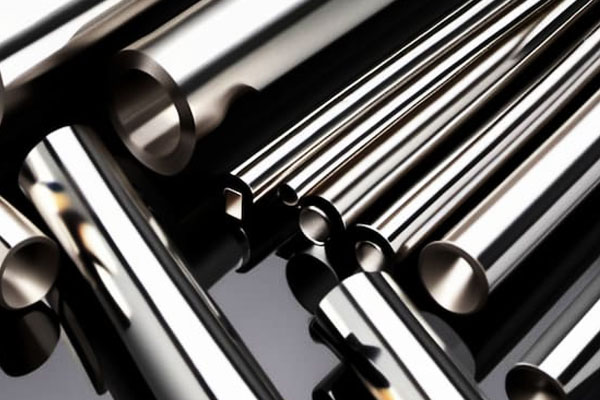
Нитраж introduces nitrogen into the surface layer, increasing hardness and wear resistance, which is especially beneficial for components subject to high friction.
PVD / CVD жабындары
Physical and Chemical Vapor Deposition methods deposit thin, protective coatings that enhance surface hardness, үйкелісті азайтыңыз, and further improve corrosion resistance.
These coatings are critical in extending the service life of 440B in harsh operating conditions.
Жасыру
Shot peening applies high-speed impacts to the material’s surface, inducing compressive stresses that improve fatigue life and prevent stress corrosion.
This process is vital for components that undergo cyclic loading and high-impact conditions.
Post-Processing Impact
Combined, these surface treatments not only extend the material’s service life but also enhance its aesthetic appeal, making 440B suitable for both functional and decorative applications.
6. Machinability and Processing Considerations
Machinability Overview
The machinability of 440B stainless steel resembles that of high-speed steel due to its high carbon content.
While its hardness can present machining challenges, proper tooling and optimized machining parameters enable efficient material removal.
Өңдеу техникасы
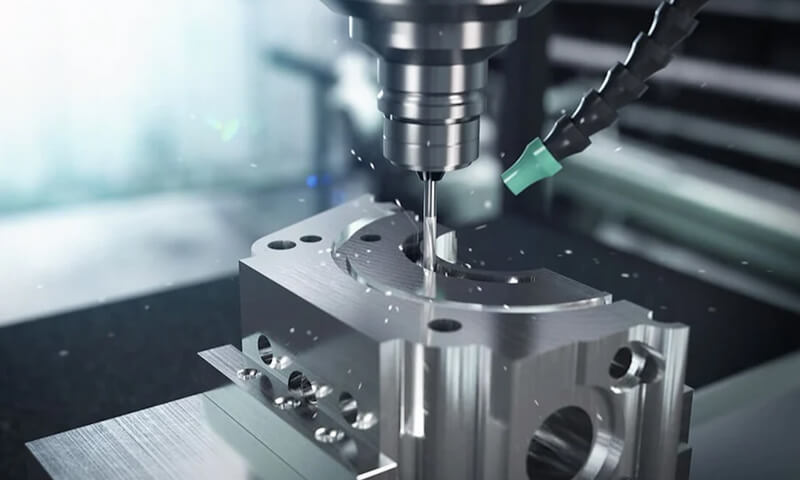
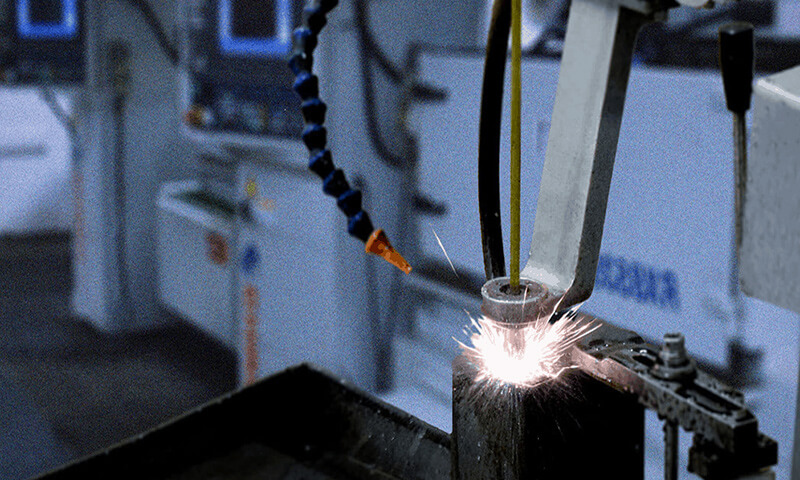
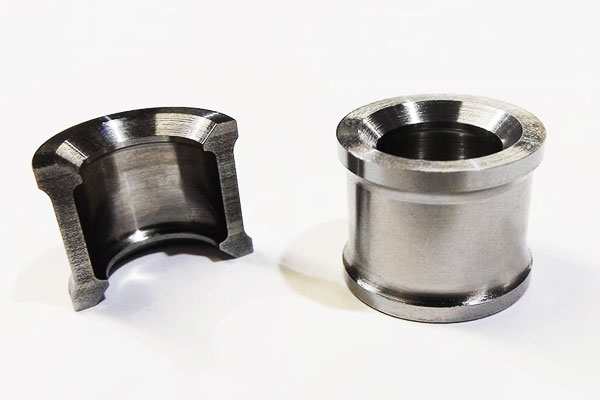
Conventional machining methods such as CNC бұру жіне РеТМ are frequently employed to achieve high-precision components from 440B.
Special considerations include using chip breakers and maintaining controlled cutting speeds and feed rates to manage chip formation effectively.
Tooling Requirements and Process Optimization
To minimize issues like surface decarburization, manufacturers employ specific tooling solutions and coolant strategies.
Process optimization, including parameter adjustment and real-time monitoring, helps to reduce tool wear and achieve consistent part quality.
7. Өнеркәсіптік қосымшалар
440B stainless steel finds broad applications across various industries due to its balanced properties:
Қалыптау
Its high wear resistance and excellent polishability make 440B ideal for producing molds used in plastic machining and other chemically aggressive environments.
Medical and Surgical Instruments
Due to its ability to be sterilized without degradation, 440B is widely used for manufacturing surgical and dental instruments.
Its superior edge retention and precision contribute to the production of high-quality medical tools.
Tooling and Cutting Tools
440B serves as a substitute for conventional tool steels in high-wear environments. Its durability and hardness make it suitable for producing cutting tools, өледі, and other industrial tooling components.
Additional Applications
Аэроғарыш сияқты салалар, автомобиль, and consumer products also benefit
from 440B’s performance, particularly in applications that require a combination of strength, дәлдік, and aesthetic quality.
8. Advantages and Disadvantages of 440B Stainless Steel
Астында, we delve into both the advantages and disadvantages of 440B stainless steel, providing an objective analysis to help manufacturers and engineers make informed material choices.
Артықшылықтары
Керемет коррозияға төзімділік:
Thanks to its chromium content of 17-19%, 440B stainless steel develops a robust passive oxide layer.
This protective barrier significantly enhances its resistance to corrosion in mild acidic environments, organic materials, and fresh water vapor.
Мүмкін, it exceeds the 10.5% chromium threshold required for stainless classification, ensuring reliability in corrosive conditions.
Exceptional Wear Resistance and Hardness:
440B exhibits a hardness range of 53–58 HRC and scores a 6 тыс 6 on the wear resistance scale.
These properties deliver excellent edge retention and durability, making 440B particularly suitable for high-wear applications such as cutting tools, қалыптар, and precision instruments.
Its performance often mirrors that of tool steels, providing consistent results in environments where durability is critical.
Excellent Polishability and Aesthetic Appeal:
The alloy’s ability to be polished to a high-quality finish is a significant advantage in applications where both performance and appearance matter.
This characteristic is especially valuable in the production of surgical instruments and consumer products, where aesthetics and surface quality are paramount.
Balanced Mechanical Strength:
Шамамен созылу күші бар 134.1 KSI and a Young’s modulus of around 200 Gpa, 440B delivers robust mechanical properties.
These figures ensure that the material can withstand high mechanical stresses, making it suitable for structural components in demanding applications such as aerospace and automotive industries.
Кемшіліктері
Moderate Cold Workability:
While 440B offers excellent hardness and wear resistance, its high carbon content reduces its cold workability.
The material is sensitive to surface decarburization during cold annealing processes, which can affect the final mechanical properties if not properly controlled.
Өте өңдеу қиындықтар:
Due to its elevated hardness, machining 440B can prove more difficult compared to lower-carbon stainless steels.
The material requires specialized cutting tools—such as carbide inserts with advanced coatings—and carefully optimized machining parameters to avoid premature tool wear.
This complexity often results in higher production costs and longer processing times.
Limitations Under Extreme Conditions:
Although 440B performs admirably in mildly corrosive and moderate-temperature environments, its performance may diminish in extremely high-temperature or aggressive corrosive conditions.
Мұндай жағдайларда, alternatives like austenitic stainless steels may offer superior performance, particularly where enhanced ductility and corrosion resistance are required.
Higher Initial Processing Costs:
The need for specialized heat treatment and surface finishing techniques, such as nitriding and PVD/CVD coatings, can elevate the overall processing cost of 440B.
While these treatments enhance its performance and longevity, they also contribute to higher manufacturing expenses, which must be weighed against the material’s benefits.
9. Қорытынды
440B stainless steel represents a unique blend of corrosion resistance, қаттылық, және эстетикалық тартымдылық.
Its high chromium and carbon content deliver tool steel-like properties that are essential in mold making, Хирургиялық аспаптар, және дәлдік құралдары.
Although machining and processing 440B pose challenges due to its high hardness and sensitivity to cold work,
these can be mitigated with optimized heat treatments, advanced tooling, and eco-friendly surface treatments.
As digital technologies and sustainability practices continue to evolve, 440B stainless steel is well-positioned
to remain a material of choice for high-precision, high-performance applications across diverse industries.
Manufacturers who invest in innovative processing and surface treatment methods can fully leverage the unique properties of 440B,
ensuring long-lasting, high-quality components that meet the stringent demands of today’s competitive market.
If you’re looking for high-quality 440B hardenable Stainless Steel parts, таңдау Осы Сіздің өндірістік қажеттіліктеріңіз үшін тамаша шешім.