1. Hōʻikeʻike
I ka hana wikiwikiʻana i kēia lā, cutting technologies are pivotal in shaping materials with precision and efficiency.
With technological advancements, manufacturers now have access to various cutting methods, each catering to different needs and applications.
Among the most popular options are EDM (Hoʻokomoʻia ka uila uila), Laser, Wai wai, and Plasma cutting.
Each method has unique features, Nā ikaika, a me nā palena, making it essential to understand which technique best suits your specific project requirements.
This blog comprehensively compares these four cutting technologies, helping you make an informed decision.
2. What Is CNC Cutting?
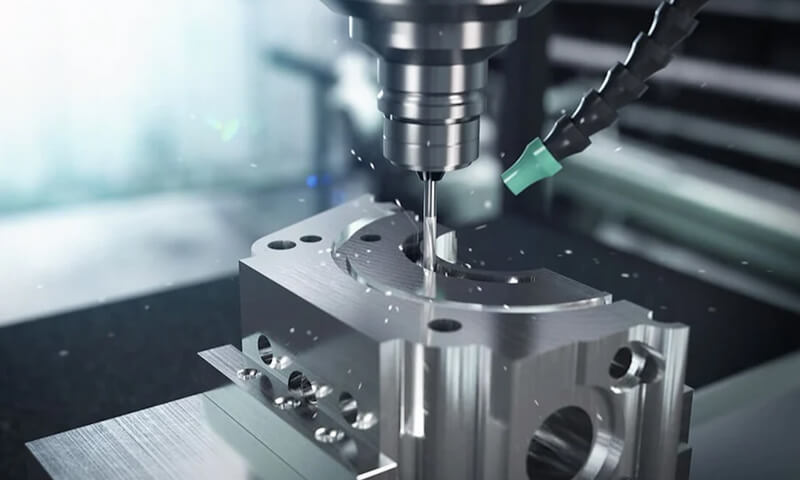
Cnc (ʻO ka mana helu kamepiula) cutting is a cutting-edge manufacturing technology that utilizes computer-guided machinery to perform precise cuts, hoʻokaʻawale, and drilling on various materials, komo me nā metals, Nā Plasttics, Wood, a me nā hoʻohui.
This technology has revolutionized material processing, offering unparalleled accuracy, ʻOiaʻiʻo, a me ka hoihoi.
How Does CNC Cutting Work?
The CNC cutting process begins with creating a digital design in computer-aided design (Cad) 'Ōnaehana, which generates a detailed model of the desired product.
This CAD file is then converted into machine-readable instructions, directing the CNC machine’s movements.
Using these instructions, the CNC machine precisely maneuvers cutting tools to execute the design, achieving detailed and accurate cuts.
3. Overview of the Cutting Technologies
I ka hana hou, several cutting technologies are used to shape and cut materials into precise components.
Each technology has unique strengths and is suited for different types of materials, complexity of designs, a me nā koi hana.
Below is an overview of four popular cutting technologies: Edm (Hoʻokomoʻia ka uila uila), Cuter cuting, Kaʻokiʻana i ka wai, a ʻO kaʻokiʻana o Plasma.
Edm (Hoʻokomoʻia ka uila uila)
ʻO wehewehe:
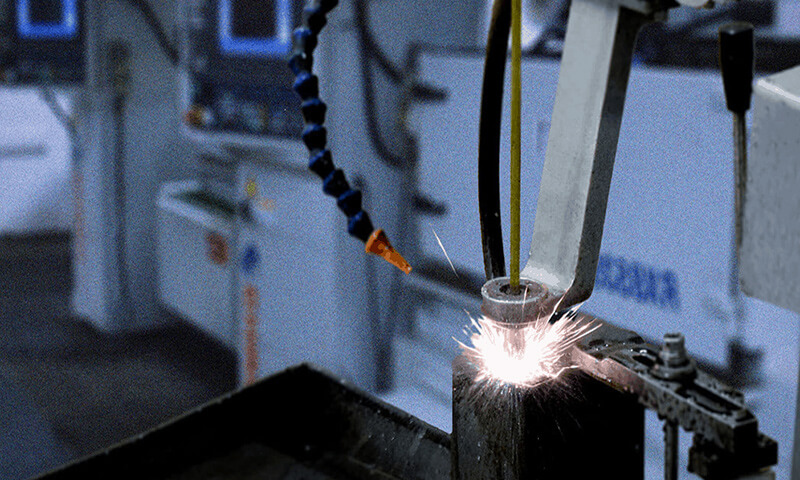
EDM uses electrical sparks to erode material from a workpiece. It’s a non-mechanical process, meaning no cutting tools physically touch the material.
', electrical discharges are used to melt and remove material from the workpiece surface.

Noi:
EDM is ideal for cutting hard metals and producing intricate designs, such as those used in toolmaking, mold manufacturing, a me nā lunaʻo Aerospace.
Nā hiʻohiʻona nui:
- ʻO ka laulā kiʻekiʻe kiʻekiʻe, capable of producing fine details.
- Suitable for materials that are hard to machine with traditional methods.
- Slow cutting speed but highly accurate for small, nā'āpana paʻakikī.
Cuter cuting
ʻO wehewehe:
Laser cutting uses a focused beam of light to melt, 'Ehōʻike, or vaporize material along the cutting path.
The laser is precisely controlled by a computer to achieve detailed cuts in various materials.

Noi:
Laser cutting is popular in industries like automotive, AerERPPACE, and signage for cutting thin to medium-thick metals, Nā Plasttics, a me ka laau.
Nā hiʻohiʻona nui:
- Offers high precision and clean cuts.
- Ideal for cutting intricate shapes and fine details.
- Works best with thinner materials but can handle thicker metals at slower speeds.
Kaʻokiʻana i ka wai
ʻO wehewehe:
Waterjet cutting uses a high-pressure jet of water, hui pinepineʻia me nā abrasives, to cut through materials.
It’s a cold-cutting process, meaning no heat is involved, which eliminates heat-affected zones.

Noi:
Used in industries such as stone cutting, AerERPPACE, aitompetitive, a me ka hoʻomaʻamaʻa meaʻai.
Waterjet cutting is capable of cutting a wide variety of materials, from metals and ceramics to plastics and rubber.
Nā hiʻohiʻona nui:
- Versatile and can cut a wide range of materials without altering material properties.
- No heat distortion, making it ideal for heat-sensitive materials.
- Slower than laser cutting but can handle much thicker materials.
ʻO kaʻokiʻana o Plasma
ʻO wehewehe:
Plasma cutting uses an electrically ionized gas (plasma) to cut metals by heating them to a high temperature and blowing away the molten material.
This process is commonly used to cut metals with high melting points.

Noi:
Plasma cutting is widely used in the manufacturing of sheet metal, kūkulu hoʻi, and shipbuilding for cutting thicker metals, e like me ke kila, aluminum, a me ke kila kila.
Nā hiʻohiʻona nui:
- Fast cutting speed, ideal for large-scale production.
- Primarily used for conductive metals.
- Can produce rougher edges compared to other cutting methods, but suitable for cutting thick materials.
4. Edm vs laser vs topjet vs plasma: Which One is the Best CNC Cutting Method
When choosing the proper CNC cutting technology for your project, understanding the pros and limitations of each method is essential.
Here’s a brief comparison of EDM, Laser, Wai wai, and Plasma cutting to help you determine which one is the best fit for your needs
EDM Cutting vs Laser Cutting: A Detailed Comparison
1. ʻO nā kūpono kūpono
-
- Nā ikaika: Ideal for conductive materials such as hardened steel, Titanium, turmesn carbide, and other electrically conductive metals.
- PAHUI: Limited to materials that can conduct electricity, ruling out non-conductive materials like ceramics or plastics.
- Cuter cuting:
-
- Nā ikaika: Kūhula, capable of cutting a wide range of materials including metals (aluminum, kila kohu ʻole, liulaala), Nā Plasttics, Wood, Nā Kūlana, Nā Hoʻohui, and even some fabrics.
- PAHUI: Less effective on highly reflective materials without proper adjustments to the laser settings.
2. Pololei a pololei
- EDM Cutting:
-
- Aiko: Achieves extremely tight tolerances, often down to ±0.0005 inches.
- Nā Hōʻailona: Excellent for producing fine details and complex geometries with no mechanical stress on the material.
- Paulapua: Produces a high-quality surface finish, reducing the need for secondary operations.
- Cuter cuting:
-
- Aiko: Typically achieves tolerances around ±0.005 inches, which is still highly precise but not as tight as EDM.
- Nā Hōʻailona: Capable of intricate cuts and small features, though less suited for extremely fine details compared to EDM.
- Paulapua: Delivers clean edges with minimal burrs, although heat-affected zones may require post-processing.
3. ʻOki wikiwiki
- EDM Cutting:
-
- Wikiwiki: Generally slower due to the nature of the process, especially for intricate designs and hard materials.
- Noi: Best for low-volume production runs where precision outweighs speed.
- Cuter cuting:
-
- Wikiwiki: Faster for thin materials and simpler cuts. Akā naʻe,, speed decreases significantly with thicker materials.
- Noi: Suitable for both low and high-volume production, depending on material thickness and complexity.
4. Thickness Capabilities
- EDM Cutting:
-
- Nā haʻona: Can handle materials up to several inches thick, particularly effective for very hard or intricate parts.
- Noi: Ideal for aerospace components, Nā'Upō, and dies that require extreme precision and strength.
- Cuter cuting:
-
- Nā haʻona: Limited to approximately 1 inch for most metals, although some lasers can cut slightly thicker materials.
- Noi: Commonly used for sheet metal fabrication, nā'āpana automothetive, a me nā'āpana uila.
5. Wela wela (Haz)
- EDM Cutting:
-
- Hopena: No heat-affected zone, preserving material properties and integrity.
- Loaʻa: Prevents thermal distortion and changes in material hardness, crucial for delicate or heat-sensitive applications.
- Cuter cuting:
-
- Hopena: Creates a heat-affected zone, which can alter material properties near the cut edge.
- Mau olelo: May require post-processing to remove or mitigate HAZ effects, especially for critical applications.
6. Kumukūʻai a me ka maikaʻi
- EDM Cutting:
-
- Nā kumu kūʻai mua: Higher due to specialized equipment and setup time.
- Nā uku hana: Lower operational costs once set up, especially for low-volume, high-precision work.
- Ka hoʻohanaʻana i ka pilina: Relatively low energy consumption compared to laser cutting.
- Cuter cuting:
-
- Nā kumu kūʻai mua: High initial investment for laser systems.
- Nā uku hana: Higher operational costs are driven by energy consumption and maintenance.
- Ka hoʻohanaʻana i ka pilina: Significant energy consumption, particularly for high-power lasers.
7. Hopena kaiaulu
- EDM Cutting:
-
- Hoʻoili pio: Minimal waste, but requires careful disposal of dielectric fluid used during the cutting process.
- Sustaintability: Low environmental impact overall.
- Cuter cuting:
-
- Hoʻoili pio: Generates fumes and dust, requiring ventilation and filtration systems.
- Sustaintability: Higher energy consumption contributes to a larger carbon footprint.
Hopena: Choosing Between EDM and Laser Cutting
For Extreme Precision and Hard Materials: If your project demands extreme precision, especially when working with hard materials like hardened steel or titanium, EDM cutting is the superior choice.
It excels in producing fine details without causing thermal damage, making it ideal for aerospace, Nā Pūnaewele Pūnaewele, and tooling applications.
For Versatility and High-Speed Production: When versatility and speed are priorities, and you’re dealing with a variety of materials including thinner metals, Nā Plasttics, a iʻole nā hui,
laser cutting offers a compelling solution. Its ability to handle diverse materials and achieve high-speed production makes it suitable for industries like automotive, nā leka uila, a me nā meaʻala kala.
Laser Cutting vs Waterjet Cutting: Kahi hoʻohālikelike hoʻohālikelike
1. ʻO nā kūpono kūpono
- Cuter cuting:
-
- Nā ikaika: Highly versatile, capable of cutting metals (aluminum, kila kohu ʻole, liulaala), Nā Plasttics, Wood, Nā Kūlana, Nā Hoʻohui, and even some fabrics.
- PAHUI: Less effective on highly reflective materials like copper or aluminum without proper adjustments to the laser settings.
Not suitable for non-metallic materials that do not absorb laser energy efficiently.
- Kaʻokiʻana i ka wai:
-
- Nā ikaika: Cuts almost any material, komo me nā metals, Kāhele, aniani, Nā Hoʻohui, Kauwili, a me nā plastics. Ideal for materials sensitive to heat.
- PAHUI: Performance can be affected by extremely hard or abrasive materials, but still more versatile than laser cutting in terms of material types.
2. Pololei a pololei
- Cuter cuting:
-
- Aiko: Achieves high precision with tolerances around ±0.005 inches, making it suitable for detailed and intricate cuts.
- Paulapua: Delivers clean edges with minimal burrs, although heat-affected zones may require post-processing.
- Nā Hōʻailona: Excellent for small features and fine details but less suited for extremely complex geometries compared to waterjet.
- Kaʻokiʻana i ka wai:
-
- Aiko: Provides moderate precision with tolerances around ±0.005 inches, comparable to laser cutting.
- Paulapua: Produces a smooth edge with no heat-affected zones, eliminating thermal distortion.
- Nā Hōʻailona: Capable of handling complex shapes and contours without losing accuracy, ʻO ka hana kūpono no nā hoʻolālā hoʻolālā.
3. ʻOki wikiwiki
- Cuter cuting:
-
- Wikiwiki: Faster for thin materials and simpler cuts. Akā naʻe,, speed decreases significantly with thicker materials.
- Noi: Suitable for high-volume production of thin materials, such as sheet metal fabrication and electronics components.
- Kaʻokiʻana i ka wai:
-
- Wikiwiki: Generally slower than laser cutting, especially for complex cuts. Akā naʻe,, maintains consistent speed across various material thicknesses.
- Noi: Best for low to medium-volume production where precision and material versatility are crucial.
4. Thickness Capabilities
- Cuter cuting:
-
- Nā haʻona: Limited to approximately 1 inch for most metals, although some lasers can cut slightly thicker materials.
- Noi: Commonly used for sheet metal fabrication, nā'āpana automothetive, a me nā'āpana uila.
- Kaʻokiʻana i ka wai:
-
- Nā haʻona: Efficiently cuts materials up to 1 foot thick, making it suitable for very thick materials.
- Noi: Ideal for cutting thick metals, Kāhele, aniani, and other materials that laser cutting cannot handle effectively.
5. Wela wela (Haz)
- Cuter cuting:
-
- Hopena: Creates a heat-affected zone, which can alter material properties near the cut edge.
- Mau olelo: May require post-processing to remove or mitigate HAZ effects, especially for critical applications.
- Kaʻokiʻana i ka wai:
-
- Hopena: No heat-affected zone, preserving material properties and integrity.
- Loaʻa: Prevents thermal distortion and changes in material hardness, crucial for delicate or heat-sensitive applications.
6. Kumukūʻai a me ka maikaʻi
- Cuter cuting:
-
- Nā kumu kūʻai mua: High initial investment for laser systems.
- Nā uku hana: Higher operational costs are driven by energy consumption and maintenance.
- Ka hoʻohanaʻana i ka pilina: Significant energy consumption, particularly for high-power lasers.
- Kaʻokiʻana i ka wai:
-
- Nā kumu kūʻai mua: Moderate initial costs for waterjet systems.
- Nā uku hana: Higher operating costs due to water and abrasive consumption.
- Ka hoʻohanaʻana i ka pilina: Lower energy consumption compared to laser cutting.
7. Hopena kaiaulu
- Cuter cuting:
-
- Hoʻoili pio: Generates fumes and dust, requiring ventilation and filtration systems.
- Sustaintability: Higher energy consumption contributes to a larger carbon footprint.
- Kaʻokiʻana i ka wai:
-
- Hoʻoili pio: Eco-friendly, recycles water, and minimizes waste. Abrasive materials need proper disposal.
- Sustaintability: Lower environmental impact overall, especially when using recyclable abrasives.
Hopena: Choosing Between Laser and Waterjet Cutting
For Thin Materials and High-Speed Production: If your project involves cutting thin materials like sheet metal, Nā Plasttics, a iʻole nā hui, and you require high-speed production,
laser cutting offers an efficient and precise solution. Its ability to handle diverse materials and achieve high-speed production makes it ideal for industries like automotive, nā leka uila, a me nā meaʻala kala.
For Thick Materials and Material Versatility: When working with thick materials such as metals, Kāhele, aniani, or composite materials, or if you need to avoid heat-affected zones, waterjet cutting stands out.
It excels in cutting thick materials with precision and maintaining material integrity, making it suitable for applications in construction, AerERPPACE, and custom fabrication.
Waterjet Cutting vs Plasma Cutting: A Detailed Comparison
1. ʻO nā kūpono kūpono
- Kaʻokiʻana i ka wai:
-
- Nā ikaika: Cuts almost any material, komo me nā metals (Kukui Kekuhi, aluminum, Titanium), Kāhele, aniani, Kauwili, Nā Plasttics, a me nā hoʻohui. It is especially beneficial for materials sensitive to heat.
- PAHUI: Performance can be affected by extremely hard or abrasive materials, but still offers broad versatility.
- ʻO kaʻokiʻana o Plasma:
-
- Nā ikaika: Primarily effective for conductive materials, particularly metals like steel, aluminum, a me ke keleawe. Ideal for thick metals.
- PAHUI: Limited to electrically conductive materials, ruling out non-conductive options like ceramics or wood.
2. Pololei a pololei
- Kaʻokiʻana i ka wai:
-
- Aiko: Provides high precision with tolerances around ±0.005 inches.
- Paulapua: Produces smooth edges with no heat-affected zones, eliminating thermal distortion.
- Nā Hōʻailona: Capable of handling complex shapes and contours without losing accuracy, ʻO ka hana kūpono no nā hoʻolālā hoʻolālā.
- ʻO kaʻokiʻana o Plasma:
-
- Aiko: Ka liʻiliʻi loa, with tolerances up to ±0.020 inches.
- Paulapua: This creates a rougher edge compared to waterjet, often requiring post-processing to achieve smoother finishes.
- Nā Hōʻailona: Suitable for simpler cuts and less detailed work due to its lower precision.
3. ʻOki wikiwiki
- Kaʻokiʻana i ka wai:
-
- Wikiwiki: Generally slower than plasma cutting, especially for complex cuts. Akā naʻe,, maintains consistent speed across various material thicknesses.
- Noi: Best for low to medium-volume production where precision and material versatility are crucial.
- ʻO kaʻokiʻana o Plasma:
-
- Wikiwiki: Extremely fast for thick metals, ʻO ka maikaʻi no ka hana kiʻekiʻe-Volume High. Faster cutting speeds for thicker materials compared to waterjet.
- Noi: Suited for rapid cutting and large-scale projects, particularly in industries requiring quick turnaround times.
4. Thickness Capabilities
- Kaʻokiʻana i ka wai:
-
- Nā haʻona: Efficiently cuts materials up to 1 foot thick, making it suitable for very thick materials.
- Noi: Ideal for cutting thick metals, Kāhele, aniani, and other materials that plasma cutting cannot handle effectively.
- ʻO kaʻokiʻana o Plasma:
-
- Nā haʻona: Works well with materials up to 6 iniha nui, particularly effective for thick metals.
- Noi: Commonly used for cutting thick metal plates in industries like shipbuilding, kūkulu hoʻi, and heavy machinery manufacturing.
5. Wela wela (Haz)
- Kaʻokiʻana i ka wai:
-
- Hopena: No heat-affected zone, preserving material properties and integrity.
- Loaʻa: Prevents thermal distortion and changes in material hardness, crucial for delicate or heat-sensitive applications.
- ʻO kaʻokiʻana o Plasma:
-
- Hopena: Generates a significant heat-affected zone, which can alter material properties near the cut edge.
- Mau olelo: May require post-processing to remove or mitigate HAZ effects, especially for critical applications.
6. Kumukūʻai a me ka maikaʻi
- Kaʻokiʻana i ka wai:
-
- Nā kumu kūʻai mua: Moderate initial costs for waterjet systems.
- Nā uku hana: Higher operating costs due to water and abrasive consumption.
- Ka hoʻohanaʻana i ka pilina: Lower energy consumption compared to plasma cutting.
- ʻO kaʻokiʻana o Plasma:
-
- Nā kumu kūʻai mua: Lower initial costs and moderate operational expenses, making it cost-effective for large volumes.
- Nā uku hana: Moderate operational costs, driven by consumables like electrodes and gases.
- Ka hoʻohanaʻana i ka pilina: Relatively higher energy consumption, particularly for high-power plasma systems.
7. Hopena kaiaulu
- Kaʻokiʻana i ka wai:
-
- Hoʻoili pio: Eco-friendly, recycles water, and minimizes waste. Abrasive materials need proper disposal.
- Sustaintability: Lower environmental impact overall, especially when using recyclable abrasives.
- ʻO kaʻokiʻana o Plasma:
-
- Hoʻoili pio: Generates fumes and requires ventilation systems to manage emissions.
- Sustaintability: Higher environmental impact due to energy consumption and potential emissions from cutting processes.
Hopena: Choosing Between Waterjet and Plasma Cutting
For Precision and Material Versatility: If your project demands high precision and involves a wide range of materials, including those sensitive to heat, waterjet cutting is the superior choice.
It excels in producing fine details and maintaining material integrity, Ke kūpono nei i nā noi no ka aerospace, custom fabrication, and artistic endeavors.
For Speed and Thick Metal Cutting: When working with thick metals and requiring rapid, efficient cutting, plasma cutting stands out.
Its speed and effectiveness in handling thick metal plates make it suitable for industries like shipbuilding, kūkulu hoʻi, and heavy machinery manufacturing, where high-volume production is essential.
EDM Cutting vs Plasma Cutting: A Detailed Comparison
1. ʻO nā kūpono kūpono
- EDM Cutting:
-
- Nā ikaika: Ideal for conductive materials such as hardened steel, Titanium, turmesn carbide, and other electrically conductive metals.
- PAHUI: Limited to materials that can conduct electricity, ruling out non-conductive materials like ceramics or plastics.
- ʻO kaʻokiʻana o Plasma:
-
- Nā ikaika: Primarily effective for conductive materials, particularly metals like steel, aluminum, a me ke keleawe. Ideal for thick metals.
- PAHUI: Limited to electrically conductive materials, similar to EDM, but more suited for thicker and less intricate cuts.
2. Pololei a pololei
- EDM Cutting:
-
- Aiko: Achieves extremely tight tolerances, often down to ±0.0005 inches.
- Paulapua: Produces a high-quality surface finish with no mechanical stress on the material, reducing the need for secondary operations.
- Nā Hōʻailona: Excellent for producing fine details and complex geometries without causing thermal damage.
- ʻO kaʻokiʻana o Plasma:
-
- Aiko: Ka liʻiliʻi loa, with tolerances up to ±0.020 inches.
- Paulapua: This creates a rougher edge compared to EDM, often requiring post-processing to achieve smoother finishes.
- Nā Hōʻailona: Suitable for simpler cuts and less detailed work due to its lower precision.
3. ʻOki wikiwiki
- EDM Cutting:
-
- Wikiwiki: Generally slower due to the nature of the process, especially for intricate designs and hard materials.
- Noi: Best for low-volume production runs where precision outweighs speed.
- ʻO kaʻokiʻana o Plasma:
-
- Wikiwiki: Extremely fast for thick metals, ʻO ka maikaʻi no ka hana kiʻekiʻe-Volume High. Faster cutting speeds for thicker materials compared to EDM.
- Noi: Suited for rapid cutting and large-scale projects, particularly in industries requiring quick turnaround times.
4. Thickness Capabilities
- EDM Cutting:
-
- Nā haʻona: Can handle materials up to several inches thick, particularly effective for very hard or intricate parts.
- Noi: Ideal for aerospace components, Nā'Upō, and dies that require extreme precision and strength.
- ʻO kaʻokiʻana o Plasma:
-
- Nā haʻona: Works well with materials up to 6 iniha nui, particularly effective for thick metals.
- Noi: Commonly used for cutting thick metal plates in industries like shipbuilding, kūkulu hoʻi, and heavy machinery manufacturing.
5. Wela wela (Haz)
- EDM Cutting:
-
- Hopena: No heat-affected zone, preserving material properties and integrity.
- Loaʻa: Prevents thermal distortion and changes in material hardness, crucial for delicate or heat-sensitive applications.
- ʻO kaʻokiʻana o Plasma:
-
- Hopena: Generates a significant heat-affected zone, which can alter material properties near the cut edge.
- Mau olelo: May require post-processing to remove or mitigate HAZ effects, especially for critical applications.
6. Kumukūʻai a me ka maikaʻi
- EDM Cutting:
-
- Nā kumu kūʻai mua: Higher due to specialized equipment and setup time.
- Nā uku hana: Lower operational costs once set up, especially for low-volume, high-precision work.
- Ka hoʻohanaʻana i ka pilina: Relatively low energy consumption compared to plasma cutting.
- ʻO kaʻokiʻana o Plasma:
-
- Nā kumu kūʻai mua: Lower initial costs and moderate operational expenses, making it cost-effective for large volumes.
- Nā uku hana: Moderate operational costs, driven by consumables like electrodes and gases.
- Ka hoʻohanaʻana i ka pilina: Relatively higher energy consumption, particularly for high-power plasma systems.
7. Hopena kaiaulu
- EDM Cutting:
-
- Hoʻoili pio: Minimal waste, but requires careful disposal of dielectric fluid used during the cutting process.
- Sustaintability: Low environmental impact overall.
- ʻO kaʻokiʻana o Plasma:
-
- Hoʻoili pio: Generates fumes and requires ventilation systems to manage emissions.
- Sustaintability: Higher environmental impact due to energy consumption and potential emissions from cutting processes.
Hopena: Choosing Between EDM and Plasma Cutting
For Extreme Precision and Hard Materials: If your project demands extreme precision, especially when working with hard materials like hardened steel or titanium, EDM cutting is the superior choice.
It excels in producing fine details and maintaining material integrity without causing thermal damage, making it ideal for aerospace, Nā Pūnaewele Pūnaewele, and tooling applications.
For Speed and Thick Metal Cutting: When working with thick metals and requiring rapid, efficient cutting, plasma cutting stands out.
Its speed and effectiveness in handling thick metal plates make it suitable for industries like shipbuilding, kūkulu hoʻi, and heavy machinery manufacturing, where high-volume production is essential.
5. A Comparative Table
| Pili | EDM Cutting | Cuter cuting | Kaʻokiʻana i ka wai | ʻO kaʻokiʻana o Plasma |
|---|---|---|---|---|
| ʻO nā kūpono kūpono | Conductive materials | Various materials | Almost any material | Conductive materials |
| 'Clelo pololei | ± 0.0005 iniha | ±0.005 inches | ±0.005 inches | ±0.020 inches |
| ʻOki wikiwiki | Lohi | LāʻIke (kope), Lohi (kūlohelohe) | Loli | LāʻIke |
| Thickness Capabilities | Several inches | ~1 inch | A i 1 foot | A i 6 iniha |
| Kālā | Higher initial, lower ops | High initial, high ops | Moderate initial, high ops | Lower initial, moderate ops |
| Hopena kaiaulu | Minimal waste, and fluid disposal | Significant energy consumption | Eco-friendly, minimal waste | Heat generation, lihue |
6. Hopena
Choosing the right cutting technology depends on multiple factors such as material type, Pono kūpono, Ka Hoʻohuiʻana, a me nā mea kūʻai aku.
Each method brings unique advantages to the table.
Whether you value the unparalleled precision of EDM, the versatility of Laser, the eco-friendliness of Waterjet, or the speed of Plasma, there is a cutting method suited to every manufacturing challenge.
Ma ka hoʻomaopopoʻana i nā ikaika a me nā palena o kēlā me kēiaʻano, manufacturers can choose the optimal cutting technology to meet their production goals.
For expert guidance and customized solutions, consult with industry professionals——ʻO kēia.