1. Uvođenje
Kontrolni ventil je kritičan element u petlji upravljanja procesom, koristi se za regulaciju protoka fluida mijenjanjem veličine prolaza za protok.
Ovi ventili djeluju kao završni kontrolni elementi, prevođenje kontrolnih signala u precizno mehaničko kretanje kako bi se manipulisalo procesnim varijablama kao što je protok, pritisak, temperatura, i nivo.
Povijesno, regulacijski ventili su evoluirali od ručno upravljanih uređaja do potpuno automatiziranih sistema integriranih sa senzorima, digitalni kontroleri, i prediktivnu analitiku.
Njihov značaj je naglašen njihovim sveprisutnim prisustvom u industrijama koje zahtijevaju visoku pouzdanost i tačnost procesa, kao što je ulje & plin, hemikalija, Generacija energije, farmaceutski proizvodi, pulpa & papir, i tretman vode.
2. Šta je kontrolni ventil?
A kontrola ventil je precizan uređaj koji se koristi za regulaciju protoka, pritisak, temperatura, ili nivo tečnosti (tečnosti, gasovi, pare, ili kaša) u procesnom sistemu variranjem veličine protočnog prolaza.
Prima signal od procesnog kontrolera i prevodi taj signal u mehanički pokret koji prilagođava otvaranje ventila, čime se mijenja brzina protoka ili pritisak u sistemu kako bi se održali željeni procesni uvjeti.
Kao završni kontrolni element u automatizovanoj procesnoj petlji, regulacijski ventil igra ključnu ulogu u osiguravanju stabilnog rada, Kvaliteta proizvoda, energetska efikasnost, i operativnu sigurnost u raznim industrijskim sektorima.

Osnovni princip rada
Osnovni princip rada kontrolnog ventila uključuje moduliranje područja protoka kroz koju tečnost prolazi.
Kada regulator otkrije odstupanje od ciljne zadane vrijednosti (E.g., pritisak previsok), šalje kontrolni signal (obično 4–20 mA ili digitalni fieldbus protokoli) na aktuator ventila.
Pogon pomiče čep ventila, disk, lopta, ili leptir element za podešavanje putanje protoka. Ovo se nastavlja sve dok se izmjerena procesna varijabla ne vrati na zadanu vrijednost.
Ova kontrolna petlja sa povratnom spregom se sastoji od:
- Senzor: Mjeri procesnu varijablu (E.g., pritisak).
- Kontroler: Uspoređuje stvarnu vrijednost sa željenom vrijednošću.
- Pogon/ventil: Modifikuje protok tečnosti da ispravi odstupanje.
3. Osnovne komponente i konstrukcija kontrolnog ventila
Kontrolni ventili su precizno projektovani uređaji sastavljeni od nekoliko kritičnih komponenti.
Svaki od njih igra posebnu ulogu u modulaciji protoka tečnosti, osiguravanje tačnosti procesa, i održavanje pouzdanosti sistema u različitim radnim uslovima.
Stilovi karoserije ventila
Telo ventila je kućište koje održava pritisak u kojem se nalazi unutrašnji okvir i definiše put protoka.
Stil karoserije direktno utiče na kapacitet protoka, tačnost kontrole, i dostupnost održavanja.
Globe ventili
Globe ventili se najčešće koriste u kontrolnim aplikacijama zbog svojih superiornih karakteristika prigušivanja.

Unutarnja pregrada i linearno kretanje vretena pružaju preciznu regulaciju protoka u širokom rasponu pritisaka i temperatura.
Idealne su za paru, gasovi pod visokim pritiskom, i hemijski procesi kod kojih je stroga kontrola kritična.
Kuglasti ventili
Sadrži sferni element za zatvaranje s prolaznom rupom, kuglični ventili omogućavaju pravolinijski protok sa minimalnim otporom kada su potpuno otvoreni.

Iako tradicionalno dizajniran za uključivanje/isključivanje usluge, Moderni V-port ili segmentirani dizajn lopte nude dobre modulacijske sposobnosti.
Obično se koriste u ulju & plin, hemikalija, i komunalni sistemi koji zahtijevaju čvrsto zatvaranje.
Leptir ventili
Ovi ventili koriste rotirajući disk montiran na središnju osovinu za regulaciju protoka. Poznati po svojoj laganoj konstrukciji i ekonomičnosti, preferiraju se u velikom prečniku, sistemi niskog do srednjeg pritiska kao što je HVAC, pročišćavanje vode, i rashladne petlje elektrane.

Membranski ventili
Korištenje fleksibilne dijafragme za izolaciju struje protoka od aktuatora, ovi ventili su odlični za sanitarije, korozivno, ili abrazivne aplikacije.
Njihov dizajn otporan na curenje često je favorizovan u farmaceutskoj industriji, prerada hrane, i sistemi ultra čiste vode.

Plug Valves
Sa cilindričnim ili konusnim čepom koji se okreće unutar tijela, čep ventili nude veliki kapacitet protoka i robusno zaptivanje.
Pogodno za kašu, viskoznih tečnosti, i korozivne hemikalije, često se koriste u pulpi & papir, rudarstvo, i specijalnih hemijskih procesa.

Trim Designs
The ventil trim uključuje unutrašnje elemente koji moduliraju protok: utikač, sjedalo, kavez, i stablo. Trim određuje kako protok tekućine reagira na kretanje ventila.
- Linear Trim
Pruža konstantno pojačanje gdje jednaki priraštaji hoda ventila proizvode jednake promjene u protoku. Koristi se u sistemima koji zahtevaju ujednačen odgovor, kao što je kontrola nivoa. - Podrezivanje jednakih postotaka
Protok se mijenja proporcionalno logaritmu hoda ventila. Nudi finiju kontrolu pri niskim otvorima i pogodan je za petlje pritiska i temperature sa nelinearnom dinamikom sistema. - Trim za brzo otvaranje
Pruža maksimalan protok pri minimalnom otvaranju ventila. Obično se koristi za brzo punjenje, blowdown, ili sigurnosne operacije gdje je potrebna brza promjena protoka.
Mehanizmi i materijali za zaptivanje
Efikasno zaptivanje osigurava integritet regulacionog ventila pod različitim termičkim uslovima, pritisak, i hemijskim uslovima.
- Zaptivke od metala do metala
Dizajniran za aplikacije na visokim temperaturama i visokim pritiskom kao što su pare i ugljikovodici.
Dok je izdržljiv, mogu dozvoliti minimalno curenje (Klasa IV ili V), Ovisno o aplikaciji. - Elastomerne brtve
Izrađen od fleksibilnih materijala kao što je EPDM, Viton, ili NBR, obezbeđuju čvrsto zatvaranje (Klasa VI) na niskim do umjerenim temperaturama.
Idealno za vodu, zrak, i lake hemikalije. Hemijska kompatibilnost se mora pažljivo razmotriti. - PTFE (Teflon) Brtve
Široko se koristi za korozivne usluge i usluge visoke čistoće zbog odlične hemijske otpornosti i niskog koeficijenta trenja.
PTFE sjedišta održavaju integritet na umjerenim temperaturama i pritiscima.
Odabir tipa zaptivke i materijala mora uzeti u obzir temperaturu, svojstva medija, potrebna klasa curenja, i regulatorni zahtjevi (E.g., FDA ili API usklađenost).
Tipovi aktuatora
Pogon je odgovoran za pretvaranje kontrolnih signala u mehaničko kretanje, pozicioniranje ventila kao odgovor na zahtjeve procesa.
Pneumatski aktuatori
Radi pomoću komprimovanog zraka, ovi aktuatori su poznati po brzom odzivu, jednostavnost, i inherentna sigurnost u opasnim područjima.
Dostupan u proljetnom povratu (bez greške) i konfiguracije dvostrukog djelovanja za moduliranje i uključivanje/isključivanje usluge.
Električni aktuatori
Pogon električnim motorima, pružaju precizno pozicioniranje, programabilnost, i kompatibilnost sa digitalnim sistemima upravljanja.
Idealno za aplikacije u kojima je dovod zraka nedostupan ili gdje se želi visoka preciznost i niski operativni troškovi.
Hidraulični aktuatori
Koristite hidrauličnu tečnost pod pritiskom za stvaranje velikog obrtnog momenta ili potiska. Najprikladniji za velike ventile ili primjene velikih sila kao što je kontrola cjevovoda, podmorski, ili parni sistemi visokog pritiska.
Elektro-hidraulični aktuatori
Kombinujte preciznost upravljanja električnim sistemima sa gustinom snage hidraulike.
Nude mogućnost daljinskog upravljanja, glatko aktiviranje, i idealni su za zahtjevna industrijska okruženja kao što su offshore platforme i proizvodnja električne energije.
Odabir aktuatora mora uzeti u obzir veličinu ventila, potreban obrtni moment ili potisak, tačnost kontrole, sigurnosni zahtjevi, i faktori životne sredine (E.g., certifikat otpornosti na eksploziju).
4. Izbor materijala za kontrolni ventil
Performanse, dugovječnost, i pouzdanost regulacionog ventila u velikoj mjeri zavise od pravilnog odabira materijala.
Različiti procesni mediji, temperature, pritisci, i uslovi okoline zahtevaju posebne materijale za tela ventila, trims, pečati, i premazi.

Neodgovarajući izbor materijala može dovesti do brze korozije, erozija, curenje, ili katastrofalni neuspjeh.
Uobičajeni materijali za tijelo ventila
| Materijal | Ključne svojstva | Tipične aplikacije |
| Liveno gvožđe | Niska cijena, Dobra obrada, ograničena ocena pritiska/temperature | Hvac, sistemi vode, nekorozivne usluge |
| Carbon čelik (WCB) | Veća snaga, Umjerena otpornost na koroziju | Ulja & plin, pare, opšta industrijska |
| Nehrđajući čelik (304, 316) | Izvrsna otpornost na koroziju, dobra temperaturna tolerancija | Hemikalija, hrana, marinac, farmaceutski proizvodi |
| Duplex nerđajući čelik (2205) | Visoka čvrstoća, otpornost na pucanje hloridnim stresom | Offshore, morska voda, agresivne hemikalije |
| Nikel legure (Monel, Inconel) | Vrhunska otpornost na koroziju i visoke temperature | Kisele tečnosti, nuklearan, marinac |
| Bronza / Mesing | Dobra otpornost na koroziju, isplativ | Voda za piće, pomorska služba, lagana |
| Hastelloy (C-276, C-22) | Izuzetna otpornost na oksidirajuće/redukcione agense | Sumporna kiselina, hlor, otpadne vode |
Odabir materijala je vođen hemijom procesnog fluida, radni pritisak/temperatura, i usklađenost sa industrijskim standardima (E.g., NACE MR0175 za kiseli gas).
Trim Materials (Unutrašnje vlažne komponente)
Trim komponente—kao što je utikač, sjedalo, stabljika, i kavez – u stalnom su kontaktu sa procesnim medijem i podložni su habanju, korozija, i erozija.
Tipični materijali ukrasa:
- Nehrđajući čelik (316, 17-4Ph): Opće namjene, dobra otpornost na koroziju i čvrstoća.
- Monel: Visoko otporan na morsku vodu i fluorovodoničnu kiselinu.
- Kaljene legure (E.g., 440C): Visoka tvrdoća, koristi se za abrazivne ili erozivne tokove.
- Carbide Coatings (Tungsten, Chromium Carbide): Odlična otpornost na eroziju.
- Keramički umetci: Za ekstremno abrazivne ili aplikacije velike brzine.
Premazi i površinski tretmani
Kada osnovni materijali ne mogu u potpunosti izdržati radno okruženje, premazi i površinski tretmani mogu pojačati koroziju, erozija, i hemijska otpornost.
| Tip premaza | Korist | Primjena |
| Stelliti (Legura kobalt-hrom) | Visoka tvrdoća, otpornost na habanje | Trim površine za teške usluge |
| PTFE (Teflon) | Non-stick, hemijska inertnost, nisko trenje | Brtve, meka sedišta u korozivnim aplikacijama |
| Epoxy / Phenolic Liners | Zaštita od korozije i habanja | Otpadne vode, kaša, ventili za morsku vodu |
| Nitrizam / Karburizacija | Površinsko očvršćavanje | Poboljšava otpornost na habanje čeličnih ukrasa |
| Elektroless nikl | Zaštita od korozije, posebno u kiseloj sredini | Petrohemijske i prehrambene primjene |
Elastomer i mekani materijali za sjedište
Kontrolni ventili sa mekim sjedištem često koriste zaptivke na bazi elastomera ili polimera za zatvaranje nepropusno za mjehuriće. Materijal mora biti kompatibilan s procesnom hemijom i temperaturom.
| Zaptivni materijal | Nekretnine | Temperaturni raspon (° C) | Tipična upotreba |
| PTFE | Hemijski inertan, široka kompatibilnost, nisko trenje | –200 do +200 | Kisele ili bazične tečnosti, čiste usluge |
| Viton | Dobra hemijska otpornost, visoka temperatura | –20 do +200 | Ulja, gorivo, organski rastvarači |
| EPDM | Odličan za vodu i paru | –40 do +150 | Tretman vode, Hvac |
| NBR (Hi-N) | Dobra otpornost na ulje, siromašan ozonom i sunčevom svjetlošću | –30 do +120 | Tečnosti na bazi nafte |
| Kalrez | Vrhunski perfluoroelastomer, ekstremna hemijska otpornost | –20 do +315 | Agresivne hemikalije, farmaceutski proizvodi |
Visokotemperaturna i kriogena razmatranja
Primene na visokim temperaturama (> 400° C):
- Koristite materijale kao što je Inconel, Legura 625, ili Cr-Mo čelik.
- Zaptivanje metal-metal je poželjnije u odnosu na elastomerno.
- Uzmite u obzir termičku ekspanziju i otpornost na oksidaciju.
Kriogene aplikacije (< -100 ° C):
- Austenitni nehrđajući čelici (E.g., 304L, 316L) održavaju duktilnost na niskim temperaturama.
- Produženi poklopci su potrebni za izolaciju vretena/pokretača od ekstremne hladnoće.
- PTFE ili modificirana PTFE sjedišta se obično koriste zbog fleksibilnosti i zaptivnosti.
5. Dizajn i kriteriji odabira
Odabir odgovarajućeg regulacijskog ventila za datu primjenu uključuje višeslojnu inženjersku evaluaciju.
Ključni parametri uključuju karakteristike procesnog fluida, očekivanja performansi, Okolišni uvjeti, i usklađenost sa industrijskim standardima.
Dobro usklađen ventil osigurava preciznu kontrolu, sigurnost, i dugoročna pouzdanost.
Uslovi procesa: Pritisak, Temperatura, i faza
Kontrolni ventil mora biti dizajniran da izdrži maksimalni radni pritisak i temperatura sistema.
Ocene pritiska se obično biraju prema ASME ili API standardima, a materijali se biraju tako da izdrže termička i mehanička opterećenja.
- Primene pod visokim pritiskom (E.g., parne linije, ubrizgavanje gasa) zahtevaju kovana tela, robusni ukrasi, i odgovarajući dizajn sjedišta kako bi se osigurala sigurnost i izdržljivost.
- Temperaturni ekstremi zahtijevaju kompatibilne materijale—kao što je nehrđajući čelik, Inconel, ili Hastelloy za visoke temperature, i PTFE ili čelik kriogenog kvaliteta za rad na niskim temperaturama.
The faza procesnog medija (tečnost, plin, pare, ili višefazni) značajno utiče na izbor ventila:
- Steam servis zahtijeva ventile sa odličnom termičkom otpornošću i minimalnim curenje pod ekspanzijom.
- Plinski servis zahtijeva pažnju na efekte stišljivosti, brzina protoka, i buke.
- Tečnosti mogu zahtijevati obloge protiv kavitacije i materijale otporne na eroziju kada je prisutno bljeskanje.
Kontrolni zahtjevi: Preciznost, Stabilnost, i vrijeme odgovora
Performanse upravljanja vođene su time koliko efikasno ventil može modulirati protok u dinamičkim uslovima.
- Preciznost: Za visoko precizne procese – kao što su oni u farmaceutskoj industriji ili proizvodnji poluprovodnika – ventili moraju imati visoku ponovljivost i minimalnu histerezu.
Digitalni pozicioneri i fino obrađeni ukrasi su neophodni. - Stabilnost: U sistemima zatvorene petlje, karakteristike protoka ventila (linearan, jednak postotak) treba da odgovara dobitku procesa kako bi se izbjegle oscilacije ili prekoračenje.
- Vrijeme odgovora: Brzi aktuatori su kritični u aplikacijama brze kontrole (E.g., bajpas turbine, kontrola prenapona).
Često se preferiraju pneumatski ili elektro-hidraulični aktuatori s malim mrtvim vremenom.
Environmental and Regulatory Compliance
Kontrolni ventili moraju ispunjavati specifične industrijski kodeksi i standardi kako bi se osiguralo sigurno, efikasan, i legalno djelovanje u njihovim sredinama.
- API standardi (E.g., API 6D, 598): Navedite dizajn, inspekcija, i ispitivanje ventila koji se koriste u ulju, plin, i petrohemijski sektori.
- ISA standardi (E.g., ISA-75 serija): Dimenzioniranje regulacionog ventila poklopca, terminologiju, testiranje, i procjena buke.
- IEC standardi (E.g., IEC 60534, IEC 61508/61511): Primijeniti na elektronske sisteme upravljanja, interfejsi aktuatora, i nivoe integriteta bezbednosti (Sil) u Sigurnosno instrumentirani sistemi (SIS).
- ATEX/IECEx: Potreban za ventile instalirane u opasnim ili eksplozivnim okruženjima.
Faktori okoline—kao što je korozivna atmosfera, Morska izloženost, visoka vlažnost, i ekstremne temperature okoline—također utiču na izbor materijala, ocjena kućišta aktuatora (E.g., IP66, NEMA 4X), i zaptivni mehanizmi.
6. Instalacija, Puštanje u rad & Održavanje kontrolnog ventila
Pravilna instalacija, puštanje u rad, i kontinuirano održavanje su od suštinskog značaja kako bi se osiguralo da regulacijski ventili rade pouzdano i precizno tokom svog radnog vijeka.
Najbolji primjeri iz prakse
Orijentacija cijevi i podrška
- Ispravan smjer protoka moraju biti osigurani prema oznakama ventila, posebno za globus, dijafragma, i ugaone ventile.
- Ugradite ventile na položaje koji omogućavaju potpuni pristup za održavanje aktuatora i ručno prebacivanje, izbjegavanje naopačke orijentacije osim ako nije posebno ocijenjeno.
- Pravilno poravnanje cjevovoda je presudno. Pretjerano naprezanje ili neusklađenost može izobličiti tijelo ventila ili dovesti do curenja sjedišta.
- Vibracije i dinamičke sile treba minimizirati korištenjem nosača cijevi ili prigušivača. U visokociklusnim ili kritičnim sistemima, razmislite o ugradnji fleksibilnih spojeva ili petlji za proširenje.
Čistoća i ispiranje
- Prije instalacije, isperite cjevovod kako biste uklonili ostatke, hod zavarivanja, ili hrđu koja bi mogla oštetiti oblogu ili ometati kretanje.
- Instalirajte cjedila ili filtere uzvodno u čistim servisnim aplikacijama kao što su farmaceutski proizvodi ili prerada hrane.
Puštanje u rad i verifikacija petlje
Kalibracija i postavljanje stola
- Hod aktuatora i povratni signali moraju biti kalibriran prema kontrolnom signalu (obično 4–20 mA ili digitalni protokoli kao što su HART ili Foundation Fieldbus).
- Provjerite puno putovanje, zategnutost sedišta, i ispravan odziv trima u simuliranim uslovima.
Konfiguracija i testiranje pozicionera
- Za digitalne pozicionere, konfigurisati setpoints, bezbedno ponašanje, i skaliranje povratnih informacija.
- Trči testovi petlje korištenjem simulatora kontrolnog sistema ili ručnih komunikatora za provjeru integriteta signala i tačnosti odgovora.
Ispitivanje nepropusnosti i curenja
- Perform hidrostatičko ispitivanje ili pneumatsko ispitivanje curenja u skladu sa API 598 ili ISO 5208.
- Pregledajte zaptivne površine, prirubnički priključci, i žlijezde za brtvljenje za znakove curenja.
Prakse preventivnog održavanja
Rutinska kontrola i podmazivanje
- Periodično pregledavajte istrošenost brtvi, stabljike, brtve, i dijafragme.
- Nanesite odgovarajuća maziva na navoje vretena ili mehaničke veze (prema OEM smjernicama) kako bi se spriječilo lijepljenje ili nagrizanje.
Zamjena pakovanja i brtve
- Provjerite istrošenost ili istiskivanje brtve vretena. Ponovo zategnite ili zamijenite kada dođe do curenja iznad tolerancije.
- Koristiti sistemi za pakovanje sa živim opterećenjem za okruženja sa visokim ciklusom ili fugitivnim emisijama (E.g., Zadržavanje VOC-a u rafinerijama).
Održavanje aktuatora i pozicionera
- Pneumatski aktuatori: pregledajte zračne vodove na vlagu, kontaminacija uljem, ili padove pritiska.
- Električni aktuatori: provjeriti rad motora, Električni kontakti, i stanje mjenjača.
- Pametni pozicioneri: koristite ugrađenu dijagnostiku za praćenje trenja, histereza, i zdravlje aktuatora.
Rezervni dijelovi i strategija životnog ciklusa
- Održavajte an inventar kritičnih rezervnih delova: sjedala, pečati, pakovanje stabljike, kompleti dijafragme, brtve, i komponente aktuatora.
- Za kritične aplikacije (E.g., ventili za isključivanje u nuždi), implementirati a strategija redundantnosti i rezervi na osnovu srednjeg vremena između kvarova (MTBF).
- Usvojiti Održavanje na osnovu stanja (CBM) ili Prediktivno održavanje (PdM) prakse koristeći IIoT senzore i digitalnu dijagnostiku ventila.
Uobičajene greške pri instalaciji koje treba izbjegavati
| Greška | Posljedica |
| Nepravilna montaža aktuatora | Smanjena preciznost upravljanja ili kvar aktuatora |
| Nedostatak nosača cijevi | Neusklađenost ventila, oštećenja od vibracija |
| Neispravno ožičenje signala | Gubitak kontrole ili greške povratne sprege |
| Preskakanje koraka ispiranja | Oštećenje trim zbog krhotina |
| Preterano zatezanje prirubničkih vijaka | Savijanje tijela, curenje sjedala |
7. Specifične primjene kontrolnih ventila u industriji
Kontrolni ventili igraju ključnu ulogu u gotovo svakoj procesnoj industriji gdje je precizna regulacija protoka, pritisak, temperatura, ili nivo je kritičan za performanse sistema.

Ulja & Plinska industrija
- Prigušni ventili na glavi bušotine: Kontrolišite gas pod visokim pritiskom i višefazni protok iz rezervoara.
- Kontrola cjevovoda: Održavajte stabilan pritisak i protok na velikim udaljenostima.
- Kontrola separatora: Regulirajte protok između proizvodnih separatora kako biste optimizirali odvajanje faza.
- Ventili za hitno isključivanje (ESDVs): Integrisan u sigurnosne sisteme za izolaciju opasnih sekcija.
Generacija energije
- Premosni ventili parne turbine: Regulirajte protok pare tijekom fluktuacija opterećenja ili pokretanja.
- Kontrolni ventili napojne vode: Precizno održavajte nivo vode u bubnjevima kotla.
- Ventili za pregrejavanje: Kontrolirajte protok vode za prskanje kako biste upravljali temperaturom pare.
Hemijska i petrohemijska industrija
- Ulazni/izlazni ventili reaktora: Kontrolirajte unos reaktanata i ispuštanje proizvoda.
- Ventili za rezervoare: Rukovati punjenjem, blending, i operacije drenaže.
- Kontrolni ventili procesa: Upravljajte temperaturom, pH, i protok u serijama/kontinuiranim operacijama.
Voda i tretman otpadnih voda
- Prigušni ventili: Kontrola protoka u jedinicama za filtraciju i sedimentaciju.
- Ventili za kontrolu nivoa: Održavajte optimalne nivoe vode u rezervoarima ili taložnicima.
- Prevencija povratka: Izbjegavajte kontaminaciju sistema pitke vode.
Prerada hrane i pića
- CIP/SIP sistem ventili: Održavajte higijenu tokom procesa čišćenja i sterilizacije.
- Kontrola protoka u linijama za miješanje: Regulirajte mješavinu sastojaka ili aditiva.
- Prelivni ventili: Zaštitite procesne posude od nadpritiska.
Industrija celuloze i papira
- Kontrolni ventili zaliha: Rukovati suspenzijama pulpe promjenjive konzistencije.
- Ventili za izbjeljivanje: Kontrolišite agresivne hemikalije kao što je hlor dioksid.
- Kontrola pare i kondenzata: Optimizirajte sisteme za povrat energije.
Farmaceutika i biotehnologija
- Serijski ventili za doziranje i prijenos
- Sterilna kontrola pare
- Ventili za fermentaciju
8. Prednosti i ograničenja regulacijskog ventila
Kontrolni ventili su sastavni dio automatizacije i sigurnosti modernih industrijskih sistema.
Njihova sposobnost da moduliraju protok kao odgovor na kontrolne signale omogućava preciznu regulaciju pritiska, temperatura, nivo, i druge procesne varijable.
Prednosti kontrolnih ventila
Precizna regulacija protoka
Kontrolni ventili omogućavaju finu modulaciju protoka, pritisci, i temperature u realnom vremenu.
Odgovaranjem na kontrolne signale iz procesnih kontrolera (E.g., DCS ili PLC), održavaju stabilnost procesa i optimiziraju kvalitet proizvoda.
Široki domet
Moderni kontrolni ventili mogu raditi u širokom rasponu uslova protoka.
Trimovi visokih performansi omogućavaju omjeri raspona od 50:1 do 100:1, što ih čini pogodnim za procese sa vrlo varijabilnim opterećenjima.
Svestranost u aplikacijama
Kontrolni ventili su dostupni u više stilova karoserije (globus, lopta, leptir, dijafragma) i materijali (Carbon čelik, nehrđajući čelik, Monel, PTFE obložena, itd.), omogućava prilagođavanje za različite tečnosti, faze (tečnost/gas/para), pritisci, i temperature.
Automatizacija i integracija
Integracija sa pametni pozicioneri, 4–20 mA petlje, Mart, Fondacija Fieldbus, ili PROFIBUS omogućava napredne strategije kontrole, dijagnostika, i daljinsko upravljanje.
U sigurnosnim sistemima, regulacijski ventili se mogu konfigurirati sa bezbedni režimi i SIL sisteme za kritične funkcije isključivanja.
Energetska efikasnost i uštede troškova
Osiguravanjem precizne kontrole i smanjenjem varijabilnosti procesa, regulacijski ventili doprinose uštedi energije, poboljšana propusnost, i smanjeni otpad proizvoda, posebno u serijskoj i kontinuiranoj procesnoj industriji.
Dugoročna pouzdanost
Uz pravilan odabir, instalacija, i održavanje, visokokvalitetni kontrolni ventili nude dug radni vijek, čak i pod teškim uslovima rada kao što je kavitacija, treperi, i korozivnih medija.
Ograničenja kontrolnih ventila
Podložnost habanju i eroziji
U visokobrzinskim ili abrazivnim uslugama (E.g., kaša ili para sa česticama), obloge ventila mogu pretrpjeti eroziju, što dovodi do curenja ili smanjene tačnosti kontrole.
Kavitacija i treperenje su takođe ozbiljni rizici u nekim tečnim primenama.
Složenost u odabiru i dimenzioniranju
Performanse kontrolnog ventila uvelike zavise od pravilnog dimenzioniranja (CV), izbor trima, karakteristike protoka, i tip aktuatora.
Pogrešna primjena može dovesti do loše kontrole, nestabilnost, ili buke/vibracije ventila.
Zahtjevi za održavanje
Pokretni dijelovi (stabljike, pečati, sjedala) su podložni habanju i često zahtijevaju periodičnu kalibraciju, podmazivanje, ili zamjena.
Zaptivni elementi (elastomer/PTFE) može degradirati tokom vremena pod hemijskim ili termičkim stresom.
Početni trošak i inženjerski napor
U poređenju sa jednostavnim on/off ventilima, regulacijski ventili su skuplji zbog svojih sistema aktiviranja, pozicioneri, i precizno trim.
Pored toga, Za pravilnu instalaciju potrebno je stručno osoblje i detaljna dokumentacija (E.g., Str&IDs, dijagrami petlje).
Ograničenja aktiviranja
Pneumatski aktuatori, dok je brz i otporan na eksploziju, može imati problema sa dovodom vazduha.
Električni aktuatori mogu biti sporiji i manje prikladni u opasnim zonama osim ako nisu pravilno zaštićeni. Hidraulički sistemi, iako moćan, složeni su i skloni curenju.
Ograničenja u ekstremnim uslovima
Na veoma visokim temperaturama (>600° C), kriogenih uslova (<−150°C), ili u visoko korozivnim sredinama, standardni ventili mogu zahtijevati specijalizirane dizajne i specijalizirane materijale, što povećava troškove i ograničava dostupnost.
9. Pametni ventili i digitalna transformacija
Moderni kontrolni ventili postaju inteligentna sredstva:
- Ugrađeni senzori: Stem travel, pritisak, temperatura, broj ciklusa, detekcija curenja
- Prediktivno održavanje: Anomalije predviđene prije kvara pomoću prepoznavanja obrazaca
- Digitalno modeliranje blizanaca: Simulirajte i nadgledajte ventile virtuelno za optimizaciju u realnom vremenu
- Bežična komunikacija: Integracija u IIoT ekosisteme (ISA100.11a, WirelessHART)
10. Zaključak
Kontrolni ventili su mnogo više od jednostavnih mehaničkih regulatora protoka – oni su dinamički interfejs između procesne inteligencije i fizičkog rada.
Kao centralne komponente u sistemima automatskog upravljanja, vrše preciznu modulaciju toka, pritisak, temperatura, i nivo, omogućavajući sigurno, stabilan, i optimizirani proizvodni procesi u gotovo svakom industrijskom sektoru.
U kontekstu industrije 4.0, regulacijski ventili evoluiraju od analognih terenskih uređaja do pametan, sredstva za samodijagnostikovanje.
Digitalni blizanci, Praćenje stanja zasnovano na AI, i integracija oblaka brzo postaju dio ekosistema ventila.
Kao rezultat, njihova uloga u performanse postrojenja, energetska efikasnost, i ekološka usklađenost je kritičniji nego ikad.
Ovo: Rešenja za livenje ventila visoke preciznosti za zahtevne primene
Ovo je specijalizirani pružatelj usluga preciznog livenja ventila, isporuku komponenti visokih performansi za industrije koje zahtijevaju pouzdanost, integritet pritiska, i tačnost dimenzija.
Od sirovih odlivaka do potpuno mašinski obrađenih tela ventila i sklopova, Ovo nudi end-to-end rješenja dizajnirana da zadovolje stroge globalne standarde.
Naša stručnost za livenje ventila uključuje:
Investicijska livenja za tijela ventila & Trim
Koristeći izgubljenu tehnologiju lijevanja voska za proizvodnju složenih unutrašnjih geometrija i komponenti ventila s čvrstom tolerancijom s izvanrednim završnim obradama površine.
Livenje pijeska & Livenje kalupa školjke
Idealan za srednje i velike ventile, prirubnice, i poklopci motora – nudeći isplativo rješenje za robusne industrijske primjene, uključujući naftu & proizvodnja gasa i električne energije.
Precizna obrada za ugradnju ventila & Integritet pečata
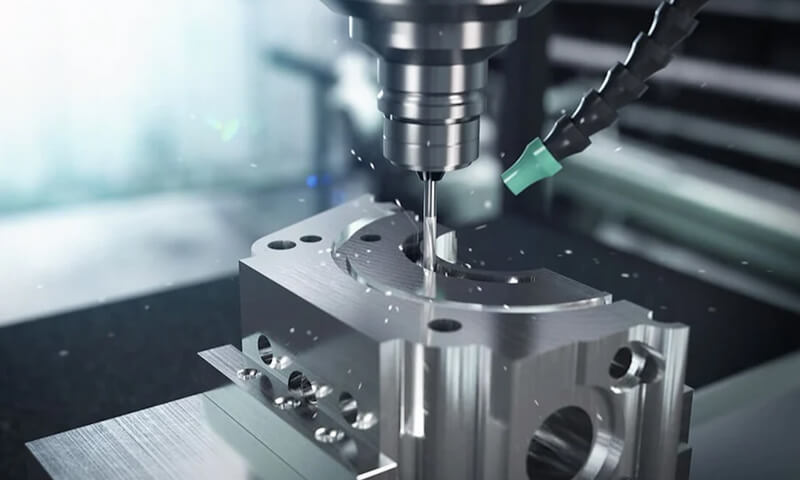
CNC obrada sedišta, niti, i zaptivne površine osiguravaju da svaki liveni dio ispunjava zahtjeve u pogledu dimenzija i performansi zaptivanja.
Raspon materijala za kritične primjene
Od nerđajućeg čelika (CF8/CF8M/CF3/CF3M), mesing, Duktilno gvožđe, na dupleks i visokolegirane materijale, Ovo isporučuje odljevke ventila napravljene da rade u korozivnim uvjetima, visokotlačni, ili okruženja visoke temperature.
Bilo da su vam potrebni regulacijski ventili dizajnirani po narudžbi, ventili za smanjenje pritiska, Globe ventili, Vredni ventili, ili proizvodnja velikih količina industrijskih odlivaka ventila, Ovo je vaš partner od povjerenja za preciznost, izdržljivost, i osiguranje kvaliteta.