1. Uvođenje
A Ventil za smanjenje pritiska je vitalni kontrolni uređaj koji se koristi za održavanje željenog nizvodnog tlaka bez obzira na varijacije u uzvodnom tlaku ili zahtjevu protoka.
Njegova primarna funkcija je da zaštiti opremu i sisteme od štetnih efekata previsokog pritiska i da obezbedi optimalne uslove rada.
Regulacija pritiska je ključna u širokom spektru primjena, uključujući komunalne vodovodne sisteme, parno grijanje, mreže za prenos gasa, sistemi za zaštitu od požara, i industrijskih procesnih postrojenja.
U ovim sredinama, održavanje ispravnog pritiska osigurava operativnu efikasnost, produžava vijek trajanja opreme, povećava sigurnost, i smanjuje potrošnju energije.
2. What Is a Pressure Reducing Valve?
A Ventil za smanjenje pritiska je mehanički uređaj dizajniran da automatski smanji veći ulazni tlak na niži, Stabilni izlazni pritisak, osiguravajući da nizvodni sistemi rade unutar sigurnih i efikasnih granica pritiska.

Ove ventili are self-regulating, meaning they operate without external power, relying on internal pressure feedback mechanisms to maintain control.
Working Principle of a Pressure Reducing Valve
The operation of a Pressure Reducing Valve is based on the balance of forces between the upstream pressure, downstream pressure, and a preset spring force.
These forces interact within the valve’s internal components to regulate and maintain a constant downstream pressure.
At the heart of the valve is a valve disc (ili utikač), which controls flow through the valve. A spring-loaded diaphragm or piston senses downstream pressure and connects to the disc mechanism.
The spring is pre-set to a desired outlet pressure—this becomes the control setpoint.

- When downstream pressure is below the setpoint:
The upstream pressure pushes the valve disc open because the opposing force (from the downstream pressure and spring) is not enough to keep it closed.
As the valve opens, more fluid flows through, increasing the downstream pressure. - When downstream pressure exceeds the setpoint:
The increased downstream pressure pushes against the sensing element (diaphragm/piston), working with the spring to close the valve or reduce its opening.
This reduces flow and allows the downstream pressure to drop.
Ovo self-regulating feedback loop continuously adjusts the valve position, ensuring a stable and accurate downstream pressure, regardless of fluctuations in upstream pressure or flow demand.
3. Types of Pressure Reducing Valves
Pressure-reducing valves come in several types, each engineered for specific operating conditions, system complexity, karakteristike protoka, and pressure control precision.
Direct-Acting Pressure Reducing Valve
Direct-acting valves are the simplest form of pressure-reducing valve. They operate without external sensing lines or pilot systems.
The valve’s internal spring opposes downstream pressure via a diaphragm or piston.
When the downstream pressure falls, the spring force opens the valve; when the pressure rises, it compresses the spring and closes the valve.

Ključne karakteristike:
- Compact and economical
- Fast response to pressure changes
- Minimal moving parts; nisko održavanje
- Suitable for small to medium flow rates
- Common in domestic water systems, linije za navodnjavanje, i sistemi komprimovanog vazduha
Ograničenja:
- Less accurate pressure control
- Not ideal for fluctuating or high-volume applications
Pilot-Operated Pressure Reducing Valve
Pilot-operated valves use a smaller pilot valve to control the main valve’s operation.
The pilot senses downstream pressure and modulates flow to a control chamber, which actuates the main valve via pressure differentials.

Ključne karakteristike:
- High flow capacity and excellent pressure stability
- Precise control under varying loads and inlet pressures
- Ideal for large-scale or critical systems like steam networks, industrial plants, and water distribution grids
Ograničenja:
- Larger footprint and more complex installation
- Requires more maintenance than direct-acting types
Spring-Loaded Pressure Reducing Valve
Spring-loaded pressure reducing valves use a mechanical spring to apply force on a diaphragm or piston, setting the desired outlet pressure.
As downstream pressure changes, the spring’s compression level determines the valve opening, regulating flow accordingly.
These valves are available in both direct-acting and pilot-operated configurations.

Ključne karakteristike:
- Easy to install and adjust manually
- No need for an external pressure source
- Common in general-purpose applications (E.g., voda, zrak, and steam)
- Widely available in many materials and pressure ratings
- Reliable and robust for most systems
Ograničenja:
- Manual adjustment only; no remote control
- Less precise in systems with wide pressure fluctuations
- Spring fatigue over time may affect setpoint accuracy
Dome-Loaded Pressure Reducing Valve
Dome-loaded pressure reducing valve use an external gas or air pressure (applied to a dome above a diaphragm) to set and control the outlet pressure.
This allows for dynamic and remote adjustments without mechanical springs. Dome pressure can be controlled using regulators or integrated into automated systems.

Ključne karakteristike:
- Remote and automated pressure control
- Faster and smoother response than spring-loaded types
- High accuracy and consistency, posebno u aplikacijama visokog protoka ili visokog pritiska
- Idealno za sisteme koji zahtijevaju kontinuirane promjene zadane vrijednosti ili povratnu kontrolu (E.g., kontrola procesa, vazdušni prostor, farmaceutski)
Ograničenja:
- Zahtijeva vanjski kontrolni sistem ili izvor plina
- Složeniji i skuplji od ventila s oprugom
- Može zahtijevati specijaliziranu stručnost za instalaciju i održavanje
Balanced Pressure Reducing Valve
Balansirani ventili su dizajnirani da eliminišu ili uveliko smanje efekat promenljivog ulaznog pritiska na izlazni pritisak.
Ovo se postiže uključivanjem a mehanizam za balansiranje, kao što je balansirani čep ili klip, čime se izjednačavaju sile koje djeluju na ventil.
Rezultat je više konzistentan izlazni pritisak, čak i kada uzvodni pritisak značajno fluktuira.

Ključne karakteristike:
- Stabilan izlazni pritisak uprkos promenama ulaznog pritiska
- Povećana preciznost kontrole
- Uobičajeno u visokoučinkovitim i kritičnim aplikacijama (E.g., procesne industrije, Parni sistemi)
- Često se koristi u pilot-operated valve designs
Unbalanced Pressure Reducing Valve
Unbalanced valves do not compensate for inlet pressure variations. The force from the upstream pressure acts directly on the valve plug or seat.
Kao rezultat, the outlet pressure may vary if the inlet pressure changes, especially in systems with high pressure differentials.
Ključne karakteristike:
- Simple and cost-effective design
- Suitable for systems with relatively stable inlet pressure
- Common in low-demand or non-critical applications
4. Core Components of a Pressure Reducing Valve
Telo ventila
- The main casing that houses internal components and connects to the pipeline.
- Typically made from mesing, bronza, cast steel, nehrđajući čelik, ili PVC, depending on the fluid type, klasa pritiska, and corrosion resistance needs.
- Design considerations include port sizes, flow direction indicators, and mounting orientation.
Spring Assembly
- A compression spring applies a downward force on the diaphragm or piston, setting the desired outlet pressure.
- Adjusting the spring tension (usually via an adjustment screw or handle) allows for pressure setpoint changes.
- Different spring ranges are used for low, srednji, i aplikacije pod visokim pritiskom.
Diaphragm or Piston
- Acts as a pressure-sensitive element that reacts to changes in outlet pressure.
- Diaphragms (rubber or elastomeric) are commonly used in water, zrak, and light-duty gas systems.
- Klipovi (metallic) are preferred in steam and high-pressure applications where durability is essential.
- Movement of the diaphragm or piston modulates the valve plug position to regulate flow.
Valve Seat and Plug (or Disc)
- The sjedalo is a machined surface that interfaces with the priključak ili diska to control flow.
- As the diaphragm or piston moves, it lifts or lowers the plug, adjusting the flow rate and maintaining outlet pressure.
- Seat materials vary by fluid type: metal-to-metal for steam, soft seals for water or gases.
Internal Feedback Channel (Pilot-Operated Valves Only)
- In pilot-operated designs, this passage transmits outlet pressure to the pilot chamber, omogućavanje self-regulating feedback.
- Maintains outlet pressure by modulating the main valve through pilot action.
Pilot Valve (for Pilot-Operated Systems)
- A smaller, separate valve that senses downstream pressure and controls the main valve opening.
- Offers higher precision, brži odgovor, and greater flow capacity compared to direct-acting types.
5. Material Selection for Pressure Reducing Valves
Performanse, izdržljivost, and safety of a pressure reducing valve depend significantly on selecting the right materials for its components.
Materials must be compatible with the media, withstand temperature and pressure ranges, and resist corrosion or erosion over time.
Proper material selection also ensures compliance with industry standards and prolongs the valve’s operational life.

Materijali za tijelo ventila
The valve body is the main pressure-containing part and must offer mechanical strength and corrosion resistance. Uobičajeni materijali uključuju:
| Materijal | Ključne svojstva | Tipične aplikacije |
| Mesing | Dobra otpornost na koroziju, obradiv, isplativ | Voda za piće, Hvac, air systems |
| Bronza | Stronger and more corrosion-resistant than brass | Marinac, pare, and industrial water systems |
| Nehrđajući čelik | Izvrsna otpornost na koroziju, high pressure/temperature capability | Hemikalija, prerada hrane, farmaceutski |
| Liveno gvožđe / Duktilno gvožđe | Ekonomičan, visoka mehanička čvrstoća | Distribucija vode, sistemi za zaštitu od požara |
| PVC / CPVC | Lagan, otporan na koroziju, nemetalni | Voda niskog pritiska, chemical handling systems |
Trim Components (Sjedalo, Priključak, Disk)
These parts directly control flow and are subject to wear, erozija, i hemijski napad.
| Komponenta | Zajednički materijali | Svrha |
| Valve Seat | Nehrđajući čelik, mesing, bronza, PTFE | Provides the sealing surface; must resist wear and erosion |
| Valve Plug / Disk | Nehrđajući čelik, elastomer-coated metals | Moves to open/close the valve; must ensure tight shutoff |
| Brtve / O-prstenovi | EPDM, NBR, FKM (Viton), PTFE | Provide sealing integrity; material depends on media |
Diaphragm or Piston Materials
These internal moving components respond to pressure changes and must be flexible and durable.
| Materijal | Ključne karakteristike | Primjena |
| EPDM | Good for hot water, pare, blage hemikalije | Hvac, sistemi vode |
| NBR (Hi-N) | Oil and fuel resistance | Vazduh, ulja, low-temp liquids |
| Viton (FKM) | High temperature and chemical resistance | Aggressive chemical environments |
| PTFE (Teflon) | Hemijski inertan, non-stick, high-temperature resistant | Corrosive or high-purity applications |
| Nehrđajući čelik (for pistons) | Izdržljiv, suitable for high-pressure systems | Pare, aplikacije pod visokim pritiskom |
Spring Material
The spring determines the valve’s set pressure range and must retain its elasticity over time.
| Materijal | Nekretnine | Okruženje |
| Nehrđajući čelik | Otporan na koroziju, fatigue-resistant | Most general applications |
| Inconel / Hastelloy | Visoka čvrstoća, legure otporne na koroziju za tešku upotrebu | Visoka temperatura, korozivno |
6. Technical Specifications of Pressure Reducing Valves
Ventili za smanjenje pritiska konstruisani su da zadovolje širok spektar tehničkih zahteva u industriji kao što je tretman vode, Hvac, Hemijska obrada, i parni sistemi.
Razumijevanje tehničkih specifikacija je ključno za odabir pravog ventila za performanse, sigurnost, i kompatibilnost.
Ocene pritiska
| Parametar | Tipične vrijednosti | Bilješke |
| Ulazni pritisak | Do 300 PSI (≈ 20.7 bar) ili više | Neki industrijski ventili premašuju 600 psi sa ojačanim dizajnom |
| Raspon izlaznog pritiska | Podesivo između 5–150 psi (0.3–10 bara) | Zavisi od veličine i dizajna opruge; može varirati ovisno o primjeni |
| Tolerancija zadane vrijednosti | ±5–10% izlaznog pritiska | Tipovi kojima upravljaju piloti obično imaju bolju stabilnost i preciznost |
Savjet: Uvijek vodite računa da maksimalni tlak ventila premašuje vršni tlak u sistemu kako biste izbjegli oštećenje ili kvar.
Kapacitet protoka (Cv Value)
- CV (Koeficijent protoka) definiše koliki protok (u galonima po minuti) prolazi kroz ventil sa a 1 psi pad pritiska.
- Viša Cv = mogućnost većeg protoka.
| Veličina ventila (inča) | Typical Cv Range |
| ½” to 1” | Cv = 0.5 - 10 |
| 1½” to 2” | Cv = 10 - 30 |
| 2½” to 6” | Cv = 30 - 150+ |
Temperaturni raspon
| Materijal | Temperaturni raspon | Aplikacije |
| Brass/Bronze | -20°C to 180°C (-4°F to 356°F) | Voda, zrak, light steam |
| Nehrđajući čelik | -50°C do 400°C (-58°F to 752°F) | Pare, hemikalije, high-temp gas |
| PVC/Plastic | 0°C to 60°C (32°F to 140°F) | Low-temp water, korozivne hemikalije |
Accuracy and Response Time
- Preciznost: Refers to how closely the valve maintains the set outlet pressure under varying flow rates.
-
- Direct-Acting PRVs: ±10–15%
- Pilot-Operated PRVs: ±2–5%
- Vrijeme odgovora: Time taken to react to changes in demand or upstream pressure.
-
- Brzi odgovor is critical in systems with pressure-sensitive components or variable loads.
Kompatibilnost medija
Pressure reducing valves are designed for specific fluids:
| Vrsta medija | Zahtjevi |
| Pitka voda | NSF/ANSI 61, lead-free materials |
| Pare | High-temp metals, vented bonnet, condensate handling |
| Compressed Air | Otpornost na koroziju, oil compatibility |
| Corrosive Fluids | PTFE obloga, PVC body, special elastomers (E.g., FKM) |
| Gas or Oxygen | Čisto, lubricants-free components |
Sizes and Connection Types
| Nominal Valve Size | ½” do 12” ili više (DN15–DN300) |
| Završite veze | Threaded (NPT, BSP), Prirubnički, Socket Weld, Kompresijski fitinzi |
7. Applications of Pressure Reducing Valves
Ventili za smanjenje pritiska su kritične komponente u širokom spektru industrija, osiguravajući da nizvodni sistemi rade u okviru sigurnog, efikasan, i optimalni opseg pritiska.
Automatskim regulacijom visokog ulaznog pritiska na niže, konzistentni izlazni pritisci, štite opremu, Smanjite potrošnju energije, i poboljšati performanse sistema.
HVAC sistemi (Grijanje, Ventilacija, i klima uređaj)
- Funkcija: Održavajte stabilan pritisak vode ili pare u zatvorenim krugovima grijanja i hlađenja.
- Tipične upotrebe:
-
- Hidronički sistemi grijanja za sprječavanje nadpritiska.
- Sistemi hlađene vode za kontrolu klime u zgradama.
- Kontrola pritiska pare u radijatorima i klima komorama.
- Prednosti: Poboljšana udobnost, zaštita izmjenjivača topline, energetska efikasnost.
Boiler and Steam Systems
- Funkcija: Smanjite paru pod visokim pritiskom na upotrebljive nivoe za industrijske procese ili grijanje.
- Tipične upotrebe:
-
- U elektranama i industrijskim objektima za opskrbu procesnom parom.
- U sistemima za sterilizaciju, operacije pranja rublja, and steam turbines.
- Valves Used: Pilot-operated steam PRVs, often with condensate drains and safety interlocks.
- Prednosti: Prevents piping damage, habanje opreme, and steam hammer.
Municipal Water Distribution Systems
- Funkcija: Manage pressure in water mains and domestic supply networks.
- Tipične upotrebe:
-
- Zone pressure control in municipal water grids.
- Entry-point pressure control in residential and commercial buildings.
- Fire hydrant protection and irrigation systems.
- Valves Used: Large-size PRVs with pilot controls for modulating flow.
- Prednosti: Prevents water hammer, pipe bursts, and excessive pressure at fixtures.
Industrija nafte i gasa
- Funkcija: Control fluid or gas pressure in upstream, srednji tok, and downstream operations.
- Tipične upotrebe:
-
- Natural gas pipelines and distribution networks.
- Offshore platforms and petrochemical processing.
- Downstream refineries and flare gas systems.
- Materijali: High-alloy stainless steel, corrosion-resistant coatings.
- Prednosti: Safe pressure management in high-risk, high-pressure environments.
Prerada hrane i pića
- Funkcija: Maintain hygienic pressure control in clean-in-place (CIP) sustavi, mixing, and bottling lines.
- Tipične upotrebe:
-
- Carbonated beverage filling machines.
- Pressure control in cooking and pasteurization equipment.
- Steam jacket pressure reduction for kettles.
- Standardi: NSF/ANSI 61, FDA-compliant materials.
- Prednosti: Clean operation, product consistency, safe equipment operation.
Sistemi za zaštitu od požara
- Funkcija: Control and stabilize pressure within sprinkler and deluge systems to prevent over-pressurization.
- Tipične upotrebe:
-
- High-rise buildings and warehouses with varying static head pressures.
- Foam and water mist systems.
- Certifikati: UL/FM listed PRVs for fire protection.
- Prednosti: Regulatory compliance, reduced risk of valve damage or system failure.
Pharmaceutical and Biotech Facilities
- Funkcija: Ensure stable water and steam pressure in sterile environments.
- Tipične upotrebe:
-
- Pure steam systems.
- WFI (Water for Injection) and purified water lines.
- Prednosti: Maintains system integrity, reduces contamination risk.
Residential Plumbing Systems
- Funkcija: Lower municipal water pressure to safe household levels.
- Tipične upotrebe:
-
- At water meter entries in homes.
- In apartments and residential complexes.
- Prednosti: Prevents pipe bursts, fixture damage, i buke.
Industrial Manufacturing
- Funkcija: Regulate pressure in compressed air systems, chemical lines, and process utilities.
- Tipične upotrebe:
-
- Paint spraying systems.
- Pneumatic automation equipment.
- Acid or gas supply lines.
- Materijali: PVC or PTFE-lined PRVs for aggressive media.
Marine i brodogradnja
- Funkcija: Control seawater, vode za piće, or steam pressures onboard vessels.
- Aplikacije:
-
- Desalination systems.
- Engine room utilities.
- Prednosti: Ensures crew safety, dugovečnost opreme.
8. Advantages and Limitations of Pressure Reducing Valve
Advantages of Pressure Reducing Valve
Pressure Control and System Protection
- Maintain a constant, reduced outlet pressure regardless of upstream fluctuations.
- Protect downstream equipment (E.g., pumpe, filteri, cjevovod) from damage due to overpressure.
Poboljšana sigurnost
- Prevents potential hazards caused by pipe bursts, joint leaks, and component failure.
- Essential in high-pressure steam, plin, or water systems to ensure operational safety.
Energetska efikasnost
- Reducing pressure in distribution systems minimizes energy losses, particularly in steam and compressed air systems.
- Helps avoid over-pressurization that leads to unnecessary energy consumption and wear.
Extended Equipment Lifespan
- Lowers mechanical stress on components like valves, pečati, meters, i regulatori.
- Results in fewer maintenance requirements and reduced downtime.
Kompaktan i svestran dizajn
- Available in a variety of sizes, materijali, and pressure ratings to suit different media and conditions.
- Can be installed in residential, komercijalni, i industrijske postavke.
Self-Actuating (in many designs)
- Direct-acting PRVs require no external power or control signal—ideal for remote or unpowered locations.
Enhanced Process Control
- Improves product quality and system consistency, especially in food, farmaceutski, i hemijsku prerađivačku industriju.
Limitations of Pressure Reducing Valve
Limited Flow Regulation
- PRVs control pressure, not flow rate. In systems where both must be precisely managed, additional valves or regulators may be needed.
Sensitivity to Contamination
- Valves can malfunction if solid particles (E.g., hrđa, skala) clog internal components.
- Strainers or filters are often required upstream, especially in dirty water or steam systems.
Performance Degradation Over Time
- Springs, dijafragme, and seals wear out with prolonged use, especially under high cycling or extreme temperatures.
- Requires periodic maintenance and calibration to ensure continued accuracy.
Pressure Drop Dependency
- Performance is dependent on a sufficient differential between inlet and outlet pressures.
- In low differential systems, PRVs may become unstable or fail to regulate properly.
Chattering and Hunting
- Pod određenim uslovima (E.g., oversized valve, low demand), the valve may oscillate, leading to noise, vibracija, and premature wear.
Installation Orientation Sensitivity
- Some models must be installed horizontally or vertically as specified—incorrect orientation can affect performance.
Cost for Complex Systems
- High-capacity or pilot-operated PRVs are more expensive and may require additional components (E.g., pilot valves, sistemi povratnih informacija).
9. Pressure Reducing Valve vs Pressure Relief Valve
Though similar in appearance and often used in the same systems, Ventil za smanjenje pritiska i Ventil za smanjenje pritiska serve fundamentally different functions.

Functionality and Operating Principle
| Aspekt | Ventil za smanjenje pritiska | Ventil za smanjenje pritiska |
| Primarna funkcija | Regulates and maintains downstream pressure at a constant set value | Protects system from overpressure by releasing excess fluid |
| Control Direction | Kontrole downstream pritisak | Reacts to excessive upstream pritisak |
| Operacija | Reduces inlet pressure to a set outlet pressure | Opens when pressure exceeds a preset limit; closes when safe |
| Normal State | Typically open | Normally closed |
| Response Type | Proactive and self-regulating | Reactive and safety-oriented |
System Role and Use Cases
- Ventil za smanjenje pritiska (PRV):
-
- Installed upstream of sensitive components to maintain a stable working pressure.
- Common in komunalni vodovodni sistemi, steam heating systems, Hvac, i compressed air networks.
- Ventil za smanjenje pritiska:
-
- Acts as a safety device, typically installed on boilers, pumpe, or pressure vessels.
- Opens only when system pressure exceeds the safe limit, preventing damage or explosions.
10. Maintenance and Troubleshooting of Pressure Reducing Valve
Pravilno održavanje i pravovremeno rješavanje problema sa redukcijskim ventilima su ključni za osiguranje dugoročne operativne pouzdanosti, održavanje efikasnosti sistema, i sprečavanje skupog kvara opreme ili zastoja.
Common Maintenance Practices
Rutinska inspekcija
- Vizuelne provjere za curenje, korozija, ili fizičko oštećenje komponenti ventila.
- Slušajte nenormalne zvukove kao što je šištanje, što može ukazivati na unutrašnje curenje ili istrošenost sjedišta.
- Provjerite manometar uzvodno i nizvodno kako biste potvrdili da ventil regulira tlak kako je postavljeno.
Funkcionalno testiranje
- Povremeno provjeravajte izlazni tlak pod normalnim uvjetima opterećenja.
- Uvjerite se da se ventil otvara i zatvara glatko bez lova ili klepetanja.
Cleaning and Internal Component Checks
- Rastaviti i očistite unutrašnje dijelove ako se performanse pogoršaju.
- Pregledajte i zamijenite dotrajale komponente kao npr:
-
- Sjedište ventila
- Proljeće
- Dijafragma ili klip
- Zaptivke i O-prstenovi
Podmazivanje
- Neki mehanički dijelovi mogu zahtijevati povremeno podmazivanje kompatibilnim, non-contaminating grease—especially in high-cycle applications.
Kalibracija
- Reset outlet pressure to the required setpoint after maintenance or part replacement.
- Use a pressure gauge or calibrator to verify accuracy.
Common Issues and Troubleshooting Tips
| Issue | Possible Cause | Troubleshooting Tip |
| Valve Not Regulating Pressure | Clogged strainer, damaged diaphragm, or spring fatigue | Clean inlet strainer, inspect and replace damaged internal parts |
| Pressure Too High Downstream | Setpoint improperly adjusted or seat worn | Readjust setpoint; inspect and replace the valve seat |
| Chattering or Vibrating | Valve oversized, flow fluctuations, or unstable inlet pressure | Check valve sizing; stabilize flow; consider adding a damping loop |
| Leaking Around Valve Body | Damaged seals, loose connections, ili korozije | Tighten fittings; replace gaskets or seals |
| Hunting (oscillating pressure) | Poor system feedback or incorrect installation | Install damping devices; verify correct installation orientation |
| Valve Sticking | Debris in internals, korozija, or dry sealing surfaces | Disassemble and clean valve; inspect material compatibility |
| No Flow Despite Inlet Pressure | Blockage, closed isolation valve, or diaphragm rupture | Inspect isolation valves; test diaphragm integrity |
11. Standards and Certifications for Pressure Reducing Valves
| Standard / Certifikacija | Issuing Organization | Obim / Primjena |
| ASME B31.1 / B31.3 | ASME (Američko društvo mašinskih inženjera) | Design and construction of pressure piping systems in power plants and process industries |
| ASME Section VIII | ASME | Pressure vessel codes; applicable when PRVs are installed on or near pressure vessels |
| API 520 / 526 / 527 | API (Američki institut za naftu) | Određivanje veličine, izgradnja, and testing of pressure-relief systems in oil & plin |
| ISO 4126 | ISO (Međunarodna organizacija za standardizaciju) | Sigurnosni uređaji za zaštitu od previsokog pritiska |
| U 12516 | CEN (European Committee for Standardization) | Pressure and temperature ratings for valve components |
| CE Marking | Evropska unija (EU) | Conformity with EU directives (E.g., Pressure Equipment Directive – PED) |
| UL / FM Approved | UL (Underwriters Laboratories), FM Global | Safety and performance certifications for fire protection systems |
| NSF/ANSI 61 & 372 | NSF International / ANSI | Safety of valves in contact with drinking water; lead content limitations |
| WRAS Approval (Velika Britanija) | Water Regulations Advisory Scheme | Compliance for potable water use in the UK |
| ISO 9001 | ISO | Quality management system certification for manufacturing and inspection processes |
13. Poređenje s drugim tipovima ventila
Ventil za smanjenje pritiska (PRV) play a crucial role in controlling downstream pressure, but they are part of a broader family of valves, each designed for specific functions.
| Tip ventila | Primarna funkcija | Operation Characteristics | Tipične aplikacije |
| Ventil za smanjenje pritiska | Regulates and maintains set downstream pressure | Self-actuated, continuous pressure control | Distribucija vode, Parni sistemi, Hvac |
| Ventil za smanjenje pritiska | Protects system by releasing excess pressure | Activates only during overpressure conditions | Kotlovi, Plodovi pod pritiskom, cjevovodi |
| Kontrolni ventil | Modulates flow or pressure based on control signals | Externally controlled, dynamic adjustment | Complex process control in chemical, petrohemijska |
| Provjeriti ventil | Sprečava povratni tok | Passive operation, allows flow in one direction | Pumpe, Kompresori, pipelines to prevent reverse flow |
| Shut-off Valve | Starts or stops fluid flow | Binary open/closed control | System isolation, održavanje, emergency shutdown |
15. Zaključak
Pressure reducing valves play a vital role in ensuring the safety, efikasnost, and longevity of fluid systems across numerous industries.
By precisely controlling downstream pressure, these valves protect equipment from damage caused by excessive pressure, Smanjite potrošnju energije, and maintain stable system operation.
Razumijevanje različitih tipova, karakteristike dizajna, technical specifications, and proper installation practices is essential for selecting the most suitable valve for any application.
Ovo: Rešenja za livenje ventila visoke preciznosti za zahtevne primene
Ovo je specijalizirani pružatelj usluga preciznog livenja ventila, isporuku komponenti visokih performansi za industrije koje zahtijevaju pouzdanost, integritet pritiska, i tačnost dimenzija.
Od sirovih odlivaka do potpuno mašinski obrađenih tela ventila i sklopova, Ovo nudi end-to-end rješenja dizajnirana da zadovolje stroge globalne standarde.
Naša stručnost za livenje ventila uključuje:
Investicijska livenja za tijela ventila & Trim
Koristeći izgubljenu tehnologiju lijevanja voska za proizvodnju složenih unutrašnjih geometrija i komponenti ventila s čvrstom tolerancijom s izvanrednim završnim obradama površine.
Livenje pijeska & Livenje kalupa školjke
Idealan za srednje i velike ventile, prirubnice, i poklopci motora – nudeći isplativo rješenje za robusne industrijske primjene, uključujući naftu & proizvodnja gasa i električne energije.
Precizna obrada za ugradnju ventila & Integritet pečata
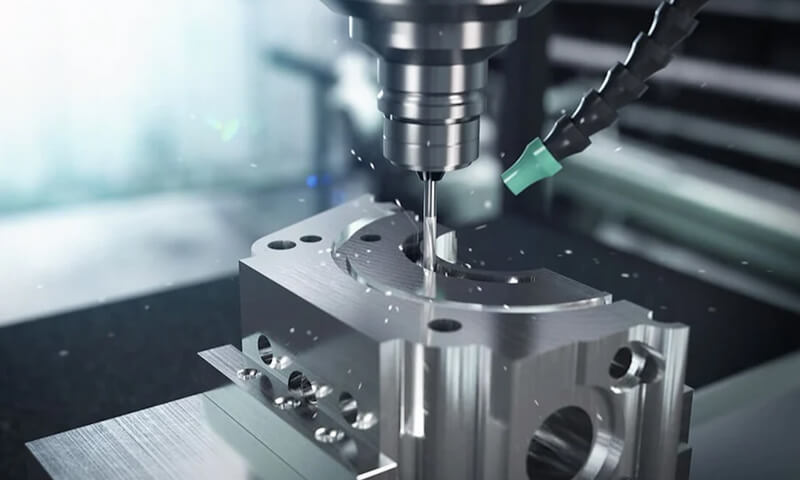
CNC obrada sedišta, niti, i zaptivne površine osiguravaju da svaki liveni dio ispunjava zahtjeve u pogledu dimenzija i performansi zaptivanja.
Raspon materijala za kritične primjene
Od nerđajućeg čelika (Cf8m, Cf3m), mesing, Duktilno gvožđe, na dupleks i visokolegirane materijale, Ovo isporučuje odljevke ventila napravljene da rade u korozivnim uvjetima, visokotlačni, ili okruženja visoke temperature.
Bilo da su vam potrebni regulacijski ventili dizajnirani po narudžbi, ventili za smanjenje pritiska, Vredni ventili, nepovratni ventili, ili proizvodnja velikih količina industrijskih odlivaka ventila, Ovo je vaš partner od povjerenja za preciznost, izdržljivost, i osiguranje kvaliteta.