Плаціна - адзін з самых каштоўных і тэхнічна важных каштоўных металаў у свеце. Найбольш вядомы сваім выкарыстаннем у ювелірных вырабах, плаціна мае значна больш шырокую прамысловую ролю.
Яго выключная ўстойлівасць да карозіі, высокатэмпературная ўстойлівасць, каталітычная актыўнасць, электрычныя ўласцівасці, і біясумяшчальнасць робяць яго прыдатным для прымянення ў розных сферах: ад кантролю за выкідамі аўтамабіляў і перапрацоўкі нафты да медыцынскіх прылад, электроніка, вытворчасць шкла, і вадародныя тэхналогіі.
1. Што такое плаціна?
Плаціна сустракаецца ў прыродзе хімічны элемент з сімвалам Pt і атамным нумарам 78, які належыць да металаў плацінавай групы (МПГ).
Гэта шчыльны, серабрыста-белы каштоўны метал, які спалучае ў сабе выключную ўстойлівасць да карозіі і ўстойлівасць да высокіх тэмператур, каталітычная актыўнасць, і моцная ўстойлівасць да акіслення.
Гэтыя характарыстыкі карэнным чынам адрозніваюць плаціну ад каштоўных металаў, якія выкарыстоўваюцца пераважна ў дэкаратыўных або інвестыцыйных мэтах.

Хоць плаціна часта асацыюецца з ювелірнымі вырабамі, значная доля яго важнасці зыходзіць з прамысловага прымянення.
Ён выкарыстоўваецца ў аўтамабільных каталітычных сістэмах, хімічная апрацоўка, нафтаперапрацоўка, электроніка, дакладныя датчыкі, Медыцынскія прылады, вытворчасць шкла, і тэхналогіі, звязаныя з вадародам.
У многіх з гэтых прыкладанняў, плаціна не выкарыстоўваецца як аб'ёмны канструкцыйны метал. Замест, ён уключаны ў невялікіх колькасцях у якасці каталізатара, электрод, сэнсарны элемент, легіруючы складнік, або спецыялізаваны функцыянальны матэрыял.
2. Фізічныя ўласцівасці і хімічныя характарыстыкі плаціны
Шырокі спектр прымянення плаціны можна прасачыць непасрэдна з яе спалучэннем фізічных, хімічны, цеплавы, электрычны, і каталітычныя ўласцівасці.
| Маёмасць | Тыповае значэнне / Характарыстыка |
| Хімічны сімвал | Пт |
| Атамны нумар | 78 |
| Атамная вага | 195.084 |
| Шчыльнасць пры 20 ° С | Approximately 21.45 G/CM³ (21,450 кг/м³) |
| Тэмпература плаўлення | Прыкладна 1768,3°C (3,214.9° F) |
| Тэмпература кіпення | Прыкладна 3825°C (6,917° F) |
| Крышталічная структура | Гранецэнтрычны куб (FCC) |
| Знешнасць | Серабрыста-белы, бліскучы метал |
| Цвёрдасць па шкале Мооса | Прыкладна 3,5–4 |
| Удзельнае электрычнае супраціўленне пры 20 ° С | Approximately 105 нΩ·м |
| Цеплаправоднасць пры 20 ° С | Approximately 72 ж/(м·К) |
| Ўстойлівасць да карозіі | Выдатны |
| Ўстойлівасць да акіслення | Выдатна ў самых звычайных умовах |
| Пластычнасць | Высокі |
| Падатлівасць | Высокі |
| Магнітныя паводзіны | Слабапарамагнітны |
| Класіфікацыя | Каштоўны і высакародны метал |
3. Чаму плаціна так шырока выкарыстоўваецца?
Плаціна шырока выкарыстоўваецца, таму што яна спалучае ў сабе некалькі уласцівасцяў, якія рэдка сустракаюцца разам у адным метале.
Выключная каталітычная прадукцыйнасць
Плаціна - адзін з найважнейшых каталітычных металаў, якія выкарыстоўваюцца ў сучаснай прамысловасці.
Яго паверхня можа спрыяць рэакцыі, забяспечваючы актыўныя цэнтры, якія зніжаюць эфектыўны энергетычны бар'ер для пэўных шляхоў рэакцыі, у той час як сама плаціна не расходуецца ў агульнай рэакцыі такім жа чынам, як рэагент.
Гэта робіць плаціну асабліва каштоўнай, калі працэс патрабуе высокай каталітычнай эфектыўнасці, цеплавая ўстойлівасць, і ўстойлівасць да хімічнай дэградацыі.
Яго каталітычныя ўласцівасці ляжаць у аснове прымянення ў галіне кантролю выкідаў аўтамабіляў, нафтаперапрацоўка, хімічная вытворчасць, вадародныя тэхналогіі, і паліўныя элементы.
Выдатная каразійная і хімічная ўстойлівасць
Плаціна праяўляе выдатную ўстойлівасць да акіслення, заплямленне, і карозіі ў шырокім дыяпазоне хімічных і навакольных умоў.
Ён адносна стабільны на паветры і ўстойлівы да ўздзеяння многіх кіслот і агрэсіўных асяроддзяў, хоць ён і не зусім інэртны; Напрыклад, плаціну можна растварыць царская гарэлка, канцэнтраваная сумесь салянай і азотнай кіслот.
Такая хімічная ўстойлівасць робіць плаціну асабліва карыснай у хімічным апрацоўчым абсталяванні, лабараторныя тыглі, электроды, медыцынскія кампаненты, і высокатэмпературнае прамысловае прымяненне.
Дзе забруджванне або дэградацыя матэрыялу можа паставіць пад пагрозу якасць прадукцыі або надзейнасць працэсу, устойлівасць плаціны да хімічнага ўздзеяння можа апраўдаць яе істотна больш высокі кошт.
Высокая тэмпература плаўлення і тэрмічная стабільнасць
Плаціна мае тэмпературу плаўлення прыблізна 1,768° С і тэмпература кіпення прыбл 3,825° С, забяспечваючы выдатную тэмпературную здольнасць.
Больш важна, яго карысная хімічная стабільнасць пры павышаных тэмпературах дазваляе плаціне і сплавам на яе аснове працаваць у асяроддзі, дзе многія звычайныя матэрыялы акісляюцца, рэагуюць з асяроддзем працэсу, або пагаршацца.
Гэта спалучэнне асабліва каштоўна ў вытворчасці шкла, высокатэмпературныя каталітычныя сістэмы, лабараторнае абсталяванне, тэрмапары, і спецыялізаваныя прамысловыя печы.
Плацінава-родыевыя сплавы, Напрыклад, шырока выкарыстоўваюцца там, дзе патрабуецца стабільнасць да высокіх тэмператур і механічныя характарыстыкі.
Стабільныя электрычныя і электрахімічныя характарыстыкі
Плаціна не самы электраправодны метал — медзь і срэбра, Напрыклад, забяспечваюць значна больш высокую праводнасць, але плаціна дае іншыя перавагі: электрычная і электрахімічная стабільнасць у складаных умовах.
Яго ўстойлівасць да карозіі і акісленню забяспечваюць плацінавыя электроды, датчыкі, і спецыяльныя электрычныя кампаненты для падтрымання надзейнай працы на працягу працяглых перыядаў.
Таму плаціна выкарыстоўваецца ў электрахімічных датчыках, Тэмпературныя дэтэктары супраціву, лабараторныя электроды, каталізатары паліўных элементаў, і асобныя электронныя кампаненты.
Яго прадказальнае суадносіны супраціўлення і тэмпературы асабліва важна для дакладнага вымярэння тэмпературы, у той час як яго электрахімічная стабільнасць робіць яго каштоўным усюды, дзе электрод павінен заставацца функцыянальным без хуткай дэградацыі.
Біясумяшчальнасць і медыцынская надзейнасць
Плаціна і асобныя плацінавыя сплавы занялі важнае месца ў медыцынскіх тэхналогіях дзякуючы сваёй устойлівасці да карозіі, электрахімічная стабільнасць, і сумяшчальнасць з адпаведна распрацаванымі біялагічнымі інтэрфейсамі.
Гэтыя характарыстыкі асабліва важныя для кампанентаў, якія могуць заставацца ў кантакце з цялеснымі вадкасцямі або тканінамі на працягу доўгага часу.
Таму плаціна выкарыстоўваецца ў имплантируемых электродах, кампаненты кардыёстымулятара і нейростимуляции, медыцынскія датчыкі, і некаторыя стаматалагічныя прымянення.
У дадатак, плаціна мае важную фармацэўтычную ролю ў выглядзе злучэнняў, якія змяшчаюць плаціну, такіх як цысплацін, хоць гэтыя злучэнні не варта блытаць з металічнай плацінай.
Высокая шчыльнасць і адметныя характарыстыкі матэрыялу
З шчыльнасцю прыбл 21.45 G/CM³, плаціна - адзін з самых шчыльных камерцыйна важных металаў.
Яго высокая шчыльнасць надае плацінавым ювелірным вырабам і дакладным кампанентам адметную вагу і спрыяе адчувальнай якасці матэрыялу.
У спалучэнні з яго серабрыста-белым выглядам, моцнасць, і ўстойлівасць да пацямнення, гэтая характарыстыка зрабіла плаціну асабліва жаданай для вытанчаных упрыгожванняў, раскошныя гадзіны, і іншыя прадукты прэміум-класа.
У прамысловых прымяненнях, аднак, яго высокая шчыльнасць таксама можа быць фактарам дызайну, гэта азначае, што плаціна звычайна зарэзервавана для сітуацый, калі яе функцыянальныя ўласцівасці перавышаюць яе вагу і кошт матэрыялу.
Рарытэт, Перапрацоўка, і высокая функцыянальная каштоўнасць
Плаціна выключна рэдкая, і яго запасы сканцэнтраваны ў адносна невялікай колькасці геалагічных рэгіёнаў.
Гэты дэфіцыт спрыяе яго каштоўнасці, але рэдкасць сама па сабе не тлумачыць яго прамысловае значэнне.
Больш важнай прычынай з'яўляецца тое, што плаціна забяспечвае высокую функцыянальную каштоўнасць на адзінку матэрыялу ў такіх прымяненнях, як каталізатары, электроды, датчыкі, і спецыялізаваныя сплавы.
Магчымасць перапрацоўкі яшчэ больш павялічвае яго прамысловае значэнне. Плаціну можна аднавіць з адпрацаваных аўтамабільных каталізатараў, прамысловыя каталізатары, ювелірныя вырабы, і іншыя прадукты, дазваляючы каштоўнаму металу зноў трапляць у ланцуг паставак. Гэта асабліва важна для дэфіцытнага і высокакаштоўнага матэрыялу.
4. Для чаго выкарыстоўваецца плаціна?
Плаціна выкарыстоўваецца ў розных галінах прамысловасці, таму што яна спалучае ў сабе выключную каразійную ўстойлівасць, каталітычная актыўнасць, высокатэмпературная ўстойлівасць, электрычныя і электрахімічныя характарыстыкі, і біясумяшчальнасць.
У адрозненне ад металаў, якія ў першую чаргу выбіраюцца з-за іх структурнай трываласці або нізкай кошту, часта выбіраюць плаціну, таму што яна можа выконваць спецыяльныя функцыі ва ўмовах патрабавальных хімічных рэчываў, цеплавы, электрычны, або біялагічныя ўмовы.

Аўтамабільныя каталітычныя нейтралізатары
Аўтамабільны кантроль выкідаў з'яўляецца адным з найбольш важных прамысловых ужыванняў плаціны.
Плаціна дзейнічае як каталітычны матэрыял, які спрыяе ператварэнню шкодных кампанентаў выхлапу ў менш шкодныя рэчывы.
Ён звычайна выкарыстоўваецца для:
- Дызельныя каталізатары акіслення
- Бензінавыя сістэмы ачысткі выхлапных газаў
- Акісленне чаднага газу
- Акісленне несгоревших вуглевадародаў
- Склады каталізатараў для кантролю выкідаў
- Выхлапныя сістэмы цяжкіх аўтамабіляў
Хімічная вытворчасць
Плаціна шырока выкарыстоўваецца ў якасці каталізатара ў хімічнай вытворчасці, таму што яна можа паскараць важныя рэакцыі, захоўваючы пры гэтым добрую стабільнасць пры павышаных тэмпературах.
Адно з яго вядомых ужыванняў - вытворчасць азотнай кіслаты, дзе плацінава-родыевыя марлевыя каталізатары падвяргаюцца гарачаму ўздзеянню, рэактыўныя газы.
Плаціна звычайна выкарыстоўваецца для:
- Вытворчасць азотнай кіслаты
- Каталізатары хімічнага сінтэзу
- Вытворчасць сілікону
- Спецыяльная хімічная апрацоўка
- Каталізатарскія марлі
- Высокотэмпературнае каталітычнае абсталяванне
Перапрацоўка нафты
Плаціна гуляе важную ролю ў нафтаперапрацоўцы, асабліва ў каталітычным рыформінгу.
У гэтых працэсах, платиносодержащие каталізатары дапамагаюць ператвараць малекулы вуглевадародаў у прадукты з жаданымі характарыстыкамі, уключаючы высокаактанавыя кампаненты і араматычныя злучэнні.
Плаціна звычайна выкарыстоўваецца для:
- Каталізатары каталітычнага рыформінгу
- Вытворчасць кампанентаў высокаактанавых бензінаў
- Выраб араматызатараў
- Канверсія вуглевадародаў
- Каталізацыйныя сістэмы нафтаперапрацоўчых заводаў
- Падтрымліваюцца каталітычныя матэрыялы
Ювелірныя вырабы
Ювелірныя вырабы - гэта, бадай, самае звыклае спажывецкае прымяненне плаціны. Ён натуральна белы, бліскучы выгляд і ўстойлівасць да пацямнення робяць яго асабліва прывабным для ювелірных вырабаў прэміум-класа.
Яго высокая шчыльнасць і даўгавечнасць таксама забяспечваюць адметную вагу і істотнае адчуванне.
Плаціна звычайна выкарыстоўваецца для:
- Заручальны і заручальны пярсцёнак
- Завушніцы і каралі
- Бранзалеты
- Раскошныя гадзіны
- Налады каштоўных камянёў
- Элітныя дэкаратыўныя прадметы
Электроніка і датчыкі
Плаціна выкарыстоўваецца ў спецыялізаваных электронных і сэнсарных прыкладаннях, дзе хімічная стабільнасць, прадказальнае электрычнае паводзіны, і ўстойлівасць да дэградацыі пры высокіх тэмпературах больш важныя, чым дасягненне найменшай кошту матэрыялу.
Плаціна звычайна выкарыстоўваецца для:
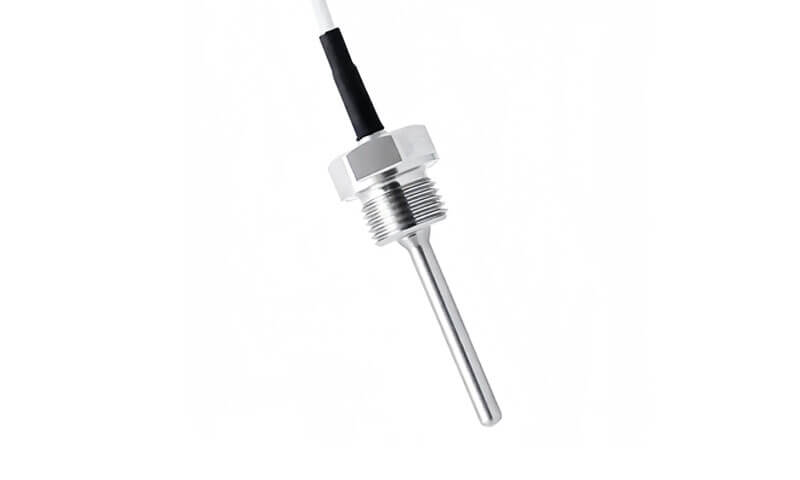
- Тэмпературныя дэтэктары супраціву (RTD)
- Электроды
- Спецыялізаваныя электрычныя кантакты
- Электрахімічныя сэнсары
- Тонкаплёнкавыя кампаненты
- Лабараторныя і аналітычныя прыборы
Медыцынскія прылады
Плаціна выкарыстоўваецца ў медыцыне і біямедыцыне з-за сваёй устойлівасці да карозіі, электрахімічная стабільнасць, і прыдатнасць для пэўных имплантируемых і дыягнастычных кампанентаў.
Яго здольнасць заставацца стабільным у патрабавальных біялагічных асяроддзях робіць яго каштоўным для прыкладанняў, якія патрабуюць доўгатэрміновай надзейнасці.
Плаціна звычайна выкарыстоўваецца для:
- Электроды кардыёстымулятара
- Імплантаваныя электрычныя электроды
- Кампаненты нейростимуляции
- Медыцынскія датчыкі
- Стаматалагічныя праграмы
- Спецыялізаваныя біямедыцынскія прылады
Фармацэўтычнае прымяненне
Плаціна таксама адыгрывае важную ролю ў фармацэўтыцы, хоць гэта прымяненне прынцыпова адрозніваецца ад выкарыстання металічнай плаціны.
Пэўныя злучэнні, якія змяшчаюць плаціну, валодаюць спецыфічнымі хімічнымі ўласцівасцямі, якія дазваляюць ім узаемадзейнічаць з біялагічнымі малекуламі і выкарыстоўваюцца ў супрацьпухлінным лячэнні.
Злучэнні плаціны звычайна выкарыстоўваюцца для:
- Хіміётэрапія на аснове цисплатина
- Хіміётэрапія на аснове карбоплатина
- Хіміётэрапія на аснове оксалиплатина
- Плаціназмяшчальныя фармацэўтычныя даследаванні
- Распрацоўка тэрапеўтычных злучэнняў на аснове металаў
Вытворчасць шкла
Плаціна і плацінавыя сплавы выкарыстоўваюцца ў спецыялізаваным абсталяванні для вытворчасці шкла, таму што яны могуць вытрымліваць высокія тэмпературы, супрацьстаячы хімічным уздзеянням і зводзячы да мінімуму забруджванне расплаўленага шкла.
Плаціна звычайна выкарыстоўваецца для:
- Шклофармавальнае абсталяванне
- Ўтулкі для вытворчасці шкловалакна
- Тыглі
- Высокатэмпературныя пасудзіны
- Спецыяльныя кампаненты для апрацоўкі шкла
- Дысплей і абсталяванне для вытворчасці аптычнага шкла
Тэхналогіі вадароду і паліўных элементаў
Плаціна з'яўляецца важным электракаталізатарам у пратонаабменных мембранных паліўных элементах (ПЭМФК), дзе ён палягчае электрахімічныя рэакцыі, неабходныя для пераўтварэння вадароду і кіслароду ў электрычнасць.
Яго высокая каталітычная актыўнасць і электрахімічная стабільнасць абцяжарваюць поўную замену ў некаторых патрабавальных асяроддзях паліўных элементаў.
Плаціна звычайна выкарыстоўваецца для:
- PEM каталізатары паліўных элементаў
- Электроды акіслення вадароду
- Каталізатары аднаўлення кіслароду
- Пласты электрахімічнага каталізатара
- Вадародна-энергетычныя даследаванні
- Пэўныя электралізерныя тэхналогіі
Лабараторнае абсталяванне
Плаціна шырока цэніцца ў лабараторыях, дзе патрабуецца хімічная інэртнасць і высокая тэмпература.
Кампаненты лабараторыі, зробленыя з плаціны, могуць вытрымліваць умовы, якія хутка пашкодзяць многія звычайныя металы.
Плаціна звычайна выкарыстоўваецца для:
- Тыглі
- Посуд для выпарвання
- Электроды
- Высокотэмпературны лабараторны посуд
- Спецыялізаваныя хімічныя ёмістасці
- Аналітычнае абсталяванне
Аэракасмічная і высокатэмпературная прамысловасць
Плаціна таксама выкарыстоўваецца ў выбраных аэракасмічная, інструментарыя, і прымяненне пры высокіх тэмпературах, дзе звычайныя матэрыялы не могуць забяспечыць неабходнае спалучэнне тэрмічнай стабільнасці, Каразія супраціву, і функцыянальная надзейнасць.
Плаціна звычайна выкарыстоўваецца для:
- Датчыкі высокай тэмпературы
- Прэцызійныя тэрмапары
- Спецыялізаваныя пакрыцця
- Аэракасмічнае прыборабудаванне
- Высокотэмпературныя лабараторныя кампаненты
- Перадавыя матэрыяльныя сістэмы
Інвестыцыі і вырабы з каштоўных металаў
У дадатак да прамысловага прымянення, плаціна гандлюецца як каштоўны метал і захоўваецца як інвестыцыйны актыў.
Яго рэдкасць, адметныя фізічныя ўласцівасці, і ўсталяваны прамысловы попыт спрыяюць яго кошту на рынку каштоўных металаў.
Плаціна звычайна выкарыстоўваецца для:
- Інвестыцыйныя зліткі
- Плацінавыя манеты
- Зліткі
- Калекцыйныя вырабы з каштоўных металаў
- Інстытуцыйныя холдынгі каштоўных металаў
5. Conclusion
Так, для чаго выкарыстоўваецца плаціна? Плаціна выкарыстоўваецца ўсюды, дзе незвычайнае спалучэнне каталітычнай актыўнасці, Каразія супраціву, высокатэмпературная ўстойлівасць, электрахімічная прадукцыйнасць, а біясумяшчальнасць дае значную тэхнічную перавагу.
Яе найбольш важныя сферы прымянення выходзяць далёка за рамкі ювелірных вырабаў. Плаціна з'яўляецца найважнейшым каталізатарам у аўтамабільных сістэмах кантролю выкідаў, хімічная вытворчасць, і нафтаперапр.
Ён выкарыстоўваецца ў дакладных датчыках тэмпературы, спецыялізаваная электроніка, медыцынскія электроды, лабараторнае абсталяванне, і вытворчасць высокатэмпературнага шкла.
У той жа час, плаціна ўсё больш актуальная для паліўных элементаў і іншых вадародных тэхналогій.
Яго высокі кошт азначае, што інжынеры звычайна эфектыўна выкарыстоўваюць плаціну — часта ў якасці каталізатара, сплаў, слой, электрод, сэнсарны элемент, або лакалізаваны функцыянальны матэрыял, а не як звычайны аб'ёмны канструкцыйны метал.
Дасягненні ў канструкцыі каталізатара, Эфектыўнасць матэрыялу, перапрацоўка, і вадародныя тэхналогіі будуць працягваць уплываць на выкарыстанне плаціны ў будучыні.
FAQ
Чаму плаціна выкарыстоўваецца ў каталітычных нейтралізатараў?
Плаціна валодае моцнай каталітычнай актыўнасцю і можа стымуляваць рэакцыі акіслення ва ўмовах высокай тэмпературы ў выхлапных сістэмах аўтамабіляў.
Гэта дапамагае пераўтварыць некаторыя шкодныя кампаненты выхлапу ў менш шкодныя рэчывы.
Чаму плаціна выкарыстоўваецца ў ювелірных вырабах?
Плаціна натуральна серабрыста-белая, густы, моцны, і вельмі ўстойлівы да карозіі і пацямнення.
Гэтыя характарыстыкі робяць яго добра прыдатным для ювелірных вырабаў прэміум-класа, асабліва кольцы і іншыя вырабы, прызначаныя для працяглага нашэння.
Ці выкарыстоўваецца плаціна ў электрамабілях?
Так, але яго роля адрозніваецца ад ролі ў звычайных аўтамабілях з унутраным згараннем.
Акумулятарным электрамабілям не патрэбныя звычайныя каталітычныя нейтралізатары выхлапных газаў, але плаціна ўсё яшчэ можа мець прымяненне ў электрамабілях на паліўных элементах і іншых тэхналогіях, звязаных з вадародам.
Ці выкарыстоўваецца плаціна ў медыцыне?
Так. Плацінавы метал і матэрыялы на аснове плаціны выкарыстоўваюцца ў спецыялізаваных медыцынскіх вырабах, электроды, імплантаты, і іншыя кампаненты.
У дадатак, злучэнні, якія змяшчаюць плаціну, такія як цисплатин, з'яўляюцца важнымі фармацэўтычнымі сродкамі, якія выкарыстоўваюцца ў лячэнні рака.
Чаму плаціна падыходзіць для прымянення пры высокіх тэмпературах?
Плаціна мае тэмпературу плаўлення прыблізна 1,768 °C і захоўвае карысную хімічную стабільнасць пры павышаных тэмпературах.
Гэта робіць яго каштоўным для спецыялізаванага высокатэмпературнага абсталявання, каталітычныя сістэмы, датчыкі, і камплектуючых для вытворчасці шкла.
Ці з'яўляецца плаціна добрым правадніком электрычнасці?
Плаціна праводзіць электрычнасць, але яго электраправоднасць значна ніжэй, чым у медзі або срэбра.
Тым не менш, ён каштоўны ў спецыяльных электрычных і электрахімічных прымяненнях, таму што яго стабільнасць і каразійная ўстойлівасць могуць быць больш важнымі, чым максімальная праводнасць.