1. Уводзіны
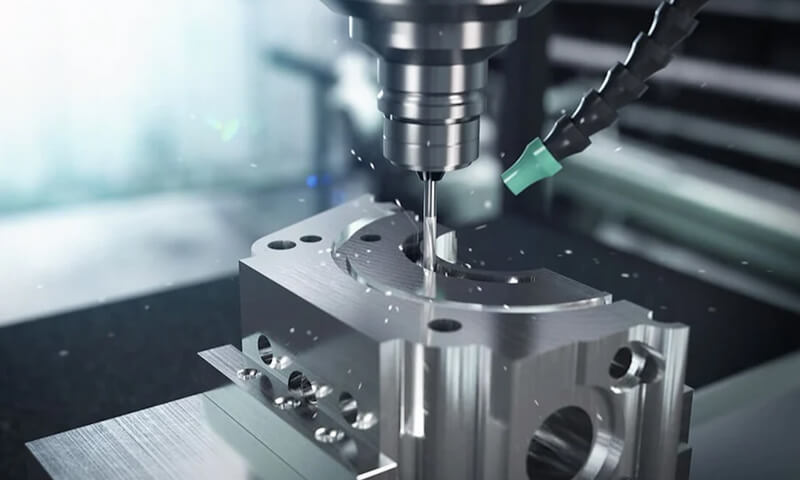
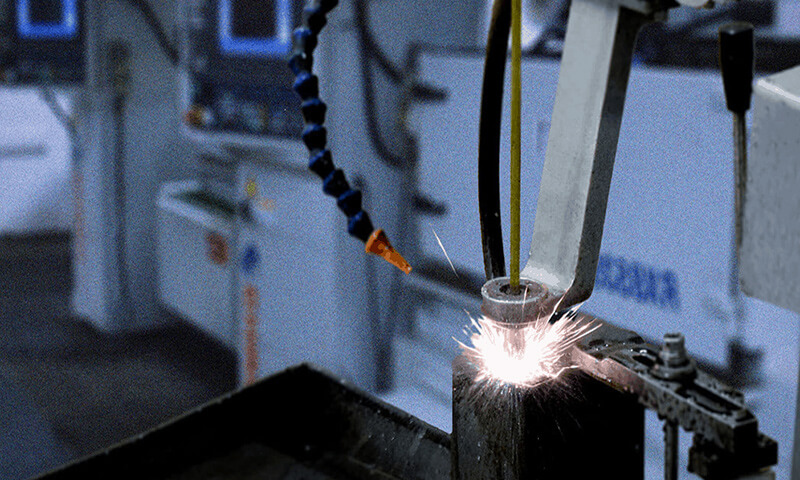
Апрацоўка канавак - важны працэс апрацоўкі, які мае вялікі ўплыў на вытворчасць і дакладнае машынабудаванне.
Гэтая тэхніка гуляе важную ролю ў стварэнні функцыянальных частак, павышэнне дызайну прадукту, і павышэнне агульнай прадукцыйнасці.
Няхай гэта будзе стварэнне ўшчыльняючых канавак для аўтамабільных кампанентаў або вытворчасць складаных каналаў для аэракасмічнага прымянення, канаўкі забяспечваюць бясшвоўнае злучэнне дэталяў і функцыянаванне па прызначэнні.
У гэтым блогу, мы будзем вывучаць розныя тыпы метадаў паз, іх прымянення ў розных галінах прамысловасці, і лепшыя практыкі для паспяховай рэалізацыі.
2. Што такое бадзёрасць?
Наразанне канаўкі - гэта працэс апрацоўкі, які прадугледжвае наразанне пазы, канал, або паглыбленне ў нарыхтоўку, каб змяніць яе форму або палепшыць яе функцыянальнасць.
Гэты працэс выконваецца з дапамогай такарных станкоў, Станкі з ЧПУ, або спецыяльныя інструменты для паз.
Баразёнкі могуць быць рознай глыбіні, шырыня, і кут, і іх спецыфічная канструкцыя мае вырашальнае значэнне для трываласці дэталі, прастата зборкі, і кіраванне вадкасцю.

Асноўныя функцыі:
Памеры канаўкі, напрыклад, яе глыбіня, шырыня, і кут - вызначаюць уплыў пазы на прадукцыйнасць дэталі.
Напрыклад, у эстэтычных мэтах можна выкарыстоўваць неглыбокую канаўку, у той час як глыбокая канаўка можа быць распрацавана для забеспячэння структурнай падтрымкі або стварэння каналаў для ўшчыльнення.
Геаметрыя канаўкі можа паўплываць на паток матэрыялу, запорные механізмы, і нават рассейванне цяпла ў высокапрадукцыйных прыкладаннях.
3. Віды паз
Знешняя нарэзка
Вонкавая канаўка наразае пазы па вонкавай паверхні цыліндрычных або плоскіх дэталяў.
Звычайна выкарыстоўваецца пры апрацоўцы вала, часткі кольцаў, і заціскныя кампаненты, вонкавыя пазы служаць розным мэтам, ад забеспячэння эстэтычнай прывабнасці да паляпшэння механічнай пасадкі.
Напрыклад, тыповая вонкавая канаўка на вале можа мець глыбіню 0.8 мм і шырынёй 1.5 мм, з улікам канкрэтных памераў падшыпнікаў.

Унутраная канаўка
Унутраная канаўка прадугледжвае наразанне канавак у межах унутранага дыяметра дэталі, часта сустракаецца ў полых кампанентах, такіх як трубы.
Гэтыя ўнутраныя канаўкі маюць вырашальнае значэнне для накіравання вадкасці, забеспячэнне правільнага выраўноўвання, і палягчэнне працэсаў зборкі.
Унутраная канаўка ў гідраўлічнай трубе можа мець глыбіню 0.6 мм і шырынёй 1.0 мм для размяшчэння ўшчыльняючых кольцаў або ўшчыльняльнікаў.

Прамы паварот
Прамое паварот стварае паралельныя паверхні на цыліндрычных дэталях шляхам выдалення матэрыялу па прамой траекторыі. Хоць гэта і не з'яўляецца выключна тэхнікай наразання паз, ён дапаўняе аперацыі па нарэзцы канавак для дасягнення патрэбных профіляў дэталяў. Напрыклад, прамая апрацоўка можа падрыхтаваць цыліндрычную паверхню перад нанясеннем ўшчыльняльнай канаўкі.

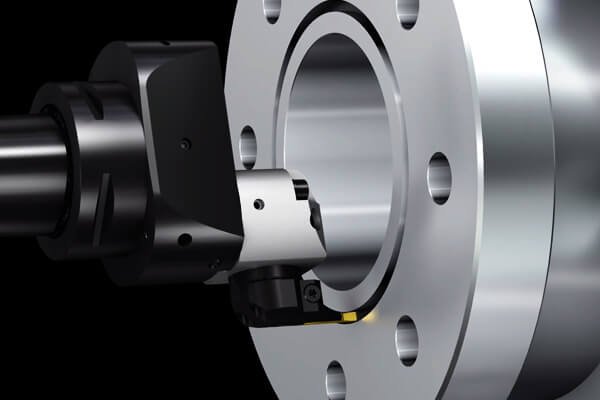
Тарцавая канаўка
Тарцавая канаўка наразае пазы на тарцы нарыхтоўкі, звычайна перпендыкулярна восі вярчэння. Гэты тып канавак часта сустракаецца пры стварэнні месцаў для размяшчэння падшыпнікаў або ўшчыльненняў.
Асабовая канаўка можа мець глыбіню 0.4 мм і шырынёй 0.8 мм, каб забяспечыць надзейнае мацаванне пломбы.
Контурная нарэзка
Контурная канаўка дазваляе ствараць складаныя, нелінейныя баразёнкі, якія ідуць па пэўным контуры.
Гэта асабліва карысна пры вытворчасці дэталяў няправільнай формы або якія патрабуюць складаных дэталяў.
Напрыклад, контурная канаўка можа адрознівацца па глыбіні 0.5 мм да 1.0 мм па сваёй даўжыні, вынікаючы крывізне дэталі.
Рэжучыя інструменты
Тыпы інструментаў
Розныя тыпы ўставак, трымальнікі для інструментаў, і куты рэзкі (e.g., станоўчы рэйк супраць. адмоўныя граблі) задаволіць канкрэтныя прыкладання.
Інструменты з пазітыўным нахілам памяншаюць сілы рэзання, што робіць іх ідэальнымі для больш мяккіх матэрыялаў, у той час як інструменты з адмоўным нахілам забяспечваюць лепшую трываласць краю для больш цвёрдых матэрыялаў.
Формы паз
V-вобразныя пазы, U-вобразныя пазы, і прамыя канаўкі сярод розных даступных геаметрый. Кожная форма мае свае перавагі і недахопы ў залежнасці ад прымянення.
V-вобразныя канаўкі забяспечваюць трывалую блакіроўку і звычайна выкарыстоўваюцца ў мацаваннях, у той час як U-вобразныя канаўкі палягчаюць паток вадкасці і часта сустракаюцца ў цеплаабменніках.
4. Працэс канаўкі
Пакрокавы агляд
Налада інструмента
Выбар правільнага рэжучага інструмента і ўстаноўкі прыстасаванняў мае вырашальнае значэнне для аптымальнай працы.
Фактары ўключаюць тып матэрыялу, які апрацоўваецца, неабходныя памеры пазы, і магчымасці машыны.
Напрыклад, пры апрацоўцы алюмінія, вострая цвёрдасплаўная ўстаўка са станоўчым перадпакоем можа значна павысіць эфектыўнасць.
Матэрыяльнае пазіцыянаванне
Замацаванне дэталяў на машыне забяспечвае дакладнасць. Такія прыёмы, як кіданне, пасткі, і спецыяльныя прыстасаванні трывала ўтрымліваюць нарыхтоўку, звядзенне да мінімуму вібрацый і забеспячэнне дакладных разрэзаў.
Правільнае размяшчэнне можа знізіць рызыку памылак і павысіць прадукцыйнасць.
Працэс рэзкі
Інструмент выдаляе матэрыял для стварэння патрэбнай формы пазы. Такія параметры, як хуткасць падачы, Хуткасць рэзкі, і геаметрыя інструмента гуляюць важную ролю ў якасці і эфектыўнасці разрэзу.
Напрыклад, хуткасць падачы 0.2 мм/абарот і хуткасць рэзкі 200 м/мін можа даць выдатныя вынікі для нержавеючай сталі.
Фініш
Такія этапы, як выдаленне задзірын і паліроўка, удасканальваюць канаўку, забеспячэнне яго чысціні і функцыянальнасці. Для паляпшэння аздаблення паверхні і даўгавечнасці таксама можа прымяняцца апрацоўка пасля апрацоўкі.
Зняцце задзірын можа выдаліць вострыя краю, якія інакш могуць парушыць цэласнасць дэталі.
Выкарыстоўваная тэхніка:
Вырабляць паз можна з дапамогай некалькіх тыпаў станкоў, у залежнасці ад складанасці пазы і аб'ёму вытворчасці:
- СТК -станкі: Станкі з ЧПУ неабходныя для дасягнення высокай дакладнасці, паўтаральнасць, і аўтаматызацыі, асабліва ў масавай вытворчасці.
- Такарныя цэнтры: Гэтыя інтэграваныя станкі спалучаюць у сабе магчымасці такарнай і канавачнай апрацоўкі, што дазваляе павысіць эфектыўнасць вытворчасці і скараціць час цыклу.
- Даўгальныя станкі: Спецыялізаваныя станкі прызначаныя менавіта для нанясення паз, асабліва карысна ў вялікіх аб'ёмах вытворчасці.
Крытычныя параметры:
Якасць канаўкі залежыць ад некалькіх ключавых фактараў:
- Хуткасць кармлення: Вызначае хуткасць, з якой інструмент рухаецца праз матэрыял, якія ўплываюць на аздабленне канаўкі і знос інструмента.
- Хуткасць рэзкі: Уплывае на эфектыўнасць разрэзу і цяпло, якое выдзяляецца падчас працэсу.
- Геаметрыя інструмента: Кут і форма інструмента ўплываюць на гладкасць зрэзу і агульную якасць канаўкі.
- Матэрыяльныя ўласцівасці: Больш цвёрдыя матэрыялы патрабуюць меншай падачы і спецыяльных інструментаў, у той час як больш мяккія матэрыялы больш прабачаюць.
5. Уплыў выбару матэрыялу на апрацоўку паз
Выбар матэрыялу - адзін з найважнейшых фактараў, якія ўплываюць на працэс нарэзкі паз.
Розныя матэрыялы маюць розныя характарыстыкі, напрыклад, цвёрдасць, вынослівасць, і апрацоўваемасць, што можа непасрэдна ўплываць на тое, як яны рэагуюць на аперацыю наразання паз.
Разуменне таго, як уласцівасці матэрыялаў узаемадзейнічаюць з інструментамі і механізмамі для нарэзкі паз, мае вырашальнае значэнне для дасягнення аптымальных вынікаў.
Жорсткія матэрыялы (e.g., З нержавеючай сталі, Тытан)
З нержавеючай сталі і Тытан сплавы вядомыя сваёй цвёрдасцю і ўстойлівасцю да зносу, што робіць іх асабліва складанымі ў апрацоўцы.

Для пазаў у такіх матэрыялах патрэбныя спецыяльныя прылады, як правіла, цвёрдасплаўныя ўстаўкі або інструменты з металакерамікай, якія вытрымліваюць вялікія сілы рэзання і цяпло, якое выдзяляецца падчас працэсу.
- Праблемы:
-
- Больш высокія сілы рэзання: Цвёрдыя матэрыялы патрабуюць больш магутных машын і інструментаў.
- Знос інструмента: Цвёрдыя матэрыялы могуць хутка затупіць рэжучыя краю, зніжэнне тэрміну службы інструмента.
- Вылучэнне цяпла: У працэсе рэзкі вылучаецца цяпло, што можа паўплываць на ўласцівасці матэрыялу і якасць дэталі.
- Рашэнні:
-
- Ужываць цвёрдасплаўныя інструменты з пакрыццём або Высакахуткасная сталь (Hss) для лепшай зносаўстойлівасці і адводу цяпла.
- Выконваць астуджальныя вадкасці і змазкі каб паменшыць назапашванне цяпла і падоўжыць тэрмін службы інструмента.
- Адрэгулюйце хуткасць падачы і хуткасць рэзкі, каб пазбегнуць празмернага нагрэву і забяспечыць гладкія разрэзы.
Мяккія матэрыялы (e.g., Алюміній, Copper)
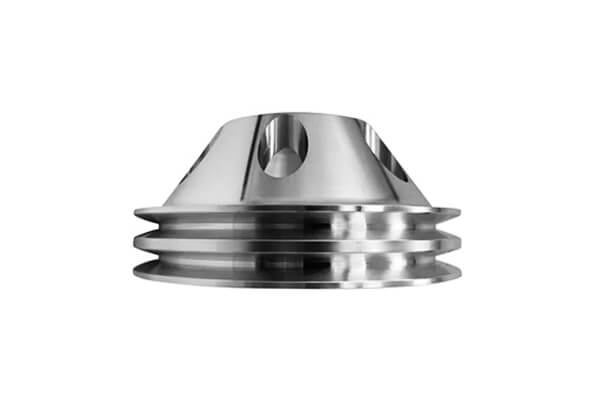
Такія матэрыялы, як Алюміній і Copper мякчэй і лягчэй паддаюцца апрацоўцы ў параўнанні з больш цвёрдымі сплавамі.
Яны валодаюць выдатнай цеплаправоднасцю, дазваляючы лягчэй рассейваць цяпло падчас працэсу нарэзкі паз. Аднак, яны прадстаўляюць свой уласны набор праблем.
- Праблемы:
-
- Адукацыя задзірын: Больш мяккія матэрыялы больш схільныя з'яўленню задзірын па краях паз, што можа паўплываць на якасць дэталі.
- Фарміраванне сколаў: Мяккія металы могуць вырабляць доўгія, цягучая дробка, якая можа перашкаджаць працэсу апрацоўкі.
- дэфармацыя: Больш мяккія матэрыялы могуць лёгка дэфармавацца пад празмерным ціскам рэзання, якія ўплываюць на дакладнасць пазы.
- Рашэнні:
-
- Ужываць Высакахуткасная сталь (Hss) інструменты або цвёрдасплаўныя ўстаўкі з належнай геаметрыяй краёў для мінімізацыі адукацыі задзірын.
- Працаўладкаваць высокія нормы падачы і адрэгулюйце глыбіню рэзання, каб паменшыць рызыка дэфармацыі.
- Выкарыстоўваць стружколомы або астуджальныя вадкасці для кантролю адукацыі сколаў і паляпшэння аздаблення паверхні.
Жорсткія матэрыялы (e.g., Вугляродная сталь, Сплава сталі)
Вугляродная сталь і Сплава сталі маюць збалансаванае спалучэнне цвёрдасці і трываласці,
што робіць іх адносна простымі ў апрацоўцы ў параўнанні з загартаванай сталлю, але ўсё яшчэ складанымі з пункту гледжання зносу інструментаў і кіравання цяплом.
Для апрацоўкі канавак у гэтых матэрыялах часта патрабуюцца інструменты з больш высокай трываласцю, чым тыя, якія выкарыстоўваюцца для больш мяккіх металаў.
- Праблемы:
-
- Ўмераныя паказчыкі зносу: Вугляродзістая і легаваная сталь можа выклікаць умераны знос інструмента, патрабуе частай замены інструмента.
- Кіраванне цяплом: Як больш цвёрдыя матэрыялы, назапашванне цяпла можа паўплываць на прадукцыйнасць рэзкі.
- Рашэнні:
-
- Ужываць цвёрдасплаўныя ўстаўкі або керамічныя прылады для павышэння даўгавечнасці і лепшай тэрмаўстойлівасці.
- Адрэгулюйце хуткасць рэзкі і падачы, каб аптымізаваць прадукцыйнасць і паменшыць вылучэнне цяпла.
Неметалічныя матэрыялы (e.g., Пластмасу, Кампазіты)
Пластмасы і кампазітныя матэрыялы становяцца ўсё больш распаўсюджанымі ў канавачных аперацыях, асабліва ў такіх галінах, як аўтамабільная і аэракасмічная.
Такія матэрыялы, як ABS, Полікарбанат, і Палімеры, армаваныя вугляродным валакном (CFRP) патрабуюць унікальных меркаванняў.
- Праблемы:
-
- Засмечанасць чыпа: Пластмасы маюць тэндэнцыю ўтвараць жылістыя сколы, якія могуць закаркаваць зону апрацоўкі.
- Цеплавая адчувальнасць: Некаторыя пластмасы могуць плавіцца або скажацца пры ўздзеянні празмернага цяпла, з-за чаго неабходна дакладна кантраляваць тэмпературу падчас нанясення паз.
- Знос інструмента: Пакуль мякчэй, некаторыя пластмасы могуць быць абразіўнымі і выклікаць хуткі знос інструмента.
- Рашэнні:
-
- Ужываць якасныя цвёрдасплаўныя ўстаўкі са спецыяльнай геаметрыяй, прызначанай для апрацоўкі пластыка.
- Астуджальныя вадкасці або паветраныя бруі павінны выкарыстоўвацца для кантролю цяпла і прадухілення расплаўлення ў працэсе нарэзкі паз.
- Выберыце правільную падачу і хуткасць рэзання, каб кіраваць стружколаўтварэннем і мінімізаваць знос інструмента.
Кампазіцыйныя матэрыялы (e.g., Вугляроднае валакно, Шкловалакно)
Кампазіты як вугляроднае валакно і пластмасы, армаваныя шкловалакном, ствараюць пэўныя праблемы падчас нарэзкі паз з-за іх слаістай структуры і абразіўнай прыроды.
- Праблемы:
-
- Знос інструмента: Кампазіты вельмі абразіўныя, выклікаючы хуткі знос рэжучых інструментаў.
- Расслаенне: Няправільная хуткасць рэзкі або выбар інструмента могуць прывесці да расслаення на краях канавак, сапсаваць частку.
- Рашэнні:
-
- Ужываць інструменты з алмазным пакрыццём або спецыялізаваны кампазітны інструмент для зніжэння зносу і лепшай прадукцыйнасці.
- Старанна кантралюйце параметры рэзкі, такія як падача і хуткасць рэзкі, каб звесці да мінімуму расслаенне і забяспечыць чыстыя зрэзы.
6. Важнасць выбару правільнага інструмента для пазаў
Выбар правільнага інструмента для пазаў вельмі важны для дасягнення высакаякасных вынікаў, аптымальны тэрмін службы інструмента, і эфектыўнае вытворчасць.
Аперацыі па нарэзцы пазаў, з-за іх дакладнай прыроды, патрабуюць ўважлівага стаўлення да рэжучага інструмента, так як гэта непасрэдна ўплывае на прадукцыйнасць працэсу апрацоўкі.
Матэрыял інструмента: Фонд прадукцыйнасці
Матэрыял, з якога выраблены долбежный інструмент, вызначае яго здольнасць вытрымліваць вялікія сілы рэзання, гарачыня, і насіць.
Розныя матэрыялы падыходзяць для розных тыпаў апрацоўкі, і выбар правільнага матэрыялу можа значна павысіць эфектыўнасць і даўгавечнасць інструмента.
- Цвёрдасплаўныя інструменты: Часцей за ўсё выкарыстоўваецца матэрыял для пазаў, цвёрдасплаўныя пласціны забяспечваюць выдатную зносаўстойлівасць і вытрымліваюць высокую хуткасць рэзкі.
Цвёрдасплаўныя інструменты падыходзяць для высокадакладных канавачных работ, асабліва пры апрацоўцы цвёрдых матэрыялаў, такіх як нержавеючая сталь і тытан. - Хуткарэзная сталь (Hss): Пры гэтым не такі зносаўстойлівасць, як карбід, HSS - гэта больш эканамічнае рашэнне для больш мяккіх матэрыялаў.
Інструменты HSS таксама ўніверсальныя, што робіць іх ідэальнымі для аперацый з нізкай і сярэдняй хуткасцю. - Керамічны інструмент: Спалучэнне керамікі і металу, інструменты з металакерамікай забяспечваюць выдатную зносаўстойлівасць і ідэальна падыходзяць для высокадакладных прымянення і цвёрдых матэрыялаў.
Яны забяспечваюць баланс паміж карбідам і HSS з пункту гледжання цвёрдасці, тэрмаўстойлівасць, і трываласць. - Керамічныя інструменты: Падыходзіць для высакахуткасных аперацый, керамічныя інструменты выдатныя ў апрацоўцы цвёрдых матэрыялаў.
Аднак, яны могуць быць больш далікатнымі і менш трывалымі пры працы з больш мяккімі матэрыяламі.
Геаметрыя інструмента: Прыстасаваны для працы
Геаметрыя канавачнага інструмента непасрэдна ўплывае на яго эфектыўнасць рэзання, аздабленне паверхні, і тэрмін службы інструмента.
Асноўныя геаметрычныя характарыстыкі ўключаюць нахільны кут, перадавая геаметрыя, і профіль інструмента, усе яны ўплываюць на сілы рэзання і цяпло, якое выдзяляецца падчас працы.
- Кут граблі: Станоўчы перадавой вугал дапамагае паменшыць сілы рэзання і стружколовление, забяспечваючы больш гладкія зрэзы.
Адмоўны кут нахілу, З іншага боку, павялічвае сілы рэзання, але забяспечвае большую трываласць інструмента ў цвёрдых матэрыялах. - Перадавая геаметрыя: Нарэзныя прылады могуць мець прамыя, скошаны, або скошаныя краю, кожны падыходзіць для канкрэтных прыкладанняў.
Востры рэжучы край мае вырашальнае значэнне для чысціні, дакладныя баразёнкі, у той час як закруглены край можа быць лепш для больш цяжкіх парэзаў у больш цвёрдых матэрыялах. - Профіль інструмента: Профіль інструмента адносіцца да формы рэжучай абзы, які павінен адпавядаць геаметрыі пазы (e.g., V-вобразная канаўка, U-вобразная канаўка, або прамая канаўка).
Профіль гарантуе, што памеры пазы дакладныя і адпавядаюць канструктыўным характарыстыкам.
Памер інструмента і тып устаўкі
Памер інструмента і тып пласціны таксама гуляюць вырашальную ролю ў працэсе канаўкі. Памер інструмента павінен адпавядаць памерах наразаецца пазы.
Інструмент, які занадта вялікі або занадта малы для прымянення, прывядзе да недакладнасцей, зніжэнне якасці паверхні, ці нават пашкоджанне дэталі, якая апрацоўваецца.
- Памер устаўкі: Пласціны звычайна выкарыстоўваюцца для канавачных інструментаў дзякуючы іх магчымасці замены і эканамічнай эфектыўнасці.
Выбар правільнага памеру пласціны мае вырашальнае значэнне для таго, каб інструмент забяспечваў дакладныя канаўкі, не выклікаючы празмернага зносу інструмента. - Тып устаўкі: Існуюць розныя тыпы ўставак, напрыклад квадрат, трохкутныя, і круглымі ўстаўкамі, кожны са спецыфічным выкарыстаннем у залежнасці ад формы пазы і ўмоў апрацоўкі.
Напрыклад, трохкутныя ўстаўкі часта выкарыстоўваюцца для вострых ўнутраных паз, у той час як квадратныя ўстаўкі ідэальна падыходзяць для знешніх паз.
Сучасныя пакрыцця: Павышэнне тэрміну службы і прадукцыйнасці інструмента
Апрацоўка паверхні або пакрыццё канавачнага інструмента можа палепшыць яго даўгавечнасць, паменшыць трэнне, і падоўжыць тэрмін яго службы.
Пакрыцці асабліва карысныя пры працы з цвёрдымі матэрыяламі або падчас высакахуткасных аперацый.
- Нітрыд тытана (Бляшанка): Звычайна выкарыстоўваецца пакрыццё, TiN паляпшае цвёрдасць інструмента, насіць супраціў, і цеплаправоднасць.
Ён шырока выкарыстоўваецца для рэжучых інструментаў, якія працуюць з мяккімі і сярэдняй цвёрдасцю матэрыялаў. - Карбанітрыд тытана (TiCN): Гэта пакрыццё забяспечвае павышаную зносаўстойлівасць і ідэальна падыходзіць для рэзкі больш цвёрдых матэрыялаў.
Ён таксама забяспечвае павышаную ўстойлівасць да акіслення пры высокіх тэмпературах. - Алмазныя пакрыцця: Для абразіўных матэрыялаў, такіх як кампазіты, Інструменты з алмазным пакрыццём забяспечваюць высокую прадукцыйнасць, памяншэнне зносу і павышэнне дакладнасці падчас канаўкі.
Выбар падыходнага інструмента для матэрыялу
Падбор патрэбнага матэрыялу і геаметрыі інструмента да матэрыялу нарыхтоўкі з'яўляецца ключом да дасягнення аптымальных вынікаў.
Напрыклад, выкарыстанне цвёрдасплаўнай устаўкі для мяккіх матэрыялаў, такіх як алюміній, можа быць не такім эфектыўным, як выкарыстанне інструмента HSS, што было б больш эканамічна выгадна.
Аналагічна, для больш цвёрдых матэрыялаў, такіх як тытан, карбід, або інструменты з металакерамікай неабходныя, каб вытрымліваць вялікія сілы рэзання і нагрэў.
Тэрмін службы інструмента і эканамічная эфектыўнасць
Выбар правільнага інструмента для нарэзкі паз можа павялічыць тэрмін службы інструмента і мінімізаваць час прастою.
Якасны інструмент праслужыць даўжэй, зніжэнне частаты змены інструмента і павышэнне агульнай прадукцыйнасці.
У той час як высокапрадукцыйныя інструменты могуць мець больш высокі першапачатковы кошт, яны часта прыводзяць да значнай эканоміі сродкаў з цягам часу дзякуючы іх даўгавечнасці і якасці канавак, якія яны вырабляюць.
- Эканамічная эфектыўнасць: Выбар інструмента з правільным балансам кошту і прадукцыйнасці для апрацоўванага матэрыялу гарантуе, што вытворцы атрымаюць найлепшую каштоўнасць для сваіх інвестыцый.
- Напрыклад, цвёрдасплаўныя інструменты могуць каштаваць даражэй, але пры апрацоўцы цвёрдых матэрыялаў яны звычайна перажывуць інструменты з хуткаснай працы, у канчатковым выніку эканомія на замене і працавыдатках.
Мінімізацыя зносу інструмента
Правільны выбар інструмента не толькі павялічвае тэрмін службы інструмента, але і мінімізуе яго знос, што прыводзіць да меншай колькасці праблем з якасцю.
Інструменты для нарэзкі пазаў падвяргаюцца зносу ў выніку трэння, гарачыня, і ціск, і выбар інструментаў з правільным матэрыялам і пакрыццём можа значна паменшыць гэта.
- Індыкатары зносу інструмента: Разуменне агульных прыкмет зносу інструмента (e.g., страта вастрыні,
павышаныя сілы рэзання, або дрэнная аздабленне паверхні) можа дапамагчы аператарам выбраць лепшыя інструменты і аптымізаваць тэрмін іх службы.
7. Перавагі Grooving
Дакладнасць і паслядоўнасць
Каразка забяспечвае дакладныя памеры, якія маюць вырашальнае значэнне для дэталяў, якія патрабуюць жорсткіх допускаў. Такая дакладнасць павышае надзейнасць і прадукцыйнасць канчатковага прадукту.
Напрыклад, ушчыльняльная канаўка з допускам ±0,01 мм можа прадухіліць уцечкі і забяспечыць доўгатэрміновую функцыянальнасць.
Налада і ўніверсальнасць
Магчымасць ствараць канаўкі розных тыпаў і глыбіні робіць канаўкі прыстасоўвальнымі да розных патрэб дызайну.
Ад простых V-вобразных канавак да складаных контураў, канаўка прапануе беспрэцэдэнтную настройку.
Інжынеры могуць адаптаваць канструкцыі канавак у адпаведнасці з пэўнымі функцыянальнымі патрабаваннямі, напрыклад, інтэграцыя вадкасных каналаў або запорных механізмаў.
Палепшаная зборка
Пазы палягчаюць эфектыўную зборку, дазваляючы дэталям больш эфектыўна злучацца, памяншэнне патрэбы ў дадатковых мацаваннях або клеях.
Добра прадуманая канаўка можа спрасціць працэсы зборкі і знізіць вытворчыя выдаткі.
Палепшаныя функцыянальныя магчымасці
Канаўкі могуць дадаваць функцыянальныя элементы, такія як механізмы фіксацыі або каналы вадкасці, паляпшэнне як эстэтыкі, так і прадукцыйнасці.
Напрыклад, дэкаратыўная канаўка можа палепшыць візуальную прывабнасць спажывецкага прадукту, служачы пры гэтым практычнай мэты, напрыклад, накіроўвалы паток паветра.
Эфектыўная вытворчасць
Дзякуючы інтэграцыі ключавых функцый непасрэдна ў дэталь, наразанне канавак рацыяналізуе вытворчасць, выключэнне другасных аперацый і паскарэнне вытворчасці.
Адна аперацыя канаўкі можа замяніць некалькі этапаў, што прыводзіць да эканоміі выдаткаў і больш хуткага выканання.
8. Прымяненне пазаў
Нарэзка пазаў выкарыстоўваецца ў самых розных галінах прамысловасці, уключаючы:
- Аўтамабільны: Стварэнне такіх кампанентаў, як шасцярні, шахты, і пячатак.
- Аэракасмічная: Праектаванне важных частак, такіх як лапаткі турбіны, дапрацоўкі, і ўшчыльнення, якія патрабуюць дакладнай, высокапрадукцыйныя канаўкі.
- Медыцынскія прылады: Вытворчасць такіх дэталяў, як катетеры, імплантаты, і хірургічныя інструменты.
- Электроніка: Пазы неабходныя для вытворчасці злучальнікаў, Цеплаячальнікі, і друкаваныя платы.
9. Праблемы пры нарэзцы пазаў і як іх пераадолець
Канкрэтныя матэрыяльныя праблемы
Некаторыя матэрыялы, як тытан або нержавеючая сталь, ствараюць унікальныя праблемы з-за сваёй цвёрдасці або схільнасці вылучаць цяпло.
Рашэнні ўключаюць выкарыстанне спецыялізаваных інструментальных матэрыялаў і рэгуляванне параметраў рэзкі.
Напрыклад, пры апрацоўцы тытана, выкарыстанне цвёрдасплаўных пласцін з аптымізаванай геаметрыяй можа паменшыць назапашванне цяпла і падоўжыць тэрмін службы інструмента.
Нашэнне інструмента
Празмерны знос інструмента можа пагоршыць якасць пазы. Рэгулярнае тэхнічнае абслугоўванне і выбар адпаведных матэрыялаў інструментаў дапамагаюць паменшыць гэтую праблему.
Маніторынг зносу інструмента і аператыўная замена зношаных уставак могуць падтрымліваць нязменную якасць канавак на працягу ўсёй вытворчасці.
Кіраванне цяплом
Назапашванне цяпла падчас глыбокай канаўкі можа пагоршыць якасць канаўкі. Выкарыстанне цепланосбітаў, аптымізацыя нормы падачы, і рэгуляванне геаметрыі інструмента можа эфектыўна кіраваць цяплом.
Напрыклад, нанясенне астуджальнай вадкасці ў кропку рэзкі можа рассейваць цяпло і паляпшаць аздабленне паверхні.
10. Лепшыя практыкі для пазаў
Выбар інструмента
Выбірайце правільны матэрыял інструмента ў залежнасці ад матэрыялу, які апрацоўваецца, каб павялічыць эфектыўнасць і тэрмін службы інструмента.
Напрыклад, цвёрдасплаўныя ўстаўкі працуюць выключна добра пры апрацоўцы цвёрдых матэрыялаў, такіх як нержавеючая сталь.
Аптымізацыя параметраў рэзкі
Адрэгулюйце хуткасць рэзкі, Колькасць падачы, і глыбіня рэзу ў адпаведнасці з тыпам матэрыялу і патрабаваннямі канаўкі для аптымальнай прадукцыйнасці.
Выпрабаванне розных параметраў на ўзорах можа вызначыць найлепшыя параметры для кожнага прыкладання.
Рэгулярнае тэхнічнае абслугоўванне інструмента
Пераканайцеся, што інструменты знаходзяцца ў добрым стане, каб прадухіліць нечаканыя збоі і падтрымліваць стабільную прадукцыйнасць.
Рэгулярныя праверкі і своечасовая замена зношаных уставак могуць пазбегнуць дарагіх прастояў.
Выкарыстанне астуджальных вадкасцей і змазачных матэрыялаў
Эфектыўнае выкарыстанне астуджальных вадкасцей памяншае нагрэў і паляпшае якасць канавак, падаўжэнне тэрміну службы інструмента.
Правільны выбар астуджальнай вадкасці для матэрыялу, які апрацоўваецца, можа павысіць як эфектыўнасць, так і якасць дэталі.
Quality Control
Рэгулярныя праверкі і выпрабаванні гарантуюць, што памеры канавак і якасць адпавядаюць вызначаным допускам, падтрыманне высокіх стандартаў вытворчасці.
Укараненне строгіх мер кантролю якасці можа своечасова выявіць праблемы і гарантаваць, што кожная частка адпавядае патрабаваным спецыфікацыям.
11. Conclusion
Апрацоўка паз - гэта універсальная і дакладная тэхніка апрацоўкі, якая адыгрывае ключавую ролю ў сучаснай вытворчасці.
Разуменне розных тыпаў паз, іх прыкладанні, і лепшыя практыкі, вытворцы могуць дасягнуць найвышэйшай якасці і эфектыўнасці дэталяў.
Усведамленне нюансаў канаўкі дазваляе інжынерам і тэхнікам пашыраць межы дызайну і функцыянальнасці, прасоўванне інавацый у розных галінах.
Незалежна ад таго, апрацоўваеце вы аўтамабільныя кампаненты, аэракасмічныя часткі, або медыцынскія прылады,
правільная тэхніка нарэзкі паз гарантуе, што вашы дэталі адпавядаюць самым высокім стандартам прадукцыйнасці і функцыянальнасці.