

1. Уводзіны
UNS C95500 - адна з найважнейшых нікелева-алюмініевых бронз у сучасным машынабудаванні, таму што яна спалучае ў сабе высокую трываласць, Выдатная каразійная ўстойлівасць, добрая зносаўстойлівасць, і высокую надзейнасць абслугоўвання ў цяжкіх умовах.
Ён шырока выкарыстоўваецца ў марскім абсталяванні, кампаненты клапана, арыентыроўка, утулкі, перадачы, часткі самалёта, і іншыя сферы прымянення, дзе звычайных сплаваў медзі ўжо недастаткова.
Сплаў таксама адрозніваецца тым, што захоўвае карысную трываласць пры падвышаных тэмпературах і добра працуе ў марской вадзе і іншых агрэсіўных асяроддзях..
Што робіць C95500 асабліва цікавым, так гэта тое, што ён не з'яўляецца «аднамэтавым» сплавам.
Гэта сістэмны сплаў: яго значэнне выглядае па-рознаму ў залежнасці ад таго, ці аптымізуе інжынер карозію, насіць, герметычнасць пад ціскам, структурная нагрузка, або тэмпературная стабільнасць.
2. Што такое нікель-алюмініевая бронза UNS C95500?
UNS C95500 - гэта a літой нікель алюміній бронза у сямействе медзь-алюміній-жалеза-нікель.
Ён спецыяльна распрацаваны для патрабавальнага абслугоўвання моц, насіць супраціў, Каразія супраціву, і трываласць павінны быць збалансаваны ў адным сплаве, а не аптымізаваны асобна.
На практыцы, гэта адносіць C95500 да групы высокапрадукцыйных канструкцыйных бронз, якія выкарыстоўваюцца для марскога абсталявання, кампаненты клапана, утулкі, перадачы, і іншыя запчасткі для цяжкага абслугоўвання.
У адрозненне ад латуні свабоднай апрацоўкі або бронзы агульнага прызначэння, C95500 абраны не для зручнасці.
Ён абраны таму, што яго металургічная канструкцыя забяспечвае апорныя характарыстыкі ў агрэсіўных асяроддзях, асабліва там, дзе марская вада, слізгальны знос, і працяглы тэрмін службы з'яўляюцца часткай праектнага задання.
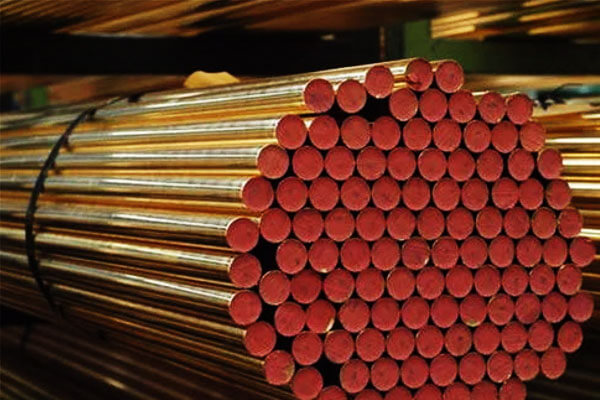
Alloy Identity
C95500 належыць да C95000–C95999 сямейства медна-алюмініева-жалезных і медна-алюмініева-жалеза-нікелевых сплаваў.
Гэтая сямейная класіфікацыя мае значэнне, таму што яна адрознівае нікелева-алюмініевую бронзу ад звычайнай латуні і алавянай бронзы:
сістэма сплаву пабудавана вакол алюмінія ў якасці асноўнага элемента ўмацавання, з даданнем жалеза і нікеля для павышэння трываласці, кантроль структуры, і прадукцыйнасць абслугоўвання.
З пункту гледжання спецыфікацыі, C95500 - гэта а літая алюмініевая бронза а не каванага сплаву.
Гэта азначае, што яго звычайная інжынерная роля заключаецца ў забеспячэнні складанай формы і высокай прадукцыйнасці ў адлітым або тэрмічнаму апрацаваным стане, замест таго, каб спадзявацца на пракат або маляванне для дасягнення ўласцівасцей.
Хімічны склад
Хімічны склад у адпаведнасці з ASTM B505/B505M-23
| Элемент | C95500 Склад |
| Cu | 78.0% мін. |
| F | 3.0–5,0% |
| У | 3.0–5,5% |
| AL | 10.0–11,5% |
| Мн | да 3.5% |
| Усяго названых элементаў | 99.5% мін. |
3. Фізічныя ўласцівасці UNS C95500
| фізічны / Функцыянальная ўласцівасць | Метрычная адзінка | Імперская адзінка |
| Шчыльнасць | 7.53 G/CM³ | 0.272 фунт/дзюйм³ |
| Удзельная вага | 7.53 | 7.53 |
| Электраправоднасць | 8% IACS | 8% IACS |
| Цеплаправоднасць | 41.9 W/m · k | 24.2 БТЕ/кв.фут/гадз/°F |
| Каэфіцыент цеплавога пашырэння | 15.5 × 10⁻⁶ /°C | 9 × 10⁻⁶ /°F |
| Удзельная цеплаёмістасць | 419 J/kg · k | 0.1 BTU/фунт·°F |
| Модуль пругкасці | 110 Балон | 16,000 ксі |
| Каэфіцыент Пуасона | 0.32 | 0.32 |
| Магнітная пранікальнасць, як | 1.32 | 1.32 |
| Магнітная пранікальнасць, Тэмпература TQ50 | 1.2 | 1.2 |
| Тэмпература плаўлення, вадкасць | 1054° С | 1930° F |
| Тэмпература плаўлення, солід | 1038° С | 1900° F |
4. Механічныя ўласцівасці UNS C95500
UNS C95500 - гэта a высокатрывалая нікелевая алюмініевая бронза механічныя характарыстыкі якога звычайна ацэньваюцца ў двух апублікаваных умовах: стандарт бесперапыннага ліцця C95500 стан і ст тэрмічнаму апрацаваны C95500HT стан.
Прыведзеныя ніжэй значэнні з'яўляюцца рэпрэзентатыўнымі ўласцівасцямі пры пакаёвай тэмпературы, паведамленымі для формаў прадуктаў ASTM B505/B505M-23.
Механічныя ўласцівасці бесперапыннага ліцця C95500
| Маёмасць | Метрычная адзінка | Імперская адзінка |
| Трываласць на расцяжэнне, мін. | 655 МПА | 95 ксі |
| Мяжа цякучасці пры 0.5% пашырэнне, мін. | 290 МПА | 42 ксі |
| Падаўжэнне ў 2 у. (50 мм), мін. | 10% | 10% |
| Цвёрдасць па Бринеллю, тыповы | 208 HBW | 208 HBW |
Механічныя ўласцівасці тэрмічнаму апрацаванага C95500HT
| Маёмасць | Метрычная адзінка | Імперская адзінка |
| Трываласць на расцяжэнне, мін. | 758 МПА | 110 ксі |
| Мяжа цякучасці пры 0.5% пашырэнне, мін. | 427 МПА | 62 ксі |
| Падаўжэнне ў 2 у. (50 мм), мін. | 8% | 8% |
| Цвёрдасць па Бринеллю, тыповы | 228 HBW | 228 HBW |
5. Каразія супраціву
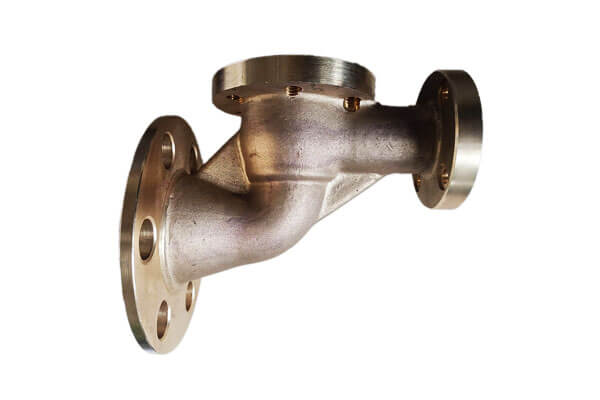
Гісторыя карозіі - адна з асноўных прычын такога шырокага выкарыстання C95500. Сплаў неаднаразова вызначаецца як які мае Выдатная каразійная ўстойлівасць, у тым ліку ў марская вада і марскія асяроддзя.
Ён таксама выкарыстоўваецца для абсталявання, якое апрацоўвае марскую ваду, кіслых шахтных вод, неакісляльных кіслот, прамысловыя тэхналагічныя вадкасці, прыкладання для ачысткі сцёкавых вод, і марское абсталяванне.
Прычына, па якой гэта важна, заключаецца не проста ў тым, што «яно не іржавее». Хутчэй, C95500 прапануе незвычайна каштоўную камбінацыю: ўстойлівасць да карозіі плюс зносаўстойлівасць плюс трываласць.
У марской вадзе, многія матэрыялы руйнуюцца альбо з-за агульнай карозіі, кавітацыя, эрозія, або раздражненне. C95500 з'яўляецца прывабным, таму што ён разглядае некалькі з гэтых рэжымаў адмовы адначасова,
таму ён з'яўляецца ў кампанентах помпы і клапана, утулкі, шахты, прапелерныя паслугі, і цяжканагружанае марское абсталяванне.
Гэтая ўстойлівасць да некалькіх механізмаў з'яўляецца ядром рэпутацыі сплаву.
У патрабавальнай службе, найбольш каштоўныя матэрыялы - гэта не тыя, якія вылучаюцца адной ізаляванай уласцівасцю, але тыя, якія застаюцца стабільнымі праз некалькі механізмаў адмовы. C95500 - хрэстаматыйны прыклад гэтага прынцыпу.
6. Перспектыва вытворчасці
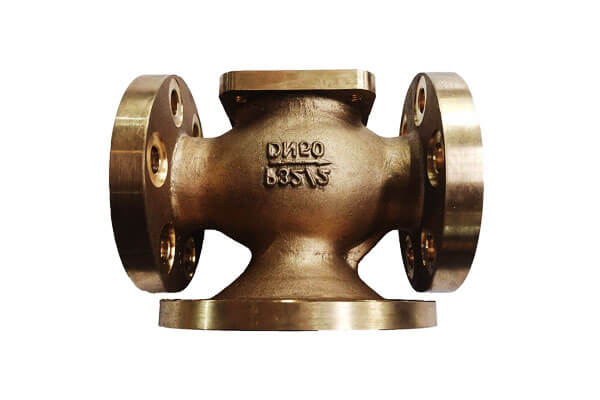
Ліццё: Моцны сплаў, Але не даруючы
UNS C95500 па сутнасці з'яўляецца ліцейным сплавам, і яго паводзіны ў працэсе адлюстроўвае гэтую тоеснасць.
Апублікаваныя дадзеныя аб ліцці апісваюць яго як ліццё з нізкім выхадам, высокая тэндэнцыя да ацёку, сярэдняй цякучасці, сярэдняя схільнасць да газаўтварэння, і высокая ўсаджванне пры застыванні.
Гэтая камбінацыя распавядае вельмі ясную інжынерную гісторыю: C95500 можа вырабляць высокапрадукцыйныя адліўкі, але гэта патрабуе дысцыплінаванай практыкі плаўлення, канструкцыя гукавога стробавання і ўздыму, і пільны кантроль акіслення і падачы.
C95500 вельмі ўніверсальны ў практыцы ліцця, але гэта не даруе.
Ён добра працуе папярок пясок, шкарлупіна, керамічны, інвестыцыя, пастаянная цвіль, бесперапынны, і цэнтрабежнага ліцця, аднак кожны з гэтых маршрутаў патрабуе ўважлівага кантролю за кармленнем, кіраванне аксідам, і паводзіны зацвярдзення.
Яго кароткі дыяпазон замярзання падтрымлівае гукавыя кастынгі, але толькі тады, калі ліцейны завод актыўна прадухіляе шлам, дэфекты ўсаджвання, і пытанні, звязаныя з газам.
Вось чаму C95500 лічыцца бронзавым ліццём вышэйшага класа, а не простым.
Апрацоўванне: Цалкам паддаецца апрацоўцы, Але не вольны крой
C95500 паддаецца апрацоўцы, але гэта не сплаў медзі, які падлягае свабоднай апрацоўцы.
Яго апублікаваны рэйтынг апрацоўваемасці 50, што ставіць яго ў катэгорыю сярэдняй апрацоўваемасці, а не ў клас лёгкай рэзкі.
Сплаў мае тэндэнцыю вырабляць закручаная стружка, і апублікаванае інжынернае кіраўніцтва папярэджвае, што гэта можа заклінаваць інструменты і стварыць дэфекты паверхні праз частковую зварку і разрыў, асабліва падчас апрацоўкі адтулін.
Па гэтай прычыне, сухая рэзка, кантроль чыпа, і стратэгія інструментаў мае значна большае значэнне, чым у латуні свабоднай рэзкі.
Карысным нюансам апрацоўкі з'яўляецца тое, калі ўжо праведзена цяжкая механічная апрацоўка, а нізкатэмпературнае зняцце напружання каля 350°C на працягу не менш за адну гадзіну рэкамендуецца перад канчатковай апрацоўкай.
Гаворка ідзе не аб тым, каб зрабіць сплаў лягчэй рэзаць; гаворка ідзе аб зніжэнні рызыкі дэфармацыі, выкліканага рэшткавым напружаннем, і паляпшэнні канчатковай стабільнасці памераў.
Іншымі словамі, C95500 можна эфектыўна апрацоўваць, але да яго трэба падыходзіць як да структурнай бронзы, якая патрабуе дысцыпліны працэсу, не як мяккую крамную латунь.
Вінжаванне: Магчыма ў спецыяльных метадах, Але не проста проста
На паводзіны зваркі нікелева-алюмініевай бронзы моцна ўплывае ахоўная багатая алюмініем аксідная плёнка, якая натуральным чынам утвараецца на паверхні.
З-за гэтага аксіднага пласта, памак, пайка, і кіслародна-ацэтыленавая зварка звычайна не рэкамендуецца у якасці асноўных шляхоў злучэння гэтых сплаваў.
Больш падыходзяць працэсы зваркі, вызначаныя ў тэхнічным кіраўніцтве TIG/GTAW, MIG/GMAW, ММА, электронна-прамянёвая зварка, і зварка трэннем.
Апублікаваныя даныя вырабу для C95500 таксама класіфікуюць кіслародна-ацэтыленавая зварка не рэкамендуецца, прамежак часу дугавая зварка ў абароненых газах і дугавая зварка металу з пакрыццём значацца як прыдатныя.
Гэта адрозненне важнае: C95500 не з'яўляецца сплавам для зваркі, але ён таксама не зварваецца.
Яго можна паспяхова злучыць, калі працэс абраны з паводзінамі аксіду, цеплавой ўваход, і сумесны дызайн на ўвазе.
Для важных частак, кваліфікацыя працэдуры зваркі і належны кантроль зон тэрмічнага ўздзеяння вельмі важныя, таму што баланс уласцівасцяў сплаву цесна звязаны з яго мікраструктурай.
Тэрмічная апрацоўка: Асноўны рычаг для прадукцыйнасці
Тэрмічная апрацоўка з'яўляецца адной з найбольш важных прычын таго, што C95500 так шырока выкарыстоўваецца ў патрабавальных службах.
Сплаў можа быць апрацаваны ў a цыкл загартоўкі і адпуску што павялічваецца трываласць доказу, мяжа трываласці на разрыў, ўдарная трываласць, і цвёрдасць, пры гэтым толькі нязначна паляпшаючы пластычнасць.
Для літой нікелева-алюмініевай бронзы тыпу CuAl10Fe5Ni5, апублікаванае кіраўніцтва апісвае ацяпленне да 900–950 ° С, трымаючы каля адну гадзіну, гартаванне вадой, а затым гартаванне пры 600-650°C на працягу прыкладна дзвюх гадзін.
Такая паслядоўнасць значна павялічвае трываласць, захоўваючы карысную трываласць.
У гэтым жа кіраўніцтве таксама адзначаецца важнае практычнае абмежаванне: складаныя формы могуць скажацца ў працэсе награвання і загартоўкі, таму частка геаметрыі, ёмістасць печы, і таўшчыню секцыі неабходна ўлічваць перад выбарам тэрмаапрацоўкі.
Іншымі словамі, тэрмічная апрацоўка з'яўляецца магутным інструментам прадукцыйнасці, але гэта не бясплатна. Ён паляпшае механічную абалонку сплаву толькі ў тым выпадку, калі канструкцыя кампанента можа вытрымліваць тэрмічны цыкл.
7. Перавагі і недахопы UNS C95500
Асноўныя перавагі
Высокая трываласць з карыснай пластычнасцю.
Выдатная ўстойлівасць да ўздзеяння марской вады і агрэсіўных асяроддзяў.
Моцны знос і прадухіленне задзірання.
Добрая здольнасць да высокіх тэмператур.
Без іскраў і немагнітных
Асноўныя недахопы
Высокі першапачатковы кошт
Магчымая механічная апрацоўка, але няпроста.
Кастынг тэхнічна складаны.
Зварка адчувальная да працэсу.
Электраправоднасць нізкая.
8. Прыкладанні UNS C95500
Марская і афшорнае абсталяванне
C95500 з'яўляецца адным з найбольш вядомых матэрыялаў для марской службы, таму што ён спалучае ў сабе каразійную ўстойлівасць марской вады, моц, і нашэнне супраціву.
Ён выкарыстоўваецца ў сістэмы трубаправодаў і клапанаў марской вады, Марскае абсталяванне, кампаненты, звязаныя з прапелерам, люкі, муфты, пячаткі, і іншае карабельнае абсталяванне.
Прыдатнасць сямейства сплаваў для апрацоўкі марской вады з'яўляецца асноўнай прычынай яго даўняй рэпутацыі ў ваенна-марской і марской тэхніцы.
Клапан, Помпа, і кампаненты Flow-Control
Сплаў шырока выкарыстоўваецца для Целы клапана, клапан сядзенні, накіроўвалыя клапанаў, кампаненты клапана, канчаецца вадкасць помпы, залозы, гайкі сальніка, і ўшчыльняючымі фланцамі.
Гэтыя дадаткі выйграюць ад спалучэння ўстойлівасці да карозіі, насіць супраціў, і механічная трываласць, асабліва там, дзе вада, тэхналагічныя вадкасці, або ўмерана агрэсіўныя хімічныя рэчывы.
Арыентыроўка, Ўтулкі, і зношваюцца дэталі
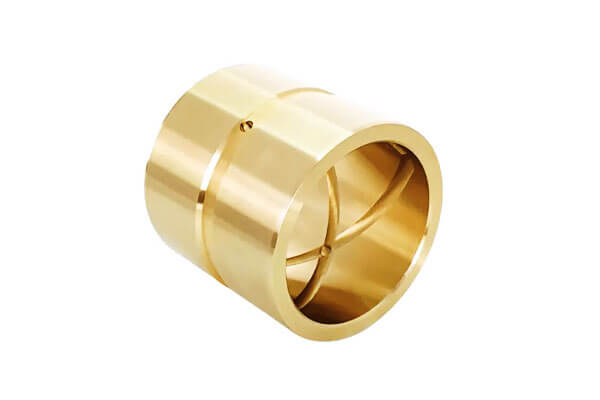
C95500 часта выбіраюць для арыентыроўка, утулкі, Насіць талеркі, поршневыя накіроўвалыя, і дэталі машын таму што ён добра працуе пры слізгальным кантакце і вялікай нагрузцы.
Яго зносаўстойлівасць і трываласць робяць яго прыдатным для пашкоджанняў паверхні, раздражненне, або абразіўны знос выклікае занепакоенасць.
Шасцярні і дэталі сілавых перадач
Сплаў выкарыстоўваецца ў перадачы, чарвякі, чарвячныя колы, і звязаныя з імі кампаненты трансмісіі.
Гэтыя часткі патрабуюць матэрыялу, які можа пераносіць кантактнае напружанне, захоўваць стабільнасць памераў, і супрацьстаяць зносу на працягу працяглых інтэрвалаў абслугоўвання. Механічны баланс C95500 робіць яго практычным выбарам для такой працы.
Абсталяванне для прамысловых працэсаў і жорсткага абслугоўвання
Сплаў выкарыстоўваецца ў абсталяванне для салення, прыкладання для ачысткі сцёкавых вод, накіроўвалыя гарачага млына, і прамысловае абсталяванне.
Гэтыя спосабы выкарыстання адлюстроўваюць здольнасць сплаву вытрымліваць агрэсіўныя асяроддзя, механічная нагрузка, і шматразовы цыкл абслугоўвання.
У прамысловых умовах, такая камбінацыя можа скараціць інтэрвалы тэхнічнага абслугоўвання і павысіць надзейнасць.
Электрычнае і спецыяльнае абсталяванне
Хоць C95500 не з'яўляецца сплавам электраправоднасці, у некаторых ён усё яшчэ з'яўляецца электрычнае абсталяванне і спецыяльныя кампаненты, дзе канструктыўная надзейнасць, Каразія супраціву, і паводзіны зносу больш важныя, чым праводнасць.
Ён таксама выкарыстоўваецца ў клавішы піяніна і музычныя інструменты, дзе карысныя механічная ўстойлівасць і тэхналагічнасць сплаву.
9. Conclusion
ЗША C95500 нікель-алюмініевая бронза з'яўляецца высокакаштоўным інжынерным сплавам, таму што ён спалучае ўласцівасці, якія часта цяжка атрымаць разам:
Высокая сіла, Выдатная каразійная ўстойлівасць, моцная зносаўстойлівасць, добрая трываласць, і працаздольнасць ў шырокім дыяпазоне тэмператур.
Яго хімія старанна настроена, яго паводзіны пры кастынгу патрабавальныя, але кіраваныя, і яго рэакцыя на тэрмічную апрацоўку дае дызайнерам дадатковы рычаг прадукцыйнасці, калі патрабуецца.
На практыцы, C95500 лепш за ўсё разумець як сплаў для цяжкіх эксплуатацыйных работ.
Гэта найбольш пераканаўча, калі рэжымы няўдач змешаныя і няўмольныя - марская вада, рухомы груз, слізгальны кантакт, абавязак ціску, і доўгатэрміновая механічная служба.
Вось чаму яна застаецца адной з самых паважаных нікелева-алюмініевых бронз у інжынернай практыцы.
FAQ
Ці з'яўляецца C95500 ліцейным сплавам або каваным сплавам?
C95500 у асноўным выкарыстоўваецца ў якасці сплаў для ліцця, з апублікаванымі спасылкамі на бесперапынны адліў, sand cast, цэнтрабежны літой, і дакладныя літыя формы.
Ці добры C95500 у марской вадзе?
Так. Ён неаднаразова ідэнтыфікуецца як які мае Выдатная каразійная ўстойлівасць, уключаючы ўстойлівасць да салёнай вады, што з'яўляецца адной з асноўных прычын яго выкарыстання ў марскім абсталяванні і сістэмах клапанаў.
Ці можна C95500 падвяргаць тэрмічнай апрацоўцы?
Так. У апублікаваным тэхнічным кіраўніцтве паказаны характарыстыкі C95500 як у адліваным выглядзе, так і пасля тэрмаапрацоўкі, пры цеплавой апрацоўцы трываласць яшчэ больш павялічваецца.
Ці просты ў апрацоўцы C95500?
Ён паддаецца механічнай апрацоўцы, але не бясплатная апрацоўка. Рэйтынг яго обрабатываемости складае 50, такім чынам, гэта сплаў сярэдняй апрацоўваемасці, а не лёгкі для рэзкі.
У чым галоўная перавага C95500 перад звычайнымі бронзамі?
Яго галоўная перавага - спалучэнне Высокая сіла, Выдатная каразійная ўстойлівасць, і нашэнне супраціву, асабліва ў суровых марскіх або прамысловых умовах.

