У здабычы карысных выкапняў, збудаванне, Аўтамабільнае вытворчасць, сельская гаспадарка, энэргія, і цяжкай тэхнікі, сталь рэдка просяць зрабіць толькі адну працу.
Ён павінен несці нагрузку, паглынуць удар, перажыць паўторны кантакт, супрацьстаяць эрозіі часціц, і падтрымліваць стабільнасць памераў на працягу працяглых цыклаў абслугоўвання.
У тых асяроддзях, насіць супраціў не з'яўляецца другараднай асаблівасцю. Гэта асноўнае эканамічнае і інжынернае патрабаванне.
Сталёвы кампанент, які занадта хутка зношваецца, робіць больш, чым рана выходзіць з ладу.
Гэта павялічвае кошт абслугоўвання, скарачае час бесперабойнай працы абсталявання, павышае попыт на запасы запасных частак, і часта становіцца схаванай прычынай страты прыбытковасці вытворчай лініі або машыны.
Таму зносаўстойлівая сталь стала адной з найбольш стратэгічна важных катэгорый матэрыялаў у прамысловай тэхніцы.
Зносаўстойлівасць - гэта не расплывісты маркетынгавы тэрмін. Гэта вымерная ўласцівасць матэрыялаў, сфарміраваная хіміяй, цяжкасць, мікраструктура, вынослівасць, тэрмічная апрацоўка, і паверхневая інжынерыя.
1. Што на самой справе азначае зносаўстойлівасць сталі
Зносаўстойлівасць сталі - гэта здольнасць сталі супрацьстаяць страце матэрыялу, пашкоджанне паверхні, або функцыянальная дэградацыя, выкліканая трэннем, ізаляцыі, ўздзеянне, слізгальны кантакт, эрозія часціц, або хіміка-механічнае ўздзеянне
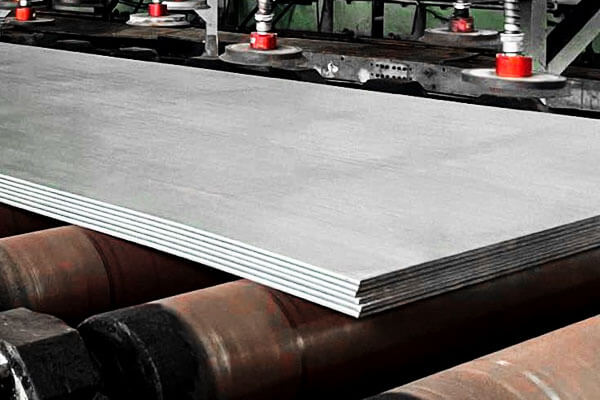
Матэрыял з высокай зносаўстойлівасцю можа:
- губляць масу павольней,
- даўжэй захоўваюць геаметрыю паверхні,
- супрацьстаяць драпінам і баразёнкам,
- затрымка пачатку расколіны,
- і захаваць форму, герметызацыя, або апорнай функцыі з цягам часу.
Такім чынам, зносаўстойлівасць з'яўляецца ўласцівасцю сістэмы, не толькі лік цвёрдасці. Сталь можа быць вельмі цвёрдай, але працаваць дрэнна, калі яна занадта далікатная.
Іншая сталь можа быць вельмі трывалай, але занадта хутка зношвацца, калі паверхня занадта мяккая.
Найлепшыя паказчыкі зносу забяспечваюцца правільным балансам цяжкасць, вынослівасць, працоўныя паводзіны, і мікраструктурнай стабільнасцю
Асноўныя фактары, якія кантралююць зносаўстойлівасць
| Фактар | Ўплыў на зносаўстойлівасць |
| Змест вугляроду | Больш высокі вуглярод можа павялічыць цвёрдасць і зносаўстойлівасць |
| Легувыя элементы | Хром, molybdenum, ванадыя, марганец, нік, і бор можа палепшыць здольнасць да загартоўвання і зносаўстойлівасць |
| Цвёрдасць паверхні | Больш высокая цвёрдасць паверхні звычайна павышае ўстойлівасць да драпін і пранікнення |
| Цвёрдасць ядра | Прадухіляе далікатнае разбурэнне пры ўдарных або цыклічных нагрузках |
| Тэрмічная апрацоўка | Удасканальвае мікраструктуру і можа значна павялічыць тэрмін службы |
| Абарона паверхні | Пакрыцці, служэнне, азот, і накладкі могуць падоўжыць тэрмін нашэння |
| Кантактны механізм | Зносаўстойлівасць залежыць ад таго, ці падвяргаецца дэталь ізаляцыі, ўздзеянне, адгезія, эрозія, або знос з-за карозіі |
2. Шэсць тыповых прамысловых рэжымаў зносу сталі і механізмаў адмовы
Прамысловы знос сталі - гэта не адзінкавы працэс страт на трэнне.
Па розных формах націску, дзейныя СМІ, і характарыстыкі адмовы, ён падзелены на шэсць класічных рэжымаў класіфікацыі.
Дакладная ідэнтыфікацыя тыпаў зносу з'яўляецца перадумовай мэтанакіраванага выбару зносаўстойлівай сталі і кантролю адмоваў.
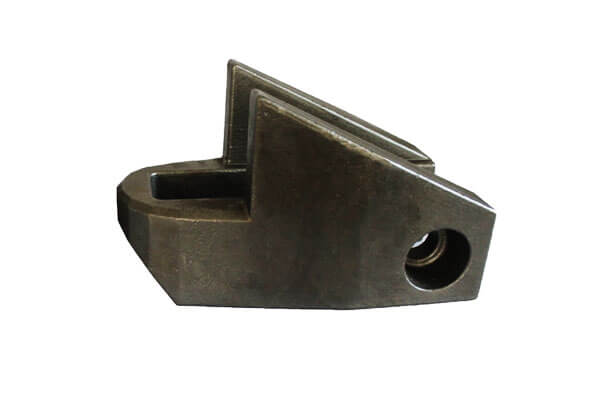
Абразіўны знос
Абразіўны знос - найбольш распаўсюджаны спосаб прамысловага зносу (уліку звыш 60% паломак, звязаных са зносам, у горназдабыўной прамысловасці і будаўніцтве), выкліканае здушваннем цвёрдых цвёрдых часціц, драпіна, і рэзка сталёвай паверхні.
Цвёрдыя часціцы, такія як рудны жвір, пясок, і металічнае смецце ствараюць бесперапыннае ўздзеянне мікрарэзам на сталёвыя кампаненты, што прыводзіць да паступовага адслаення матэрыялу паверхні і страты таўшчыні.
Шырока сустракаецца ў гільзах драбнілак, рэжучыя інструменты, горна-шліфавальнае абсталяванне, і зношвальныя дэталі машынабудавання.
Два падтыпы:
- Ізаляцыя з нізкім узроўнем стрэсу: Часціцы коцяцца або слізгаюць з нізкім напружаннем сціску (e.g., канвеерныя стужкі).
- Высокае напружанне ізаляцыі: Часціцы здрабняюцца паміж паверхнямі, выклікаючы сур'ёзныя парэзы (e.g., лайнеры для шаравых млыноў).
Клей зносу (З'едлівы)
Адгезійны знос адбываецца, калі дзве слізгальныя паверхні пад высокім ціскам ствараюць лакальную зварку і перанос матэрыялу з-за празмернага цяпла трэння і адгезіі паверхні.
Кропкі мікразваркі разрываюцца падчас бесперапыннага адноснага руху, што прыводзіць да драпін на паверхні, расколвання матэрыялу, і збой супастаўлення кампанентаў.
Гэты рэжым распаўсюджаны ў цыліндра-поршневых сістэмах рухавікоў, зубчастыя перадачы, і моцна нагружаныя апорныя паверхні.
Стратэгіі прафілактыкі: Выкарыстоўвайце розныя матэрыялы (e.g., сталь супраць чыгуну), ўжываць цвёрдыя змазкі (MoS₂, графіт), і падтрымлівайце належную змазку, каб прадухіліць паломку гранічнай змазкі.
Эразіўны знос
Эразійны знос выклікаецца высакахуткасным уздзеяннем часціц або вадкасці.
Высокахуткасны газ, вадкі, або цвёрдыя змешаныя асяроддзя бесперапынна бамбардзіруюць паверхню сталі, выклікаючы стомленае расколванне і мікраабляцыю.
Гэта прыкметна ў кампанентах аэракасмічных турбін, горныя трубаправоды, лопасці вентылятара, і абсталяванне для падачы вадкасці, якое працуе ва ўмовах высокай хуткасці.
Асноўныя параметры:
- Хуткасць часціц: Хуткасць эрозіі ∝ (хуткасць)^н, дзе n = 2-3 для пластычных металаў.
- Кут удару: Пік эрозіі адбываецца пры 20-40° для пластычных матэрыялаў (сталі) і каля 90° для далікатных матэрыялаў (кераміка).
Стомленасць зносу
Пры працяглых пераменных нагрузках, цыклічная вібрацыя, і паўторныя стрэсавыя ўздзеяння, ўнутры і на паверхні сталі паступова ўзнікаюць мікратрэшчыны.
З бесперапынным распаўсюджваннем расколін, адбываецца лушчэнне матэрыялу паверхні і разбурэнне структуры.
Гэты рэжым зносу дамінуе ў маставых металаканструкцыях, валы механічнай трансмісіі, апорныя кампаненты, і абсталяванне, якое падвяргаецца цыклічнай нагрузцы.
Крытычны інжынерны параметр: А мяжа стамляльнасці (мяжа трываласці) уяўляе сабой максімальную амплітуду напружання, ніжэй якой сталь тэарэтычна можа вытрымаць бясконцыя цыклы без стомленага разбурэння.
Для большасці зносастойкіх сталей, гэта прыкладна 40-60% ад мяжы трываласці на разрыў.
Фрыкцыйная стомленасць
У адрозненне ад чыстага стомленага зносу, гэты рэжым узнікае ў выніку перыядычнага сухога трэння і зваротна-паступальнага руху.
Доўгатэрміновае цыклічнае трэнне стварае канцэнтраванае павярхоўнае напружанне, выклікаючы шчыльныя мікратрэшчыны і прагрэсіўную страту матэрыялу.
Ён вельмі распаўсюджаны ў сельскагаспадарчых машынах, перадачы прамысловых перадач, і механічных пар трэння з частым зваротна-паступальным рухам.
Каразійны знос
Гэта спалучаны рэжым адмовы, які спалучае хімічную карозію і механічны знос.
Сталёвыя паверхні падвяргаюцца акісленню, кіслотна-шчолачная карозія, і электрахімічная эрозія ў агрэсіўных асяроддзях, утвараючы друзлыя каразійныя пласты.
Гэтыя далікатныя каразійныя пласты хутка сціраюцца ў выніку механічнага трэння, падвяргаючы свежую сталёвую матрыцу бесперапыннай карозіі і цыркуляцыі зносу.
Тыповыя сцэнарыі ўключаюць рэзервуары для захоўвання хімікатаў, трубаправоды з агрэсіўнай вадкасцю, і сталёвыя збудаванні для марскога асяроддзя.
Эфект сінэргіі: Камбінаваныя пашкоджанні ад карозіі і зносу часта больш, чым сума асобных эфектаў.
Каразійнае ўздзеянне аслабляе павярхоўны пласт, паскараючы знос, у той час як знос выстаўляе свежы, неабаронены метал, паскарэнне карозіі.
Гэты каэфіцыент сінэргіі можа дасягаць 3-10× у агрэсіўных асяроддзях.
3. Шэсць асноўных пераваг сталі з высокай зносаўстойлівасцю
Высакаякасная зносаўстойлівая сталь стала незаменным універсальным матэрыялам для сучаснай прамысловай вытворчасці, з усёабдымнымі перавагамі ў прадукцыйнасці, якія дакладна вырашаюць розныя болевыя моманты, звязаныя з зносам прамысловага абсталявання:
| Перавага | Тэхнічная база | Прамысловая выгада |
| 1. Звышвысокая цвёрдасць паверхні | 400-750 HBW; матрыца карбіду сплаву | Зніжае хуткасць лінейнага зносу на 50-80%; падаўжае тэрмін службы кампанентаў. |
| 2. Палепшаная ўсебаковая трываласць | Высокая трываласць на расцяжэнне + калянасць канструкцыі | Дазваляе лёгкі дызайн (больш тонкія зрэзы); зніжае расход сыравіны і ўласную вагу абсталявання. |
| 3. Выдатная ўдарная глейкасць | Здольнасць паглынання дынамічнай нагрузкі (20-50 Дж Шарпі) | Супраціўляецца далікатнаму разлому пры ўдарах і вібрацыі; падыходзіць для змешаных умоў зносу. |
| 4. Раўнамернае выкананне канструкцыі | Сталая металаграфічная структура па ўсім разрэзе | Няма лакальных слабых зон; забяспечвае прадказальнасць, партыйны паслядоўны тэрмін службы. |
| 5. Добрая обрабатываемость & свариваемость | Падтрымлівае звычайную рэзку, свідраванне, вінжаванне | Сумяшчальны са стандартнай прамысловай апрацоўкай; спецыяльны інструмент не патрабуецца. |
| 6. Двайная ўстойлівасць да высокай тэмпературы & карозія | Мадыфікацыя сплаву Cr, У, Мо | Захоўвае прадукцыйнасць пры высокіх тэмпературах, вільготны, і агрэсіўныя сродкі масавай інфармацыі. |
4. Тры сістэматычныя тэхнічныя шляхі паляпшэння зносаўстойлівасці сталі
Для далейшай аптымізацыі зносаўстойлівасці звычайнай сталі і задавальнення патрабаванняў экстрэмальных прамысловых умоў працы, прамысловая вытворчасць прымае тры сталыя і эфектыўныя сістэмы тэхнічнай аптымізацыі з крыніцы матэрыялу, унутраная структура, і абарона паверхні.
Аптымізацыя сплаву хімічнага складу
Аптымізуйце асноўнае ўтрыманне вугляроду, каб збалансаваць цвёрдасць і трываласць; дадаць колькасны хром, molybdenum, ванадый і іншыя мікраэлементы для фарміравання высокастабільных карбідаў сплаву,
удакладніць збожжавую структуру сталі, ліквідаваць ўнутраныя забруджвання, і наладзіць спецыяльную зносаўстойлівасць з легаванай сталі для абразіва, сцэнары ўздзеяння або каразійнага зносу.
| Стратэгія | Механізм | Прыклады адзнак | Паляпшэнне зносу |
| Вугляроднае рэгуляванне | Павялічце цэментыт (Fe₃c) доля | 0.45% C → 0.60% C | +30-50% устойлівасць да ізаляцыі |
| Даданне хрому | Утварае карбіды Cr; павышае прокаливаемость | 1-2% Cr | +40-60% зносу (высокі стрэс) |
| Даданне малібдэна | Ачышчае збожжа; утварае карбіды Mo₂C | 0.2-0,5% Mo | +20-30% баланс трываласці і зносу |
| Даданне ванадыя | Утварае V₄C₃ (надзвычай цяжка, ~2800 HV) | 0.05-0,15% V | +50-100% у вельмі абразіўных асяроддзях |
| Дабаўка бору | Павышае загартоўвальнасць без страты трываласці | 0.001-0,005% Б | Дазваляе больш тонкія секцыі, меншы кошт сплаву |
Дакладнасць тэрмічнай апрацоўкі Умацаванне
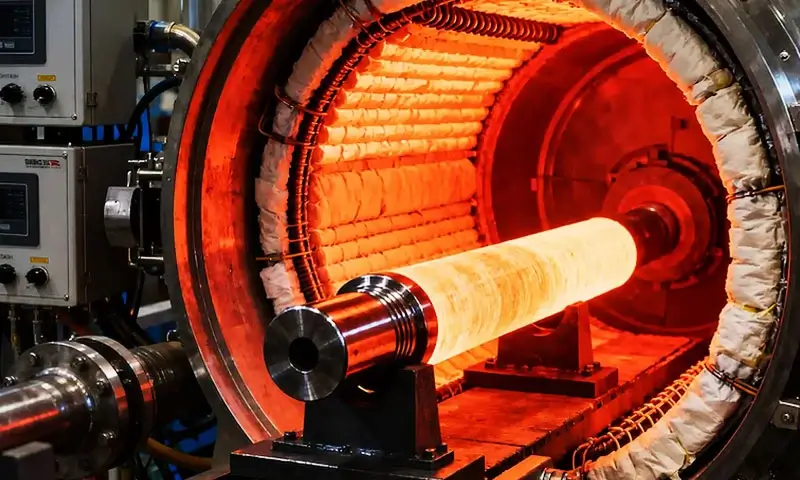
Прыняць навуковыя працэсы тэрмічнай апрацоўкі, уключаючы загартоўку, загармаванне, науглероживание і азатаванне.
Градыент умацоўвае цвёрдасць паверхні сталёвых кампанентаў, захоўваючы пры гэтым высокую трываласць унутранай матрыцы,
рэалізуючы ідэальнае адпаведнасць цвёрдай паверхні для зносаўстойлівасці і жорсткага стрыжня для ўдаратрываласці, і фундаментальнае паляпшэнне комплексных супрацьзносных і супрацьутомленых характарыстык.
| Працэс | Параметр | Мікраструктура | Цяжкасць (HRC) | Ўзмацненне зносаўстойлівасці |
| Тушэнне + загармаванне (Q&T) | 850° С + 200Тэмпература -600°C | Загартаваны мартенсит | 35-55 | Базавая лінія (1×) |
| Науглероживание + патушыць | 930° С, 2-4 гадзіны | Справа: мартэнсіт + карбідаў; ядро: ферыт / перліт | 58-63 (выпадку) | 3-5× паляпшэнне |
| Азот | 520° С, 40-100 гадзін | Справа: нітрыды жалеза + нітрыды сплаву | 65-75 | 5-8× паляпшэнне |
| Мартаванне | 850° С + 200°C патушыць | Дробны мартенсит (зніжэнне ўнутранага напружання) | 50-60 | 1.5-2× паляпшэнне |
Тэхналогія бар'ернай абароны паверхні
Прымяненне фізічных і хімічных тэхналогій мадыфікацыі паверхні, такіх як нанясенне сплаваў, тэрмічнае напыленне, ацынкоўка і пасівацыя.
Для ізаляцыі часціц вонкавага трэння на паверхні сталі ўтвараецца шчыльны ахоўны пласт, агрэсіўныя асяроддзя і акісляльнае асяроддзе,
пазбяганне прамога кантакту паміж сталёвай матрыцай і крыніцамі ізаляцыі, і значна падаўжаючы тэрмін службы кампанентаў.
| Тэхналогія | Матэрыял пакрыцця | Таўшчыня (µm) | Цяжкасць (Hv) | Ўзмацненне зносаўстойлівасці |
| Тэрмічнае напыленне (Hvof) | WC‑Co, Cr₃C₂‑NiCr | 50-300 | 1,000-1400 | Да 20× (абразіўны) |
| PVD / CVD пакрыццё | Бляшанка, TiAlN, Crn | 2-10 | 2,000-3500 | Да 10× (клейкі) |
| Лазерная ашалёўка | Інструментальная сталь, сумесь карбіду | 500-2000 | 600-1200 | Да 15× (ударна-абразіўныя) |
| Электрапляванне | Цвёрды хром | 50-250 | 800-1000 | Да 8× (знос з нізкім узроўнем стрэсу) |
5. Тыпы зносаўстойлівай сталі і матэрыяльныя стратэгіі
У залежнасці ад умоваў эксплуатацыі выкарыстоўваюцца розныя маркі сталі.
| Тып сталі / Стратэгія | Логіка асноўнага матэрыялу | Тыповая цвёрдасць / Профіль трываласці | Асноўныя зносаўстойлівасці | Лепшыя прыкладанні |
| Загартаваны і загартаваны Сплава сталі | Трываласць ствараецца шляхам легіравання, а таксама загартоўкі і водпуску; мэта цяжкая, высокатрывалы асноўны метал | Высокая трываласць на расцяжэнне, ад сярэдняй да высокай цвёрдасці, моцная трываласць | Добры для камбінаванага ўздзеяння + служба зносу | Шахты, восі, звышмоцныя дэталі машын, кампаненты структурнага зносу |
| Загартаваная сталь | Цвёрды вонкавы пласт з жорсткім стрыжнем, звычайна дасягаецца науглероживанием або аналагічнымі метадамі ўзбагачэння паверхні | Вельмі цяжкі выпадак, жорсткае ядро | Выдатна падыходзіць для слізгальнага кантакту і кантактнай стомленасці | Перадачы, кулачкі, Запчасткі перадачы, кампаненты прэцызійнага прывада |
| Азотаваная сталь | Азот дыфузіюе ў паверхню для стварэння цвёрдага пласта, стабільны пласт зносу з мінімальнымі скажэннямі | Вельмі цвёрдая паверхня, ўмераная трываласць ядра | Моцная ўстойлівасць да зносу клею, калаціць, і ўмеранай ізаляцыі | Прэцызійныя валы, памірае, формы, гідраўлічныя часткі, высокадакладныя кампаненты |
Сталь з высокім утрыманнем вугляроду |
Падвышанае ўтрыманне вугляроду павялічвае патэнцыял цвёрдасці і зносаўстойлівасць | Высокі патэнцыял цвёрдасці, больш нізкая трываласць, чым у низкоуглеродистых сталей | Добрая ўстойлівасць да ізаляцыі і рэзкі паверхні | Ўкладышы, талерка, падае, дэталі драбнілку, інструменты для кантакту з глебай |
| Высокалегіраваная зносастойкая сталь | Пакет Alloy распрацаваны спецыяльна для зносу, загартоўвальнасць, і мікраструктурнай стабільнасцю | Высокая цвёрдасць, інжынерная трываласць, выдатная прокаливаемость | Трывалы пры моцным ізаляцыі і змешаных умовах зносу | Горнае абсталяванне, звышмоцныя ўкладышы, дэталі прамысловага зносу |
| Tool Steel | Разлічаны на вельмі высокую цвёрдасць, Памерная стабільнасць, і нашэнне супраціву | Вельмі высокая цвёрдасць, ад сярэдняй да высокай трываласці ў залежнасці ад гатунку | Выдатны ў зрэзцы, фарміраванне, і высокакантактнае адзенне | Памірае, удары, формы, інструменты для фармавання, рэжучыя кампаненты |
| бейнічны / Микролегированная зносастойкая сталь | Кантраляваная мікраструктура забяспечвае баланс зносаўстойлівасці і трываласці | Цвёрдасць ад сярэдняй да высокай, добрая трываласць | Добрая стомленасць і зносаўстойлівасць | Аўтамабільныя кампаненты, тэхніка, канструктыўныя дэталі зносу |
Сістэма цвёрдай сталі |
Базавая сталь пакрыта наплавленай паверхняй з высокай зносаўстойлівасцю | Залежыць ад базавай сталі і складу накладкі | Выдатна падыходзіць для экстрэмальнага зносу паверхні | Вёдры, драбнілку, клапаны, падае, накладкі |
| З пакрыццём / Паверхневая інжынерная сталь | Зносаўстойлівасць паляпшаецца за кошт пакрыццяў, тэрмічны спрэй, служэнне, азот, або кампазітныя пласты | Змяняецца ў залежнасці ад лячэння | Можа быць адаптаваны да пэўных механізмаў зносу | Дакладныя дэталі, абслугоўванне каразійнага зносу, высокакаштоўныя кампаненты |
| Нержавеючая зносаўстойлівая сталь | Устойлівасць да карозіі захоўваецца, а зносаўстойлівасць паляпшаецца шляхам выбару маркі або апрацоўкі | Ад сярэдняй да высокай трываласці; характарыстыкі зносу адрозніваюцца ў залежнасці ад класа | Карысны ў вільготным, хімічны, або гігіенічныя ўмовы | Абсталяванне для харчавання, марскія часткі, хімічная апрацоўка, помпы, клапаны |
6. Сцэнарыі прамысловага прымянення зносаўстойлівай сталі ў поўным сегменце
З яго выдатнай комплекснай прадукцыйнасцю, зносаўстойлівая сталь стала пераважным асноўным матэрыялам для асноўных нясучых і зносаўстойлівых кампанентаў практычна ва ўсіх галінах цяжкай прамысловасці:
Здабыча і перапрацоўка карысных выкапняў
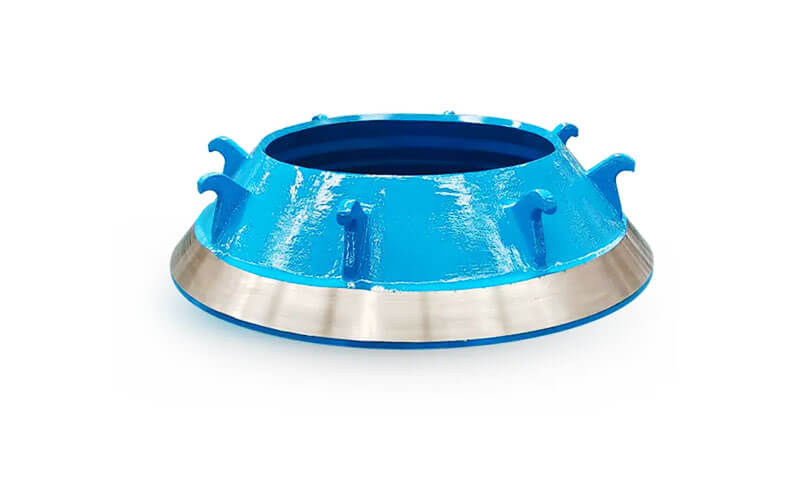
- ўкладышы драбнілку,
- шліфавальныя апоры,
- пласціны жолабы,
- бункерныя ўкладышы,
- каўшы экскаватара,
- і скрынінгавае абсталяванне.
Будаўніцтва і земляныя работы
- каўшы пагрузчыка,
- бульдозерныя адвалы,
- знос краёў,
- рэжучыя кампаненты,
- і часткі канструкцыі, падвергнутыя ўздзеянню смецця.
Аўтамабільная справа і транспарт
- перадачы,
- кампаненты прывада,
- дэталі, звязаныя з тармазамі,
- падлогі зносу кузава грузавіка,
- і механічныя дэталі з высокай нагрузкай.
Сельская гаспадарка
- лопасці плуга,
- кампаненты камбайна,
- глебаапрацоўчыя прылады,
- насеннае абсталяванне,
- і зношваюцца дэталі ў кантакце з глебай.
Энергетычная і хімічная апрацоўка
- трубаправоды,
- клапаны,
- помпы,
- сістэмы апрацоўкі жыжкі,
- і высокатэмпературныя кампаненты, дзе суіснуюць знос і карозія.
Цяжкая вытворчасць
- гіды,
- ролікі,
- памірае,
- свяцільні,
- і кампаненты машыны ў бесперапыннай працы.
7. Зносаўстойлівасць супраць. Моц: Крытычнае адрозненне
Адной з самых распаўсюджаных памылак пры выбары матэрыялу з'яўляецца здагадка, што трывалая сталь аўтаматычна становіцца зносаўстойлівай.
У інжынернай практыцы, гэтыя дзве ўласцівасці звязаны, але яны не аднолькавыя.
Трываласць і знос - розныя праблемы адмовы
Моц гэта здольнасць сталі супрацьстаяць пастаяннай дэфармацыі або разбурэння пад дзеяннем прыкладзенай нагрузкі.
Гэта аб'ёмная механічная ўласнасць. Калі інжынеры кажуць пра трываласць на разрыў, Сіла выхаду, трываласць на сціск, або усталостная трываласць, яны апісваюць, як матэрыял паводзіць сябе як структурны элемент.
Зносаўстойлівасць, наадварот, гэта ўласцівасць прадукцыйнасці паверхні. Ён апісвае, наколькі добра матэрыял супрацьстаіць паступовай страце паверхні, выкліканай трэннем, ізаляцыі, адгезія, ўздзеянне, або эрозіі.
Дэталь можа мець выдатную трываласць і пры гэтым хутка зношвацца, калі яе паверхня занадта мяккая, занадта рэактыўны, або занадта дрэнна падабраныя да кантактнага асяроддзя.
Гэта адрозненне мае значэнне, таму што многія прамысловыя кампаненты спачатку выходзяць з ладу на паверхні, не праз аб'ёмны калапс.
Высокая трываласць не гарантуе працяглага тэрміну службы
Высокатрывалая сталь аўтаматычна не з'яўляецца лепшым выбарам для зносу.
Калі сталь трывалая, але недастаткова цвёрдая на паверхні, ён можа дэфармавацца лакальна, жоўць, драпаць, або хутка страціць матэрыял пры паўторным кантакце.
Іншымі словамі, дэталь можа быць структурна надзейнай, але пры гэтым губляць функцыі праз пашкоджанне паверхні.
Гэта асабліва важна ў:
- рассоўныя кантактныя сістэмы,
- абразіўныя асяроддзя,
- прымянення кантактнай стомленасці,
- і схільныя да эрозіі машыны.
Сталь з высокай трываласцю на разрыў можа быць выдатнай для апорнай нагрузкі, але калі паверхня не распрацавана для зносу, дэталь усё яшчэ можа выйсці з ладу ў пачатку эксплуатацыі.
Для зносаўстойлівасці часта патрэбна цвёрдасць, але адной цвёрдасці недастаткова
Цвёрдасць - адзін з самых моцных фактараў зносаўстойлівасці, асабліва ў абразіўных і паглыбленых умовах.
Больш цвёрдая паверхня супрацьстаіць разрэзам, драпіна, і пранікненне больш эфектыўна.
Аднак, калі цвёрдасць падштурхоўваецца занадта далёка без дастатковай трываласці, сталь можа стаць далікатнай і разбурыцца ў выніку парэпання, сколы, або сколам.
Таму лепшыя зносаўстойлівыя сталі часта камбінуюць:
- цвёрдая паверхня,
- больш жорсткі інтэр'ер,
- і стабільная мікраструктура.
Мэта - не максімальная цвёрдасць у ізаляцыі. Мэта - кантраляваная даўгавечнасць паверхні без шкоды для структурнай цэласнасці.
8. Будучыя тэндэнцыі ў тэхналогіі зносаўстойлівасці сталі
Нанаўмацаваныя зносаўстойлівыя сталі
Нанаразмерныя ападкі (e.g., TiC, VC, NbC) дапрацаваны да 2-5 нм звышвысокая цвёрдасць без страты пластычнасці.
Гэтыя сталі дасягаюць цвёрдасці >600 HV пры захаванні ўдарных значэнняў па Шарпі >30 J, што ўяўляе сабой значны прарыў у кампрамісе цвёрдасць-трываласць.
Лёгкія зносаўстойлівыя сталі
Удасканаленая высокатрывалая зносаўстойлівая сталь з паніжанай шчыльнасцю (праз даданне алюмінія) прапанаваць эканомію вагі 10-20%, павышэнне паліўнай эфектыўнасці і эксплуатацыйнай гнуткасці мабільнага абсталявання.
Самазмазвальныя зносаўстойлівыя сталі
Сталі з тэкстураванай паверхняй і цвёрдымі змазачнымі матэрыяламі (MoS₂, графіт) знізіць каэфіцыент трэння з 0,6-0,8 (сталь без змазкі) да 0,1-0,2, рэзка зніжае знос клею і фрэттинга.
Разумны маніторынг стану
Інтэграваныя датчыкі, убудаваныя ў зносаўстойлівыя кампаненты, дазваляюць адсочванне зносу ў рэжыме рэальнага часу, прагназаванне пакінутага тэрміну службы і планаванне тэхнічнага абслугоўвання - скарачэнне незапланаваных прастояў да 50%.
9. Conclusion
Зносаўстойлівасць сталі - гэта асноўны паказчык эксплуатацыйных характарыстык, які вызначае тэрмін службы, стабільнасць працы, і комплексная эканамічная выгада ад прамысловага абсталявання.
Розныя рэжымы прамысловага зносу вылучаюць дыферэнцыраваныя патрабаванні да цвёрдасці сталі, вынослівасць, моц, і ўстойлівасць да карозіі.
Высакаякасная зносаўстойлівая сталь забяспечвае дакладную ўстойлівасць да розных механічных і хімічных пашкоджанняў дзякуючы аптымізаванаму складу сплаву, стандартызаваная тэрмічная апрацоўка, і тэхналогіі абароны паверхні.
У прамысловай вытворчасці, навуковы адбор і мэтанакіраваная аптымізацыя зносаўстойлівасці сталі могуць эфектыўна паменшыць частату тэхнічнага абслугоўвання абсталявання, пазбегнуць страт пры спыненні вытворчасці, выкліканых няспраўнасцю кампанентаў, і дасягнуць доўгатэрміновага зніжэння выдаткаў і павышэння эфектыўнасці.
З пастаяннай мадэрнізацыяй прамысловай вытворчасці ў бок высокай дакладнасці, высокая нагрузка, і працяглы тэрмін службы, зносаўстойлівая сталь атрымае больш шырокае распаўсюджванне і прымяненне, забеспячэнне трывалай матэрыяльнай асновы для якаснага развіцця сучасных прамысловых сістэм.
FAQ
Што такое зносаўстойлівасць сталі?
Гэта здольнасць сталі супрацьстаяць страце матэрыялу і пашкоджанню паверхні, выкліканым трэннем, ізаляцыі, эрозія, ўздзеянне, або каразійнай атакі.
Ці з'яўляецца нержавеючая сталь зносаўстойлівай сталі?
Некаторыя маркі нержавеючай сталі добра зношваюцца, але нержавеючая сталь у асноўным выбіраецца для ўстойлівасці да карозіі.
Чаму зносаўстойлівасць важная з эканамічнага пункту гледжання?
Таму што гэта зніжае частату замены, скарачае час прастою, і паляпшае час бесперабойнай працы абсталявання.
Якая сталь лепш за ўсё падыходзіць для перадач?
Загартаваная легаваная сталь часта з'яўляецца моцным выбарам, таму што яна спалучае ў сабе зносаўстойлівасць і трывалы стрыжань.
Ці могуць пакрыцця палепшыць зносаўстойлівасць сталі?
Так. Наплавка, азот, служэнне, і іншыя спосабы апрацоўкі паверхні могуць значна павялічыць тэрмін службы.