1. Рэзюмэ
Інвестыцыйнае ліццё (восковае ліццё) цэніцца за дакладнасць формы, тонкія зрэзы і складаная геаметрыя.
Выбар сплаву з'яўляецца найбольш важным дызайнерскім рашэннем, таму што ён вызначае: якія матэрыялы і метады плаўлення/дэгазацыі павінна выкарыстоўваць ліцейная вытворчасць; хімічны склад абалонкі і цыклы абпалу;
стратэгія кармлення і ўсаджвання; дасягальныя механічныя ўласцівасці і неабходныя тэрмічныя апрацоўкі пасля ліцця; агляд і прыёмачныя выпрабаванні; і ў канчатковым выніку частка кошту і час выканання.
У гэтым артыкуле разглядаюцца асноўныя сямействы сплаваў, якія звычайна адліваюцца ў працэсе інвеставання, параўноўвае іх металургічнае паводзіны і наступствы апрацоўкі, і дае прагматычныя рэкамендацыі па выбары, прывязаныя да тыповых прыкладанняў.
2. Чаму выбар матэрыялу важны для ліцця па выплавляемым мадэлям
Выбар матэрыялу - гэта адзінае найбольш паслядоўнае інжынернае рашэнне ў Інвестыцыйнае ліццё. Ад гэтага залежыць не толькі працаздольнасць гатовай дэталі ў эксплуатацыі (моц, Каразія супраціву, высокатэмпературная ўстойлівасць, біялагічная сумяшчальнасць, вага),
але і ўвесь уверх і ўніз па плыні вытворчай ланцужкі: плавільна-разліўны метад, хімія абалонкі і абпал, стратэгія варотаў/райзераў, рэжымы дэфектаў, на якія варта сачыць, неабходныя тэрмічныя апрацоўкі, метады агляду, час цыкла, рызыка лому і агульны кошт.
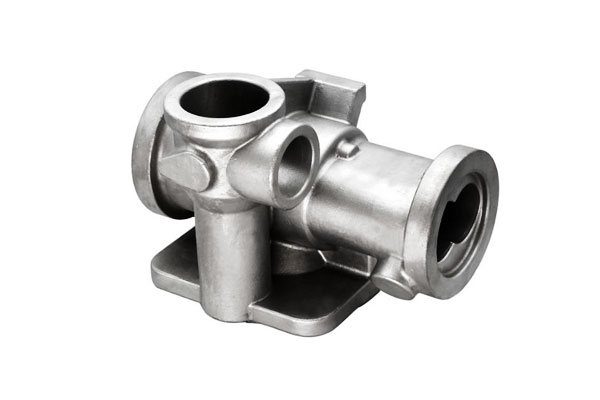
3. Семейства матэрыялаў, якія выкарыстоўваюцца ў ліцці па выплавляемым мадэлям
| Сям'я | Агульныя гатункі / прыклады | Тыповая шчыльнасць (г·см⁻³) | Плаўленне / вадкасць (° С) | Моц & ніша |
| Аўстэнітныя нержавеючыя сталі | 304, 316L, Cf3, Cf3m | 7.9 | ~1400–1450 | Ўстойлівасць да карозіі, лёгкасць адліўкі |
| Дыспансерная нержавеючая сталь | 17-4 Ph (Асі 630) | 7.8 | ~1350–1420 | Высокая трываласць пасля старэння |
| Дуплекс / Супердуплекс | 2205, 2507 | ~ 7.8 | ~1350–1450 | Высокая сіла + ўстойлівасць да выязваўлення |
| Мартэнсітная нержавеючая сталь / інструментальныя сталі | 410/420, H13, 440C | 7.7–7,9 | 1,300–1450 (вар'іруецца) | Насіць, тэрмаўстойлівасць (інструмента) |
| Вуглярод / Сталь з нізкім сплавам | 1020–4140, WCB | 7.8 | ~1420–1540 | Структны, меншы кошт |
Суперсплавы на аснове нікеля |
Умова 718, 625, 738 | 8.2–8,4 | 1,350–1 400 (718), вадкасць да ~1400–1450+ | Трываласць да высокіх тэмператур, паўзу |
| Сплавы на аснове кобальту | Co-Cr-Mo (ASTM F75) | ~8,3–8,9 | ~1 260–1 350 | Насіць, біямедыцынскія імплантаты |
| Сплавы на аснове медзі (бронза / латунь) | Алюмініевая бронза, З-зн, З намі | 8.4–8,9 | 900–1 080 | Праводнасць, падшыпнікі паверхняў |
| Тытанавыя сплавы | Ti-6Al-4V | 4.4 | плаўленне ~1,650 | Высокая трываласць да вагі, біясумяшчальны |
| Алюмініевыя сплавы | A356 (абмежаваны) | 2.7 | ~580–660 | Лёгкі, нізкая трываласць супраць іншых |
| Каштоўныя металы | 18Да золата, стерлингового срэбра, Pt-сплавы | Au 19.3, аг 10.5 | У расплаве 1,064 | Ювелірныя вырабы, электрычныя кантакты |
4. Ліцейныя сплаўныя матэрыялы — вызначэнне канчатковых характарыстык адлівак
Пры выбары сплаву для адліўкі неабходна ўлічваць шэраг узаемазалежных фактараў: неабходныя механічныя ўласцівасці (моц, вынослівасць, стомленасць), аперацыйнае асяроддзе (тэмпература, агрэсіўныя сродкі масавай інфармацыі),
геаметрыя (тонкія сцены супраць масіўных секцый), тэхналагічнасць (цякучасць, дыяпазон замярзання, рэактыўнасць), постлітавая апрацоўка (тэрмічная апрацоўка, Бядро), патрэбы і кошт праверкі.
Адліўкі з чорных сплаваў
1) Вугляродзіста-сталёвы ліхі
Якія яны: нізкалегаваных сталі, дзе вуглярод з'яўляецца асноўным умацоўвае элементам (e.g., AISI 1020–1045, ASTM A216 WCB, эквіваленты).
Ўласцівасці & выкананне: Умераная сіла, добрая трываласць пры нармалізацыі, выдатная обрабатываемость і нізкі кошт. Шчыльнасць ~7,85 г/см³.
Кастынг меркаванняў: сціплая тэмпература плаўлення (~1420–1540 °C), добрая цякучасць для многіх геаметрый, але адчувальная да сітаватасці ў цяжкіх секцыях.
Канструкцыя корпуса і варот павінна забяспечваць дастатковае харчаванне. Утварэнне вадароду і графіту можа быць праблемай для некаторых марак.
Пост-апрацоўка: нармалізацыя, патушыць & нораў (у залежнасці ад гатунку) для дасягнення патрэбнай цвёрдасці/трываласці.
Прыкладанне: Структурныя кампаненты, дапрацоўкі, агульныя машынабудаўнічыя адліўкі, дзе ўстойлівасць да карозіі не з'яўляецца крытычнай.
2) Легіравана-сталёвы ліхі
Якія яны: сталі, легіраваныя Cr, Мо, У, V, і г.д., для паляпшэння трываласці, прокаливаемость і ўласцівасці пры падвышаных тэмпературах (e.g., 4140, 4340 сямейныя аналагі).
Ўласцівасці & выкананне: больш высокая трываласць на разрыў, устойлівасць да стомленасці і трываласць, чым звычайныя вугляродзістыя сталі; можа падвяргацца тэрмічнай апрацоўцы да высокай трываласці.
Кастынг меркаванняў: больш высокая адчувальнасць да сегрэгацыі і гарачага крэкінгу па меры павышэння ўтрымання сплаву; неабходны асцярожны варот і ўздым; некаторыя сплавы патрабуюць вакууму або раскісленых расплаваў для трываласці.
Пост-апрацоўка: крытычныя цыклы загартоўкі/адпуску, кантроль скажэнняў пры тэрмічнай апрацоўцы. Можа спатрэбіцца зняцце стрэсу і загартоўка, каб збалансаваць ўласцівасці.
Прыкладанне: перадачы, шахты, дэталі канструкцыі, якія падвяргаюцца высокай нагрузцы, нафтапрамысловыя кампаненты.
3) Нержавеючая сталь ліхі
Якія яны: сплавы на аснове жалеза з ≥10,5% Cr; сем'яў ўключаюць аўстэніт (304/316/CF8/CF8M), мартенситный (410/420), дуплекс (2205) і ападкава-гартавальная (17-4 Ph).
Ўласцівасці & выкананне: каразійная стойкасць вагаецца ад агульн (аўстэнітызм) да высокай хларыдстойкасці (дуплекс/супердуплекс);
механічныя ўласцівасці адрозніваюцца ў шырокіх межах — дуплекс забяспечвае высокую трываласць + Добрая ўстойлівасць да карозіі; 17-4 PH забяспечвае высокую трываласць пасля старэння.

Кастынг меркаванняў: нержавеючыя расплавы ўтвараюць аксід/дзындра; кантроль хім, раскісленне і выдаленне ўключэнняў важныя для аздаблення паверхні і механічных уласцівасцяў.
Ўсаджванне пры зацвярдзенні і адчувальнасць да гарачага разрыву адрозніваюцца ў залежнасці ад маркі.
Пост-апрацоўка: раствор адпалу, гасіцца і старэе (для адзнак PH); дуплекс можа запатрабаваць дбайнай тэрмічнай апрацоўкі, каб захаваць фазавы баланс. Пасівацыя і тручэнне часта ідуць за апрацоўкай.
Прыкладанне: кампаненты хімічнага завода, клапаны, Марскае абсталяванне, санітарна-тэхнічныя часткі, апрацоўка харчовых прадуктаў, Медыцынскія прылады.
Адліўкі з каляровых сплаваў
4) Алюмініевы сплаў ліхі
Якія яны: Al-si, Сямейства Al-Cu і Al-Mg (e.g., A356, A357, ADC12, 6061-тыпу) для літых кампанентаў.
Ўласцівасці & выкананне: нізкая шчыльнасць (~2,7 г/см³), добрая ўдзельная трываласць (пасля тэрмічнай апрацоўкі некаторых сплаваў), выдатная ўстойлівасць да карозіі пры правільным сплаве; выдатная цепла/электраправоднасць.
Кастынг меркаванняў: вельмі добрая цякучасць забяспечвае тонкія сценкі і дробныя дэталі, але вадародная сітаватасць, аксідныя плёнкі і гарачы разрыў у пэўных канфармацыях з'яўляюцца ключавымі рызыкамі.
Тэмпература абпалу снарадаў і графік дэпарафінізацыі адрозніваюцца ад працы з чорнымі металамі. Кантроль вадароду, чысціня расплаву і належная стробежность вельмі важныя.
Пост-апрацоўка: тэрмічнай апрацоўкі раствора і штучнага старэння (T6) для трываласці; часам HIP для важных аэракасмічных частак.
Прыкладанне: аэракасмічныя карпусы, аўтамабільныя лёгкія кампаненты, цеплаадводных частак.
5) Copper-базавых сплаваў (бронза, мосенж, алюмініевая бронза)
Якія яны: З-зн (бронза), Cu-Zn (мосенж), З (алюмініевая бронза), З намі, і варыянты.
Ўласцівасці & выкананне: Выдатная каразійная ўстойлівасць (асабліва Cu-Ni/Al-бронза), добрыя апорныя ўласцівасці і цепла/электраправоднасць. Шчыльнасць ~8,4–8,9 г/см³.

Кастынг меркаванняў: больш нізкія тэмпературы плаўлення, чым сталі; высокая цеплаправоднасць ўплывае на паводзіны застывання (хуткае астуджэнне).
Добрая цякучасць робіць магчымымі дробныя дэталі. Рызыка ўсаджвання і гарачых расколін залежыць ад складу сплаву.
Пост-апрацоўка: адпал для пластычнасці, апрацоўка часта складаная (Праца ўцяплення); аздабленне паверхні і выдаленне цынку для латуні, якая падвяргаецца ўздзеянню пэўных асяроддзяў.
Прыкладанне: Марскае абсталяванне, Кампаненты помпы, арыентыроўка, дэкаратыўныя і электрычныя часткі.
6) Тытан-адліўкі са сплаваў
Якія яны: у асноўным Ti-6Al-4V і іншыя сплавы Ti, якія забяспечваюць высокую ўдзельную трываласць і біясумяшчальнасць.
Ўласцівасці & выкананне: выдатная трываласць да вагі, каразійная стойкасць і биосовместимость; нізкая шчыльнасць (~4,4 г/см³).

Кастынг меркаванняў: высокарэакцыйны расплаў (кісларод, падхоп азоту) — вакуумнае/аргоннае плаўленне і заліванне неабходныя, каб пазбегнуць далікатнасці і ўключэнняў.
Усаджванне пры зацвярдзенні і адукацыя аксіду патрабуюць спецыяльных матэрыялаў абалонкі і метадаў плаўлення. Вытворчыя выдаткі і патрабаванні да абсталявання высокія.
Пост-апрацоўка: вакуумная тэрмаапрацоўка, Стрэс дапамогі, HIP звычайная для закрытай сітаватасці для важных кампанентаў. Аздабленне паверхні важна для дэталяў, адчувальных да стомленасці.
Прыкладанне: кампаненты аэракасмічнай канструкцыі, медыцынскія імпланты, высокапрадукцыйныя спартыўныя тавары.
Адліўкі з высокатэмпературных сплаваў
7) Суперсплавы на аснове нікеля
Якія яны: Сплавы на аснове Ni-Cr-Co-Al-Ti (Умова, Рэнэ, Сем'і Німонікавыя) прызначаны для трываласці і ўстойлівасці да паўзучасці пры павышаных тэмпературах (да ~1000 °C і больш для некаторых сплаваў).
Ўласцівасці & выкананне: выдатная трываласць на паўзучасць, ўстойлівасць да акіслення і карозіі пры высокай тэмпературы; шчыльнасць каля 8,2–8,5 г/см³.

Кастынг меркаванняў: вялікія дыяпазоны зацвярдзення спрыяюць сегрэгацыі і дэфектам ўсаджвання; вакуумная індукцыйная плаўка, строгая дэгазацыя і кантроль уключэння маюць вырашальнае значэнне.
Накіраванае зацвярдзенне і монакрышталічнае ліццё - гэта спецыялізаваныя варыянты для лапатак турбіны (розная ланцужок працэсаў).
Пост-апрацоўка: тэрмічныя апрацоўкі комплекснага раствора і старэння для выпадзення γ′; HIP і механічная апрацоўка з'яўляюцца агульнымі. Сертыфікацыя для аэракасмічнага сектара патрабуе жорсткага НК.
Прыкладанне: газатурбінных гарачых частак, аэракасмічная, пакаленне электраэнергіі, высокатэмпературная хімічная апрацоўка.
8) Сплавы на аснове кобальту
Якія яны: Co-Cr-Mo і звязаныя з ім кампазіцыі, якія выкарыстоўваюцца там, дзе патрабуюцца знос і трываласць пры падвышаных тэмпературах (e.g., сямейства стеллитовых).
Ўласцівасці & выкананне: добрая гарачая цвёрдасць, зносаўстойлівасць і ўстойлівасць да карозіі. Часта выкарыстоўваецца там, дзе прысутнічае слізгальны знос пры падвышанай тэмпературы.
Кастынг меркаванняў: высокія тэмпературы плаўлення і адчувальнасць да сегрэгацыі; апрацоўка з'яўляецца складанай з-за высокай цвёрдасці.
Пост-апрацоўка: раствор / старэнне (дзе дастасавальна), шліфоўка і паліроўка трыбалагічных паверхняў.
Прыкладанне: ўшчыльняльнікі турбіны, сядла клапанаў, біямедыцынскія стаматалагічныя сплавы (Са-кр), знос кампанентаў.
9) Тэмпературныя сплавы на аснове жалеза
Якія яны: тэрмаўстойлівыя прасы (e.g., Fe-Cr-Al, нержавеючая сталь, распрацаваная для павышаных тэмператур).
Ўласцівасці & выкананне: эканамічна эфектыўны пры ўмерана высокіх тэмпературах, добрая ўстойлівасць да акіслення пры падыходным легіраванні.
Кастынг меркаванняў & прыкладанне: выкарыстоўваецца там, дзе высокія тэмпературы, але экстрэмальная ўстойлівасць да паўзучасці нікелевых сплаваў не патрабуецца (e.g., часткі печы, некаторыя прамысловыя гарэлкі).
Адліўкі са спецыяльных сплаваў
Сплавы каштоўных металаў (золата, срэбра, плаціна)
Якія яны: Au, Сплавы Ag і Pt для ювелірных вырабаў, прэцызійныя кантакты і каталітычныя прымянення.
Ўласцівасці & выкананне: выдатныя каразійныя і эстэтычныя ўласцівасці; зменная механічная трываласць у залежнасці ад карата і легіравання.
Кастынг меркаванняў: нізкія тэмпературы плаўлення (золата ~1,064 °C), Выдатная цякучасць; ліццё ў вакууме або ў кантраляванай атмасферы паляпшае аздабленне паверхні.
Інвестыцыйнае ліццё (Страчаны WAX) з'яўляецца дамінуючым спосабам вытворчасці ювелірных вырабаў.
Прыкладанне: ювелірныя вырабы, кантакты электронікі, дэкаратыўныя і спецыяльныя хімічныя прымянення.
Магнітныя сплавы (Аль-Ні-Ко, Nd-Fe-B варыянты)
Якія яны: матэрыялы з пастаяннымі магнітамі і магнітамяккія сплавы; нататка: мноства высокаэнергетычных магнітаў (Nd-Fe-B) звычайна не вырабляюцца метадам ліцця па выплавляемым мадэлям, таму што працэсы парашка і кансалідацыі тыповыя. Al-Ni-Co можна адліць.
Ўласцівасці & выкананне: магнітная коэрцитивность, шчыльнасць патоку і тэмпературная стабільнасць вызначаюць прыдатнасць.
Кастынг меркаванняў: магнітныя сплавы патрабуюць кантраляванага застывання, каб пазбегнуць непажаданых фаз; патрабуецца апрацоўка пасля намагнічвання.
Прыкладанне: датчыкі, маторы, інструментарыя.
Сплавы з памяццю формы (Ni-Ti / Ніцінол)
Якія яны: амаль эквіатамныя нікель-тытанавыя сплавы з памяццю формы і звышпругкімі паводзінамі.
Ўласцівасці & выкананне: зварачальныя мартенситные пераўтварэнні вырабляюць вялікія восстановимые дэфармацыі; выкарыстоўваецца ў прывадах і медыцынскіх прыборах.
Кастынг меркаванняў: Ni-Ti рэактыўны і адчувальны да складу; Вакуумнае плаўленне і дакладны кантроль суадносін Ni/Ti маюць вырашальнае значэнне;
часта вырабляецца метадам ліцця па выплавляемым мадэлям для складанай геаметрыі, але часта сустракаюцца парашковая металургія і C-вобразныя кампаненты. Тэрмаапрацоўка пасля ліцця падганяе тэмпературу трансфармацыі.
Прыкладанне: Медыцынскія прылады (стэнты, клямары), актуаторы і адаптыўныя структуры.
5. Высновы
Выбар матэрыялу з'яўляецца найбольш уплывовым рашэннем у ліцці па выплавляемым мадэлям.
Ён рэгулюе не толькі эксплуатацыйныя характарыстыкі дэталі (моц, стомленасць, карозія, тэмпературная здольнасць, біялагічная сумяшчальнасць, маса)
але і ўсе практычныя аспекты вытворчасці: метад плаўлення, хімія абалонкі і абпал, стратэгія варот і кармлення, магчымы дэфект рэжымаў, патрабуецца тэрмічная апрацоўка і НК, кошт і час выканання.
Ключ, дзейсныя высновы:
- Пачніце з функцыі, не звычка. Вызначце дамінуючыя драйверы службы (тэмпература, карозія, насіць, Стомленасць жыцця, вага, нарматыўныя абмежаванні)
і дазвольце тым адлюстраваць вас у матэрыяльнай сям'і (e.g., нікелевых сплаваў для высокатэмпературнай паўзучасці, тытан для трываласці да вагі і біясумяшчальнасці, дуплексная нержавеючая сталь для абслугоўвання хларыдам, бронза для марскога адзення, каштоўныя металы для ювелірных вырабаў/электрычных кантактаў). - Адпаведнасць магчымасцей ліцейнага вытворчасці з попытам на сплаў. Мноства сплаваў (тытан, Суперліі, кобальтавыя сплавы) патрабуюць вакууму або інэртнага плаўлення, Бядро, і прасунуты NDT.
Не ўказвайце спецыяльны сплаў, калі толькі кваліфікаваны пастаўшчык не можа паставіць і сертыфікаваць яго. - Дызайн і працэс ўзаемазалежныя. Атрыбуты сплаву (дыяпазон плаўлення, цякучасць, ўсаджвацца, рэактыўнасць, тэндэнцыя сегрэгацыі, цеплаправоднасць) неабходна выкарыстоўваць для ўстаноўкі кампенсацыі інструмента, канструкцыя варот / стаяка, сістэма абалонкі і графікі дэпарафінізацыі/абпалу.
Ранняе мадэляванне і пілотныя кастынгі істотна зніжаюць рызыку. - Плануйце крокі пасля кастынгу загадзя. Тэрмічная апрацоўка, Бядро, аздабленне паверхні і механічная апрацоўка ўплываюць на кантроль памераў і кошт.
Для важных кампанентаў, пазначыць гэтыя крокі ў запыце (і ўключаюць прыёмачныя выпрабаванні і прасочванне). - Кантроль якасці па спецыфікацыі. Патрабаваць MTR, запісы тэрмічнай апрацоўкі, вызначаныя рэжымы НК (рэнтгенаграфія/КТ для ўнутранай сітаватасці, ультрагукавой для тоўстых чорных секцый, фарбавальнік для паверхняў), і дакладна сфармуляваны стандарт прыёмкі.
Вызначце межы сітаватасці, уключэнняў і механічных уласцівасцей. - Балансавы кошт, графік і рызыка. Спецыяльныя сплавы і строгія пратаколы прыёмкі павялічваюць час выканання і кошт.
Выкарыстоўвайце самы просты сплаў, які задавальняе функцыянальным патрабаванням, і кваліфікуйце альтэрнатывы, дзе гэта магчыма.
FAQ
Ці можна адліць любы метал?
Падыходзяць многія металы і сплавы (сталі, нержавеючая, нікелевыя і кобальтавыя суперсплавы, медныя сплавы, алюміній, тытан, каштоўныя металы).
Аднак, прыдатнасць залежыць ад магчымасці ліцейнага вытворчасці: рэактыўныя металы (тытан, магній) і тугаплаўкія суперсплавы патрабуюць вакуумнай/інэртнай плаўкі і спецыяльных сістэм абалонак.
Некаторыя магніты і сплавы парашковай металургіі непрыдатныя для звычайнага ліцця па выплавляемым мадэлям.
Як мне выбраць паміж сплавамі, калі некалькі адпавядаюць патрабаванням прадукцыйнасці?
Патрабаванні да звання (неабходнае супраць пажаданага), затым ацэніце тэхналагічнасць (ліцейная здольнасць, патрэба ў HIP або вакуумным расплаве), каштаваць, час выканання і нагрузка на праверку.
Пілотныя адліўкі і аналіз кошту жыццёвага цыкла дапамагаюць выбраць аптымальны кампраміс.
Ці ўсе сплавы маюць патрэбу ў спецыяльных абалонкавых матэрыялах або пакрыццях?
Некаторыя робяць. Рэактыўныя або высокатэмпературныя расплавы (e.g., тытан, некаторыя суперсплавы) могуць спатрэбіцца інертныя паліто для асобы (цыркону, гліназём) і кантраляваны абпал для прадухілення рэакцыі металу і абалонкі.
Абмяркуйце рэцэптуру корпуса з вашым ліцейным заводам падчас праектавання.
Як выбар сплаву ўплывае на якасць паверхні і апрацоўваемасць?
Такія металы, як сплавы медзі і алюміній, звычайна забяспечваюць выдатную аздабленне паверхні і апрацоўку; нікелевыя і кобальтавыя сплавы складаней апрацоўваць, і для іх можа спатрэбіцца спецыяльны інструмент.
Нержавеючая сталь адрозніваецца - дуплексная сталь і маркі PH апрацоўваюцца інакш, чым аўстенічная. Уключыце ў праект прыпуск на апрацоўку і інструменты.
Што тычыцца карозіі і экалагічнасці?
Каразійныя характарыстыкі ў першую чаргу залежаць ад хімічнага складу сплаву і апрацоўкі пасля ліцця (тэрмічная апрацоўка, пасівацыя, слой).
Для агрэсіўных СМІ (хларыды, кіслоты), выбраць каразійна-ўстойлівыя сплавы (дуплекс з нержавеючай сталі, нікелевыя сплавы) і патрабуюць адпаведных кваліфікацыйных выпрабаванняў (аплавоў, SCC).
Экалагічныя нормы (e.g., RoHS, абмежаваныя элементы) можа таксама паўплываць на выбар сплаву.
Наколькі даражэй каштуе адліўка з суперсплаву ў параўнанні са сталёвым?
Кошт вар'іруецца ў шырокіх межах у залежнасці ад сплаву, складанасць і пост-апрацоўка.
Суперсплавы і рэактыўныя металы звычайна каштуюць у некалькі разоў даражэй звычайных сталей з-за дарагой сыравіны, вакуумныя печы, Бядро, і пашыраны НК.
Выкарыстоўвайце агульны кошт валодання (матэрыял + апрацоўка + агляд + выхад) а не адна толькі цана на сыры расплаў.