Рэзюмэ
Карозія носіць прагрэсавальны характар, часта схаваны працэс дэградацыі, які зніжае матэрыял эфектыўная апорная плошча, змяняе сваю мікраструктуру і стварае канцэнтратары напружання - усё гэта непасрэдна зніжае трываласць на разрыў і пластычнасць.
У тыповых практычных сцэнарах, карозія можа знізіць трываласць на разрыў ~30–50% і паказчыкі пластычнасці рэзання (падаўжэнне, памяншэнне плошчы) па ~40% і больш, трансфармуючы жорсткі, дэфармуемыя кампаненты ў далікатныя, рызыка раптоўнага выхаду з ладу.
Наступствам з'яўляюцца не толькі матэрыяльныя страты, але і каскадныя збоі сістэмы, інцыдэнты з бяспекай і сур'ёзныя эканамічныя наступствы.
Разуменне механізмаў, вымярэнне страты прадукцыйнасці, і рэалізацыя шматслойнай праграмы прафілактыкі і маніторынгу неабходныя для абароны збудаванняў і машын.
1. Асноўныя механізмы: Як карозія падрывае механічныя асновы матэрыялаў
Пагаршэнне трываласці на разрыў і пластычнасці ў выніку карозіі - гэта не павярхоўная з'ява, а шматгранны працэс, які пагаршае характарыстыкі матэрыялу як на макраскапічным, так і на мікраскапічным узроўнях..
Шкода незваротная, і яго ўплыў на механічныя ўласцівасці абумоўлены трыма асноўнымі, узаемазвязаныя механізмы, кожны арыентаваны на важны аспект структурнай цэласнасці матэрыялу.

Памяншэнне эфектыўнай плошчы апорнай нагрузкі выклікае рэзкае падзенне трываласці на разрыў
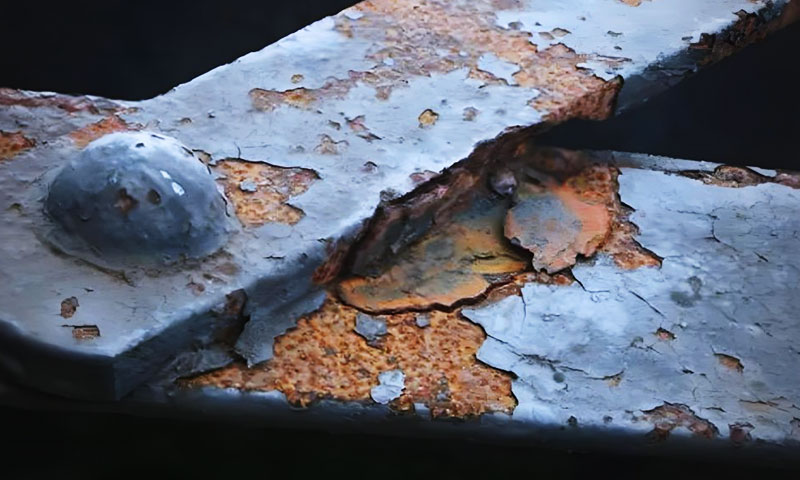
Карозія дзівіць паверхні матэрыялу і нават унутраныя матрыцы, утвараючы друзлыя пласты іржы, глыбокія ямкавыя паражніны, і каразійныя пары, якія непасрэдна памяншаюць эфектыўная апорная плошча матэрыялу — фактычная плошча папярочнага сячэння, здольная вытрымаць знешняе напружанне расцяжэння.
Для звычайных інжынерных матэрыялаў, такіх як вугляродзістая сталь, Алюмініевыя сплавы, і нізкалегаванай сталі, моцная карозія можа паменшыць эфектыўную апорную плошчу на 30% да 50%.
Пры той жа прыкладзенай нагрузцы, памяншэнне апорнай плошчы прыводзіць да значнага канцэнтрацыя стрэсу пры каразійных дэфектах, дзе фактычная нагрузка, якую нясе матэрыял, значна перавышае разліковую.
Гэты эфект канцэнтрацыі непасрэдна аслабляе трываласць матэрыялу на разрыў: падвергнутыя карозіі канструкцыйныя сталі звычайна адчуваюць а 30% да 50% зніжэнне мяжы трываласці на разрыў (Ots),
адзенне матэрыялаў, якія калісьці адпавядалі патрабаванням праектнай нагрузкі, не могуць супрацьстаяць нават звычайным эксплуатацыйным нагрузак, і павелічэнне рызыкі раптоўнага разбурэння пры расцяжэнні ва ўмовах эксплуатацыі.
Мікраструктурныя пашкоджанні ліквідуюць пластычнасць, Прычыненне далікатнасці і далікатнага разбурэння
Каразійныя асяроддзя — у тым ліку кіслоты, шчолачы, іёны хларыду, сульфіды, і іёны вадароду - пранікаюць ва ўнутраную мікраструктуру матэрыялу праз дэфекты паверхні, парушэнне атамных сіл сувязі паміж зернямі і ўздоўж межаў зерняў.
Гэта выклікае шэраг шкодных мікраструктурных змен, напрыклад міжкрышталітнай карозіі, каразійнае парэпанне пад напругай (SCC), вадародная далікатнасць, і выпадзенне інтэрметалідных злучэнняў, усё гэта знішчае здольнасць матэрыялу да пластычнай дэфармацыі.
Пластычнасць, характарызуецца такімі паказчыкамі, як падаўжэнне пасля пералому і памяншэнне плошчы, гэта здольнасць матэрыялу падвяргацца пластычнай дэфармацыі да разбурэння - ключавая ўласцівасць, якая прадухіляе раптоўнае далікатнае разбурэнне.
Мікраструктурнае пашкоджанне, выкліканае карозіяй, прыводзіць да зніжэння гэтых паказчыкаў пластычнасці больш чым 40% для большасці інжынерных матэрыялаў: трывалыя металы, якія першапачаткова дэманстравалі пластычны выгіб і дэфармацыю пад напругай, губляюць гэтую здольнасць і становяцца вельмі далікатнымі.
Замест таго, каб падвяргацца паступовай пластычнай дэфармацыі, падвергнутыя карозіі матэрыялы рэзка руйнуюцца пад нагрузкай на расцяжэнне, ліквідацыя ранніх сігналаў паломкі і рэзкае павышэнне рызыкі непрадбачанага абвалу канструкцыі.
Тып карозіі вызначае фокус дэградацыі механічных уласцівасцей
Карозія праяўляецца ў розных формах, кожны з рознымі характарыстыкамі пашкоджанняў і арыентаваны на розныя механічныя ўласцівасці матэрыялаў.
Тры найбольш распаўсюджаныя тыпы карозіі ў машынабудаванні аказваюць рознае ўздзеянне на трываласць на расцяжэнне і пластычнасць, як апісана ніжэй:
- Раўнамерная карозія: Гэтая форма карозіі раўнамерна атакуе ўсю паверхню матэрыялу, выклікаючы паступовае станчэнне матрікса.
Яго асноўны эфект - ўстойлівы, лінейнае памяншэнне эфектыўнай апорнай плошчы, што прыводзіць да павольнага, але паслядоўнага зніжэння трываласці на разрыў.
У той час як раўнамерную карозію параўнальна лёгка выявіць і прадказаць, працяглае ўздзеянне па-ранейшаму прыводзіць да сур'ёзнай страты трываласці на расцяжэнне і канчатковага разбурэння канструкцыі. - Лакалізаваная карозія: У тым ліку кропкавай карозіі, карозія шчыліны, і ніткападобнай карозіі, гэты тып карозіі канцэнтруецца на малых, асобныя ўчасткі паверхні матэрыялу, утвараючы глыбокія ямы або вузкія каразійныя шчыліны.
Гэтыя дэфекты дзейнічаюць як крытычныя кропкі канцэнтрацыі напружання, не толькі паскарэнне зніжэння лакальнай трываласці на расцяжэнне, але і сур'ёзнае пашкоджанне пластычнасці шляхам стварэння зон з папярэднімі расколінамі.
Лакалізаваная карозія таксама рэзка скарачае тэрмін службы матэрыялу ад стомленасці, што робіць яго схільным да разбурэння пры цыклічных нагрузках на расцяжэнне нават пры ўзроўнях напружання, значна ніжэйшых за мяжу трываласці матэрыялу на разрыў. - Стрэс -трэсканне карозіі (SCC): Гэта самая смяротная форма карозіі для канструкцыйных матэрыялаў, якія ўзнікаюць пры сумесным дзеянні в напружанне расцяжэння (рэшткавы або эксплуатацыйны) і агрэсіўная серада.
SCC ініцыюе мікротрэшчыны на паверхні або ўнутры матэрыялу, якія хутка распаўсюджваюцца пад падвойным уздзеяннем стрэсу і карозіі, без істотнай пластычнай дэфармацыі.
Гэты хуткі рост расколін прыводзіць да раптоўнага, катастрафічнае падзенне як трываласці на разрыў, так і пластычнасці, выклікаючы далікатнае разбурэнне матэрыялаў, якія ў адваротным выпадку дэманстравалі б добрую пластычнасць - нават пры тэмпературы навакольнага асяроддзя і звычайных працоўных нагрузках.
SCC з'яўляецца асноўнай прычынай нечаканага выхаду сасудаў пад ціскам, трубаправоды, і аэракасмічныя кампаненты, і яго пашкоджанні часта незваротныя і іх цяжка выявіць загадзя.
2. Прамысловыя небяспекі: Каскад адмоваў ад дэградацыі механічных уласцівасцей, выкліканай карозіяй
Зніжэнне трываласці на расцяжэнне і пластычнасці з-за карозіі стала «нябачнай схаванай небяспекай», якую нельга ігнараваць, ва ўсіх галінах прамысловасці, што прыводзіць да прамых і ўскосных эканамічных страт у глабальным маштабе, а таксама цяжкія аварыі з бяспекай, якія пагражаюць жыццю чалавека.
Ніжэй падрабязна апісаны далёка ідучыя наступствы дэградацыі механічных уласцівасцей, выкліканай карозіяй, у ключавых галінах прамысловасці:
Апрацоўчая прамысловасць: Прастоі вытворчасці і збой кампанентаў
У машынабуд, прэцызійныя дэталі, формы, і структурныя кампаненты абапіраюцца на стабільную трываласць на разрыў і пластычнасць для забеспячэння эксплуатацыйнай дакладнасці і грузападымальнасці.
Страта трываласці на расцяжэнне, выкліканая карозіяй, выклікае такія кампаненты, як шасцярні, шахты, і шатуны руйнуюцца або дэфармуюцца пры эксплуатацыйных нагрузках, што прыводзіць да незапланаванага прастою вытворчай лініі.
Для сярэдніх і буйных вытворчых прадпрыемстваў, штодзённыя эканамічныя страты ад спынення адной вытворчай лініі з-за карозіі кампанентаў могуць дасягаць дзясяткаў тысяч долараў ЗША.
Дадаткова, далікатнасць формаў, падвергнутых карозіі, зніжае іх пластычную здольнасць, што прыводзіць да дэфектнай прадукцыі і далейшаму павелічэнню вытворчых выдаткаў.
Энергетыка і хімічная прамысловасць: Уцечкі, Выбухі, і збоі ў працэсе
Трубаправоды, пад ціскам, цеплаабменнікі, і рэзервуары для захоўвання ў энергетыцы і хімічнай прамысловасці працуюць у суровых умовах з высокімі тэмпературамі, высокі ціск, і агрэсіўныя агрэсіўныя асяроддзя (e.g., кіслая сырая нафта, хімічныя растваральнікі, і высокахларыдныя расолы).
Карозія аслабляе трываласць на разрыў і пластычнасць гэтых крытычна важных структур: памяншэнне трываласці на разрыў робіць іх не ў стане супрацьстаяць унутранаму ціску, у той час як страта пластычнасці ліквідуе іх здольнасць паглынаць ваганні ціску праз пластычную дэфармацыю.
Такая камбінацыя часта прыводзіць да ўцечкі СМІ, і ў цяжкіх выпадках, катастрафічныя выбухі і пажары.
Такія інцыдэнты не толькі прыводзяць да страты каштоўнай сыравіны і прыпынку вытворчасці, але таксама выклікаюць забруджванне навакольнага асяроддзя і сур'ёзныя ахвяры, пры гэтым страты ад адной аварыі часта перавышаюць мільёны ці нават сотні мільёнаў долараў ЗША.
Транспартная прамысловасць: Разбурэнне канструкцыі і пагроза бяспецы пасажыраў
Транспартны сектар, у тым ліку аўтамабільны, марская, чыгунка, і аэракасмічная — абапіраецца на канструкцыйныя матэрыялы з надзейнай трываласцю на расцяжэнне і пластычнасцю, каб вытрымліваць дынамічныя і цыклічныя нагрузкі падчас працы.
Аўтамабільнае шасі і кампаненты падвескі, якія падвергліся карозіі дарожнай соллю і вільгаццю, адчуваюць зніжэнне трываласці на разрыў, што прыводзіць да разбурэння канструкцыі падчас кіравання;
карпусы марскіх караблёў і канструкцыі марскіх платформ, якія падвяргаюцца ўздзеянню марской вады, пакутуюць ад кропкавай і шчыліннай карозіі, што пагаршае пластычнасць і выклікае далікатнае разбурэнне лістоў корпуса пры хвалевых нагрузках;
элементы чыгуначных шляхоў і маставыя канструкцыі, падвергнутыя карозіі атмасфернымі забруджвальнікамі, губляюць сваю апорную здольнасць, пагражае бяспецы руху цягнікоў.
Ва ўсіх гэтых выпадках, пагаршэнне механічных уласцівасцей, выкліканае карозіяй, непасрэдна пагражае бяспецы пасажыраў і экіпажа, і выдаткі на выратаванне пасля аварыі і аднаўленне пасля катастрофы велізарныя.
Будаўніцтва і інфраструктура: Структурная нестабільнасць і празмерныя выдаткі на тэхнічнае абслугоўванне
Сталёвыя канструкцыі мастоў, завадскія рамы, апоры вышынных будынкаў, і муніцыпальнай інфраструктуры (e.g., трубаправоды водазабеспячэння і водаадвядзення) падвяргаюцца атмасфернай карозіі, дажджавая эрозія, і карозія глебы на працягу доўгага часу.
Карозія з кожным годам прыводзіць да зніжэння трываласці на разрыў і пластычнасці сталёвых канструкцый: раўнамерная карозія вытанчае сталёвыя бэлькі і калоны, зніжэнне іх апорнай здольнасці пры расцяжэнні, у той час як міжкрышталітная карозія аслабляе сувязь паміж зернямі, што прыводзіць да далікатнага разбурэння канструктыўных кампанентаў.
З цягам часу, гэтая дэградацыя прыводзіць да структурнай нестабільнасці, якія патрабуюць дарагога абслугоўвання і ўмацавання.
Для састарэлай інфраструктуры, кошт замены падвергнутых карозіі структурных кампанентаў можа складацца 30% да 50% ад агульнага кошту будаўніцтва праекта.
У крайніх выпадках, моцная карозія нават прыводзіць да абвальвання маста і разбурэння канструкцыі будынка, наносячы невымерныя сацыяльныя і эканамічныя страты.
Аэракасмічная прамысловасць: Памылка дакладнасці і рызыкі для бяспекі палётаў
Аэракасмічныя кампаненты працуюць у экстрэмальных умовах, у тым ліку вышынная атмасферная карозія, эрозія паліва, і цыклічны тэрмічны стрэс, і іх механічныя ўласцівасці — асабліва трываласць на разрыў і пластычнасць — прад'яўляюцца да самых строгіх патрабаванняў.
Нават нязначныя каразійныя пашкоджанні дакладных кампанентаў, такіх як лопасці авіярухавіка, шасі, і кампаненты канструкцыі спадарожнікаў могуць прывесці да значнага зніжэння механічных характарыстык:
невялікі пітынг-дэфект можа выклікаць канцэнтрацыю напружання і выклікаць стомленае разбурэнне пры працы на высокай хуткасці, у той час як каразійнае парэпанне пад напругай можа прывесці да раптоўнага выхаду з ладу кампанентаў падчас палёту.
Адмова аэракасмічных кампанентаў з-за карозіі прыводзіць не толькі да страты дарагога абсталявання, але і стварае прамую пагрозу бяспецы пілотаў і касманаўтаў., з далёка ідучымі наступствамі для аэракасмічных місій і нацыянальнай бяспекі.
3. Комплексныя антыкаразійныя стратэгіі: Чатыры асноўныя меры для захавання механічных уласцівасцей матэрыялу
Змякчэнне пагаршэння трываласці на расцяжэнне і пластычнасці з-за карозіі патрабуе падыходу на працягу ўсяго жыццёвага цыкла, які ахоплівае прафілактыка крыніцы, кантроль працэсу, і пасляаперацыйны маніторынг і абслугоўванне.
Для ізаляцыі агрэсіўных асяроддзяў неабходна стварыць комплексную антыкаразійную сістэму, аптымізаваць выбар матэрыялу, і сачыць за зменамі прадукцыйнасці ў рэжыме рэальнага часу, тым самым захоўваючы механічныя ўласцівасці матэрыялаў і забяспечваючы доўгатэрміновую стабільную працу абсталявання і канструкцый.
Чатыры асноўныя ахоўныя меры апісаны ніжэй:
Дакладны выбар матэрыялу: Адрас рызыкі карозіі ў крыніцы
Выбар матэрыялу з'яўляецца найбольш прынцыповым і эканамічна эфектыўным сродкам абароны ад карозіі, што патрабуе адпаведнасці ўстойлівасці матэрыялу да карозіі з канкрэтнымі ўмовамі эксплуатацыі, у тым ліку тыпу агрэсіўнай асяроддзя, канцэнтрацыя, тэмпература, ціск, і вільготнасць.
Для розных агрэсіўных асяроддзяў, павінны быць прыняты мэтанакіраваныя прынцыпы адбору матэрыялаў:
- У хімічных вытворчых асяроддзях з моцнымі кіслотамі, шчолачы, або акісляльныя асяроддзя, выбірайце сплавы з высокай каразійнай устойлівасцю, такія як 316L з нержавеючай сталі, Hastelloy C-276, і тытанавыя сплавы, якія ўтвараюць шчыльны, самааднаўляльная пасіўная плёнка на паверхні, каб супрацьстаяць сярэдняму пранікненню.
- У марскіх і афшорных асяроддзях з высокай канцэнтрацыяй іёнаў хларыду, выкарыстоўваць сталь, устойлівую да марской вады (e.g., Марская сталь AH36) або дуплекснай нержавеючай сталі (e.g., 2205, 2507), якія дэманструюць выдатную ўстойлівасць да кропкавай і шчыліннай карозіі.
- Ва ўмовах мяккай атмасфернай карозіі (e.g., крытыя прамысловыя майстэрні, жылыя дамы), выкарыстоўваць эканамічна выгадныя сталі з антыкаразійным пакрыццём (e.g., ацынкаваная сталь, афарбаваная сталь) збалансаваць абарону ад карозіі і эканамічную эфектыўнасць.
Выбраўшы правільны матэрыял для правільнага прымянення, Рызыка пагаршэння механічных уласцівасцяў, выкліканага карозіяй, зведзена да мінімуму на этапе праектавання, закласці трывалую аснову для бяспекі канструкцыі.
Павярхоўная абарона: Стварыце шчыльны бар'ер для ізаляцыі агрэсіўных асяроддзяў
Тэхналогіі абароны паверхні ствараюць фізічны або хімічны бар'ер на паверхні матэрыялу, ізаляцыя металічнай матрыцы ад агрэсіўных асяроддзяў і прадухіленне або затрымка пачатку карозіі.
Гэта найбольш шырока выкарыстоўваная антыкаразійная мера ў машынабудаванні, з мноствам развітых тэхналогій, прыдатных для розных матэрыялаў і сцэнарыяў прымянення:
- Арганічнае пакрыццё: Вырабіце антыкаразійную фарбу, пакрыццё з эпаксіднай смалы, або политетрафторэтилен (Ptfe) пакрыццё да паверхні матэрыялу, каб сфармаваць гнуткі, шчыльная арганічная плёнка.
Гэтая тэхналогія недарагая і простая ў рэалізацыі, і шырока выкарыстоўваецца для сталёвых канструкцый, трубаправоды, і механічныя кампаненты. - Гальваніка і гарачае акунанне: Выкарыстоўвайце гальванічнае пакрыццё (цынкаванне, храмаванне, нікеліраванне) або гарачае апусканне (гарачае цынкаванне, гарачае алюмінаванне) для фарміравання металічнага ахоўнага пласта на паверхні матэрыялу.
Ахоўны пласт альбо дзейнічае як ахвярны анод (e.g., цынк) падвяргацца карозіі і абараняць асноўны метал, або ўтварае пасіўную плёнку (e.g., хром) супрацьстаяць сярэдняй эрозіі. - Хімічная пасівацыя: Апрацуйце нержавеючую сталь, Алюмініевыя сплавы, і іншыя металы з пасіўнікамі (e.g., азотная кіслата, бесхроматные пассиваторы) утварыць тонкі, шчыльная хімічная пасіўная плёнка на паверхні, павышэнне ўласцівай матэрыялу ўстойлівасці да карозіі.
- Тэрмічнае напыленне: Распыліце расплаўлены метал (e.g., цынк, алюміній) або керамічныя матэрыялы на паверхню матэрыялу пры высокай тэмпературы, каб утварыць тоўсты пласт, Устойлівы да зносу, і антыкаразійнае пакрыццё.
Гэтая тэхналогія падыходзіць для цяжкіх карозійных асяроддзяў, такіх як марскія платформы і прамысловыя трубаправоды.
Экалагічная аптымізацыя: Кантроль каразійных фактараў для памяншэння эрозіі
Аптымізацыя ўмоў эксплуатацыі матэрыялаў і канструкцый за кошт памяншэння або ліквідацыі каразійных фактараў з'яўляецца эфектыўнай дадатковай мерай да выбару матэрыялаў і абароны паверхні.
Гэтая мера накіравана на асноўную прычыну карозіі і асабліва падыходзіць для прамысловых вытворчых пляцовак і стацыянарнай інфраструктуры:
- У прамысловых цэхах, усталюйце абсталяванне для ачысткі адпрацаваных газаў для выдалення кіслот, шчолачны, і сульфидосодержащие выхлапныя газы, і выкарыстоўваць сістэмы асушэння для кантролю вільготнасці навакольнага асяроддзя ніжэй 60%, зніжэнне атмасфернай карозіі.
- У марскіх і афшорных умовах, дадаваць інгібітары карозіі ў сістэмы кантакту з астуджальнай вадой і марской вадой, каб запаволіць хуткасць карозіі матэрыялаў,
і рэгулярна прамывайце паверхню канструкцыі прэснай вадой для выдалення адкладаў соляў і іёнаў хларыду. - У працэсах хімічнай вытворчасці, ачысціць тэхналагічную сераду, каб паменшыць утрыманне каразійных прымешак (e.g., іёны хларыду, сульфіды), і выкарыстоўваць абарону ад інэртнага газу для ключавога абсталявання для ізаляцыі агрэсіўных асяроддзяў і кіслароду.
- У глебавых асяроддзях, выкарыстоўвайце антыкаразійныя абгортачныя матэрыялы для заглыбленых трубаправодаў і заменіце каразійную глебу нейтральнай засыпкай, каб паменшыць карозію глебы.
Рэгулярны маніторынг і тэхнічнае абслугоўванне: Ранняе выяўленне дэфектаў і пазбяганне «працы з дэфектамі»
Карозія - працэс прагрэсіўны, і рэгулярны кантроль і своечасовае тэхнічнае абслугоўванне можа выявіць раннія пашкоджанні карозіі, ацаніць ступень дэградацыі механічных уласцівасцяў,
і прыняць карэкціруючыя меры да таго, як адбудзецца збой, пазбягаючы рызыкі «працы з дэфектамі» і раптоўнага структурнага збою.
Сістэма навуковага маніторынгу і абслугоўвання ўключае наступныя ключавыя этапы:
- Неразбуральнае тэставанне (Ndt): Выкарыстоўвайце ультрагукавое даследаванне (UT) для вымярэння таўшчыні падвергнутых карозіі матэрыялаў і ацэнкі памяншэння эфектыўнай апорнай плошчы;
выкарыстоўвайце вадкія пранікальныя выпрабаванні (Pt) і тэставанне магнітных часціц (Гол) для выяўлення паверхневых і прыпаверхневых каразійных расколін і кропкавых дэфектаў; выкарыстоўваць тэставанне віхравым токам (ET) для неразбуральнага кантролю кампанентаў з каляровых металаў.
NDT дазваляе неінвазіўную ацэнку пашкоджанняў ад карозіі і дэградацыі механічных уласцівасцей, забеспячэнне навуковай асновы для рашэнняў па тэхнічным абслугоўванні. - Пастаянны маніторынг карозіі: Усталюйце онлайн-абсталяванне для маніторынгу карозіі (e.g., талоны на карозію,
электрахімічныя датчыкі карозіі) на ключавым абсталяванні і структурах для маніторынгу хуткасці карозіі ў рэжыме рэальнага часу і выдачы ранніх папярэджанняў, калі хуткасць карозіі перавышае бяспечны парог. - Стварыце запісы аб тэхнічным абслугоўванні: Наладзьце падрабязную кнігу тэхнічнага абслугоўвання абсталявання для запісу стану карозіі, вынікі тэсціравання, і меры тэхнічнага абслугоўвання кожнага кампанента, адсочванне змены механічных уласцівасцяў матэрыялу на працягу тэрміну службы.
- Своечасовая замена і ўзмацненне: Для кампанентаў з моцнай карозіяй і значным пагаршэннем механічных уласцівасцей (e.g., трываласць на расцяжэнне зніжана больш чым 30%),
своечасова замяняць іх; для часткова падвергнутых карозіі структурных кампанентаў, выкарыстоўваць меры ўзмацнення, такія як даданне рэбраў калянасці і абкручванне антыкаразійных слаёў для аднаўлення іх апорнай здольнасці.
4. Высновы
Карозія - гэта не проста касметычная праблема паверхні - гэта структурная небяспека, якая зніжае трываласць на разрыў, раз'ядае пластычнасць і ператварае пластычныя разрывы ў далікатныя, раптоўныя пераломы.
Колькасна, карозія ад сярэдняй да моцнай звычайна зніжае трываласць на расцяжэнне на дзясяткі працэнтаў і зніжае паказчыкі пластычнасці на аднолькавыя або большыя долі; даўгавечнасць і рэшткавы тэрмін службы могуць катастрафічна разбурыцца з-за лакалізаваных нападаў.
Адзіная надзейная абарона - комплексная праграма правільнага выбару матэрыялу, інжынерная абарона, кантроль навакольнага асяроддзя, планавы агляд і своечасовае абслугоўванне або замена.
Для крытычна важных для бяспекі сістэм, кансерватыўныя маржы дызайну, часты маніторынг і дакументаваныя ацэнкі прыдатнасці да службы незаменныя.