1. Уводзіны
Пластычнасць і пластычнасць уяўляюць сабой два аспекты здольнасці матэрыялу дэфармавацца без разбурэння.
Пластычнасць вызначаецца як здольнасць матэрыялу падвяргацца значнай пластычнай дэфармацыі пры напружанні расцяжэння,
дзе падатлівасць адносіцца да здольнасці дэфармавацца пры напружанні сціску, дазваляе біць або скручваць матэрыялы ў тонкія лісты.
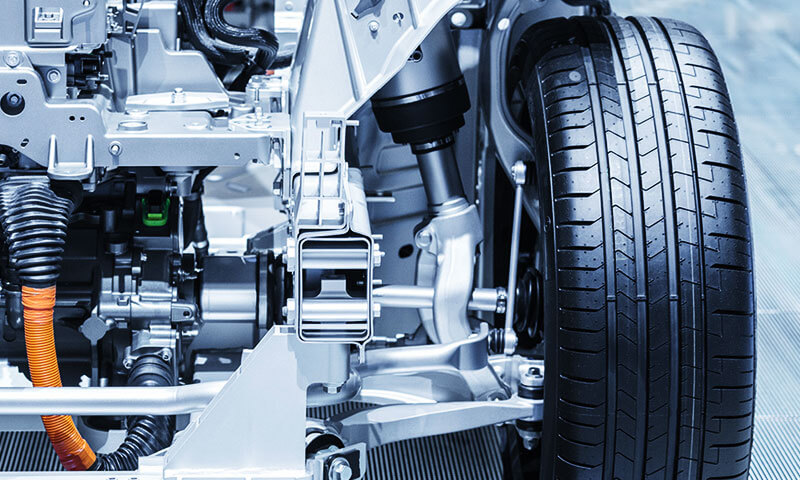
Абедзве ўласцівасці з'яўляюцца фундаментальнымі ў машынабудаванні і вытворчасці, якія ўплываюць на тое, як распрацаваны кампаненты, апрацаваны, і выкарыстоўваецца.
У сучасным дызайне, інжынеры павінны ўлічваць гэтыя ўласцівасці, каб матэрыялы маглі паглынаць энергію, мець форму складанай геаметрыі, і захоўваць цэласнасць пры эксплуатацыйных нагрузках.
Гэты артыкул даследуе пластычнасць і падатлівасць ад тэхнічных, выраб, і прамысловыя перспектывы, забяспечваючы аўтарытэтнае разуменне іх важнасці, вымярэнне, і практычнае прымяненне.
2. Што такое пластычнасць?
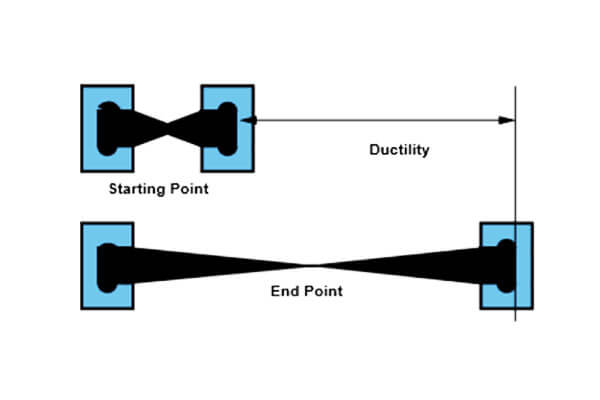
Пластычнасць - гэта ключавая механічная ўласцівасць, якая апісвае здольнасць матэрыялу падвяргацца значнай пластычнай дэфармацыі пры расцягваючым напружанні да разбурэння.
Кажучы простымі словамі, пластычныя матэрыялы можна расцягнуць або ўцягнуць у правады без разрыву, што вельмі важна для многіх вытворчых працэсаў і інжынерных прыкладанняў.
Як працуе пластычнасць
Калі матэрыял падвяргаецца сіле расцяжэння, першапачаткова ён пругка дэфармуецца - гэта значыць вяртаецца да сваёй першапачатковай формы, калі сіла здымаецца.
Як толькі прыкладаемае напружанне перавышае мяжу пругкасці матэрыялу, ён пераходзіць у стадыю пластычнай дэфармацыі, дзе змены становяцца пастаяннымі.
Ступень гэтай пастаяннай дэфармацыі, часта вымяраецца працэнтным падаўжэннем або памяншэннем плошчы падчас выпрабавання на расцяжэнне, паказвае на пластычнасць матэрыялу.
- Эластычная дэфармацыя: Часовая змена формы; матэрыял аднаўляе сваю першапачатковую форму.
- Пластычная дэфармацыя: Пастаяннае змяненне; матэрыял не вяртаецца ў першапачатковую форму пасля зняцця нагрузкі.
Чаму пластычнасць важная?
Пластычнасць мае вырашальнае значэнне ў машынабудаванні і вытворчасці па некалькіх прычынах:
- Паглынанне энергіі: Плаўкія матэрыялы могуць паглынаць і рассейваць энергію пры ўдары.
Напрыклад, многія аўтамабільныя кампаненты распрацаваны з пластычных металаў для паглынання энергіі аварыі, тым самым павышаючы бяспеку пасажыраў. - Фармальнасць: Высокая пластычнасць дазваляе лёгка фармаваць матэрыялы ў складаныя формы з дапамогай такіх працэсаў, як выцягванне, выгін, і глыбокай выцяжкі.
Гэта ўласцівасць мае вырашальнае значэнне пры вырабе складаных дэталяў. - Бяспека канструкцыі: Інжынеры выкарыстоўваюць пластычнасць у якасці крытэрыю, каб гарантаваць, што канструкцыі могуць вытрымліваць нечаканыя нагрузкі без раптоўных, катастрафічны збой.
Уключэнне пластычных матэрыялаў у канструкцыі дадае дадатковы запас трываласці, паколькі гэтыя матэрыялы даюць папераджальныя знакі (дэфармацыя) да няўдачы.
3. Што такое падатлівасць?
Падатлівасць - гэта ключавая механічная ўласцівасць, якая апісвае здольнасць матэрыялу дэфармавацца пад уздзеяннем сіл сціску без расколін і паломак..
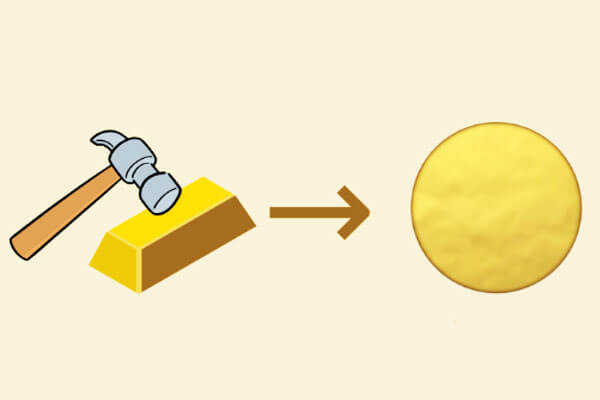
Кажучы простымі словамі, падатлівыя матэрыялы можна біць малатком, пракат, або прэсаваныя ў тонкія лісты і складаныя формы.
Гэтая характарыстыка важная для многіх вытворчых працэсаў, напрыклад коўка, скрутка, і штампоўка,
дзе кампаненты павінны быць сфарміраваны ў жаданую геаметрыю, захоўваючы структурную цэласнасць.
Як працуе падатлівасць
Калі матэрыял падвяргаецца напружанню сціску, ён падвяргаецца пластычнай дэфармацыі, што дазваляе яму змяняць форму.
У адрозненне ад пластычнасці, які вымяраецца пад сілай расцяжэння, падатлівасць у прыватнасці адносіцца да дэфармацыі пад ціскам.
Па меры сціску матэрыялу, яго атамы слізгаюць адзін міма аднаго, дазваляе шырокае змяненне формы без разломаў.
Гэтая здольнасць пластычна дэфармавацца пад нагрузкамі на сціск робіць падатлівасць вырашальнай для фарміравання вялікіх памераў, плоскі, або дэталяў складанай формы.
Чаму падатлівасць важная?
Падатлівасць жыццёва важная ў вытворчасці і дызайне па некалькіх прычынах:
- Эфектыўныя працэсы фармавання:
З падатлівых матэрыялаў можна лёгка сфармаваць тонкія лісты, фальгі, і складаныя дэталі праз такія працэсы, як пракатка і коўка.
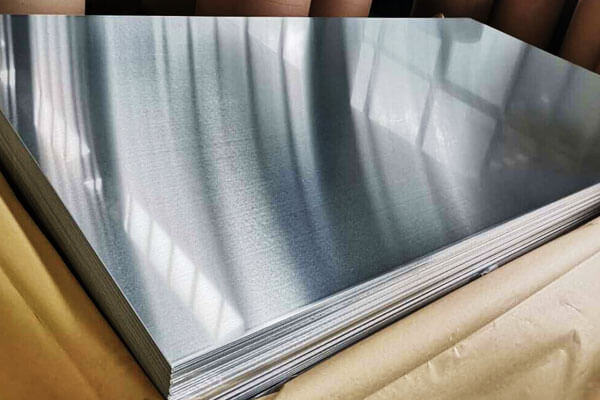
Напрыклад, алюмінійВысокая пластычнасць дазваляе згарнуць яго ў трывалы, лёгкія лісты для такіх прыкладанняў, як банкі для напояў і фюзеляжы самалётаў. - Аднастайная якасць паверхні:
Матэрыялы з высокай падатлівасцю пры апрацоўцы схільныя ўтвараць аднастайныя паверхні, што вельмі важна як для эстэтычнага, так і для функцыянальнага прымянення.
Гладкі, роўныя паверхні важныя ў галінах прамысловасці, пачынаючы ад спажывецкай электронікі і заканчваючы панэлямі кузава аўтамабіляў. - Эканамічная вытворчасць:
Высокая пластычнасць зніжае верагоднасць парэпання матэрыялу або дэфектаў падчас фармоўкі, што прыводзіць да зніжэння колькасці адходаў і затрымак вытворчасці.
Гэта павышае агульную эфектыўнасць вытворчасці і рэнтабельнасць. - Гнуткасць дызайну:
Падатлівасць дазваляе ствараць мудрагелістыя канструкцыі і складаныя формы, якіх было б складана дасягнуць з далікатнымі матэрыяламі.
Дызайнеры выйграюць ад гэтай уласцівасці, паколькі яна дазваляе ім уводзіць інавацыі і эксперыментаваць з новымі формамі без шкоды для характарыстык матэрыялу.
Асноўныя аспекты падатлівасці
- Вымярэнне:
Падатлівасць ацэньваецца з дапамогай такіх выпрабаванняў, як пракатка, выгін, або тэсты на сціск.
Здольнасць матэрыялу дэфармавацца ў тонкі ліст без разрыву з'яўляецца прамым паказчыкам яго падатлівасці. - Матэрыяльныя прыклады:
Металы, як золата, медзь, і алюміній дэманструюць высокую падатлівасць, што робіць іх ідэальнымі для прыкладанняў, дзе патрабуецца шырокае фармаванне.
Напрыклад, золата настолькі падатлівае, што яго можна біць у надзвычай тонкія лісты (сусальнае золата) у дэкаратыўных мэтах.
Найбольш пластычныя металы - Прамысловая значнасць:
У такіх галінах, як аўтамабільны і аэракасм, падатлівасць важная для стварэння лёгкага, Складаныя кампаненты.
Здольнасць фармаваць металы без шкоды для іх трываласці мае вырашальнае значэнне для дасягнення як прадукцыйнасці, так і эстэтычных мэтаў.
4. Навука аб пластычнасці і падатлівасці
Разуменне атамнай і мікраструктурнай асновы пластычнасці і падатлівасці дазваляе зразумець, як матэрыялы паводзяць сябе пад нагрузкай.
Мікраструктурныя фактары
Структура збожжа:
Меншыя памеры зерняў паляпшаюць мяжу цякучасці і пластычнасць. Дробныя збожжа перашкаджаюць руху дыслакацыі, што ўзмацняе абодва ўласцівасці.
Напрыклад, памяншэнне зярністасці ў сталі ад 50 edm to 10 мкм можа павысіць мяжу цякучасці да 50%.
Дынаміка дыслакацыі:
Рух дыслакацый праз крышталічную рашотку пад напругай з'яўляецца асноўным механізмам, які рэгулюе пластычнасць.
Матэрыялы, якія дазваляюць лягчэй рухаць дыслакацыі, могуць пластычна дэфармавацца больш шырока, не руйнуючыся.
Фазавыя ператварэнні:
Тэрмічная апрацоўка і легіраванне могуць выклікаць фазавыя пераўтварэнні, якія змяняюць механічныя ўласцівасці.
Ператварэнне аўстэніту ў мартэнсіт у сталі, напрыклад, павялічвае трываласць, але можа паменшыць пластычнасць.
Легувыя элементы:
Такія элементы, як нікель і вуглярод, могуць павысіць пластычнасць, змяняючы крышталічную структуру і перашкаджаючы руху дыслакацый.
Атамныя і малекулярныя механізмы
На атамным узроўні, пластычнасць і пластычнасць залежаць ад характару атамных сувязей.
Плаўкія матэрыялы маюць сувязі, якія дазваляюць атамам слізгаць адзін па адным пад напругай, у той час як падатлівыя матэрыялы перабудоўваюцца больш лёгка пры сціску.
Гэта прынцыповае адрозненне падкрэслівае, чаму некаторыя металы, напрыклад, золата і медзь, дэманструюць высокую пластычнасць і пластычнасць, тады як кераміка, з іх жорсткімі іённымі сувязямі, далікатныя.
Параўнанне з Крохкасцю
Далікатныя матэрыялы, у тым ліку шмат керамікі, не падвяргаюцца значнай пластычнай дэфармацыі перад разломам.
Гэты кантраст падкрэслівае важнасць пластычнасці і пластычнасці ў прыкладаннях, дзе паглынанне энергіі і здольнасць да фарміравання маюць вырашальнае значэнне.
У той час як пластычныя і падатлівыя матэрыялы прапануюць перавагу дэфармацыі без катастрафічнага разбурэння, далікатныя матэрыялы часта раптоўна руйнуюцца пад нагрузкай.
5. Якія асноўныя адрозненні паміж пластычнасцю і пластычнасцю. Падатлівасць?
Пластычнасць і пластычнасць з'яўляюцца фундаментальнымі механічнымі ўласцівасцямі, якія апісваюць, як матэрыялы рэагуюць на розныя тыпы нагрузак.
У той час як абодва звязаны з пластычнай дэфармацыяй - здольнасцю змяняць форму без разбурэння - яны прымяняюцца да розных тыпаў сіл.
Разуменне гэтых адрозненняў мае вырашальнае значэнне пры выбары матэрыялу, выраб, і структурнае праектаванне.
Розніца ў тыпе напружання і паводзінах дэфармацыі
- Пластычнасць адносіцца да здольнасці матэрыялу дэфармавацца пад напружанне расцяжэння (расцяжка). Высокапластычны матэрыял можа быць выцягнуты ў тонкія драты без разрыву.
- Падатлівасць апісвае здольнасць матэрыялу дэфармавацца пад напружанне сціску (выцісканне). Паддатлівы матэрыял можна біць малатком або згортваць у тонкія лісты без расколін.
Напрыклад, золата з'яўляецца адначасова вельмі пластычным і падатлівым, робіць яго ідэальным для ювелірных вырабаў і электронных прыкладанняў.
Кіраваць, З іншага боку, вельмі падатлівы, але не вельмі пластычны, гэта азначае, што яму можна лёгка надаць форму, але ён дрэнна расцягваецца ў драты.
Метады вымярэнняў і выпрабаванняў
Так як пластычнасць і падатлівасць маюць справу з рознымі тыпамі нагрузак, інжынеры вымяраюць іх з дапамогай розных тэстаў:
Выпрабаванне пластычнасці
- Тэст на расцяжэнне: Найбольш распаўсюджаны метад вымярэння пластычнасці. Узор расцягваюць да разрыву,
і яго працэнт падаўжэння (наколькі ён расцягваецца адносна першапачатковай даўжыні) і памяншэнне плошчы (наколькі танчэй ён становіцца, перш чым зламацца) запісваюцца. - Агульныя паказчыкі:
-
- Падаўжэнне (%) – Вымярэнне таго, наколькі матэрыял можа расцягнуцца перад разломам.
- Скарачэнне плошчы (%) – Паказвае звужэнне матэрыялу пад дзеяннем сілы расцяжэння.
Выпрабаванне падатлівасці
- Тэст на сціск: Уключае прымяненне сціскальнай нагрузкі, каб назіраць, наколькі матэрыял сплюшчваецца або дэфармуецца без расколін.
- Выпрабаванні пракаткі і ўдару малатком: Яны вызначаюць, наколькі добра матэрыял можа быць сфармаваны ў тонкія лісты.
- Агульныя паказчыкі:
-
- Памяншэнне таўшчыні (%) – Вымярае, наколькі матэрыял можа быць разрэджаны без збояў.
Напрыклад, алюміній мае высокую пластычнасць і шырока выкарыстоўваецца для вытворчасці фальгі і ліставога металу, прамежак часу медзь, з высокай пластычнасцю і падатлівасцю, выкарыстоўваецца для электраправодкі і сантэхнікі.
Мікраструктурныя і атамныя адрозненні
На здольнасць матэрыялу быць пластычным або падатлівым ўплывае яго ўнутраная атамная структура:
- Прадметныя матэрыялы маюць крышталічную структуру, якая дапускае дыслакацыі (дэфекты ў размяшчэнні атамаў) лёгка рухацца пад напругай расцяжэння.
Гэта азначае, што атамы могуць змяняць пазіцыі, захоўваючы згуртаванасць, дазваляючы матэрыялу расцягвацца без разрыву. - Паддатлівыя матэрыялы маюць атамныя структуры, якія супрацьстаяць парэпання пры сціску.
У многіх выпадках, яны маюць гранецэнтрычны куб (FCC) крышталічныя структуры, якія дазваляюць атамам слізгаць адзін міма аднаго без разбурэння.
Роля збожжавай структуры і тэрмічнай апрацоўкі
- Дробназярністыя матэрыялы (невялікія, шчыльна спакаваныя крышталі) як правіла, больш падатлівыя, таму што яны супрацьстаяць адукацыі расколін пры сціску.
- Зялёныя матэрыялы часта дэманструюць лепшую пластычнасць, паколькі больш буйныя збожжа дазваляюць лягчэй перамяшчаць дыслакацыі пад напругай.
- Працэсы тэрмічнай апрацоўкі напрыклад, адпал можа палепшыць абедзве ўласцівасці за кошт рафінавання збожжавай структуры і зняцця ўнутраных напружанняў.
Напрыклад, сталь можна зрабіць больш пластычным або падатлівым у залежнасці ад прымененай тэрмічнай апрацоўкі. Абпаленая сталь валодае палепшанай пластычнасцю, у той час як холоднокатаная сталь павышае сваю падатлівасць.
Выбар матэрыялу і прамысловае прымяненне
Інжынеры і вытворцы павінны ўважліва выбіраць матэрыялы ў залежнасці ад таго, дэфармацыя расцяжэння або сціску больш актуальная для канкрэтнага прымянення.
| Аспект | Пластычнасць (Стрэс пры расцяжэнні) | Падатлівасць (Сціснуты стрэс) |
|---|---|---|
| Вызначэнне | Здольнасць расцягвацца ў драты | Магчымасць забівання/скручвання ў лісты |
| Першасны тэст | Выпрабаванне на расцяжэнне (падаўжэнне, памяншэнне плошчы) | Тэст на сціск, тэст пракаткі |
Фактар уплыву |
Структура збожжа, рух вывіху | Сувязь атамаў, расколінастойлівасць |
| Металы з высокімі ўласцівасцямі | Copper, Алюміній, Золата, Мяккая сталь | Золата, Серабро, Кіраваць, Алюміній |
| Агульныя прыкладанні | Вытворчасць дроту, Структурныя кампаненты | Ліставы метал, вытворчасць манет, металічныя фальгі |
| Рэжым адмовы | Шыйка з наступным пераломам | Парэпанне пры празмерным сціску |
Табліца параўнання: Пластычнасць супраць. Падатлівасць
| Аспект | Пластычнасць (Стрэс пры расцяжэнні) | Падатлівасць (Сціснуты стрэс) |
|---|---|---|
| Вызначэнне | Здольнасць матэрыялу расцягвацца пад напружанне расцяжэння не ламаючыся | Здольнасць матэрыялу дэфармавацца пад напружанне сціску без парэпання |
| Тып дэфармацыі | Падаўжэнне (выцягванне/расцягванне ў драты) | Плясканне (забіты/згорнуты ў лісты) |
| Асноўны ўплыў стрэсу | Напружанне (сіла выцягвання) | Кампрэсія (сіла сціску) |
| Метад вымярэння | Тэставанне на расцяжэнне (вымярэнне падаўжэння і памяншэння плошчы) | Тэставанне на сціск, Пракатнае тэставанне (вымярэнне памяншэння таўшчыні) |
Агульныя паказчыкі |
- Падаўжэнне (%) – Велічыня расцяжэння перад пераломам - Памяншэнне плошчы (%) – Усаджванне дыяметра перад выхадам з ладу |
- Памяншэнне таўшчыні (%) – Колькі матэрыял вытанчаецца без збояў |
| Уплыў крышталічнай структуры | Гранецэнтрычны кубік (FCC) і Body-Center Cubic (БКК) структуры спрыяюць высокай пластычнасці | Структуры FCC, як правіла, больш падатлівыя, паколькі дазваляюць атамнаму слізгаценню |
| Уплыў тэрмічнай апрацоўкі | Тэрмічная апрацоўка (e.g., адпачынку) павышае пластычнасць шляхам рафінавання зярністай структуры | Тэрмічная апрацоўка можа палепшыць падатлівасць, зніжэнне ўнутраных напружанняў |
| Адчувальнасць хуткасці дэфармацыі | Высокая хуткасць дэфармацыі зніжае пластычнасць (ломкасць паводзін павялічваецца) | Высокая хуткасць дэфармацыі можа выклікаць парэпанне пры моцным сціску |
| Матэрыяльныя прыклады (Высокая пластычнасць) | Золата, Серабро, Copper, Алюміній, Мяккая сталь, Плаціна | Золата, Серабро, Кіраваць, Copper, Алюміній |
| Матэрыяльныя прыклады (Нізкая пластычнасць) | Чыгун, Высокавугляродзістая сталь, Шкло, Кераміка | Чыгун, Цынк, Вальффральф, Магній |
| Агульныя прыкладанні | – Электрычныя правады (Copper, Алюміній) – Структурныя кампаненты (Сталь) – Аэракасмічныя і аўтамабільныя дэталі |
– Ліставы метал (Алюміній, Сталь) – Манеты (Золата, Серабро) – Фальга і ўпаковачныя матэрыялы |
| Рэжым адмовы | Шыйка (матэрыял звужаецца ў слабым месцы перад разрывам) | Трэск (матэрыял можа зламацца пры моцным сціску) |
| Прамысловае значэнне | Крытычны ў валачэнні дроту, структурныя прыкладання, і пластычныя матэрыялы для ўдаратрываласці | Неабходны для такіх працэсаў фармавання, як пракатка, забіванне малатком, і націск |
6. Вымярэнне пластычнасці супраць. Падатлівасць
Дакладнае вымярэнне пластычнасці і пластычнасці мае важнае значэнне для разумення паводзін матэрыялу і забеспячэння таго, каб прадукты адпавядалі канструктыўным спецыфікацыям.
Інжынеры і матэрыялазнаўцы спадзяюцца на стандартызаваныя метады тэсціравання для колькаснай ацэнкі гэтых уласцівасцей, прадастаўленне важных дадзеных для выбару матэрыялу і аптымізацыі працэсу.
Ніжэй, мы вывучаем метады, якія выкарыстоўваюцца для вымярэння пластычнасці і пластычнасці, разам з ключавымі паказчыкамі і стандартнымі пратаколамі.
Тэст на расцяжэнне на пластычнасць
Выпрабаванне на расцяжэнне застаецца найбольш распаўсюджаным метадам ацэнкі пластычнасці. Падчас гэтага выпрабавання, ўзор паступова выцягваюць, пакуль ён не зламаецца, і запісваецца яго дэфармацыя.
Працэдура:
- Стандартызаваны ўзор усталёўваюць ва ўніверсальную выпрабавальную машыну.
- Машына прыкладае кантраляваную нагрузку на расцяжэнне з пастаяннай хуткасцю дэфармацыі.
- Даныя збіраюцца для стварэння крывой напружання-дэфармацыі, дзе выразна бачны пераход ад пругкай дэфармацыі да пластычнай.
Ключавыя паказчыкі:
- Працэнтнае падаўжэнне: Вымярае агульнае павелічэнне даўжыні адносна зыходнай даўжыні да пералому.
- Скарачэнне плошчы: Паказвае ступень шыйкі або памяншэння папярочнага сячэння ў месцы пералому.
- Напрыклад, мяккая сталь можа мець значэнні падаўжэння ў дыяпазоне 20–30%, у той час як больш далікатныя матэрыялы могуць толькі паказаць <5% падаўжэнне.
Стандарты:
- ASTM E8/E8M і ISO 6892 даць падрабязныя рэкамендацыі па выпрабаванні на расцяжэнне, забеспячэнне надзейных і паўтаральных вымярэнняў.
Выпрабаванні на гнуткасць на сціск і выгіб
Падатлівасць звычайна ацэньваецца з дапамогай тэстаў, якія ацэньваюць, як матэрыял паводзіць сябе пад дзеяннем сіл сціску або выгібу.
Пракатныя тэсты:
- У пракатным тэсце, матэрыял прапускаюць праз ролікі, каб вымераць яго здольнасць фармаваць тонкія лісты без парэпання.
- Гэты тэст паказвае ступень, да якой матэрыял можа быць пластычна дэфармаваны пры сціску.
Выпрабаванні на выгіб:
- Выпрабаванні на выгіб вызначаюць гнуткасць і здольнасць матэрыялу супрацьстаяць дэфармацыі без разбурэння пры ўздзеянні нагрузкі на выгіб.
Ключавыя паказчыкі:
- Фармальнасць: Колькасна вызначаецца максімальным памяншэннем таўшчыні без збояў.
- Кут выгібу: Кут, на які можна сагнуць матэрыял без расколін.
Стандарты:
- ASTM і ISO стварылі пратаколы для ацэнкі падатлівасці, забеспячэнне ўзгодненасці вымярэнняў у розных матэрыялах і галінах.
Перадавыя і інструментальныя метады тэсціравання
Для дакладнага, лакалізаваныя вымярэнні — асабліва ў суч, тонкія плёнкі або нанаструктураваныя матэрыялы - перадавыя метады, такія як інструментальнае тэставанне водступаў (наноиндентирование) можна працаўладкаваць.
Нанаіндэнт:
- Гэты метад выкарыстоўвае алмазны наканечнік для ўціскання ў паверхню матэрыялу і рэгіструе сілу ў залежнасці ад зрушэння.
- Ён змяшчае падрабязную інфармацыю аб мясцовых механічных уласцівасцях, уключаючы цвёрдасць і модуль пругкасці, што можа ўскосна адлюстроўваць пластычнасць і падатлівасць.
Інтэрпрэтацыя дадзеных:
- Крывыя нагрузка-перасоўванне, атрыманыя ў выніку гэтых выпрабаванняў, даюць зразумець паводзіны дэфармацыі матэрыялу ў мікрамаштабе, дапаўняючы звычайныя метады тэсціравання.
7. Фактары, якія ўплываюць на пластычнасць супраць. Падатлівасць
Пластычнасць і пластычнасць не з'яўляюцца фіксаванымі ўласцівасцямі матэрыялу; на іх уплываюць некалькі знешніх і ўнутраных фактараў.
Разуменне гэтых фактараў мае вырашальнае значэнне для інжынераў і вытворцаў, якія імкнуцца аптымізаваць матэрыялы для канкрэтных прыкладанняў.
Ніжэй, мы аналізуем ключавыя фактары, якія ўплываюць на пластычнасць і падатлівасць з розных пунктаў гледжання, у тым ліку матэрыяльны склад, тэмпература, Метады апрацоўкі, хуткасць напружання, і экалагічныя ўмовы.
Матэрыяльны склад
Хімічны склад матэрыялу гуляе значную ролю ў вызначэнні яго пластычнасці і пластычнасці.
Чыстыя металы супраць. Сплавы
- Чыстыя металы як золата, медзь, і алюміній, як правіла, мае высокую пластычнасць і падатлівасць з-за іх аднастайнай атамнай структуры і лёгкасці руху дыслакацый.
- Сплавы, якія змяшчаюць некалькі элементаў, можа мець павышаную трываласць, але часта за кошт паніжанай пластычнасці і пластычнасці.
-
- Прыклад: Даданне вугляроду да жалеза павялічвае яго трываласць, але зніжае яго пластычнасць, у выніку сталь з рознымі ўласцівасцямі (e.g., высокавугляродзістая сталь больш трывалая, але менш пластычная, чым мяккая сталь).
Роля прымешак і часціц другой фазы
- Прымешкі могуць парушыць атамную структуру, што прыводзіць да зніжэння пластычнасці і пластычнасці.
- Прыклад: Змест кіслароду ў медзі значна зніжае яе пластычнасць, вось чаму бескіслародная медзь выкарыстоўваецца ў высокапрадукцыйных прыкладаннях.
Уплыў легіруючых элементаў
- Нікель і хром палепшыць трываласць сталей, але можа трохі знізіць пластычнасць.
- Алюміній і магній павышэнне пластычнасці некаторых сплаваў, што робіць іх больш прыдатнымі для пракаткі і фармоўкі.
Тэмпературныя эфекты
Тэмпература моцна ўплывае як на пластычнасць, так і на пластычнасць, часта вызначаюць, ці прыдатны матэрыял для апрацоўкі або прымянення.
Больш высокія тэмпературы (Падвышаная пластычнасць & Падатлівасць)
- Па меры павышэння тэмпературы, павялічваюцца атамныя ваганні, палягчаючы рух вывіху і пластычную дэфармацыю.
- Прыклад: Гарачая пракатка выкарыстоўваецца ў вытворчасці сталі, таму што больш высокія тэмпературы павышаюць падатлівасць, прадухіленне парэпання падчас фармоўкі.
Больш нізкія тэмпературы (Паніжаная пластычнасць & Падатлівасць)
- Пры нізкіх тэмпературах, матэрыялы становяцца далікатнымі з-за абмежаванай рухомасці атамаў.
- Прыклад: Пры мінусовай тэмпературы, сталь і алюмініевыя сплавы могуць адчуваць далікатнасць, што прыводзіць да пераломаў замест пластычнай дэфармацыі.
Тэмпература пераходу з пластычнага стану ў далікатны (ДБТТ)
- Некаторыя матэрыялы, асабліва целацэнтрычны кубічны (БКК) такія металы, як ферытныя сталі, выстава а пераход пластычнага ў далікатнае пры больш нізкіх тэмпературах.
- Прыклад: Канструкцыйныя сталі, якія выкарыстоўваюцца ў халодным клімаце, павінны быць распрацаваны, каб пазбегнуць катастрафічнага выхаду з ладу з-за далікатнасці.
Метады апрацоўкі
Розныя працэсы металаапрацоўкі і тэрмічнай апрацоўкі могуць павысіць або пагоршыць пластычнасць і падатлівасць, змяняючы мікраструктуру матэрыялу.
Халодная праца (Зніжае пластычнасць & Падатлівасць)
- Халодная пракатка, сувы, і малюнак павялічваюць трываласць матэрыялу, але зніжаюць пластычнасць з-за дэфармацыі.
- Прыклад: Холоднокатаная сталь больш трывалая, але менш пластычная, чым гарачакачаная сталь.
Гарачая праца (Павышае пластычнасць & Падатлівасць)
- Такія працэсы, як гарачая пракатка, гарачая коўка, і экструзія дазваляюць значную пластычную дэфармацыю без расколін.
- Прыклад: Гарачая коўка алюмініевых сплаваў паляпшае пластычнасць, што палягчае фарміраванне складаных фігур.
Тэрмічная апрацоўка
Метады тэрмічнай апрацоўкі, такія як адпачынку, нармалізацыя, і загартоўванне значна ўплывае на пластычнасць і пластычнасць.
- Адпачынку зніжае ўнутраныя напружання і аднаўляе пластычнасць за кошт перакрышталізацыі зярністай структуры.
- Загармаванне паляпшае трываласць сталі, ураўнаважваючы цвёрдасць і пластычнасць.
Хуткасць напружання (Хуткасць дэфармацыі)
Хуткасць, з якой матэрыял дэфармуецца, уплывае на яго здольнасць расцягвацца або сціскацца да разбурэння.
Павольная дэфармацыя (Больш высокая пластычнасць & Падатлівасць)
- Калі матэрыял дэфармуецца павольна, атамныя перабудовы маюць дастаткова часу, каб зняць стрэс, вядучы да больш высокая пластычнасць і падатлівасць.
Хуткая дэфармацыя (Ніжняя пластычнасць & Падатлівасць)
- Высокая хуткасць дэфармацыі прадухіляе атамную перабудову, што робіць матэрыял больш далікатным.
- Прыклад: Тэсты на высакахуткасныя ўдары паказваюць, што матэрыялы могуць ламацца пры раптоўнай нагрузцы, нават калі яны пластычныя ў звычайных умовах.
Экалагічныя ўмовы
Знешнія фактары, як карозія, стомленасць, і радыяцыйнае ўздзеянне з цягам часу могуць пагаршацца ўласцівасці матэрыялу.
Карозія і акісленне
- Каразійныя асяроддзя саслабляюць атамныя сувязі, што прыводзіць да далікатнасці і зніжэння пластычнасці.
- Прыклад: Вадарод адбываецца, калі атамы вадароду пранікаюць у металы, што робіць іх схільнымі да раптоўнай няўдачы.
Цыклічная нагрузка і стомленасць
- Паўторныя цыклы напружання могуць выклікаць мікротрэшчыны, якія зніжаюць як пластычнасць, так і пластычнасць.
- Прыклад: Матэрыялы самалёта павінны супрацьстаяць стомленаму разбурэнню, менавіта таму алюмініевыя сплавы старанна распрацоўваюцца для забеспячэння трываласці.
Радыяцыйнае ўздзеянне
- У ядзерных умовах, выкліканыя радыяцыяй дэфекты атамных структур могуць прывесці да далікатнасці.
- Прыклад: Каб захоўваць пластычнасць на працягу працяглых перыядаў эксплуатацыі, сталь корпуса высокага ціску рэактара павінна быць устойлівай да радыяцыі.
Зводная табліца: Асноўныя фактары, якія ўплываюць на пластычнасць супраць. Падатлівасць
| Фактар | Уплыў на пластычнасць | Уплыў на падатлівасць | Прыклады |
|---|---|---|---|
| Матэрыяльны склад | Сплавы могуць зніжаць пластычнасць | Некаторыя сплавы паляпшаюць падатлівасць | Высокавугляродзістая сталь менш пластычная, чым мяккая сталь |
| Тэмпература | Павялічваецца пры спякоце | Павялічваецца пры спякоце | Гарачая пракатка паляпшае абодва ўласцівасці |
| Метады апрацоўкі | Халодная апрацоўка зніжае пластычнасць, адпал аднаўляе яго | Гарачая апрацоўка паляпшае падатлівасць | Халоднакатаная сталь супраць. апаленая сталь |
| Хуткасць напружання | Больш высокія хуткасці дэфармацыі зніжаюць пластычнасць | Больш высокія хуткасці дэфармацыі зніжаюць падатлівасць | Раптоўныя ўдары выклікаюць ломкі разрыў |
| Экалагічныя ўмовы | Карозія і стомленасць саслабляюць пластычнасць | Карозія можа выклікаць расколіны ў падатлівых матэрыялах | Вадародная далікатнасць сталі |
8. Conclusion
Пластычнасць і пластычнасць - важныя ўласцівасці, якія вызначаюць, як паводзяць сябе матэрыялы пры розных тыпах нагрузак.
Пластычнасць дазваляе матэрыялам расцягвацца пры расцягваючых нагрузках, што мае вырашальнае значэнне для прыкладанняў, якія патрабуюць паглынання энергіі і гнуткасці.
Падатлівасць, З іншага боку, дазваляе фармаваць матэрыялы пад дзеяннем сіл сціску, садзейнічанне эфектыўным працэсам фарміравання.
Разумеючы асноўныя мікраструктурныя фактары, метадалогіі тэсціравання, і ўздзеянне навакольнага асяроддзя, інжынеры могуць аптымізаваць прадукцыйнасць матэрыялу ў адпаведнасці з канкрэтнымі прымяненнямі.
Ідэі і тэматычныя даследаванні, якія абмяркоўваюцца ў гэтым артыкуле, ілюструюць, што пільны выбар матэрыялу, заснаваны на пластычнасці і падатлівасці, прыводзіць да большай бяспекі, больш трывалы, і больш эфектыўныя прадукты.
Паколькі вытворчасць працягвае развівацца з лічбавай інтэграцыяй і ўстойлівымі практыкамі,
пастаянныя даследаванні і інавацыі яшчэ больш палепшаць гэтыя важныя ўласцівасці, гарантуючы, што сучасная тэхніка адпавядае патрабаванням пастаянна змяняецца індустрыяльнага ландшафту.