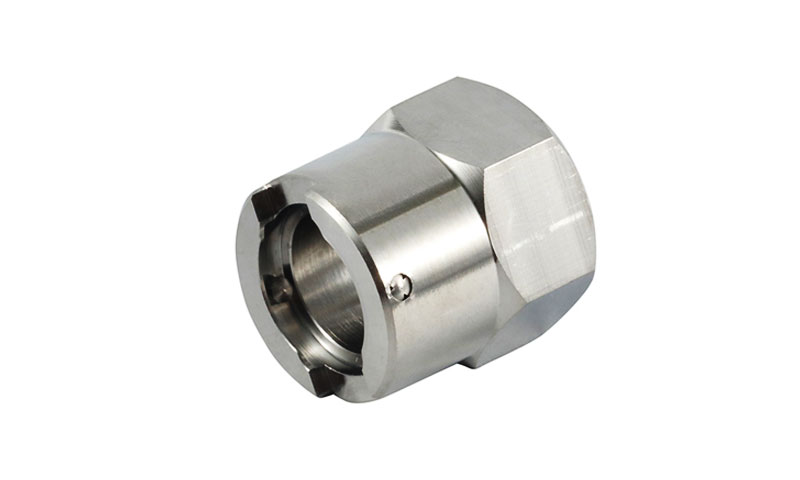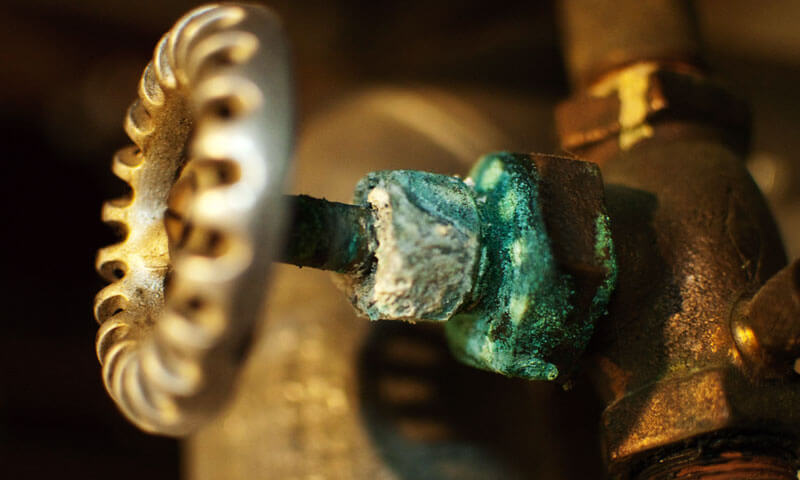
Зайдзіце ў любую будаўнічую краму, і вы знойдзеце латуневыя фітынгі, клапаны, і дэкаратыўная фурнітура.
Спытайце ў прадаўца: Латунь іржавее? Адказ, які вы, верагодна, пачуеце - не, латунь не іржавее. Але гэта дакладна так?
Адказ, як і з большасцю матэрыялазнаўчых пытанняў, гэта і так, і не - у залежнасці ад таго, як вы вызначаеце іржу і што вы маеце на ўвазе пад латунню.
Гэты артыкул змяшчае ўсёабдымны, шматмернае даследаванне карозіі латуні.
Мы будзем даследаваць металургію латуні, хімічны склад яго карозіі, адрозненне паміж іржой і пацьмяненнем, фактары навакольнага асяроддзя, якія паскараюць дэградацыю, і практычныя стратэгіі прафілактыкі і абслугоўвання.
1. Што такое іржа? Хімічнае вызначэнне
Перш чым адказаць, ці іржавее латунь, мы павінны вызначыць іржа.
Хімія іржы
Іржа - агульная назва гідратаванага жалеза(Iii) аксід (Fe₂O₃·nH₂O). Ён утвараецца, калі жалеза (F) рэагуе з кіслародам (O₂) і вада (H₂o) праз электрахімічны працэс:
| Рэакцыя | Раўнанне | Апісанне |
| Анодны | Fe → Fe²⁺ + 2е ⁻ | Жалеза раствараецца на анодзе. |
| Катадычны | O₂ + 2H₂o + 4e→ 4OH⁻ | Кісларод і вада спажываюць электроны. |
| Увесь | 4F + 3O₂ + 6H₂O → 4Fe(ой)₃ → 4Fe(ой)₃ → 2Fe₂O₃·3H₂O | Гідратаваны аксід жалеза (іржа). |
Характарыстыкі Rust
| Характарыстыка | Апісанне |
| Колер | Ад чырвона-карычневага да памяранцава-карычневага (увлажненный); чорны або жоўты ў іншых аксідаў. |
| Структура | Лускавы, кіпры, непрыхільны; не абараняе асноўны метал. |
| Аб'ём | Павялічваецца ў 3-7 разоў ад першапачатковага аб'ёму жалеза, выклікаючы раскол і структурныя пашкоджанні. |
| Абавязковыя элементы | Жалеза (F), кісларод (O₂), вада (H₂o) (або вільгаці). |
Крытычны пункт: Таму што латунь змяшчае няма значнага металічнага жалеза, гэта не можа ўтвараць іржу.
Чырванавата-карычневы або зеленавата-карычневы колер, які з'яўляецца на латуневых паверхнях пацьмянець або паціна, не ржавее.
2. Што такое латунь? Металургія і кампазіцыя
Азначэнне і склад
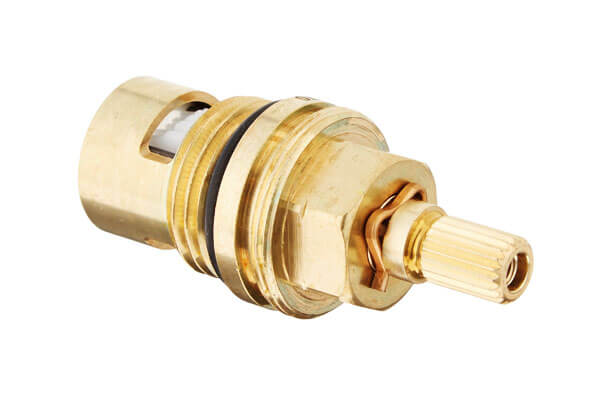
Мосенж з'яўляецца медна-цынкавым (Cu-Zn) сплаў. Змест цынку вагаецца ад 5% да больш 40%, з дадатковымі элементамі, такімі як свінец, волава, алюміній, крэмнім, або мыш'як, дададзены для пэўных уласцівасцяў.
| Тып | Copper (%) | Цынк (%) | Іншыя элементы | Ключавыя ўласцівасці |
| Альфа латунь | >65 | <35 | - | Герцагі, халодны; e.g., патрон латунь (70/30). |
| Альфа‑бэта латунь | 55-65 | 35-45 | - | Мацнейшы, у гарачым рэжыме; e.g., Мюнц метал (60/40). |
| Бэта латунь | <55 | >45 | - | Цяжэй, больш ломкі; абмежаванае выкарыстанне. |
| Свінцовая латунь | 57-62 | 33-40 | 1-3% Pb | Выдатная апрацоўваемасць; e.g., C36000 (вольны крой). |
| Латунь алавяная | 70-80 | 15-25 | 1-5% сн | Палепшаная ўстойлівасць да карозіі; e.g., адміралцейства латунь. |
| Мышьяковистая латунь | 70-80 | 15-25 | 0.02-0,05% ас | Супраціўляецца децинкификации. |
Фазавая дыяграма медзь-цынк
Латунь - гэта цвёрды раствор цынку ў медзі. Даданне цынку ўзмацняе сплаў за кошт умацавання ў цвёрдым растворы, але таксама значна змяняе яго каразійныя паводзіны.
Асноўныя металургічныя пункты:
- Альфа-фаза (Структура FCC) – пластычны, Добрая ўстойлівасць да карозіі.
- Бэта-фаза (Структура БКК) – цяжэй, больш схільны да децинкификации.
- Баланс фаз залежыць ад утрымання цынку і тэмпературы.
3. Як на самай справе раз'ядаецца латунь
Хоць латунь не можа іржавець, ён застаецца хімічна актыўным і пастаянна ўзаемадзейнічае з навакольным асяроддзем.
Гэтыя ўзаемадзеянні прыводзяць да некалькіх розных механізмаў карозіі, кожны кіруецца рознымі электрахімічнымі прынцыпамі і ўмовамі навакольнага асяроддзя.
У адрозненне ад іржаўлення сталі, карозія латуні звычайна прагрэсуе праз паслядоўнасць пераўтварэнняў паверхні, пачынаючы з лёгкага акіслення і, у больш агрэсіўных умовах, перарастаючы ў лакалізаваную электрахімічную атаку.
Першапачатковая афарбоўка паверхні: Першая стадыя акіслення латуні
Самае ранняе і найбольш распаўсюджанае змяненне, якое назіраецца на латуні заплямленне.
Калі толькі што вырабленая латунь падвяргаецца ўздзеянню паветра, атамы медзі і цынку на паверхні павольна рэагуюць з атмасферным кіслародам.
Першапачаткова, гэтая рэакцыя ўтварае вельмі тонкі пласт, які складаецца ў асноўным з:
- Аксід медзі (Cu₂O і CuO)
- Аксід цынку (ZnO)
Гэтая аксідная плёнка паступова змяняе знешні выгляд латуні з першапачатковага ярка-залацістага колеру на:
- Светла-жоўты
- Карычневы
- Цёмна-карычневы
- Шэры
Хуткасць пацямнення залежыць ад такіх фактараў, як:
- Адносная вільготнасць
- Тэмпература
- Забруджванне паветра
- Серазмяшчальныя газы
- Адбіткі пальцаў і скурныя тлушчы
У адрозненне ад іржы сталі, гэты тонкі пласт аксіду кампактны, адэпт, і наогул ахоўныя.
А не паскарэнне дэградацыі, ён дзейнічае як бар'ер, які памяншае далейшую дыфузію кіслароду ў асноўны сплаў.
З інжынернага пункту гледжання, пацямненне - гэта перш за ўсё эстэтычнае змяненне і мала ўплывае на структурныя характарыстыкі латуневых кампанентаў.
Утварэнне паціны: Ахоўнае пакрыццё прыроды
Пры працяглым знаходжанні ў адкрытым асяроддзі, асабліва тыя, якія змяшчаюць вільгаць і вуглякіслы газ, латунь падвяргаецца далейшым хімічным рэакцыям, якія прыводзяць да развіцця а паціна.
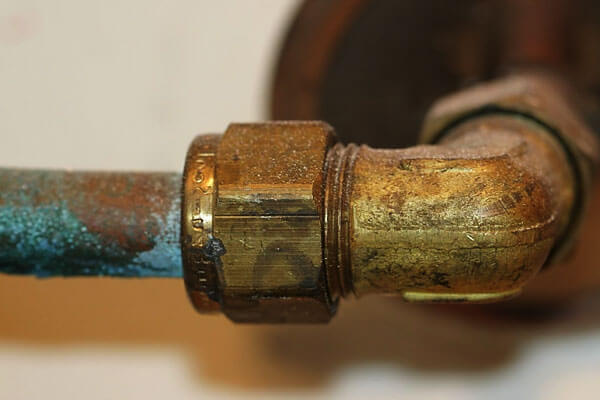
Паціна складаецца ў асноўным з устойлівых прадуктаў карозіі, такіх як:
- Карбанат медзі
- Асноўны карбанат медзі
- Гідраксід медзі
- Медны купарвас (у забруджанай атмасферы)
У залежнасці ад умоў навакольнага асяроддзя, колер паверхні можа вар'іравацца ад цёмна-карычневага да характэрнага зялёнага або сіне-зялёнага, які можна ўбачыць на гістарычных помніках і архітэктурных аб'ектах.
У адрозненне ад іржы, які з'яўляецца сітаватым і бесперапынна распаўсюджвае карозію, спелая паціна шчыльная, хімічна ўстойлівы, і вельмі ахоўны.
Ён ізалюе асноўны сплаў ад атмасферы, значна запавольвае наступную карозію.
Гэтая натуральная пасівацыя тлумачыць, чаму шматвяковыя латуневыя скульптуры, дэкаратыўная фурнітура, і архітэктурныя элементы спадчыны часта захоўваюць выдатную структурную цэласнасць, нягледзячы на працяглы знаходжанне на адкрытым паветры.
Децинкификация: Найбольш значная форма карозіі латуні
У той час як пацямненне і адукацыя паціны, як правіла, дабраякасныя, децинкификация з'яўляецца разбуральным механізмам карозіі, які можа сур'ёзна пагоршыць механічныя характарыстыкі латуні.
Абезцынкаванне - гэта селектыўны працэс вымывання, у якім цынк, больш электрахімічна актыўны, чым медзь, пераважна раствараецца са сплаву пры ўздзеянні некаторых электралітаў, асабліва вада, якая змяшчае хларыды.
Як выдаляецца цынк, астатні матэрыял становіцца сітаватым, багаты меддзю шкілет са значна зніжанай трываласцю і здольнасцю вытрымліваць ціск.
Тыповыя ўмовы, якія спрыяюць дэцынфікацыі, ўключаюць:
- Гарачая пітная вада
- Марская вада
- Высокахлорыстыя растворы
- Сістэмы са стаялай вадой
- Слабакіслыя асяроддзя
Бачныя паказчыкі ўключаюць:
- Чырванаватае або ружовае афарбоўванне
- Белыя адклады, якія складаюцца з прадуктаў карозіі цынку
- Ямкавасць паверхні
- Падвышаная сітаватасць
- Уцечка ў кампанентах, якія знаходзяцца пад ціскам
Для важных сантэхнічных і марскіх прымянення, устойлівы да дезинцинации (RDA) мосенж спецыяльна распрацаваны з кантраляванымі легіруючымі дадаткамі для падаўлення гэтага селектыўнага механізму карозіі і падаўжэння тэрміну службы.
Стрэс -трэсканне карозіі: Схаваны механізм адмовы
Яшчэ адно важнае, хоць і радзей, працэс дэградацыі ёсць каразійнае парэпанне пад напругай (SCC).
SCC узнікае, калі адначасова існуюць тры ўмовы:
- Успрымальны латуневы сплаў
- Устойлівае напружанне расцяжэння (альбо прыкладной, альбо рэшткавы)
- Спецыфічная агрэсіўная серада, асабліва той, які змяшчае аміяк або злучэнні амонія
А не прычыненне раўнамерных матэрыяльных страт, SCC прыводзіць да ўзнікнення і распаўсюджвання дробных расколін, часта па межах зерняў.
Гэтыя расколіны могуць расці з невялікай бачнай карозіяй паверхні і ў канчатковым выніку могуць прывесці да раптоўнага, далікатны пералом.
Кампаненты асаблівай рызыкі ўключаюць:
- Штокі клапанаў
- Компрессіонные фітынгі
- Зашпількі
- Крыніцы
- Дакладныя апрацаваныя дэталі, якія падвяргаюцца рэшткавым напружанням апрацоўкі
Цеплавая апрацоўка для зняцця стрэсу, правільны выбар сплаву, і пазбяганне багатых аміякам асяроддзяў абслугоўвання з'яўляюцца эфектыўнымі стратэгіямі для мінімізацыі ўспрымальнасці SCC.
Раўнамерная і лакалізаваная карозія
У агрэсіўных хімічных асяроддзях, латунь таксама можа адчуваць раўнамерная карозія, дзе матэрыял паступова раствараецца па ўсёй адкрытай паверхні, або лакалізаваная карозія, дзе атака сканцэнтравана ў асобных раёнах.
Моцныя кіслоты, моцныя шчолачы, і некаторыя прамысловыя хімікаты могуць раствараць ахоўныя аксідныя плёнкі, што прыводзіць да вымерных страт металу з цягам часу.
У адрозненне ад іржы, аднак, гэтыя працэсы не вырабляюць экспансіўны аксід жалеза шалі. Замест, сплаў павольна становіцца танчэй або развівае лакалізаваныя ямы, у той час як агульны спосаб дэградацыі застаецца прынцыпова адрозным ад іржаўлення жалеза і сталі.
Такім чынам, ацэнка даўгавечнасці латуні патрабуе разумення яе спецыфічных механізмаў карозіі, а не прымянення канцэпцый, звязаных з чорнымі металамі.
Гальванічная карозія
Калі латунь спалучаецца з больш высакародным металам (e.g., з нержавеючай сталі, медзь) у токаправодным асяроддзі, латунь становіцца анодам і пераважна падвяргаецца карозіі.
| Пара | Узровень рызыкі | Прафілактычная мера |
| Латунь – нержавеючая сталь | Высокі (латунь раз'ядаецца) | Выкарыстоўвайце ізаляцыйныя шайбы; пазбягайце прамога кантакту ў вільготным асяроддзі. |
| Латунь – медзь | Нізкі (падобны патэнцыял) | Звычайна прымальна. |
| Латунь – алюміній | Вельмі высокі (алюміній падвяргаецца карозіі) | Патрабуецца ўцяпленне. |
| Латунь – вугляродзістая сталь | Умераны (сталь раз'ядаецца) | Абараніце сталь пакрыццём. |
4. Латунь супраць. Бронза: Параўнанне карозіі
Часта блытаюць латунь і бронзу. Іх каразійныя паводзіны адрозніваюцца з-за першаснага легіруючага элемента (цынк у латуні; волава ў бронзе).
| Маёмасць | Мосенж (Cu-Zn) | Бронза (Са сн) |
| Primary alloying element | Цынк | Бляшанка |
| Механізм карозіі | Децинкификация, агульнае заплямленне | Селектыўнае вылугаванне волава (рэдкі), бронзавая хвароба |
| Ўстойлівасць да марской вады | Бедны (рызыка абеззаражвання) | Выдатны (алавяныя бронзы, алюмініевыя бронзы) |
| Пэцканне | Імклівы; зялёная/карычневая паціна | Павольней; зялёная/карычневая паціна |
| Карозія пад напругай | Успрымальны (нашатырны спірт, солі ртуці) | У цэлым устойлівы |
| Біметалічная карозія | Умераны (пары з высакароднымі металамі) | Добры (менш схільныя гальванічнай атацы) |
5. Фактары навакольнага асяроддзя, якія ўплываюць на карозію латуні
Хоць латунь не ржавее, яго каразійныя паводзіны моцна залежаць ад асяроддзя, у якім ён працуе.
На ўстойлівасць ахоўнай аксіднай плёнкі, якая натуральна ўтвараецца на латуні, можна істотна паўплываць вільготнасць, забруджвальныя рэчывы, тэмпература, хімія вады, ph, і механічныя нагрузкі.
Вільготнасць і вільгаць
Вільгаць - адзін з найбольш уплывовых фактараў, якія ўплываюць на карозію латуні.
Вада дзейнічае як электраліт, забеспячэнне электрахімічных рэакцый паміж паверхняй сплаву і навакольным асяроддзем.
Па меры павелічэння адноснай вільготнасці паветра, на паверхні латуні паступова ўтвараецца тонкая плёнка вільгаці, палягчаючы дыфузію кіслароду і іённы транспарт.
На сухім паветры, акісленне адбываецца павольна і звычайна вырабляе толькі тонкі, кампактная аксідная плёнка.
Па меры павышэння вільготнасці, паскараецца акісленне, што прыводзіць да больш выяўленага пацямнення і ў канчатковым выніку адукацыі паціны.
Ва ўмовах пастаяннай вільготнасці або пад вадой, ахоўны аксідны пласт можа стаць няўстойлівым, павялічваючы верагоднасць лакалізаванай карозіі.
Уплыў вільготнасці на карозію латуні можна абагульніць наступным чынам:
| Адносная вільготнасць / Уздзеянне | Тыповыя каразійныя паводзіны | Сур'ёзнасць карозіі |
| Ніжэй 30% RH | Мінімальнае атмасфернае акісленне; паверхня застаецца яркай на працягу доўгага часу | Вельмі нізкі |
| 30–60% адноснай вільготнасці | Паступовае пацямненне; развіваецца стабільная аксідная плёнка | Ад нізкага да сярэдняга |
| Вышэй 60% RH | Больш хуткае акісленне і змяненне колеру; забруджвальныя рэчывы могуць паскараць карозію | Ад сярэдняга да высокага |
| Пастаяннае змочванне або апусканне | Актыўная электрахімічная карозія; рызыка абеззаражвання ў стаялай вадзе | Вельмі высокі |
Забруджвальнікі атмасферы
Забруджвальныя рэчывы ў паветры могуць значна змяніць каразійныя паводзіны латуні, узаемадзейнічаючы з яе натуральным ахоўным аксідным пластом.
Прамысловыя выкіды, марскія аэразолі, і хімічныя пары часта паскараюць дэградацыю паверхні праз пэўныя электрахімічныя механізмы.
Найбольш значныя забруджвальнікі атмасферы, якія ўплываюць на латунь, ўключаюць злучэнні серы, хларыды, нашатырны спірт, і акісляльныя газы.
| Забруджвальнік | Першасны эфект на латуні | Механізм карозіі |
| Дыяксід серы (SO₂) | Паскоранае пацямненне і змяненне колеру | Адукацыя сульфідаў медзі (Cu₂S) |
| Хларыд-іёны (Солевы спрэй) | Піттинг і абеззаражванне | Разбурэнне пасіўных аксідных плёнак |
| Аміяк (Nh₃) | Каразійнае парэпанне пад напругай | Атака межаў збожжа пад напругай расцяжэння |
| Азон (O₃) | Паскоранае акісленне | Падвышаная хуткасць адукацыі аксіду |
Дыяксід серы (SO₂)
Дыяксід серы, звычайна сустракаецца ў прамысловай і гарадской атмасферы, лёгка рэагуе з меддзю на паверхні латуні з адукацыяй сульфідаў медзі.
Гэтыя злучэнні ствараюць характэрны цёмна-карычневы або чорны налёт, які часта назіраецца на латуні, якая падвяргаецца ўздзеянню забруджанага паветра.
Хаця гэтая плямка ўвогуле павярхоўная, працяглае ўздзеянне можа паскорыць агульную хуткасць акіслення і паменшыць эстэтычны выгляд дэкаратыўных кампанентаў.
Асяроддзі, якія змяшчаюць хларыды
Хларыд-іёны з'яўляюцца аднымі з найбольш агрэсіўных відаў, якія ўздзейнічаюць на латунь.
Прыбярэжныя рэгіёны, афшорныя платформы, апрасняльныя ўстаноўкі, і марское абсталяванне пастаянна падвяргаюцца ўздзеянню паветра, багатага соллю.
Хларыды дэстабілізуюць пасіўны аксідны пласт і спрыяюць:
- Лакалізаваны пітынг
- Шчылінная карозія
- Децинкификация
- Гальванічная карозія пры наяўнасці разнародных металаў
Для гэтых прыкладанняў, марская латунь, крамянёвая латунь, або ўстойлівыя да абеззаражвання (RDA) звычайна рэкамендуецца латунь.
Ўздзеянне аміяку
Хоць аміяк мала ўплывае на ненапружаную латунь, ён становіцца вельмі разбуральным у спалучэнні з рэшткавым або прыкладзеным расцягваючым напружаннем.
У гэтых умовах, аміяк можа пранікаць праз межы збожжа і ініцыяваць каразійнае парэпанне пад напругай (SCC).
Гэта з'ява асабліва небяспечна тым, што:
- Расколіны могуць узнікнуць без істотных матэрыяльных страт.
- Збой можа адбыцца раптоўна з невялікім знешнім папярэджаннем.
- Механічная трываласць пагаршаецца задоўга да з'яўлення бачнай карозіі.
Такія кампаненты, як штокі клапанаў, компрессіонные фітынгі, крыніцы, і зашпількі патрабуюць стараннага выбару сплаву і апрацоўкі для зняцця напружання, калі чакаецца ўздзеянне аміяку.
Азон і моцная акісляльная атмасфера
Азон - высокарэактыўны акісляльнік, які павялічвае хуткасць адукацыі аксіднай плёнкі на латуневых паверхнях.
У той час як атрыманы аксідны пласт можа заставацца ахоўным у мяккіх умовах, працяглы ўздзеянне высокіх канцэнтрацый азону можа паскорыць змяненне колеру і старэнне паверхні.
Тэмпература
Тэмпература непасрэдна ўплывае на кінэтыку карозіі, павялічваючы атамную дыфузію, хуткасці хімічных рэакцый, і электрахімічнай актыўнасці.
У цэлым, кожнае павышэнне тэмпературы паскарае акісленне і карозію, хаця канкрэтны механізм залежыць ад сплаву і эксплуатацыйнай асяроддзя.
| Дыяпазон тэмпературы | Тыповыя каразійныя паводзіны |
| -10°C да 40°C | Павольнае акісленне; ахоўны налёт развіваецца паступова |
| 40ад °C да 80 °C | Паскараюцца каразійныя рэакцыі; акісленне можа адбывацца ў два-пяць разоў хутчэй, чым пры тэмпературы навакольнага асяроддзя |
| Вышэй за 80°C | Павышаны рызыка абеззаражвання, згушчэнне аксіду, і карозіі ў гарачай вадзе |
| Ніжэй -100°C | Надзвычай нізкая хуткасць карозіі; латунь захоўвае выдатную трываласць і пластычнасць |
pH водных раствораў
Кіслотнасць або шчолачнасць воднага асяроддзя мае вялікі ўплыў на карозію латуні, таму што pH уплывае як на стабільнасць ахоўных аксідных плёнак, так і на электрахімічнае растварэнне медзі і цынку.
| Дыяпазон pH | Сур'ёзнасць карозіі | Дамінантны механізм |
| Ніжэй 4 (Моцна кіслы) | Высокі | Хуткае растварэнне медзі і цынку |
| pH 4–8 (Ад нейтральнага да слабакіслага) | Умераны | Потускнение з адукацыяй ахоўнага аксіду |
| pH 8–12 (Слаба шчолачны) | Нізкі | Стабільныя аксідныя і гідраксідныя плёнкі забяспечваюць абарону |
| Вышэй 12 (Моцна шчолачны) | Умераны | Растварэнне медзі ў шчолачных комплексообразующих асяроддзях |
6. Прадукты карозіі на латуні: Што з'яўляецца на паверхні?
Абескаляроўванне, якое з'яўляецца на латуневых паверхнях, не з'яўляецца іржой; гэта сумесь злучэнняў медзі і цынку.
| Колер | Першаснае злучэнне | Умова фарміравання |
| Яркае жоўтае золата | Ачысціце паверхню сплаву Cu‑Zn | Свежаапрацаваны або адпаліраваны. |
| Чырвона-карычневы | Аксід медзі (Cu₂O) | Першапачатковае акісленне на паветры. |
| Карычневы / цёмна-карычневы | Аксід медзі (CuO) + аксід цынку (ZnO) | Доўгі ўздзеянне паветра і вільгаці. |
| Шэры / чорны | Сульфід медзі (Cu₂S) + сульфід цынку | Прамысловыя атмасферы (SO₂, H₂S). |
| Зялёны / сіне-зялёны | Асноўны карбанат медзі (Cu₂CO₃(ой)₂) | Працяглае ўздзеянне атмасферы (паціна). |
| Сіне-зялёны | Хларыд медзі (CuCl₂) | Марская / хларыдныя асяроддзя. |
| Бялок / парашкападобныя | Аксід цынку (ZnO) або карбанат цынку | Пераважная цынкавая карозія (децинкификация). |
| Ружовы / чырвоны | Рэшткі, багатыя меддзю | Децинкификация (цынк вымываецца, рэшткі медзі). |
7. Прадухіленне карозіі латуні
Выбар сплаву
| Сплаў | Ўстойлівасць да карозіі | Прыдатнае асяроддзе |
| C87610 / C87850 (крамянёвая латунь) | Выдатны (устойлівы да дезинцинации) | Пітная вада, марская, хімічны. |
| C87400 / C87500 (крамянёвая латунь) | Вельмі добра | Агульнапрамысл. |
| C68700 (мышьяковистая адміралцейская латунь) | Добры (водатрывалы) | Кандэнсатары, цеплаабменнікі. |
| C46400 (марская латунь) | Умераны (рызыка абеззаражвання) | Прэснаводны, марская (з аховай). |
| C36000 (этыляваная латунь) | Бедны (нізкая ўстойлівасць да карозіі) | Сушыць у памяшканні, толькі апрацаваныя дэталі. |
Паверхневыя працэдуры
| Абыходжанне | Намер | Метад |
| Лакіраванне | Прадухіляе пацямненне | Празрыстае акрылавае або поліўрэтанавыя пакрыццё. |
| Пасіўнасць | Утворыць ахоўны аксідны пласт | Апусканне ў азотную кіслату (10-25%, 40-60°C). |
| Канверсія храмата | Павышае ўстойлівасць да карозіі | Лячэнне хромавай кіслатой (жоўты або празрысты). |
| Анадаванне | Тоўсты пласт аксіду для зносу/карозіі | Аноднае акісленне (абмежаванае выкарыстанне на латуні). |
| Электрапляванне | Дэкаратыўны/ахоўны пласт | Нік, хром, або пазалота. |
Пакрыцці і інгібітары
| Слой / інгібітар | Прымяненне | Эфектыўнасць |
| Празрысты лак | Дэкаратыўная фурнітура | Добры (2-5 гадоў). |
| Бензотриазол (БТА) | Інгібітар карозіі для медных сплаваў | Выдатны; ўтварае ахоўную плёнку. |
| Герметыкі на воднай аснове | Архітэктурная латунь | Умераны; патрабуе паўторнага прымянення. |
| Змазваць / воск | Паверхні інструментаў | Часовы; патрабуе паўторнага прымянення. |
8. Чыстка і абслугоўванне латуні
Хоць латунь вельмі ўстойлівая да іржы і забяспечвае выдатную доўгатэрміновую трываласць, на яго знешні выгляд і ўстойлівасць да карозіі можна істотна паўплываць належным абслугоўваннем.
Звычайная ўборка для штодзённага абслугоўвання
Рэгулярны ачыстка латуневых дэталяў гэта самы просты і эфектыўны спосаб падоўжыць тэрмін службы.
Выдаленне пылу, тлушч, адбіткі пальцаў, солі, і прамысловыя забруджвальнікі дапамагаюць прадухіліць забруджванні ад паскарэння акіслення або ініцыявання лакальнай карозіі.
Для большасці бытавых і прамысловых прымянення, мяккай тканіны ў спалучэнні з цёплай вадой і мяккім мыльным растворам дастаткова, каб выдаліць паверхневы бруд без пашкоджання ахоўнай аксіднай плёнкі.
Пасля ачысткі, паверхню трэба заўсёды старанна прамываць чыстай вадой і цалкам высушваць, каб рэшткі вільгаці не спрыялі карозіі.
Звычайная ўборка асабліва карысная для:
- Дэкаратыўная фурнітура
- Дзвярныя ручкі
- Сантэхнічныя прыборы
- Музычныя інструменты
- Дакладныя механічныя кампаненты
- Электрычнае абсталяванне
У адрозненне ад агрэсіўнай паліроўкі, далікатная чыстка захоўвае цэласнасць натуральнага аксіднага пласта, захоўваючы прывабны знешні выгляд.
Выдаленне плям
Як латунь старэе, акіслення паступова змяняе свой ярка-залацісты колер на адценні карычневага, цёмная бронза, або чорны.
Гэта пацямненне звычайна абмяжоўваецца паверхняй і не сведчыць аб пагаршэнні структуры.
Некалькі метадаў ачысткі могуць эфектыўна выдаліць плямы.
Мяккія арганічныя ачышчальныя растворы
Натуральныя кіслотныя ачышчальнікі, напрыклад, воцат у спалучэнні з соллю або цытрынавы сок, змешаны з содай, Шырока выкарыстоўваюцца для выдалення ўмеранага пацямнення.
Мяккая кіслата растварае акісленне паверхні, а мяккае абразіўнае дзеянне дапамагае аднавіць першапачатковае металічнае пакрыццё.
Аднак, таму што гэтыя растворы кіслыя, яны не павінны заставацца на латуневай паверхні працяглы час.
Пасля лячэння, кампанент трэба старанна прамыць чыстай вадой і неадкладна высушыць, каб выдаліць любыя пакінутыя рэшткі кіслаты.
Гэтыя метады ў цэлым падыходзяць для:
- Дэкаратыўныя ўпрыгажэнні з латуні
- Бытавыя прыстасаванні
- Кухонная фурнітура
- Злёгку пацьмянелыя аксэсуары
Камерцыйныя паліролі для латуні
Для моцна пацьмянелай латуні, камерцыйныя паліравальныя сумесі забяспечваюць больш хуткія і стабільныя вынікі.
Гэтыя прадукты звычайна ўтрымліваюць дробныя абразіўныя часціцы і хімічныя ачышчальныя рэчывы, якія выдаляюць акісленне і аднаўляюць характэрны залацісты бляск.
Пры гэтым паліроўка значна паляпшае знешні выгляд, ён таксама выдаляе частку натуральнага аксіднага пласта і, у некаторых выпадках, ахоўная паціна.
Празмерная або частая паліроўка можа паступова паменшыць абарону паверхні і змяніць знешні выгляд антыкварных або гістарычных прадметаў з латуні.
Вось чаму, камерцыйная паліроўка павінна выкарыстоўвацца выбарачна, а не ў якасці звычайнага тэхнічнага абслугоўвання.
Якія чысцяць сродкі, якіх варта пазбягаць
Не ўсе ачышчальныя хімікаты падыходзяць для латуні.
Адной з самых важных мер засцярогі з'яўляецца пазбягайце мыйных сродкаў на аснове аміяку, асабліва для напружаных або нясучых латуневых кампанентаў.
Нашатырны спірт добра вядомы сваім прасоўваннем каразійнае парэпанне пад напругай (SCC) ва ўспрымальных латуневых сплавах.
Нават адносна нізкія канцэнтрацыі могуць пранікаць праз межы збожжа і ствараць мікраскапічныя расколіны ў спалучэнні з рэшткавымі або прыкладзенымі напружаннямі расцягвання.
Па гэтай прычыне, ні ў якім разе нельга выкарыстоўваць мыйныя сродкі, якія змяшчаюць аміяк:
- Кампаненты клапана
- Компрессіонные фітынгі
- Крыніцы
- Зашпількі
- Гільзы
- Дакладныя механічныя дэталі
Аналагічна, высокаканцэнтраваныя кіслоты, моцныя шчолачы, абразіўная сталёвая вата, і агрэсіўных шліфавальных інструментаў варта пазбягаць, калі толькі гэта не рэкамендавана для прамысловай рэстаўрацыі.
Ахоўная апрацоўка паверхняў
Ачыстка сама па сабе не прадухіляе акісленне ў будучыні.
Пасля ачысткі паверхні, многія латуневыя кампаненты карыстаюцца дадатковай ахоўнай апрацоўкай, якая ізалюе метал ад вільгаці і атмасферных забруджвальных рэчываў.
Агульныя ахоўныя метады ўключаюць:
Васковыя пакрыцця
Мікракрышталічны воск або высакаякасная паста ўтварае тонкі гідрафобны бар'ер на паверхні латуні.
Васковыя пакрыцця даюць некалькі пераваг:
- Паменшыце ўздзеянне кіслароду
- Адштурхвае вільгаць
- Павольнае пацямненне
- Захаваць знешні выгляд паверхні
- Захоўвайце натуральны металічны бляск
Васковая абарона шырока выкарыстоўваецца для дэкаратыўнай архітэктурнай латуні і музейных артэфактаў.
Ахоўныя алею
Лёгкія мінеральныя масла часта наносяцца на прамысловыя латуневыя кампаненты падчас захоўвання або транспарціроўкі.
Алейныя плёнкі абараняюць ад:
- Вільготнасць
- Адбіткі пальцаў
- Часовае атмасфернае акісленне
Хоць алейныя пакрыцця патрабуюць перыядычнага абнаўлення, яны забяспечваюць недарагое рашэнне для кароткачасовай абароны ад карозіі.
Лакавыя пакрыцця
Празрысты лак утварае празрысты ахоўны бар'ер, які прадухіляе прамы кантакт паміж паверхняй латуні і навакольным асяроддзем.
Звычайна наносяцца лакавыя пакрыцця:
- Дзвярная фурнітура
- Асвятляльныя прыборы
- Дэкаратыўная аздабленне
- Музычныя інструменты
Пры правільным абслугоўванні, лак значна зніжае неабходнасць паліроўкі, у першую чаргу прадухіляючы акісленне.
Гальванічныя пакрыцця
Для патрабавальных прамысловых прыкладанняў, латунь можа быць гальванічна з такімі металамі, як нікель або хром.
Гальваніка забяспечвае:
- Палепшаная ўстойлівасць да карозіі
- Больш высокая зносаўстойлівасць
- Палепшаны дэкаратыўны выгляд
- Падвышаная хімічная ўстойлівасць
Электрычныя раздымы часта пакрываюць бляхай, срэбра, або золата для падтрымання нізкага кантактнага супраціву, адначасова абараняючы падкладку з латуні.
Захаванне натуральнай паціны
Не ўсю латунь трэба паліраваць да яркага пакрыцця.
Для многіх архітэктурных, гістарычны, і мастацкія аплікацыі, натуральна развітая паціна лічыцца як эстэтычна каштоўнай, так і функцыянальна карыснай.
Зялёная або цёмна-бронзавая паверхня на гістарычных будынках і помніках з'яўляецца не прыкметай пагаршэння стану, а ўстойлівым ахоўным пластом, які запавольвае далейшую карозію.
Такім чынам, спецыялісты па кансервацыі звычайна захоўваюць, а не выдаляюць спелую паціну.
Для архітэктурнай латуні, якая падвяргаецца ўздзеянню вонкавага асяроддзя, абслугоўванне часта складаецца з перыядычнай чысткі з наступным нанясеннем ахоўнага воску, дазваляючы паціне працягваць развівацца натуральным шляхам.
9. Прыкладанні, дзе карозія латуні мае значэнне
| Прамысловасць | Тыповыя латуневыя кампаненты | Праблемы карозіі | Змякчэнне |
| Сантэхніка | Клапаны, арматура, краны | Децинкификация; вымыванне свінцу | Выкарыстоўвайце латунь DR (C87610, C87850). |
| Марская | Карданныя валы, помпы марской вады | Децинкификация, аплавоў | Выкарыстоўвайце марскую латунь (C46400) або крамянёвай латуні. |
| Электрычны | Тэрміналы, раздымы, размеркавальныя прылады | Пэцканне (павялічвае супраціў кантакту) | Срэбнае або алавянае пакрыццё. |
| Аўтамабільны | Радыятары, стрыжні награвальніка, раздымы | Карозія ад цепланосбітаў, солі | Выкарыстоўвайце мышьяковую латунь; правільнае абслугоўванне астуджальнай вадкасці. |
| Архітэктурны | Поручні, дзвярная фурнітура, дахавыя | Атмасфернае пацямненне, паціна | Пакрыць лакам або дазволіць натуральнай паціне. |
| Музычныя інструменты | Трубы, трамбоны, саксафоны | Пэцканне (эстэтычны) | Рэгулярная ўборка; лакавае пакрыццё. |
| Боепрыпасы | Гільзы (C26000) | Крэкінг сезона (нашатырны спірт) | Зняцце стрэсу; кантраляванае захоўванне. |
| Спажывецкае абсталяванне | Замкі, завесы, ключы | Пэцканне (касметычны) | Лакавая; рэгулярная паліроўка. |
10. Зводнае параўнанне: Латунь супраць іржы
| Крытэрый | Іржа на жалезе/сталі | Карозія на латуні |
| Хімічнае вызначэнне | Гідратаваны аксід жалеза (Fe₂O₃·nH₂O) | Аксіды медзі і цынку, карбанаты, хларыды, сульфіды. |
| Абавязковы элемент | Жалеза (F) | Copper (Cu) і цынк (Zn). |
| Колер | Чырвона-карычневы, аранжава-карычневы | Карычневы, чорны, зялёны, сіне-зялёны, чырвона-ружовы (децинкификация). |
| Структура | Лускавы, кіпры, непрыхільны | Часта прыхільніца (паціна); можа быць парашковым (децинкификация). |
| Пашырэнне аб'ёму | 3-7× (выклікае раскол) | Ад мінімальнай да сярэдняй (паціна ахоўная). |
| Ахоўны эфект | Ніводзін (іржа паскарае карозію) | Так (паціна запавольвае далейшую карозію). |
| Прафілактыка | Фарба, ацынкаваць, змазваць, сплаў | Выберыце сплаў DR; лак; ізаляваць. |
| Рамонт | Саскрабці/выдаліць; перафарбаваць | польская; выдаліць актыўную карозію; паўторна запячатаць. |
11. Conclusion
Так, робіць латунь іржы? Навуковы адказ адназначны: Ніякі. Латунь не іржавее, таму што іржа з'яўляецца прадуктам карозіі, унікальным для жалеза і сталі, у той час як латунь - гэта медна-цынкавы сплаў, які практычна не ўтрымлівае жалеза.
Тым не менш, латунь не застрахаваная ад дэградацыі навакольнага асяроддзя.
На працягу ўсяго тэрміну службы, ён падвяргаецца разнастайным працэсам карозіі, у тым ліку акісленню, заплямленне, адукацыя паціны, децинкификация, і, пры канкрэтных умовах, каразійнае парэпанне пад напругай.
Гэтыя механізмы істотна адрозніваюцца ад іржаўлення чорных металаў як па хімічным, так і па інжынерным значэнні.
У канчатковым рахунку, разуменне розніцы паміж іржа і карозія латуні важна для інжынераў, дызайнеры, вытворцаў, і канчатковым карыстальнікам.
Выбраўшы адпаведны сплаў, улічваючы асяроддзе працы, і прымяненне надзейных метадаў абслугоўвання,
латуневыя кампаненты могуць забяспечыць выдатную надзейнасць, Выдатная каразійная ўстойлівасць, і выключна працяглы тэрмін службы ў шырокім спектры прамысловых і камерцыйных прымянення.
Часта задаюць пытанні
Латунь іржавее ў вадзе?
Ніякі, латунь не робіць іржа (утвараюць аксід жалеза). Аднак, латунь падвяргаецца карозіі ў вадзе, асабліва застойнай або кіслай вады, дзе можа адбыцца абязцынкванне.
Выкарыстоўвайце латунь, устойлівую да дэцынкавання, для вады.
Чаму мая латунь зелянее?
Зялёны колер з'яўляецца ахоўнай пацінай асноўны карбанат медзі (Cu₂CO₃(ой)₂) .
Ён утвараецца, калі латунь падвяргаецца ўздзеянню вільгаці і вуглякіслага газу на працягу доўгага часу. Гэта не шкодна — яно сапраўды абараняе метал.
Латунь іржавее ў салёнай вадзе?
Латунь не іржавее, але ён падвяргаецца карозіі ў салёнай вадзе.
Латуні з высокім утрыманнем цынку схільныя да ачысткі цынку і адукацыі кропак у хларыдным асяроддзі. Крамянёвыя латуні і бронзы пераважней для марскіх прымянення.
Латунь можа іржавець, як жалеза?
Ніякі. Іржа характэрная для жалеза і яго сплаваў (сталь, чыгун). У латуні няма жалеза (за выключэннем слядоў прымешкі), таму ён не можа ўтвараць іржу.
Як выдаліць зялёную карозію з латуні?
Для мяккай зялёнай паціны, выкарыстоўвайце камерцыйны лак для латуні або сумесь цытрынавага соку і солі.
Для моцнай або ямкавай карозіі, прафесійная чыстка і стабілізацыя (з БТА) можа спатрэбіцца.
Ці латунь чарнее?
Так. У прамысловых атмасферах, якія змяшчаюць злучэнні серы, латунь утварае шэра-чорную плёнку сульфіду медзі. Гэта форма запляміць, не ржавее.