
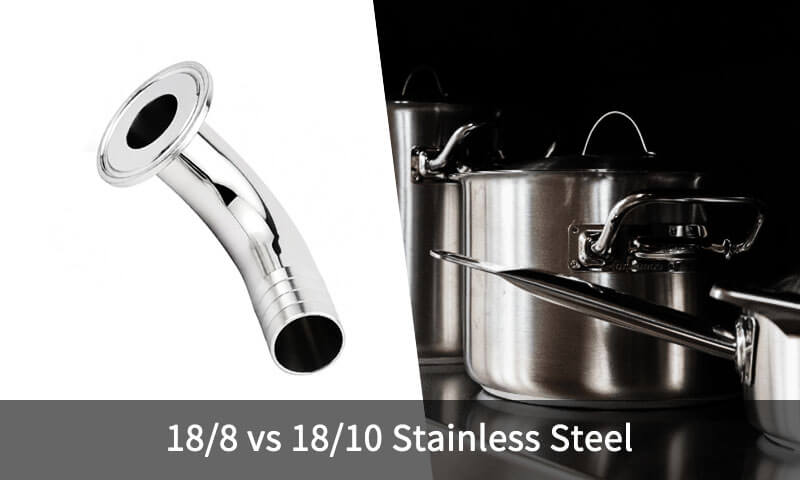
Зайдзіце ў любую краму посуду, і вы ўбачыце на рондалях этыкеткі з надпісам «18/8 нержавеючая сталь» або «18/10 нержавеючая сталь», патэльні, сталовыя прыборы, і посуд.
Гэтыя лічбы - больш, чым маркетынгавы жаргон - яны ўяўляюць хімічны склад нержавеючай сталі і непасрэдна ўплываюць на прадукцыйнасць, моцнасць, і каразійная стойкасць гатовага прадукту.
Гэты артыкул змяшчае ўсёабдымны, строгае параўнанне 18/8 і 18/10 з нержавеючай сталі.
Мы вывучым іх азначэнні, хімічныя склады, эксплуатацыйныя характарыстыкі, прыкладанне, выдаткі, і як выбіраць паміж імі.
1. Што такое 18/8 З нержавеючай сталі?
18-8 з нержавеючай сталі уяўляе сабой аўстэнітны сплаў нержавеючай сталі, які змяшчае прыбл 18% хром і 8% нікеля па масе.
Назва «18/8» уяўляе сабой прыблізны склад сплаву, а не афіцыйнае міжнароднае абазначэнне матэрыялу.
У большасці выпадкаў, 18/8 нержавеючая сталь блізкая да 304 з нержавеючай сталі, адна з найбольш шырока выкарыстоўваюцца марак нержавеючай сталі ва ўсім свеце.
Асноўная структура ст 18/8 нержавеючая сталь складаецца ў асноўным з жалеза, з хромам і нікелем у якасці ключавых легіруючых элементаў.
Хром забяспечвае ўстойлівасць да карозіі, утвараючы тонкі, стабільны пасіўны пласт аксіду хрому на паверхні, у той час як нікель стабілізуе аустенитную мікраструктуру і паляпшае трываласць, пластычнасць, і ўстойлівасць да хімічнага ўздзеяння.
Спалучэнне прыкладна 18% хром і 8% нікель стварае збалансаваны матэрыял з выдатнымі агульнымі характарыстыкамі, робіць яго прыдатным для прымянення агульнага прызначэння, дзе ўстойлівасць да карозіі, моц, і даступнасць аднолькава важныя.
Ключавыя ідэнтыфікатары:
- Марка AISI: 304
- Нас: S30400
- У: 1.4301
- Агульная назва: 18/8 з нержавеючай сталі
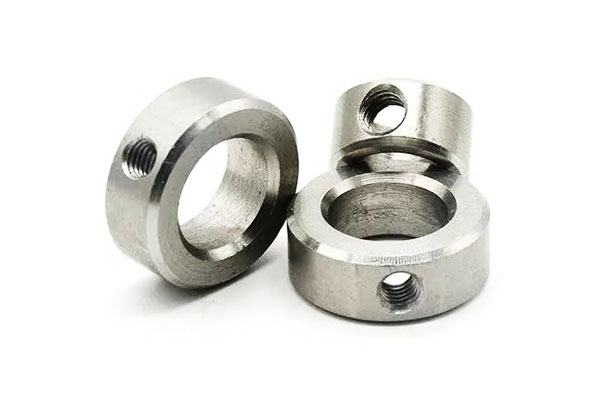
Асаблівасці 18/8 З нержавеючай сталі
- Выдатная ўстойлівасць да карозіі ў агульных умовах
Багаты хромам пасіўны пласт забяспечвае надзейную абарону ад атмасфернай карозіі, вільгаць, харчовыя кіслоты, і шмат бытавой хіміі. - Аўстэнітная мікраструктура з высокай трываласцю
Стабільная гранецэнтрычная кубіка (FCC) структура дазваляе 18/8 з нержавеючай сталі для падтрымання добрай ударатрываласці і пластычнасці нават пры нізкіх тэмпературах. - Выдатная формуемость і свариваемость
18/8 нержавеючая сталь лёгка паддаецца штампоўцы, выгін, глыбокі малюнак, вінжаванне, і механічная апрацоўка, што робіць яго прыдатным для вытворчасці складаных кампанентаў. - Непорыстая і гігіенічная паверхню
Шчыльная металічная паверхня прадухіляе назапашванне бактэрый і дазваляе лёгка чысціць, што робіць яго ідэальным для прымянення ў кантакце з харчовымі прадуктамі і ў санітарных мэтах. - Добры баланс паміж трываласцю і коштам
Ён забяспечвае высокаэфектыўныя ўласцівасці нержавеючай сталі, захоўваючы пры гэтым адносна эканамічную цану ў параўнанні з больш высокімі класамі сплаваў. - Добрая ўстойлівасць да акіслення пры падвышаных тэмпературах
Ён можа вытрымліваць умерана высокія тэмпературы, захоўваючы стабільнасць структуры, хоць для экстрэмальных умоў патрабуюцца спецыялізаваныя высокатэмпературныя сплавы.
Абмежаванні 18/8 З нержавеючай сталі
- Меншая ўстойлівасць да ўздзеяння хларыдных асяроддзяў у параўнанні з 316 з нержавеючай сталі
У марской вадзе, марскія атмасферы, і хларыдзмяшчальныя хімічныя рэчывы, 18/8 нержавеючая сталь можа падвяргацца лакальнай карозіі, такой як кропкавая або шчылінная карозія. - Некалькі ніжэй, чым каразійная стойкасць 18/10 з нержавеючай сталі
Паменшанае ўтрыманне нікеля забяспечвае крыху меншую абарону ў агрэсіўных хімічных асяроддзях. - Можа спатрэбіцца абслугоўванне паверхні ў суровых умовах
Хоць і ўстойлівы да карозіі, забруджванне, адклады соляў, або хімічнае ўздзеянне можа з часам паўплываць на знешні выгляд паверхні. - Не падыходзіць для моцна каразійных прымянення
Хімічная апрацоўка, афшорнае абсталяванне, і фармацэўтычнае асяроддзе, якое патрабуе надзвычайнай устойлівасці да карозіі, можа запатрабаваць высокалегіраваных нержавеючых сталей, такіх як 316 або дуплекс з нержавеючай сталі.
Прыкладанні 18/8 З нержавеючай сталі
18/8 нержавеючая сталь шырока распаўсюджаная, таму што яна забяспечвае надзейную працу па разумнай цане.
Тыповыя прыкладанні ўключаюць:
- Прадукты для кухні і дома
Посуд, ракавіны, посуд, харчовыя кантэйнеры, тэхніка, і абсталяванне для захоўвання. - Абсталяванне для прадуктаў харчавання і напояў
Апрацоўчыя машыны, танкі, сістэмы трубаправодаў, і сантэхнічныя кампаненты. - Прамысловыя кампаненты
Рамы машын, зашпількі, кранштэды, цеплаабменнікі, клапаны, і абсталяванне агульнага прызначэння. - Архітэктурныя прыкладанні
Поручні, дэкаратыўныя канструкцыі, Кампаненты інтэр'еру, і будаўнічае абсталяванне. - Аўтамабільныя і транспартныя кампаненты
Кампаненты выхлапу, аздаблення, кранштэды, і канструктыўныя часткі, якія патрабуюць каразійнай стойкасці. - Дакладнае выраб і ліццё
Дакладнае ліццё з нержавеючай сталі, адліваныя кампаненты, і складаныя прамысловыя часткі.
2. Што такое 18/10 З нержавеючай сталі?
18-10 нержавеючая сталь - гэта аўстэнітны сплаў нержавеючай сталі, які змяшчае прыбл 18% хром і 10% нік.
У параўнанні з 18/8 з нержавеючай сталі, галоўнае адрозненне - больш высокае ўтрыманне нікеля.
Быццам 18/8 з нержавеючай сталі, 18/10 нержавеючая сталь цесна звязана з 304 сямейства з нержавеючай сталі.
Дадатковы нікель паляпшае стабільнасць аўстэнітнай структуры і паляпшае некалькі эксплуатацыйных характарыстык, у тым ліку ўстойлівасць да карозіі, вынослівасць, Якасць паверхні, і доўгатэрміновая трываласць.
Дзякуючы першакласнаму вонкавым выглядзе і палепшаным характарыстыкам устойлівасці, 18/10 нержавеючая сталь часта выкарыстоўваецца ў высакаякаснай посудзе, элітны посуд, харчовае абсталяванне, і прыкладанняў, дзе важныя як эстэтыка, так і прадукцыйнасць.
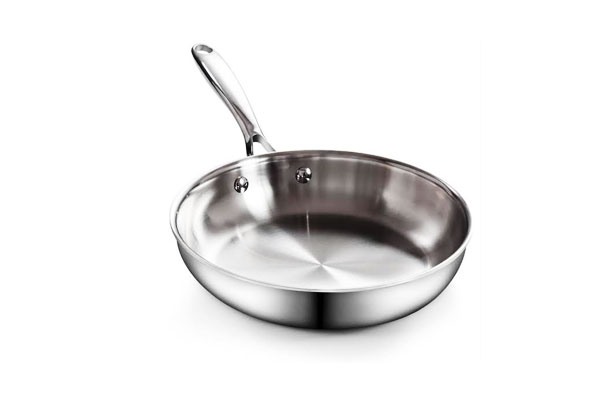
Асаблівасці 18/10 З нержавеючай сталі
- Падвышаная ўстойлівасць да карозіі
Больш высокае ўтрыманне нікеля павышае ўстойлівасць да акіслення, афарбоўка, і хімічнае ўздзеянне, асабліва ў вільготных або ўмерана агрэсіўных асяроддзях. - Палепшаная аздабленне паверхні і знешні выгляд
18/10 нержавеючая сталь вырабляе ярчэй, больш гладкі, і больш адлюстроўвае паверхні пасля паліроўкі, робіць яго пераважным для прадуктаў прэміум-класа. - Выдатная трываласць і структурная стабільнасць
Падвышанае ўтрыманне нікеля ўмацоўвае аустенитную фазу, павышэнне ўстойлівасці да ўдараў і механічных нагрузак. - Выдатная ўстойлівасць да шматразовых цыклаў ачысткі
Ён захоўвае цэласнасць паверхні пры частым мыцці, стэрылізацыя, і ўздзеянне мыйных сродкаў. - Выдатныя паказчыкі гігіены
Шчыльны, гладкая паверхня мінімізуе рызыкі заражэння і падтрымлівае строгія санітарныя патрабаванні. - Выдатныя характарыстыкі вырабу
Быццам 18/8 з нержавеючай сталі, яго можна зварыць, утварыўся, пячаткай, і эфектыўна апрацаваны.
Абмежаванні 18/10 З нержавеючай сталі
- Больш высокі кошт матэрыялу
Падвышанае ўтрыманне нікеля значна павышае кошт сыравіны ў параўнанні з 18/8 з нержавеючай сталі. - Павышэнне прадукцыйнасці можа быць абмежавана ў звычайных умовах
Для агульнага бытавога і прамысловага прымянення, розніца паміж 18/8 і 18/10 можа не апраўдаць дадатковыя выдаткі. - Не падыходзіць для асяроддзя з экстрэмальным хларыдам
Хоць больш устойлівы да карозіі, чым 18/8, ён усё яшчэ не можа замяніць спецыялізаваныя гатункі, такія як 316 нержавеючая сталь у марскіх або хімічных прымяненнях. - Больш высокая адчувальнасць да ваганняў кошту сплаву
Паколькі цэны на нікель істотна адрозніваюцца на сусветных рынках, 18/10 кошт нержавеючай сталі можа вагацца больш, чым альтэрнатывы з меншым утрыманнем нікеля.
Прыкладанні 18/10 З нержавеючай сталі
18/10 нержавеючая сталь звычайна выбіраецца для прымянення, дзе прадукцыйнасць, знешнасць, і патрабаванні да гігіены вышэй.
Тыповыя прыкладанні ўключаюць:
- Кухонны і сталовы посуд прэміум-класа
Гаршкі высокага класа, патэльні, сталовыя прыборы, сервіравальны інвентар, і кухонныя вырабы. - Абсталяванне для перапрацоўкі харчовых прадуктаў
Судна для захоўвання, санітарна-тэхнічныя трубаправоды, апрацоўчыя машыны, і камерцыйныя кухонныя сістэмы. - Медыцынскае і фармацэўтычнае абсталяванне
Кампаненты, якія патрабуюць чыстых паверхняў, Каразія супраціву, і лёгкая стэрылізацыя. - Архітэктурна-дэкаратыўныя аплікацыі
Элітныя ўнутраныя канструкцыі, дэкаратыўныя панэлі, поручні, і аздабленне прэміум-класа. - Дакладныя адліўкі з нержавеючай сталі
Кампаненты помпы, Целы клапана, дэталі інструмента, і складаныя прамысловыя кампаненты, якія патрабуюць выдатнай якасці паверхні. - Абсталяванне для лабараторый і чыстых памяшканняў
Працоўныя паверхні, дапрацоўкі, і рамы абсталявання, дзе кантроль забруджвання мае вырашальнае значэнне.
3. Хімічны склад: 18/8 і 18/10 З нержавеючай сталі
Адрозненні ў прадукцыйнасці паміж 18/8 і 18/10 нержавеючая сталь адбываюцца ў асноўным з іх складу сплаву, асабліва розніца ў змесце нікеля.
Абодва матэрыялы належаць ст сямейства аўстэнітнай нержавеючай сталі, характарызуецца гранецэнтрычнай куб (FCC) крышталічная структура, якая забяспечвае выдатную ўстойлівасць да карозіі, вынослівасць, і фармальнасць.
Хаця назвы «18/8» і «18/10» шырока выкарыстоўваюцца на камерцыйных рынках, яны ўяўляюць сабой прыблізныя працэнты сплаваў, а не фармальныя металургічныя класіфікацыі.
У большасці выпадкаў, абодва матэрыялы цесна звязаны з Асі 304 з нержавеючай сталі, з галоўным адрозненнем з'яўляецца колькасць нікеля, дададзенага ў сплаў.
| Элемент | 18/8 З нержавеючай сталі | 18/10 З нержавеючай сталі | Функцыянальная роля |
| Хром (Кр) | Approximately 18% | Approximately 18% | Утварае пасіўную плёнку аксіду хрому, якая забяспечвае ўстойлівасць да карозіі |
| Нік (У) | Approximately 8% | Approximately 10% | Стабілізуе аустенитную структуру і паляпшае трываласць, Каразія супраціву, і якасць паверхні |
| Вуглярод (C) | Звычайна ≤0,08% | Звычайна ≤0,08% | Кантралюе сілу, цяжкасць, і зварваемасць |
| Жалеза (F) | Сальда | Сальда | Першасная структурная матрыца |
| Іншыя элементы | Невялікія колькасці Mn, І, P, S | Невялікія колькасці Mn, І, P, S | Павышэнне прадукцыйнасці апрацоўкі і стабільнасці сплаву |
Роля нікеля: Ключавая розніца паміж 18/8 і 18/10
Нікель з'яўляецца асноўным фактарам адрознення 18/8 ад 18/10 з нержавеючай сталі.
Хаця розніца толькі прыкладна 2 працэнтных пунктаў, нікель аказвае значны ўплыў на ўласцівасці нержавеючай сталі.
Асноўныя функцыі нікеля ўключаюць:
- Стабілізацыя аустенитной крышталічнай структуры пры пакаёвай і нізкіх тэмпературах.
- Паляпшэнне пластычнасці і трываласці.
- Павышэнне ўстойлівасці да хімічнай карозіі.
- Паляпшэнне яркасці паверхні і паліруемасці.
- Павышэнне ўстойлівасці да каразійнага парэпання пры пэўных умовах.
У 18/10 з нержавеючай сталі, дадатковае ўтрыманне нікеля забяспечвае больш стабільную аустенитную структуру і трохі паляпшае ўстойлівасць да афарбоўвання, кіслыя асяроддзя, і паўторныя цыклы ачысткі.
Аднак, розніцу трэба разумець правільна.
Дадатковы нікель не трансфармуецца 18/10 нержавеючая сталь у зусім іншую катэгорыю матэрыялаў. Замест, ён забяспечвае паступовыя паляпшэнні, якія становяцца каштоўнымі ў праграмах прэміум-класа, дзе важны доўгатэрміновы знешні выгляд і даўгавечнасць.
4. Параўнанне прадукцыйнасці: 18/8 супраць 18/10 З нержавеючай сталі
Хоць 18/8 і 18/10 нержавеючая сталь мае шмат падабенства, розніца ў змесце нікеля стварае вымерныя адрозненні ў пэўных галінах прадукцыйнасці.
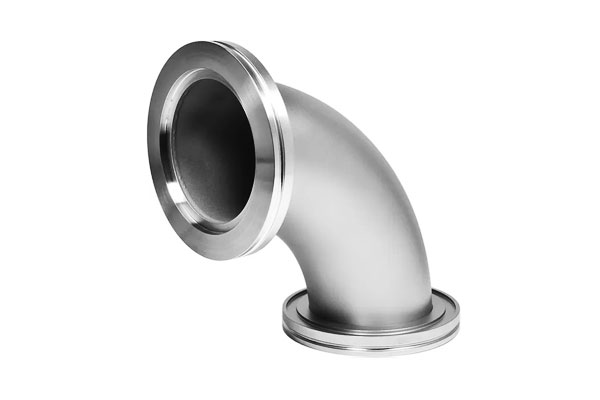
Каразія супраціву
Устойлівасць да карозіі - адзін з найважнейшых фактараў пры выбары нержавеючай сталі.
Абое 18/8 і 18/10 нержавеючая сталь забяспечвае выдатную абарону ад атмасфернай карозіі, паколькі абедзве ўтрымліваюць дастатковую колькасць хрому для адукацыі стабільнай пасіўнай аксіднай плёнкі.
У звычайных умовах, уключаючы прымяненне ў памяшканнях, ўздзеянне прэснай вады, кантакт з ежай, і агульнапрамысловага выкарыстання, розніца ў каразійнай стойкасці паміж двума матэрыяламі адносна невялікая.
Абодва могуць падтрымліваць працяглы тэрмін службы без ахоўных пакрыццяў.
Аднак, больш высокае ўтрыманне нікеля 18/10 нержавеючая сталь забяспечвае дадатковую стабільнасць у больш складаных умовах.
Нікель павышае ўстойлівасць да некаторых кіслотных рэчываў, арганічных злучэнняў, і шматразовае ўздзеянне ачышчальных хімікатаў.
Гэта робіць 18/10 нержавеючая сталь асабліва выгадна ў такіх прымяненнях, як посуд прэміум-класа, харчовае абсталяванне, і санітарныя сістэмы.
| Асяроддзе | 18/8 З нержавеючай сталі | 18/10 З нержавеючай сталі |
| Атмасфера ў памяшканні | Выдатны | Выдатны |
| Прэснаводнае асяроддзе | Выдатны | Выдатны |
| Прыкладання для кантакту з харчовымі прадуктамі | Выдатны | Выдатны |
| Ўздзеянне кіслай ежы | Вельмі добра | Крыху лепш |
| Частая чыстка мыйнымі сродкамі | Вельмі добра | лепш |
| Салёнае асяроддзе | Ад сярэдняга да добрага | Добры |
| Марскія або багатыя хларыдамі асяроддзя | Абмежаваны | Абмежаваны (316 рэкамендуецца) |
Трываласць і механічныя характарыстыкі
Абое 18/8 і 18/10 з нержавеючай сталі належаць да сямейства аўстэнітнай нержавеючай сталі і звычайна адпавядаюць Кампазіцыі з нержавеючай сталі тыпу AISI 304.
Іх механічныя характарыстыкі ў першую чаргу вызначаюцца іх аўстэнітнай мікраструктурай, халодны працоўны стан, зярністасць, і вытворчы працэс, а не толькі ўтрыманне нікеля.
У наступнай табліцы прадстаўлены тыповыя дыяпазоны механічных уласцівасцей для отожженных 18/8 і 18/10 з нержавеючай сталі.
| Механічная ўласцівасць | 18/8 З нержавеючай сталі (Тыповы AISI 304) | 18/10 З нержавеючай сталі (Прэміум 304-тып) | Інжынернае значэнне |
| Трываласць на расцяжэнне | 515–650 МПа | 520–680 Мпа | Паказвае ўстойлівасць да цягнучай сілы і разбурэння канструкцыі |
| Мяжа цякучасці (0.2% зрушэнне) | ≥205 Мпа | 210–250 Мпа | Уяўляе грузападымальнасць да канчатковай дэфармацыі |
| Падаўжэнне пры разрыве | 40–60% | 45–60% | Паказвае выдатную пластычнасць і здольнасць да фарміравання |
| Памяншэнне плошчы | 60–70% | 60–75% | Адлюстроўвае ўстойлівасць да разбурэння пры дэфармацыі |
| Цвёрдасць па Бринеллю (Hb) | 123–201 HB | 130–210 HB | Паказвае ўстойлівасць да паглыбленняў і зносу |
Цвёрдасць па Роквеллу |
HRB 70-95 | HRB 75-95 | Падыходзіць для агульных структурных і гатовых кампанентаў |
| Модуль пругкасці | 193 Балон | 193 Балон | Вызначае калянасць пры пругкай нагрузцы |
| Ударная глейкасць пры пакаёвай тэмпературы | >100 J (V-вобразная выемка Шарпі, тыповы) | >120 J (V-вобразная выемка Шарпі, тыповы) | Дэманструе выдатную ўстойлівасць да рэзкіх удараў |
| Усталостная трываласць (10⁷ Цыклы, прыблізны) | 240–260 Мпа | 250–280 Мпа | Вызначае працяглую трываласць пры цыклічных нагрузках |
| Шчыльнасць | 7.90–8,00 г/см³ | 7.90–8,00 г/см³ | Паказвае падобныя вагавыя характарыстыкі |
Тэрмаўстойлівасць і цеплавыя характарыстыкі
Аўстэнітныя нержавеючыя сталі шырока выкарыстоўваюцца ў прымяненні пры павышаных тэмпературах, таму што яны захоўваюць механічную стабільнасць лепш, чым многія вугляродзістыя сталі.
Абое 18/8 і 18/10 нержавеючая сталь забяспечвае:
- Добрая ўстойлівасць да акіслення.
- Стабільныя механічныя ўласцівасці пры ўмерана высокіх тэмпературах.
- Ўстойлівасць да термоциклированию.
- Нізкі рызыка далікатнага разбурэння пры перападах тэмператур.
Больш высокае ўтрыманне нікеля 18/10 нержавеючая сталь паляпшае фазавую стабільнасць пры падвышаных тэмпературах, што дазваляе яму больш надзейна захоўваць сваю аўстэнітную структуру пры тэрмічнай нагрузцы.
| Аспект прадукцыйнасці | 18/8 З нержавеючай сталі | 18/10 З нержавеючай сталі |
| Ўстойлівасць да акіслення | Выдатны | Крыху лепш |
| Тэрмацыклічная ўстойлівасць | Вельмі добра | Выдатны |
| Высокотэмпературная структурная стабільнасць | Добры | Крыху палепшылася |
| Тэмпература прыгатавання ў хатніх умовах | Выдатны | Выдатны |
| Экстрэмальна высокія тэмпературы | Абмежаваны | Абмежаваны (неабходныя спецыяльныя сплавы) |
Для звычайнага посуду, харчовае абсталяванне, і бытавога прымянення, розніца ў тэрмаўстойлівасці паміж двума гатункамі мінімальная.
Аднак, у прамысловых умовах, звязаных з працяглым цеплавым уздзеяннем, 18/10 нержавеючая сталь можа забяспечыць павышаную надзейнасць.
Знешні выгляд паверхні і якасць аздаблення
Знешні выгляд паверхні - гэта адна вобласць, дзе розніца паміж імі 18/8 і 18/10 нержавеючая сталь становіцца больш прыкметнай.
Нікель паляпшае здольнасць нержавеючай сталі дасягаць гладкасці, яркая, і святлоадбівальная аздабленне пасля паліроўкі.
У выніку, 18/10 нержавеючая сталь часта выбіраецца для прадуктаў прэміум-класа, дзе знешні выгляд з'яўляецца ключавым пунктам продажу.
18/10 нержавеючая сталь звычайна забяспечвае:
- Больш высокая яркасць паверхні пасля паліроўкі.
- Лепшая ўстойлівасць да змены колеру.
- Больш вытанчаны металічны выгляд.
- Палепшанае захаванне дэкаратыўнага пакрыцця.
| Характарыстыка паверхні | 18/8 З нержавеючай сталі | 18/10 З нержавеючай сталі |
| Натуральны металічны выгляд | Добры | Выдатны |
| Прадукцыйнасць паліроўкі | Вельмі добра | Вельмі добры |
| Захаванне бляску | Добры | лепш |
| Ўстойлівасць да афарбоўвання паверхні | Вельмі добра | Выдатны |
| Прэміум дэкаратыўны выгляд | Добры | Пераважны |
Вось чаму многія вытворцы посуду высокага класа, вытворцы элітнага посуду, і архітэктурныя дызайнеры аддаюць перавагу 18/10 з нержавеючай сталі, калі візуальная якасць гэтак жа важная, як і механічныя характарыстыкі.
5. 18/8 супраць 18/10 Нержавеючая сталь у прадуктах харчавання і на кухні
Харчаванне і кухоннае прымяненне ўяўляюць сабой адзін з найбуйнейшых спажывецкіх рынкаў нержавеючай сталі.
Спалучэнне ўстойлівасці да карозіі, гігіены, моцнасць, і эстэтычная прывабнасць робіць аўстэнітную нержавеючую сталь пераважным матэрыялам для посуду, сталовыя прыборы, ракавіны, харчовыя кантэйнеры, і камерцыйнае кухоннае абсталяванне.
Прадукцыйнасць бяспекі харчовых прадуктаў і гігіены
З пункту гледжання бяспекі харчовых прадуктаў, абое 18/8 і 18/10 нержавеючая сталь забяспечвае выдатныя характарыстыкі.
Іх паверхні шчыльныя, непарысты, і ўстойлівы да назапашвання бактэрый, робіць іх прыдатнымі для прамога кантакту з ежай.
Пасіўны пласт аксіду хрому прадухіляе лёгкую міграцыю іёнаў металу ў ежу, а гладкая паверхня з нержавеючай сталі дазваляе эфектыўна чысціць і стэрылізаваць.
Вось чаму абодва гатункі звычайна выкарыстоўваюцца ў харчовым абсталяванні і хатняй посудзе.
Розніца паміж двума гатункамі ў асноўным звязана з даўгавечнасцю пры шматразовым хімічным уздзеянні, а не з базавай бяспекай харчовых прадуктаў.
18/10 з нержавеючай сталі, з больш высокім утрыманнем нікеля, забяспечвае крыху лепшую ўстойлівасць да:
- Кіслыя прадукты, такія як памідоры, цытрусавыя, і соусы на аснове воцату.
- Паўторнае ўздзеянне мыйных сродкаў і цыклаў посудамыйнай машыны.
- Плямы на паверхні, выкліканыя мінераламі і рэшткамі ежы.
- Працяглая паліроўка і ачыстка.
Для звычайнага хатняга прыгатавання, практычная розніца часта невялікая.
Аднак, на прафесійных кухнях, дзе абсталяванне чысціцца сотні ці тысячы разоў на год, палепшаная стабільнасць 18/10 нержавеючая сталь становіцца больш каштоўнай.
Прадукцыйнасць посуду: Размеркаванне цяпла, Моцнасць, і Знешні выгляд
У посуд выраб, нержавеючая сталь звычайна спалучаецца з алюмініевым або медным пластом для паляпшэння цеплаправоднасці, таму што сама нержавеючая сталь мае адносна нізкую цеплаправоднасць.
Пласт з нержавеючай сталі забяспечвае:
- Ўстойлівасць да карозіі.
- Трываласць канструкцыі.
- Бяспека пры кантакце з харчовымі прадуктамі.
- Трываласць паверхні.
Розніца паміж 18/8 і 18/10 посуд у асноўным адлюстроўваецца на якасці паверхні і доўгатэрміновым знешнім выглядзе.
| Каэфіцыент прадукцыйнасці | 18/8 Посуд з нержавеючай сталі | 18/10 Посуд з нержавеючай сталі |
| Бяспека харчовых прадуктаў | Выдатны | Выдатны |
| Ўстойлівасць да афарбоўвання | Вельмі добра | Выдатны |
| Ўстойлівасць да кіслых прадуктаў | Вельмі добра | Выдатны |
| Трываласць у посудамыйнай машыне | Добра–выдатна | Выдатны |
| Яркасць паверхні | Добры | Вельмі добры |
| Ўстойлівасць да драпін | Добры | Крыху лепш |
| Прэміум захаванне вонкавага выгляду | Добры | Выдатны |
| Кошт матэрыялу | Ніжэйшы | Вышэйшы |
Вытворцы посуду высокага класа часта выбіраюць 18/10 з нержавеючай сталі, таму што спажыўцы асацыююць яе з прэміум якасцю, паліраваны знешні выгляд, і доўгае жыццё.
Сталовыя прыборы і посуд
Сталовыя прыборы з'яўляюцца адным з самых пазнавальных прыкладанняў, дзе розніца паміж 18/8 і 18/10 нержавеючая сталь становіцца прыкметнай.
Для нажоў, відэльцы, лыжкі, і сервіравальны посуд, знешні выгляд і ўстойлівасць да карозіі вельмі важныя, таму што гэтыя вырабы часта мыюцца, падвяргаецца ўздзеянню солі, і апрацоўваюцца штодня.
18/10 для посуду прэміум-класа часта аддаюць перавагу нержавеючай сталі, таму што яна прапануе:
- Больш яркая і святлоадбівальная паліраваная паверхня.
- Лепшая ўстойлівасць да плям вады і змены колеру.
- Палепшаная ўстойлівасць да працяглага ўздзеяння посудамыйнай машыны.
- Больш раскошны знешні выгляд.
18/8 нержавеючая сталь застаецца практычным выбарам для рэстаранаў, інстытуцкія кухні, і бытавыя вырабы, дзе эканамічная эфектыўнасць важная.
Камерцыйнае абсталяванне для харчовай прамысловасці
У камерцыйнай вытворчасці прадуктаў харчавання, нержавеючая сталь павінна вытрымліваць пастаяннае ўздзеянне вільгаці, якія чысцяць хімікаты, перапады тэмпературы, і механічныя нагрузкі.
Абое 18/8 і 18/10 з нержавеючай сталі шырока выкарыстоўваюцца для:
- Рэзервуары для захоўвання.
- Паверхні для падрыхтоўкі ежы.
- Канвееры.
- Абсталяванне для змешвання.
- Трубаправодныя сістэмы.
- Камерцыйная кухонная тэхніка.
Аднак, 18/10 нержавеючая сталь часта выбіраецца для сантэхнічнага абсталявання прэміум-класа, дзе знешні выгляд і ўстойлівасць да карозіі павінны заставацца стабільнымі на працягу дзесяцігоддзяў.
Для больш агрэсіўных асяроддзяў харчовай прамысловасці з выкарыстаннем солевых раствораў, хларыды, або агрэсіўныя хімікаты, ні 18/8 ні 18/10 можа быць дастаткова. У такіх выпадках, 316 нержавеючая сталь, якая змяшчае малібдэн звычайна рэкамендуецца.
6. Параўнанне выдаткаў: ёсць 18/10 Варта дадатковай цаны?
Розніца ў кошце паміж 18/8 і 18/10 нержавеючая сталь у асноўным паходзіць ад дадатковага ўтрымання нікеля.
Нікель - дарагі легіруючы элемент, і павелічэнне ўтрымання нікеля ад прыбл 8% да 10% можа прыкметна павялічыць выдаткі на сыравіну.
Аднак, Ці больш высокі кошт 18/10 нержавеючая сталь апраўдана моцна залежыць ад прымянення.
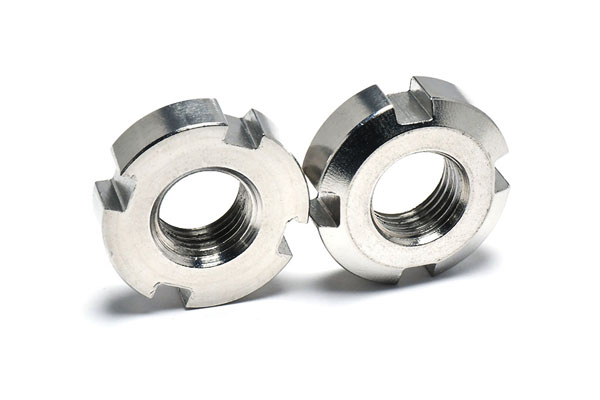
Розніца ў кошце матэрыялу
Пра гэта сьведчаць тыповыя рынкавыя ўмовы 18/10 вырабы з нержавеючай сталі могуць каштаваць прыблізна 5-20% больш чым параўнальна 18/8 прадукцыя, у залежнасці ад тыпу прадукту, вытворчы працэс, пазіцыянаванне брэнда, і ваганні коштаў на нікель.
| Каэфіцыент выдаткаў | 18/8 З нержавеючай сталі | 18/10 З нержавеючай сталі |
| Змест нікеля | ~8% | ~10% |
| Кошт сыравіны | Ніжэйшы | Вышэйшы |
| Кошт вырабу | Падобныя | Крыху вышэй |
| Пазіцыянаванне тавару | Ад стандартнага да прэміум-класа | Прэмія |
| Пачатковая цана пакупкі | Больш эканамічны | Даражэй |
Розніца звычайна больш прыкметная ў спажывецкіх таварах, такіх як кухонны і сталовы посуд, чым у прамысловых кампанентах, дзе выдаткі на апрацоўку і апрацоўку дамінуюць.
Разгляд выдаткаў на жыццёвы цыкл
Хоць 18/10 нержавеючая сталь мае больш высокую пачатковую цану, яго палепшаная стабільнасць паверхні можа паменшыць выдаткі на доўгатэрміновую замену і тэхнічнае абслугоўванне.
Напрыклад:
- Посуд прэміум-класа можа заставацца візуальна прывабнай дзесяцігоддзямі.
- Камерцыйнае кухоннае абсталяванне можа патрабаваць меншай колькасці замен.
- Дэкаратыўныя нержавеючыя дэталі даўжэй захоўваюць знешні выгляд.
- Асяроддзе з высокай чысцінёй выйграе ад прасцейшага абслугоўвання.
Вось чаму, сапраўдная эканамічная каштоўнасць павінна быць ацэнена на аснове Агульная кошт жыццёвага цыкла, не толькі кошт пакупкі.
Больш танны матэрыял, які патрабуе частай замены, у канчатковым выніку можа каштаваць даражэй, чым больш якасны прадукт з нержавеючай сталі з больш доўгім тэрмінам службы.
7. Як вызначыць 18/8 і 18/10 З нержавеючай сталі?
| Метад | Як выканаць | Што гэта паказвае |
| Магнітны тэст | Пакладзеце магніт на сталь. | 18/8 і 18/10 па сутнасці немагнітныя ў отожженном стане. Дэталі, апрацаваныя халодным спосабам, могуць быць слабамагнітнымі. |
| Колер/Знешні выгляд | Візуальны агляд. | 18/10 (316) часта мае ярчэй, больш бліскучае пакрыццё, чым 18/8 (304). |
| Хімічны кропкавы тэст | Выкарыстоўвайце камерцыйны набор для ідэнтыфікацыі з нержавеючай сталі. | Выяўляе наяўнасць малібдэна (316) або больш высокае ўтрыманне нікеля. |
| Іскравы тэст | Шліфуйце сталь і назірайце іскры. | 304 і 316 вырабляюць падобныя іскры; цяжка адрозніць. |
XRF аналіз |
Выкарыстоўвайце партатыўны рэнтгенаўскі флуарэсцэнтны аналізатар. | Забяспечвае колькасны элементны аналіз (Кр, У, Мо). |
Самы надзейны спосаб: XRF аналіз забяспечвае канчатковую ідэнтыфікацыю складу сплаву. Для спажывецкіх тавараў, праверце характарыстыкі вытворцы або маркіроўку.
8. Усебаковае параўнанне: Як выбраць паміж 18/8 і 18/10 З нержавеючай сталі?
Выбар паміж 18/8 і 18/10 з нержавеючай сталі патрабуе комплекснай ацэнкі складу сплаву, карозійная серада, Механічныя патрабаванні, чаканні знешняга выгляду, тэрмін службы, і агульны кошт валодання.
У наступнай табліцы прадстаўлена прафесійнае параўнанне, якое дапаможа вызначыць найбольш прыдатны матэрыял для розных прымянення.
| Крытэрыі адбору | 18/8 З нержавеючай сталі | 18/10 З нержавеючай сталі |
| Змест нікеля | Approximately 8% У | Approximately 10% У |
| Змест Chromium | Approximately 18% Кр | Approximately 18% Кр |
| Базавая ўстойлівасць да карозіі | Выдатна падыходзіць для агульных умоў | Выдатна з крыху палепшанай устойлівасцю |
| Ўстойлівасць да кіслых прадуктаў і хімічных рэчываў | Вельмі добра; падыходзіць для звычайнага кантакту з ежай | Вельмі добры; лепшая ўстойлівасць да шматразовага хімічнага ўздзеяння |
| Устойлівасць да соляў і хларыдаў | Добры ў мяккіх умовах; можа быць абмежавана пры працяглым уздзеянні | Крыху палепшана, але не эквівалентна 316 з нержавеючай сталі |
| Яркасць паверхні пасля паліроўкі | Добрае святлоадбівальнае пакрыццё | Больш высокі бляск і лепшая здольнасць да люстраной паліроўкі |
Ўстойлівасць да афарбоўвання і змены колеру |
Добры | Выдатны |
| Механічная трываласць | Трываласць на разрыў звычайна 515–650 Мпа | Трываласць на разрыў звычайна 520-680 Мпа |
| Пластычнасць і пластычнасць | Выдатнае падаўжэнне (40–60%) | Выдатны, крыху палепшаная стабільнасць фармавання |
| Ўдарная глейкасць | Выдатны, у тым ліку пры нізкіх тэмпературах | Выдатны, з некалькі павышаным захаваннем трываласці |
| Устойлівасць да зносу і драпін | Добры; паляпшаецца шляхам халоднай апрацоўкі | Трохі лепшая трываласць паверхні |
| Цеплавая ўстойлівасць | Выдатна падыходзіць для звычайнага прыгатавання ежы і прамысловых тэмператур | Выдатны, з такой жа тэрмічнай стабільнасцю |
Прадукцыйнасць бяспекі харчовых прадуктаў |
Выдатны; шырока дазволены для кантакту з харчовымі прадуктамі | Выдатны; пераважны для харчовых прадуктаў прэміум-класа |
| Трываласць у посудамыйнай машыне | Ад добрага да выдатнага | Выдатны |
| Кошт вырабу | Ніжэй з-за паніжанага ўтрымання нікеля | Вышэй за кошт дадатковага нікеля |
| Кошт жыццёвага цыкла | Выдатнае значэнне ва ўмераных умовах | Лепшая доўгатэрміновая каштоўнасць у патрабавальных прыкладаннях |
| Патрабаванні да знешняга выгляду | Падыходзіць для стандартных прадуктаў | Лепш для раскошных і дэкаратыўных вырабаў |
| Тыповыя прыкладанні | Бытавая посуд, ракавіны, харчовыя кантэйнеры, агульнапрамысловыя кампаненты | Прэміум посуд, сталовыя прыборы, камерцыйныя кухні, абсталяванне высокага класа |
9. FAQ
ёсць 18/10 нержавеючая сталь лепш, чым 18/8?
Так, 18/10 забяспечвае цудоўную ўстойлівасць да карозіі, лепшая эстэтыка, і павышаную трываласць у параўнанні з 18/8. Аднак, 18/8 з'яўляецца больш рэнтабельным і дастатковым для многіх прыкладанняў.
«Лепшы» выбар залежыць ад прыкладання.
ёсць 18/10 магніт з нержавеючай сталі?
Ніякі. 18/10, быццам 18/8, з'яўляецца аўстэнітным і па сутнасці немагнітным у отожженном стане. Халодная апрацоўка можа выклікаць слабы магнетызм.
Як я магу даведацца, што мой посуд 18/8 або 18/10?
Праверце этыкетку вытворцы, упакоўка, або апісанне прадукту. Магнітны тэст можа паказаць нержавеючую сталь (немагнітныя) але не можа адрозніць 18/8 і 18/10.
ёсць 18/10 тое самае, што 316 з нержавеючай сталі?
Ніякі, гэта вельмі распаўсюджанае памылковае меркаванне. 316 нержавеючая сталь змяшчае 2-3% малібдэна і больш высокае ўтрыманне нікеля, забяспечваючы значна лепшую ўстойлівасць да хларыду.
18/10 па-ранейшаму з'яўляецца матэрыялам класа 304 без наўмыснага дадання малібдэна.
Калі я павінен даплаціць за 18/10 з нержавеючай сталі?
Удакладніце 18/10 для дэталяў глыбокай выцяжкі, посуд прэміум-класа, харчовае абсталяванне і дэталі, якія патрабуюць жорсткай халоднай фармоўкі.
Для простых канструктыўных частак, архітэктурнае аздабленне і агульнае выраб, standard 18/8 304 з'яўляецца больш эканамічным і цалкам прыдатным выбарам.
10. Conclusion
Параўнанне паміж 18/8 і 18/10 з нержавеючай сталі дэманструе, што абодва матэрыялы з'яўляюцца высокапрадукцыйнымі нержавеючымі сплавамі з выдатнай устойлівасцю да карозіі, механічная надзейнасць, і бяспекі пры кантакце з харчовымі прадуктамі.
Прынцыповая розніца заключаецца ў змесце нікеля.
Дадатковы нікель у 18/10 нержавеючая сталь паляпшае стабільнасць пасіўнага аксіднага пласта, паляпшае знешні выгляд паверхні, і забяспечвае некалькі лепшую ўстойлівасць да афарбоўвання і працяглага ўздзеяння навакольнага асяроддзя.
Гэтыя перавагі робяць яго асабліва прыдатным для посуду прэміум-класа, камерцыйныя кухні, дэкаратыўныя аплікацыі, і прадукты, дзе знешні выгляд і даўгавечнасць маюць вырашальнае значэнне.
Для прымянення агульнага прызначэння, 18-8 нержавеючая сталь забяспечвае выдатную каштоўнасць і прадукцыйнасць.
Для прадуктаў прэміум-класа і патрабавальных умоў, дзе доўгатэрміновы выгляд і падвышаная ўстойлівасць да карозіі апраўдваюць дадатковыя выдаткі, 18-10 нержавеючая сталь - пераважны выбар.
У канчатковым рахунку, выбар правільнай маркі нержавеючай сталі - гэта не выбар самага дарагога матэрыялу - гэта выбар матэрыялу, які забяспечвае лепшае спалучэнне прадукцыйнасці, надзейнасць, і значэнне жыццёвага цыкла для канкрэтнага прымянення.

